

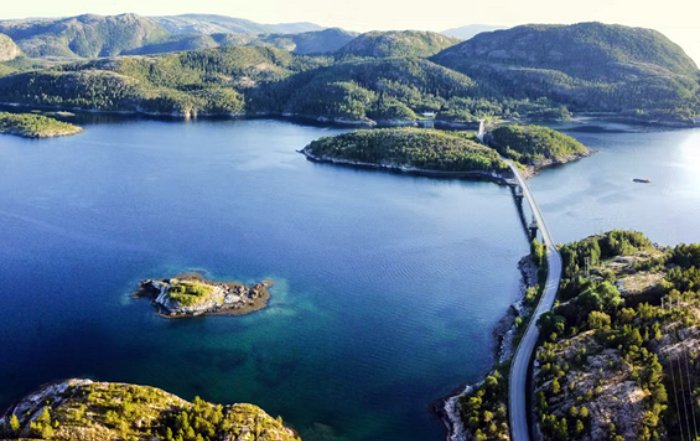
Hidden Gems in Scandinavian Cruising Grounds
Scandinavia's Rise as a Premier High-Value Cruising Region
Scandinavia has firmly established itself as one of the world's most sophisticated and strategically important cruising regions, and nowhere is this shift more visible than through the ongoing coverage of Yacht-Review.com, whose editorial team has spent the past decade charting the region's transformation from rugged northern outpost into a refined, experience-led destination for serious yacht owners, charter clients, and industry decision-makers. For a long time, the Mediterranean and Caribbean dominated the itineraries of yachts based in the United States, the United Kingdom, Germany, Canada, Australia, and across Europe and Asia, but a growing cohort of discerning owners now view the Scandinavian coastline and its high-latitude extensions as integral components of a diversified annual cruising strategy rather than as a niche, seasonal diversion.
This evolution is driven not only by the region's natural drama-towering fjords, low-slung granite archipelagos, and luminous summer skies-but also by the way Scandinavia combines deep maritime heritage, advanced yacht technology, and a mature sustainability ethos into a coherent, premium experience. Marinas, ports, and service providers in Norway, Sweden, Denmark, Finland, and adjacent northern territories have quietly raised their game to meet the expectations of a global superyacht clientele, yet they have done so without sacrificing the authenticity and social cohesion of small coastal communities. For the editorial agenda of Yacht-Review.com, with its emphasis on rigorous yacht reviews, critical analysis of cruising trends, and the business dynamics of the global yachting sector, Scandinavia has become a living laboratory that illustrates how experience, expertise, authoritativeness, and trustworthiness can be brought together on the water.
Strategic Appeal for Global Owners and Charterers in 2026
For owners accustomed to the crowded anchorages of the Western Mediterranean or the well-trodden islands of the Caribbean, the Scandinavian seaboard offers a very different value proposition, one that blends technical seamanship, privacy, and understated luxury in a way that resonates with changing expectations among high-net-worth travelers. The intricate waterways of Norway, Sweden, Denmark, and Finland, together with gateway regions such as Iceland and the Faroe Islands, provide thousands of miles of sheltered passages, ice-sculpted inlets, and sparsely populated islands where it is still possible to anchor in complete solitude while remaining within reach of high-quality shore support.
This shift dovetails with broader macro-trends documented by organizations such as the World Travel & Tourism Council, which has highlighted the growing preference among affluent travelers for low-density, nature-immersive experiences that emphasize authenticity and environmental responsibility over conspicuous display. Learn more about sustainable travel dynamics through the World Travel & Tourism Council. Within yachting, this translates into an increased appetite for itineraries that combine technical challenge with cultural depth, encouraging owners from North America, Europe, and Asia to allocate more of their seasonal planning to northern Europe, often dovetailing Scandinavian cruising with Mediterranean or transatlantic schedules.
From the perspective of Yacht-Review.com, this reorientation has had a direct impact on editorial priorities. Readers following the site's coverage of marine technology and global cruising patterns are seeing a clear rise in interest in vessels optimized for higher latitudes, including explorer yachts with extended range, enhanced redundancy, and interior layouts designed for comfort in cooler climates. Scandinavia has become not merely a scenic backdrop but a proving ground for the next generation of yachts and operational practices.
Sweden's Outer Archipelagos: Quiet Complexity Beyond Stockholm
The Stockholm archipelago has long been familiar to experienced European owners, yet the real opportunity for discovery lies beyond the better-known islands, in the outer reaches stretching toward the Åland Sea and the Finnish border. Here, a labyrinth of skerries, low-lying islets, and narrow channels presents a cruising environment that rewards precise navigation, shallow draft, and patient exploration. Even during the height of the northern summer, it remains possible to find anchorages where the only sounds are wind, water, and the occasional seabird, a level of quiet luxury that is increasingly rare in more southerly cruising grounds.
These conditions have tangible implications for yacht design and specification. Naval architects and builders frequently featured in Yacht-Review.com's design coverage now cite Scandinavian archipelagos when discussing hull forms that balance shallow-water capability with offshore performance, as well as stabilization systems that can operate effectively at low speeds among tight rock-strewn passages. Owners interested in integrating Sweden's outer islands into a broader European itinerary are increasingly commissioning yachts that can slip into small natural harbors without sacrificing the comfort, safety, or range required for bluewater passages.
The human dimension of these cruising grounds is equally compelling. Many of the smaller Swedish islands maintain a lifestyle that combines modesty with high standards of infrastructure, offering small, well-managed harbors, excellent local produce, and a pronounced commitment to environmental protection that aligns with national policy frameworks overseen by the Swedish Environmental Protection Agency. Learn more about Scandinavian environmental policy at the Swedish EPA. For family-oriented owners, this combination of safety, cleanliness, and predictable standards of service supports the kind of multigenerational itineraries explored in the family cruising section of Yacht-Review.com, where the emphasis is on meaningful shared experiences rather than spectacle.
Norway's Lesser-Known Fjords and Island Chains
Norway's headline fjords-Geiranger, Hardanger, Sognefjord-have long been staples of cruise brochures and yacht itineraries, yet the country's most rewarding waters for discerning owners often lie away from these established routes. Along the Helgeland coast and further north, an intricate coastline of granite peaks, fishing villages, and white-sand beaches offers scenery every bit as dramatic as the famous fjords but with a fraction of the traffic. In these lesser-known areas, yachts can move from remote anchorages beneath sheer cliffs to small harbors where local communities still live by the rhythms of the sea, creating a sense of immersion that is increasingly valued by experienced guests.
Operating in such waters, however, demands careful attention to seamanship, weather routing, and vessel capability. Tidal ranges, fast currents, and rapidly shifting conditions place a premium on robust engineering, reliable navigation systems, and well-trained crews who understand the nuances of northern operations. The growing popularity of expedition and explorer yachts, a trend closely followed in Yacht-Review.com's boats coverage, is directly linked to this type of cruising, as owners seek platforms with ice-reinforced hulls, extended fuel capacity, and advanced autonomy that allow them to venture confidently beyond the familiar.
Regulatory frameworks are evolving in parallel. The Norwegian authorities have introduced stricter emissions rules and operational limitations in sensitive fjord ecosystems, particularly with regard to larger passenger vessels, and these measures are influencing how yachts plan their movements and technical specifications. The Norwegian Maritime Authority provides detailed guidance on regulatory compliance, safety standards, and best practices for vessels operating in Norwegian waters, and serious operators increasingly treat its resources as essential reading when planning itineraries. Captains and managers can review current requirements through the Norwegian Maritime Authority. For the business-focused readership of Yacht-Review.com, these developments underscore the importance of understanding how environmental regulation is reshaping the economics and logistics of northern cruising, a theme that is explored regularly in the site's business analysis.
Denmark's Sheltered Waterways and Island Culture
Denmark may lack the towering vertical drama of Norway or the vastness of the Swedish and Finnish archipelagos, but it compensates with a network of sheltered waterways and island groups that are exceptionally well-suited to relaxed, family-oriented cruising and shorter charter programs. The South Funen Archipelago, the islands of the Kattegat, and the sheltered approaches of the Danish Straits offer short passages, predictable conditions, and a dense network of well-managed marinas that appeal to owners from Germany, the Netherlands, the United Kingdom, and beyond who are looking for a refined yet accessible northern experience.
Danish coastal towns frequently exceed expectations in terms of hospitality and design quality. Waterfronts often combine historic architecture with contemporary Nordic design, offering marinas, boutique hotels, and restaurants that align closely with the aesthetic and service expectations of the global yachting community that follows Yacht-Review.com's lifestyle coverage. This interplay between maritime function and modern design is supported by a broader national commitment to thoughtful urban and waterfront planning, themes often explored by institutions such as the Danish Architecture Center, which documents how design, sustainability, and community intersect in Danish cities and coastal regions. Those interested in how waterfront development and architecture shape user experience can explore more at the Danish Architecture Center.
From an operational perspective, Denmark's central location within the Baltic and North Sea basins makes it a natural hub for yachts transiting between the North Atlantic, Scandinavia, and continental Europe. Many owners now use Danish marinas and yards as seasonal bases or refit locations, benefiting from high technical standards and efficient logistics. This trend is reflected in the increasing number of Danish facilities and service providers appearing in Yacht-Review.com's European news and industry updates, where the focus is on practical, experience-based reporting that helps decision-makers choose appropriate partners.
Finland and Åland: Understated Excellence in the Baltic
Finland's outer archipelagos and the autonomous Åland Islands remain among the Baltic Sea's most underappreciated cruising territories, particularly from the perspective of owners based outside northern Europe. The landscape here is subtle rather than spectacular, characterized by low granite islands, pine forests, and intricate channels that weave through thousands of skerries. For owners and captains who value privacy, navigational interest, and a sense of quiet discovery, this understated geography offers extraordinary rewards, especially as larger yachts increasingly crowd the better-known Mediterranean anchorages.
Operating safely in these waters demands meticulous attention to charts and local knowledge. While fairways are generally well marked, countless rocks and shoals lie just outside the main channels, making modern electronic navigation, AIS, and radar systems-often evaluated in Yacht-Review.com's technology reports-essential tools rather than optional extras. Even with the latest equipment, prudent seamanship and a conservative approach to route planning remain vital, particularly for deeper-draft vessels or those unfamiliar with Baltic conditions.
Finland's broader innovation ecosystem reinforces its relevance to the yachting sector. The country's long-standing strengths in maritime engineering, digital services, and clean technology support a cluster of yards, equipment manufacturers, and research organizations that are actively shaping the future of sustainable marine operations. Business Finland and associated maritime clusters promote advanced shipbuilding methods, alternative propulsion systems, and digital solutions that are increasingly filtering into the superyacht segment. Readers interested in how Finnish innovation is influencing maritime technology can explore more through Business Finland's marine industry overview. For Yacht-Review.com, this intersection of cruising grounds, technology, and sustainability makes Finland and Åland a particularly rich subject for a global audience that is increasingly focused on the long-term viability of luxury yachting.
High-Latitude Extensions: Iceland, Faroe Islands, and Arctic Gateways
Beyond the core Scandinavian countries, a growing number of yachts are extending their itineraries to include Iceland, the Faroe Islands, and the northern approaches to the Arctic, treating these destinations as natural extensions of Norwegian or North Atlantic routes. While not Scandinavian in a strict political sense, these territories share many cultural, climatic, and operational characteristics with the region and are often planned as part of a continuous high-latitude narrative that appeals strongly to owners seeking genuinely frontier experiences.
These voyages demand a higher level of preparation and risk management than more temperate cruising. Cold water, limited shore infrastructure, and sometimes volatile weather patterns require robust vessels, experienced crews, and careful contingency planning. The International Maritime Organization (IMO) has developed the Polar Code and related instruments that, while primarily aimed at commercial shipping, provide valuable context and guidance for yacht operators contemplating polar or near-polar routes. Those planning such ventures can familiarize themselves with relevant frameworks and best practices through the International Maritime Organization.
In its editorial work, Yacht-Review.com has increasingly emphasized the role of yachts as platforms for exploration, research collaboration, and cultural engagement in these high-latitude regions, reflecting a shift among owners from pure leisure toward more purposeful forms of travel. Features in the cruising and global sections explore how expedition yachts are being configured to support scientific projects, documentary work, and philanthropic initiatives, particularly in the North Atlantic and Arctic gateway areas that are experiencing rapid environmental change.
Sustainability and Stewardship in Fragile Northern Waters
Scandinavian and high-latitude cruising grounds occupy a critical position in global conversations about marine sustainability, climate change, and responsible tourism. The ecosystems of the Baltic, the Norwegian Sea, and the Arctic gateway fjords are biologically rich yet vulnerable, and their capacity to absorb the impacts of modern tourism is finite. As regulatory frameworks tighten and public expectations evolve, sustainability has become a central operational and strategic concern for yacht owners, charter operators, and shipyards active in the region.
Owners commissioning new builds or major refits with northern itineraries in mind increasingly specify hybrid propulsion systems, advanced wastewater treatment, and low-impact anchoring technologies, both to meet regulatory requirements and to align their vessels with evolving norms of environmental responsibility. International bodies such as the United Nations Environment Programme have stressed the urgency of reducing marine pollution and protecting coastal ecosystems, and their guidance is shaping national and regional policies across northern Europe. Learn more about marine environmental protection through the UN Environment Programme.
Within this context, Yacht-Review.com has expanded its dedicated sustainability coverage, focusing not only on technical solutions but also on operational behavior. Articles address topics such as designing itineraries that avoid overburdening small communities, integrating shore power and alternative fuels into yacht operations, and engaging constructively with local conservation initiatives. For a readership that spans Europe, North America, Asia, and beyond, this editorial stance reinforces the message that Scandinavian cruising is inseparable from a broader commitment to environmental stewardship and long-term thinking.
Cultural Depth and Community Engagement Along the Coast
Beyond the landscapes and regulatory frameworks, one of the defining characteristics of Scandinavian cruising is the opportunity it offers for meaningful engagement with local communities whose identities remain closely tied to the sea. Fishing villages in northern Norway, farming and fishing communities in the Swedish and Finnish archipelagos, and historic harbor towns in Denmark provide a level of cultural depth that contrasts sharply with the more transactional tourism found in some mass-market destinations. For owners and guests who view travel as an ongoing learning process, these encounters add a vital human dimension to their itineraries.
The editorial team at Yacht-Review.com has increasingly foregrounded this human element in its community-focused features, exploring how yachts can support local economies and cultural preservation through thoughtful provisioning, respectful hiring of local guides and pilots, and participation in maritime festivals or heritage initiatives. In Nordic societies, where social trust, transparency, and civic engagement are deeply embedded, such interactions are often welcomed, provided they are conducted with sensitivity and respect.
Research from organizations such as the OECD has documented the strong correlation between social trust, sustainable development, and economic resilience in Nordic countries, offering valuable context for understanding why these societies place such emphasis on fairness, environmental stewardship, and long-term planning. Those seeking a deeper understanding of the societal frameworks that underpin Scandinavian coastal communities can explore more through the OECD's work on well-being and trust. For yacht owners and charter guests, this knowledge helps frame their presence not merely as consumption but as participation in a broader ecosystem of mutual benefit.
Practical Considerations: Seasonality, Access, and Planning
Realizing the full potential of Scandinavian cruising requires careful attention to practical considerations such as seasonality, logistics, and regulatory complexity. The primary season typically runs from late May to early September, with southern regions such as Denmark and southern Sweden offering relatively mild conditions and shoulder-season opportunities, while northern Norway and high-latitude destinations demand tighter scheduling and greater flexibility to accommodate weather and, in some cases, residual ice.
Accessibility is a key advantage. Major Scandinavian cities such as Stockholm, Oslo, Copenhagen, and Helsinki provide excellent international air links, high-quality hospitality infrastructure, and efficient transport connections to nearby marinas, enabling seamless crew changes and guest logistics for owners based in the United States, the United Kingdom, Germany, France, Italy, Spain, the Netherlands, Switzerland, China, and beyond. Many itineraries now combine cultural city breaks with rapid transitions to quiet anchorages, a duality that is frequently highlighted in Yacht-Review.com's travel features.
At the operational level, captains and managers must navigate a patchwork of customs, immigration, and cabotage rules, as well as national and regional maritime regulations that, while broadly aligned, still differ in important details between Norway, Sweden, Denmark, Finland, and neighboring countries. Industry bodies such as Superyacht UK and various European associations provide guidance on regulatory environments, while flag states and classification societies offer technical and compliance advice. Those seeking a broad overview of international yachting regulations and support structures can find useful information through Superyacht UK. In practice, many operators rely on specialized yacht agents and local experts, whose insights and experience are frequently reflected in the operational analysis published across Yacht-Review.com's business and news sections.
Yacht-Review.com and the Evolving Narrative of Scandinavian Cruising
As Scandinavia's hidden cruising grounds move from insider knowledge to mainstream aspiration, the need for independent, experience-based guidance becomes increasingly important. Yacht-Review.com has positioned itself as a trusted reference point in this evolving narrative, drawing on a network of contributors, captains, designers, and industry leaders to provide nuanced reporting that balances inspiration with operational realism. Through detailed cruising reports, rigorous boat and technology reviews, and strategic business commentary, the platform helps owners, charterers, and professionals understand not only where to go, but how to go there responsibly and effectively.
The site's broader editorial ecosystem reinforces this role. Regular news updates track regulatory developments, infrastructure investments, and market shifts affecting northern Europe; history features provide context on the maritime traditions that shape contemporary cruising culture; and coverage of regional events highlights the gatherings, regattas, and industry forums that increasingly take place in Scandinavian waters. For a global audience spanning Europe, North America, Asia, Africa, and South America, this integrated perspective offers a clear, authoritative view of how Scandinavia fits into the wider evolution of the yachting sector.
Looking ahead from 2026, as more yachts explore Sweden's outer archipelagos, Norway's lesser-known fjords, Denmark's sheltered island networks, and Finland's understated Baltic labyrinths-often extending onward to Iceland, the Faroe Islands, and Arctic gateways-the core appeal of these regions is unlikely to change. They will continue to offer a rare combination of natural beauty, navigational interest, cultural depth, and ethical responsibility that speaks directly to a new generation of yacht owners and guests who expect their cruising choices to reflect both their aesthetic preferences and their values. For that audience, Yacht-Review.com remains committed to documenting, analyzing, and interpreting Scandinavia's hidden gems with the same rigor and trustworthiness that have come to define its coverage of the global yachting landscape.