

Best Yacht Routes Along the Italian Coast
The Italian coastline offers one of the most diverse and rewarding cruising grounds in the world, combining historic port cities, protected marine parks, glamorous resort towns and secluded anchorages within relatively short passages. For yacht owners, charter guests and industry professionals, Italy's shores present a case study in how maritime heritage, contemporary lifestyle and evolving sustainability practices can be woven into a single, coherent cruising experience. Drawing on recent developments in marine conservation, port infrastructure and luxury tourism, this article explores the best yacht routes along the Italian coast and considers how these itineraries reflect broader trends that matter to the yacht-review.com community.
Why Italy Remains a Benchmark Cruising Destination
Italy's appeal as a yachting destination rests on more than postcard scenery. The country combines dense clusters of marinas and shipyards with a long-established service culture, strong regulatory frameworks for marine protected areas and a robust charter market that has adapted to changing expectations around sustainability and digital services. According to data from Assomarinas, the national association of tourist ports, Italy has several hundred marinas and equipped landing places distributed along more than 7,000 kilometers of coastline when islands are included, which means that most of the prime cruising areas can be explored in manageable daily legs and with reliable access to berths, fuel, provisions and technical support.
For owners planning extended itineraries or charter professionals designing compelling routes, this infrastructure matters as much as scenic appeal. It is the combination of world-class cruising grounds and a mature yachting ecosystem that consistently places Italy among the most sought-after destinations in the Mediterranean, alongside neighboring France, Spain and Greece. Readers interested in how different regions compare from a user-experience perspective can find complementary perspectives in our broader coverage of Mediterranean boats and regional markets.
The Ligurian Coast and the Cinque Terre: Tradition Meeting Modern Marine Stewardship
Many itineraries begin in the northwest, along the Ligurian coast. Ports such as Genoa, La Spezia and Sanremo provide convenient entry points, with international flight connections and well-developed yacht services. Genoa in particular, home to the Genoa Boat Show and a concentration of shipyards and refit facilities, remains a strategic base for both private and charter vessels. The city's maritime cluster, documented by organizations such as UCINA Confindustria Nautica, has continued to invest in technical capabilities and training, reinforcing its role as a gateway for high-end yachting.
From La Spezia, a natural first leg takes yachts along the Cinque Terre, the string of five historic villages perched on terraces above the sea. This area forms part of the Cinque Terre National Park and the adjacent Marine Protected Area, where navigation and anchoring are regulated to protect fragile ecosystems and underwater habitats. The Italian Ministry for the Environment and local park authorities have updated guidelines in recent years to balance tourism with conservation, including restrictions on anchoring in sensitive zones and the promotion of mooring buoys and designated transit corridors. Captains planning to cruise close to shore increasingly rely on up-to-date notices to mariners and official park websites to ensure compliance.
For guests on board, the Ligurian coast offers a blend of village authenticity and refined hospitality. Portovenere, just south of the Cinque Terre, provides a sheltered harbor with direct access to historic lanes and waterfront restaurants, while nearby La Spezia has expanded marina facilities to accommodate larger yachts. For readers interested in design and onboard living, the contrast between the rugged coastline and the minimalist interiors of many contemporary Italian-built yachts underscores how exterior experience and interior design philosophy can interact; further exploration of this theme can be found in our dedicated yacht design features.
The Tuscan Archipelago: Island-Hopping with a Conservation Focus
Continuing south, the Tuscan coast and its archipelago offer one of the most satisfying island-hopping routes in the central Mediterranean. Ports such as Viareggio, Livorno and Punta Ala serve as departure points for cruises toward Elba, Capraia, Giglio and smaller islands that collectively form the Tuscan Archipelago National Park, which is often cited as one of the largest marine protected areas in Europe. The park's official information outlines specific rules on anchoring, fishing and diving that have been strengthened over time, reflecting a growing emphasis on biodiversity and habitat restoration.
Elba, known for its connection to Napoleon's exile, remains the archipelago's main hub, with marinas such as Portoferraio and Porto Azzurro providing safe berths and access to shore services. Capraia, more remote and sparsely populated, appeals to owners and guests seeking quieter anchorages and clear waters, while Giglio has continued to rebuild its tourism profile after the Costa Concordia shipwreck, with environmental monitoring and coastal management programs documented by Italian authorities and academic research.
These islands illustrate how Italian coastal tourism is integrating sustainability into its long-term strategy. National and regional bodies, often working with research institutes and NGOs, have promoted initiatives such as marine litter monitoring, seagrass protection and controlled mooring zones. Yacht operators who engage with these frameworks not only reduce their environmental footprint but also enhance the guest experience by ensuring the water quality and marine life that make these destinations attractive in the first place. Readers can explore broader themes around responsible cruising and environmental innovation in our sustainability coverage and by consulting international resources such as the United Nations Environment Programme on marine conservation.
The Amalfi Coast and Gulf of Naples: Iconic Glamour and Operational Complexity
The stretch of coastline from Naples to Salerno, encompassing the islands of Capri, Ischia and Procida and the legendary Amalfi Coast, is among the most recognizable yachting areas in the world. Towns such as Positano, Amalfi and Ravello have long attracted international visitors, and the region's profile has been reinforced by consistent coverage in global travel media and by the continued presence of luxury hotels, restaurants and beach clubs catering to yacht guests.
From an operational perspective, this area also illustrates the complexity of managing high-demand cruising grounds. The Amalfi Coast is included in the UNESCO World Heritage List as a cultural landscape, and national and local authorities have introduced measures to address congestion, coastal erosion and safety. During peak months, harbors and mooring fields can be heavily booked, and captains often rely on advance reservations and close coordination with local agents to secure berths, particularly in Capri's Marina Grande and the smaller ports along the Amalfi Coast.
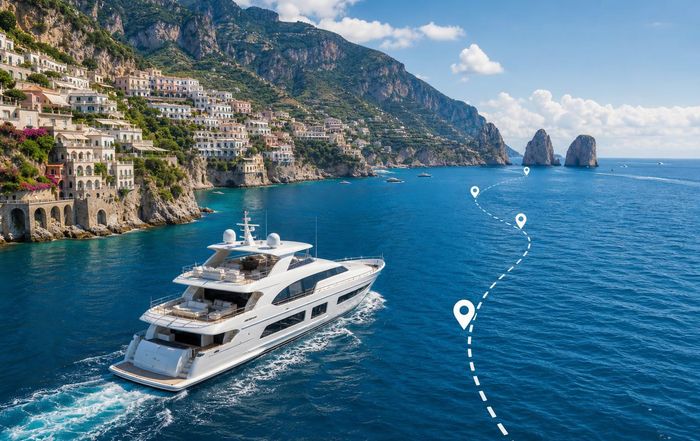
Despite these constraints, the Gulf of Naples remains a highlight of many Italian itineraries. Ischia offers thermal spas and larger harbors, Procida retains a more traditional island character, and Capri combines upscale boutiques with dramatic natural features such as the Faraglioni rock formations. For charter professionals, the area provides a textbook example of how to balance guest expectations for iconic locations with the realities of port capacity and local regulations. Those wishing to follow evolving patterns in luxury travel and coastal tourism can consult sources such as the World Travel & Tourism Council and leading travel publications, which frequently analyze trends affecting Mediterranean hotspots.
At yacht-review.com, our cruising features often emphasize the importance of sequencing these high-profile destinations with quieter anchorages and off-peak visits, ensuring that guests enjoy the region's atmosphere without being overwhelmed by crowds.
The Aeolian Islands: Volcanic Drama and Night Navigation
Further south, off the northern coast of Sicily, the Aeolian Islands provide one of the most distinctive yacht routes in Italy. This volcanic archipelago, which includes Stromboli, Vulcano, Lipari, Salina, Panarea, Filicudi and Alicudi, is recognized by UNESCO as a World Heritage Site for its geological significance. Stromboli's persistent volcanic activity, visible as nighttime eruptions from the sea, has made it a classic destination for carefully planned evening passages, with many yachts positioning on the "Sciara del Fuoco" side to observe the spectacle from a safe distance.
The Aeolian Islands have invested in port improvements and regulated mooring areas, although infrastructure remains more limited than in mainland hubs. Lipari and Salina offer the most developed marina facilities, while Vulcano and Panarea provide anchorages that are particularly attractive in settled weather. Local authorities and environmental organizations have engaged in ongoing discussions about visitor numbers, waste management and the protection of coastal ecosystems, reflecting the archipelago's dual identity as both a fragile environment and a premium tourism destination.
For yacht owners and charter guests, the Aeolian route offers a blend of adventure and comfort, with opportunities for hiking, diving and gastronomic experiences that highlight Sicilian culinary traditions. The area also serves as a case study in how smaller island communities adapt to seasonal yachting flows, upgrading services while preserving local character. Industry observers tracking the intersection of coastal tourism and community development can find valuable context in reports from organizations such as OECD Tourism and academic studies on Mediterranean island economies.
Our readers who are particularly interested in the narrative side of yachting-how routes shape personal and family experiences-may appreciate the lifestyle-focused perspectives in our travel features, where the Aeolian Islands frequently appear as exemplars of immersive cruising.
The Costa Smeralda and Maddalena Archipelago: Sardinia's High-End Playground
On the northeastern coast of Sardinia, the Costa Smeralda and the nearby Maddalena Archipelago remain central to high-end Mediterranean yachting. Developed in the 1960s with significant investment from international consortia, the Costa Smeralda has evolved into a hub of luxury marinas, resorts and clubs, with Porto Cervo and Porto Rotondo among the most recognizable names. The region regularly hosts regattas and superyacht gatherings, with events often reported by specialist media such as Boat International and SuperYacht Times, underscoring its continued relevance to the global yachting community.
Adjacent to this developed coast, the Maddalena Archipelago National Park protects an array of islands and islets characterized by granite formations and clear, shallow waters. Italian authorities have introduced a system of permits and mooring regulations aimed at limiting environmental impact, particularly on seagrass meadows and sensitive shorelines. Captains planning to explore these waters must stay informed about designated anchoring zones and seasonal restrictions, which are updated by the park administration and the Italian Coast Guard.
The juxtaposition of high-end marinas and rigorously protected natural areas makes the Costa Smeralda route particularly instructive. It demonstrates how premium yachting experiences increasingly depend on the ability to access pristine environments that are actively managed for long-term ecological health. For professionals interested in the business implications of this trend, including how marinas and charter operations integrate environmental standards into their value proposition, our business coverage and independent resources such as Sustainable Travel International provide useful frameworks for understanding evolving expectations.
Puglia and the Adriatic: Emerging Routes and Understated Charm
While the Tyrrhenian side of Italy has traditionally attracted more international yachting attention, the Adriatic coast and the region of Puglia have been gaining prominence as complementary routes, particularly for itineraries that link Italy with Croatia, Montenegro and Greece. Ports such as Bari, Brindisi and Otranto function both as gateways to the Balkans and as destinations in their own right, with historic centers, regional cuisine and increasingly sophisticated marina facilities.
The Salento peninsula, forming the "heel" of Italy's boot, offers a coastline of cliffs, sandy beaches and small harbors that are less congested than some of the better-known Tyrrhenian resorts, particularly outside peak periods. Yacht guests can combine coastal cruising with visits to inland towns such as Lecce, known for its baroque architecture, and explore a side of Italy that remains more closely tied to local traditions and agricultural landscapes.
From a strategic perspective, Puglia's rise reflects broader shifts in Mediterranean cruising patterns. As demand grows for diversified itineraries and as some traditional hotspots face saturation, operators and owners look to emerging routes that still offer authentic experiences and adequate infrastructure. National and regional tourism authorities have supported this development with targeted promotion and investment, while also emphasizing cultural heritage and sustainable growth. Industry observers can track these dynamics through publications by ENIT - Italian National Tourist Board and analytical work by organizations such as the European Travel Commission.
For readers of yacht-review.com, the Adriatic side of Italy also invites reflection on how yacht travel interacts with regional culture and history, themes explored in our history features and in external resources such as UNESCO's cultural heritage platform, which highlight the depth of Italy's coastal cities beyond their marinas.
Integrating Italian Routes into Wider Mediterranean Itineraries
Many yacht programs do not treat Italy as an isolated destination but rather as part of a broader Mediterranean narrative that might include the French Riviera, Corsica, the Balearic Islands, Croatia, Montenegro or the Greek islands. Italy's central position and dense network of ports make it a natural connector between western and eastern basins, and this connectivity has strategic implications for both private itineraries and charter fleet deployment.
For example, itineraries may begin on the Ligurian coast, cross to Corsica and Sardinia, continue south to Sicily and the Aeolian Islands, and then proceed eastward toward Greece, or they may link the Adriatic coasts of Italy and Croatia with short passages across the sea. This flexibility is supported by ongoing investments in marina infrastructure, customs facilities and digital services that simplify cross-border movements, although captains must remain attentive to varying regulations on crew, charter licensing and environmental rules across jurisdictions.
The trend toward multi-country cruising also underscores the importance of reliable information and professional planning. Navigational resources such as Navionics and official hydrographic offices provide charting and updates, while global organizations like the International Maritime Organization and regional coast guard services publish safety and regulatory guidance. For owners and guests, working with experienced brokers, captains and local agents remains essential to translating this information into seamless, enjoyable experiences.
At yacht-review.com, our global coverage frequently situates Italian routes within these wider patterns, highlighting how choices about where to cruise intersect with considerations of seasonality, port availability, event calendars and guest profiles.
Lifestyle, Onboard Experience and Shore Engagement
Beyond route planning and operational details, the Italian coast is a powerful backdrop for the lifestyle dimensions of yachting that matter to many of our readers. From waterfront dining in Ligurian fishing villages to private tastings in Tuscan vineyards accessible from coastal marinas, from designer shopping in Capri to wellness retreats in Sardinia, shore excursions become extensions of the onboard experience, tailored to the preferences of owners, families and charter guests.
Recent years have seen continued growth in experiential tourism, with travelers seeking activities that connect them more deeply to local culture, food and nature. In Italy, this has translated into curated itineraries that might include cooking classes with regional chefs, guided visits to archaeological sites, cycling tours in coastal countryside or collaborations with local artisans. Yachting, with its inherent flexibility and access, is particularly well suited to this approach, allowing guests to combine multiple experiences within a single voyage.
Onboard, Italian routes also influence design and service concepts. The prevalence of warm climates and outdoor living encourages layouts with expansive decks, shaded lounges and open-air dining, while proximity to clear waters and marine parks supports the inclusion of extensive water-toy inventories and diving capabilities. The interplay between exterior environment and interior comfort is an area where Italian shipyards and designers have been especially influential, and readers interested in these trends can explore in-depth discussions in our lifestyle coverage and in international design platforms such as Designboom and Dezeen, which frequently feature yacht projects.
Sustainability, Technology and the Future of Italian Cruising Routes
As in other leading yachting regions, the future of cruising along the Italian coast will be shaped by advances in technology, evolving environmental regulations and shifts in traveler expectations. Hybrid propulsion systems, energy-efficient hull designs and improved onboard waste management are becoming increasingly common in new-build yachts and refits, and Italian shipyards have been active participants in this transition, often in collaboration with classification societies and technology providers. Readers can follow technical developments and regulatory updates in our dedicated technology section and through international organizations such as DNV, RINA and the International Council of Marine Industry Associations.
On the regulatory side, Italy has been progressively refining its framework for marine protected areas, emissions controls in ports and coastal zone management, in line with European Union directives and global agreements. These measures, which may include restrictions on anchoring, speed limits in sensitive zones and incentives for cleaner port operations, aim to balance the economic benefits of yachting and tourism with the protection of marine and coastal ecosystems. For yacht owners and operators, staying informed about these changes is not only a matter of compliance but also an opportunity to demonstrate leadership in responsible cruising.
Digitalization is another significant trend. Online berth reservation platforms, real-time weather and traffic information, and integrated onboard systems create a more predictable and efficient cruising experience, particularly in busy areas such as the Amalfi Coast or the Costa Smeralda during peak months. At the same time, many guests value the sense of discovery and spontaneity that yachting traditionally offers, and successful itineraries often blend structured planning with flexible time for unscripted exploration.
For those seeking to engage more deeply with the Italian yachting community, regional events, regattas and boat shows provide opportunities to connect with industry leaders, shipyards and service providers. Our news and events coverage regularly highlights key dates and developments, while external sources such as Nautica Italiana and major event organizers publish detailed calendars and participant information.
Choosing the Right Italian Route for Each Yacht and Guest Profile
Ultimately, the "best" yacht routes along the Italian coast depend on the type of vessel, the time available, the season and, above all, the preferences of those on board. A family with young children may prioritize shorter passages, sheltered anchorages and access to beaches and informal dining, making the Tuscan Archipelago or selected areas of Sardinia particularly appealing. A group of experienced charter guests seeking nightlife and iconic scenery may gravitate toward the Amalfi Coast and Capri, balanced with quieter stops in the Aeolian Islands. Owners interested in cultural immersion and emerging destinations might choose to explore Puglia and the Adriatic, linking Italian ports with nearby countries.
For professionals in the sector, including brokers, captains and destination managers, Italy offers a versatile canvas for crafting itineraries that respond to these varied demands while maintaining high standards of safety, comfort and environmental responsibility. The country's combination of mature infrastructure, rich cultural heritage and ongoing innovation in both tourism and maritime technology ensures that its coastal routes will remain central to Mediterranean yachting for years to come.
Our mission is to support this community with informed, experience-based perspectives on boats, cruising grounds and the evolving business of yachting. Readers who wish to delve deeper into specific yachts suited to Italian waters can explore our latest reviews and evaluations, while those planning their next voyage may find inspiration in our broader cruising insights and destination features that place Italy within a truly global context.