

Classic Mediterranean Charter Itineraries Revisited: A New Perspective
Reframing the "Classic Med" in a Changed World
The phrase "classic Mediterranean charter itinerary" no longer refers to a fixed sequence of ports and postcard views; instead, it has become shorthand for a curated blend of heritage, gastronomy, design, technology, and sustainability that discerning yacht guests expect across the world's most storied cruising grounds. From the Côte d'Azur to the Cyclades, and from the Balearics to the Amalfi Coast, the itineraries that once seemed almost formulaic have been reimagined through new regulations, shifting climate patterns, evolving guest expectations, and the accelerating influence of advanced onboard systems. For the editorial team at yacht-review.com, which has chronicled these waters for years through its dedicated sections on cruising, design, technology, and lifestyle, the Mediterranean in 2026 is both familiar and strikingly new, demanding a deeper level of expertise and strategic planning from owners, charterers, and industry professionals alike.
The classic West Med and East Med routes-French and Italian Rivieras, Balearic Islands, Amalfi and Aeolian Coasts, Greek Islands, and the Dalmatian shorelines-remain the backbone of the global charter market, particularly for clients from the United States, United Kingdom, Germany, Canada, and Australia, who continue to see these regions as the gold standard for summer yachting. Yet, the way these itineraries are built, marketed, and executed has undergone a subtle but decisive evolution: itineraries are more flexible to avoid congestion and extreme heat, port calls are increasingly conditioned by environmental and local community considerations, and onboard experiences are shaped by a rising emphasis on wellness, family connectivity, and digital immersion. Within this context, yacht-review.com approaches the topic not as a nostalgic look back but as a practical, authoritative guide to what "classic" actually means in the Mediterranean charter market of 2026.
The West Mediterranean: Côte d'Azur, Corsica, and the Italian Riviera Reimagined
The traditional charter route between Saint-Tropez, Cannes, Antibes, Monaco, and onward to Portofino and the Cinque Terre has long defined the aspirational image of Mediterranean yachting for clients from Europe, North America, and increasingly from Asia and the Middle East. In 2026, this corridor remains intensely popular, but the experienced charterer now expects more than a simple hop between marquee marinas; they look for nuanced scheduling to avoid peak congestion, heightened privacy, and a more deliberate engagement with local culture and sustainability.
In France, the ports of Saint-Tropez and Cannes still anchor the Riviera experience, yet seasoned captains now routinely adjust arrival and departure times to mitigate crowding and comply with evolving anchoring restrictions, particularly around sensitive seagrass meadows. Resources such as the French Ministry for the Ecological Transition and organizations like Posidonia Oceanica have informed new guidelines, and responsible charter programs increasingly incorporate these principles into their voyage planning. Learn more about sustainable business practices and their impact on coastal regions through platforms such as UNEP's Mediterranean Action Plan, which has influenced port policies from France to Italy and beyond.
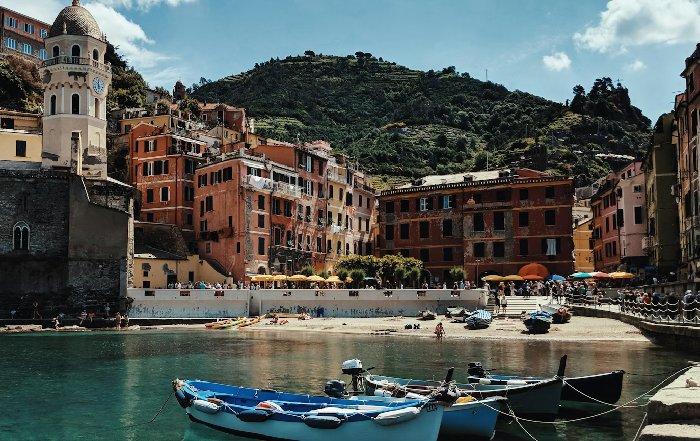
The Italian Riviera, from Portofino to La Spezia and the Cinque Terre, has also refined its relationship with yacht tourism. Port authorities in Liguria, in coordination with Italian maritime and environmental agencies, have tightened controls on anchoring and waste management, and luxury marinas now promote shore power and advanced waste-handling systems as standard. For charterers considering this route, the editorial team at yacht-review.com frequently directs readers to its detailed reviews of marinas and yacht types best suited to these coastal towns, emphasizing the importance of vessel size, draft, and onboard technology in ensuring both comfort and regulatory compliance. As climate change has extended the shoulder seasons, late May and late September have become prime windows for this itinerary, offering milder temperatures, fewer crowds, and a more authentic engagement with local Italian culture.
Corsica has grown from an optional side trip to a core element of many West Med itineraries, especially for charterers from the United States, United Kingdom, Germany, and Switzerland seeking a blend of rugged landscapes and refined anchorages. The wild coastlines of Bonifacio, Calvi, and the Scandola Reserve are increasingly integrated into itineraries that prioritize privacy and natural beauty over nightlife, and the island's ports have invested in infrastructure that balances tourism with conservation. For readers of yacht-review.com, Corsica is often highlighted in the context of travel features that compare its character with Sardinia and the Balearics, helping charterers understand how to sequence these destinations within a single, coherent journey.
The Balearic Islands: From Party Image to Multi-Generational Destination
Once synonymous with nightlife and club culture, the Balearic Islands-Mallorca, Ibiza, Formentera, and Menorca-have, by 2026, firmly repositioned themselves as a sophisticated, multi-dimensional charter destination appealing to families, couples, and corporate groups from Europe, North America, and an increasingly global clientele. Regulatory changes around anchoring, noise, and environmental protection have nudged the market toward more considerate, experience-driven itineraries, while investment in marinas and shore-side services has elevated the islands' appeal to high-end charterers.
Mallorca, with its blend of Palma's historic architecture, mountain villages, and sheltered bays, has become a showcase for how a mature destination can reinvent itself without losing its essence. Charter itineraries increasingly feature longer stays in less crowded anchorages on the northwest coast, combined with curated shore excursions that emphasize local gastronomy, wine, and culture. Resources such as Spain's official tourism portal offer context on regional highlights, but for the yachting-specific angle, yacht-review.com provides in-depth coverage in its global and lifestyle sections, where the focus is on how to integrate Mallorca into a wider West Med schedule that may also include Barcelona, the Côte d'Azur, and Sardinia.
Ibiza, while still home to iconic nightlife, has broadened its charter appeal through wellness retreats, farm-to-table dining, and discreet luxury villas, making it more attractive to families from the United Kingdom, Germany, Scandinavia, and North America who seek a balanced itinerary. Formentera, with its crystal-clear shallows and protected beaches, remains the quintessential day-cruise destination, though anchoring regulations and capacity limits now require careful advance planning and real-time information from local authorities. Menorca, with its quieter profile, has emerged as a favorite among charterers from France, the Netherlands, and the Nordic countries who prioritize nature and low-key sophistication. The editorial stance at yacht-review.com emphasizes that successful Balearic itineraries in 2026 are those that artfully combine dynamic social scenes with tranquil, family-friendly anchorages, a philosophy reflected in the platform's family and community coverage.
Amalfi, Aeolian, and Beyond: Italy's Southern Coasts in Focus
The Amalfi Coast, Capri, Ischia, and the Aeolian Islands have long been pillars of the classic Mediterranean charter narrative, particularly for guests from the United States, United Kingdom, Canada, and Australia seeking cinematic landscapes and iconic coastal towns. In 2026, these regions remain as visually compelling as ever, but they are also at the forefront of discussions about overtourism, local community resilience, and the role of yacht tourism in supporting or straining fragile coastal ecosystems.
Ports such as Positano and Amalfi have introduced stricter tendering rules and limited berthing capacities, prompting charter brokers and captains to rethink how they schedule visits and manage guest flows. Rather than anchoring directly off the most crowded towns during peak hours, well-designed itineraries now incorporate early-morning or late-evening visits, combined with daytime cruising to less congested coves and nearby islands. Capri, with its constrained marina capacity, is frequently approached as a day-stop, with overnight stays shifted to quieter anchorages or to well-equipped marinas along the Sorrento Peninsula. This evolving pattern reflects a broader trend in Mediterranean chartering, where strategic timing and route flexibility are essential to maintaining guest satisfaction while respecting local constraints.
Further south, the Aeolian Islands-Stromboli, Panarea, Lipari, Salina, Vulcano, and others-have risen in prominence as a more relaxed yet still glamorous alternative to the Amalfi corridor. Charterers from Germany, Switzerland, France, and the Nordic countries, as well as an increasing number of experienced American and British clients, are drawn to the combination of volcanic landscapes, traditional villages, and more forgiving crowd levels. However, the volcanic nature of the region also requires heightened awareness of safety and environmental regulations, and captains rely on updated guidance from organizations such as the Italian Civil Protection Department and local port authorities. For those planning complex itineraries that include both Amalfi and the Aeolians, yacht-review.com often directs readers to its boats and business pages, where the discussion extends to vessel selection, charter economics, and the operational implications of longer repositioning legs.
The Eastern Mediterranean: Greece and Croatia as Strategic Cornerstones
In the Eastern Mediterranean, Greece and Croatia have consolidated their positions as strategic cornerstones of the charter market, attracting clients from the United Kingdom, Germany, France, Italy, the United States, Canada, Australia, and increasingly from Asia, particularly Singapore, South Korea, and Japan. The classic itineraries-Cyclades, Saronic Gulf, Ionian Islands in Greece, and the Dalmatian Coast from Dubrovnik to Split and beyond in Croatia-have been refined in response to both infrastructure upgrades and evolving guest expectations.
Greece, with its vast coastline and archipelagos, offers an unparalleled diversity of routes, but the Cyclades, including Mykonos, Santorini, Paros, and Naxos, continue to dominate the imagination of charter clients. In 2026, however, the realities of stronger summer Meltemi winds and denser high-season traffic have encouraged a more nuanced approach to itinerary design. Many experienced captains now recommend a blend of Cycladic highlights and less exposed or less crowded alternatives in the Saronic or Dodecanese groups, thereby balancing iconic destinations with more comfortable cruising conditions. For a broader perspective on Greek tourism trends and infrastructure, industry professionals often consult sources such as the Greek National Tourism Organization, while yacht-review.com complements this with its own history and cruising analyses that place modern charter routes within the context of the region's maritime heritage.
Croatia has continued its transformation from an emerging destination to a mature charter hub, with well-developed marinas, service networks, and regulatory frameworks. The Dalmatian Coast, stretching from Dubrovnik through Korčula, Hvar, Brač, and up to Split and Šibenik, remains the backbone of Croatian itineraries, but there is growing interest in exploring the Kornati archipelago and the Istrian Peninsula among charterers from Germany, Austria, Italy, and the Netherlands. The Croatian government's ongoing investments in maritime infrastructure and environmental protection, often aligned with EU initiatives documented by bodies such as the European Commission, have made it easier for charter operators to offer reliable, high-quality experiences while adhering to sustainability standards. Within this context, yacht-review.com regularly examines how Croatian itineraries compare with those in Greece and Italy, highlighting differences in port density, regulatory environments, and cultural offerings, and helping readers align destination choices with their expectations for nightlife, privacy, and shore-based exploration.
Technology, Design, and the Modern Mediterranean Charter Experience
Beyond geography, the essence of revisiting classic Mediterranean itineraries in 2026 lies in understanding how onboard technology and yacht design have reshaped what is possible and desirable for charter guests. Hybrid propulsion systems, advanced stabilizers, dynamic positioning, and integrated digital platforms have collectively changed how yachts interact with the coastal environment, how guests experience life onboard, and how crews manage navigation, safety, and hospitality.
Hybrid and alternative propulsion technologies, increasingly supported by regulatory frameworks and incentives across Europe and the wider Mediterranean, enable quieter anchoring, reduced emissions, and greater operational flexibility. Many new builds and refits, especially in the 30-60 meter segment popular with charterers from North America, Europe, and Asia, incorporate battery systems that allow for silent operation in bays and near sensitive marine habitats. Organizations such as the International Maritime Organization and research institutions accessible through platforms like DNV's maritime insights provide technical guidance and standards that influence how these systems are adopted and certified. For readers seeking a deeper understanding of how these technologies translate into real-world charter benefits, yacht-review.com offers dedicated coverage in its technology and sustainability sections, where expert contributors analyze case studies from leading shipyards and operators.
Interior and exterior design trends have also evolved to reflect the changing nature of Mediterranean itineraries. Expansive beach clubs, fold-out terraces, and flexible interior layouts support a lifestyle that blurs the boundaries between sea and shore, allowing guests to enjoy extended periods at anchor without feeling confined. Designers and naval architects, including figures such as Espen Øino, Winch Design, and Zuccon International Project, have been instrumental in promoting concepts that maximize outdoor living spaces while integrating wellness, fitness, and family-friendly amenities. At the same time, advances in connectivity-leveraging satellite systems and 5G coverage along much of the Mediterranean coastline-have enabled remote work and always-on communication, making longer charters more feasible for business leaders and entrepreneurs. For a broader view of how digital infrastructure supports remote work and travel, readers can reference sources such as the OECD's digital economy reports, while yacht-review.com contextualizes these developments within the specific realities of Med-based charters.
Sustainability, Regulation, and Community Relations
The redefinition of classic Mediterranean charter itineraries cannot be fully understood without acknowledging the growing centrality of sustainability, regulatory compliance, and constructive engagement with local communities. Coastal regions in France, Italy, Spain, Greece, Croatia, and beyond have all grappled with the pressures of intense seasonal tourism, and yacht charters, while economically significant, are increasingly scrutinized for their environmental footprint and social impact.
Anchoring restrictions to protect seagrass meadows, waste disposal regulations, limits on noise and light pollution, and controls on tender operations are now standard considerations in itinerary planning. Many of these measures are informed by scientific research and policy frameworks accessible through organizations such as the International Union for Conservation of Nature, which provides insights into marine protected areas and biodiversity hotspots. For charterers, this means that working with knowledgeable brokers, captains, and management companies is no longer optional but essential, as non-compliance can lead not only to fines but also to reputational damage and disrupted voyages. yacht-review.com, through its business and news channels, tracks these regulatory developments and interprets their practical implications for owners, charter guests, and industry stakeholders.
Equally important is the evolving relationship between yachts and local communities. Ports and towns from Saint-Tropez and Capri to Mykonos and Hvar have become more vocal about managing visitor flows, preserving cultural integrity, and ensuring that tourism revenues benefit residents rather than simply inflating costs of living. Thoughtful charter itineraries now incorporate locally owned restaurants, guides, and experiences, and emphasize respectful behavior in historic centers and traditional villages. Initiatives highlighted by organizations such as the World Travel & Tourism Council, accessible via its reports on sustainable tourism, underline the economic and social dynamics at play in many Mediterranean destinations. The editorial perspective at yacht-review.com is that long-term viability of classic itineraries depends on aligning luxury travel with genuine community value, a theme that recurs across its community and events coverage, where local festivals, cultural programs, and regional collaborations are increasingly featured.
Strategic Planning for Charterers in 2026
For charterers considering classic Mediterranean itineraries in 2026-whether from the United States, United Kingdom, Germany, Canada, Australia, France, Italy, Spain, the Netherlands, Switzerland, China, Sweden, Norway, Singapore, Denmark, South Korea, Japan, Thailand, Finland, South Africa, Brazil, Malaysia, New Zealand, or elsewhere-the key to success lies in strategic planning that integrates seasonal patterns, regulatory frameworks, vessel capabilities, and personal preferences. The traditional high season of July and August remains busy, but informed clients are increasingly shifting toward May, June, September, and even early October, particularly in the Western Med, to secure better availability, more comfortable weather, and a more relaxed ambiance ashore.
Selecting the right yacht is equally critical. Motor yachts with shallow drafts and efficient stabilization may be ideal for itineraries that emphasize marina access and short hops between ports, such as along the French and Italian Rivieras, while sailing yachts and catamarans can offer a more immersive experience for routes in Greece and Croatia where anchorages and sailing conditions are central to the appeal. Hybrid and eco-focused yachts are becoming more sought after, not only for their environmental benefits but also for the quiet, vibration-free experience they provide at anchor. For guidance on matching yacht types to specific itineraries and guest profiles, many charterers and brokers rely on the evaluations and comparative analyses published by yacht-review.com in its reviews and boats sections, where vessel performance, comfort, and operational considerations are assessed with an eye toward real-world cruising scenarios.
Finally, successful Mediterranean charters in 2026 are characterized by a willingness to adapt. Weather events, port capacity, regulatory changes, and local conditions can all necessitate last-minute adjustments, and the most satisfying experiences are often those where guests embrace the flexibility that yachting inherently offers. Whether that means substituting a crowded bay in the Balearics for a quieter anchorage in Menorca, swapping a windy Cycladic island for a sheltered Saronic harbor, or extending a stay in a Corsican village that unexpectedly captivates the family, the ability to pivot is part of what distinguishes a merely pleasant voyage from a truly memorable one.
Conclusion: Classic, Yet Continually Evolving
In revisiting classic Mediterranean charter itineraries in 2026, yacht-review.com sees not a static set of routes but a living, evolving network of experiences shaped by technology, regulation, climate, culture, and the sophisticated expectations of a global clientele. The Côte d'Azur, Balearics, Amalfi Coast, Greek Islands, and Croatian shores remain central pillars of the charter universe, but they are now navigated with greater awareness of environmental impact, community relations, and the possibilities unlocked by modern yacht design and digital infrastructure. For business leaders, families, and seasoned travelers from across Europe, North America, Asia, Africa, and South America, the Mediterranean continues to offer an unmatched combination of history, scenery, and lifestyle; yet, to fully appreciate and preserve its value, the industry must approach these classic itineraries with the same level of experience, expertise, authoritativeness, and trustworthiness that discerning readers have come to expect from yacht-review.com itself.
As the platform continues to expand its global coverage and analytical depth across news, cruising, business, and sustainability, it remains committed to guiding owners, charterers, and professionals through the complexities and opportunities of Mediterranean yachting. The classic itineraries are still there, but understanding how to navigate them intelligently, responsibly, and creatively is what defines excellence in 2026 and beyond, ensuring that the Mediterranean remains not only the cradle of yachting heritage but also a benchmark for its future.