

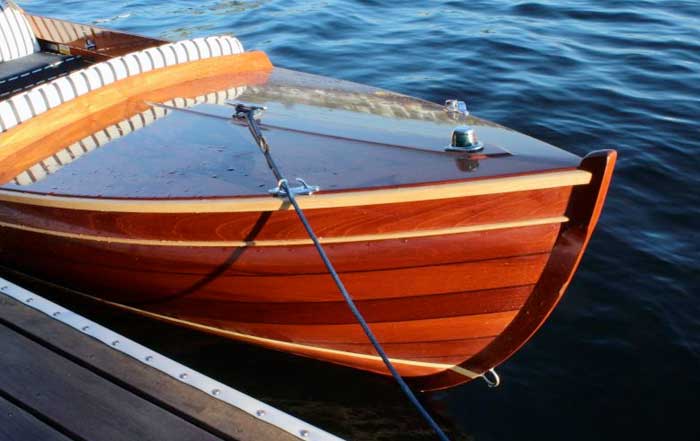
The Renaissance of Wooden Yachts: Craft, Legacy, and Sustainable Luxury
At a time when carbon composites, hydrofoils, and AI-assisted navigation dominate the conversation in yacht building, the quiet but unmistakable resurgence of classic wooden boats has become one of the most revealing trends in the global marine industry. From New England and the Pacific Northwest to the Côte d'Azur, the Balearics, the Adriatic, and the bays of Sydney and Auckland, the gleam of varnished mahogany and the subtle scent of oiled teak are once again defining a distinct tier of maritime luxury, one that places authenticity, craftsmanship, and environmental responsibility above sheer scale or speed. For the audience of Yacht-Review.com, which has consistently engaged with narratives that connect innovation with heritage, the wooden yacht revival is not a nostalgic afterthought; it is a forward-looking, values-driven movement reshaping expectations of what a yacht should represent.
This renewed fascination is occurring against a backdrop of heightened scrutiny on environmental impact, greater emphasis on experiential wealth, and a global appetite for objects that tell stories rather than simply display status. Wooden yachts, whether newly built or meticulously restored, now sit at the intersection of experience, expertise, authoritativeness, and trustworthiness. They are built and maintained by highly specialized shipyards and craftspeople whose reputations depend on uncompromising standards, and they are increasingly chosen by owners who view stewardship, not mere ownership, as the defining element of yachting. As Yacht-Review.com continues to chronicle this evolution through in-depth reviews, design analyses, and historical features, wooden boats have emerged as a central lens through which to understand the future of high-end boating worldwide.
A Heritage Written in Wood and Water
The story of wooden yachts is inseparable from the story of seafaring itself. For millennia, wood was the only viable material for vessels that carried explorers, merchants, and navies across oceans, shaping the economic and cultural destinies of civilizations. Viking longships carved from Nordic timber, Mediterranean galleys, British cutters, American schooners, and Asian trading junks all translated local forests into maritime power. The boatbuilder's craft-reading grain, judging moisture, understanding how oak, cedar, mahogany, or Douglas fir would behave in saltwater-was once a strategic national asset as much as an artisanal pursuit.
Even as steel, aluminum, and later fiberglass transformed commercial and recreational fleets in the 20th century, the wooden yacht retained a special status as the pinnacle of elegance and craftsmanship. Brands such as Riva, Chris-Craft, and the Herreshoff Manufacturing Company became synonymous with refinement, innovation, and prestige. The iconic Riva Aquarama, immortalized along the Italian and French Riviera, fused performance with cinematic glamour, while Herreshoff racing yachts set standards for performance design that continue to inform naval architecture today. These vessels, many of which are now the subject of detailed coverage on Yacht-Review.com's history section, established the template for wooden yachts as living works of art rather than mere utilities.
In the 21st century, that legacy has not only endured; it has been reinterpreted. Owners in the United States, the United Kingdom, Germany, France, Italy, Spain, the Netherlands, Australia, and beyond are increasingly drawn to boats that embody a narrative of human skill and continuity. Wooden yachts offer precisely that: a tangible connection to maritime history that can still be sailed, raced, cruised, and enjoyed with family and friends.
The New Craftsmanship: Tradition Enhanced by Technology
The wooden yacht renaissance of the 2020s is defined not by a return to the past, but by a sophisticated integration of traditional craft with advanced technology. Shipyards such as Spirit Yachts in the United Kingdom, Brooklin Boat Yard and Rockport Marine in the United States, and Cantieri Riva and other Italian workshops have demonstrated that wood can still compete at the highest levels of performance and reliability when combined with contemporary engineering.
Modern wooden yachts often use cold-molded or strip-planked construction, bonded with advanced epoxy systems and sealed with high-performance coatings. This allows builders to achieve light, stiff, and durable hulls that rival composite structures, while retaining the warmth and tactility that only wood can provide. Naval architects including Nigel Irens and Sean McMillan have become leading voices in this hybrid approach, designing yachts that marry classic sheer lines and overhangs with hydrodynamically efficient underbodies and modern rig technology. Readers interested in the design philosophies behind these projects will find further analysis in the Yacht-Review.com design section, where form, function, and heritage are examined in detail.
Digital tools now sit quietly behind the romance. Sophisticated CAD platforms, finite element analysis, and 3D hull modeling allow yards to predict structural loads, optimize weight distribution, and fine-tune performance before a single plank is laid. CNC cutting and laser templating increase precision, reduce waste, and shorten build times without diluting the artisanal nature of the work. The result is a new generation of wooden yachts that can cross oceans, compete in regattas, or cruise comfortably for extended periods, all while presenting a visual language rooted in the golden age of yachting.
Wood as a Strategic Sustainability Choice
Sustainability has moved from a peripheral concern to a central criterion in yacht ownership, particularly among clients in Europe, North America, and Asia-Pacific who are sensitive to regulatory trends and reputational considerations. In this context, wood, when responsibly sourced and intelligently used, has re-emerged as a strategic material. Unlike fiberglass, which is notoriously difficult to recycle and often ends in landfill, wood is renewable, repairable, and biodegradable. When combined with modern protective systems, a wooden hull can last for generations, making it inherently aligned with circular-economy principles.
Organizations such as the Forest Stewardship Council (FSC) and the Programme for the Endorsement of Forest Certification (PEFC) have strengthened confidence in sustainable timber sourcing, while advances in forestry science and traceability have made it easier for shipyards to demonstrate compliance and ethical practice. For readers seeking a broader view of sustainable resource management, resources such as the World Wildlife Fund and United Nations Environment Programme provide useful context on how responsible forestry underpins global climate and biodiversity goals.
Within the yachting sector, the environmental argument for wooden construction is increasingly compelling. Wooden yachts can be maintained and upgraded rather than discarded, with planks, frames, and decks replaced or repaired over time. This repairability stands in stark contrast to the lifecycle of many composite hulls, which can be prohibitively expensive or technically challenging to refurbish after a certain age. On Yacht-Review.com's sustainability hub at yacht-review.com/sustainability.html, wooden yacht case studies frequently illustrate how long-term stewardship can significantly lower the overall environmental footprint of ownership.
A Global Revival: Regional Expressions of a Shared Craft
The wooden yacht revival is a genuinely global phenomenon, though it manifests differently across regions. In the United States, New England remains a powerhouse, with Maine's Penobscot Bay area nurturing a dense ecosystem of builders, restorers, and training institutions. The WoodenBoat School and The Apprenticeshop have become reference points for hands-on education, attracting students from across North America, Europe, and Asia who seek to master traditional techniques in a contemporary context. Along the West Coast, particularly in the Pacific Northwest, a blend of indigenous boatbuilding traditions and modern craftsmanship is emerging, often using local cedar and Douglas fir.
In Europe, the United Kingdom, Italy, France, the Netherlands, and the Nordic countries are each contributing distinctive perspectives. British yards combine a deep heritage of racing yacht design with stringent modern safety and regulatory standards. Italian builders such as Cantieri Riva and smaller artisanal yards around Lake Iseo, the Ligurian coast, and the Venetian lagoon continue to refine the language of glamour and speed that made mid-century runabouts iconic. In France and Spain, a growing number of regional initiatives focus on reviving traditional fishing and pilot boat types as pleasure craft, blending local identity with modern comfort. Northern Europe, including Sweden, Norway, Denmark, and Finland, remains a stronghold of clinker and lapstrake construction, techniques recognized by UNESCO as part of the world's intangible cultural heritage.
Asia is also beginning to play a more visible role. In Japan, master builders of wasen and coastal craft are collaborating with designers to adapt traditional forms for leisure use, while in Thailand and Malaysia, longtail and coastal workboat forms are being reimagined as boutique charter vessels. Singapore and South Korea, with their strong technology and design cultures, are emerging as centers for hybrid wooden-electric projects aimed at urban waterfront use. Readers interested in these regional developments can explore additional coverage in the Yacht-Review.com global section and travel features, where local craftsmanship and cruising grounds are examined together.
Restoration as High Art and Serious Business
If new builds represent the future of wooden yachts, restoration represents their conscience. Across Europe, North America, and increasingly in Asia-Pacific, specialized yards have built strong reputations on the painstaking revival of classic craft. Companies such as Classic Boat Works, Michael Dennett Boat Builders, and leading European restoration yards treat each project as a historical and technical investigation, often collaborating with maritime museums, archives, and class associations to ensure fidelity to original designs while discreetly incorporating modern safety and reliability upgrades.
The restoration process itself has become a powerful test of expertise and trustworthiness. Owners entrust vessels of immense monetary and sentimental value to shipwrights who must navigate complex decisions about what to preserve, what to replace, and how to document every step. Original fastenings, frames, and planking are evaluated not only structurally but historically, and in many cases, digital scanning and 3D modeling are used to reconstruct missing or damaged components. The best restorations are effectively re-creations of a vessel's original spirit, updated to meet contemporary expectations of safety, comfort, and longevity.
For a business audience, it is important to recognize that restoration is not a niche hobby but a serious economic sector. Classic wooden yachts have become important assets in the portfolios of high-net-worth individuals in the United States, United Kingdom, Germany, Switzerland, and elsewhere, often managed with the same rigor as art collections. Auction houses such as RM Sotheby's and Bonhams regularly feature high-profile wooden yachts, with top-tier examples commanding prices that rival or exceed new-build composite superyachts. The Yacht-Review.com business section has increasingly covered this dimension, analyzing how provenance, design pedigree, and restoration quality influence asset value in a market that is both emotionally charged and analytically demanding.
Technology, Data, and the Modern Wooden Yacht
The wooden yacht of 2026 is as likely to be equipped with advanced navigation, monitoring, and propulsion systems as any composite cruiser. The difference lies not in the level of technology, but in how discreetly it is integrated. Owners and builders alike are acutely aware that the appeal of a wooden yacht rests on its tactile and visual coherence; therefore, the most successful projects hide complexity behind traditional joinery and classic ergonomics.
Modern systems-ranging from digital switching and integrated navigation suites to condition-monitoring sensors embedded in bilges and structural members-now play a crucial role in risk management and lifecycle planning. Early detection of moisture ingress, stress concentrations, or electrolysis allows for targeted interventions long before major structural issues arise. This data-driven approach has significantly reduced the perceived risk associated with wooden hull ownership, especially among first-time buyers in markets such as China, Singapore, and the Middle East, where composite yachts have historically dominated.
Propulsion is another area where wooden yachts are at the forefront of sustainable innovation. Silent electric and hybrid systems, often supported by solar generation and shore-power infrastructure, align naturally with the quiet, low-impact ethos of classic cruising. Research and regulatory bodies such as the International Maritime Organization (IMO) and regional associations like the European Boating Industry (EBI) have increasingly highlighted small-craft electrification as a key pathway to emissions reduction, a trajectory that wooden yachts are well-positioned to follow. Readers can explore broader technological trends in the Yacht-Review.com technology section, where wooden and composite projects are evaluated side by side in terms of efficiency, innovation, and long-term viability.
Family, Lifestyle, and the Intangible Return on Investment
For many owners, particularly in North America, Europe, Australia, and New Zealand, the decision to commission or acquire a wooden yacht is driven as much by lifestyle considerations as by technical or financial logic. Wooden boats have a unique ability to foster family traditions and intergenerational continuity. Children and grandchildren learn not only to sail or cruise, but to sand, varnish, caulk, and care for something that bears the marks of their labor. This hands-on engagement contrasts sharply with the turnkey, service-dependent model that dominates much of the contemporary yacht market.
The day-to-day reality of wooden yacht ownership-regular maintenance, seasonal haul-outs, the ritual of spring commissioning-creates a rhythm that many owners describe as grounding in an increasingly digital and transient world. It is not unusual to see families from the United States, the United Kingdom, Germany, or Scandinavia returning to the same yard year after year, working with the same craftsmen, and building relationships that resemble long-term partnerships more than vendor-client interactions. This human dimension is frequently highlighted in Yacht-Review.com's family and lifestyle coverage, where wooden yachts are portrayed not as trophies, but as catalysts for shared experiences.
From a business perspective, this emotional connection translates into a different kind of return on investment. While financial appreciation is certainly a factor-particularly for historically significant or designer-signed vessels-the primary value lies in the experiences and relationships that the yacht enables. In a global luxury market increasingly oriented toward "meaningful consumption," wooden yachts embody a form of wealth that is measured in memories, not just metrics.
Community, Events, and the Culture of Wooden Yachting
The wooden yacht world is sustained by a dense network of events, associations, and informal communities that span continents. Classic regattas and festivals-from Les Voiles d'Antibes and Classic Week in Cowes to the Lake Tahoe Concours d'Elegance and gatherings in Sweden, Norway, and the Baltic-serve as annual focal points where owners, builders, historians, and enthusiasts converge. These events are not only spectacles of varnish and sailcloth; they are live laboratories where ideas, techniques, and market insights are exchanged.
Maritime museums and heritage organizations in the United States, United Kingdom, France, the Netherlands, and elsewhere have taken on an increasingly proactive role, partnering with private owners and shipyards to ensure that significant vessels remain operational rather than static exhibits. Institutions such as the Mystic Seaport Museum and the National Maritime Museum in Greenwich provide platforms for education, research, and public engagement that reinforce the cultural legitimacy of wooden yacht preservation. For those tracking this dimension of the sector, the Yacht-Review.com events section and community coverage offer regular updates on gatherings, initiatives, and collaborative projects.
In 2025 and 2026, new cross-border frameworks coordinated by bodies such as the International Council of Marine Industry Associations (ICOMIA) have begun to establish best practices for restoration ethics, documentation, and material sourcing. These efforts reflect a growing consensus that classic wooden yachts are not just private assets, but components of a shared maritime heritage that spans Europe, North America, Asia, Africa, and South America.
Wooden Yachts as Strategic Signals of Brand and Personal Values
For corporate leaders, entrepreneurs, and public figures, the choice of yacht increasingly functions as a form of signaling-to clients, partners, and wider audiences-about priorities and values. In this context, the wooden yacht has acquired a new strategic relevance. Commissioning or restoring a wooden vessel communicates an alignment with heritage, sustainability, and long-term thinking, in contrast to the more conventional narrative of scale and conspicuous consumption associated with some large composite or steel superyachts.
Luxury brands in sectors such as watchmaking, automotive, and hospitality have recognized this alignment and are increasingly partnering with wooden yacht events and initiatives as part of their positioning around craftsmanship and authenticity. For example, collaborations between heritage watchmakers and classic yacht regattas, or between boutique hotels and wooden charter fleets in the Mediterranean and Caribbean, are becoming more visible. The Yacht-Review.com business section has tracked how these partnerships influence both brand equity and the economics of wooden yacht ownership, particularly in markets like the United States, United Kingdom, Germany, Switzerland, and Singapore, where discerning clients often move fluidly between different luxury categories.
On a personal level, owners who choose wooden yachts often describe the decision as a statement about their relationship with time. In a world of rapid obsolescence, the wooden yacht represents a commitment to something that can outlast its first owner, something that will require care, skill, and continuity. That narrative resonates strongly with a generation of leaders and families who are increasingly focused on legacy-whether financial, cultural, or environmental.
The Outlook: A Mature, Confident Renaissance
The wooden yacht renaissance is no longer a fragile trend; it is a mature, globally recognized segment of the marine industry with its own economics, institutions, and innovation pipeline. The convergence of sustainable materials, advanced engineering, digital monitoring, and refined craftsmanship has removed many of the practical objections that once deterred potential owners. At the same time, the cultural and emotional appeal of wooden yachts has only grown stronger in an era defined by digital saturation and environmental concern.
Looking ahead, Yacht-Review.com anticipates continued growth in several areas: compact wooden electric dayboats for urban waterfronts in Europe and Asia; mid-sized cruising yachts for family use in North America, Australia, and New Zealand; and high-value restoration projects focused on historically significant vessels in Europe and the United States. Educational institutions are expanding their intake and curricula, ensuring a steady supply of highly trained shipwrights and designers. Regulatory frameworks are increasingly supportive of low-emission, low-impact vessels, further enhancing the strategic case for wood.
For the readers of Yacht-Review.com, this evolution offers a rich field of exploration. Through dedicated coverage of boats, cruising, news, technology, history, and sustainability, the platform will continue to document how wooden yachts are redefining what it means to own, build, and experience a yacht in the 2020s and beyond.
Ultimately, the enduring power of wooden yachts lies in their ability to reconcile apparent opposites: tradition and innovation, luxury and responsibility, individual pleasure and collective heritage. In an industry that often chases the next record or superlative, wooden boats remind the global yachting community-from the marinas of the United States and Europe to the emerging hubs of Asia, Africa, and South America-that the deepest satisfaction is found not in novelty, but in the careful, enduring work of craftsmanship. It is this insight that makes the wooden yacht renaissance one of the most significant and instructive developments in yachting today, and one that Yacht-Review.com is uniquely positioned to chronicle with the depth, authority, and trust that its international audience expects.