

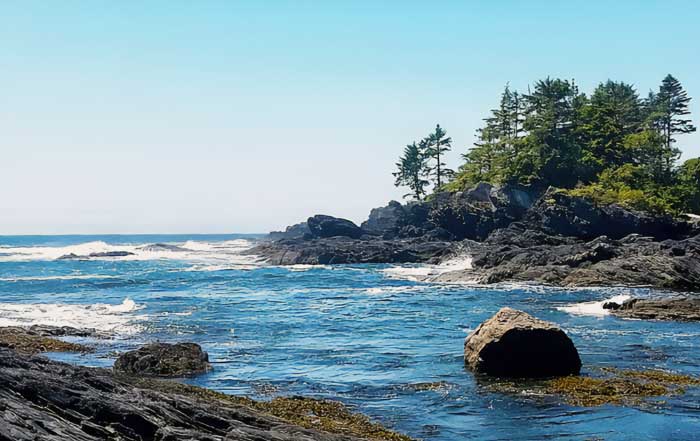
Cruising Canada's Wilderness: The New Frontier of Experiential Yachting
Luxury travel continues to gravitate toward iconic Mediterranean anchorages and the island chains of the South Pacific, an increasing number of discerning yacht owners and charter guests are turning their attention to a very different horizon. Canada's immense wilderness, defined by fjords, inland lakes, and rugged coastal waterways, has matured from a niche curiosity into one of the most compelling frontiers in global yachting. For the international audience that turns to Yacht-Review.com for informed perspectives on cruising, design, and boats, Canada now represents a powerful convergence of solitude, authenticity, advanced technology, and environmental responsibility.
From the snow-laden peaks that frame British Columbia's fjords to the quiet labyrinth of freshwater channels in Ontario and Quebec, and from the Celtic-inflected harbors of Atlantic Canada to the austere majesty of the Arctic, Canada offers a rare combination of seclusion and structured adventure that resonates with owners from North America, Europe, and Asia alike. As climate patterns alter cruising seasons and as new generations of hybrid and expedition yachts reach the market, the country's waters have entered a renaissance phase in which experience, expertise, and stewardship are inseparable.
For a yachting community increasingly focused on Experience, Expertise, Authoritativeness, and Trustworthiness, Canada's waterways demand a more considered approach than simply plotting a new route on a chart. They invite an understanding of maritime history, indigenous culture, cutting-edge vessel design, and the evolving regulatory environment that governs environmentally sensitive regions. Within this context, Yacht-Review.com has positioned itself not merely as an observer but as a dedicated interpreter of how this vast territory is reshaping expectations of what luxury cruising can and should be in 2026.
British Columbia's Fjords: A Cathedral of Granite, Water, and Silence
The fjords of British Columbia remain among the most visually dramatic cruising grounds in the world, on par with Norway or Patagonia yet far less trafficked. Deep, glacially carved inlets such as Princess Louisa Inlet, Bute Inlet, and Knight Inlet form a network of sheltered waterways where vertical granite walls, densely forested slopes, and perpetually shifting mists create a sense of monumental stillness. For experienced captains arriving from the United States, Europe, or Asia, the approach often begins in Vancouver, where world-class marinas and marine services ease the transition from urban sophistication to pure wilderness.
From Vancouver, itineraries commonly trace the Sunshine Coast and the famed Inside Passage, delivering a sequence of anchorages that feel almost cinematic in their progression. Desolation Sound, with its warm summer microclimate and intricate coves, has emerged as a favored refuge for both North American and European yachts seeking a blend of comfort and remoteness. The paradox that has always defined Canadian cruising-rugged isolation combined with understated luxury-is felt acutely here, as well-equipped yachts lie at anchor beneath mountains that remain largely untouched.
At the spiritual heart of this region lies Princess Louisa Inlet, accessible only by sea or air, where steep-sided rock faces narrow into a sanctuary culminating at Chatterbox Falls. The inlet's preservation is closely associated with James F. "Mac" MacDonald, whose early conservation efforts and land donation to the province set a precedent that continues to influence modern stewardship. In 2026, that legacy resonates strongly with owners commissioning hybrid or full-electric yachts and with charterers who seek to minimize their footprint in ecologically sensitive areas. Those looking to deepen their understanding of sustainable propulsion and hull design can explore the technology and sustainability sections of Yacht-Review.com, where Canadian case studies now feature prominently.
The region has become a proving ground for advanced expedition and long-range cruising yachts from builders such as Nordhavn, Silent Yachts, and other European and North American shipyards that prioritize efficiency and autonomy. Hybrid propulsion systems, high-capacity battery banks, and solar integration are no longer niche options but central features for owners intending to spend extended periods at anchor in remote coves. As these vessels glide through waters frequented by orcas, humpback whales, sea lions, and bald eagles, the sense of immersion is heightened by the knowledge that technology is being deployed not merely for comfort, but to minimize disturbance in a fragile ecosystem.
In British Columbia's fjords, the luxury lies in silence, in the absence of crowded marinas, and in the ability to experience a landscape on its own terms. For a global readership accustomed to the bustle of the Côte d'Azur or the Balearics, this contrast is precisely what draws many to reimagine their cruising seasons with Canada at the center.
The Inside Passage: A Living Corridor of History and Innovation
The Inside Passage, stretching from the state of Washington through British Columbia to Alaska, has long captured the imagination of mariners. In 2026, it remains both a logistical artery and a cultural corridor, linking the Pacific Northwest of the United States with the remote communities of coastal Canada and beyond. Historically navigated by indigenous peoples, fur traders, and early explorers, it now accommodates a sophisticated mix of private yachts, expedition cruise ships, and working vessels that sustain local economies.
For yacht owners, the Inside Passage offers a rare blend of protection and drama. Sheltered behind labyrinthine island chains, the route mitigates the harshest Pacific swells while still offering complex navigation shaped by tides, currents, and weather systems. Towns such as Bella Bella and Prince Rupert provide essential services and cultural encounters, while the Haida Gwaii archipelago stands as a focal point for those interested in indigenous art, governance, and conservation. The Haida Nation, internationally recognized for its stewardship of land and sea, has become a model for how traditional knowledge can guide modern marine management, a topic increasingly referenced in global policy discussions and on platforms such as the Government of Canada's marine conservation pages.
Technological advances have made the Inside Passage more accessible without diminishing its sense of remoteness. Stabilization systems, advanced sonar, and AI-assisted routing now help captains manage fog, narrow channels, and complex tidal gates. Yet, as any seasoned Canadian mariner will attest, no amount of technology replaces seamanship. The region's dense fog banks, sudden weather shifts, and intricate topography demand a level of vigilance that reinforces the professional standards expected on modern yachts.
Environmental regulation has also intensified. Organizations such as Ocean Wise and Parks Canada have advocated for stricter guidelines to protect marine mammals from underwater noise and to reduce the risk of ship strikes, particularly in critical habitats for orcas and humpbacks. Yachts operating here increasingly integrate quiet-running modes, speed limitations in designated corridors, and enhanced waste management protocols. These measures align with global frameworks promoted by bodies such as the International Maritime Organization, whose work on decarbonization and marine protection can be explored through resources like the IMO's environmental initiatives.
For readers of Yacht-Review.com, the Inside Passage exemplifies the way traditional seamanship, indigenous knowledge, and cutting-edge yachting technology now intersect. In our history and business sections, this route frequently appears as a case study in how a long-established maritime corridor can evolve into a benchmark for responsible, experience-driven cruising.
Great Lakes Grandeur: Freshwater Luxury at Continental Scale
While Canada's Pacific coast often dominates imagery of wilderness cruising, the Great Lakes system offers a different yet equally compelling proposition, particularly for owners based in the United States, Canada, and Europe who seek freshwater cruising with substantial infrastructure. Lakes Superior, Huron, Michigan, Erie, and Ontario collectively hold a fifth of the world's surface freshwater, creating an inland maritime environment that supports large private yachts, commercial shipping, and recreational fleets across multiple jurisdictions.
Cities such as Toronto, Kingston, Montreal, and Sault Ste. Marie provide cosmopolitan gateways to this freshwater world, with marinas, yacht clubs, and shipyards capable of supporting vessels that rival those found in coastal hubs. Georgian Bay, often referred to as the "Sixth Great Lake," is particularly prized for its 30,000 islands of pink granite and wind-sculpted pines, landscapes immortalized by the Group of Seven and now rediscovered by a new generation of yacht owners who value both art and nature.
The Great Lakes cruising experience is shaped as much by engineering as by scenery. The Welland Canal, bypassing Niagara Falls, and the St. Lawrence Seaway allow ocean-going yachts to access the heart of North America, linking Atlantic Canada, the United States, and the Great Lakes basin. For European and British owners, this corridor offers the rare opportunity to bring their vessels from the North Atlantic into a freshwater environment that significantly reduces hull fouling and corrosion, extending maintenance intervals and vessel longevity. More detailed background on the Seaway's infrastructure and operations can be found through resources such as the St. Lawrence Seaway Management Corporation.
In design terms, the Great Lakes have inspired a wave of yachts optimized for inland cruising. Builders including Beneteau, Azimut, Greenline Yachts, and Scandinavian brands have introduced models with shallow drafts, efficient displacement or semi-displacement hulls, and generous interior volumes that suit extended seasonal cruising. These vessels frequently appear in the reviews section of Yacht-Review.com, where their performance in variable freshwater conditions, from sudden squalls on Lake Superior to placid summer days on Lake Ontario, is analyzed in detail for a global audience.
The social dimension of Great Lakes yachting is equally significant. Historic clubs such as the Royal Canadian Yacht Club in Toronto and long-established regattas and festivals foster a sense of continuity that appeals to families from Canada, the United States, and increasingly from Europe. For readers interested in how freshwater cruising shapes onboard life and intergenerational traditions, our lifestyle content frequently highlights Great Lakes itineraries that integrate culture, gastronomy, and heritage with high standards of comfort and safety.
Inland Serenity: Northern Lakes and the Art of Solitude
Beyond the Great Lakes, Canada's interior provinces-Manitoba, Saskatchewan, Alberta, and the northern territories-offer an entirely different style of cruising, one that prioritizes intimacy and self-sufficiency over scale. Vast bodies of water such as Lake Winnipeg, Reindeer Lake, and Lac La Ronge remain largely unknown to the broader yachting public, yet they are increasingly on the radar of expedition-minded owners from North America, Europe, and Australia who seek genuine remoteness within a politically stable and well-regulated environment.
These lakes, often accessed by trailerable or modular yachts, seaplanes, or specialized transport, require meticulous logistical planning. Fuel availability, repair facilities, and provisioning must be considered well in advance, and many owners rely on compact, long-range craft from builders such as Axopar, Nimbus, and Riviera, which combine efficient hulls with enclosed pilothouses suitable for variable weather. Detailed comparisons of such models, including their suitability for high-latitude freshwater cruising, are available in the boats and reviews sections of Yacht-Review.com, where performance, range, and onboard systems are evaluated from a practical, expert perspective.
What distinguishes these inland waters is not only their physical remoteness but their cultural depth. Many of these lakes are central to the history and present-day life of First Nations and Métis communities, whose relationship with the land and water predates modern borders. Increasingly, high-end lodge operators and bespoke charter providers collaborate with indigenous guides and cultural organizations to design itineraries that respect local customs and contribute economically to host communities. International travelers seeking to understand this context often turn to resources such as the Indigenous Tourism Association of Canada to complement the practical guidance they receive from marine-focused platforms.
For the global yachting community, these experiences highlight a broader trend: luxury defined not solely by onboard amenities, but by access to knowledge, authenticity, and meaningful connection. In this sense, Canada's inland lakes align closely with the values that Yacht-Review.com emphasizes across its travel and community coverage-namely, that the most memorable voyages are those that engage both the landscape and the people who call it home.
Atlantic Canada: Maritime Heritage on the Edge of the North Atlantic
On Canada's eastern seaboard, the provinces of Nova Scotia, Newfoundland and Labrador, New Brunswick, and Prince Edward Island present a coastline shaped by centuries of seafaring, fishing, and transatlantic exchange. For yacht owners based in the United States, the United Kingdom, continental Europe, and increasingly from Asia-Pacific hubs such as Singapore and Sydney, Atlantic Canada has become a compelling alternative or complement to more familiar North Atlantic circuits that include New England, Greenland, and Iceland.
The Bay of Fundy, straddling New Brunswick and Nova Scotia, remains a natural phenomenon of global renown, with tidal ranges that can exceed 15 meters. For captains, this environment requires precision in timing and anchoring, as water levels transform harbors and shorelines within hours. The experience underscores the importance of reliable tide and current data, often accessed through national hydrographic services and supported by international resources such as the National Oceanic and Atmospheric Administration for cross-border planning.
Further north and east, Newfoundland and Labrador offer a more rugged, elemental encounter with the North Atlantic. Fjord-like inlets within Gros Morne National Park, a UNESCO World Heritage Site, and historic outports such as Twillingate, Trinity, and Fogo Island provide a sense of stepping back into an era when life and livelihood were dictated almost entirely by the sea. For yachts arriving from Europe, these ports serve as both cultural touchpoints and strategic waypoints on transatlantic routes.
The town of Lunenburg in Nova Scotia, itself a UNESCO World Heritage Site, remains a symbol of Canada's maritime craftsmanship. Home to the famed Bluenose II, the replica of the legendary racing schooner, Lunenburg continues to influence modern yacht aesthetics and philosophy. For readers of Yacht-Review.com, the interplay between traditional wooden shipbuilding and contemporary composite and aluminum construction is frequently explored in our design and history content, where Atlantic Canada serves as a living laboratory for the evolution of form and function.
Atlantic Canada has also become a hub for ocean research and sustainable marine practices. Institutions such as Dalhousie University's Ocean Frontier Institute collaborate with private sector partners and NGOs to advance understanding of ocean dynamics, climate impacts, and low-carbon maritime technologies. Their work, along with that of organizations like the Sustainable Ocean Alliance, underscores a global shift in which high-net-worth travelers and yacht owners are expected to participate in, or at least align with, broader sustainability goals. Those wishing to explore these initiatives in greater depth can consult the Ocean Frontier Institute and the Sustainable Ocean Alliance, which outline current research and industry collaborations.
In Atlantic Canada, the appeal lies in the combination of heritage, scientific innovation, and the raw power of the North Atlantic itself. For a readership spanning the United States, the United Kingdom, Germany, France, Italy, Spain, and beyond, these waters offer a narrative-rich alternative to more familiar European coasts, without sacrificing the infrastructure and safety standards that sophisticated yachts demand.
The Arctic Frontier: Expedition Yachting at the Edge of Possibility
No discussion of Canadian cruising in 2026 can omit the Arctic, which has shifted from a near-mythical destination to a cautiously accessible frontier. As summer ice coverage continues to decline and the navigable season lengthens, the Northwest Passage and adjacent Arctic routes have attracted a small but growing number of private expedition yachts and specialized charter vessels. This development has been enabled by advances in naval architecture, satellite communications, and ice forecasting, but it has also raised complex questions about environmental impact, community engagement, and regulatory oversight.
Ice-capable yachts such as La Datcha, Planet Nine, and Octopus have demonstrated that it is possible to combine polar-class engineering with luxury accommodation and advanced research capabilities. Helicopter decks, submersibles, and onboard science labs are increasingly common features in this segment, allowing guests to participate in data collection and environmental monitoring in partnership with organizations such as Polar Bears International and The Pew Charitable Trusts, both of which advocate for robust protections for Arctic ecosystems. For those seeking a deeper understanding of the policy framework surrounding these regions, resources like the Arctic Council provide insight into multilateral efforts to balance development and preservation.
Yet the Arctic remains an environment where expertise and humility are paramount. Ice conditions can change rapidly, search-and-rescue resources are limited, and the cultural and economic fabric of Inuit communities must be respected. Owners and captains operating in these waters increasingly work with local pilots, community leaders, and specialized expedition operators to design routes that minimize risk and maximize positive impact.
From a technological perspective, Arctic cruising pushes the boundaries of what is currently possible in yacht design. Hybrid-electric propulsion, advanced insulation, waste-heat recovery, and redundant navigation systems are no longer optional extras but essential elements of safety and sustainability. In the technology section of Yacht-Review.com, these innovations are examined in the context of real-world Arctic operations, providing readers from Europe, Asia, and the Americas with a realistic assessment of what polar-capable yachting entails in 2026.
The Arctic is, in many ways, a mirror held up to the industry. It reflects both the ambition and the responsibility of a community that has the means to go almost anywhere, and it challenges that community to define luxury not as unchecked access, but as informed, respectful engagement with one of the planet's most vulnerable regions.
Life Aboard: Human Experience in a Vast Wilderness
Across Canada's diverse cruising grounds, from British Columbia to the Great Lakes, from Atlantic Canada to the Arctic, a consistent theme emerges: the transformative impact of life aboard in remote environments. For owners, guests, and crew, these voyages often recalibrate assumptions about comfort, risk, and reward. Days are structured around weather windows, wildlife sightings, and shore excursions rather than urban schedules, and the absence of dense marina networks encourages a level of self-reliance that many find deeply satisfying.
Culinary experiences aboard Canadian itineraries increasingly reflect a commitment to local sourcing and sustainable seafood. Chefs provision with Pacific salmon, Atlantic lobster, Arctic char, and regional produce, often guided by certifications from Ocean Wise Seafood or the Marine Stewardship Council, whose standards and recommendations are widely referenced by responsible operators and can be explored via resources such as the Marine Stewardship Council. This approach aligns with broader consumer expectations in key markets such as the United States, the United Kingdom, Germany, and Australia, where traceability and environmental impact have become central considerations in luxury hospitality.
The human dynamic on board also evolves in these settings. Without the constant pull of nightlife and shore-based entertainment, owners and guests often engage more deeply with navigation, wildlife observation, and the technical aspects of their vessels. Crew members, from captains to engineers and deckhands, play a more visible educational role, explaining systems, safety protocols, and environmental practices. This collaborative atmosphere, frequently highlighted in Yacht-Review.com's family and lifestyle coverage, has proven especially appealing to multigenerational groups seeking meaningful shared experiences rather than purely hedonistic escapes.
Specialist operators such as Maple Leaf Adventures and Lindblad Expeditions have shown how expedition-style cruising can integrate scientific learning, cultural exchange, and high-end hospitality. Guests may participate in citizen-science projects, visit indigenous-run cultural centers, or attend onboard lectures delivered by biologists and historians. For the global readership of Yacht-Review.com, these models illustrate how the boundaries between private yachting, expedition cruising, and educational travel are increasingly porous, especially in regions as rich and complex as Canada.
Looking Ahead: Canada's Role in the Future of Global Yachting
As of 2026, Canada occupies a distinctive position in the global yachting landscape. It is not a mass-market destination in the way that Mediterranean or Caribbean hubs are, and its seasonality, climatic variability, and logistical challenges ensure that it will remain a choice for the informed and committed rather than the casual. Yet precisely these characteristics make it a bellwether for the future of high-end cruising.
Infrastructure is evolving, with marinas and service facilities in locations such as Tofino, Prince Rupert, Thunder Bay, and selected Atlantic ports incorporating renewable energy, advanced waste treatment, and low-impact design. National and provincial agencies, including Destination Canada and Transport Canada, are working alongside private investors and local communities to refine regulations, improve safety frameworks, and support sustainable development. These efforts are often reported in the news, global, and business sections of Yacht-Review.com, where policy shifts and infrastructure projects are analyzed for their practical implications for owners and charterers from North America, Europe, and Asia-Pacific.
At the same time, the industry's broader transition toward decarbonization and responsible tourism is playing out in microcosm across Canadian waters. Electric and hybrid propulsion are gaining traction not only in smaller inland craft but also in larger expedition and coastal yachts. Shore-power availability, biofuel experimentation, and circular-economy refit practices are increasingly common topics of discussion at international boat shows and industry conferences, many of which are covered in our events reporting. For an audience that spans the United States, the United Kingdom, Germany, China, Singapore, and beyond, Canada serves as a tangible reference point for how these global trends manifest in real cruising environments.
Ultimately, Canada's appeal in 2026 lies in its capacity to deliver experiences that are both luxurious and grounding. Cruising through a mist-filled fjord, anchoring in a silent northern lake, navigating the tidal drama of the Bay of Fundy, or tracing the outline of the Arctic ice edge are all experiences that challenge conventional notions of what a yachting holiday should be. They demand preparation, respect, and a willingness to embrace uncertainty, but they reward that commitment with a depth of connection that few other destinations can match.
For Yacht-Review.com and its international readership, Canada's wilderness waterways are not simply another entry on a list of emerging destinations. They represent a living example of how technology, culture, and nature can be brought into balance, and how the most sophisticated expression of luxury in yachting today may well be the ability to move lightly, learn continuously, and leave the world's wild places as unspoiled as they were found.