

Pan-Pacific Expedition Cruising: How Australia-Asia Routes Are Redefining Ocean Luxury
A New Era for Ocean Exploration
The distinction between leisurely coastal cruising and deep expeditionary voyaging has largely dissolved, particularly across the Asia-Pacific region, where a new generation of Pan-Pacific expedition cruises is reshaping how discerning travelers experience the sea. From the sculpted cliffs of the Kimberley in Western Australia to the coral mosaics of Indonesia, and northward through the volcanic arcs of Japan and the Philippines, these journeys have become a proving ground for a new definition of luxury that blends adventure, scientific curiosity, cultural immersion, and environmental responsibility. For the editorial team at Yacht-Review.com, which has followed this evolution closely in its cruising coverage, the Australia-Asia corridor now stands as one of the most dynamic laboratories for what the future of high-end ocean travel can be.
Where once the region's cruise market was dominated by large liners shuttling between Sydney, Singapore, and Hong Kong, the narrative is now driven by smaller, highly specialized vessels that prioritize experience over capacity. Boutique expedition operators, owner-operated yachts, and hybrid cruise-research ships are serving a clientele that values authenticity, scientific engagement, and sustainability more than spectacle. This shift is not merely a matter of hardware and itineraries; it reflects a deeper psychological change in post-pandemic luxury travel, in which remoteness, meaning, and personal transformation have eclipsed conspicuous consumption. In this environment, the Asia-Pacific has become a crucible for new standards in design, technology, and stewardship, themes that increasingly shape the editorial agenda across Yacht-Review.com's reviews, design features, and business analysis.
Australia's Northern Frontier as Expedition Gateway
Australia's maritime identity, historically anchored in trade, migration, and coastal cruising, has been rewired around an expedition ethos that radiates from the nation's northern ports. Darwin, Broome, and Cairns have emerged as strategic gateways to some of the planet's most remote marine environments, and they now function as staging points for itineraries that blend wilderness immersion with scientific and cultural depth. The Kimberley Region, with its towering sandstone escarpments, tidal waterfalls, and galleries of ancient Aboriginal rock art, has become a flagship destination in the global eco-expedition market and a recurring reference point in Yacht-Review.com's regional travel coverage.
Luxury expedition operators such as Scenic Luxury Cruises & Tours and Coral Expeditions have pioneered routes that link Australia's northern coastline with Timor-Leste and Indonesia's Raja Ampat, curating experiences where guests might spend a morning navigating crocodile-rich estuaries with naturalists and an evening in conversation with indigenous custodians about traditional ecological knowledge. These programs are increasingly designed in consultation with local communities and scientific partners, reflecting a new expectation among high-end travelers for verifiable impact and credible expertise. Industry bodies such as Cruise Lines International Association (CLIA) have identified expedition cruising as the fastest-growing segment of the global market, with the Asia-Pacific leading in small-ship deployments and year-round itineraries, a trend that aligns with broader patterns tracked by organizations like the UN World Tourism Organization and informs strategic decisions across the sector.
Northward into the Coral Triangle and Beyond
From northern Australia, the logical expansion of expedition itineraries is into the biodiverse heart of the Coral Triangle, spanning Indonesia, the Philippines, and parts of Malaysia and Papua New Guinea. Often compared to the Amazon rainforest for its ecological significance, this region hosts the highest concentration of coral and reef fish species on Earth and has become a touchstone for travelers seeking a more purposeful relationship with the ocean. Operators such as True North Adventure Cruises and Aqua Expeditions have crafted voyages that situate guests within living laboratories, where each dive or snorkel session doubles as an opportunity to contribute to ongoing marine research.
Raja Ampat, now widely regarded as one of the world's premier marine conservation success stories and a candidate for expanded UNESCO protection, exemplifies this approach. Expedition vessels equipped with hybrid propulsion and advanced waste-management systems limit their environmental footprint while offering guests the chance to participate in coral restoration programs, reef health monitoring, and citizen-science initiatives. These activities dovetail with global efforts led by organizations such as the Coral Triangle Initiative and underscore how expedition cruising can evolve into an instrument of conservation rather than a threat to fragile ecosystems. The editorial team at Yacht-Review.com has increasingly highlighted these initiatives in its sustainability reporting, recognizing that serious owners, charterers, and investors now consider ecological integrity a core dimension of yacht value.
Farther north, itineraries extend into the Philippines, Vietnam, and the contested yet increasingly managed spaces of the South China Sea, where limestone karsts, submerged caves, and traditional fishing communities provide rich material for cultural and environmental storytelling. Here, cooperation between regional tourism boards, port authorities, and private yacht operators is slowly building a Pan-Pacific tourism framework that aims to support local economies without repeating the mistakes of mass tourism. Institutions such as the World Bank and regional development agencies have taken note, integrating sustainable maritime tourism into broader blue economy strategies that affect infrastructure investment and regulatory reform.
Redefining Expedition Luxury for a Post-Excess Era
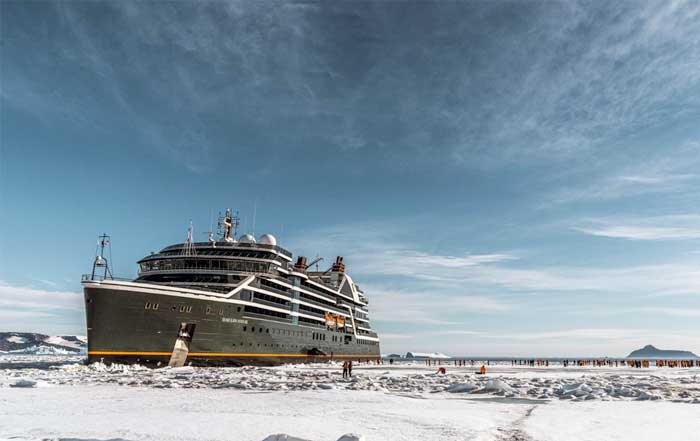
The vessels that now traverse these routes embody a new synthesis of rugged capability and refined comfort. Ships such as Ponant Le Soléal and Seabourn Pursuit represent a hybrid typology: ice-capable hulls and Zodiac garages married to Michelin-level gastronomy, wellness suites, and onboard research facilities. Yet the essence of their appeal lies less in material opulence than in the narrative richness of the journey. Guests might wake to kayak alongside whale sharks in Cenderawasih Bay, spend the afternoon attending a lecture on reef resilience delivered by a visiting scientist, and close the day with a tasting menu built around locally sourced ingredients.
This experiential focus reflects what analysts now describe as a "post-luxury" mindset, where value is measured in access, insight, and transformation rather than in excess. National Geographic Expeditions, in partnership with Lindblad Expeditions, has been instrumental in defining this model, blending photography workshops, scientific fieldwork, and community engagement across routes that include Papua New Guinea, Sulawesi, and Palau. For the readership of Yacht-Review.com, many of whom are experienced yacht owners or frequent charter clients, these developments raise important questions about how design, layout, and onboard programming must evolve to meet expectations that are simultaneously more demanding and more principled, a topic explored regularly in the site's design features.
Technology, Decarbonization, and the New Expedition Platform
Underpinning this transformation is a rapid acceleration in maritime technology, much of it driven by the imperative to decarbonize and the heightened scrutiny of affluent travelers who expect credible sustainability credentials. Companies such as ABB Marine & Ports and Rolls-Royce Power Systems are deploying battery-electric hybrid solutions that allow vessels to operate in silent, zero-emission mode when entering sensitive marine reserves or anchoring near coastal communities. At the same time, the Ulstein Group's X-BOW® hull form has become a reference design for expedition ships seeking improved fuel efficiency, reduced slamming in heavy seas, and lower overall emissions.
In Australia, the Port of Darwin and specialist yards in Western Australia and Queensland are positioning themselves as regional hubs for green retrofits and next-generation expedition builds, while Keppel Offshore & Marine in Singapore continues to transition from traditional offshore energy work toward clean maritime solutions. These developments are occurring within a regulatory framework shaped by the International Maritime Organization (IMO) and its decarbonization targets, and they are closely watched by technical stakeholders and investors who follow marine innovation through sources such as the International Chamber of Shipping and are increasingly turning to dedicated platforms like Yacht-Review.com's Technology section for sector-specific analysis.
Onboard, AI-driven energy management systems, advanced water treatment, and closed-loop waste management are rapidly becoming standard expectations for serious expedition platforms. These technologies not only reduce environmental impact but also enhance operational resilience and long-term asset value, a point that resonates strongly with the business-focused audience that follows Yacht-Review.com's industry and finance coverage.
Cultural Immersion as Strategic Differentiator
As environmental performance becomes a baseline expectation rather than a differentiator, cultural immersion and ethical engagement with host communities have emerged as key markers of quality. In northern Australia, partnerships with indigenous organizations such as the Wunambal Gaambera Aboriginal Corporation enable expedition guests to access rock art sites, learn about seasonal resource management, and understand the cosmologies that have shaped these landscapes for tens of thousands of years. These collaborations are predicated on consent, co-design of visitor protocols, and revenue-sharing arrangements that help fund heritage protection.
Across Indonesia, operators including Aqua Expeditions and Silversea work with local cooperatives to source fresh produce, seafood, and artisanal goods, ensuring that the economic benefits of high-end tourism flow beyond the ship's hull. Training programs in maritime hospitality and technical skills provide career pathways for young residents of remote islands, reinforcing the social license on which long-term expedition operations depend. In the Philippines, the Department of Tourism has intensified its engagement with select expedition lines to promote heritage villages, marine sanctuaries, and craft traditions, aligning tourism development with national cultural policy and marine protection strategies that echo frameworks promoted by bodies such as UNESCO.
For Yacht-Review.com, which has increasingly foregrounded maritime heritage and local perspectives in its history features, these community partnerships are not peripheral stories but central components of an emerging best-practice model for responsible yachting and small-ship cruising.
Economic Multipliers and the Blue Economy
The rise of Pan-Pacific expedition cruising has also altered the economic geography of the region, particularly for smaller ports and coastal communities that previously sat at the margins of mainstream tourism. Unlike large cruise ships that often rely on offshore provisioning and self-contained shore excursions, expedition vessels depend on local logistics, small-scale suppliers, and tailor-made experiences. This creates a more distributed economic footprint, with higher value per visitor and greater potential for local entrepreneurship.
In Australia, data from Tourism Research Australia highlight the substantial contribution of expedition cruises to regional economies, while in Indonesia, the Philippines, and Pacific Island states, similar patterns are emerging as boutique accommodations, dive operations, and cultural tourism enterprises grow around anchor ports. Institutions such as the Asian Development Bank (ADB) and national entities like Australia's Northern Australia Infrastructure Facility (NAIF) have begun to incorporate small-ship and yacht-based tourism into infrastructure planning, financing low-impact piers, tender docks, and reception facilities designed specifically for expedition-class vessels. These investments are increasingly tied to environmental and social performance indicators, reflecting global shifts in ESG-focused capital allocation documented by organizations such as the OECD.
From a business perspective, which remains a core interest of the Yacht-Review.com community, the Pan-Pacific expedition sector demonstrates how carefully curated, low-volume tourism can deliver robust returns while mitigating the reputational and regulatory risks associated with mass-market cruising. The site's global analysis has repeatedly underscored that this model could provide a template for other regions, from the Arctic to the South Atlantic.
Private Expedition Yachts and Bespoke Exploration
Parallel to the growth of commercial expedition lines, a distinct but interconnected movement has taken shape among private yacht owners who are commissioning vessels designed explicitly for long-range, research-capable exploration. In Western Australia, builders such as SilverYachts and Echo Yachts have emerged as leaders in this space, delivering yachts that combine commercial-grade engineering with bespoke interiors and extended autonomy. These platforms often include helidecks, submersibles, dive centers, and laboratory spaces, enabling owners and charter guests to undertake scientific collaborations, film projects, or philanthropic missions alongside leisure cruising.
For the audience of Yacht-Review.com, which includes both prospective owners and experienced charterers, this trend raises sophisticated questions about hull form selection, ice or tropical rating, crew composition, and onboard data systems. It has also blurred the boundary between private yachting and professional expedition cruising, as many of these vessels enter the charter market for part of the year, offering itineraries through Indonesia's Spice Islands, Papua New Guinea, and the broader Western Pacific that rival or exceed the scope of commercial offerings. Reviews and case studies in the site's boats and reviews sections increasingly focus on these hybrid platforms, emphasizing not only aesthetics and comfort but also operational philosophy and scientific or community partnerships.
Family, Education, and Multigenerational Travel
One of the most significant demographic shifts visible by 2026 is the rise of multigenerational expedition travel. Families from North America, Europe, and Asia are choosing Pan-Pacific routes as immersive classrooms where children and grandparents share experiences that blend adventure, education, and reflection. Operators such as Lindblad Expeditions and Scenic Eclipse have responded with programming that includes youth-oriented science workshops, intergenerational cultural encounters, and guided activities tailored to varying levels of mobility and comfort.
This trend aligns with broader research on experiential and educational travel published by institutions like the World Travel & Tourism Council, and it has particular resonance for Yacht-Review.com readers who view yachting as a means of transmitting values and knowledge across generations. The site's family-focused coverage increasingly highlights how expedition cruising can function as a long-term investment in global literacy, environmental awareness, and shared memory, rather than a one-off luxury purchase.
Data, AI, and the Intelligent Expedition Vessel
Behind the scenes, the safety, efficiency, and environmental performance of these voyages are increasingly governed by sophisticated digital systems. Navigation suites from providers such as Navtor, Furuno, and Raymarine integrate satellite imagery, real-time weather data, and bathymetric charts to optimize routes across complex archipelagos and shallow reef systems. AI-driven algorithms adjust speed, trim, and power usage to balance fuel efficiency with comfort and schedule reliability, while predictive maintenance platforms monitor engines, generators, and critical systems to minimize unplanned downtime.
These advances are not purely operational; they also enable a new level of transparency that travelers and regulators now expect. Some operators provide guests with access to live dashboards displaying fuel consumption, emissions, and energy recovery, reinforcing the sense that they are participating in a shared stewardship project. At the same time, onboard laboratories and sensor arrays contribute valuable data to global research networks coordinated by organizations such as the World Wildlife Fund (WWF) and Ocean Conservancy, helping to fill critical gaps in ocean monitoring. For the technology-focused readership of Yacht-Review.com, these developments underscore how expedition vessels are evolving into intelligent, networked platforms that sit at the intersection of maritime engineering, data science, and environmental governance, a theme explored in depth in the site's technology coverage.
Culinary and Lifestyle Dimensions of the Expedition Experience
While technology and sustainability may define the structural framework of Pan-Pacific expedition cruising, lifestyle and gastronomy remain central to its emotional appeal. Onboard culinary teams increasingly collaborate with local producers, fishers, and chefs to craft menus that reflect the geographic arc of each voyage, from Australian native ingredients and Japanese regional cuisines to Indonesian spices and Pacific Island traditions. Partnerships with certified sustainable fisheries, often aligned with standards set by bodies such as the Marine Stewardship Council (MSC), reassure guests that their culinary experiences are consistent with the environmental values that drew them to expedition travel in the first place.
Wine and beverage programs mirror this regional focus, showcasing Australian and New Zealand vintages, emerging Chinese and Japanese labels, and artisanal spirits from across Southeast Asia. For many travelers, these sensory narratives become as memorable as encounters with whale sharks or remote atolls, reinforcing the idea that luxury is as much about context and story as it is about ingredients. In its lifestyle coverage, Yacht-Review.com has noted how this integrated approach to food, design, and wellness is influencing both custom yacht interiors and the onboard concepts of new-build expedition ships.
Governance, Cooperation, and the 2030 Horizon
Looking toward 2030, the Pan-Pacific expedition network is poised to become an even more integrated corridor stretching from Western Australia and New Zealand through Southeast Asia to Japan and the Russian Far East. Realizing this vision will depend on continued cooperation among governments, industry bodies, and civil society organizations. Frameworks such as the Australia-ASEAN Maritime Dialogue, regional conservation corridors like the Coral Sea Heritage Corridor, and the work of entities such as the Pacific Tourism Organisation (SPTO) are gradually aligning environmental standards, port regulations, and community benefits across multiple jurisdictions.
At the same time, shipbuilders in Australia, South Korea, Japan, and Singapore are accelerating research into alternative fuels such as green methanol, hydrogen, and ammonia, supported by global decarbonization initiatives and research partnerships catalogued by platforms like the Global Maritime Forum. Digital transparency, including blockchain-verified sustainability reporting and real-time emissions tracking, is expected to become standard practice, giving travelers, regulators, and investors unprecedented visibility into the true impact of their journeys.
For Yacht-Review.com, which has grown into a trusted reference point for owners, operators, and professionals across North America, Europe, and Asia, the Pan-Pacific expedition story is more than a regional travel trend; it is a blueprint for how the global yachting and small-ship sectors can reconcile exploration with responsibility. Across its news, global, and community sections, the platform will continue to document how Australia and Asia, once connected primarily by trade winds and merchant routes, are now linked by a shared commitment to a more thoughtful, regenerative relationship with the sea.
In this emerging paradigm, the ocean is no longer a backdrop for leisure but a living, complex partner in a continuous exchange of knowledge, culture, and care. For business leaders, designers, technologists, and travelers who follow Yacht-Review.com, the rise of Pan-Pacific expedition cruising offers both inspiration and a challenge: to ensure that the next decade of maritime innovation deepens that partnership rather than diminishes it.