

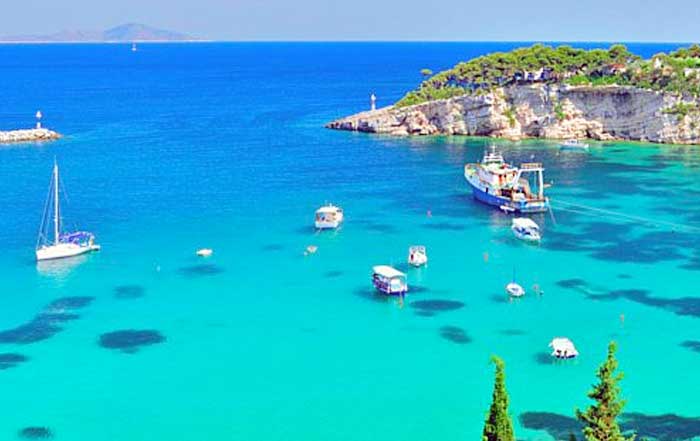
Greek Isles by Yacht in 2026: A Modern Odyssey for Discerning Travelers
Sailing through the Greek Isles in 2026 remains one of the most evocative experiences in global yachting, yet the nature of that experience has evolved significantly in recent years. What was once a romantic dream reserved for seasoned sailors has become a sophisticated, technology-enabled and sustainability-conscious journey that still retains all the emotional power of a classical odyssey. For the international audience of yacht-review.com, from the United States and the United Kingdom to Germany, Canada, Australia, Asia and beyond, Greece now represents not only an iconic cruising ground but also a benchmark for how heritage, innovation and high-end hospitality can coexist on the water.
The Greek archipelago, with more than 6,000 islands and islets scattered across the Aegean and Ionian Seas, offers an unrivalled variety of cruising experiences. From cosmopolitan hubs to remote anchorages, from UNESCO-listed heritage sites to cutting-edge marinas, the country has leveraged its millennia-old maritime tradition to build a thoroughly modern yachting ecosystem. As global demand for experiential, responsible luxury travel continues to rise, the Greek Isles stand at the forefront, offering itineraries that appeal equally to seasoned yacht owners, first-time charter guests, families, and corporate travelers seeking meaningful, high-value experiences on the water. Readers exploring destination ideas and vessel options can find complementary perspectives in the curated overviews on Yacht Review's reviews page.
Athens and the Saronic Gulf: A Strategic Gateway to the Aegean
In 2026, Athens has consolidated its position as one of the Mediterranean's most important yachting gateways, combining world-class infrastructure with a cultural landscape that remains a touchstone of Western civilization. Modern marinas such as Alimos Marina and Flisvos Marina have undergone continuous upgrades, with enhanced berthing capacity for superyachts, advanced technical support, and increasingly sophisticated concierge services that rival the facilities seen in long-established hubs in the South of France or the Italian Riviera. For many yacht owners and charter guests, Athens is no longer just a logistical starting point, but an integral part of the journey, where pre-cruise days are dedicated to private tours of the Acropolis, curated visits to the Acropolis Museum, and fine dining experiences in districts such as Plaka, Kolonaki and the revitalized waterfront.
The Saronic Gulf, lying just off the Attica coast, provides a gentle introduction to Greek island cruising, particularly attractive for time-conscious travelers flying in from North America, Europe or Asia who want to maximize their time on the water without committing to long passages. Islands such as Aegina, Poros, Hydra and Spetses are accessible within a few hours of departure, yet each offers a distinct character and appeal. Hydra's preserved stone mansions and absence of private cars create an atmosphere that feels both exclusive and timeless, while Spetses, with its role in the Greek War of Independence, combines aristocratic charm with a contemporary yachting culture shaped by boutique hotels and refined waterfront restaurants. For those comparing routes and seasonal conditions, the destination insights available on Yacht Review's cruising section provide valuable context.
The Cyclades: Iconic Landscapes for High-Performance Cruising
The Cyclades continue to define the global image of the Greek islands: whitewashed villages cascading down hillsides, blue-domed churches, sunlit terraces, and bays of crystalline water that have become emblematic of Mediterranean travel. In 2026, islands such as Mykonos, Santorini, Paros and Naxos remain at the centre of premium charter demand, yet the way discerning travelers experience them has become more nuanced. Rather than simply following well-trodden tourist paths, yacht guests increasingly seek curated access to quieter coves, private tastings at boutique wineries, and reservations at chef-led restaurants that showcase the evolution of contemporary Greek cuisine.
For captains and experienced sailors, the Cyclades are as technically engaging as they are visually spectacular. The seasonal Meltemi winds, which can blow strongly from the north during summer, require careful route planning, especially for smaller sailing yachts and catamarans. However, these same winds deliver exhilarating open-water passages that appeal to performance-oriented crews, and they have encouraged yacht designers and naval architects to prioritize hull efficiency, sail handling systems and stabilization technologies tailored to Aegean conditions. Readers interested in how these environmental factors influence design can explore additional perspectives in Yacht Review's design coverage.
Approaching Santorini by sea remains one of the most dramatic arrivals in global yachting, with the caldera cliffs rising steeply from the water and the white architecture of Oia and Fira glowing in the late afternoon light. Yachts typically anchor off Ammoudi Bay or make use of facilities at Vlychada Marina, coordinating tender operations and shore excursions around the island's busy tourism schedule. Meanwhile, Mykonos continues to set standards in lifestyle-oriented yachting, with high-end marinas, beach clubs and villas attracting an international clientele from the United States, the United Kingdom, the Middle East and Asia, all drawn by a blend of nightlife, gastronomy and professional shore-side support.
Yet the Cyclades also reward those who seek a more understated experience. Islands such as Folegandros, Sifnos and Serifos have gained prominence among connoisseurs for their low-key luxury, authentic village life and discreet anchorages. Many charter itineraries now combine marquee destinations like Mykonos and Santorini with these quieter islands, allowing guests to enjoy both the social energy of flagship destinations and the contemplative calm of lesser-known harbors.
The Dodecanese: Crossroads of Culture and Strategic Cruising Hub
Further east, the Dodecanese present a different narrative, shaped by centuries of interaction between Greek, Roman, Byzantine, Ottoman and Italian influences. This region, located close to the Turkish coast, has become an increasingly important component of Eastern Mediterranean itineraries, especially for yachts that also incorporate Turkish ports or continue onward to the Levant. Rhodes, Kos and Symi serve as strategic bases for both private and charter vessels, offering reliable marinas, international flight connections and a rich array of cultural and leisure activities.
Rhodes, with its medieval Old Town designated as a UNESCO World Heritage Site, exemplifies the region's layered history. The island's modern marinas and resort infrastructure support a growing superyacht presence, while its archaeological sites and museums appeal to culturally engaged travelers who expect more from their voyages than simply scenic anchorages. Symi, with its neoclassical waterfront and amphitheatrically arranged pastel houses, has developed a reputation as a boutique destination for smaller luxury yachts and classic vessels, often serving as a tranquil counterpoint to busier islands. Kos, blending fertile landscapes with a vibrant nightlife and medical-historical significance as the birthplace of Hippocrates, offers a versatile mix of experiences for multi-generational groups.
The Dodecanese also illustrate how Greece has integrated sustainability into its tourism strategy. Eco-conscious marina upgrades, local sourcing policies and community-led conservation initiatives align with broader European efforts to promote sustainable coastal development. Readers interested in the policy and practice of sustainable marine tourism can find broader context through resources such as the European Commission's Blue Economy overview, which frames Greece's efforts within a wider continental strategy.
The Ionian Islands: Refined Calm on the Western Horizon
On Greece's western flank, the Ionian Islands offer a contrasting aesthetic and cruising profile that appeals strongly to families and guests seeking calmer conditions. Influenced historically by Venetian rule and geographically sheltered from the Meltemi, the Ionian Sea presents gentle winds, lush green landscapes and a distinctly European architectural style that sets it apart from the stark, sun-bleached Cyclades. For North American and European travelers who value comfort and short passages, the Ionian has become a preferred region for week-long or extended charters.
Corfu remains the flagship of the Ionian, its UNESCO-listed Old Town characterized by arcaded promenades, fortresses and elegant mansions that recall centuries of strategic importance. Gouvia Marina functions as a key operational hub, with comprehensive refit services and berthing capabilities that attract yachts transiting between the Adriatic and the Eastern Mediterranean. Further south, Paxos and Antipaxos offer a quieter, more intimate environment, with coves of turquoise water, olive groves and waterfront tavernas that cater to yachts anchoring just offshore. These islands, accessible primarily by sea, highlight the advantage of yachting as a means of accessing locations that remain largely beyond the reach of mass tourism.
Kefalonia, Zakynthos and Ithaca extend the Ionian narrative with dramatic coastlines, sheltered harbors and cultural associations that resonate with literary and historical references. Navagio Beach in Zakynthos, framed by towering limestone cliffs and accessible only by boat, has become one of the most photographed coastal sites in the world, yet sophisticated itineraries now seek to time visits to avoid peak-hour congestion. Ithaca, traditionally linked to Odysseus, appeals to travelers who view their voyage as a personal odyssey, a theme that continues to influence the editorial approach at yacht-review.com, where destination features often emphasize narrative depth and emotional resonance. Readers planning multi-region itineraries can find additional inspiration on Yacht Review's travel page.
Chartering in Greece in 2026: Professionalism, Personalization and Technology
By 2026, the Greek charter market has matured into one of the most professional and diversified in the world, supported by a robust regulatory framework, experienced crews and a growing ecosystem of ancillary services. Major hubs such as Athens, Corfu and Rhodes host fleets that range from compact sailing yachts ideal for couples or small families to superyachts exceeding 90 meters, equipped with helipads, beach clubs and wellness facilities that rival those of five-star resorts. Companies including A1 Yachting, Ekka Yachts, Fraser Yachts Greece and other established operators have raised industry standards in client service, safety and operational transparency.
Charter clients increasingly expect highly personalized itineraries that align with their interests, whether that means archaeological excursions, culinary immersion, wellness retreats or adventure-oriented activities such as diving, kitesurfing or hiking. To meet these expectations, leading brokers and captains now integrate advanced planning tools, including AI-enhanced weather routing and real-time berth availability systems, to design routes that optimize comfort, fuel efficiency and time at anchor. The broader business implications of such digitalization trends are explored regularly on Yacht Review's business section, where industry professionals track how technology is reshaping operational models and client expectations.
In parallel, Greece has continued to improve the regulatory environment for yachting, streamlining charter licensing and customs procedures while aligning safety standards with international norms. For global clients from regions such as North America, Europe and Asia, this combination of regulatory clarity and operational excellence reduces friction and enhances confidence, making Greece an increasingly attractive base for both seasonal and year-round yacht deployment.
Culinary Excellence: Gastronomy as a Core Element of the Yachting Experience
The culinary dimension of Greek yachting has grown significantly in strategic importance, as high-net-worth travelers place greater emphasis on food and wine as central components of their travel experience. In 2026, many yachts operating in Greek waters feature chefs with Michelin-level backgrounds or extensive experience in top-tier restaurants in London, New York, Paris, Singapore and Sydney. These professionals collaborate closely with local producers, sourcing olive oil from Crete, cheeses from Naxos, wines from Santorini and the Peloponnese, and seasonal seafood from island markets to create menus that are both regionally authentic and globally sophisticated.
Onshore, islands such as Paros, Syros, Mykonos, Santorini and Rhodes host a growing number of chef-driven establishments that reinterpret traditional Greek dishes through a contemporary lens. The evolution of Greek cuisine has been documented by organizations such as Visit Greece and international media outlets, which highlight how local ingredients, including indigenous grape varieties and heirloom vegetables, are being leveraged to position Greece as a serious gastronomic destination. Those interested in the broader context of Mediterranean nutrition and its health benefits can consult resources from the Harvard T.H. Chan School of Public Health, which underscore the long-term value of the region's culinary traditions.
For yacht guests, culinary experiences are increasingly curated as part of the itinerary: private vineyard visits on Santorini, olive oil tastings in the Peloponnese, market tours in Syros or Chania, and onboard cooking demonstrations that turn the yacht's galley into an interactive stage. This integration of gastronomy and cruising not only enhances guest satisfaction but also strengthens the connection between visitors and local communities, supporting small-scale producers and reinforcing the authenticity that sophisticated travelers now demand. Editorial features on Yacht Review's lifestyle page frequently explore this intersection of food, culture and maritime travel.
History, Heritage and Maritime Identity
For many readers of yacht-review.com, the decision to cruise in Greece is driven as much by intellectual and cultural curiosity as by a desire for comfort and beauty. The country's coastlines function as a living archive of human history, where every headland and harbor seems to carry a story. Sites such as Delos, Knossos, Mycenae, Monemvasia and the medieval city of Rhodes provide anchor points for itineraries that combine navigation with structured cultural exploration. Yachting, in this context, becomes a way to move through history at a contemplative pace, linking archaeological sites, museums and historic ports into a cohesive narrative.
Institutions such as the Maritime Museum of Greece in Piraeus and the Hydra Museum of Historical Archives document the country's seafaring tradition, while organizations like the Greek Shipowners' Association play a critical role in maintaining Greece's status as a major global shipping power. For those interested in maritime history and its influence on modern yachting culture, the editorial team at yacht-review.com regularly publishes in-depth features available through the history section, connecting ancient practices with contemporary design and navigation.
This emphasis on heritage resonates with travelers from Europe, North America and Asia who seek depth and context in their journeys. Whether exploring the mythological associations of Ithaca, the Venetian fortifications of Corfu, or the Byzantine chapels of Patmos, yacht guests are reminded that their voyages trace routes once used by traders, explorers and philosophers, reinforcing a sense of continuity that few other destinations can offer.
Sustainability and Innovation: Safeguarding Greece's Blue Capital
In 2026, sustainability is no longer an optional consideration but a central pillar of Greece's maritime strategy. The country's approach aligns with international frameworks such as the United Nations Sustainable Development Goals and the European Union's Green Deal, both of which emphasize the responsible use of marine resources and the reduction of emissions from shipping and tourism. For yacht owners, charter clients and industry stakeholders, this translates into a growing emphasis on vessel efficiency, clean technologies and responsible behavior at sea.
Hybrid propulsion systems, advanced battery storage, waste treatment solutions and hull designs optimized for lower fuel consumption are increasingly common on new-build and refitted yachts operating in Greek waters. Major international shipyards such as Oceanco, Heesen Yachts and Ferretti Group have incorporated these technologies into vessels that regularly call at Greek marinas, while local yards in Perama, Syros and elsewhere focus on retrofits that bring existing fleets closer to current environmental standards. For a broader view of technological developments in yachting, readers can explore Yacht Review's technology coverage, which tracks propulsion, materials science and onboard systems innovations.
Greek marinas have also embraced environmental certification schemes such as Blue Flag and ISO 14001, implementing policies on waste management, water quality and energy use that align with best practices promoted by organizations like the Foundation for Environmental Education. Collaborative initiatives with NGOs such as Aegean Rebreath and the Clean Seas campaign support marine litter removal and public awareness programs, reinforcing a culture of shared responsibility among local communities, yacht crews and visiting guests. Within the yacht-review.com ecosystem, sustainability remains a recurring editorial theme, highlighted in depth on the sustainability page.
Family, Community and the Human Dimension of Greek Cruising
Greek island cruising has long been associated with romance and adventure, but in recent years it has also gained prominence as a platform for family and community-oriented travel. The relatively short distances between islands, abundance of sheltered bays and variety of onshore activities make Greece particularly suitable for multi-generational charters, where different age groups can pursue their own interests while still sharing core experiences. Many yachts now incorporate child-friendly layouts, water toys, educational programs and safety protocols tailored to young guests, while itineraries are designed to balance activity and relaxation.
Educational components-ranging from informal lessons on navigation and marine biology to structured visits to archaeological sites-transform the yacht into a mobile classroom. Encounters with wildlife, such as loggerhead turtles in Zakynthos or monk seals in the northern Aegean, are often framed within conservation narratives that encourage younger travelers to view the sea as a shared resource requiring protection. For families exploring options in this space, Yacht Review's family section offers case studies and guidance on planning meaningful multi-generational voyages.
At a broader level, Greek yachting is also deeply embedded in local communities. Many island economies depend on a careful balance between tourism and traditional activities such as fishing, agriculture and crafts. When managed responsibly, yachting can support this balance by directing high-value, low-volume visitors toward locally owned restaurants, shops and service providers, thereby reinforcing cultural continuity and economic resilience. The community dimension of maritime tourism and its impact on local identity is a recurring topic in the analysis presented on Yacht Review's community-focused coverage.
Events, Industry Development and the Global Position of Greek Yachting
Greece's role in the global yachting industry is not only defined by its cruising grounds but also by its expanding calendar of professional events and trade shows. The Mediterranean Yacht Show in Nafplio and the Olympic Yacht Show near Athens have become key fixtures for brokers, shipyards, designers and service providers from Europe, North America, Asia and the Middle East. These events showcase charter fleets, new builds and refit projects while facilitating dialogue on topics ranging from regulatory changes to sustainability and digitalization.
The country's maritime strategy aligns with broader European initiatives to promote "blue growth," emphasizing innovation, skills development and environmental stewardship as drivers of economic expansion. Institutions such as the Hellenic Chamber of Shipping, Posidonia Events and various maritime academies contribute to workforce training and thought leadership, ensuring that Greece remains competitive in an industry that is rapidly adopting advanced technologies and new business models. Global readers looking to stay informed about regulatory developments, market trends and major launches can turn to Yacht Review's news section, which regularly reports on Greek and international events.
As digital tools become more sophisticated, integrated navigation and concierge platforms now allow captains and guests to coordinate berths, fuel, provisioning, cultural excursions and wellness services from a single interface. This convergence of maritime operations and hospitality management reflects a broader trend toward seamless, data-informed travel experiences, and it positions Greece as an ideal testing ground for innovations that will shape the future of luxury cruising worldwide.
A Continuing Odyssey for the Modern Era
In 2026, the allure of the Greek Isles remains as powerful as ever, but the nature of that allure has deepened. For the global audience of yacht-review.com, Greece is no longer simply a postcard-perfect backdrop; it is a complex, dynamic environment where history, technology, sustainability and high-end hospitality intersect. From the marinas of Athens to the caldera of Santorini, from the fortifications of Rhodes to the tranquil bays of Corfu and Ithaca, each itinerary can be tailored to reflect the values and aspirations of the people on board-whether they seek cultural enrichment, family connection, corporate cohesion or personal reflection.
Yachting in Greece today is defined by experience, expertise, authoritativeness and trustworthiness at every level of the value chain: from the naval architects designing vessels optimized for Aegean and Ionian conditions, to the captains and crews trained in both seamanship and hospitality, to the policymakers and community leaders working to sustain the country's marine ecosystems and cultural heritage. For travelers and industry professionals alike, the Greek Isles offer not only a destination but a framework for understanding what responsible, meaningful luxury travel can look like in the twenty-first century.
Those considering their own voyage-whether as owners, charter guests or industry partners-will find that Greece rewards both careful planning and openness to discovery. The editorial team at yacht-review.com continues to document this evolving landscape through detailed reviews, design features, business analysis and destination reports, all accessible via the main portal at Yacht Review's official website. In doing so, it aims to provide the insight and context necessary for readers around the world to transform a journey through the Greek Isles into a modern odyssey worthy of the sea that first inspired it.