

Elite Yacht Clubs: Where Heritage, Innovation, and Responsibility Converge
Across the Atlantic, from the historic harbors of New England to the legendary waters of the Solent, elite yacht clubs continue in 2026 to embody a compelling fusion of heritage, architecture, innovation, and community. For the global readership of Yacht Review, which spans the United States, Europe, Asia, and beyond, these institutions are far more than picturesque marinas or private social circles; they are living ecosystems where craftsmanship, competitive excellence, and responsible stewardship of the sea converge in ways that shape the broader direction of the yachting world. In an era defined by digital transformation, environmental urgency, and rapidly evolving expectations of luxury, understanding how these clubs operate and evolve offers valuable insight into where the maritime sector is heading and how the values of Experience, Expertise, Authoritativeness, and Trustworthiness are being redefined on the water.
Elite yacht clubs remain anchored in tradition, but they now operate at the intersection of advanced technology, global business networks, and sophisticated lifestyle expectations. Institutions such as the New York Yacht Club, the Royal Yacht Squadron, the Royal Thames Yacht Club, and the San Francisco Yacht Club retain their aura of prestige, yet their influence increasingly extends into areas such as sustainable yacht design, next-generation racing formats, and philanthropic engagement with ocean conservation. For a publication like Yacht Review, which dedicates extensive coverage to reviews of new yachts and refits, design innovation, cruising culture, and industry business dynamics, these clubs offer a uniquely authoritative lens on how the global yachting community is balancing exclusivity with responsibility.
American Icons: Prestige, Performance, and Progressive Values
In the United States, the most respected yacht clubs occupy a pivotal role at the junction of maritime heritage and modern lifestyle. From the Northeast to Florida and the Pacific Coast, they serve as custodians of competitive sailing, incubators of marine technology, and hubs for high-level networking that influences both regional economies and global yachting trends. Their reputations are built on more than prime waterfront real estate; they rest on a long record of organizing world-class regattas, nurturing talent, and embracing innovation without abandoning tradition.
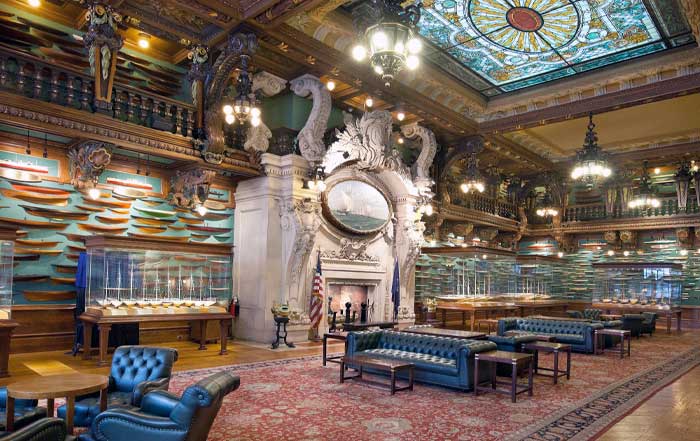
The New York Yacht Club (NYYC) remains the archetype of American yachting prestige. Founded in 1844 and renowned for its historic dominance of the America's Cup, it continues to define standards of excellence in both racing and design collaboration. Its iconic Harbour Court facility in Newport, Rhode Island, stands as a landmark where Beaux-Arts architecture, curated maritime collections, and cutting-edge race management technology coexist. The club's influence is felt not only on the water but also in the boardrooms and design studios where next-generation performance yachts and hybrid propulsion concepts are conceived. As AI-assisted navigation, data-driven sail optimization, and lightweight composite materials become standard expectations among serious owners, the NYYC's role as a convening point for designers, naval architects, and high-performance teams is more relevant than ever. Those seeking deeper insight into how such innovations translate into real-world vessels can explore the dedicated coverage in Yacht Review's technology section.
On the Pacific coast, the San Francisco Yacht Club (SFYC) and its neighbor, the St. Francis Yacht Club, exemplify how West Coast yachting culture integrates competitive spirit with environmental consciousness and a distinctly entrepreneurial mindset. The SFYC's historic presence in Belvedere Cove, overlooking the challenging and often dramatic sailing conditions of San Francisco Bay, has shaped generations of accomplished sailors, from Olympic campaigners to offshore racers. At the same time, California's leadership in environmental regulation and clean-tech innovation has pushed these clubs to become early adopters of electric support craft, shore-power optimization, and rigorous waste-management protocols. Their youth programs, often aligned with regional STEM education initiatives, combine high-level coaching with exposure to ocean science and climate issues, preparing young sailors to become both performance-driven competitors and informed stewards of the marine environment.
Further south, the Palm Beach Yacht Club and Lauderdale Yacht Club reflect the evolution of Florida's Atlantic seaboard into one of the world's most dynamic hubs for superyacht activity and marine services. Palm Beach, with its deep ties to the broader social and philanthropic fabric of South Florida, has become a focal point for owners who combine traditional club membership with participation in events like the Palm Beach International Boat Show, one of the most influential showcases of luxury yachts and marine technology in North America. Fort Lauderdale, often described as the "Yachting Capital of the World," is home to a dense ecosystem of refit yards, brokerage houses, and specialized service providers whose fortunes are closely intertwined with the Lauderdale Yacht Club and its extended community. The presence of these institutions supports thousands of jobs and drives significant investment in infrastructure, from advanced marinas to shore-based hydrogen and electric charging pilots. Readers interested in how these regional clusters support the broader global market can find detailed analysis in Yacht Review's business coverage.
Britain's Maritime Establishments: Tradition with a Strategic Future
Across the Atlantic, the United Kingdom's most prestigious yacht clubs continue to project a distinctive blend of aristocratic heritage, naval tradition, and strategic modernisation. Their origins are deeply rooted in the age of sail, when naval officers, industrial magnates, and explorers leveraged yachting as both a sport and a proving ground for seamanship and innovation. In 2026, these institutions still carry the gravitas of royal charters and historic ensigns, yet they are increasingly engaged with issues such as decarbonisation, digital race management, and the globalisation of competitive sailing circuits.
The Royal Yacht Squadron (RYS), based at Cowes Castle on the Isle of Wight, remains the most emblematic of these establishments. Established in 1815 and long associated with the British Royal Family, the RYS presides over the Solent's regatta calendar with a combination of ceremonial authority and technical sophistication. Its stewardship of Cowes Week, one of the world's oldest and most prestigious sailing events, continues to attract top-tier professional teams, Corinthian crews, and a global audience of owners, sponsors, and enthusiasts. Over the past decade, the Squadron has invested in advanced race-tracking systems, real-time data analytics, and broadcast-quality coverage that bring the intricacies of Solent racing to audiences as far afield as the United States, Asia, and Australasia. At the same time, the club has supported sustainability initiatives in partnership with organizations such as the Royal Yachting Association, which provides guidance on environmental best practices for recreational boating, reinforcing the message that world-class competition and environmental responsibility can and must coexist.
In London, the Royal Thames Yacht Club (RTYC) serves as the capital's maritime salon, blending the atmosphere of a traditional private members' club in Knightsbridge with an outward-looking racing and cruising program that spans the Mediterranean, the Caribbean, and transatlantic routes. As the oldest continuously operating yacht club in the world, the RTYC holds a unique place in the history of organized yachting, yet it has not remained static. Its membership increasingly reflects the global profile of London itself, with professionals from finance, technology, law, and diplomacy using the club as a discreet but influential meeting place. Regattas organized or co-hosted by the RTYC often feature cutting-edge one-design fleets, mixed-gender crews, and sustainability-oriented race protocols, aligning with broader efforts promoted by organizations such as World Sailing, which outlines sustainability strategies for international events. This combination of heritage, cosmopolitanism, and progressive policy engagement underscores why the RTYC remains central to Britain's maritime identity.
Beyond these flagship institutions, clubs such as the Itchenor Sailing Club in West Sussex and the Royal Northern & Clyde Yacht Club (RNCYC) in Scotland demonstrate how regional establishments can command global respect through consistent sporting excellence and a strong culture of community. Itchenor, renowned for its competitive dinghy and keelboat fleets in Chichester Harbour, has become a benchmark for youth and family-oriented sailing in the UK, with many of its alumni progressing to national and international success. The RNCYC, overlooking the Gare Loch, continues to bridge Scotland's shipbuilding heritage with modern racing and cruising, hosting events that attract sailors from across Europe while maintaining close links to local communities and marine industries. For readers of Yacht Review who follow the evolution of maritime culture across generations, these clubs illustrate how tradition can be preserved not only through architecture and trophies but through the continuous development of skills and shared experiences, themes explored in depth on the magazine's history and family pages.
Architecture, Setting, and the Language of Status
One of the most visible markers of an elite yacht club is the architectural character of its clubhouse and the nature of its immediate surroundings. In many cases, these buildings and landscapes are as iconic as the fleets they host, communicating a carefully curated message about permanence, taste, and national identity. From the castellated silhouette of Cowes Castle to the Beaux-Arts grandeur of Harbour Court in Newport, these structures project authority and continuity while increasingly accommodating the technical and environmental demands of 21st-century operations.
The New York Yacht Club's Newport clubhouse, for example, integrates its historic interiors-mahogany paneling, stained glass celebrating legendary regattas, and meticulously preserved artifacts-with modern race-control rooms, high-bandwidth communications infrastructure, and energy-efficiency upgrades that reduce its environmental footprint. Similarly, the Royal Yacht Squadron's use of Cowes Castle exemplifies how a former Tudor fortification can be adapted to modern purposes without sacrificing its symbolic resonance. Behind the battlements and formal dining rooms lies a sophisticated operational core that manages complex race logistics, safety communications, and hospitality for a highly discerning international membership.
Around the world, leading clubs are now investing in architectural upgrades that align with evolving sustainability standards and member expectations. Solar arrays, high-efficiency HVAC systems, advanced water-treatment facilities, and shore-power systems for visiting yachts are being incorporated into historically sensitive sites with careful planning and specialist input. Industry frameworks such as the Blue Flag marina program, which sets environmental standards for coastal facilities, provide reference points for clubs seeking to demonstrate their commitment to responsible operations. For readers interested in how these physical transformations intersect with broader design trends in yachtbuilding and marina development, Yacht Review regularly examines such projects in its design and technology sections, offering a holistic perspective that connects shore-based infrastructure with the vessels it serves.
Membership, Influence, and the Changing Nature of Exclusivity
Membership in the world's most exclusive yacht clubs has always carried symbolic weight, signifying not only financial capacity but alignment with a particular cultural and social milieu. In 2026, however, the criteria for admission and the expectations placed upon members are undergoing a subtle but meaningful shift. While legacy, personal recommendation, and demonstrated commitment to yachting remain central, there is a growing emphasis on professional achievement, contributions to maritime innovation, and engagement with sustainability and community initiatives.
In both the United States and the United Kingdom, admissions committees now frequently consider an applicant's broader profile: involvement in ocean research, support for youth sailing programs, leadership in marine technology, or engagement with philanthropic projects related to coastal resilience and conservation. This reflects a wider trend across the luxury sector, where the possession of assets is increasingly expected to be accompanied by responsible use and social contribution. Elite yacht clubs, aware of their visibility and influence, are positioning themselves not simply as sanctuaries of privilege but as platforms from which members can collectively support positive change in ocean governance and maritime education. The Ocean Conservancy, for example, provides widely referenced resources on ocean health and policy, and many club-based initiatives draw on such expertise when shaping their own environmental agendas.
Networking remains an integral part of the club experience, but the nature of that networking has evolved. Where once the primary focus might have been deal-making in traditional industries, there is now a greater emphasis on cross-disciplinary collaboration-bringing together shipyard executives, fintech entrepreneurs, climate scientists, designers, and legal experts to address challenges such as decarbonising superyacht fleets, developing robust cyber-security for connected vessels, or navigating complex international regulations. These conversations often translate into concrete ventures, from investments in green propulsion startups to support for academic research on maritime emissions. Yacht Review, through its business and global coverage, has observed that many of the most forward-looking initiatives in the sector can trace their origins to informal discussions within club environments, where trust, shared passion, and long-term perspective create fertile ground for innovation.
Sustainability as Core Ethos, Not Peripheral Initiative
Perhaps the most significant transformation observed by Yacht Review over the last decade is the deep integration of sustainability into the core identity of elite yacht clubs. What once might have been limited to isolated environmental projects or compliance with local regulations has evolved into a comprehensive, strategically driven ethos that influences infrastructure investment, event management, fleet composition, and educational programming. This shift is particularly visible at clubs that have publicly committed to aligning with international frameworks such as the United Nations Sustainable Development Goals, including SDG 14 on Life Below Water, and that now see environmental leadership as a defining component of their authority.
Green marina practices-shore-power provision, strict fuel-handling protocols, advanced bilge-water treatment, and systematic recycling-have become baseline expectations among top-tier clubs in North America and Europe. Many are going further by piloting electric and hydrogen fueling options, incentivising members to adopt low- or zero-emission tenders, and supporting research projects that monitor local biodiversity and water quality. Race committees are incorporating sustainability criteria into event planning, reducing single-use plastics, optimising logistics to cut emissions, and collaborating with scientific partners to gather oceanographic data during offshore races. This data is often shared with research institutions and NGOs, reinforcing the idea that high-level yachting can contribute meaningfully to the global knowledge base on ocean health.
Education underpins much of this activity. Youth academies at clubs such as the San Francisco Yacht Club, St. Francis Yacht Club, Royal Northern & Clyde Yacht Club, and others increasingly embed environmental literacy into their curricula, ensuring that technical skills in boat handling and race strategy are matched by an understanding of ecosystems, climate dynamics, and personal responsibility. This aligns closely with the editorial priorities of Yacht Review's sustainability section, which documents how owners, designers, and clubs worldwide are integrating cleaner technologies and more responsible practices into every aspect of the yachting lifestyle.
Economic, Cultural, and Lifestyle Impact
While the exclusivity of elite yacht clubs can make them appear insulated, their economic and cultural influence is substantial and widely distributed. Coastal communities in the United States, the United Kingdom, and other key markets-from New England and Florida to the Solent, the Balearics, and emerging hubs in Asia and the Middle East-benefit directly from the presence of high-profile clubs and the events they host. Regattas, boat shows, and cruising rallies generate demand for accommodation, dining, transportation, and specialized services, supporting local employment and justifying investment in port infrastructure and environmental management.
The Newport and Cowes economies, for example, are significantly shaped by the regatta calendars anchored by the New York Yacht Club and Royal Yacht Squadron respectively. Similar patterns can be observed in Fort Lauderdale, Palm Beach, San Diego, and Mediterranean centers where reciprocal club networks and seasonal cruising patterns create predictable flows of high-value visitors. These flows are increasingly international, with owners and crews from the United States, the United Kingdom, Germany, Italy, Australia, Canada, and Asia-Pacific markets using club networks to structure their itineraries. For readers planning their own voyages, Yacht Review's travel and cruising pages provide practical insight into how these regional ecosystems function and where club facilities can enhance the overall experience.
Culturally, yacht clubs serve as repositories of maritime memory, preserving archives of logbooks, plans, trophies, and photographs that trace the evolution of yacht design and seamanship from the age of wooden schooners to today's foiling monohulls and multihulls. Many clubs collaborate with maritime museums, such as the National Maritime Museum in Greenwich, which offers extensive resources on Britain's seafaring history, or with university research centers studying naval architecture and ocean engineering. These partnerships help ensure that historical knowledge informs contemporary design and that the next generation of designers and sailors appreciates the lineage from which their craft emerges. Yacht Review, through its history and lifestyle features, often draws on these archives and collaborations to contextualise modern developments within a broader narrative of maritime progress.
A Global, Family-Oriented, and Digitally Connected Future
Looking ahead, the trajectory of elite yacht clubs in 2026 and beyond points toward greater globalisation, family orientation, and digital integration, without relinquishing the core attributes that have long defined their appeal. Membership bases are becoming more geographically diverse, reflecting the rise of significant yachting communities in Asia, the Middle East, and South America. Reciprocal agreements between clubs in Europe, North America, and these emerging markets are facilitating new cruising patterns and expanding the cultural horizons of members, who now routinely plan itineraries that link the Mediterranean, Caribbean, Pacific, and high-latitude destinations in a single season.
Family engagement is increasingly central to membership strategies. Clubs that once focused predominantly on adult social life and competitive racing now offer structured programs for children and teenagers, wellness and fitness facilities, cultural events, and educational seminars that appeal across generations. This evolution positions yacht clubs as holistic lifestyle environments rather than purely sporting institutions, mirroring trends observed across the broader premium hospitality and travel sectors. For Yacht Review, which chronicles these shifts across family, community, and lifestyle content, the message is clear: the future of yachting is as much about shared experience and intergenerational continuity as it is about individual ownership.
Digital technology underpins many of these developments. Member apps, virtual regatta briefings, online training modules, and data-rich race analytics platforms are now standard at leading clubs, allowing members to remain engaged whether they are in New York, London. Some institutions are experimenting with augmented and virtual reality tools to provide immersive previews of new yacht designs or to simulate race scenarios for training purposes. Others are exploring blockchain-based membership credentials or digital tokens linked to club services, reflecting broader trends in secure digital identity and asset management. These innovations align with the themes regularly explored on Yacht Review's technology page, where the interface between hardware, software, and human expertise is examined from a practical, owner-focused perspective.
Conclusion: Exclusivity with Purpose
In 2026, the world's most exclusive yacht clubs stand at a carefully navigated crossroads. Their continued relevance depends on their ability to honour the legacies that made them aspirational in the first place-exacting standards of seamanship, architectural distinction, and an elevated social environment-while embracing the imperatives of sustainability, inclusivity of achievement, digital sophistication, and global connectivity. For the readership of Yacht Review, which looks to the magazine for trusted, experience-based insight across boats, design, cruising, business, and sustainability, these clubs represent both a benchmark and a barometer: a benchmark for what the highest standards of yachting culture can look like, and a barometer of how quickly and effectively the sector is adapting to a changing world.
Ultimately, the enduring power of these institutions lies in their recognition that true luxury on the water is no longer defined solely by scale or exclusivity, but by the quality of experience, the depth of expertise, the integrity of stewardship, and the authenticity of community. In that sense, the elite yacht clubs of the United States, the United Kingdom, and their counterparts worldwide are not merely relics of a gilded past; they are laboratories for a future in which the sea is treated not only as a playground but as a shared, fragile asset that demands respect, knowledge, and long-term commitment.