

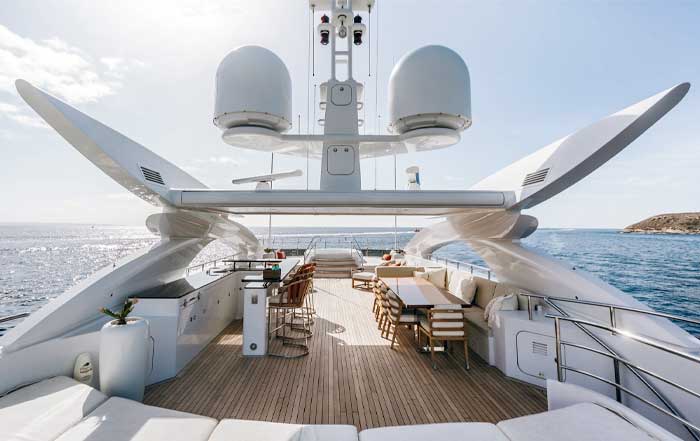
Superyacht Chartering: When Luxury, Responsibility and Technology Converge
In 2026, the definition of luxury aboard a superyacht has matured into something far more nuanced than marble foyers and rare-wood veneers. For the global audience of Yacht-Review.com, the charter market now represents a sophisticated intersection of experience, technology, sustainability, and discreet business acumen. The most demanding clients from the United States, Europe, Asia and beyond are no longer satisfied with static displays of wealth; they increasingly seek journeys that feel singular and transformative, whether that means drifting under the aurora in Norway, joining marine researchers off the Galápagos, or anchoring in a secluded Thai bay for dawn meditation. The modern charter yacht has evolved into an instrument of personal change and conscious enjoyment, rather than a mere symbol of possession.
The rebound in charter demand observed in 2024 and 2025 has solidified into a structurally stronger market in 2026. Analysts at Superyacht Times and Boat International continue to highlight the influence of younger ultra-high-net-worth individuals and eco-aware families who prefer access over ownership and flexibility over permanence. This demographic shift has compelled established brokerage houses and management firms to elevate transparency, deepen their technological capabilities, and demonstrate credible environmental stewardship. For readers following developments through Yacht-Review's Reviews and Business coverage, it is clear that assessing a leading charter yacht now requires understanding not just its comfort and performance, but its ethos.
Mediterranean Chartering in 2026: Reinventing a Classic Stage
The Mediterranean remains the crucible of superyacht culture and still sets the tone for the global charter narrative. The Côte d'Azur, the Amalfi Coast, the Balearic Islands and the Greek archipelagos continue to attract a cosmopolitan clientele from North America, the United Kingdom, Germany, Switzerland and the wider world. Yet beneath this familiar glamour, the region has become a test bed for cleaner infrastructure, smarter technologies and more immersive itineraries.
French ports such as Monaco, Cannes and Antibes have expanded shore-power capacity and integrated AI-assisted berth management, reducing emissions and congestion during peak season. Leading European shipyards, including Benetti, Feadship and Heesen, now routinely deliver hybrid or methanol-ready yachts whose engineering reflects both regulatory pressure and owner expectations. Silent cruising modes, waste-heat recovery, and advanced hull forms inspired by biomimicry have become standard talking points when charter clients evaluate new tonnage. Readers exploring these advances in Yacht-Review's Design section will recognize how aesthetics, performance and sustainability are increasingly inseparable.
Italy has capitalized on its cultural depth and culinary prestige to offer charters that feel more like curated residencies than itineraries. Firms such as Floating Life Group and Camper & Nicholsons design journeys that combine access to private ateliers in Florence and Milan with evenings anchored below the cliffs of Capri or the Aeolian Islands. Charterers from the United States, United Kingdom and Australia are particularly drawn to this synthesis of discretion, heritage and gastronomic excellence. At the same time, Italian yards like Sanlorenzo and Rossinavi continue to push the frontier of low-impact design, ensuring that the country's influence extends from shipyard floor to charter deck.
In Greece and the Eastern Mediterranean, the conversation increasingly revolves around stewardship. Marinas following Blue Flag standards, collaborations with Posidonia Oceanica conservation projects, and restrictions on anchoring near sensitive seagrass meadows have reshaped operational practices. This aligns with broader European policy under the European Green Deal, which encourages cleaner coastal tourism and maritime transport. For charterers who want to align leisure with principle, the Greek islands now offer an opportunity to experience crystalline waters while participating, directly or indirectly, in the protection of fragile ecosystems. Insights into these evolving practices are regularly reflected in Yacht-Review's Sustainability coverage, where regulation and innovation meet.
Caribbean and Americas: From Timeless Escape to Ethical Luxury
The Caribbean remains the primary winter playground for superyacht charterers from North America and Europe, yet its value proposition in 2026 is more layered than ever. Destinations such as Antigua, The Bahamas and Grenada have broadened their yachting offerings, pairing high-end marinas and private-island resorts with environmental programs that respond to rising scrutiny over reef health and shoreline resilience.
Facilities like YCCS Virgin Gorda Marina, under the stewardship of Yacht Club Costa Smeralda, illustrate how infrastructure can blend exclusivity with responsibility. Shore-power systems, reef-friendly mooring solutions and partnerships with organizations such as the Coral Restoration Foundation have become crucial differentiators. Meanwhile, fleet operators like The Moorings in the British Virgin Islands have expanded their use of solar-assisted systems, electric tenders and improved waste-handling protocols, signaling that even volume charter brands must align with the expectations of more conscious travelers. Those interested in how these operational shifts influence guest experience will find relevant context in Yacht-Review's Cruising analysis.
The Caribbean charter today is conceived as a narrative journey rather than a series of isolated stops. Brokers design thematic voyages that might begin with French-influenced gastronomy in Martinique, progress to the rugged rainforests of Dominica, and conclude with a wellness-focused retreat in the Grenadines. Charter guests routinely engage in guided dives with marine biologists, visits to local artisans, and curated cultural experiences that challenge outdated notions of the region as a purely hedonistic escape. International NGOs such as Sailors for the Sea and Oceana have played a role in shaping guest expectations, encouraging practices such as responsible anchoring, reduced single-use plastics and citizen-science activities. Those wishing to understand the global framework behind such initiatives can explore the work of the UN Environment Programme, which continues to inform marine policy in key yachting jurisdictions.
Beyond the Caribbean, the Americas are emerging as a powerful axis for experiential chartering. The Alaskan Inside Passage, Costa Rica's Osa Peninsula, and the Patagonian fjords of Chile offer itineraries that combine adventure, wildlife and sophisticated hospitality. Hybrid expedition vessels complying with U.S. Environmental Protection Agency guidelines and regional conservation rules operate with lower emissions while providing guests with access to glaciers, rainforests and unique cultural landscapes. Companies such as Aqua Expeditions have demonstrated how carefully managed small-ship operations can deliver high-end experiences in sensitive environments while supporting local communities. For a broader view of such global developments, readers can turn to Yacht-Review's Global section, which tracks emerging charter frontiers.
Expedition and Remote Charters: The New Pinnacle of Prestige
If the Mediterranean and Caribbean remain the industry's traditional pillars, the highest expression of charter prestige in 2026 is increasingly found in remote and expeditionary cruising. The Antarctic Peninsula, Norwegian fjords, Svalbard, Greenland, Raja Ampat, have become synonymous with a new kind of luxury, one defined by access to unspoiled nature, scientific engagement and cultural sensitivity.
Specialist operators such as EYOS Expeditions and Cookson Adventures curate journeys where guests might host climate researchers aboard ice-class vessels, participate in wildlife tagging projects, or assist in mapping unexplored seabeds using state-of-the-art sonar and autonomous vehicles. Expedition yachts built by Damen Yachting and other advanced yards now feature laboratories, enhanced communication suites and robust safety systems that comply with the International Maritime Organization's Polar Code, providing both comfort and compliance in some of the world's harshest conditions.
In these regions, technology and ethics are tightly bound. Dynamic positioning systems prevent anchor damage to sensitive seabeds, advanced waste-treatment systems minimize discharge, and AI-assisted routing reduces fuel consumption while accounting for ice patterns and weather volatility. Organizations such as the Blue Marine Foundation and the World Travel & Tourism Council have been instrumental in promoting best practices for low-impact tourism in pristine environments. Readers interested in how these technologies are conceptualized and implemented can find detailed coverage in Yacht-Review's Technology section, where expedition platforms are increasingly prominent.
Cultural engagement is equally critical in remote charters. In Indonesia, Papua New Guinea and parts of the Arctic, leading operators work closely with local communities to co-manage diving sites, regulate visitor numbers and ensure that financial benefits are shared. This model reflects a broader trend across global tourism, where luxury travelers from Europe, North America and Asia are increasingly sensitive to the social implications of their presence. As Yacht-Review.com continues to examine in its Travel features, the most compelling itineraries now balance privacy with participation, offering guests the satisfaction of knowing that their voyage supports, rather than displaces, local livelihoods.
Technology, Connectivity and the Intelligent Yacht
The technological sophistication of charter yachts in 2026 has advanced swiftly from the baseline established earlier in the decade. Shipyards such as Feadship, Oceanco, Heesen now deliver platforms that integrate the Internet of Things, machine learning and advanced automation not as novelties but as structural components of the onboard experience. Every aspect of comfort, from stabilizers and HVAC systems to lighting, sound and shading, can be controlled through unified interfaces tailored to each guest's preferences.
The rise of high-bandwidth maritime connectivity, driven by companies like Inmarsat, Marlink and newer satellite constellations, has transformed yachts into fully functional mobile offices and content studios. Executives from New York, London, Singapore or Dubai can now participate in high-definition video conferences, access secure corporate networks and manage complex transactions while cruising between Sardinia and Corsica or transiting the Panama Canal. This capability has broadened charter duration and seasonality; clients are increasingly comfortable combining extended work periods with family time at sea, a pattern that Yacht-Review.com has tracked closely in its Business reporting.
Artificial intelligence is reshaping operational efficiency and safety. Predictive maintenance platforms developed by groups such as ABB Marine & Ports and Siemens Smart Infrastructure monitor machinery health, fuel consumption and route data in real time, enabling crews to anticipate issues before they affect the guest experience. AI-enhanced navigation assists captains in optimizing passages for comfort and environmental performance, while sophisticated cybersecurity systems protect onboard networks against increasingly complex digital threats. For a broader perspective on the role of AI across transport and infrastructure, readers may consult resources from the World Economic Forum, which regularly analyzes the implications of digitalization in mobility sectors.
Technology also plays a growing role in wellness and entertainment. VR-enhanced relaxation suites, biometric sleep optimization systems, and AI-curated content libraries allow guests to tailor their sensory environment in ways that would have been difficult to imagine a decade ago. Yet, as many captains and charter managers report, the ultimate goal of this technology is not distraction, but restoration. By automating routine tasks and providing seamless comfort, intelligent systems free both guests and crew to focus on human connection and the natural surroundings.
Design Evolution: When Form Expresses Values
Superyacht design in 2026 has moved decisively beyond ostentation toward a more introspective, value-driven aesthetic. The world's leading designers and studios, including Winch Design, Nuvolari Lenard, Zaha Hadid Architects and Pininfarina Nautical, are increasingly asked to create yachts that communicate environmental awareness, emotional calm and cultural sophistication. This is evident not only in exterior lines but in materials, spatial layouts and the integration of indoor and outdoor living.
Hull forms are increasingly informed by computational fluid dynamics and biomimicry, yielding vessels that require less power to achieve the same performance. Lightweight composites, recycled metals and certified sustainable timbers are replacing more resource-intensive materials, while advanced glazing technologies reduce heat gain and improve energy efficiency. Inside, designers favor natural textures, neutral palettes and flexible spaces that can transition from corporate meeting rooms to family lounges or wellness studios within hours. This adaptability reflects the multi-role nature of many charters, where a yacht may host business negotiations one week and a multi-generational celebration the next.
Externally, beach clubs, fold-out terraces and glass-sided pools have become almost universal on new builds and major refits, but their purpose has evolved. Rather than serving as stages for display, these spaces are increasingly conceived as thresholds between yacht and sea, designed to foster mindfulness and contemplation. Helidecks that convert into outdoor cinemas, gyms that open directly onto the waterline, and observation lounges integrated into bow structures all serve to strengthen the emotional bond between guests and their surroundings. For detailed profiles of such innovations, readers can visit Yacht-Review's Design pages, where individual projects are analyzed through the lens of both artistry and environmental performance.
Crew, Service and the Human Dimension of Excellence
Despite rapid advances in automation and AI, the defining factor in charter satisfaction remains the human element. Captains, engineers, chefs and stewards form the living interface between complex technology and guest experience. In 2026, leading maritime academies and training organizations such as Bluewater, Warsash Maritime School and Maritime and Coastguard Agency-accredited centers emphasize not only technical proficiency but cultural intelligence, mental-health awareness and environmental literacy.
Top-tier charter management firms increasingly recruit crews who can function as guides, educators and wellness facilitators in addition to their traditional roles. It is now common for large yachts to carry yoga instructors, dive masters, child-education specialists and even visiting experts such as marine biologists or photographers. This broadens the experiential palette available to guests and aligns with a global shift toward wellness and personal development in luxury travel. The evolution of onboard hospitality is a recurring theme in Yacht-Review's Lifestyle coverage, where service is understood as a craft that blends discretion, empathy and narrative skill.
Crew well-being has itself become a strategic priority, as operators recognize that sustainable excellence requires stable, motivated teams. Enhanced rotation schedules, mental health support, and transparent career pathways help retain talent in a competitive labor market. This is not only an ethical imperative but a commercial one; charter clients are increasingly aware that a cohesive, long-standing crew is one of the best indicators of consistent service quality and safety.
Sustainability, Regulation and the Ethics of Growth
Perhaps the most significant development in the charter sector by 2026 is the normalization of sustainability as a core business requirement rather than a marketing accessory. Hybrid propulsion, biofuel compatibility, advanced waste-treatment systems and shore-power connectivity are now expected in new-build charters targeting the upper end of the market. Retrofitting programs for existing fleets aim to improve compliance with the International Maritime Organization's MARPOL regulations, the Carbon Intensity Indicator framework and various regional emissions schemes.
Technological solutions are advancing quickly. Engine manufacturers and integrators, including Rolls-Royce Power Systems, MAN Energy Solutions and MTU, are investing heavily in methanol, hydrogen and ammonia-ready systems, while battery energy storage continues to improve in capacity and safety. Shore-side, an increasing number of marinas in Europe, North America and Asia are aligning with ISO 14001 environmental standards and participating in clean-marina programs. For those interested in how these sustainability trends fit into broader climate and energy transitions, the International Energy Agency provides valuable macro-level analysis.
Regulation is only part of the story. The rise of environmental, social and governance (ESG) criteria in investment and corporate reporting has influenced the expectations of charter clients, many of whom are senior decision-makers in sectors where ESG compliance is now mandatory. They increasingly expect charter providers to disclose their environmental footprints, labor practices and community engagement initiatives. Industry research by groups like The Superyacht Group and Allied Market Research suggests that charter companies with credible sustainability strategies are better positioned to capture growth in both mature markets such as the United States and United Kingdom and emerging hubs like Singapore, China and Brazil. This alignment of ethics and economics is examined regularly in Yacht-Review's Sustainability section, where best practices and case studies are highlighted.
Experience, Family and the Emotional Legacy of Chartering
Beneath the layers of technology, design and regulation, the emotional core of chartering remains remarkably constant. For many families from North America, Europe, Asia and beyond, a superyacht charter is a rare opportunity to disconnect from routine, to celebrate milestones and to transmit values across generations. In 2026, itineraries are increasingly structured around narrative arcs: a voyage through the Greek islands that follows the path of classical myths, a trip along the Croatian coast that traces family roots, or a journey through the South Pacific that introduces children to Polynesian navigation traditions and reef conservation.
Charter planners and captains now speak of "emotional ergonomics" when describing their approach to onboard life. Quiet reading rooms, contemplative observation spaces and multi-purpose lounges have replaced some of the more ostentatious features of earlier decades. Guests often request digital detox periods, during which connectivity is limited and emphasis shifts to shared activities such as cooking classes with the chef, night-sky observation, or collaborative storytelling for younger family members. For those considering such multi-generational experiences, Yacht-Review's Family section offers perspectives on how charters can be structured to create lasting, intergenerational narratives.
Philanthropic engagement is another growing dimension of chartering's emotional legacy. Many itineraries now incorporate structured opportunities to support local schools, marine conservation projects or cultural institutions. Organizations such as Sustainable Travel International and Travelife encourage frameworks for such engagement, ensuring that guest contributions are meaningful and aligned with local priorities. In this way, the yacht becomes not only a platform for private enjoyment but a bridge between global capital and local resilience.
Outlook to 2030: Conscious Luxury on a Changing Ocean
By early 2026, it is evident that superyacht chartering has entered a decisive phase of reinvention. Market forecasts anticipate continued growth through 2030, driven by expanding infrastructure in regions such as Southeast Asia, stronger demand from markets including China, Singapore and the Middle East, and the enduring appeal of established hubs in the Mediterranean, Caribbean and Northern Europe. Yet growth alone does not define success. The industry's long-term credibility will depend on its ability to align luxury with responsibility, to embrace regulation as a catalyst for innovation, and to communicate transparently with a clientele that is better informed and more value-driven than at any point in yachting's modern history.
As hydrogen propulsion, closed-loop waste systems, AI-managed fleet optimization and increasingly stringent environmental rules reshape the technical landscape, the philosophical shift may be even more profound. Ownership is no longer the unquestioned pinnacle of status; access, flexibility and conscious enjoyment carry equal, if not greater, prestige. The charter yacht of the late 2020s will symbolize not only wealth but discernment: the willingness to experience the ocean intensely while accepting the obligation to preserve it.
For Yacht-Review.com, this evolution provides a rich field of observation and analysis. Through its ongoing coverage in News, Global, Design, Technology and Sustainability, the platform documents how shipyards, brokers, crews and guests collectively redefine what it means to live well at sea. In doing so, it affirms a central insight of the 2026 charter landscape: that true luxury on the water is no longer measured purely in length, price or materials, but in the depth of experience, the integrity of practice and the respect shown to the oceans that make such journeys possible.