

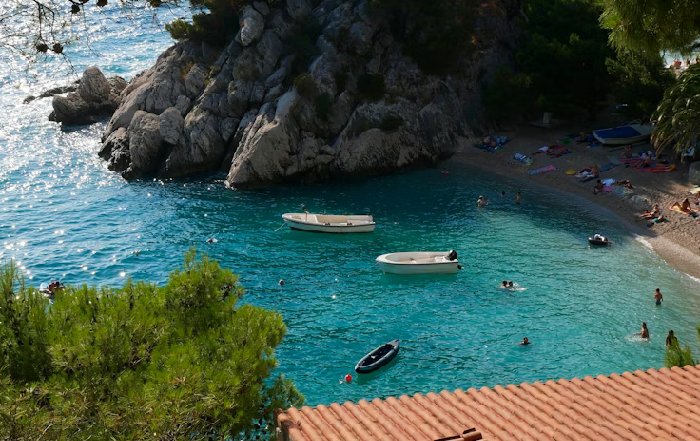
Cruising the Dalmatian Coast: Hidden Harbors, Strategic Insights, and Practical Tips
The Dalmatian Coast: A Strategic Mediterranean Playground
The Dalmatian coast of Croatia has consolidated its position as one of the most strategically important cruising regions in the Mediterranean, attracting yacht owners, charter guests, and industry professionals from North America, Europe, Asia, and beyond who are seeking a combination of natural beauty, navigational interest, and increasingly sophisticated shore-side infrastructure. For the experienced readers of yacht-review.com, who track developments in yacht design, business, technology, lifestyle, and sustainability across global markets, the Dalmatian coastline now represents a compelling case study in how a relatively compact region can cater simultaneously to ultra-high-net-worth yacht owners, family cruisers, and charter operators while still preserving a sense of authenticity and local culture.
Stretching from Zadar in the north to Dubrovnik in the south, this coastline offers a dense archipelago, a well-developed network of marinas, and a growing ecosystem of yacht-related services that together form an integrated cruising environment, and as the sector continues to professionalize, the region has become a focal point for investment, yacht tourism policy, and innovation in sustainable marine operations. Readers who follow the evolving Mediterranean scene via the news and analysis on yacht-review.com/news.html will recognize that the Dalmatian coast is no longer simply an emerging destination; it is now a mature yet still rapidly evolving market that demands a more nuanced approach to planning, vessel selection, and onboard experience design.
Why the Dalmatian Coast Matters to the Modern Yacht Owner
For yacht owners and charter clients in the United States, United Kingdom, Germany, Canada, Australia, and other leading yachting markets, the Dalmatian coast offers a rare combination of attributes: navigational interest for captains, protected waters for families, cultural depth for sophisticated travelers, and a regulatory environment that is comparatively straightforward within the broader European context. The density of islands in this part of the Adriatic creates natural shelter and short passages, so it is possible to structure itineraries that suit both performance-oriented yachts and more leisurely cruising vessels, an aspect that is particularly attractive to mixed-experience groups and multigenerational families, a demographic that is increasingly central to the content in yacht-review.com/family.html.
At the same time, the region's marinas and service providers have matured significantly, with facilities in Split, Dubrovnik, Šibenik, and Zadar now used regularly by international fleets and major charter operators, and reports from organizations such as ICOMIA and European Boating Industry indicate that Croatia continues to rank among the leading European destinations for yacht tourism in terms of arrivals and charter activity, which in turn supports a robust supply chain of technical services, provisioning options, and crew support. Those planning a season in the Adriatic increasingly compare the Dalmatian coast not only with traditional Mediterranean hubs such as the Côte d'Azur or the Balearics, but also with long-range destinations in Italy, Spain, Greece, and Turkey, using resources like Learn more about regional Mediterranean cruising trends. to inform strategic decisions about where to base vessels and how to structure itineraries that maximize guest experience while controlling operating costs.
Entry, Seasonality, and Strategic Itinerary Planning
From a practical and business-oriented perspective, entering Croatia and structuring a Dalmatian itinerary in 2026 requires careful attention to seasonality, port infrastructure, and evolving regulatory frameworks. While Croatia is a member of the European Union and part of the Schengen Area, yacht owners and captains must still manage customs, immigration, and local maritime regulations, particularly when arriving from non-EU ports or when operating commercial charter vessels. In this respect, captains and managers often consult official guidance from the Croatian Ministry of Sea, Transport and Infrastructure and cross-reference it with broader European maritime regulations available through bodies such as the European Maritime Safety Agency, whose publications help clarify standards for safety and environmental compliance across the region.
Seasonality remains one of the defining variables in itinerary design. The core high season runs from late June through August, when air connections from London, Frankfurt, Paris, New York, Toronto, Sydney, Singapore, and other global hubs are most frequent and when marina occupancy and berth fees peak, yet experienced operators often favor the shoulder seasons of May-June and September-October, when sea temperatures remain pleasant, crowds are reduced, and shore-side experiences-from wine tastings to historical tours-are more accessible. For those planning charter programs or private cruising schedules, integrating these seasonal considerations with the broader annual movement of the yacht, whether between the Mediterranean and the Caribbean or within a purely European circuit, is now a core element of strategic fleet planning, and the analytical perspective offered in yacht-review.com/business.html is increasingly valuable for owners who view their yachts as both lifestyle assets and structured investments.
Hidden Harbors North of Split: Zadar Archipelago and Šibenik Region
North of Split, the Zadar archipelago and Šibenik region provide some of the most rewarding "hidden harbor" experiences in the Adriatic, particularly for captains and guests who value quieter anchorages and smaller, characterful ports over high-profile marinas. Islands such as Ugljan, Pašman, and Dugi Otok offer protected bays and well-sheltered anchorages that remain relatively under the radar compared with better-known destinations like Hvar and Korčula, and the approach to these islands can be tailored to a range of vessel sizes, from compact family cruisers to larger motor yachts that still seek proximity to nature and low-density tourism.
One of the strategic highlights in this area is the proximity to Kornati National Park, a unique archipelago of barren, sculptural islands and exceptionally clear waters that has long attracted sailors and motor yacht owners seeking a more elemental cruising experience. While moorings and buoys are regulated and subject to park fees, the sense of seclusion and the visual drama of the landscape make it a high-value inclusion in itineraries for guests from Scandinavia, Switzerland, Netherlands, United States, and Asia who are increasingly interested in nature-focused luxury travel. To align with evolving expectations around responsible tourism, many captains and owners now consult guidance such as Learn more about marine protected areas and responsible visitation. and incorporate best practices for anchoring, waste management, and noise reduction when operating in or near sensitive zones.
For readers of yacht-review.com, the Zadar and Šibenik regions also highlight the importance of vessel selection and onboard systems design, topics frequently explored in depth at yacht-review.com/boats.html and yacht-review.com/design.html. Yachts cruising here benefit from shallow drafts, efficient stabilization systems, and well-integrated tenders that allow guests to access small coves and harbors without compromise, and as more owners from Germany, Austria, and Italy choose to base their vessels in northern Dalmatia for multiple seasons, the local infrastructure for refit, maintenance, and winter storage continues to expand, further enhancing the region's appeal as a long-term base rather than a one-off destination.
Split, Hvar, and the Art of Balancing Visibility and Privacy
Further south, the Split-Hvar axis represents the most visible and internationally recognized sector of the Dalmatian cruising landscape, yet even here, experienced captains and long-term yacht-review.com readers know that there are numerous ways to maintain privacy and exclusivity while remaining within easy reach of high-energy nightlife, fine dining, and cultural excursions. The city of Split, with its UNESCO-listed Diocletian's Palace, serves as both a logistical hub and a cultural anchor, offering international air connections, high-capacity marinas, and a growing ecosystem of yacht-focused services that range from technical support to specialized provisioning for wellness-oriented and gastronomically demanding guests, and those seeking deeper historical context often draw on resources such as Explore more about Split's UNESCO heritage..
Hvar, long known as a glamorous hotspot, has continued to evolve in 2026, with a more sophisticated blend of nightlife, boutique hospitality, and wellness-oriented experiences that appeal to guests from United Kingdom, France, United States, Brazil, and Asia-Pacific who expect high standards of service and design. Yet the real value for discerning yacht owners lies in the ability to position the yacht away from the busiest areas while still enabling quick access by tender. Nearby bays and smaller islands such as the Pakleni archipelago offer sheltered anchorages and boutique mooring options, allowing captains to structure a daily rhythm that alternates between quiet mornings at anchor, active afternoons exploring local vineyards or coastal trails, and evenings spent either in the vibrant harbor of Hvar Town or in more discreet settings favored by ultra-high-net-worth travelers.
For those evaluating new builds or refits with Dalmatian cruising in mind, interior layouts that can shift from family-friendly daytime configurations to more formal evening modes are increasingly important, a trend that mirrors broader developments in yacht design and onboard lifestyle explored in yacht-review.com/lifestyle.html. Owners from North America, United Kingdom, and Asia who use their yachts for both private and charter purposes are especially attentive to flexible guest accommodation, high-capacity tenders, and entertainment systems that can adapt to the diverse expectations of multigenerational families, corporate groups, and friends traveling together, all of whom may use Hvar as a recognizable yet adaptable anchor point in their Dalmatian itineraries.
Korčula, Vis, and the Deep Appeal of Authenticity
As the yachting market matures, a consistent theme among yacht-review.com readers is the search for destinations that combine comfort and safety with a sense of authenticity and local identity, and in the Dalmatian context, the islands of Korčula and Vis exemplify this balance. Korčula, often compared to a smaller and more intimate Dubrovnik, offers a walled old town, a strong winemaking tradition, and a network of bays and anchorages that allow for flexible itineraries, and for guests from Germany, Sweden, Norway, Netherlands, and Switzerland who value cultural depth alongside natural beauty, Korčula's blend of architecture, gastronomy, and relatively low-key tourism profile is especially compelling.
Vis, once a closed military island, has emerged over the past decade as a refined yet understated favorite among experienced cruisers and yacht owners who appreciate its unhurried pace and unspoiled landscapes. The harbors of Vis Town and Komiža are well suited to mid-size and larger yachts, while the island's surrounding coves provide excellent day anchorages and opportunities for diving, snorkeling, and coastal exploration. Increasingly, yacht guests who are interested in the historical and geopolitical context of the Adriatic use resources such as Learn more about the history and geopolitics of the Adriatic region. to enrich their understanding of how islands like Vis have transitioned from strategic military outposts to high-value tourism and yachting destinations, and this deeper context often enhances the perceived value of time spent ashore.
For owners and charterers planning itineraries that prioritize authenticity, Korčula and Vis serve as ideal focal points for extended stays, allowing guests to establish a temporary "home base" from which to explore surrounding anchorages, wine estates, and hiking routes. This approach aligns with a broader shift in luxury travel toward slower, more immersive experiences, a trend that yacht-review.com has tracked extensively in its coverage of cruising and travel at yacht-review.com/cruising.html and yacht-review.com/travel.html, and it resonates particularly strongly with owners from United States, Canada, United Kingdom, and Australia who are increasingly willing to trade high-frequency port hopping for deeper engagement with a smaller number of locations.
Dubrovnik and the Southern Gateways: Prestige, Pressure, and Opportunity
At the southern end of the Dalmatian coast, Dubrovnik remains one of the most recognizable and aspirational ports of call in the Mediterranean, attracting yacht owners and guests from Asia, North America, Middle East, and across Europe who associate the city with cinematic scenery, historical depth, and high-end hospitality. The city's UNESCO status and global visibility have, however, created significant pressures in terms of visitor numbers and infrastructure strain, leading local authorities and tourism stakeholders to implement more structured management of arrivals, including cruise ship scheduling and visitor dispersal strategies designed to protect the integrity of the old town while sustaining the local economy.
For yacht owners and captains, this evolving context requires a more nuanced approach to timing, berth reservations, and guest logistics. Many now choose to berth outside the most congested periods, using early morning or late evening windows for shore excursions and relying on private guides and curated experiences that provide depth without contributing to peak-time congestion. Resources such as Learn more about sustainable destination management. are increasingly referenced by destination managers and yacht service providers who seek to align high-value tourism with long-term community resilience, and for the readership of yacht-review.com, this intersection of luxury travel, policy, and sustainability offers valuable insights into how premium experiences can coexist with responsible stewardship.
South of Dubrovnik, the proximity to Montenegro and the wider Adriatic region opens additional strategic options for owners and charterers who wish to combine Croatian cruising with visits to Kotor, Tivat, and other ports, and as cross-border yachting corridors in Europe become more integrated and better supported, the Dalmatian coast increasingly serves as a central node in multi-country itineraries that appeal to globally mobile clients from Singapore, Hong Kong, Japan, South Korea, and Middle East. For those planning such itineraries, the analytical and global perspective available at yacht-review.com/global.html provides a useful framework for aligning guest expectations, regulatory requirements, and operational realities across multiple jurisdictions.
Technology, Safety, and Seamless Operations in 2026
The technological dimension of Dalmatian cruising has advanced significantly, and by 2026, yacht owners and captains are leveraging a combination of digital navigation tools, real-time weather data, and integrated onboard systems to enhance both safety and guest experience. High-quality electronic charts, AIS integration, and updated coastal data have reduced navigational risk in the island-dense areas around Šibenik, Split, and Hvar, while improved mobile and satellite connectivity enable seamless communication with shore-based support teams, charter brokers, and family members around the world. As explored frequently in yacht-review.com/technology.html, these systems are no longer optional extras but core components of a modern yacht's value proposition, especially for owners who divide their time between multiple continents and rely on remote monitoring and management.
Safety remains a central concern, particularly in a region where summer traffic can be intense and where a mix of professional and amateur operators share constrained waterways. Organizations such as the International Maritime Organization (IMO) and national maritime authorities continue to update guidelines and safety campaigns, and forward-looking captains now regularly consult resources like Learn more about international maritime safety standards. to ensure that their onboard procedures, crew training, and equipment meet or exceed current standards. For readers of yacht-review.com, many of whom are deeply involved in fleet management, charter operations, or yacht ownership structures, the integration of robust safety culture with guest-centric service is a defining characteristic of professional operations in the Dalmatian region.
Sustainability, Community, and the Future of Dalmatian Cruising
In 2026, sustainability is no longer a peripheral topic but a central axis along which the future of Dalmatian cruising will be determined, and yacht-review.com has made this a recurring theme in its dedicated coverage at yacht-review.com/sustainability.html. The Adriatic is a semi-enclosed sea, which makes it particularly vulnerable to pollution, overfishing, and the cumulative impact of maritime traffic, and local communities along the Dalmatian coast are increasingly aware of both the benefits and the potential costs of high-intensity tourism and yachting. Yacht owners, charter operators, and captains who wish to maintain long-term access to this region are therefore adopting more proactive sustainability strategies, including advanced waste treatment systems, optimized routing to reduce fuel consumption, and careful selection of suppliers and shore-side partners who prioritize environmental responsibility.
Global frameworks such as the UN Sustainable Development Goals and sector-specific initiatives promoted by organizations like the World Travel & Tourism Council and UNEP provide useful benchmarks, and many in the yachting community draw on resources such as Learn more about sustainable business practices. to inform decisions about vessel technology, operational protocols, and client education. In parallel, there is a growing recognition that sustainability extends beyond environmental metrics to encompass social and economic dimensions, including fair employment practices for crew, respectful engagement with local communities, and support for local businesses that preserve cultural heritage. For a readership that spans Europe, North America, Asia, Africa, and South America, this more holistic approach aligns with broader shifts in global luxury consumption, where authenticity, responsibility, and long-term value increasingly shape purchasing and travel decisions.
Practical Tips for Owners, Captains, and Charter Guests
Translating strategic insights into day-to-day practice is critical, and the Dalmatian coast rewards those who approach it with both preparation and flexibility. From a planning perspective, early berth reservations in high-demand marinas during the peak season remain essential, particularly for larger yachts or those requiring specific technical support, and many owners now work closely with professional yacht managers and local agents to secure preferred berths and time slots well in advance. Weather routing and contingency planning are equally important, as the Bora and Jugo winds can influence passage planning and anchorage selection, and captains who combine local knowledge with high-quality forecasting tools generally offer guests a smoother and more comfortable experience.
For charter guests and private owners alike, understanding the cultural and regulatory context enhances both enjoyment and compliance. Respect for speed limits near shore, adherence to anchoring regulations in protected areas, and sensitivity to noise levels in smaller communities all contribute to a positive relationship between yacht visitors and local residents, and these considerations are increasingly incorporated into pre-cruise briefings and guest information materials. Those who wish to deepen their engagement with local culture often benefit from curated shore experiences, including private historical tours, vineyard visits, and culinary workshops, which can be structured to support local entrepreneurs and artisans while delivering high-value, personalized experiences, a theme that aligns closely with the lifestyle and community focus at yacht-review.com/community.html and yacht-review.com/lifestyle.html.
Our Role in Navigating a Dynamic Region
As the Dalmatian coast continues to evolve, the need for reliable, experience-based guidance has never been greater, and yacht-review.com has positioned itself as a trusted partner for owners, captains, charter professionals, and passionate cruisers who require nuanced, up-to-date insight. Through its in-depth reviews of yachts suited to Adriatic cruising, its analysis of design and technology trends at yacht-review.com/design.html and yacht-review.com/technology.html, and its coverage of regional developments at yacht-review.com/global.html and yacht-review.com/news.html, the platform provides a comprehensive framework for making informed decisions about vessel selection, itinerary design, and onboard experience.
For a global audience spanning United States, United Kingdom, Germany, Canada, Australia, France, Italy, Spain, Netherlands, Switzerland, China, Sweden, Norway, Singapore, Denmark, South Korea, Japan, Thailand, Finland, South Africa, Brazil, Malaysia, and New Zealand, the Dalmatian coast offers an exceptional blend of natural beauty, cultural richness, and operational practicality. Yet to fully realize its potential, owners and guests must approach it with the same level of professionalism, curiosity, and responsibility that they bring to yacht ownership and management more broadly. In this context, yacht-review.com serves not only as an information source but as a long-term partner, helping its readers navigate the hidden harbors, strategic choices, and evolving opportunities that define cruising the Dalmatian coast.