

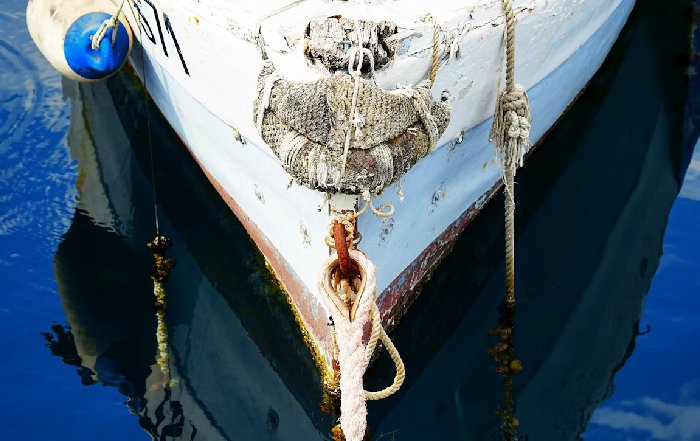
Protecting Marine Ecosystems While at Anchor
A New Standard for Responsible Anchoring
The global yachting community has moved beyond treating environmental responsibility as an optional add-on to the cruising lifestyle. For the owners, captains, and charter guests who follow Yacht-Review.com, the question is no longer whether to protect marine ecosystems, but how to do so effectively while preserving the freedom, comfort, and privacy that make yachting so compelling in the first place. Nowhere is this balance more critical than in the simple, everyday act of dropping anchor, because every decision about where and how to anchor has a direct, measurable impact on fragile seabeds, coastal communities, and the long-term viability of the destinations that yachts visit.
Anchoring is at the heart of the yachting experience described across the platform's coverage of cruising, boats, and lifestyle, and yet it is also one of the most environmentally sensitive operations a yacht performs. The chain sweeping across the seabed, the anchor ploughing into sand or seagrass, the tender traffic, lights, noise, and even greywater discharges combine into a footprint that can either be carefully managed or casually destructive. For an audience stretching from the United States and Europe to Asia-Pacific and beyond, the emerging best practices in 2026 reflect not only technological progress but also a deeper cultural shift in how the industry sees its relationship with the ocean.
Why Anchoring Matters So Much to Marine Ecosystems
Marine scientists have long documented the vulnerability of seabed habitats, but in the past decade their findings have become impossible for the yachting sector to ignore. Studies from organizations such as NOAA in the United States and the European Environment Agency show that seagrass meadows, coral reefs, and soft-sediment habitats are essential nurseries for fish stocks, buffers for coastal erosion, and powerful carbon sinks. Readers who wish to explore the science in more depth can review the work of the International Union for Conservation of Nature on seagrass and blue carbon ecosystems, which underpins many of the regulations now affecting popular anchorages from Florida and the Bahamas to the Mediterranean and Southeast Asia.
When an anchor drops into a seagrass bed or coral garden, the immediate physical damage may look localized, but repeated anchoring over a season, or over several years, can strip entire patches of vegetation, fragment habitats, and reduce biodiversity. The sweeping arc of the chain can be more destructive than the anchor itself, scouring the seabed with every shift of wind or tide. In regions such as the South of France, the Balearic Islands, Sardinia, the Greek islands, Thailand, and the Great Barrier Reef, the cumulative impact of hundreds of yachts anchoring daily has led to visible scars that are now mapped by marine researchers and local authorities.
For the owners and captains who follow Yacht-Review.com's sustainability coverage, the implications are both ethical and practical. Unhealthy marine ecosystems mean degraded cruising experiences, more restrictions, and reputational risk for brands and owners who appear indifferent to environmental damage. Conversely, those who anchor responsibly help preserve the very beauty that underpins yacht values, charter rates, and the industry's social license to operate.
Regulatory Pressure and Market Expectations in 2026
By 2026, the regulatory environment around anchoring has tightened significantly in many of the regions that matter most to the global yachting community. Coastal states across Europe, North America, and parts of Asia have introduced no-anchor zones over seagrass and coral habitats, mandatory use of mooring buoys in designated areas, and substantial fines for non-compliance. The French Ministry for the Ecological Transition, for example, has expanded protected Posidonia seagrass zones along the Côte d'Azur, while Spain has reinforced similar protections in the Balearic Islands, all supported by satellite monitoring and on-water enforcement.
International frameworks such as the International Maritime Organization's environmental conventions and the UNEP Regional Seas programmes are increasingly shaping national rules for coastal and nearshore operations. Those interested in the broader policy context can review the latest marine environment initiatives on the International Maritime Organization website, which increasingly influence both commercial shipping and large yachts. Although private yachts often operate below commercial tonnage thresholds, port states are making it clear that environmental obligations apply across the board.
Market expectations have evolved in parallel. Charter clients in the United States, United Kingdom, Germany, Scandinavia, and Australia now routinely ask about a vessel's environmental credentials, including how it handles anchoring, waste, and emissions. Family owners looking at long-term value preservation are equally sensitive to reputational risk. This shift is reflected in the growing number of sustainability-focused features in Yacht-Review.com's business and news sections, where topics such as ESG reporting, responsible tourism, and green technology increasingly intersect with operational decisions at anchor.
Technology and Design: Anchoring with a Lighter Footprint
The design of anchors, ground tackle, and onboard systems has changed rapidly, offering practical tools to reduce ecological damage while enhancing safety and comfort. Naval architects, marine engineers, and shipyards from Europe to Asia are integrating environmental considerations into hull forms, propulsion systems, and anchoring arrangements, a trend that mirrors the innovation tracked in Yacht-Review.com's design and technology coverage.
Modern anchor designs from manufacturers in the United States, the Netherlands, and New Zealand prioritize rapid set, high holding power, and minimal dragging, which in turn reduces seabed disturbance. Paired with high-quality swivels, calibrated chain, and correctly sized rope/chain combinations, these systems minimize the risk of re-setting in sensitive areas. Advanced anchoring control systems, often integrated into dynamic positioning software, allow captains to calculate swing radius precisely, plan for changing wind and current, and avoid unnecessary re-anchoring.
Dynamic positioning itself, once the preserve of offshore support vessels, has become increasingly relevant to the superyacht sector. While DP is not a universal solution-continuous thruster use can disturb marine life, generate noise, and consume fuel-it offers an alternative in very deep water or over particularly fragile habitats where any physical contact with the seabed would be unacceptable. The key lies in using DP selectively, supported by environmental assessments and local guidance, rather than as a default.
Hull and propulsion innovations also support lower-impact anchoring. Hybrid propulsion systems, battery banks, and improved energy management allow yachts to operate quietly at anchor with reduced generator use, cutting underwater noise and emissions that can affect marine mammals and fish. Those who wish to explore broader trends in maritime decarbonization can refer to the work of the Global Maritime Forum, which highlights how emerging technologies align with climate objectives and future regulatory trajectories.
For smaller yachts and family cruisers, increasingly common in markets such as Canada, Australia, Italy, Spain, and South Africa, affordable charting apps, satellite imagery, and local habitat maps now provide clear visual overlays of seagrass and coral zones, enabling informed anchoring decisions even in unfamiliar waters. This democratization of environmental data, combined with the community-driven insights often highlighted in Yacht-Review.com's community section, helps align day-to-day cruising behavior with scientific understanding.
Best Practices at Anchor: From Theory to Daily Routine
Protecting marine ecosystems while at anchor ultimately depends less on technology and more on disciplined seamanship and a culture of respect for local environments. The principles are straightforward, but consistent application requires leadership from owners, captains, and management companies, especially in busy cruising grounds across the Mediterranean, Caribbean, Southeast Asia, and the Pacific.
The first and most fundamental practice is to avoid anchoring in sensitive habitats whenever possible. This means choosing sand or mud bottoms over seagrass, corals, or rocky substrates with rich benthic communities. Modern electronic charts and local notices to mariners, supported by resources from organizations such as NOAA and national hydrographic offices, make it easier than ever to identify suitable areas. For those planning extended itineraries, reviewing local environmental guidelines through official channels or reputable NGOs before arrival has become a standard part of passage planning, much like checking customs regulations or pilotage requirements.
Once an appropriate location is identified, proper anchoring technique significantly reduces ecological impact. Deploying sufficient scope, laying out the chain slowly to avoid dragging, and backing down gently to set the anchor in one controlled movement limits seabed disturbance. Excessive re-anchoring, often caused by poor initial positioning or inadequate attention to forecast conditions, multiplies damage and should be avoided through careful planning and conservative decision-making. Captains who share their experiences and lessons learned-many of which are captured in Yacht-Review.com's reviews-help raise standards across the fleet.
While at anchor, operational discipline matters as much as the anchoring maneuver itself. Managing greywater and blackwater in accordance with international and local rules, avoiding discharge in enclosed bays or near reefs, and using holding tanks until offshore discharge is permitted all contribute to water quality and ecosystem health. Those seeking deeper context on marine pollution and its effects can consult the UN Environment Programme's resources on ocean health, which detail the cumulative impact of untreated discharges on coastal ecosystems and human communities.
Noise and light pollution are increasingly recognized as environmental stressors. Running generators and tenders continuously, playing loud music late into the night, or flooding decks and water with bright lights can disturb both marine life and nearby residents, particularly in smaller bays and protected areas. Many responsible yacht operators now adopt quiet hours, use shielded and dimmable lighting, and rely on battery power where possible, aligning comfort with environmental stewardship and good neighborliness.
Destination Stewardship: Anchoring as Part of a Larger Responsibility
Anchoring is not an isolated act; it is part of a broader relationship between yachts and the destinations they visit. Coastal communities in countries such as Greece, Croatia, Thailand, Indonesia, Mexico, Brazil, and South Africa increasingly view yachting through the lens of sustainability, weighing economic benefits against environmental and social pressures. The choices made at anchor-where to position the vessel, how to manage waste, how to interact with local services-feed into this perception.
Responsible yachts increasingly coordinate with local authorities, marine parks, and harbor masters to understand and respect zoning, mooring systems, and seasonal restrictions. Many of the world's most attractive anchorages now offer environmentally friendly moorings that prevent anchor damage to sensitive seabeds. Using these facilities, even when anchoring might be technically possible nearby, sends a clear signal of respect and often provides a more secure hold in crowded or exposed areas. For a broader view of how sustainable tourism is reshaping coastal economies, readers can explore analyses from the World Travel & Tourism Council, which detail the growing importance of environmental credentials in destination competitiveness.
Local engagement extends beyond compliance. Yachts that source provisions, maintenance, and excursions from local businesses, while also contributing to conservation initiatives, help align their presence with community interests. This approach mirrors the integrated view of travel, culture, and environment reflected in Yacht-Review.com's travel and global coverage, where cruising is presented not just as movement across water but as a series of relationships with places and people.
Family, Crew, and Community: Building a Culture of Care
For many readers of Yacht-Review.com, yachting is a family experience, spanning generations and creating formative memories for children and grandchildren. Anchoring, snorkeling, and exploring secluded coves are central to that narrative, especially in favored family destinations such as the Bahamas, British Virgin Islands, Sardinia, the Balearics, the Turkish coast, and the Whitsundays. Teaching younger guests why the yacht avoids certain patches of seagrass, why tenders slow down near reefs, or why no one throws anything overboard transforms environmental protection from an abstract concept into a lived value.
Crew play a pivotal role in embedding this culture. Captains, officers, engineers, and deckhands who are trained in environmental best practices can translate owner intentions into consistent behavior on the water. Increasingly, professional development programs endorsed by organizations like The Nautical Institute and various flag states include environmental modules that address anchoring impacts, waste management, and energy efficiency. Those interested in the professionalization of maritime environmental standards can follow developments through the International Chamber of Shipping, which publishes guidance on best practices for ship operations and environmental performance.
Within the yachting community itself, peer influence is powerful. When respected owners and captains discuss responsible anchoring at industry events, in broker briefings, and in media interviews, they set norms that others follow. Yacht-Review.com's events and community sections increasingly highlight such conversations, showcasing case studies where yachts have successfully integrated environmental considerations into daily operations without compromising luxury or enjoyment.
Business Implications: Value, Risk, and Competitive Advantage
For yacht owners, family offices, management companies, and charter brokers, the way a vessel anchors is no longer just an operational detail; it is a component of brand, asset value, and risk management. A yacht that acquires a reputation for disregarding protected areas or leaving a trail of environmental complaints faces potential exclusion from prime destinations, higher insurance scrutiny, and reputational damage that can affect resale and charter demand across key markets in North America, Europe, and Asia.
Conversely, yachts that can demonstrate responsible practices, backed by clear procedures, crew training, and transparent reporting, are well positioned to attract environmentally conscious clients and to navigate tightening regulations smoothly. This trend aligns with broader ESG expectations in the luxury sector, where investors and clients increasingly seek alignment between lifestyle assets and their sustainability values. Those interested in the intersection of ESG and maritime assets can explore thought leadership from organizations like CDP and the World Economic Forum, which examine how environmental performance influences long-term investment decisions.
Brokerage and charter firms are responding by integrating environmental criteria into yacht presentations, marketing materials, and client briefings. Detailing how a yacht handles anchoring, waste, and energy use is becoming as normal as listing cabin layouts and toy inventories. Yacht-Review.com's business coverage has reflected this shift, documenting how the most forward-thinking firms treat sustainability not as a constraint but as a differentiator in a competitive global market.
The Role of Industry Leadership and Collaboration
Protecting marine ecosystems while at anchor requires collaboration across the entire yachting value chain: owners, designers, shipyards, classification societies, flag states, marinas, and technology providers. Industry associations in Europe, North America, and Asia are working with environmental NGOs and research institutions to develop guidelines, share data, and pilot new technologies such as low-impact mooring systems and habitat-mapping tools. Readers who wish to understand how business and conservation can align effectively can learn more about sustainable business practices through the UN Environment Programme, which provides frameworks relevant to coastal and marine industries.
Shipyards and designers featured regularly in Yacht-Review.com's design and technology sections are also key actors. By integrating environmental considerations into concept development-such as optimizing hull forms for efficient low-speed operation at anchor, installing advanced treatment systems, and designing deck layouts that encourage responsible tender use-they help ensure that responsible anchoring is built into the vessel rather than added as an afterthought.
Classification societies and certification schemes are beginning to recognize and reward yachts that go beyond minimum compliance, offering notations or labels for enhanced environmental performance. While these frameworks are still evolving, they signal a future in which responsible anchoring and broader environmental stewardship will be formally recognized as hallmarks of quality and professionalism in the yachting sector.
Anchoring the Future: A Shared Commitment
Looking ahead from 2026, it is clear that the standard for responsible anchoring will continue to rise, driven by regulatory developments, technological innovation, and the expectations of a globally connected, environmentally aware clientele. For the international audience of Yacht-Review.com, spanning the United States, United Kingdom, Europe, Asia, Africa, and the Americas, this evolution represents both a challenge and an opportunity.
The challenge lies in adapting long-established habits, investing in training and equipment, and sometimes choosing a less convenient option-such as using a mooring rather than dropping anchor in a favorite cove, or moving offshore to discharge treated wastewater rather than doing so in a sheltered bay. The opportunity lies in leading by example, preserving the beauty and biodiversity of the world's cruising grounds, and demonstrating that luxury and responsibility can coexist not just in principle but in daily practice.
As Yacht-Review.com continues to document developments across reviews, cruising, sustainability, global, and lifestyle, the act of dropping anchor is likely to be seen increasingly as a statement of values as well as a technical maneuver. For owners, captains, and guests who care about the future of the oceans they explore, protecting marine ecosystems while at anchor is no longer a niche concern; it is an integral part of what it means to be a modern yachtsman in a changing world.