

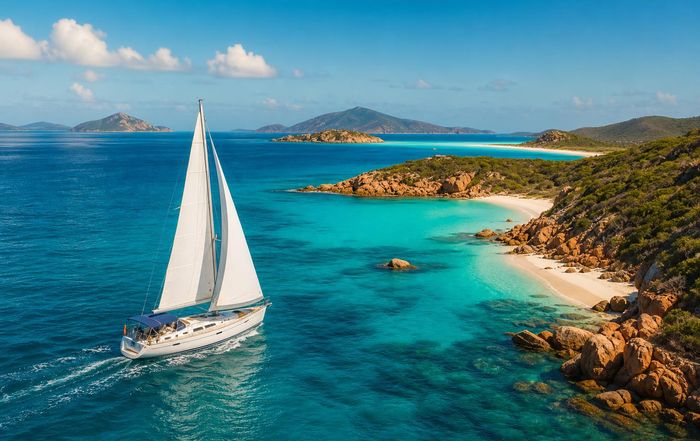
Best Sailing Destinations Around Australia: A Bluewater Playground for Every Cruiser
Australia has long been regarded as one of the world's great ocean nations, a vast continent framed by thousands of kilometres of coastline, intricate archipelagos, coral reefs, and sheltered waterways that together create a remarkably diverse sailing playground. For the smart online community of Yacht Review readers, who follow new designs, cruising stories, and lifestyle trends with equal passion, the country offers an almost unmatched range of experiences, from barefoot cruising in tropical trade winds to high-latitude adventures in wild, sparsely populated bays.
This article explores the best sailing destinations around Australia from a practical, experience-driven perspective, drawing on the expertise of professional skippers, yacht designers, charter operators, and long-distance cruisers whose work and observations are reflected in trusted sources such as Cruising Helmsman, Australian Sailing, Sail-World, and government hydrographic and tourism authorities. The aim is to provide an inspiring but grounded guide for sailors planning their next voyage, whether they are chartering a production cruiser, commissioning a custom bluewater yacht, or plotting a circumnavigation with their family.
Readers who wish to complement this destination overview with detailed boat analyses and sea trials can explore the independent reviews section of Yacht Review's boat tests and reviews, which often reference real-world conditions in Australian waters.
The Coral Coast and Great Barrier Reef: Tropical Cruising with Care
Any discussion of Australian sailing must begin with the Great Barrier Reef, the world's largest coral reef system and a UNESCO World Heritage Site. Stretching more than 2,300 kilometres along the Queensland coast, it offers a mosaic of coral cays, lagoon anchorages, and reef passes that have long drawn cruising sailors from Europe, North America, and across the Asia-Pacific region.
The Whitsunday Islands, lying between the Queensland coast and the outer reef, remain the most iconic gateway. Protected waters, predictable trade winds, and a well-developed charter infrastructure have made the Whitsundays a favourite for first-time bareboat crews and experienced cruisers alike. Companies such as Dream Yacht Worldwide and Sunsail maintain fleets here, and charter skippers regularly highlight the region's balance between accessible navigation and genuine adventure. Visitors can learn more about the broader reef environment and conservation efforts through sources like the Great Barrier Reef Marine Park Authority and the Australian Institute of Marine Science, which both provide up-to-date guidance on zoning, moorings, and reef health.
Beyond the Whitsundays, the Coral Coast offers more remote cruising. North of Townsville, sailors encounter fewer marinas and more anchorages behind fringing reefs and small islands, with destinations such as Lizard Island, Flinders Group, and the far northern reef attracting long-range cruisers who value solitude and unspoiled nature. Hydrographic information from the Australian Hydrographic Office and regional pilot books, cross-checked against community reports on platforms like Noonsite, emphasise the importance of careful passage planning, especially where reef passes and tidal streams demand accurate timing and reliable charts.
Environmental stewardship is a central theme for modern cruisers in this region. Anchoring restrictions, designated no-anchoring zones, and the widespread use of public moorings reflect an effort to protect sensitive coral habitats. Sailors who wish to deepen their understanding of responsible practices can explore sustainable boating and reef protection guidance from organisations such as WWF-Australia, which collaborate with tourism operators and local authorities. For visitors of yacht-review.com interested in how sustainability trends are reshaping yacht ownership and charter operations, the dedicated sustainability insights section offers additional context and analysis.
The Whitsundays: Australia's Charter Capital and Design Testbed
Within the broader Great Barrier Reef, the Whitsunday Islands deserve particular attention, not only because they are Australia's premier sailing holiday destination, but also because they serve as an informal testbed for many production catamarans and monohulls popular with global buyers. Protected by the reef and studded with anchorages such as Cid Harbour, Nara Inlet, and Whitehaven Beach, the area offers line-of-sight navigation and relatively short hops between islands.
From a design and performance standpoint, the Whitsundays provide an ideal environment to evaluate modern cruising yachts. Catamarans from builders such as Lagoon, Fountaine Pajot, and Seawind are frequently chartered here, allowing prospective owners to experience real-world load carrying, ventilation, and anchoring behaviour in trade-wind conditions. Lightweight, easily driven hulls and generous sail plans are rewarded on the typically moderate reaches between islands, while the prevalence of moorings and good holding ground reduces stress for crews still developing their anchoring skills.
Industry observers note that the rise of electric and hybrid propulsion has begun to make an appearance in this region, with some operators trialling hybrid charter fleets and solar-augmented systems. Technical coverage from sources like Boat International and Yachting World has documented how these technologies are gradually filtering into mainstream cruising designs. For those interested in the intersection of naval architecture, systems engineering, and real-world cruising, the design-focused articles at Yacht Review's yacht design hub provide a useful complement.
On shore, the town of Airlie Beach serves as a provisioning and refit hub, with marinas, haul-out facilities, and rigging specialists accustomed to supporting international cruisers. Tourism data and safety advisories published by Tourism and Events Queensland and Maritime Safety Queensland underscore the importance of seasonal awareness, particularly during the cyclone season and the summer months when stinger nets and protective clothing are recommended for swimmers.
Sydney and the New South Wales Coast: Urban Sailing and Ocean Passages
For many sailors, Sydney Harbour is one of the world's great natural harbours, combining dramatic scenery, iconic landmarks, and a vibrant racing culture. The harbour's deep-water bays and well-marked channels offer sheltered day sailing and twilight racing opportunities that appeal to both owners of high-performance one-designs and families in cruising yachts. Local clubs such as the Cruising Yacht Club of Australia (CYCA) and the Royal Sydney Yacht Squadron maintain active racing calendars, with the annual Rolex Sydney Hobart Yacht Race continuing to attract international attention and rigorous safety standards, documented by sources like World Sailing and Rolex's official race coverage.
For visiting cruisers, Sydney serves as a gateway to the wider New South Wales coast. To the north, Pittwater and the Hawkesbury River system provide extensive, sheltered cruising grounds within easy reach of the city, while further north again, Port Stephens, Coffs Harbour, and the Clarence River offer a series of stepping stones for yachts heading towards Queensland. To the south, Jervis Bay, Batemans Bay, and Eden mark the route for those contemplating the Bass Strait crossing to Tasmania.
The New South Wales coast is well-charted, but sailors must respect the influence of the East Australian Current, southerly busters, and the occasional strong low-pressure systems that can create challenging sea states. The Bureau of Meteorology provides detailed marine forecasts and real-time observations, and its data is widely referenced by local skippers and offshore racers. Learn more about Australian marine weather services to support safe passage planning.
The editorial team at yacht-review.com often highlights Sydney as a destination where lifestyle and sailing intersect particularly strongly. Waterfront dining, regatta culture, and the presence of international yacht brands create an environment where design trends, performance innovations, and luxury lifestyle considerations are constantly on display. Regular readers can explore this intersection further through the site's lifestyle and cruising features, which frequently draw on experiences from the New South Wales coast.
Tasmania and Bass Strait: High-Latitude Style Adventure
South of the mainland, Tasmania offers a very different kind of cruising. Its rugged coastline, cool-temperate climate, and wild national parks attract sailors who value remote anchorages, wildlife encounters, and self-sufficiency. The journey begins with Bass Strait, a body of water whose reputation for rapidly changing conditions is well documented in safety case studies, including those compiled after challenging editions of the Sydney Hobart Race. While modern forecasting and improved yacht design have enhanced safety, experienced skippers interviewed in publications such as Australian Sailing and Sail-World consistently stress that conservative passage planning and respect for weather windows remain essential.
Once in Tasmanian waters, sailors find a wealth of options. The D'Entrecasteaux Channel and the Huon River provide relatively sheltered cruising close to Hobart, with marinas, chandlers, and repair facilities supporting both local fleets and visiting bluewater cruisers. Further afield, the Tasman Peninsula, Maria Island, and the east coast offer a sequence of anchorages that combine scenic beauty with manageable day passages.
For many seasoned cruisers, however, the crown jewel is the Southwest National Park and Port Davey, a remote wilderness area accessible only by boat or light aircraft. Here, steep-sided fjords, tannin-stained waters, and minimal human impact create an atmosphere that some compare to high-latitude cruising in Patagonia or Norway. The Tasmanian Parks and Wildlife Service provides detailed guidance on permits and environmental regulations, which have been designed to protect this fragile ecosystem. Prospective visitors can review current requirements and conservation initiatives via Parks and Wildlife Tasmania.
The cool, variable conditions of Tasmanian waters offer a proving ground for yachts designed for offshore passages and high-latitude cruising. Robust construction, effective insulation, reliable heating, and secure deck layouts are all highly valued here. For enthusiasts following the evolution of expedition-capable sailing yachts, the technology section at Yacht Review's marine technology pages often explores innovations that are directly relevant to sailors considering voyages in these latitudes.
Western Australia: The Indian Ocean's Untamed Edge
On the opposite side of the continent, Western Australia presents a coastline of striking contrasts, from the turquoise lagoons of the Kimberley region to the surf-dominated beaches near Perth and Margaret River. The sheer scale and relative isolation of this coast mean that it tends to attract experienced cruisers, liveaboard families, and expedition-style charter operations, rather than casual holidaymakers.
In the north, the Kimberley coast is widely regarded as one of the world's great wilderness cruising areas. Massive tidal ranges, powerful currents, and limited infrastructure demand self-sufficiency and careful planning, but the rewards include dramatic red sandstone cliffs, waterfalls that plunge directly into the sea during the wet season, and anchorages where crocodiles, turtles, and birdlife are common sights. Specialist operators and seasoned cruisers provide practical guidance through books, seminars, and online resources, many of which reference official navigation data and tidal information from the Australian Hydrographic Office and local harbour authorities.
Further south, Ningaloo Reef offers a more accessible but still relatively uncrowded alternative to the Great Barrier Reef. Recognised as a World Heritage Site and managed with a strong conservation ethos, Ningaloo is famous for whale shark encounters, manta rays, and coral lagoons. The Western Australian Department of Biodiversity, Conservation and Attractions and organisations such as Ningaloo Discovery provide guidelines for low-impact visits and regulated wildlife interactions, which are increasingly important as eco-tourism grows.
Around Perth and Fremantle, a more urban sailing scene emerges, with yacht clubs, racing fleets, and coastal cruising to destinations such as Rottnest Island. The prevailing sea breezes and open-ocean swell create conditions that reward seaworthy, performance-oriented designs, and local sailors have a long history of contributing to Australia's competitive sailing success. For international readers considering a west-coast cruise as part of a longer Indian Ocean passage, regional overviews from Cruising World and pilot guides help to frame the challenges and attractions of this coastline.
To place Western Australia in a global cruising context, visitors to yacht-review.com can explore the site's global cruising perspectives, where long-distance routes, weather patterns, and regional highlights are discussed with an eye to practical planning.
South Australia and Victoria: Quiet Harbours and Coastal Culture
While less internationally famous than Queensland or Tasmania, the states of South Australia and Victoria offer rewarding sailing for those who appreciate quieter harbours, strong local club cultures, and a blend of inland waterways and open coastal passages. In South Australia, the gulfs of St Vincent and Spencer create semi-enclosed cruising grounds with numerous anchorages and fishing towns, while Kangaroo Island provides a larger-scale destination with wildlife, rugged coastlines, and sheltered bays on its northern side.
Marinas and yacht clubs in Adelaide and regional centres support a mix of cruising and racing activities, and local sailors often highlight the region's relatively uncrowded waters as a key attraction. The South Australian Tourism Commission and local boating organisations publish guidance on navigation, facilities, and seasonal conditions, which are generally milder than those encountered further south in Bass Strait, though strong winds and summer heatwaves still require respect.
In Victoria, Port Phillip Bay and Western Port form the core of the sailing scene. Port Phillip's large enclosed waters, with Melbourne at its northern end, support an active racing culture and provide a training ground for offshore crews preparing for longer passages. The entrance to the bay, known as "The Heads," is notorious for strong tidal streams and steep seas under certain wind conditions, and local knowledge, combined with data from the Port of Melbourne, is invaluable for safe transits.
Beyond the bays, the Victorian coast offers a string of ports and anchorages leading towards the New South Wales border, with Wilsons Promontory marking a significant landmark for yachts heading to or from Tasmania. The combination of coastal scenery, accessible facilities, and proximity to major population centres makes this region appealing to sailors who wish to combine city life with weekend or holiday cruising. For regular readers who enjoy blending sailing with broader travel experiences, the travel-focused coverage at Yacht Review's travel and cruising portal often highlights this kind of integrated lifestyle.
Northern Territory and the Top End: Frontier Cruising with Cultural Depth
The Northern Territory coastline, stretching from the Joseph Bonaparte Gulf to the Gulf of Carpentaria, remains one of Australia's least-visited sailing regions, yet it holds significant appeal for cruisers seeking cultural depth and frontier-style adventure. The monsoonal climate, large tidal ranges, and scarcity of marinas or conventional yachting infrastructure mean that this area is best suited to well-prepared, self-reliant crews.
Darwin serves as the primary hub, with marinas, haul-out yards, and a community of bluewater sailors who often use the city as a staging point for voyages to Indonesia, Southeast Asia, and beyond. The Darwin Sailing Club and regional cruising associations provide local knowledge, while the Northern Territory Government publishes information on ports, anchorages, and biosecurity requirements. For yachts arriving from overseas, strict quarantine and biosecurity measures, enforced by Biosecurity Australia and the Australian Border Force, are an important consideration and are clearly outlined on official government websites.
Cultural engagement is a distinctive aspect of cruising in the Top End. Many coastal areas are adjacent to or within Aboriginal lands, and visiting sailors are encouraged, and in some cases required, to obtain permits and respect local protocols. Organisations such as the Northern Land Council provide information on access, and responsible cruisers increasingly view these interactions as an opportunity to learn about Indigenous history, art, and connection to sea country. Sources like the Australian Institute of Aboriginal and Torres Strait Islander Studies offer deeper context for those who wish to understand the cultural landscape they are sailing through.
For the engaged readers of yacht-review.com who follow global cruising routes, the Northern Territory also represents a strategic waypoint in a broader Indo-Pacific circuit, linking the Indian Ocean and Southeast Asia with the Pacific. This perspective is reflected in the site's cruising and passagemaking coverage, where routing options, seasonal patterns, and border formalities are discussed in depth.
Lifestyle, Community, and the Evolving Australian Sailing Experience
Beyond the geography, what makes Australia such a compelling sailing destination is the combination of lifestyle, community, and evolving technology that shapes the experience for both local sailors and international visitors. Coastal towns and cities often revolve around their waterfronts, with yacht clubs, marinas, and boatyards serving as social and economic hubs. Publications like Australian Sailing, Trade-A-Boat, and Ocean Navigator have documented how this maritime culture influences everything from youth sailing programs and offshore racing to yacht design preferences and refit practices.
In recent years, there has been a noticeable shift towards more environmentally conscious cruising, reflected in the uptake of solar panels, lithium batteries, efficient hull forms, and even emerging wind-assist technologies. Organisations such as Sailors for the Sea and Ocean Conservancy provide frameworks and certifications that encourage cleaner practices, while Australian government agencies and marine parks authorities reinforce these initiatives through regulation and education. Readers who wish to explore how these trends intersect with business models, charter operations, and yacht ownership can consult the marine business insights curated by the Yacht Review editorial team.
The rise of remote work and flexible lifestyles has also influenced how people use their boats. Long-term coastal cruising, seasonal liveaboard arrangements, and family sabbaticals afloat are becoming more common, supported by improvements in connectivity, onboard energy systems, and safety equipment. International sources such as Cruising Association and World Cruising Club echo similar patterns in other regions, suggesting that Australia is part of a broader global movement towards integrating sailing more deeply into everyday life.
Within this context, yacht-review.com continues to position itself as an independent, unaffiliated platform, offering daily coverage that ranges from detailed boat tests and new boat launches to destination features, historical retrospectives, and industry news updates. By combining technical expertise with a commitment to impartiality, the editorial team aims to help readers make informed decisions about where, how, and with whom they sail.
Choosing the Right Australian Destination for Different Sailing Styles
With such a wide variety of cruising grounds, the question for many sailors is not whether to visit Australia, but where to begin. The answer depends on experience level, time available, and personal preferences.
Families and newer crews often gravitate towards the Whitsundays and the more sheltered sections of the Queensland coast, where charter fleets, established moorings, and relatively predictable conditions offer a gentle introduction. Those seeking a blend of urban culture and high-quality day sailing may focus on Sydney, Pittwater, and the New South Wales coast, perhaps timed to coincide with major events such as the Sydney Hobart start or local regattas, which are regularly covered by outlets like Sail-World.
Experienced offshore sailors and expedition-minded cruisers are more likely to be drawn to Tasmania, the Kimberley, the Northern Territory, or long coastal passages that link these regions. In these areas, the emphasis shifts towards vessel preparation, weather routing, and self-reliance, with trusted guidance coming from a combination of official hydrographic data, seasoned local advice, and cross-checked reports from multiple cruising guides and online communities.
For all these sailing styles, one unifying factor is the need for accurate, up-to-date information and a willingness to adapt plans to weather, seasonal patterns, and regulatory changes. Government sources such as Australia's official tourism portal, state maritime agencies, and environment departments provide foundational data, while specialised sailing and cruising publications offer interpretation and commentary. Yacht Review's historical and contextual articles can also help readers understand how Australia's maritime traditions have evolved, shaping the infrastructure and culture that sailors encounter today.
An Ocean Nation Open to Exploration
From the coral atolls of the Great Barrier Reef to the glacially carved inlets of Tasmania, from the Indian Ocean swells off Western Australia to the tidal rivers of the Top End, Australia offers a spectrum of sailing experiences that few countries can match. The country's combination of modern infrastructure, rich maritime heritage, and vast stretches of relatively untouched coastline creates opportunities for every type of sailor, from weekend racers and charter holidaymakers to world-girdling cruisers.
As the global sailing community continues to evolve, with new technologies, changing climate patterns, and shifting lifestyle expectations, Australia's role as a bluewater destination is likely to grow rather than diminish. The challenge for sailors is to engage with these waters respectfully, drawing on reliable information, embracing sustainable practices, and participating in the communities-both onshore and online-that support safe, rewarding voyages.
For engaged readers planning their own Australian adventure, yacht-review.com remains committed to providing the independent analysis, practical insight, and inspirational storytelling that help transform a charted coastline into a lived experience. Whether the next passage leads to a tropical anchorage in Queensland, a wild bay in Tasmania, or a remote river mouth in the Northern Territory, the country's sailing destinations are ready to reward those who arrive prepared, curious, and open to the unique character of this ocean nation.