

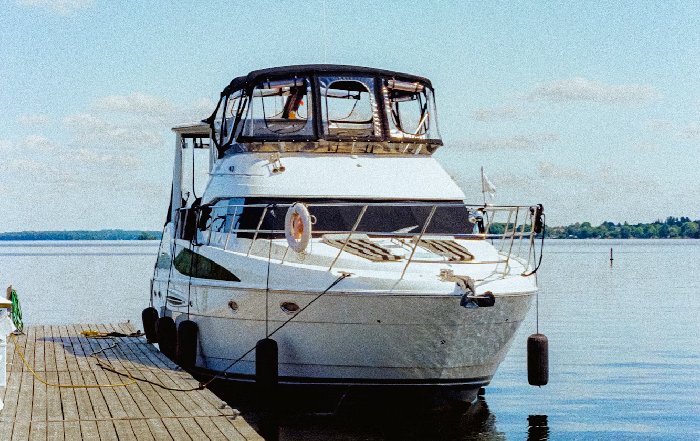
Designing for Accessibility on Board: How Inclusive Yachts Are Redefining Luxury
Designing for accessibility on board is no longer a niche consideration or a discretionary upgrade; in 2026 it has become a central test of whether a yacht truly reflects contemporary standards of luxury, responsibility, and long-term value. For the global audience of yacht-review.com, spanning owners, family offices, designers, shipyards, charter brokers, and technology innovators across North America, Europe, Asia, and beyond, accessibility is emerging as a decisive factor in yacht design, refit strategy, charter appeal, and even resale performance. What once might have been regarded as a specialist requirement for a small subset of clients is now recognised as a core dimension of user experience, safety, and market competitiveness.
Accessibility as a New Standard of Luxury
The traditional image of luxury yachting-steep companionways, narrow passageways, high thresholds, and multi-level decks linked only by stairs-is increasingly at odds with demographic realities and evolving expectations. Owners and charter guests are living longer, travelling with multiple generations, and bringing aboard friends, colleagues, and family members with diverse mobility, sensory, or cognitive needs. At the same time, regulatory frameworks and social norms around inclusion have advanced significantly in key markets such as the United States, the United Kingdom, and the European Union, where accessibility has become a baseline expectation in high-end hospitality and real estate.
While private yachts are typically not bound by the same binding codes as public transport or commercial cruise ships, leading naval architects and shipyards now acknowledge that the principles embedded in frameworks such as the Americans with Disabilities Act in the United States and the European accessibility standards provide valuable guidance for designing safer, more intuitive, and more comfortable vessels. Readers who follow the evolving regulatory context will recognise parallels with work undertaken by organisations such as the International Maritime Organization and the World Health Organization, which have highlighted the importance of inclusive design in transport and built environments worldwide.
For yacht-review.com, which has documented shifts in owner expectations across its coverage of reviews, design, and lifestyle, accessibility is increasingly viewed as a marker of genuine luxury: a yacht that can welcome every guest comfortably, discreetly, and safely is not just more ethical, but more functional and more valuable.
The Business Case for Accessible Yachts
Accessibility on board is often framed as a moral or social imperative, and rightly so, but in 2026 it is also an unmistakable business opportunity. In the charter segment, particularly in the United States, United Kingdom, Germany, and the Mediterranean hubs of France, Italy, and Spain, brokers report rising demand for yachts that can accommodate wheelchair users, guests with reduced mobility, and older family members who may not wish to navigate steep staircases or unstable gangways. As the global population ages, and as wealth continues to concentrate among older demographics in North America, Europe, and parts of Asia such as Japan and Singapore, the capacity to host these clients comfortably is becoming a commercial differentiator.
Forward-looking owners and family offices are increasingly commissioning designs that integrate accessible features from the earliest concept stages, recognising that these elements will broaden the yacht's appeal in both charter and resale markets. Accessible cabins, step-free deck flows, and integrated lifts or elevators are no longer seen as compromises but as future-proofing measures, much like hybrid propulsion or advanced connectivity. Industry analysts and marine business specialists, including those covered in the business section of yacht-review.com, note that yachts designed with accessibility in mind often command stronger charter rates and attract a wider range of inquiries from clients in North America, Europe, the Middle East, and Asia-Pacific, including Australia and New Zealand.
The broader hospitality and travel industries offer clear precedents. Luxury hotels and resorts in the United States, Canada, and across Europe have long recognised that accessible suites, step-free public areas, and inclusive guest services do not reduce the sense of exclusivity; instead, they expand the addressable market and enhance brand reputation. Insights from organisations such as the World Travel & Tourism Council underscore that inclusive travel is one of the fastest-growing segments, and the yachting sector is now aligning with this momentum. In this context, accessibility is not a concession; it is a strategic investment in the long-term desirability of a yacht.
Design Principles: From Compliance to Human-Centred Excellence
The most successful accessible yachts in 2026 are not those that simply bolt on ramps or lifts as afterthoughts, but those that embrace human-centred design from the outset. Naval architects and interior designers now collaborate closely with ergonomists, medical specialists, and sometimes with accessibility consultants drawn from land-based architecture and hospitality to understand the nuanced needs of guests of different ages and abilities. This shift mirrors broader design thinking trends documented by institutions such as the Royal Institute of British Architects and leading design schools in Europe and North America.
For the design-focused readership of yacht-review.com, particularly those who follow its dedicated design coverage, several principles have emerged as touchstones of best practice. Circulation routes are widened to allow wheelchair manoeuvring without creating a sense of lost space; thresholds are minimised or eliminated through careful detailing; and vertical circulation is rethought using compact lifts, platform lifts, or gently sloped ramps where feasible. Door handles, switches, and controls are positioned at heights that work comfortably for both standing and seated users, while lighting and acoustic treatments are tuned to support guests with sensory sensitivities or reduced vision and hearing.
Importantly, these design moves are executed with a high level of aesthetic sophistication. Rather than signalling "medical" or "institutional" design, accessible features are integrated seamlessly into the yacht's visual language. A flush-deck threshold might be concealed within a carefully engineered drainage channel, while a lift shaft can be wrapped in timber panelling or glass that complements the interior scheme. Designers working with leading European and Asian yards have demonstrated that accessibility, when handled with expertise, can enhance the perceived quality and coherence of the entire vessel.
Technical Solutions: Lifts, Ramps, and Intelligent Systems
From a technology standpoint, accessibility on board increasingly intersects with the broader wave of smart systems, automation, and advanced materials that yacht-review.com regularly explores in its technology coverage. Lifts designed for marine environments have become more compact, energy-efficient, and reliable, allowing them to be integrated even into mid-sized yachts without major compromises to layout or weight distribution. Specialist manufacturers supply platform lifts for shorter vertical runs, such as from swim platform to main deck, and full cabin lifts that connect multiple decks.
Ramps and boarding solutions have also evolved. Telescopic passerelles with adjustable angles and integrated handrails now provide safer, more stable access for guests with reduced mobility, and can be paired with removable or folding ramps for boarding from lower quays or tenders. In regions such as the Mediterranean, where quay heights vary significantly, these adaptive systems are particularly valuable. Owners and captains who operate globally, including in North America, Southeast Asia, and the Caribbean, recognise that adaptable boarding is essential for both safety and guest comfort.
Inside the yacht, intelligent control systems can support accessibility in subtle but powerful ways. Voice-activated lighting, automated doors, and app-based cabin controls allow guests with limited mobility or dexterity to manage their environment without assistance, preserving privacy and independence. As voice recognition and home automation ecosystems mature, guided by research and standards from organisations such as the Institute of Electrical and Electronics Engineers, these technologies are becoming more reliable and user-friendly at sea. For the technology-savvy readers of yacht-review.com, the convergence of accessibility and smart yacht systems represents a fertile frontier for innovation and differentiation.
Interior Layouts: Cabins, Bathrooms, and Social Spaces
At the heart of accessible yacht design lies the rethinking of interior layouts to ensure that every guest can participate fully in life on board. This begins with at least one guest or owner's suite designed for wheelchair access, ideally located on the main deck to minimise reliance on lifts or stairs. Door widths, clear floor spaces, and turning radii are planned to accommodate mobility aids, while beds are positioned to allow side transfers and to maintain visual connections to windows or balconies.
Bathrooms are a critical focus area, and here the lessons from high-end residential and hospitality design are especially valuable. Walk-in showers with flush thresholds, fold-down seats, and strategically placed grab rails can be executed in materials that match the rest of the yacht's aesthetic, avoiding any sense of clinical design. Basins and vanities are mounted at heights suitable for seated use, with clear knee space where appropriate, and storage is arranged so that essential items remain within easy reach. For owners and designers seeking inspiration, many of the principles promoted by organisations such as the Centre for Excellence in Universal Design can be translated effectively to the marine context, with appropriate adaptations for movement and safety at sea.
Social spaces, including salons, dining areas, and beach clubs, are planned to allow inclusive participation in group activities. Furniture layouts are carefully considered to provide clear routes without creating an impression of emptiness, and movable pieces allow the crew to adapt configurations for different guest profiles. In the beach club, for example, a combination of step-free access, non-slip flooring, and integrated seating at varying heights can make the space welcoming to children, older guests, and those with mobility challenges, reinforcing the family-friendly ethos that many readers explore through yacht-review.com's family-focused content.
Exterior Decks and Water Access
Designing for accessibility on exterior decks presents particular challenges, as designers must balance safety, aesthetics, and the realities of operating in dynamic marine conditions. Yet it is precisely in these outdoor areas-sun decks, foredecks, and beach platforms-that inclusive design can have the greatest impact on guest enjoyment. A yacht that allows every guest to share in sunrise coffees on the aft deck, al fresco dinners under the stars, or relaxed afternoons by the pool delivers a richer and more memorable experience for all on board.
Step-free transitions between interior and exterior spaces, achieved through meticulous detailing of door tracks and drainage, are now regarded as hallmarks of high-quality design. Handrails are integrated subtly into bulwarks, staircases, and furniture, providing support without disrupting the visual flow. On some of the most advanced yachts, designers have introduced adjustable-height pools or Jacuzzis with built-in benches and transfer points, enabling safer access for guests with reduced mobility.
Water access remains one of the most technically demanding aspects of accessibility. Tender boarding, swimming, and watersports are central to the appeal of yachting, but they can be intimidating or impractical for some guests. In response, some shipyards and designers have begun to integrate mechanical bathing platforms, hoists, or assisted transfer systems that allow guests to enter the water or board tenders more securely. While these solutions must be handled with great care to avoid visual clutter or operational complexity, their successful implementation can transform the experience of cruising for families and charter groups alike. Readers interested in how these innovations play out in practice can explore real-world examples in the cruising and boats sections of yacht-review.com, where accessible features are increasingly highlighted in new-build and refit reviews.
Crew Training, Operations, and Safety Culture
Even the most elegantly designed accessible yacht will fall short of its potential if crew are not trained and empowered to support guests with diverse needs. In 2026, leading management companies and captains recognise that accessibility is as much an operational discipline as a design challenge. This includes understanding how to assist guests safely during boarding and disembarkation, how to adjust on-board routines for those with mobility or sensory impairments, and how to communicate clearly and respectfully about any support that may be required.
Safety drills and emergency procedures must be adapted to ensure that all guests can be evacuated efficiently in the event of fire, flooding, or medical emergencies. This might involve designating refuge areas, ensuring that lifts are properly integrated into emergency power systems where appropriate, and providing alternative escape routes that are accessible to wheelchair users. Guidance from maritime safety authorities and classification societies, as well as best practices shared through professional forums and training providers, are increasingly shaping these procedures. Owners and captains who follow developments through industry news platforms and through yacht-review.com's news coverage are well positioned to stay ahead of expectations in this area.
A culture of discretion and respect is also essential. Guests may not wish to draw attention to their needs, and truly luxurious service anticipates and accommodates those needs without fanfare. This might involve pre-boarding consultations with charter brokers or family office representatives, subtle adjustments to furniture layouts before guests arrive, or personalised briefings on accessible features that avoid placing individuals in the spotlight. In a sector where service excellence is a defining competitive factor, crews who master these nuances will be highly sought after.
Regional Perspectives: United States, Europe, and Asia-Pacific
Accessibility expectations and regulatory environments vary across regions, and global yacht owners who cruise between North America, Europe, Asia, and other markets must navigate a complex landscape of norms and requirements. In the United States and Canada, where accessibility legislation has been in place for decades and where advocacy groups are highly active, clients are often more familiar with the language and expectations of inclusive design. Charter guests from these markets may ask detailed questions about lift access, cabin layouts, and boarding solutions before committing to a booking.
In Europe, particularly in the United Kingdom, Germany, the Netherlands, and Scandinavia-regions known for strong engineering traditions and social welfare frameworks-there is growing emphasis on universal design, with shipyards in countries such as the Netherlands, Germany, and Italy incorporating accessibility into their standard design conversations. Northern European yards, drawing on broader societal commitments to inclusion, are often at the forefront of experimentation in this field, and their innovations are closely watched by the readership of yacht-review.com's global coverage.
In Asia-Pacific, markets such as Japan, South Korea, Singapore, and Australia are experiencing rapid growth in both yacht ownership and charter demand, accompanied by increasing attention to accessibility in urban infrastructure and hospitality. High-net-worth individuals in these countries, many of whom have extensive experience of international travel, are beginning to expect similar standards of inclusion on board their yachts. As governments and organisations across Asia engage with frameworks promoted by international bodies such as the United Nations, the regional appetite for accessible yachting is likely to expand further, creating opportunities for innovative designers and shipyards willing to lead.
Accessibility, Sustainability, and the Future of Responsible Yachting
In parallel with accessibility, sustainability has become a defining theme of yacht design and operation, and in 2026 the most forward-thinking projects treat these two priorities as complementary rather than competing. Just as hybrid propulsion, efficient hull forms, and advanced materials are now central topics in yacht-review.com's sustainability coverage, inclusive design is increasingly recognised as part of a broader commitment to responsible ownership. Both trends reflect a shift away from purely conspicuous consumption towards a more thoughtful, values-driven approach to yachting.
From a practical perspective, the integration of accessibility and sustainability can be mutually reinforcing. For example, lifts and automation systems designed with energy efficiency in mind contribute to lower overall power consumption, while flexible, modular interiors that can adapt to different accessibility needs over time reduce the need for resource-intensive refits. Owners who take a long-term view of their yachts as evolving family assets-capable of serving multiple generations across decades-often find that accessible, sustainable design offers the greatest resilience and value. Those looking to align their yachts with broader corporate or family office ESG frameworks can draw on resources from organisations such as the Global Reporting Initiative to understand how inclusive design contributes to social responsibility metrics and stakeholder expectations.
Community, Perception, and the Role of Media
The way accessibility on board is discussed and showcased within the yachting community has a powerful influence on adoption. Media platforms such as yacht-review.com, through their community and events coverage, play an important role in normalising accessible design as a hallmark of excellence rather than an unusual or specialist feature. When accessible yachts are featured prominently in reviews, design showcases, and show reports, they send a clear signal to owners, designers, and shipyards that inclusion is integral to contemporary luxury.
Boat shows and industry events in key hubs such as Monaco, Fort Lauderdale, Miami, Cannes, Düsseldorf, Singapore, and Sydney are also beginning to highlight accessible yachts and technologies more explicitly. Panels on inclusive design, awards recognising innovation in accessibility, and demonstrations of accessible boarding and interior solutions all contribute to a culture in which accessibility is not hidden but celebrated. For the global readership of yacht-review.com, who follow these developments through its events coverage and travel features, this visibility helps to transform abstract principles into tangible, aspirational examples.
Owners who have embraced accessible design often report that it changes not only who can come aboard, but how they experience their time at sea. Family gatherings that include older relatives, friends recovering from injury, or guests with long-term disabilities become more relaxed and enjoyable when the yacht is inherently accommodating. Over time, these lived experiences can reshape perceptions within owner circles and advisory networks, reinforcing the idea that accessibility is inseparable from the best of what yachting has to offer.
Conclusion: Towards a More Inclusive Definition of Yachting Excellence
Designing for accessibility on board is reshaping the very definition of excellence in yachting. In 2026, the most admired yachts are not only feats of engineering, craftsmanship, and aesthetic refinement; they are also platforms where everyone invited can participate fully in the experience, regardless of age or ability. For the international audience of yacht-review.com, spanning markets from the United States and Europe to Asia, Africa, and South America, this evolution reflects broader shifts in business ethics, hospitality standards, and personal expectations of what luxury should mean.
As designers, shipyards, owners, and crew continue to refine their understanding of inclusive design, supported by advances in technology and informed by best practices from architecture, hospitality, and global policy, accessibility will move from being a distinguishing feature to a fundamental assumption. Those who embrace this shift early-by commissioning accessible new builds, undertaking thoughtful refits, and insisting on inclusive operational standards-will not only enhance the value and versatility of their yachts, but also contribute to a more open, welcoming, and sustainable yachting culture.
For yacht-review.com, which has long chronicled the intersection of design, technology, lifestyle, and responsible ownership, accessibility is more than a design trend; it is a lens through which the future of yachting can be understood. As the industry moves forward, the yachts that stand out will be those that combine technical innovation, aesthetic excellence, and genuine inclusivity, proving that true luxury is defined not by who is excluded, but by how completely everyone on board is invited to share in the journey.