

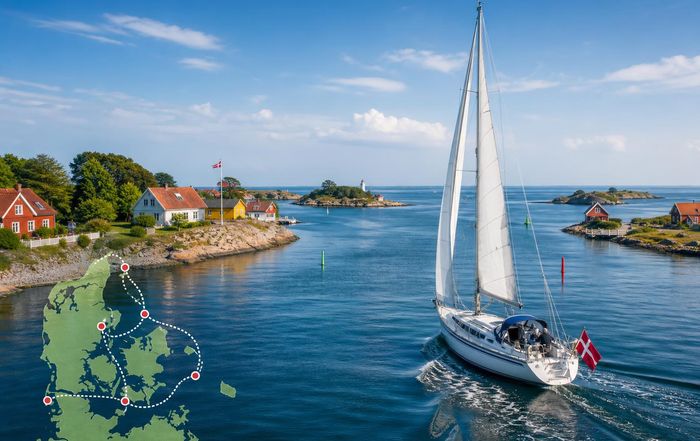
Best Sailing Routes Around Denmark: A Strategic Guide for Discerning Cruisers
Sailing around Denmark offers a rare combination of navigational interest, cultural richness and operational safety that appeals strongly to experienced owners, charterers and professional skippers. With more than 8,700 kilometres of coastline, intricate archipelagos and well-developed maritime infrastructure, the country has become one of Northern Europe's most compelling cruising arenas for those seeking a refined yet authentic yachting experience. For the yacht-review.com community, Denmark presents not only scenic routes but also a case study in how a mature maritime nation integrates safety, sustainability, design and lifestyle into a coherent cruising proposition.
Why Denmark Has Become a Northern European Sailing Hub
Denmark's position at the entrance to the Baltic Sea, bordered by the North Sea and Skagerrak, gives it a strategic role in Northern European yachting. The waters are generally well-charted, the aids to navigation are modern and reliable, and the density of marinas and guest harbours is unusually high relative to coastline length. According to the Danish Maritime Authority, the country maintains a comprehensive system of lighthouses, buoys and digital charts that support both local and visiting yachts, and the authority continues to invest in electronic navigation and safety information services that are easily accessible to international crews.
The Danish sailing season typically runs from late spring to early autumn, with July and August offering the warmest temperatures and the highest density of open facilities. While winter sailing is certainly possible for experienced crews with suitable vessels, ice, storms and reduced daylight make it a more specialised undertaking. For most yacht owners and charterers, the period from May through September offers the best balance of weather, daylight and shore-based services.
From a business and infrastructure perspective, Denmark's marinas are generally well-managed, with transparent pricing and clear regulations. Many larger facilities participate in regional harbour networks, providing consistent standards and online booking capabilities. For readers who follow our broader coverage of marina development and investment trends, the Danish model offers a useful reference point alongside other mature cruising grounds discussed in our global yachting business insights.
Planning Considerations for Sailing Around Denmark
Before examining specific routes, it is important to understand the operational framework that underpins safe and enjoyable cruising in Danish waters. Tidal ranges are modest compared with the Atlantic coasts of the United Kingdom or France, but currents in the Danish straits and around headlands such as Skagen can be significant and require careful passage planning. The Danish Meteorological Institute provides detailed marine forecasts and sea-state information, and many local sailors rely on its coastal forecasts when planning day passages or longer itineraries.
Denmark's maritime regulations are broadly aligned with European norms, and visiting yachts from the European Union, the United Kingdom, North America and other regions will find the regulatory environment familiar. Safety equipment requirements follow international conventions, and lifejackets, VHF radios and appropriate navigation lights are expected as standard. Alcohol limits at sea are enforced, and port authorities maintain a visible but generally pragmatic presence, focusing on safety and environmental compliance rather than unnecessary bureaucracy.
Sustainable practices are increasingly central to Danish marina operations. Pump-out stations, waste separation facilities and clear rules on grey and black water discharge are common. Owners and charterers who wish to deepen their understanding of environmentally responsible cruising can learn more about sustainable boating practices and apply them directly in Danish waters, where infrastructure and regulation are closely aligned with modern expectations.
The Classic South Funen Archipelago Route
For many experienced sailors, the South Funen Archipelago represents the quintessential Danish cruising experience. Sheltered waters, short legs between islands and a blend of historic towns and quiet anchorages make this area particularly attractive for family cruising and relaxed summer itineraries. The islands south of Funen, including Ærø, Langeland, Tåsinge and smaller islets, are interconnected by well-marked channels that reward careful pilotage without demanding extreme technical expertise.
A typical route might begin in Svendborg, one of Denmark's most established yachting centres. The town offers quality provisioning, repair facilities and multiple marinas, making it an efficient starting point for owners arriving by road or air. From Svendborg, yachts can thread through the narrow Svendborgsund, passing under the Svendborgsund Bridge with due attention to air draught, and continue towards Ærøskøbing on the island of Ærø. This small town is often cited as one of the best-preserved historic settlements in Denmark, with cobbled streets and traditional houses that give visiting crews a strong sense of place.
The short distances between islands allow for flexible routing and easy adaptation to weather conditions. In settled conditions, crews may choose to explore smaller harbours and anchorages, while in stronger winds, the proximity of sheltered options reduces exposure and risk. For those interested in comparing this archipelago with other European cruising grounds, our broader cruising features highlight how South Funen's compact geography contrasts with the longer passages typical of the Mediterranean or Atlantic coasts.
Exploring the Limfjord: A Trans-Jutland Passage
The Limfjord, cutting across northern Jutland from the North Sea to the Kattegat, offers one of Denmark's most distinctive sailing routes. Historically, this shallow and complex waterway has shifted between being open and closed to the sea, but today it provides a navigable passage for yachts, combining inland-water character with maritime interest. Depths and channels must be respected, and careful attention to charts and local notices to mariners is essential, yet the rewards include tranquil anchorages, low-lying landscapes and a sense of distance from busier coastal routes.
Many sailors enter the Limfjord from the east, via the Kattegat, stopping at ports such as Løgstør, Nykøbing Mors or Thisted, before exiting near Thyborøn on the North Sea coast. The Danish Maritime Authority publishes updated information on dredging and navigational constraints, which is important because shifting sands and shallow areas can affect deeper-draught yachts. For those interested in coastal engineering and the interaction between natural processes and navigational infrastructure, the Limfjord is an instructive case, and readers may wish to contextualise it with broader coastal developments documented by organisations such as Kystdirektoratet, the Danish Coastal Authority.
From a lifestyle perspective, the Limfjord route offers a slower, more reflective experience than the busier South Funen or Copenhagen areas. Fishing communities, small marinas and modest town centres define the shore-based experience, appealing to owners and charterers who value authenticity and understated hospitality. For yacht-review.com, this aligns with a growing interest among readers in routes that combine navigational substance with quieter, locally grounded experiences rather than purely high-profile destinations.
The Kattegat and the Route to Skagen
For yachts operating at a higher pace or linking Scandinavian and Baltic itineraries, the Kattegat coast of Jutland provides a series of well-spaced ports and anchorages leading north to Skagen, Denmark's northernmost town. Skagen has long been a meeting point for commercial shipping, fishing fleets and pleasure craft, and it remains a significant waypoint for yachts transiting between the North Sea and the Baltic.
The passage along the Jutland east coast typically includes calls at towns such as Aarhus, Grenaa and Læsø, each with their own character and marina facilities. Aarhus, Denmark's second-largest city, combines a modern waterfront with historic quarters and cultural institutions, making it an attractive stop for crews seeking urban amenities, dining and cultural experiences. The city has invested heavily in its waterfront and harbour areas, and visiting yachts can expect high-quality facilities and easy access to the city centre. Those interested in understanding how cities integrate yachting into broader waterfront development can consult urban and maritime studies from organisations such as the OECD, which has analysed port-city dynamics in Northern Europe.
The final approach to Skagen requires attention to shipping lanes and currents, as the Skagerrak and Kattegat meet off the headland. While the area is well-marked and heavily trafficked, the combination of commercial traffic and potentially confused seas in certain conditions calls for prudent watchkeeping and route planning. Once in Skagen, crews find a well-equipped marina, a lively town and the unique experience of walking on the sand spit of Grenen, where two seas visibly meet. For many Northern European sailors, reaching Skagen is both a practical waypoint and a symbolic achievement, often incorporated into longer itineraries that continue towards Norway or Sweden.
The Copenhagen Region and the Øresund Corridor
The waters around Copenhagen and the Øresund strait between Denmark and Sweden represent a blend of metropolitan yachting, international shipping and coastal cruising. The Danish capital has invested significantly in its waterfront over the past two decades, developing marinas, public spaces and cultural institutions that are easily accessible from the water. Yachts visiting Copenhagen can choose from several marinas, including facilities close to the city centre that allow crews to explore historic districts, modern architecture and a sophisticated culinary scene.
The Øresund itself is a vital maritime corridor, with dense commercial traffic, the striking Øresund Bridge and variable currents. The Danish Maritime Authority and the Swedish Transport Agency jointly manage traffic separation schemes and navigational rules, which visiting yachts must respect. While the area is busy, it is also well-regulated, and recreational vessels can safely transit with proper planning and adherence to established routes. For those seeking a deeper understanding of international straits and maritime law, resources from the International Maritime Organization provide useful context on how such waterways are governed.
South of Copenhagen, the coast towards Køge and Stevns Klint offers a more relaxed cruising environment, with smaller harbours and the dramatic chalk cliffs of Stevns providing visual interest. To the north, towns such as Helsingør, with its famous Kronborg Castle, combine cultural heritage with well-managed guest harbours. For readers of yacht-review.com who appreciate the intersection of yachting, history and culture, this region illustrates how a capital city and its surrounding coastline can be integrated into a coherent cruising circuit, complementing other historically rich routes covered in our yachting history features.
Bornholm and the Eastern Baltic Gateway
For yachts willing to extend their range, the island of Bornholm in the Baltic Sea offers a distinctive cruising experience that feels markedly different from mainland Denmark. Located east of the rest of the country, closer to Sweden and Poland, Bornholm is accessible from Danish ports such as Ystad's counterparts or via longer passages from Zealand and southern Sweden. The island's rocky coastline, historic fortifications and varied harbours, including Rønne, Gudhjem and Svaneke, attract both local and international crews.
Bornholm has invested in tourism infrastructure while maintaining a strong sense of local identity. The island's cycling routes, food culture and artistic communities provide rich shore-side experiences for visiting yachts. From a strategic cruising perspective, Bornholm also serves as a stepping stone to further Baltic destinations, including Poland, Germany and the Baltic states, as well as a waypoint for more ambitious itineraries that integrate multiple countries. For those planning such extended routes, broader Baltic cruising resources from organisations such as Cruising Association or national sailing federations can complement local Danish information and help ensure a well-structured passage plan.
For yacht-review.com, Bornholm exemplifies how a relatively small island can leverage quality infrastructure, cultural depth and geographic positioning to become a high-value destination within a wider cruising region. Owners and charterers seeking to combine Danish hospitality with a more adventurous routing often find Bornholm an appealing focal point for a multi-country itinerary.
Safety, Technology and Operational Excellence
Denmark's approach to recreational boating safety is grounded in a combination of regulation, education and technological support. The Danish Maritime Authority provides extensive guidance for pleasure craft, including digital resources on safety equipment, navigation rules and environmental protection. Many Danish sailors undertake voluntary safety training, and the culture of seamanship is generally strong, which benefits visiting yachts through well-informed local traffic and harbour operations.
Technological adoption in Danish marinas and onboard Danish-flagged yachts is relatively advanced, with widespread use of electronic chart systems, AIS, modern VHF equipment and online harbour booking platforms. For readers interested in the broader evolution of marine technology, our dedicated yachting technology coverage frequently highlights solutions that are in active use in Scandinavian waters, including Denmark. This includes developments in electric propulsion, shore power infrastructure and digital navigation tools that support safer and more sustainable cruising.
Weather information and navigational warnings are disseminated via multiple channels, including VHF, online platforms and mobile applications. The Danish Meteorological Institute maintains marine forecasts that are regarded as reliable by local sailors, and many cruising skippers integrate these forecasts with regional services from neighbouring countries when planning cross-border routes. The emphasis on data-driven decision-making aligns well with the expectations of a professional and semi-professional audience that values precision, reliability and redundancy in voyage planning.
Sustainability and Environmental Stewardship
Environmental responsibility is increasingly central to yachting in Denmark, reflecting broader societal priorities and regulatory frameworks. Harbours and marinas across the country support waste separation, pump-out facilities and, in many cases, shore power connections that encourage reduced generator use. Denmark has also participated actively in regional initiatives under the HELCOM framework, which coordinates efforts to protect the marine environment of the Baltic Sea, including measures related to sewage discharge from ships and the promotion of cleaner shipping technologies.
For yacht owners and charterers, this means that environmentally responsible cruising is both expected and facilitated. Choosing environmentally friendly antifouling systems, managing waste responsibly and minimising fuel consumption through efficient routing are all consistent with local norms. Readers interested in the broader business implications of sustainability, including regulatory trends and technological innovation, can explore these themes in our sustainability-focused features, which frequently draw on developments in Scandinavian markets where environmental regulation and consumer expectations are particularly advanced.
Denmark's emphasis on sustainable tourism also influences shore-based experiences. Many coastal communities promote local products, short supply chains and low-impact activities such as cycling, hiking and cultural visits, which integrate naturally with the slower pace of yacht cruising. This synergy between sea and shore helps create a coherent, low-impact travel model that appeals strongly to a growing segment of the yachting community.
Lifestyle, Design and the Danish Maritime Aesthetic
Beyond routes and regulations, Denmark has a distinctive maritime lifestyle and design culture that resonates with many yacht owners and enthusiasts. Danish boatbuilders and naval architects have contributed significantly to Northern European yacht design, particularly in the performance-cruising and high-quality production segments. Brands and design studios from Denmark and neighbouring countries share a focus on clean lines, functional elegance and robust construction suited to Northern waters, a philosophy that many readers will recognise from our yacht design coverage.
Coastal towns and marinas often reflect the same design sensibilities, with understated yet carefully considered architecture, well-maintained public spaces and practical, user-friendly harbour facilities. This coherence between vessel design, harbour infrastructure and broader lifestyle elements creates an environment in which discerning owners and charterers feel both inspired and understood. Restaurants and cafés along the waterfront frequently emphasise fresh, local ingredients, and many marinas integrate green spaces, walking paths and public access, reinforcing the idea that the waterfront is a shared civic asset rather than an exclusively private domain.
For yacht-review.com, Denmark serves as a valuable reference point when discussing how design, lifestyle and maritime infrastructure can reinforce each other to create a compelling yachting ecosystem. The country's ability to combine functional excellence with aesthetic restraint provides lessons that are relevant far beyond the Baltic and North Sea regions.
Integrating Danish Routes into Broader Cruising Strategies
For many international yacht owners and charterers, Denmark is not an isolated destination but part of a broader Northern European cruising strategy. Routes through the Danish straits form the gateway to the Baltic Sea, connecting Germany, Poland, Sweden, Finland and the Baltic states. At the same time, Denmark's west coast and the Limfjord link the North Sea and Atlantic routes with the more sheltered Baltic itineraries, offering options for circular voyages that combine varied sea conditions and cultural experiences.
The flexibility of Danish waters allows for multiple cruising styles. Those seeking relaxed family cruising can focus on the South Funen Archipelago and sheltered parts of Zealand, while more ambitious crews may integrate Skagen, the Limfjord and Bornholm into extended itineraries. For charterers or owners with limited time, the Copenhagen region provides a concentrated experience that combines city life, cultural landmarks and accessible coastal sailing. Our broader boat and yacht reviews often highlight how different vessel types, from compact cruisers to larger performance yachts, can be matched to these varied route profiles.
From a global perspective, Denmark's sailing routes may not have the year-round warmth of Mediterranean or tropical destinations, but they offer a high degree of safety, infrastructure quality and cultural depth. For owners and charterers based in the United States, the United Kingdom, Germany, the Netherlands and other key markets, Denmark is increasingly seen as a worthwhile seasonal destination, either as a standalone focus or as part of a multi-country Northern European program. The country's accessibility by air, road and sea, combined with its stable regulatory environment and strong maritime culture, supports this positioning.
Conclusion: Denmark as a Model of Mature, Sustainable Cruising
The best sailing routes around Denmark illustrate more than just attractive coastlines and well-placed harbours; they reveal how a nation with a long maritime history can adapt to contemporary expectations of safety, sustainability and quality of experience. From the sheltered islands of the South Funen Archipelago to the windswept headlands of Skagen and the distinctive character of Bornholm, Danish waters offer a spectrum of routes that can be tailored to different vessels, crews and strategic objectives.
For the yacht-review.com audience, Denmark stands out as a destination where operational excellence, design sensibility and environmental responsibility converge in a way that is both inspiring and practical. The country's investment in maritime infrastructure, its commitment to sustainable practices and its rich coastal culture make it a compelling choice for owners and charterers seeking more than just scenic passages. As global yachting continues to evolve, Denmark's example will likely remain influential, offering a benchmark for how mature cruising grounds can balance growth, quality and responsibility.
Those considering their next Northern European itinerary may find that integrating one or more of Denmark's key routes-whether the South Funen islands, the Limfjord, the Kattegat coast, the Copenhagen region or Bornholm-adds not only navigational interest but also strategic depth to their cruising portfolio. In doing so, they will join a long tradition of mariners who have found in Danish waters a blend of challenge, comfort and inspiration that continues to define some of the finest sailing experiences in the region. For further perspectives on how these routes compare with other global destinations, readers can explore our wider cruising features, travel insights and the latest regional developments in our news coverage.