

Best Water Toys for Family Yacht Adventures
Family yacht cruising has evolved far beyond leisurely passages and quiet anchorages. For many yacht owners and charter guests, the heart of the onboard experience now lies just off the swim platform, where an expanding universe of water toys is transforming how families play together at sea. From human-powered inflatables to cutting-edge electric boards and submersibles, the best toys are those that balance excitement with safety, sustainability, and inclusivity across generations.
For wave bearing readers coming here daily the question is no longer whether to carry water toys, but how to curate a collection that fits the yacht, the itinerary, and the family's profile. The following overview examines the most compelling options, recent innovations, and practical considerations that experienced owners, captains, and charter brokers are using to shape unforgettable family yacht adventures.
The New Role of Water Toys in Family Cruising
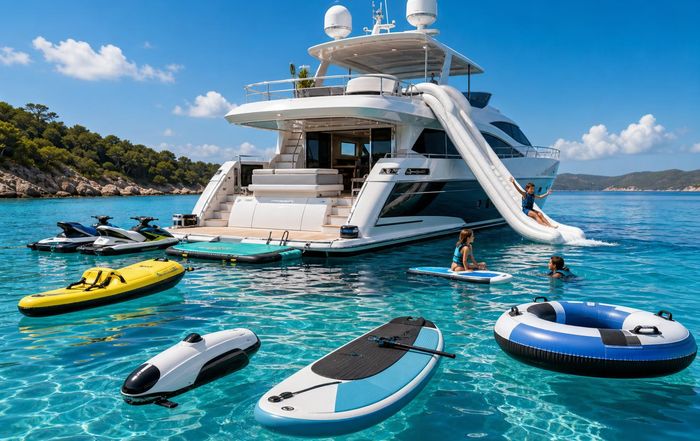
On modern family cruises, the tender garage or beach club has become a central hub of activity. Where once a single tender and a pair of kayaks might have sufficed, today's family-friendly yachts often carry a mix of inflatable slides, stand-up paddleboards, towables, electric foiling boards, and personal watercraft, alongside snorkeling and diving gear. This shift reflects a broader trend in yachting toward experiential travel, where time on the water is as important as the destination itself.
Leading charter brokers such as Fraser and Burgess consistently highlight extensive toy inventories as a deciding factor for family bookings, particularly in regions like the Mediterranean and Caribbean, where calm anchorages and warm water encourage all-day activity. At the same time, regulatory frameworks and environmental expectations are changing, with coastal authorities, marine parks, and port states paying closer attention to noise, emissions, and safety around swimmers. Families selecting toys today must therefore navigate a landscape that is both more exciting and more complex than ever before.
For readers considering a new yacht or a refit, integrating toy storage and launch systems into the overall concept has become an essential part of early-stage planning, a theme explored further in our coverage of yacht design and layout considerations.
Inflatable Platforms, Slides, and Aquaparks
Inflatable technology has arguably done more than any other category to democratize water-based fun for multi-generational groups. Modern inflatables are lighter, more durable, and more modular than earlier generations, allowing families to create custom "sea terraces" that extend a yacht's usable footprint at anchor.
Brands such as FunAir and AquaBanas have introduced inflatable platforms, loungers, and modular "villages" that can be configured as sunbathing decks, swimming zones, or floating dining areas. These systems often connect directly to the swim platform, creating a semi-protected environment where younger children can play under close supervision. For yachts that anchor frequently in busy bays, inflatable barriers or netted pools can provide added security against passing traffic and marine life.
Inflatable slides remain a perennial favorite for family charters, and manufacturers now offer models tailored to a wide range of yacht sizes, from compact slides that attach to the flybridge of a 24-metre yacht to towering custom builds for large superyachts. While the visual impact is undeniable, successful operation depends on careful planning around setup time, crew training, and wind and sea conditions. Many captains report that dedicated slide days, when the yacht remains at anchor and the crew focus on water sports, lead to some of the most memorable family moments of an entire cruise.
From a business and safety perspective, owners and managers are increasingly turning to specialized training providers and marine insurers who understand the operational profile of large inflatables. Industry organizations such as the Superyacht Life Foundation and Water Sports Industry Association publish guidance on safe recreational use and equipment standards, and their materials are often consulted when developing onboard procedures. Learn more about best practices in marine recreation safety through resources from bodies like the Royal National Lifeboat Institution and U.S. Coast Guard boating safety.
Paddleboards, Kayaks, and Human-Powered Exploration
Stand-up paddleboards (SUPs) and kayaks have become almost universal on family-oriented yachts, and with good reason. They are quiet, low-impact, and accessible to a wide age range, while also providing meaningful exercise and a tranquil way to explore anchorages, coves, and mangroves.
Inflatable SUPs, pioneered by companies such as Red Paddle Co and Starboard, have made storage and deployment significantly easier, especially for yachts under 30 metres that may not have a full-size tender garage. Many manufacturers now offer models specifically designed for stability, with wider beams and softer decks for beginners and children. Tandem boards and multi-person inflatables allow parents to accompany younger children, reducing anxiety for first-time paddlers.
Sea kayaks, both rigid and inflatable, remain a staple for coastal exploration, particularly in regions like the Pacific Northwest, Norway, and Croatia, where shorelines are best appreciated at low speeds. Sit-on-top designs are popular for family use due to their inherent stability and ease of re-boarding after a swim. Transparent kayaks and boards, using clear polycarbonate hulls, have also gained traction in clear-water destinations such as the Bahamas and French Polynesia, offering a snorkel-like view of marine life without requiring full immersion.
From an environmental standpoint, these human-powered toys align well with the growing emphasis on low-impact cruising. Organizations such as Leave No Trace and Ocean Conservancy provide guidelines on minimizing disturbance to wildlife and fragile coastal ecosystems, and many family-oriented captains now brief guests on these principles before launching kayaks and boards. Readers interested in broader trends in eco-friendly yachting can explore our dedicated coverage of sustainable cruising practices.
Electric Foiling Boards and High-Performance Toys
For families with older children and teenagers, high-performance electric toys can be a powerful draw. Electric hydrofoil boards, often referred to as e-foils, have moved from niche novelty to mainstream option in recent years, with brands like Lift Foils and Fliteboard leading the market. These boards use a battery-powered motor and submerged foil to lift riders above the water's surface, creating a sensation that is often compared to flying.
E-foils demand more coordination and balance than traditional boards and are best suited to competent swimmers and confident riders, but they can be taught in a structured way, often with instruction from professional water sports coaches. Many charter operators now bring in specialist instructors for the first days of a cruise, particularly when families are keen to try e-foils, electric surfboards, or advanced tow sports.
Regulators and safety agencies have begun to pay closer attention to these devices due to their speed and the potential for collisions in crowded anchorages. Coastal authorities in regions such as Spain, France, and parts of the United States have issued specific guidance on their use, sometimes restricting operation to designated zones or distances from shore. Before investing in these toys, owners are well advised to consult local regulations and insurance requirements, a topic covered in more detail on platforms like BoatUS and RYA training resources.
Despite the added complexity, the appeal of high-performance electric toys is undeniable for tech-savvy families, and the latest generation of products is becoming quieter, more efficient, and more modular. For readers following the intersection of innovation and yachting, our technology section regularly covers developments in emerging marine recreation technologies.
Personal Watercraft, Jet Tenders, and Tow Sports
Personal watercraft (PWCs), including jet skis and stand-up models, remain among the most recognizable water toys on family yachts, especially in North American and Mediterranean cruising grounds. Modern PWCs from manufacturers such as Yamaha, Sea-Doo, and Kawasaki have introduced features like braking systems, enhanced stability, and eco modes, reflecting both safety and environmental concerns.
From a family perspective, the key to integrating PWCs successfully lies in structured operation. Many experienced captains designate specific time windows and operating zones, keeping high-speed activity away from swimmers, paddleboarders, and neighboring yachts. Tow sports, including tubing, wakeboarding, and waterskiing, are often conducted using a dedicated jet tender rather than a large PWC, providing better control and visibility for the driver and crew spotter.
Environmental organizations and coastal regulators have raised concerns about noise, emissions, and wildlife disturbance from high-powered craft, leading to local restrictions in certain marine protected areas and near popular beaches. Prospective buyers and charterers can consult regional authorities or resources such as NOAA's National Marine Sanctuaries for guidance on permitted activities in specific areas.
For family yachts that prioritize a quieter, more relaxed ambiance, there is a clear trend toward limiting the number of PWCs carried and emphasizing lower-impact toys. However, when used responsibly and in compliance with local rules, PWCs and tow sports continue to deliver high-energy experiences that many teenagers and young adults consider essential to a perfect holiday. Readers interested in broader market trends and regulatory developments will find additional context in our coverage of yachting business and policy issues.
Snorkeling, Diving, and Underwater Exploration
Snorkeling has long been a cornerstone of family yacht adventures, offering an accessible window into the underwater world with minimal equipment and training. High-quality masks, snorkels, and fins tailored to different ages and face shapes can make the difference between frustration and delight, so many family-oriented yachts now carry extensive inventories of gear, including prescription masks and full-face models where appropriate and compliant with safety guidance.
For families eager to go deeper, scuba diving remains one of the most transformative experiences available from a yacht. Training agencies such as PADI and SSI have developed junior certification pathways that allow children to begin supervised diving at relatively young ages, subject to medical screening and instructor guidance. Yachts that focus on diving often partner with local dive centers or carry their own dive professionals, enabling tailored experiences such as reef conservation dives, wreck exploration, and night dives for older teens and adults.
In recent years, compact battery-powered underwater scooters and diver propulsion vehicles (DPVs) have gained popularity as family-friendly toys. These devices allow snorkelers and divers to cover more ground with less effort, which can be particularly appealing in destinations with gentle currents or expansive reef systems. Some models are designed specifically for children, with reduced speed and buoyancy features.
Submersible technology, once reserved for the largest expedition yachts, is gradually becoming more accessible, though still firmly in the high-end segment. Companies such as Triton Submarines and U-Boat Worx manufacture private submersibles that can carry two to nine passengers to significant depths, opening up experiences far beyond the range of recreational diving. While these units are typically found on large explorer yachts, they represent a compelling future direction for family exploration, particularly in remote regions such as Antarctica or the deep Caribbean trenches. For an overview of how these technologies fit into longer-range itineraries, readers can explore our features on global cruising and exploration.
Toys for Younger Children and Multi-Generational Comfort
One of the defining characteristics of family yacht adventures is the presence of multiple generations, from grandparents to toddlers. The best toy collections therefore include options that are gentle, inclusive, and focused as much on comfort as on adrenaline.
Shallow inflatable pools attached to the swim platform can provide a safe, contained space for very young children, particularly in areas with currents or jellyfish. Soft-sided floating loungers and shaded rafts allow parents and grandparents to relax while remaining close to children in the water. Simple toys such as foam noodles, small inflatables, and beginner masks often receive as much use as more sophisticated equipment, underscoring the importance of variety rather than sheer complexity.
For families traveling with older relatives or guests with reduced mobility, the design of the swim platform and boarding systems becomes critical. Hydraulic platforms that can be lowered to water level, combined with stable steps and handrails, make it easier for everyone to access the sea. Some yachts now carry specialized water wheelchairs or floating support devices to extend swimming opportunities to guests who might otherwise remain on board. The trend toward inclusive design is increasingly visible in new builds, a topic we examine regularly in our yacht reviews and design analyses.
Inside the yacht, the presence of water toys also influences lifestyle. Families may choose itineraries with more time at anchor, plan beach barbecues and picnics accessible by tender, or structure days around morning paddle sessions and late-afternoon swims. Our coverage of yachting lifestyle and family dynamics highlights how toys can serve as catalysts for shared experiences, breaking down generational barriers and encouraging everyone to engage with the marine environment.
Storage, Logistics, and Crew Training
Selecting the right toys is only part of the equation. Effective storage, maintenance, and crew training determine whether those toys enhance the experience or become a burden. On smaller yachts, space constraints may require careful prioritization, with a focus on multi-use equipment such as inflatable platforms that double as yoga decks or tender docks. Foldable and inflatable designs help maximize available volume, but they also demand reliable pumps, repair kits, and drying procedures to prevent mildew and damage.
Larger yachts with dedicated garages and beach clubs have more freedom to carry an extensive array of equipment, but they also face greater operational complexity. Launching and recovering multiple toys safely, often in changeable sea conditions, requires rehearsed procedures and clear communication between bridge, deck, and interior teams. Many captains encourage crew to become proficient users of key toys, both to demonstrate proper technique and to supervise guests effectively.
From a regulatory and insurance perspective, crew training is increasingly scrutinized. Flag states, classification societies, and insurers may require documented procedures for high-risk toys such as PWCs, e-foils, and large inflatables. Owners and managers often turn to external training providers with expertise in water sports instruction and emergency response. Industry publications such as Boat International and SuperYacht Times regularly report on evolving standards and best practices, and their coverage can serve as a useful reference point for decision-makers evaluating new equipment. For broader context on how these operational considerations intersect with overall yacht management, readers can visit our dedicated business and operations section.
Sustainability, Noise, and the Future of Responsible Fun
As the yachting community grapples with its environmental footprint, water toys are increasingly part of the sustainability conversation. Traditional two-stroke engines have largely been phased out in favor of cleaner four-stroke and electric alternatives, and many manufacturers now emphasize reduced emissions, lower noise, and recyclable materials in their product lines.
Electric tenders and PWCs are gaining ground, particularly in regions where charging infrastructure is improving and owners are willing to invest in next-generation technology. While range and charging times remain constraints for some models, the trajectory is clear: quieter, cleaner, and more efficient toys are likely to become the norm on family yachts over the coming decade. Organizations such as Water Revolution Foundation and SeaKeepers Society advocate for technological solutions that reduce environmental impact, and their research and initiatives offer insight into where the market is heading. Learn more about sustainable business practices and innovation in yachting through resources such as UN Environment Programme's ocean initiatives and World Wildlife Fund's marine conservation work.
Beyond propulsion, families are paying closer attention to behavioral aspects of sustainability. Limiting high-speed activity near sensitive coastlines, avoiding seagrass beds when anchoring, choosing reef-safe sunscreens, and participating in citizen science or beach clean-ups are all ways in which water toys can become tools for positive engagement rather than mere entertainment. Our editorial focus on cruising with a conscience emphasizes how thoughtful choices can enhance both the guest experience and the health of the destinations visited.
Noise is another emerging consideration. While children may delight in the roar of a powerful PWC, neighboring yachts and coastal communities may feel differently. The growing adoption of electric toys and a renewed emphasis on human-powered options reflect a subtle cultural shift toward a quieter, more harmonious relationship with the sea, one that many families find deeply rewarding once experienced firsthand.
Curating the Ideal Toy Collection for Your Yacht
There is no single "best" set of water toys for every family yacht; instead, the optimal collection reflects the yacht's size, cruising grounds, storage capacity, crew expertise, and the ages and interests of family members. A compact family cruiser operating primarily in lakes or sheltered coastal waters might prioritize inflatable platforms, a pair of SUPs, a small kayak, and snorkeling gear. A larger Mediterranean charter yacht catering to multi-generational groups could justify a more extensive inventory, including slides, e-foils, PWCs, tow sports equipment, diving gear, and a range of toys for younger children.
For owners and charterers, a practical approach is to begin with a core set of versatile, low-impact toys that encourage everyone to get in the water, then add specialized equipment based on observed preferences. Captains and crew are often valuable advisors, as they see firsthand which toys are used most frequently and which remain in the garage. Our daily new coverage of yacht and boat selection frequently underscores the importance of aligning onboard amenities with realistic usage patterns rather than theoretical possibilities.
As new products enter the market, yacht-review.com will continue to evaluate them through the lens of family experience, safety, sustainability, and long-term value. Readers can follow our latest insights and reviews in the news and industry updates section and explore inspirational itineraries and lifestyle features in our dedicated travel and lifestyle coverage.
Ultimately, the best water toys for family yacht adventures are those that bring generations together, deepen the connection with the marine environment, and create shared memories that endure long after the yacht has returned to port. By combining thoughtful selection, professional operation, and a commitment to responsible enjoyment, families can transform their time on the water into a rich, multi-layered experience that defines the very essence of modern yachting.