

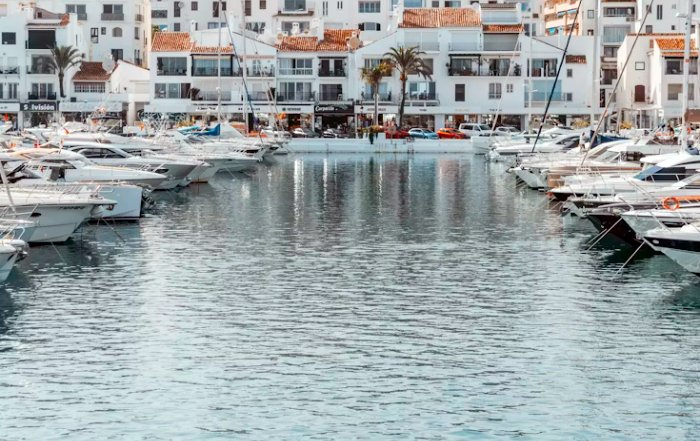
Mediterranean Marinas: A Review of Premium Facilities
The Mediterranean as a Strategic Stage for Premium Yachting
Ok so the Mediterranean remains the central theater of global yachting, not only as a playground for superyachts and discerning owners, but also as a sophisticated business ecosystem where marina infrastructure, regulatory frameworks, and lifestyle expectations converge at the highest level. For the experienced sailing and passionate editorial team at yacht-review.com, which has followed the evolution of marina standards across Europe, North Africa, and the Eastern Mediterranean for more than a decade, the region now represents a mature yet still rapidly innovating marketplace where premium facilities are increasingly defined by technology, sustainability, security, and personalized service, rather than simply by location or berthing capacity alone. From the Côte d'Azur to the Balearics, from the Amalfi Coast to the Turkish Riviera, marinas are competing not only for the world's largest vessels but also for the trust of owners, captains, and family offices who evaluate every port call as an investment decision, a lifestyle choice, and a statement about their values.
This shift is clearly visible in the way leading marinas present themselves to an international audience that spans the United States, the United Kingdom, Germany, Canada, Australia, and a growing base of owners from Asia and the Middle East, all of whom demand clarity, reliability, and a coherent narrative around quality and safety. As yacht-review.com continues to refine its own portfolio of reviews and destination guidance, the Mediterranean serves as a benchmark for what premium facilities should deliver, not only in terms of berths and amenities, but in the broader context of design, technology, sustainability, and guest experience that defines modern yachting.
Defining "Premium" in the Modern Marina Landscape
A decade ago, a marina could credibly market itself as premium by offering deep-water berths, secure moorings, and direct access to fashionable coastal towns. In 2026, expectations are far more complex and multifaceted, shaped by new build trends in the superyacht sector, evolving environmental regulation, and a clientele that increasingly blends traditional ultra-high-net-worth individuals from Europe and North America with new wealth from Asia, Africa, and South America. To understand what premium means today, the editorial perspective at yacht-review.com integrates insights from its coverage of design, technology, and business, viewing each marina as a composite of hard infrastructure, soft services, and strategic positioning.
From an infrastructure standpoint, premium marinas in the Mediterranean are now expected to accommodate vessels well beyond 60 meters, with reinforced quays, high-capacity shore power, advanced fuel bunkering systems, and integrated security networks. From a service perspective, these facilities must deliver concierge-level support that anticipates the needs of owners and charter guests, from private aviation transfers and medical support to discreet provisioning and on-board entertainment logistics. From a strategic standpoint, they must navigate a complex regulatory environment that includes customs, immigration, and tax considerations across multiple jurisdictions, while also aligning with international standards in maritime safety and environmental protection, as outlined by organizations such as the International Maritime Organization and initiatives like MARPOL.
The Western Mediterranean: Established Icons and Evolving Standards
The Western Mediterranean remains the most visible and commercially significant cluster of premium marinas, with the French Riviera, Monaco, the Balearic Islands, and the Italian and Spanish coasts forming a dense network of high-end facilities that attract a global clientele. In France, marinas such as Port Vauban Antibes and Port de Cannes have long served as reference points for capacity and prestige, while Port Hercule in Monaco continues to symbolize the fusion of yachting, finance, and high society. Owners and captains evaluating these ports increasingly look beyond the glamour of events such as the Monaco Yacht Show and the Cannes film festival circuit to assess operational reliability, berth availability during peak season, and the professionalism of marina management, all of which influence charter planning and vessel deployment decisions.
Spain's Balearic Islands, particularly Palma de Mallorca and Ibiza, have undergone a significant transformation, with marinas such as Marina Ibiza and Port Adriano investing heavily in infrastructure and service upgrades to attract larger vessels and a more international clientele. The Spanish regulatory environment, combined with the region's strong refit and repair ecosystem, makes the Balearics a strategic hub for both cruising and maintenance, and this integration of leisure and technical capabilities has become a key differentiator in the premium segment. Detailed coverage on yacht-review.com within its cruising and boats sections has highlighted how owners now increasingly value marinas that can support extended stays, crew changes, and complex technical works without compromising guest comfort or privacy.
Italy, with its iconic destinations such as Porto Cervo in Sardinia and Portofino on the Ligurian coast, remains a magnet for luxury yachting, yet the most sophisticated owners recognize that the country's marina landscape is a mosaic of varying standards. While some facilities offer world-class services and connectivity, others are still adapting to the demands of larger vessels and stricter environmental regulation. In this context, experienced captains rely heavily on trusted sources and on-the-ground intelligence when planning itineraries along the Tyrrhenian and Adriatic coasts, often cross-referencing local information with global resources such as SuperyachtNews and region-specific operational guidance from classification societies like Lloyd's Register, which maintains a knowledge base on marine safety and compliance.
The Eastern Mediterranean: Strategic Growth and Emerging Hubs
While the Western Mediterranean continues to dominate in terms of visibility and established infrastructure, the Eastern Mediterranean has emerged as a powerful growth zone, reshaping cruising patterns and investment flows across Greece, Turkey, Croatia, and beyond. Greece, with its vast archipelagos and historically underdeveloped marina infrastructure, has seen significant investment in recent years, with new projects and upgrades in Athens, the Cyclades, and the Ionian islands aimed at capturing a larger share of the superyacht market. For the readership of yacht-review.com, which closely follows marina developments in regions such as the Aegean and the Adriatic through its global and travel coverage, these investments are viewed as both an opportunity and a test of execution, as owners assess whether service levels and technical capabilities can match those of longer-established Western rivals.
Turkey's so-called Turquoise Coast, stretching from Bodrum to Antalya, now hosts a series of marinas that combine high-end hospitality with competitive pricing and favorable regulatory regimes, making it particularly attractive to owners from the United Kingdom, Germany, Russia, and increasingly from Asia. Facilities such as Yalıkavak Marina have cultivated a reputation for luxury retail, fine dining, and event programming, while also investing in security and technical services that meet the expectations of international fleets. The broader geopolitical context of the Eastern Mediterranean, including shifting alliances, maritime boundaries, and energy exploration, adds a layer of complexity for long-range planning, prompting captains and yacht managers to rely on specialist advisories and resources such as Lloyd's List for risk assessment and operational updates.
Croatia, with its intricate coastline and more than a thousand islands, has transitioned from a niche sailing destination to a mainstream superyacht playground, supported by a network of marinas that have steadily upgraded their facilities and service offerings. The combination of natural beauty, relatively uncrowded anchorages, and improving infrastructure has made it a favored alternative to more saturated areas of the Western Mediterranean, particularly for owners seeking privacy and a sense of discovery. As yacht-review.com expands its history and lifestyle content, the cultural and historical depth of Eastern Mediterranean destinations, from ancient Greek sites to Venetian fortresses, becomes a critical part of the narrative that distinguishes these marinas from their Western counterparts.
Facilities, Services, and the New Benchmark for Guest Experience
Across the Mediterranean, premium marinas are increasingly evaluated not simply by the size and number of berths, but by the totality of the experience they deliver to owners, guests, and crew. At the highest level, this experience is defined by seamless arrival procedures, efficient and predictable berthing, and a suite of onshore amenities that mirror the standards of luxury hotels and private clubs. For an audience that spans North America, Europe, and Asia, and that is accustomed to the best in hospitality from New York to Singapore, marinas must now operate as sophisticated service platforms, integrating concierge services, wellness facilities, curated dining, and exclusive retail in a manner that feels both local and globally consistent.
From a practical standpoint, owners expect marinas to offer reliable high-speed connectivity, secure data environments, and technical support for increasingly complex onboard systems, including hybrid propulsion, advanced navigation suites, and integrated entertainment platforms. Crew welfare has also emerged as a critical component of the premium experience, with leading marinas providing dedicated crew lounges, training support, and recreational facilities that help maintain morale and performance during long seasons. The editorial team at yacht-review.com, informed by its ongoing news coverage and direct engagement with captains and yacht managers, has observed that marinas which invest in crew-focused services often enjoy higher retention and stronger word-of-mouth recommendations within the professional yachting community.
Technology, Digitalization, and Data-Driven Operations
The technological transformation of Mediterranean marinas has accelerated significantly in the last five years, with digital platforms, data analytics, and automation reshaping everything from berth allocation to security management. Premium facilities now commonly employ integrated marina management systems that coordinate reservations, billing, energy usage, and maintenance scheduling, while also providing real-time information to captains and crew through dedicated apps or secure web portals. The expectation among owners and operators, influenced by broader trends in smart cities and connected infrastructure, is that marinas should function as intelligent hubs where information flows seamlessly and operational decisions are supported by data rather than intuition alone.
Cybersecurity has emerged as a non-negotiable priority, particularly in facilities that host high-profile individuals and corporate assets, with marinas investing in secure networks, access controls, and staff training to mitigate risks associated with increasingly connected vessels. The intersection of maritime technology and digital security is being closely monitored by organizations such as DNV and the International Association of Ports and Harbors, whose resources on digital transformation in ports provide useful context for understanding how marinas can future-proof their operations. Within this evolving landscape, yacht-review.com has dedicated space in its technology section to examining best practices in digital infrastructure, recognizing that tech-forward marinas are more likely to meet the expectations of a younger generation of owners from the United States, China, and the wider Asia-Pacific region.
Sustainability, Regulation, and the Environmental Imperative
Perhaps the most profound shift in the definition of premium marina facilities has been the growing emphasis on environmental performance and sustainability. In 2026, owners, charter guests, and corporate stakeholders are increasingly aware of the environmental footprint associated with yachting, and they expect marinas to demonstrate clear commitments to reducing emissions, protecting marine ecosystems, and aligning with international frameworks such as the Paris Agreement and the European Green Deal. This expectation extends beyond symbolic gestures to concrete investments in shore power systems, waste management, water treatment, and support for alternative fuels and hybrid technologies.
Across the Mediterranean, marinas that aspire to premium status are pursuing certifications such as Blue Flag and the Clean Marina Program, while also collaborating with environmental NGOs and local authorities to implement best practices in coastal management and biodiversity protection. Resources such as the United Nations Environment Programme and its Mediterranean Action Plan provide a scientific and regulatory backdrop for these initiatives, helping marina operators understand the broader ecological context in which they operate. For yacht-review.com, sustainability has become a core editorial pillar, reflected in its dedicated sustainability coverage and in its emphasis on marinas that can demonstrate measurable progress rather than merely aspirational rhetoric.
Business Models, Investment, and the Economics of Premium Marinas
Behind the polished quays and luxury boutiques, Mediterranean marinas are complex businesses that must balance high capital expenditure, regulatory compliance, and fluctuating seasonal demand. The economics of premium facilities increasingly depend on diversified revenue streams that extend beyond berthing fees to include real estate development, hospitality partnerships, retail leasing, and event programming. In many cases, marinas are integrated into broader waterfront regeneration projects that involve public-private partnerships, long-term concessions, and cross-border investment, particularly from institutional investors and family offices in Europe, the Middle East, and Asia.
The business audience of yacht-review.com, which follows these developments through its business and events coverage, is acutely aware that marina investments are exposed to macroeconomic trends, interest rate cycles, and geopolitical risk. Industry analyses from organizations such as Deloitte and PwC, which regularly publish insights on global hospitality and real estate trends, underscore the importance of resilient business models that can adapt to changing travel patterns, regulatory shifts, and the growing influence of charter and fractional ownership structures in the yachting market. Premium marinas that succeed in this environment are those that treat their facilities not merely as berthing infrastructure, but as multi-dimensional assets that integrate hospitality, retail, and community engagement in a coherent and financially sustainable way.
Family, Lifestyle, and the Human Dimension of Marina Choice
For many owners and charter guests, the choice of marina is ultimately a deeply personal decision shaped by family needs, lifestyle preferences, and emotional connections to specific destinations. Families from the United States, the United Kingdom, Germany, Canada, and Australia often prioritize marinas that offer safe, family-friendly environments with easy access to beaches, cultural attractions, and educational experiences, as well as reliable healthcare and child-friendly amenities. The Mediterranean, with its rich history, diverse cuisines, and varied coastal landscapes, is uniquely positioned to meet these expectations, but only when marinas consciously design their offerings with multi-generational use in mind.
In this context, the editorial stance at yacht-review.com has evolved to place greater emphasis on the human stories behind marina selection, exploring how owners integrate their yachting life with broader family, community, and lifestyle priorities. Through its family and community sections, the platform highlights marinas that foster a sense of belonging, whether through local cultural programming, partnerships with schools and museums, or support for charitable initiatives and environmental education. For many readers, particularly those new to yachting in regions such as Asia, South America, and Africa, these softer dimensions of marina life are as important as technical specifications, influencing not only where they berth their vessels, but where they choose to spend their time and build lasting memories.
Now Closing by Thinking about the Future of Premium Mediterranean Marinas
As the waves roll on, the trajectory of Mediterranean marinas points toward an increasingly sophisticated and interconnected ecosystem where infrastructure, technology, sustainability, and lifestyle converge to create truly premium experiences. The region's enduring appeal to owners from Europe, North America, Asia, and beyond is underpinned by its unique combination of natural beauty, cultural depth, and strategic location between the Atlantic and the Suez Canal, yet this appeal can only be sustained if marinas continue to evolve in response to shifting expectations and emerging challenges. Climate change, regulatory tightening, and geopolitical uncertainty will all shape the operating environment for marina investors and operators, while advances in vessel design, propulsion, and autonomy will redefine the technical requirements of berthing and service provision.
Within this dynamic landscape, Yacht Review will continue to try and play an active role as a curator, analyst, and trusted guide, drawing on its expanding portfolio of reviews, destination features, and expert commentary to help owners, captains, and industry stakeholders navigate the choices before them. By integrating insights from its cruising, global, and lifestyle coverage, the platform aims to provide a holistic view of what premium truly means in the Mediterranean context, recognizing that the most successful marinas are those that combine operational excellence with authenticity, environmental responsibility, and a deep respect for the communities and ecosystems that surround them.
For the discerning yacht owner or charter client considering their next season in the Mediterranean, the message is clear: premium marinas are no longer defined solely by their postcode or their guest list, but by their ability to deliver a secure, sustainable, and enriching experience that aligns with the highest standards of experience, expertise, authoritativeness, and trustworthiness. In this sense, the Mediterranean remains not just a destination, but a living laboratory for the future of global yachting, and yacht-review.com will remain at the forefront of documenting and interpreting that evolution for a worldwide boating audience.