

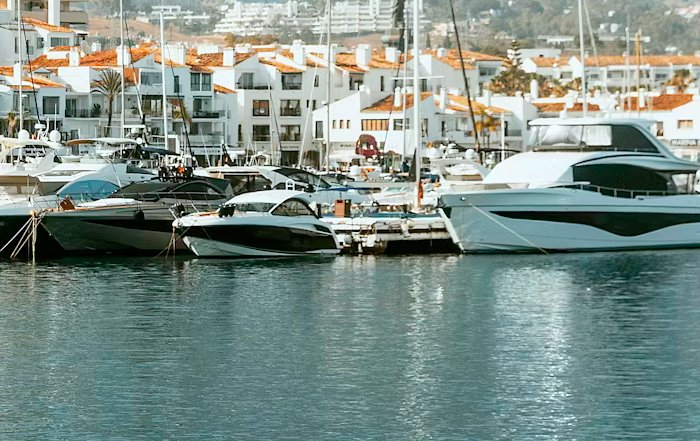
Global Regulations Impacting Yacht Emissions
The New Reality for Yachting: Emissions at the Center of Strategy
The global yachting sector has moved decisively from viewing emissions regulation as a distant concern to treating it as a central driver of design, ownership, and operational strategy. What began as a series of marine pollution conventions aimed primarily at commercial shipping has evolved into a complex web of rules, standards, and market expectations that now reach deeply into the world of private yachts, charter fleets, and expedition vessels operating across North America, Europe, Asia, Africa, and South America. For the readership of yacht-review.com, which spans owners, family offices, designers, shipyards, brokers, captains, and charter managers from the United States and United Kingdom to Germany, Singapore, Australia, and beyond, understanding this regulatory landscape has become essential not only for compliance but for protecting asset value, reputation, and long-term enjoyment of the yachting lifestyle.
As regulators tighten limits on greenhouse gas and air pollutant emissions, classification societies strengthen their notations, and destinations from the Mediterranean to Southeast Asia adopt stricter local rules, yachts are increasingly judged not just on aesthetics, performance, and interior design but on their emissions profiles and sustainability credentials. This shift is reshaping everything from new-build specifications and refit priorities to cruising itineraries, charter marketing, and even resale dynamics, and it is changing how yacht-review.com approaches its own reviews, design coverage, and analysis of emerging technology trends for the sector.
The International Framework: IMO Rules and Their Reach into Yachting
At the heart of global emissions regulation for all vessels, including yachts above certain thresholds, is the work of the International Maritime Organization (IMO), the United Nations agency responsible for safety and environmental standards in international shipping. While many private owners historically assumed that IMO rules applied mainly to large commercial ships, the evolution of the MARPOL convention, and in particular Annex VI on air pollution and greenhouse gases, has brought larger yachts and superyachts squarely into the regulatory spotlight.
Annex VI sets limits on sulphur oxides, nitrogen oxides, and particulate matter, and it has progressively tightened fuel sulphur caps worldwide and in designated Emission Control Areas. The global sulphur cap of 0.50% mass by mass, in force since 2020, combined with the 0.10% limit in emission control regions such as the North American and Northern European ECAs, has already pushed many yacht operators toward low-sulphur marine gasoil and, in some cases, alternative fuels. Owners and captains who cruise extensively between the United States, Canada, the United Kingdom, Germany, Norway, and Denmark have had to integrate these fuel and emission considerations directly into voyage planning and cost modeling, and this is increasingly reflected in the way yacht-review.com covers cruising strategy and operational best practice.
Beyond air pollutants, the IMO's greenhouse gas strategy, updated to align more closely with the Paris Agreement, is steadily cascading down to affect yacht design and operation. The introduction of measures such as the Energy Efficiency Design Index for new ships and the Carbon Intensity Indicator for existing vessels has focused attention on hull efficiency, propulsion systems, and operational profiles. While some thresholds and methodologies are still oriented toward larger commercial vessels, classification societies and flag states have begun translating these principles into voluntary or semi-mandatory frameworks for large yachts, especially those above 500 gross tons or engaged in international commercial charter. For industry stakeholders wanting to delve deeper into the broader maritime regulatory framework, the IMO's own portal provides a detailed overview of its environmental conventions and instruments and helps contextualize how similar principles are now influencing superyacht standards.
Regional and National Regulations: Patchwork Pressures on Yacht Operations
Overlaying the IMO framework is an increasingly intricate patchwork of regional and national regulations that directly affect where and how yachts can operate. Nowhere is this more evident than in Europe and North America, which together host many of the world's most important yachting hubs, from the Mediterranean to the Caribbean and the Pacific Northwest.
In the European Union, the inclusion of maritime emissions in the EU Emissions Trading System (EU ETS) for certain vessel categories has signaled a strong policy direction that yacht stakeholders cannot ignore. While the initial scope has focused on larger commercial vessels, the regulatory trajectory is clear: carbon pricing, monitoring, reporting, and verification of emissions are becoming standard elements of maritime governance. Owners whose yachts operate between France, Italy, Spain, the Netherlands, and other EU member states are increasingly advised by legal and tax specialists to anticipate more direct application of these mechanisms to larger yachts, particularly those engaged in commercial charter or operating as passenger vessels. For a broader understanding of how carbon markets are evolving in Europe, it is useful to review guidance from entities such as the European Commission, which outlines how maritime emissions are progressively integrated into climate policy and what this implies for future expansion to additional vessel categories.
In the United States and Canada, environmental regulation affecting yachts is shaped by a combination of federal statutes, state or provincial rules, and local initiatives. The U.S. Environmental Protection Agency (EPA) has long regulated marine engine emissions under its Nonroad and Marine Engine programs, setting Tier standards for NOx, particulate matter, and hydrocarbons. These standards influence engine selection and certification for yachts built or imported into the U.S. market, and they intersect with local air quality regulations in states such as California, where port authorities and coastal regulators are increasingly focused on emissions from all types of vessels. Owners who regularly cruise along the U.S. West Coast or into Canadian Pacific and Atlantic waters are finding that compliance with these rules is no longer a formality but a factor that can affect berth access, port fees, and operating permissions, prompting many to consider higher-efficiency engines, exhaust aftertreatment, or hybrid propulsion for new builds and major refits.
In Asia-Pacific, regulatory intensity varies widely, but several leading yachting markets have taken notable steps. Singapore, for example, has aligned closely with IMO standards and is actively promoting cleaner marine fuels and port practices, while Australia and New Zealand have tightened environmental protections in sensitive cruising areas and marine parks, including emissions-related provisions for certain categories of vessels. Japan and South Korea, both major maritime nations, are aligning domestic regulations with global decarbonization goals, which is expected to influence yacht regulations more explicitly as marina and coastal development expands. For yacht owners contemplating longer-range itineraries that include Southeast Asia and the Pacific, it is increasingly important to monitor regulatory updates from national maritime authorities and to coordinate with local agents who understand how emissions rules interact with broader environmental protections.
Emission Control Areas and Sensitive Zones: How Geography Shapes Compliance
One of the most tangible ways in which emissions regulations impact yachts is through the designation of Emission Control Areas and other sensitive zones where stricter standards apply. These zones, originally conceived to address air pollution from commercial shipping in heavily trafficked sea lanes, now shape cruising patterns for private yachts in regions such as the Baltic Sea, the North Sea, the English Channel, and the coastal waters of the United States and Canada.
Within these ECAs, limits on sulphur content in fuel are significantly lower than the global cap, and NOx Tier III requirements apply to new engines installed on vessels above certain size thresholds. For a new or recently built yacht planning extensive cruising between Norway, Sweden, Denmark, Germany, and the Netherlands, compliance with these stricter emission standards is effectively mandatory if the vessel wishes to operate freely without restrictions or penalties. This reality has driven many European-focused owners and charter operators to specify Tier III-compliant engines, selective catalytic reduction systems, and advanced exhaust treatment as standard features in new builds, and it is increasingly common to see these technical choices highlighted in yacht listings and in the reviews and technical analyses presented on yacht-review.com.
Beyond the formal ECAs, several countries and regions have begun designating particularly sensitive sea areas, marine protected zones, and special anchorages where additional restrictions apply, including limitations on generator use, shore power requirements, or even outright bans on combustion engines in certain inshore waters. In parts of Scandinavia, Switzerland, and some inland European lakes, electric or hybrid propulsion is rapidly becoming the norm for smaller yachts and dayboats, while in popular cruising grounds such as the Mediterranean and the Caribbean, local authorities are experimenting with measures aimed at reducing congestion, noise, and emissions near coastal communities and environmentally sensitive islands. Owners, captains, and charter brokers now routinely factor these evolving local rules into itinerary planning and destination selection, and yacht-review.com increasingly integrates regulatory considerations into its travel and destination features as part of a more holistic view of modern yachting.
Design and Technology Responses: From Compliance to Competitive Advantage
Regulation is only one side of the story; the other is the rapid evolution of yacht design and technology in response to emissions pressures. In the last several years, leading shipyards in Italy, the Netherlands, Germany, the United Kingdom, and the United States have shifted their research and development focus toward solutions that not only meet current regulatory thresholds but anticipate future tightening. This has created a new competitive landscape in which efficiency, hybridization, and alternative fuels are central selling points rather than niche options.
On the naval architecture side, advances in hull optimization, computational fluid dynamics, and lightweight construction materials are enabling significant reductions in fuel consumption at typical cruising speeds. Long, slender hull forms, optimized bulbous bows, and carefully tuned appendages are now standard features in many new superyacht designs, and these innovations are often paired with dynamic trim control systems and real-time performance analytics to ensure that theoretical efficiency gains translate into real-world fuel savings. Readers of yacht-review.com will have noticed that recent boat and yacht profiles place far greater emphasis on hydrodynamic performance, propulsion efficiency, and emissions data than was common a decade ago, reflecting the growing importance of these factors to informed buyers and charter clients.
Propulsion technology has been equally transformed. Diesel-electric and hybrid propulsion systems, once seen as experimental or limited to expedition vessels, have entered the mainstream of superyacht design, with many new builds in the 50-90 meter range now offering battery-assisted operations, silent running modes, and the ability to operate hotel loads for extended periods without main engines. Advances in lithium-ion battery technology and power management systems, combined with more compact and efficient gensets, have made it possible to significantly reduce emissions during anchorage and in port, where local air quality concerns are highest. For those seeking deeper insight into emerging maritime propulsion trends, organizations such as DNV and Lloyd's Register provide overviews of alternative fuels, hybrid systems, and class notations that offer a useful technical backdrop to the innovations now appearing in the yacht sector.
Alternative fuels are also moving from concept to early adoption. Liquefied natural gas has seen limited uptake in yachts due to storage and space constraints, but methanol-ready designs, biofuel compatibility, and exploratory work on hydrogen-based solutions are increasingly visible at major boat shows in Monaco, Cannes, Fort Lauderdale, and Singapore. Several high-profile new builds commissioned by environmentally focused owners in Europe and North America are being designed with flexible fuel systems, shore power readiness, and large battery banks to future-proof them against regulatory tightening and evolving fuel infrastructures. In parallel, onboard energy systems are becoming more intelligent, with integrated monitoring platforms allowing owners, captains, and managers to track fuel consumption, emissions, and energy usage in granular detail and to adjust operating practices accordingly. This convergence of design, engineering, and data analytics is a core focus of the technology coverage at yacht-review.com, where the emphasis is on translating technical innovation into practical implications for owners and operators.
Business, Charter, and Asset Value: Emissions as a Strategic Variable
For yacht owners, family offices, and corporate entities that treat yachts as part of a broader portfolio of assets, emissions regulations now carry clear business implications that extend beyond technical compliance. Operating costs, charter revenue potential, financing, insurance, and resale value are all increasingly influenced by how a yacht performs in terms of emissions and environmental footprint, and this is reshaping investment strategies in the sector.
Charter clients, particularly in markets such as the United States, United Kingdom, Germany, Switzerland, and the Nordic countries, are becoming more sensitive to environmental considerations and more aware of how their leisure choices align with corporate and personal sustainability commitments. Charter brokers report that questions about fuel consumption, emissions technologies, and sustainable operations are now common in negotiations, especially among younger clients and corporate groups subject to environmental, social, and governance policies. A yacht that can credibly demonstrate lower emissions, hybrid or electric capabilities, and alignment with best practices for sustainable cruising is increasingly likely to command a premium position in charter portfolios. For those interested in the broader corporate context, resources from organizations such as the World Business Council for Sustainable Development can help explain why environmental performance is becoming a core element of brand and reputation management, and how this filters down to high-profile assets such as yachts.
From a financing and investment perspective, banks and lenders in Europe and North America are progressively integrating climate risk and emissions performance into their maritime portfolios. While much of the early focus has been on commercial shipping, there is growing recognition that large yachts represent a material asset class with reputational and regulatory exposure. This is prompting some financial institutions to inquire about emissions profiles, class notations, and future-proofing measures before extending credit or underwriting construction loans. Insurance providers are beginning to follow a similar trajectory, considering how regulatory risk, restricted access to ports or cruising grounds, and potential carbon pricing might affect operational risk and asset values. On yacht-review.com, the business section increasingly addresses these financial dimensions, helping owners and advisors understand why emissions regulations are no longer just a technical compliance issue but a strategic business variable.
Resale value is another area where emissions considerations are now visible. Buyers in 2026 are more wary of acquiring yachts that may face restrictions in key cruising regions or that lack the technical flexibility to adapt to future regulations. As a result, yachts built with Tier III engines, hybrid systems, shore power compatibility, and demonstrable efficiency are often seen as lower risk, more liquid assets, particularly in markets such as the Mediterranean, the Caribbean, and emerging hubs in Asia and the Middle East. Brokers and surveyors are starting to treat emissions-related features as integral elements of valuation, and this trend is likely to accelerate as regulatory frameworks continue to tighten.
Sustainability, Community Expectations, and the Reputation of Yachting
Emissions regulations do not exist in a vacuum; they are part of a wider societal shift toward sustainability that is reshaping expectations around high-end lifestyles, including yachting. Public scrutiny of carbon footprints, media coverage of climate impacts, and the rise of sustainability reporting among corporations and high-net-worth individuals are all contributing to a new narrative in which the environmental performance of yachts is closely watched and frequently debated.
Coastal communities in popular destinations from the French Riviera and Balearic Islands to Thailand, South Africa, and Brazil are increasingly vocal about the environmental pressures associated with tourism and marine traffic, including air pollution, noise, and greenhouse gas emissions. Local authorities, port operators, and marina developers are responding with initiatives that range from shore power infrastructure and low-emission zones to incentives for cleaner vessels and restrictions on older, more polluting craft. The reputational stakes for yacht owners and charter operators are therefore rising, as visible non-compliance or disregard for local environmental norms can quickly become a public relations issue, especially in an era of social media and real-time digital scrutiny.
For the editorial team at yacht-review.com, this evolving context has reinforced the importance of covering not only the technical and regulatory aspects of emissions but also their implications for the broader community of yacht owners, crew, and service providers. Articles and features increasingly highlight how crews are trained to manage fuel and energy efficiently, how families can adopt more sustainable cruising habits, and how events and regattas are integrating environmental standards into their organization. Readers interested in how sustainability is reshaping the culture and lifestyle of yachting can explore the dedicated sustainability and lifestyle sections, which examine everything from eco-conscious refit choices to low-impact itineraries and responsible engagement with local communities.
At a broader level, international organizations such as the United Nations Environment Programme and the OECD continue to produce analysis on sustainable tourism, marine protection, and climate policy that indirectly shapes public expectations of the yachting sector. As these narratives gain traction, yacht owners and industry stakeholders are recognizing that aligning with emissions regulations is not just a matter of avoiding penalties but of contributing to a credible story about responsible enjoyment of the oceans.
Looking Ahead: Anticipating the Next Wave of Regulation and Innovation
Standing in 2026, it is clear that the trajectory of global regulation impacting yacht emissions is one of continued tightening, greater transparency, and deeper integration with broader climate and environmental policy. While specific details will vary by region and vessel size, several trends can be identified that are likely to shape the next decade of yachting.
First, data-driven regulation is set to become the norm. Monitoring, reporting, and verification of emissions, already standard in commercial shipping, will increasingly extend to larger yachts, especially those engaged in commercial activity or operating across multiple jurisdictions. Digital platforms that track fuel consumption, voyage profiles, and emissions in real time will become standard tools not only for compliance but for optimization, and yacht-review.com will continue to explore how these systems transform day-to-day cruising decisions and longer-term ownership strategies.
Second, the line between voluntary and mandatory standards will blur as class notations, charter requirements, marina policies, and insurance conditions converge around higher environmental expectations. Yachts that embrace advanced emissions technologies, alternative fuels, and demonstrable efficiency will enjoy preferential access, better commercial opportunities, and stronger asset resilience, while those that lag may face increasing operational and financial friction. This dynamic will likely stimulate further innovation in yacht design, propulsion, and onboard energy systems, providing fertile ground for ongoing coverage in the news and events sections of yacht-review.com, where new regulations, technologies, and industry responses are tracked as they emerge.
Third, the cultural and reputational dimension of emissions will grow in importance, particularly in key markets such as the United States, United Kingdom, Germany, Canada, Australia, and the Nordic countries, where public awareness of climate issues is high. Owners, charterers, and industry leaders will be expected to articulate how their yachting activities align with broader commitments to sustainability and responsible business, and emissions performance will be a central part of that narrative. This will reinforce the need for transparent, credible information and analysis, a role that yacht-review.com is committed to fulfilling through its global coverage and in-depth reviews of yachts, technologies, and destinations.
Ultimately, global regulations impacting yacht emissions are not simply constraints; they are catalysts for a more efficient, innovative, and socially legitimate yachting sector. By understanding the evolving regulatory landscape, investing in forward-looking design and technology, and embracing a culture of responsibility toward the oceans and communities that make yachting possible, owners and industry stakeholders can help ensure that the pleasures of cruising, exploration, and maritime heritage remain compatible with the environmental realities of the twenty-first century. In this journey, yacht-review.com aims to remain a trusted partner, providing the insight, context, and analysis that enable informed decisions and a sustainable future for yachting worldwide.