

Choosing Between a Flybridge and Coupe Motor Yacht
Selecting the right style of motor yacht is one of the most consequential decisions an owner or long-term charterer will make, and the choice between a flybridge and a coupe configuration has become a defining question in contemporary yacht ownership. For readers of yacht-review.com, who often balance serious cruising ambitions with a desire for refined onboard lifestyle, the decision is not simply aesthetic; it touches performance, comfort, resale value, and the way owners and guests will actually live on board.
This page examines the two concepts through a businesslike and experiential lens, drawing on current market trends, naval architecture, and the practical insights that emerge from sea trials and long-range cruising. It aims to give prospective buyers and industry professionals a structured way to think about the trade-offs, while highlighting the positive opportunities each layout offers in different regions, climates, and usage profiles.
Defining the Two Concepts
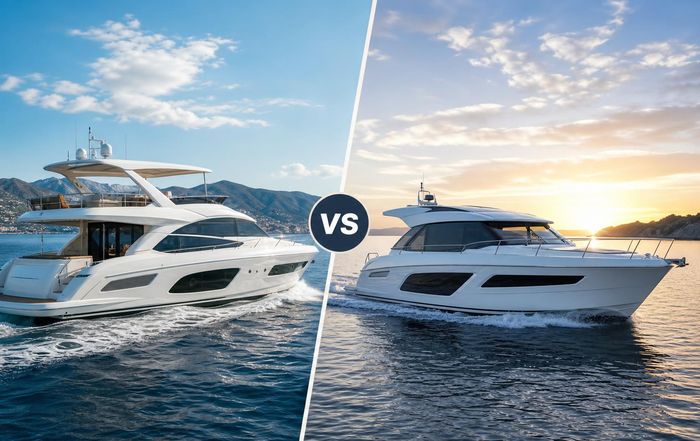
In modern production and semi-custom yacht building, a flybridge motor yacht typically offers an additional open-air deck above the main saloon, often with a secondary helm station, lounge or dining area, and in many cases a wet bar, grill or even a spa pool. Builders such as Princess Yachts, Sunseeker, Azimut, and Ferretti Yachts have refined this format for decades, and it remains a core product segment in Europe, North America, and Asia. A flybridge yacht is generally associated with maximised exterior living space, commanding visibility from an elevated helm, and a more "nautical" profile that many owners still prefer for extended cruising.
A coupe motor yacht, sometimes referred to as a sports cruiser, sports yacht, or hardtop, is characterised by a sleek, low-profile superstructure with an enclosed or semi-enclosed main deck. The exterior lines are often more automotive in inspiration, with large side windows, a single main helm station, and a strong emphasis on indoor-outdoor connection via sliding glass doors and retractable roofs. Brands such as Prestige Yachts, Galeon, Absolute Yachts, and Princess with its S-Class and V-Class models have driven the growth of this segment, which has proven particularly attractive to owners seeking contemporary design, higher cruising speeds, and easier operation with smaller crews.
Boat lovers seeking more context on how these formats sit within the wider market of contemporary motor yachts can explore our curated boat reviews and model overviews, where the flybridge and coupe typologies frequently appear side by side.
Space, Volume, and Liveability
One of the most immediate differences between a flybridge and a coupe yacht lies in how they use available volume. A flybridge adds an entire additional deck level, which can serve as a social hub, a private retreat for owners, or a dedicated navigation and observation area during passages. On yachts from around 40 feet to well over 100 feet, this extra deck often becomes the most used space in fair weather, particularly in Mediterranean, Caribbean, and Pacific cruising grounds where outdoor living is central to the onboard experience.
From a design and naval architecture standpoint, this additional level adds weight high up and increases windage, so reputable yards work closely with classification societies and naval architects to ensure stability and performance remain within safe and comfortable parameters. Publications such as Boat International and Yachting Magazine have noted in recent model tests that modern resin-infusion techniques and careful weight distribution have mitigated many of the traditional concerns about top-heaviness in flybridge designs, though the basic physics remain relevant when comparing the two concepts.
Coupe yachts, by contrast, tend to prioritise a single, generous main deck with a strong emphasis on saloon volume, panoramic glazing, and seamless connection to the cockpit and swim platform. The absence of a flybridge allows designers to lower the centre of gravity and create a more streamlined superstructure, often resulting in a quieter, more sheltered interior with fewer steps and easier circulation. For owners who plan to spend a significant proportion of time in cooler, windier, or wetter climates such as the Pacific Northwest, Northern Europe, or parts of the Great Lakes and Baltic, this enclosed main deck can provide a more consistently comfortable environment across the seasons.
From the perspective of yacht-review.com, the question of liveability is highly personal and closely tied to the cruising style of each owner. Those who prioritise open-air entertaining, sunbathing, and alfresco dining often find that a flybridge layout delivers greater flexibility, especially when combined with foredeck lounges and beach club sterns now common on larger models. Owners who value a calm, climate-controlled interior with large windows, minimal level changes, and a strong sense of "apartment on the water" comfort may lean more naturally toward a coupe configuration.
To better understand how interior layouts influence long-term cruising satisfaction, readers may wish to explore our dedicated insights on cruising lifestyles and onboard living, where case studies often highlight the practical impact of these design choices.
Performance, Handling, and Fuel Efficiency
Performance comparisons between flybridge and coupe motor yachts are nuanced, as they depend heavily on hull design, propulsion choices, displacement, and intended cruising profile. However, some broad tendencies can be observed in the current market.
Because coupes generally present a lower profile and reduced windage, they often achieve slightly higher top speeds and improved fuel efficiency at planing speeds when compared with flybridge models of similar length and displacement. Yards such as Azimut and Sunseeker have published performance figures for matched hulls in both flybridge and sports configurations that suggest modest but consistent advantages for the lower, sleeker variant, particularly when equipped with modern pod drives or surface drives. Independent tests by magazines including Motor Boat & Yachting and Power & Motoryacht have observed similar patterns, though actual gains vary by model.
Flybridge yachts can still deliver impressive speeds, especially in the 50- to 90-foot range where powerful diesel engines, efficient hull forms, and advanced construction materials offset the added superstructure. Yet in conditions with strong crosswinds or gusts, the higher profile may require more active helming, especially at low speeds or in tight marinas. Many owners and captains view this as an acceptable trade-off for the elevated visibility and comfort of an upper helm station, which can be invaluable when navigating complex coastlines or busy anchorages.
Another dimension is ride comfort and seakeeping. The higher centre of gravity of a flybridge yacht can, in theory, translate into a slightly more pronounced roll motion, though the widespread adoption of gyroscopic stabilisers and fin stabilisation systems has significantly reduced the practical difference for many owners. On both flybridge and coupe yachts, stabilisation at rest has become a key expectation in the premium segment, and respected technology providers such as Seakeeper and Side-Power continue to refine systems that enhance comfort in a wide range of sea states. Readers wishing to explore current stabilisation and propulsion technologies in more depth can refer to our specialised coverage of yacht technology and innovation.
For owners who anticipate long passages at displacement or semi-displacement speeds, hull form and fuel capacity may matter more than superstructure choice. Some semi-displacement flybridge yachts, particularly from builders such as Grand Banks and Nordhavn, are engineered for efficient long-range cruising, and in these cases the presence of a flybridge is less relevant to overall fuel burn than the underlying naval architecture. Conversely, performance-oriented coupe yachts from builders like Pershing or Riva are optimised for high-speed coastal runs and shorter hops between marinas, and their efficiency curve is tuned accordingly.
Climate, Region, and Typical Use
Geography and climate often exert as much influence on the flybridge versus coupe decision as personal taste. In warm, predominantly dry cruising regions such as the Mediterranean, Florida and the Bahamas, the Caribbean, and much of Australia's east coast, flybridge yachts have long been favoured for their expansive outdoor spaces and breeze-cooled upper decks. The ability to dine under the stars, lounge in the sun with panoramic views, and enjoy an elevated helm station in light clothing and warm temperatures aligns naturally with the expectations of owners in these markets.
In cooler or more variable climates, including the United Kingdom, Northern Europe, the Pacific Northwest, and parts of East Asia, coupe yachts and enclosed flybridge designs have gained ground as owners seek year-round usability and better protection from wind, rain, and spray. Builders have responded with enclosed or semi-enclosed flybridges, sometimes branded as "sky lounges," that combine the advantages of an additional deck with the comfort of large windows and climate control. This hybrid approach blurs the lines between traditional flybridge and coupe concepts, offering a compelling option for owners who value both visibility and shelter.
The rise of glass technology, including laminated, insulated, and UV-treated glazing, has also changed the equation. Modern coupe yachts often feature vast windows and opening roofs that allow significant natural light and ventilation, mitigating the sense of enclosure that earlier generations of hardtop cruisers sometimes created. Reputable sources such as BoatTEST.com and Yachting World have highlighted how advances in glazing and air-conditioning efficiency have enabled designers to deliver bright, airy interiors that remain comfortable in a wide range of climates.
For readers of yacht-review.com who are still refining their cruising ambitions, our travel-oriented features provide insight into how different yacht formats perform in specific regions, from the island chains of the Mediterranean and Caribbean to the fjords of Norway or the intricate waterways of Southeast Asia.
Design Language, Lifestyle, and Brand Identity
The choice between a flybridge and a coupe yacht often reflects deeper preferences in design language and lifestyle. Flybridge yachts traditionally project a more overtly maritime aesthetic, with stepped profiles, radar arches or masts, and visible decks that signal their seagoing purpose. For some owners and guests, this visual statement is part of the appeal, reinforcing the sense of adventure and capability that comes with a motor yacht.
Coupe yachts, conversely, tend to adopt a more automotive or architectural design vocabulary, with sweeping rooflines, integrated hardtops, and hull-side glazing that emphasises speed and modernity. In markets such as the United States and parts of Asia, younger buyers and those transitioning from high-performance cars or waterfront real estate often gravitate toward this sleeker, more contemporary look. Design houses like Pininfarina, Nuvolari Lenard, and Zuccon International Project have contributed to this evolution, working with leading yards to create profiles that harmonise with current luxury design trends beyond the marine sector.
The interior experience mirrors these exterior cues. Flybridge yachts usually distribute social spaces across multiple levels, with a main saloon, aft cockpit, foredeck lounge, and flybridge all offering distinct zones for different times of day or guest groups. This can be particularly attractive for family cruising or corporate entertaining, as it allows children, friends, and business associates to occupy different areas without feeling crowded. Coupe yachts, with their focus on a single, expansive main deck, often create a more unified social environment, ideal for owners who prefer everyone to gather around a central saloon and cockpit that flows seamlessly into the galley and helm.
At yacht-review.com, lifestyle and design are recurring themes in our dedicated design coverage and lifestyle features, where we frequently examine how different layouts support everything from family cruising and water sports to onboard workspaces, wellness areas, and fine dining.
Crew, Operation, and Ownership Style
Operational considerations are increasingly central to yacht selection, particularly as more owners seek vessels that can be handled by a couple or a small family without full-time professional crew. Both flybridge and coupe yachts in the 40- to 70-foot range are frequently designed as owner-operator vessels, with joystick docking systems, bow and stern thrusters, and integrated navigation suites that simplify handling even in tight marinas.
Coupe yachts often have a slight edge in ease of operation due to their lower windage and simplified superstructure, which can reduce the impact of crosswinds during docking and make visibility more predictable from a single main helm. However, many owners and captains appreciate the commanding vantage point of a flybridge helm, particularly when navigating congested waters or visually complex coastlines. Modern flybridge designs also pay close attention to sightlines, rail heights, and helm ergonomics to ensure safe operation from both upper and lower stations.
For yachts above roughly 70 to 80 feet, professional crew become more common regardless of configuration. In this size range, flybridge yachts often provide crew with additional operational flexibility, as the upper helm can be used for manoeuvring and navigation while the main deck remains focused on guest comfort. Coupe yachts in this segment may offer dedicated crew quarters and discreet service routes that allow formal dining and hospitality to proceed uninterrupted.
Ownership style is another factor. Some buyers envision using their yacht primarily for day cruising and short weekend trips, in which case a coupe's emphasis on quick access, contemporary style, and straightforward operation can be appealing. Others plan seasonal or transoceanic cruising, where the redundancy of two helm stations, the flexibility of multiple exterior decks, and the psychological comfort of a more "ship-like" profile may tip the balance toward a flybridge.
Readers interested in broader ownership and management considerations, including charter potential and operating costs, will find additional context in our business-focused coverage of the yachting sector.
Sustainability, Efficiency, and Emerging Technologies
Sustainability has become a central topic across the marine industry, and the choice between a flybridge and a coupe yacht intersects with this conversation in subtle ways. While the superstructure format is not the primary determinant of a yacht's environmental footprint, it can influence weight, aerodynamics, and the integration of emerging energy-efficient technologies.
Coupe yachts, with their lower profiles and often lighter superstructures, can in some cases offer marginally improved fuel efficiency, especially at higher cruising speeds. This can translate into reduced emissions over the life of the vessel, particularly when combined with advanced propulsion systems such as pod drives, optimised hull forms, and modern engine management. Industry organisations such as the International Council of Marine Industry Associations (ICOMIA) and regulatory bodies including the International Maritime Organization (IMO) have highlighted the importance of efficiency measures in meeting evolving emissions standards, even though much of the current regulatory focus remains on commercial shipping rather than private yachts.
Flybridge yachts, however, provide additional surface area for the integration of solar panels and other renewable technologies, which can support hotel loads at anchor and reduce generator runtime. Several builders have begun experimenting with solar arrays on hardtops and flybridge roofs, particularly in the 50- to 80-foot segment where energy demands for air-conditioning, refrigeration, and entertainment systems are significant. Independent coverage from sources such as Trade Only Today and SuperyachtNews has documented a growing interest among both builders and owners in hybrid propulsion, battery systems, and alternative fuels, trends that affect both flybridge and coupe segments.
For an in-depth exploration of how sustainability is reshaping yacht design, construction, and operation, readers can consult our dedicated sustainability section, which regularly examines best practices, technological innovations, and regulatory developments relevant to responsible yacht ownership.
Market Trends, Resale, and Investment Perspective
From a business and investment perspective, understanding how the market values flybridge versus coupe yachts is essential. Industry reports from sources such as Global Market Insights and brokerage analyses by major houses including Fraser, Northrop & Johnson, and Camper & Nicholsons suggest that both segments remain robust, with regional preferences and brand strength playing a larger role in resale values than configuration alone.
In markets like the Mediterranean and parts of Asia, flybridge yachts continue to command strong demand due to their outdoor living spaces and established presence in charter fleets. Buyers in these regions often view a flybridge configuration as the default for family and corporate entertaining, and the additional deck can enhance perceived value when comparing listings of similar length and age. In North America and Northern Europe, coupe and sports yachts have seen rising popularity, particularly among younger buyers and those transitioning from high-performance boats or waterfront property, which in turn supports healthy resale values in those markets.
The growth of global brokerage platforms, including respected portals such as YachtWorld and Boat International's brokerage listings, allows prospective buyers to analyse asking prices and time-on-market data for both configurations across multiple regions. While individual results vary, well-maintained yachts from reputable builders, with contemporary styling and up-to-date systems, tend to retain value more effectively regardless of whether they are flybridge or coupe models.
For owners considering charter as part of their ownership strategy, flybridge yachts may offer a slight edge in appeal for week-long or multi-week charters, particularly in sun-oriented destinations where guests prioritise outdoor lounging and dining. However, high-performance coupes and stylish sports yachts often perform strongly in day-charter markets in cities such as Miami, Sydney, and Barcelona, where design impact and speed are major selling points. Our news and market analysis regularly tracks these evolving trends and their implications for buyers, sellers, and charter investors.
Safety, Comfort, and Family Considerations
Safety and comfort, especially for families and multi-generational groups, are central to the choice between a flybridge and a coupe yacht. Flybridge designs necessarily introduce additional stairs, railings, and open deck areas, which require careful attention to child safety, non-slip surfaces, and handhold placement. Reputable builders design to or above standards set by organisations such as ABYC in North America and CE certification in Europe, ensuring appropriate bulwark and rail heights, but owners should still assess each model's suitability for their specific family profile.
Coupe yachts, with their focus on a single main deck and fewer level changes, can offer a more controlled environment for young children or older guests with mobility considerations. The enclosed saloon and direct connection to the cockpit often make it easier to supervise activity, and the reduced exposure to wind and spray can enhance comfort for those less accustomed to boating. On the other hand, the elevated views and open spaces of a flybridge can be a source of joy and engagement for children and adults alike when properly managed and supervised.
From a seakeeping perspective, both configurations can be engineered to high standards of safety and comfort, with structural integrity, watertight integrity, and stability governed by established rules and classification requirements. Owners are encouraged to consult independent safety resources such as the Royal Yachting Association (RYA) and the United States Coast Guard's recreational boating safety guidance when evaluating operational practices and equipment, regardless of yacht type.
Families and groups planning extended cruising can find additional perspectives in our family-focused yachting content and community features, where real-world experiences and best practices are frequently discussed.
How Yacht-Review.com Approaches Flybridge and Coupe Evaluations
At yacht-review.com, the hard-working editorial team evaluates flybridge and coupe motor yachts with a consistent framework that emphasises real-world usability, design coherence, build quality, and long-term ownership experience. In our independent reviews, both configurations are assessed not only on their specification sheets but on how effectively they deliver comfort, safety, and enjoyment for owners and guests in varied conditions.
For flybridge yachts, particular attention is paid to how well the upper deck integrates with the rest of the yacht, the ergonomics of dual helm stations, the protection and shading available in different climates, and the quality of structural engineering that supports the additional deck. For coupe yachts, we look closely at the execution of the indoor-outdoor connection, the effectiveness of ventilation and climate control, the sightlines from the main helm, and the way the interior layout supports both short hops and longer cruises.
The site's broader global coverage also allows us to contextualise these yachts within different cruising cultures, regulatory environments, and infrastructure realities, from Mediterranean marinas and U.S. East Coast harbours to emerging yachting hubs in Asia, the Middle East, and South America.
Making the Choice: Matching Yacht Type to Personal Vision
In the end, the decision between a flybridge and a coupe motor yacht is less about an abstract hierarchy of virtues and more about alignment with a specific owner's vision of life on the water. Those who imagine long, sun-drenched days at anchor, alfresco dinners under the sky, and the pleasure of navigating from an elevated helm with 360-degree views often find their aspirations best served by a well-designed flybridge yacht. The additional deck, the sense of verticality, and the multiplicity of outdoor spaces can create a uniquely engaging environment for family, friends, and charter guests.
Owners who prioritise sleek aesthetics, simplified operation, climate-controlled comfort, and a strong sense of connection between interior and exterior spaces may be more naturally drawn to a coupe configuration. The single-level main deck, panoramic glazing, and often sportier performance can deliver a highly contemporary yachting experience that fits seamlessly into a modern, design-conscious lifestyle.
Both paths can lead to deeply rewarding ownership when chosen with clarity and informed by careful evaluation. By considering climate, cruising plans, family needs, crew arrangements, sustainability goals, and long-term market dynamics, prospective buyers can select not just a yacht, but a platform for the experiences and memories they wish to create.
This choice is rarely made in isolation. It is shaped by conversations with designers, brokers, captains, and fellow owners, by visits to international boat shows, and by time spent on the water in different vessels and conditions. Our role is to support that journey with trustworthy analysis, grounded reporting, and a commitment to highlighting the best of what both flybridge and coupe yachts can offer.
As the industry continues to innovate-with hybrid propulsion, advanced materials, and increasingly sophisticated design solutions-these two configurations will likely evolve and intersect in new ways. Yet the core question will remain: how do you want to live, travel, and host at sea? The answer to that question, more than any technical specification, will ultimately determine whether a flybridge or a coupe motor yacht is the right choice for the next chapter of your yachting life.