

Wind-Assisted Propulsion Makes a Commercial Comeback
A New Era of Commercial Wind Power at Sea
Wind-assisted propulsion has moved decisively from experimental curiosity to strategic priority for the commercial shipping industry, reshaping how shipowners, technology providers and regulators think about efficiency, sustainability and long-term competitiveness at sea. What had once been regarded as a nostalgic throwback to the age of sail has become, through advances in aerodynamics, materials science and digital control systems, a sophisticated complement to conventional engines that is increasingly central to fleet renewal strategies in major maritime nations from the United States and the United Kingdom to Germany, China, Singapore and Japan. For yacht-review.com, which has long chronicled innovation in performance sailing, superyacht design and advanced marine technology, this commercial renaissance of wind power offers a uniquely relevant perspective: the same principles that shaped high-performance yacht rigs and foils are now being scaled and industrialized for bulk carriers, tankers and container ships that crisscross the world's oceans.
At its core, the commercial comeback of wind-assisted propulsion is being driven by a convergence of regulatory pressure, fuel price volatility, climate risk awareness and a rapidly maturing technology ecosystem that allows large ships to capture free, zero-carbon energy from the atmosphere with a level of reliability and predictability that would have seemed implausible only a decade ago. While the focus of yacht-review.com traditionally spans reviews of cutting-edge vessels, design trends, lifestyle and global cruising experiences, the platform's readership increasingly recognizes that what happens in the commercial shipping sector has direct implications for yacht owners, designers, shipyards and charter operators worldwide, from port infrastructure and fuel availability to regulatory frameworks and public expectations around environmental performance.
The Regulatory and Economic Drivers Behind the Revival
The resurgence of wind-assisted propulsion cannot be understood without examining the regulatory landscape that has evolved rapidly since the early 2020s. The International Maritime Organization (IMO) has progressively tightened its decarbonization objectives, with revised greenhouse gas strategy milestones pushing shipowners toward deep emissions reductions by mid-century. As these goals have been translated into operational measures such as the Energy Efficiency Existing Ship Index (EEXI) and the Carbon Intensity Indicator (CII), ship operators have been compelled to explore all technically and economically viable options to reduce fuel consumption and carbon output. Those seeking a deeper understanding of the current regulatory framework can consult the IMO's official resources, which outline the trajectory of maritime decarbonization and its implications for global shipping.
Simultaneously, the economics of maritime transport have been transformed by rising fuel costs and the gradual introduction of carbon pricing mechanisms in key jurisdictions. The inclusion of maritime emissions in the European Union Emissions Trading System (EU ETS), for example, has made it increasingly expensive to operate inefficient tonnage on routes touching European ports, and similar discussions are underway in other major markets including North America and parts of Asia. In this context, technologies that can reliably deliver fuel savings of 10 to 30 percent, and in some optimized cases even more, without requiring a complete redesign of the propulsion system, have become exceptionally attractive. For commercial fleets, wind-assisted systems offer a hedge against fuel price volatility, while for the broader maritime business ecosystem, including yacht builders and operators, they signal a structural shift in how investment decisions are made around propulsion, hull forms and voyage optimization, themes that resonate strongly with the business-oriented coverage on yacht-review.com's maritime business pages.
From Sails to Systems: The New Technology Landscape
Contemporary wind-assisted propulsion bears only a superficial resemblance to the traditional sails that once dominated global trade. Today's solutions are engineered systems that combine advanced aerodynamics, automated control logic, structural engineering and digital integration with existing propulsion and navigation platforms. Several main categories have emerged as commercially relevant, each with distinct advantages and deployment scenarios, and all of them are now crossing from demonstration into scalable adoption on major trade routes.
One of the most widely adopted technologies is the modernized Flettner rotor, a tall rotating cylinder that leverages the Magnus effect to generate lift perpendicular to the apparent wind direction. These rotors, often towering above the deck of bulk carriers and tankers, are controlled by sophisticated algorithms that adjust rotation speed and sometimes angle to maximize thrust while maintaining safe operating limits. Another rapidly advancing solution is the class of rigid wing sails and articulated wing masts, many of which draw directly on aerodynamic research from competitive sailing and America's Cup campaigns. These wings, sometimes combined with soft sail elements, can be reefed, folded or telescoped for port operations and bridge clearances, and are increasingly being designed as modular packages that can be retrofitted to existing hulls.
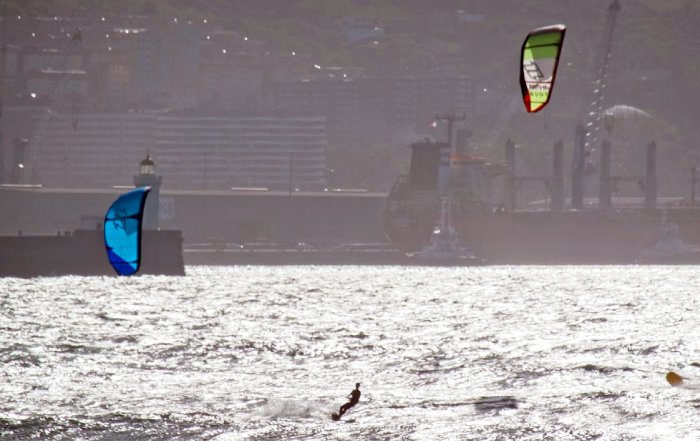
In parallel, large-scale kites and parafoils, deployed from the bow and flying hundreds of meters above the sea surface, are being refined to exploit stronger and more stable wind layers aloft, with dynamic flight paths that maximize thrust. These kite systems, while technically complex, offer the advantage of minimal deck footprint and relatively low structural impact on the host vessel. Across all of these technologies, the integration of high-resolution weather routing, performance analytics and real-time optimization is critical, and this is an area where the sailing and yachting world has long excelled. The same data-driven approach that informs performance cruisers and racing yachts, discussed frequently within yacht-review.com's technology coverage, is now being applied at commercial scale, with advanced routing algorithms determining when and how to deploy wind-assist systems for the greatest operational and environmental benefit.
Lessons from Yachting: Design Thinking Scaled Up
The intersection between commercial wind-assist technologies and high-performance yacht design is not merely conceptual; it is deeply practical and increasingly collaborative. Naval architects and designers who made their reputations optimizing the rigs, foils and hulls of racing yachts and performance cruisers are now being recruited into commercial projects, bringing with them decades of experience in extracting marginal gains from complex aerodynamic and hydrodynamic interactions. The iterative design processes that produced ultra-efficient wing sails and load-optimized composite structures in the yachting world are now being adapted to the much larger scale and different operational profiles of cargo vessels.
For the audience of yacht-review.com, this cross-pollination is particularly compelling, as it illustrates how design philosophies developed in the pursuit of speed, handling and comfort in the leisure sector are influencing the much larger commercial fleet that underpins global trade. Topics such as rig geometry, center of effort management, stability implications and structural load paths, long familiar to yacht designers and experienced cruisers, are now central to the debates in commercial ship design circles. Those interested in the evolution of yacht design and how it informs these new commercial systems can explore the platform's dedicated design insights and features, where similar aerodynamic and structural principles are examined through the lens of both performance and aesthetic refinement.
Global Adoption: Key Markets and Demonstration Projects
The commercial comeback of wind-assisted propulsion has been particularly visible along major trade corridors connecting Europe, Asia and North America, where regulatory pressure, fuel costs and public scrutiny are highest. European shipowners, especially in the United Kingdom, Germany, Norway, Denmark, the Netherlands and France, have been among the earliest adopters, often supported by national innovation programs and green shipping initiatives. In Scandinavia and northern Europe, where maritime clusters are well established and decarbonization policies are ambitious, wind-assist projects have moved rapidly from pilot to fleet-level integration, with bulk carriers, product tankers and Ro-Ro vessels all participating in trials and early deployments.
In Asia, major shipping nations such as Japan, South Korea, China and Singapore have increasingly turned to wind-assisted propulsion as part of broader strategies to maintain competitiveness in shipbuilding and fleet operations while meeting international climate commitments. Japanese consortia have been particularly active in developing large rigid sail systems and hybrid propulsion concepts, while South Korean yards have explored integrated designs that combine wind-assist with alternative fuels such as LNG, methanol and, in future, ammonia. In North America, interest has grown as regulatory frameworks evolve and as major cargo owners, particularly in the United States and Canada, seek to decarbonize their supply chains, sometimes specifying lower-carbon transport options in their procurement contracts.
For a global readership that follows cruising and yachting destinations worldwide, from the Mediterranean and Caribbean to the Pacific and polar regions, the spread of wind-assisted commercial vessels has practical implications. As more ships adopt these systems, route planning, port operations and even visual seascapes will change, and those following global cruising and travel features on yacht-review.com will encounter an increasingly diverse mix of vessel profiles on the horizon, blending traditional hull forms with futuristic vertical wings and rotors.
Operational Reality: Performance, Reliability and Safety
Beyond the headlines, the true test of wind-assisted propulsion lies in day-to-day operations, where shipmasters, fleet managers and charterers must evaluate performance, reliability and safety in real trading conditions. Over the past several years, data from early adopters has begun to paint a detailed picture of how these systems perform across different vessel types, routes and weather regimes. On typical North Atlantic and North Pacific routes, where prevailing winds are favorable, fuel savings in the range of 10 to 20 percent have been consistently reported for vessels equipped with multiple rotors or large wing sails, with higher figures possible when wind conditions align particularly well with voyage profiles.
Reliability has improved markedly as systems have matured, with modular components, redundant controls and robust safety protocols now standard features of commercial offerings. Automated furling, reefing or stowing mechanisms allow rapid response to changing conditions or operational constraints such as port approaches and bridge transits, while integration with navigation and engine control systems ensures that wind-assist does not compromise maneuverability or safety margins. Classification societies and flag states have progressively developed guidelines and rules to address stability, structural integrity and operational risk, aligning wind-assisted propulsion with established safety frameworks. Shipping professionals seeking a broader view of safety and operational standards can consult resources such as DNV or Lloyd's Register, which publish guidance on emerging maritime technologies and their certification pathways.
For the yachting community, accustomed to managing sail plans, reefing strategies and stability considerations on a smaller scale, the operational logic of these large systems is conceptually familiar, even if the scale and automation levels are very different. Readers who follow cruising and seamanship content on yacht-review.com will recognize that many of the same seamanship principles-anticipating weather, balancing power and control, and respecting structural limits-are being applied in an industrial context, supported by advanced sensors, predictive analytics and shore-based monitoring.
Sustainability, Reputation and Stakeholder Expectations
The environmental case for wind-assisted propulsion extends beyond pure fuel savings and emissions reductions, important though those are. In a world where climate risk is increasingly material to investors, insurers, regulators and end consumers, the visible adoption of clean technologies has become a strategic differentiator for shipping companies and logistics providers. Large vertical rotors or wing sails on a tanker or bulk carrier are not only functional; they are powerful symbols of innovation and commitment to decarbonization, often featured prominently in corporate sustainability reports and marketing materials. Organizations such as the Global Maritime Forum and World Economic Forum have highlighted the role of such technologies in accelerating the transition to zero-carbon shipping, emphasizing that incremental improvements, when widely adopted, can deliver substantial aggregate impact.
For yacht-review.com, which has devoted increasing attention to sustainability in yachting, the commercial embrace of wind-assisted propulsion reinforces a broader narrative: that wind, long the defining energy source for sailing, is reclaiming its status as a central pillar of responsible marine mobility across both leisure and commercial segments. Yacht owners, charter guests and family cruisers are not immune to the same societal expectations that shape the strategies of large shipping companies, and many now deliberately seek vessels, itineraries and operators that reflect a credible commitment to environmental stewardship. As ports, marinas and coastal communities adopt stricter emissions standards and environmental policies, the ability to demonstrate reduced fuel consumption and lower emissions-whether through hybrid propulsion, optimized hull design or auxiliary sails-becomes an asset in securing access, permits and social license to operate.
Investment, Risk and the Business Case for Wind-Assist
From a business perspective, the adoption of wind-assisted propulsion is ultimately a capital allocation decision, shaped by expected returns, risk tolerance and strategic priorities. The upfront cost of installing rotors, wing sails or kite systems can be significant, especially for retrofits, but is typically offset over time by fuel savings and, increasingly, by avoided carbon costs and potential green premium revenues from cargo owners willing to pay more for low-carbon transport. The payback period varies by vessel type, route and fuel price scenario, but industry analyses and early adopter case studies have demonstrated that under realistic assumptions, many projects achieve payback within three to seven years, with upside potential if fuel and carbon prices rise faster than expected.
However, the business case is not purely financial; it also encompasses technology risk, operational complexity and organizational readiness. Shipowners must evaluate the maturity of specific solutions, the track record of technology providers, and the compatibility of wind-assist systems with existing fleets and trading patterns. Lenders and insurers, for their part, are increasingly incorporating climate and transition risk into their assessments, guided by frameworks such as the Poseidon Principles, which link shipping finance portfolios to climate alignment metrics. Those interested in the broader context of sustainable finance and maritime transition can learn more about sustainable business practices through the work of organizations focused on aligning capital flows with climate objectives.
For the broader maritime and yachting business community that follows industry news and analysis on yacht-review.com, the evolving economics of wind-assisted propulsion offer a preview of how other decarbonization technologies-such as alternative fuels, batteries and fuel cells-may be evaluated and adopted. The key insight is that no single solution will suffice; instead, a portfolio of complementary technologies, including wind, will be necessary to meet ambitious climate targets while maintaining reliable and cost-effective global trade.
Cultural and Historical Resonance: Returning to the Wind
Beyond technology and economics, the commercial return of wind power at sea carries a powerful cultural and historical resonance. For centuries, global commerce depended entirely on the wind, with trade routes, port cities and entire economies shaped by the patterns of prevailing winds and currents. The transition to steam and then to oil-based propulsion in the 19th and 20th centuries transformed maritime trade, enabling unprecedented reliability and speed but also severing the direct link between shipping and natural energy flows. The reintroduction of wind as a serious contributor to propulsion, even if only partial, represents a rebalancing of that relationship.
This historical arc is deeply familiar to the sailing and yachting community, which has preserved and advanced wind-powered seamanship even as commercial fleets turned almost entirely to fossil fuels. For readers interested in the evolution of maritime technology and culture, yacht-review.com's historical features provide context on how sailing practices, yacht design and maritime commerce have co-evolved over time. The contemporary fusion of advanced composite materials, digital control systems and classic aerodynamic principles can be seen as the latest chapter in that story, one in which the boundary between leisure and commercial maritime innovation is increasingly porous.
Implications for Yachting, Lifestyle and Coastal Communities
As wind-assisted commercial ships become more common, their presence will be felt not only in shipping lanes but also in ports, coastal communities and maritime cultures that intersect with yachting and leisure boating. Large vessels equipped with rotors or wing sails will alter port skylines in major hubs from Rotterdam and Hamburg to Singapore, Sydney and Los Angeles, prompting new considerations for port infrastructure, pilotage and traffic management. For marinas and yacht clubs adjacent to commercial terminals, the visual and operational landscape will evolve, potentially inspiring yacht owners and designers to explore their own wind-assist or hybrid concepts for larger yachts and support vessels.
In lifestyle terms, the normalization of visible wind technologies on commercial ships may influence expectations among charter clients, family cruisers and luxury travelers, many of whom already express interest in lower-impact experiences and destinations. Coverage on yacht-review.com's lifestyle and community sections has noted a gradual shift toward more conscious cruising, with itineraries that emphasize local engagement, reduced environmental impact and authentic maritime heritage. The sight of large cargo ships harnessing the wind may reinforce this trend, underscoring that sustainability is no longer a niche concern but a mainstream expectation across the maritime spectrum.
Coastal communities, particularly in Europe, Asia-Pacific and North America, are also beginning to explore how wind-assisted commercial vessels fit into broader regional strategies around blue economy development, renewable energy and tourism. Some ports and municipalities see an opportunity to position themselves as hubs for green shipping innovation, attracting investment, jobs and research partnerships by supporting early adopters and demonstration projects. In this context, the expertise and storytelling capacity of platforms like yacht-review.com, with its global reach and focus on community and events, can play a meaningful role in connecting stakeholders, sharing best practices and highlighting success stories that bridge the worlds of commerce and leisure.
Blowing Forward: Integration, Innovation and the Role of Yacht-Review
Looking toward the late 2020s and beyond, most experts anticipate that wind-assisted propulsion will become a standard option in the design toolkit for newbuild commercial vessels and a widely considered retrofit solution for existing fleets, particularly in segments where speed profiles and route patterns are well suited to wind utilization. The technology mix will continue to evolve, with improvements in materials, control systems, sensor integration and weather modeling enabling greater efficiency and reliability. Hybrid concepts that combine wind-assist with alternative fuels, onboard energy storage and optimized hull forms are likely to proliferate, reflecting a systems-level approach to ship design and operation.
For yacht-review.com sailing news team, this evolution presents both an editorial opportunity and a responsibility. As a platform trusted by a discerning global audience across the United States, Europe, Asia-Pacific and beyond, it is uniquely positioned to interpret and contextualize these developments for readers whose primary interest may lie in yachts, cruising or maritime lifestyle, but who increasingly recognize that their world is intertwined with the broader dynamics of commercial shipping and marine technology. By drawing on its experience in covering advanced yacht design, innovative propulsion systems and sustainable cruising practices, the publication can illuminate how lessons from the leisure sector are informing commercial innovation, and conversely, how breakthroughs in commercial wind-assisted propulsion may eventually filter back into large-yacht and expedition vessel design.
In practical terms, this means continuing to expand coverage across boats and vessel reviews, technology features, global cruising reports and sustainability-focused business analysis, while maintaining the editorial standards of experience, expertise, authoritativeness and trustworthiness that its audience expects. As the maritime world collectively rediscovers the strategic value of the wind, yacht-review.com stands at a confluence of tradition and innovation, offering a vantage point from which readers can understand not only the technical and economic dimensions of wind-assisted propulsion, but also its deeper significance for how humanity moves across the oceans in an era defined by both opportunity and constraint.