

Top Destinations for Solo Sailing Adventures in 2026
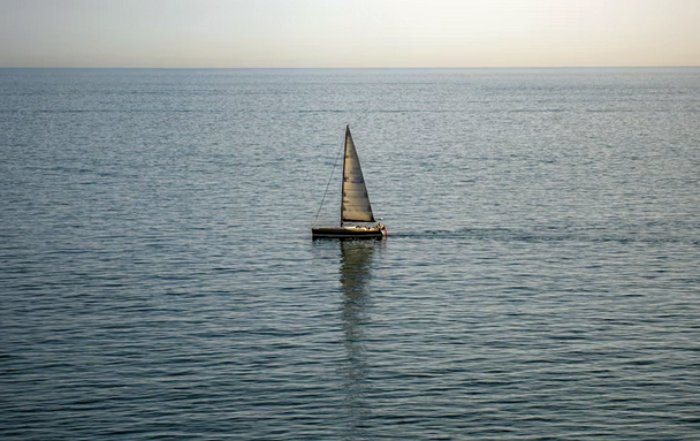
Solo sailing in 2026 stands at the intersection of refined seamanship, advanced marine technology and an increasingly sophisticated yachting culture, and for the international audience of yacht-review.com, it has matured from a niche passion into a strategic way of living, working and investing. Across North America, Europe, Asia-Pacific, Africa and South America, a growing number of owners and charterers are choosing to sail alone for extended periods, seeking destinations that combine challenging navigation with robust safety frameworks, authentic cultural experiences with privacy, and unspoiled nature with dependable marine infrastructure. This evolution is not only reshaping cruising itineraries; it is also influencing yacht design, equipment selection, service networks and the business models of shipyards and marinas that now recognize solo sailors as a distinct and demanding client segment.
For readers accustomed to evaluating vessels through the critical lens of the yacht-review.com reviews and boats sections, the question in 2026 is no longer whether solo sailing is feasible, but which regions deliver the most coherent combination of safety, comfort, performance and long-term value. The most compelling destinations share several characteristics: predictable seasonal weather, transparent regulations, well-maintained ports and marinas, high-quality repair and provisioning options, and a local culture that understands and supports visiting yachts. At the same time, these regions must align with an increasingly prominent sustainability agenda and the expectations of owners who follow developments in hybrid propulsion, digital navigation and low-impact cruising through the technology and sustainability coverage on yacht-review.com.
Solo Sailing in a Connected, Mobile World
The rise of solo sailing is tightly linked to broader social and economic transformations that have accelerated by 2026. Remote and hybrid work models are now entrenched in sectors from finance and technology to consulting and creative industries, enabling professionals in the United States, United Kingdom, Germany, Canada, Australia, France and beyond to spend months aboard their yachts while remaining fully engaged with their businesses. High-bandwidth satellite communications, supported by providers such as Inmarsat and Iridium, have moved from luxury to near-essential status, allowing video conferencing, real-time data exchange and remote system diagnostics even on ocean passages. Those who wish to understand the atmospheric and oceanic factors that underpin safe routing continue to rely on resources such as the U.S. National Oceanic and Atmospheric Administration, where they can access marine weather and climate information that supports both coastal and transoceanic planning.
This connectivity is complemented by rapid advances in onboard systems that directly benefit solo sailors. Integrated navigation suites, AI-assisted autopilots, electric winches, furling systems and remote monitoring platforms reduce physical workload and cognitive load, making it more realistic for a single person to manage complex yachts over long distances. The technical implications of these innovations are regularly examined in the yacht-review.com technology pages, where equipment is assessed not only for performance but also for reliability, redundancy and ease of use under real-world conditions. Solo sailors, who must rely on their own judgement and resilience, are particularly attentive to these factors, and they increasingly treat their yacht as a carefully curated ecosystem in which each component contributes to safety and self-sufficiency.
Mediterranean Routes: Classic Waters for Modern Solo Sailors
The Mediterranean remains one of the most strategically important regions for solo sailors in 2026, especially for those based in Europe, the United Kingdom and the Middle East, and for international owners who position their yachts seasonally between the Med and the Caribbean. Its dense network of marinas, relatively short legs between ports, rich cultural heritage and well-developed support services make it an ideal environment for both entry-level solo cruising and more advanced coastal and offshore itineraries. France, Italy, Spain, Greece and their island territories continue to anchor this ecosystem, while neighbouring countries along the Adriatic and eastern Mediterranean are investing in infrastructure that appeals to independent skippers.
On the French and Italian Rivieras, marinas such as Port Vauban in Antibes and Port Hercule in Monaco function as hubs where solo sailors can combine technical support, provisioning and high-level business meetings within a compact geographic area. The short distances between ports from Marseille to Genoa allow for flexible routing, enabling single-handed skippers to adjust plans according to weather, workload or professional commitments. For those evaluating which yacht configurations best support this style of cruising, the yacht-review.com design analysis offers insight into cockpit ergonomics, sail-handling systems, interior layouts and stability characteristics that directly affect solo operability.
Further south and east, Sardinia, Sicily and the Italian mainland coasts present a more varied mix of open-water passages and sheltered anchorages, requiring careful interpretation of local forecasts and sea states. Organizations such as the Royal Yachting Association continue to provide a technical foundation for safe navigation and seamanship, and sailors can explore training and safety resources that are frequently referenced by skippers planning single-handed journeys in these waters. Meanwhile, the Balearic Islands and the Greek archipelagos remain central to Mediterranean itineraries, offering a combination of predictable seasonal winds, robust charter operations, shoreside hospitality and diverse cultural encounters that appeal to solo sailors seeking both solitude and occasional social interaction.
For readers of yacht-review.com, the Mediterranean is also a living laboratory for observing how contemporary yacht design and refit strategies perform in dense, high-value cruising grounds. Through cruising features and regional news coverage, the platform tracks how owners from the United States, United Kingdom, Germany, Switzerland, the Netherlands and other key markets are adapting their vessels and itineraries to evolving marina availability, environmental regulations and seasonal crowding, all of which have direct implications for solo sailing strategies.
Caribbean Trade Winds and Transatlantic Ambitions
The Caribbean in 2026 continues to be one of the most attractive regions for solo sailors from North America, Europe and increasingly South America, combining reliable trade winds, clear waters and a mature yachting infrastructure that supports both short island hops and ambitious ocean passages. The chain of islands from the British Virgin Islands through Antigua, Martinique, Saint Lucia and down to Grenada offers a natural progression of routes that can be tailored to different experience levels, with well-marked channels, numerous anchorages and an extensive network of service providers that understand the needs of single-handed skippers.
For those focused on building or validating bluewater competence, the Caribbean also functions as a strategic pivot between the Atlantic and other basins. Passages between the Lesser Antilles, Bermuda, the U.S. East Coast and the Azores allow solo sailors to test their routing strategies, fatigue management and emergency preparedness under real ocean conditions. The standards and recommendations curated by World Sailing, the international federation recognized by the International Olympic Committee, remain a key reference point, and sailors can review offshore safety guidance when preparing for solo ocean crossings. Many of the yachts profiled in yacht-review.com cruising articles are evaluated with these routes in mind, with particular emphasis on hull strength, rig robustness, fuel capacity, water management and the redundancy of critical systems.
Environmental stewardship has become increasingly central to Caribbean yachting, and solo sailors are often at the forefront of low-impact cruising practices. Organizations such as Sailors for the Sea, now part of Oceana, provide practical frameworks for minimizing pollution, avoiding sensitive habitats and supporting local conservation initiatives, and those planning regional voyages can explore ocean-friendly cruising practices. For the yacht-review.com readership, these considerations intersect directly with vessel configuration decisions, from the adoption of solar and wind generation to the use of advanced blackwater systems and eco-friendly antifouling solutions, themes that recur in the platform's sustainability coverage.
Pacific and Asia-Pacific: Long Horizons and Technical Demands
The Pacific and wider Asia-Pacific region offer some of the most compelling yet technically demanding solo sailing destinations in 2026, drawing experienced skippers from Australia, New Zealand, the United States, Canada, Japan, South Korea, Singapore and an increasingly active Chinese yachting community. Distances are greater, weather systems more complex and logistical chains more stretched than in the Mediterranean or Caribbean, but the rewards include remote anchorages, access to rich and diverse cultures and the opportunity to test both vessel and skipper in conditions that demand meticulous preparation and disciplined execution.
Australia's east coast, from the Great Barrier Reef and the Whitsunday Islands down to Sydney and further south, remains a cornerstone of solo cruising in the Southern Hemisphere. The combination of well-charted waters, strong safety culture and modern marinas allows solo sailors to plan extended coastal voyages with a high degree of confidence, provided they respect local weather patterns and navigational hazards. The regulatory and safety framework overseen by the Australian Maritime Safety Authority is an important reference, and owners operating in Australian waters routinely consult AMSA to review maritime safety requirements when configuring their yachts and passage plans.
New Zealand, with its concentration of marine expertise and challenging but rewarding coastal geography, continues to attract solo sailors who value both technical excellence and scenic diversity. The Bay of Islands, Hauraki Gulf and Marlborough Sounds offer sheltered waters, while offshore passages to Fiji, Tonga and French Polynesia provide a natural progression into bluewater cruising. The country's long-standing reputation for innovative yacht building, including performance cruisers and compact explorers, is closely followed in the yacht-review.com business and global sections, where developments in the Australasian market are analysed for an international audience.
Further north, Southeast Asia has consolidated its position as a strategic solo sailing region, with Thailand, Malaysia and Singapore at the core of this growth. The Andaman Sea, centred on hubs such as Phuket and Langkawi, offers relatively benign conditions for much of the year, and the marina infrastructure has expanded to accommodate a rising number of international yachts. Singapore, with its world-class port facilities and status as a global financial centre, functions as both a logistical and professional base for owners who combine corporate responsibilities with regional cruising. In this context, the regulatory frameworks coordinated by the International Maritime Organization provide an essential backdrop, and many skippers consult the IMO to understand international maritime conventions that influence local regulations, safety standards and environmental requirements.
High Latitudes: Northern Europe and North Atlantic Frontiers
For solo sailors seeking a quieter, more introspective and visually dramatic experience, the high-latitude regions of Northern Europe and the North Atlantic have become increasingly prominent in 2026. Norway, Sweden, Denmark, Finland, Iceland and the Faroe Islands offer cruising grounds where long summer days, rugged coastlines and a deep maritime heritage create a distinctive atmosphere that contrasts sharply with tropical and temperate destinations. Owners from Germany, the Netherlands, Switzerland, the United Kingdom and the broader European market are increasingly commissioning or refitting yachts specifically configured for these conditions, with enhanced insulation, heating systems, robust ground tackle and protected cockpits that support single-handed operation in colder climates.
Norway's fjords, stretching from the Skagerrak up to the Lofoten Islands and beyond, offer sheltered yet technically engaging routes, where solo sailors must manage tidal currents, rapidly changing weather and limited daylight outside the summer months. Sweden's archipelagos, particularly around Stockholm and along the west coast, present intricate passages among thousands of islands, rewarding precise pilotage, careful chart work and a patient, methodical approach to navigation. The Baltic Sea more broadly, bordered by Germany, Poland, the Baltic states and the Nordic countries, combines cosmopolitan cities with quiet anchorages, allowing solo sailors to alternate between high-quality urban experiences and secluded natural settings that align with the reflective character of single-handed cruising.
Further into the North Atlantic, Iceland and the Faroe Islands attract a smaller but highly committed group of solo sailors who prioritize remoteness and challenge over convenience. These regions demand robust vessels, advanced cold-weather gear and a deep understanding of meteorology and oceanography. To support long-term planning and risk assessment in such environments, many skippers rely on the World Meteorological Organization, which provides access to global marine climate and weather information that can be integrated into routing and safety strategies. For the yacht-review.com audience, these high-latitude adventures also serve as a reference point for evaluating the durability and resilience of yachts reviewed in the reviews and history sections, where the evolution of expedition and explorer designs is documented in detail.
Lifestyle, Family Dynamics and the Solo Sailing Community
Despite its name, solo sailing in 2026 is rarely an entirely solitary pursuit; it is embedded within broader lifestyle choices, family structures and community networks that give it depth and sustainability. Many owners alternate between periods of single-handed voyaging and time aboard with partners, children or friends, using their yachts as adaptable platforms that support different modes of living. This dynamic is reflected in the yacht-review.com family and lifestyle features, which explore how interior layouts, safety systems and onboard amenities can be optimized for both independent operation and shared experiences.
For professionals dividing their time between major business centres in North America, Europe and Asia and extended stays aboard, solo sailing offers a structured form of disconnection from the constant demands of digital life. The discipline of route planning, maintenance, watch-keeping and self-care provides a counterbalance to screen-based work, while modern marinas in the Mediterranean, Caribbean, Pacific and Nordic regions function as social hubs where solo sailors can exchange knowledge, form partnerships and participate in regattas or cruising rallies. Many of these gatherings, from owner forums to regional boat shows, are documented in the yacht-review.com events and community coverage, which highlight how a global network of like-minded individuals underpins what might otherwise appear to be an isolated activity.
The demographic profile of solo sailors has also broadened considerably. In addition to established markets in the United States, United Kingdom, Germany, France, Italy, Spain, the Netherlands, Canada and Australia, there is growing participation from China, Singapore, South Korea, Japan, Brazil, South Africa, Malaysia and the Middle East. This diversification is influencing service expectations, design priorities and destination development, as marinas and shipyards adapt to a more international clientele with varied cultural backgrounds and professional needs. Through its global reporting, yacht-review.com tracks these shifts, providing readers with a strategic overview of how solo sailing is evolving as a truly worldwide phenomenon.
Technology, Risk Management and the Business Case for Solo Sailing
Underpinning the appeal of all these destinations is a technological and commercial framework that has made solo sailing more attainable, safer and more strategically compelling than in previous decades. Advances in electric and hybrid propulsion, energy storage, smart charging systems, digital switching and integrated monitoring have transformed the way yachts are designed, built and operated. For solo sailors, the ability to manage power flows, monitor systems remotely and automate routine tasks is not merely convenient; it is a fundamental enabler of safe and efficient operation. The yacht-review.com technology section regularly evaluates these developments, focusing on their practical implications for single-handed cruising in regions as diverse as the Mediterranean, Caribbean, Pacific and high latitudes.
From a business perspective, the growth of solo sailing is changing demand patterns in both the new-build and brokerage markets. There is sustained interest in high-quality yachts between approximately 35 and 60 feet that can be operated comfortably by one person, yet still offer transoceanic range, premium accommodation and the capacity to host family or business guests when required. Shipyards in Italy, France, Germany, the Netherlands and other leading yachting nations are responding with models that emphasize push-button sail handling, protected cockpits, efficient hulls and modular interior concepts. The economic and strategic implications of these trends are analysed in depth in the yacht-review.com business coverage, which connects product development in Europe, North America and Asia with changing owner behaviour in markets from the United States and United Kingdom to Singapore, China and Brazil.
Risk management remains central to any realistic assessment of solo sailing, particularly as more individuals undertake long passages and high-latitude voyages with minimal or no crew. Organizations such as World Sailing, the Royal Yachting Association and national coast guards are continuously refining their training syllabi, equipment recommendations and emergency protocols, emphasizing the importance of redundancy, communication and situational awareness. Solo sailors increasingly treat personal AIS beacons, satellite communicators, advanced man-overboard systems and comprehensive medical kits as standard equipment, integrating them into coherent safety plans that take into account the specific risks of each region. For the yacht-review.com audience, these considerations are inseparable from vessel selection and refit decisions, and they are discussed not only in technical articles but also in practical cruising narratives that document real-world experiences.
Sustainability and the Future Geography of Solo Sailing
Sustainability has moved from a peripheral concern to a defining parameter for the future of solo sailing destinations, and in 2026 it directly influences where and how responsible owners choose to cruise. Climate change, biodiversity loss and increasing regulatory pressure are reshaping the operational landscape in regions from the Mediterranean and Caribbean to the Pacific, Indian Ocean and polar seas. Many of the most desirable cruising grounds are now subject to marine protected areas, emission controls, anchoring restrictions and waste-management regulations designed to preserve fragile ecosystems while accommodating a growing number of yachts.
Solo sailors, who often develop a direct and personal attachment to the environments they traverse, are among the earliest adopters of technologies and practices that reduce environmental impact. Solar arrays, wind generators, hydro-generators, high-efficiency batteries, electric or hybrid drives and advanced water and waste systems are becoming common on yachts configured for long-term independent cruising. These developments are closely aligned with international frameworks promoted by organizations such as the United Nations Environment Programme, where readers can learn more about sustainable business and environmental practices, and by the International Maritime Organization, whose regulations on emissions, ballast water and pollution increasingly shape national and regional policies.
For yacht-review.com, sustainability is not treated as an isolated topic but as a thread running through design, business, travel and sustainability coverage. The platform examines how eco-focused marinas, destination management strategies, alternative fuels and circular-economy approaches to yacht construction and refit are influencing the future geography of solo sailing. Regions that combine strong environmental governance with high-quality infrastructure and welcoming local communities are likely to see sustained or increased traffic from discerning solo sailors, while those that fail to protect their natural assets may gradually lose appeal.
Looking ahead from 2026, the top destinations for solo sailing are best understood not as fixed points on a map, but as dynamic arenas where technology, regulation, culture and personal aspiration intersect. For the international readership of yacht-review.com, which spans the United States, United Kingdom, Germany, Canada, Australia, France, Italy, Spain, the Netherlands, Switzerland, China, Sweden, Norway, Singapore, Denmark, South Korea, Japan, Thailand, Finland, South Africa, Brazil, Malaysia, New Zealand and beyond, solo sailing represents a distinctive way to integrate professional ambition, personal development and a deep respect for the sea. Through continuous reporting across reviews, cruising, global and lifestyle sections, yacht-review.com will continue to document how these destinations evolve, and how a new generation of solo sailors reshapes the practice of yachting for a more connected, responsible and adventurous era.