

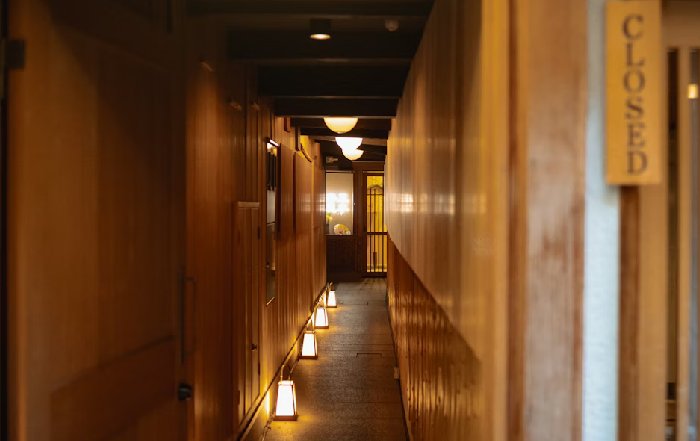
The Philosophy Behind Japanese Minimalist Yacht Interiors
Japanese minimalist yacht interiors have moved from niche curiosity to defining influence in high-end yacht design, reshaping expectations among owners, charter guests, and shipyards from the United States and Europe to Asia-Pacific and beyond. On the surface, this movement appears to be about clean lines, pale woods, and uncluttered spaces, yet the philosophy runs significantly deeper, drawing on centuries of Japanese aesthetics, contemporary sustainability thinking, and a refined understanding of how people actually live, work, and relax at sea. For yacht-review.com, which has followed this evolution from early concept boats to fully realized superyachts, Japanese minimalism is no longer a stylistic trend but a comprehensive design language that speaks to experience, expertise, authoritativeness, and trustworthiness in the global yachting industry.
From Zen Temples to Superyachts: Aesthetic Roots of Marine Minimalism
The philosophical underpinnings of Japanese minimalist yacht interiors trace directly to traditions such as Zen Buddhism and the aesthetic principles of wabi-sabi and ma, which have shaped Japanese architecture and design for centuries. Wabi-sabi embraces the beauty of imperfection and impermanence, while ma refers to the intentional use of empty space as a positive and active element, not a void to be filled. When these ideas are translated into a yacht interior, they encourage designers to think of each cabin, salon, and corridor as a carefully curated composition of volume, light, and material rather than as a series of rooms to be decorated.
Architectural historians often point to the influence of traditional Japanese houses, with their sliding shoji screens, tatami mat proportions, and intimate connection to nature, as a blueprint for contemporary minimalism. Publications such as Japan House London have helped Western audiences understand how these principles function in daily life, and by extension, how they can be adapted to the confined yet highly engineered world of yacht interiors. For yacht owners in Germany, Switzerland, and the Netherlands, who typically value precision and restraint, this heritage offers a compelling alternative to more ornate Mediterranean or classic British nautical styles.
On yacht-review.com, the shift is evident in the way recent design-focused features describe interiors that prioritize proportion, light, and flow rather than decorative abundance. Here, Japanese minimalism is not presented as an exotic import but as a mature, globally relevant design philosophy that harmonizes with cutting-edge naval architecture and advanced onboard technology.
Ma at Sea: Space, Light, and Flow in Confined Environments
Space on a yacht is inherently constrained, whether on a 20-meter family cruiser in Australia or a 90-meter superyacht based in Monaco and cruising worldwide, which makes the Japanese concept of ma particularly powerful. Instead of fighting the limitations of a hull's volume, Japanese-inspired designers accept and emphasize them, using negative space to create a sense of calm and generosity where square meters are limited. Long sightlines through salons, continuous floor levels, and carefully aligned openings create visual depth that makes compact spaces feel expansive.
This approach is especially visible in open-plan main decks where dining, lounging, and entertainment zones are defined by subtle shifts in ceiling height, lighting temperature, or material texture rather than by walls or heavy furniture. The result is a fluid circulation route that allows guests to move intuitively from interior lounges to exterior decks, echoing the indoor-outdoor integration seen in contemporary Japanese residences and boutique hotels. Those interested in evolving trends in interior and exterior layouts can explore related perspectives in the boats and models coverage on yacht-review.com, where the emphasis increasingly falls on how space feels and functions, not simply how large it is.
For owners in the United States, United Kingdom, and Canada, who often use yachts as mobile offices, social hubs, and family retreats, this emphasis on flow translates into spaces that flex between quiet solitude and convivial gatherings without reconfiguration chaos. In practice, that means fewer fixed partitions, more sliding panels, and integrated storage that keeps personal items close at hand yet visually concealed, preserving the calm visual field that is central to Japanese minimalism.
Material Honesty and Tactile Authenticity
Japanese minimalist yacht interiors rely on a disciplined palette of natural, honest materials that age gracefully and communicate a sense of authenticity. Light-toned woods such as ash, oak, and hinoki-inspired finishes, neutral textiles in cotton, linen, and wool, and stone surfaces with subtle veining form the foundation of this aesthetic. Rather than using high-gloss veneers or heavily lacquered surfaces that reflect every beam of artificial light, designers favor matte or satin finishes that soften reflections and invite touch.
This material honesty is not merely a visual preference; it is also a response to the realities of marine environments. Natural finishes can be repaired and maintained more easily than complex high-gloss systems, and they tend to show wear as patina rather than damage, aligning with wabi-sabi's appreciation of time and use. Industry observers following developments on platforms such as Dezeen and Architectural Digest have noted how leading European and Japanese studios are collaborating to adapt traditional Japanese joinery, paper-like panels, and textured plaster to meet strict maritime safety and durability standards.
Within the editorial framework of yacht-review.com, this material focus is often discussed alongside advancements in sustainable sourcing, as seen in sustainability coverage, where the provenance of wood, stone, and textiles is evaluated as rigorously as their aesthetic contribution. Owners in Scandinavia, the Netherlands, and New Zealand, markets that are particularly sensitive to environmental impact, increasingly request verifiable chain-of-custody documentation for timber and insist on low-emission finishes, ensuring that Japanese-inspired interiors align with both ethical and regulatory expectations.
Quiet Luxury for Global Owners: Minimalism as Status and Strategy
In the global yachting capitals of Europe, North America, and Asia, conspicuous consumption has gradually given way to what analysts describe as "quiet luxury," a shift that aligns naturally with Japanese minimalist interiors. Rather than broadcasting wealth through gilded fixtures and lavish ornamentation, owners in markets such as France, Italy, Singapore, and Japan itself are opting for interiors that project discretion, cultural literacy, and emotional intelligence. The value lies in precise craftsmanship, balanced proportions, and the quality of the onboard experience rather than in overt displays of opulence.
This evolution has strategic implications for the yacht business. Charter brokers report that minimalist Japanese-inspired interiors photograph exceptionally well for digital listings and social media, yet remain timeless enough that they do not feel dated after a few seasons. As discussed in the business analysis section of yacht-review.com, this timelessness protects resale values and broadens appeal across different age groups and cultural backgrounds, from tech entrepreneurs in California and South Korea to financiers in London and Zurich.
Market research from organizations such as McKinsey & Company and Deloitte further supports the notion that affluent consumers, particularly in the United States, China, and the Gulf states, are gravitating toward brands and experiences that demonstrate substance and restraint. Japanese minimalist yacht interiors, with their emphasis on calm, clarity, and meaningful detail, fit squarely within this broader luxury narrative, reinforcing the perception of the owner as thoughtful, globally aware, and future-oriented.
Human Wellbeing at the Core: Psychology of Calm Interiors
The psychological benefits of minimalist interiors are increasingly cited by designers and owners alike, and Japanese philosophy provides a coherent framework for understanding why these spaces feel so restorative. Clutter and visual noise have been linked in numerous studies to increased stress, reduced focus, and lower perceived wellbeing. In contrast, the controlled environment of a Japanese-inspired yacht interior, with its limited color palette, orderly storage, and balanced lighting, functions almost as a floating retreat.
Research from organizations such as the American Psychological Association and leading wellness institutes underscores the importance of environmental design in regulating mood and cognitive performance. When applied to a yacht, where guests may be working remotely, schooling children, or decompressing between intense business commitments, these findings become highly practical. Owners in the United Kingdom, Germany, and Australia who frequently use their yachts as multi-generational gathering spaces report that minimalist layouts reduce friction: children have clear zones for play, adults enjoy quiet corners for reading or calls, and the entire family benefits from a sense of order and calm.
On yacht-review.com, the family-oriented segment of the readership has shown particular interest in how interiors support wellbeing, as reflected in the family and lifestyle features. Japanese minimalism, with its emphasis on harmony and intentionality, offers a compelling blueprint for yachts that serve not just as status symbols but as platforms for healthier, more connected lives at sea.
Technology Hidden in Plain Sight: Seamless Integration Below the Surface
One of the defining challenges of minimalist yacht interiors is integrating increasingly complex technology without disrupting the visual serenity that owners expect. Navigation systems, audiovisual networks, climate control, connectivity hardware, and security devices must all be accommodated within a design language that resists visible clutter. Japanese-inspired solutions tend to favor concealment and transformation: screens that rise silently from credenzas, speakers embedded behind fabric panels, and control interfaces that appear only when needed.
Shipyards and technology partners have responded with modular, low-profile systems specifically designed for discreet installation. Touch-sensitive wall panels, recessed LED lighting with tunable color temperatures, and centralized digital platforms that manage entertainment, blinds, and climate from a single tablet or smartphone are now standard on many new builds. Those wishing to explore the technical side of this evolution can find additional context in the technology coverage on yacht-review.com, where case studies highlight how engineering teams collaborate with interior designers to maintain both aesthetic purity and operational reliability.
Industry-wide initiatives led by classification societies and innovation forums, such as those reported by DNV and Lloyd's Register, have further pushed for integrated, cyber-secure systems that can be maintained and upgraded without invasive refits. For owners in technologically advanced markets like Japan, South Korea, Singapore, and the United States, this convergence of minimalism and digital sophistication is particularly attractive, enabling them to enjoy a serene onboard environment without sacrificing connectivity or performance.
Sustainability and Ethical Luxury: Minimalism as Environmental Strategy
The sustainability dimension of Japanese minimalist yacht interiors has become increasingly important by 2026, especially as regulatory frameworks tighten in Europe and awareness grows in North America, Asia, and Oceania. Minimalism naturally reduces material consumption, yet the philosophy goes beyond using "less" to emphasize using "better." Designers and shipyards are prioritizing certified woods, low-VOC finishes, recycled or recyclable textiles, and energy-efficient lighting systems that align with international environmental standards.
Organizations such as the World Wildlife Fund and the International Maritime Organization have highlighted the broader ecological impact of maritime activities, prompting owners to reconsider not only propulsion and fuel choices but also interior fit-out. Japanese-inspired interiors, with their preference for natural materials and long-lived, repairable furnishings, reduce lifecycle waste and support a more circular approach to yacht construction and refit.
For readers of yacht-review.com, the intersection of sustainability and design is a recurring theme in the global and sustainability sections, where analysts explore how environmental considerations influence both aesthetic decisions and operational patterns. Owners in Scandinavia, the Netherlands, New Zealand, and Canada, who often cruise ecologically sensitive regions such as the Arctic, South Pacific, and remote parts of South America and Africa, see Japanese minimalism as a way to align their personal values with their yachting lifestyle, demonstrating that luxury and responsibility can co-exist.
Cultural Fusion: Japanese Minimalism Meets Western Nautical Heritage
While pure Japanese interiors can be compelling, most yacht projects serving global clients in the United States, Europe, and Asia favor a nuanced fusion that respects both Japanese principles and Western nautical heritage. Designers might combine tatami-inspired floor grids and low-slung furniture with traditional marine materials such as teak decking and navy textiles, or they may reinterpret classic yacht elements-like the captain's chair or chart table-through a minimalist lens.
This cross-cultural dialogue is particularly evident in yachts built in Italy, the Netherlands, Germany, and the United Kingdom, where long-established shipyards collaborate with Japanese or Japan-influenced studios. The result is often an interior that feels familiar to Western owners yet subtly different in its restraint and attention to negative space. Articles in the history section of yacht-review.com trace how earlier eras favored ornate woodwork and heavy fabrics, making the current embrace of Japanese minimalism a significant historical pivot.
In Asia, especially in Japan, China, Thailand, and Singapore, domestic owners sometimes push the fusion further, integrating traditional art, ceramics, or calligraphy into otherwise minimalist spaces, creating a layered narrative that reflects personal heritage. This culturally aware approach reinforces the idea that Japanese minimalism is not a rigid formula but a flexible framework that can absorb and elevate local influences from Europe, North America, South America, Africa, and the broader Asia-Pacific region.
Experiential Cruising: Minimalism and the Way Yachts Are Used
The philosophy behind Japanese minimalist yacht interiors is closely tied to evolving patterns of cruising and onboard life. As owners and charterers increasingly favor longer itineraries-crossing from the Mediterranean to the Caribbean, exploring the fjords of Norway, or venturing to remote islands in the Pacific-the yacht becomes less a floating hotel and more a second home or headquarters. Minimalist interiors, with their emphasis on comfort, adaptability, and psychological calm, are particularly well suited to these extended stays.
In practice, this experiential focus means that layouts prioritize flexible communal spaces, generous yet understated cabins, and seamless transitions between interior and exterior living. Large windows, sliding glass doors, and covered terraces blur the boundary between the controlled environment inside and the ever-changing seascape outside, echoing Japanese architecture's traditional engagement with gardens and landscapes. Readers of yacht-review.com who follow cruising and travel stories will recognize this shift in narratives that prioritize how a yacht feels during a month-long voyage rather than during a single glamorous weekend.
Owners in markets as diverse as Brazil, South Africa, the United States, and Australia increasingly describe their yachts as platforms for meaningful experiences-family reunions, remote work sabbaticals, cultural exploration-rather than as static symbols of status. In this context, Japanese minimalism becomes a tool for enhancing presence and mindfulness on board, allowing guests to focus on the horizon, the conversation, or the task at hand rather than on visual clutter or ostentatious decoration.
The Role of Expertise: Designers, Shipyards, and Trusted Media
The successful execution of Japanese minimalist yacht interiors depends on a high level of expertise across design, engineering, and project management. Achieving perfect alignment of panels, invisible hardware, silent sliding doors, and consistent material tones requires meticulous planning and craftsmanship. Leading shipyards in Italy, the Netherlands, Germany, and Turkey increasingly partner with specialized design studios that have experience in Japanese residential or hospitality projects, recognizing that superficial imitation is insufficient.
Trusted media platforms such as yacht-review.com play a critical role in distinguishing genuine expertise from trend-driven marketing. Through in-depth reviews and news coverage, the editorial team evaluates not only the visual impact of minimalist interiors but also their practicality, durability, and coherence with the yacht's intended use. By asking detailed questions about joinery techniques, material sourcing, and long-term maintenance, the publication reinforces its reputation for authoritativeness and trustworthiness among readers in North America, Europe, Asia, and beyond.
Industry conferences and design awards, many of which are reported in the events and community sections, further validate best practices and highlight exemplary projects. As more designers and shipyards adopt Japanese minimalist principles, the bar for quality continues to rise, making independent, expert commentary increasingly valuable to prospective owners and charter clients who must navigate a crowded field of offerings.
Sailing Ahead: The Future of Japanese Minimalism in Yacht Design
Japanese minimalist yacht interiors have firmly established themselves as a defining current within global yacht design, yet the philosophy continues to evolve. Emerging directions include deeper integration of biophilic elements-such as living walls, natural ventilation strategies, and daylight optimization-alongside advanced smart systems that anticipate user needs while remaining visually discreet. As decarbonization initiatives accelerate and alternative propulsion technologies mature, interior spaces will likely become even quieter and more serene, amplifying the appeal of minimalist aesthetics.
For yacht-review.com, which serves a readership spanning the United States, United Kingdom, Germany, Canada, Australia, France, Italy, Spain, the Netherlands, Switzerland, China, Scandinavia, and far beyond, Japanese minimalism represents more than a design style; it is a lens through which to examine how luxury, sustainability, culture, and technology intersect at sea. In upcoming lifestyle and global features, the editorial team will continue to explore how this philosophy shapes not only the look of yacht interiors but also the behaviors, expectations, and values of those who spend time on board.
As owners and designers in Europe, Asia, Africa, South America, and North America refine their understanding of what true luxury means in an era of heightened environmental awareness and digital saturation, the calm, disciplined, and deeply human-centered qualities of Japanese minimalist yacht interiors are likely to remain at the forefront of innovation. In this ongoing evolution, the combination of cultural depth, technical excellence, and experiential focus ensures that Japanese minimalism at sea will endure not as a passing fashion, but as a lasting expression of thoughtful, responsible yachting in a global context.