

Cruising the Great Lakes: An Underrated Adventure
A Blue-Water Mindset in Freshwater
Today seasoned yacht owners and charter guests are increasingly re-evaluating what defines a world-class cruising ground, and in conversations with the editorial team at yacht-review.com, one destination keeps resurfacing with a mixture of surprise and admiration: the Great Lakes of North America. Stretching across the United States and Canada, this inland freshwater system offers a cruising experience that combines ocean-like horizons, sophisticated maritime infrastructure, and a depth of cultural and natural diversity that many long-range cruisers have yet to fully appreciate. For an audience accustomed to Mediterranean glamour or Caribbean ease, the notion that Lakes Superior, Michigan, Huron, Erie, and Ontario could rival more established yachting playgrounds might once have sounded improbable, yet the last decade has seen a quiet transformation in marinas, refit yards, and lifestyle offerings around these waters, turning the region into a credible, and often more sustainable, alternative to traditional routes.
From the perspective of yacht-review.com, which has spent years examining both blue-water passagemaking and coastal cruising in detail, the Great Lakes now represent a compelling intersection of technical seamanship, evolving yacht design, and premium lifestyle experiences. While the region has always attracted dedicated sailors and trawler owners, the post-2020 shift in travel patterns, combined with rapidly advancing onboard technology and changing climate realities, has prompted more owners from the United States, Canada, Europe, and Asia to look inland for extended voyages. The result is a growing recognition that Great Lakes cruising is not a compromise but a distinct and rewarding adventure, worthy of the same careful evaluation and in-depth cruising analysis that a transatlantic passage or Pacific circuit would command.
Geography, Scale, and the Ocean Illusion
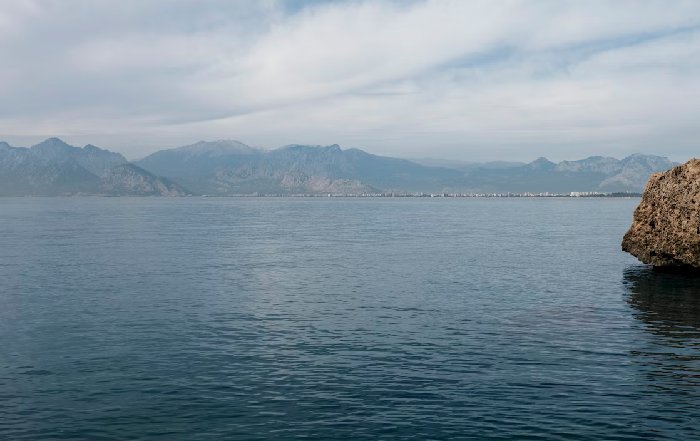
To understand why the Great Lakes remain underrated, it is useful to begin with their sheer physical scale, which many first-time visitors underestimate. According to data from the U.S. National Oceanic and Atmospheric Administration, the Great Lakes together hold roughly 21 percent of the world's surface freshwater, and a yacht crossing Lake Superior or Lake Michigan can experience fetch, wave patterns, and weather systems that feel remarkably similar to mid-ocean conditions. On clear days, the horizon stretches unbroken; on rough days, the steep chop generated by relatively shallow depths can test hull forms and stabilisation systems as thoroughly as any coastal storm in the North Atlantic. For owners and captains used to blue-water passages, this combination of vastness and variety can be both technically engaging and operationally demanding, underscoring the need for serious passage planning and a yacht whose design has been evaluated with the same rigor found in the technical and design features covered regularly on yacht-review.com.
The geography of the region offers remarkable route flexibility. A yacht can enter from the Atlantic via the St. Lawrence Seaway, transit between lakes through a network of locks and canals, and ultimately exit toward the Gulf of Mexico via the Illinois Waterway and the Mississippi River, creating a loop that is as logistically complex as many circumnavigation segments. For international owners, especially from the United Kingdom, Germany, the Netherlands, and the Nordic countries, this inland waterway system provides a rare opportunity to combine long-range inland cruising with urban cultural immersion in cities such as Chicago, Toronto, Cleveland, Detroit, Milwaukee, and Montreal. This interplay between remote anchorages and major metropolitan centers is one of the defining characteristics that makes the Great Lakes so attractive to owners seeking both adventure and comfort.
Yacht Design and Technical Considerations for Great Lakes Cruising
Cruising the Great Lakes in 2026 places specific demands on yacht design, engineering, and systems integration, and these demands are increasingly shaping the decisions of owners who plan to base vessels seasonally in the region. Hull design must account for steep, short-period waves that can develop rapidly under strong winds, particularly on Lakes Superior and Erie, where weather conditions can shift with little warning. Semi-displacement and full-displacement hulls with robust stabilisation, either via fins or gyros, are often favored by experienced captains, while planing yachts operating at higher speeds must be prepared for abrupt sea-state changes and the need to throttle back when conditions deteriorate. Builders in the United States, Canada, and Europe that serve Great Lakes owners, including respected names in the trawler and expedition segment, increasingly tailor insulation, heating, and glazing packages to accommodate cooler shoulder seasons and the extended cruising windows that climate change is gradually opening in northern latitudes.
The capacity for flexible draft is another important consideration, particularly for yachts exploring shallower harbors, river approaches, and less-developed marinas. Owners of sailing yachts must carefully evaluate mast height when planning routes through bridges and locks, especially if they intend to integrate Great Lakes cruising into a larger North American itinerary. The editorial team at yacht-review.com has observed that many successful Great Lakes programs rely on yachts in the 50- to 110-foot range, balancing liveaboard comfort with the maneuverability required for locks and compact harbor spaces. For readers considering a new build or refit tailored to this environment, the practical insights found in the platform's boat and yacht reviews offer a useful reference point, particularly when combined with discussions with naval architects familiar with inland and coastal hybrid designs.
Technological advancement has also reduced some of the perceived barriers to Great Lakes cruising. High-resolution weather routing, AIS integration across busy shipping lanes, and improved charting from authorities such as the Canadian Hydrographic Service and NOAA have enhanced navigational safety and situational awareness. Owners deploying advanced energy systems-lithium batteries, solar arrays, and high-efficiency generators-can now enjoy extended periods at anchor in remote bays without sacrificing hotel loads, a development that aligns with the growing emphasis on sustainable yacht operations and the broader shift toward responsible cruising practices that yacht-review.com regularly examines in its technology coverage.
Seasonal Windows, Weather Patterns, and Safety
For many prospective visitors from Europe, Asia, and the Southern Hemisphere, the primary psychological barrier to Great Lakes cruising is the perception of a short and unforgiving season. While winter ice and harsh storms remain defining features of the region, climate data compiled by organizations such as Environment and Climate Change Canada and the National Weather Service show that the effective boating season has lengthened modestly over recent decades, with more stable conditions from late May through early October. During this window, temperatures can be remarkably pleasant, particularly on Lakes Michigan and Huron, where summer days often combine warm air with refreshing freshwater swimming conditions.
However, the lakes demand respect, and experienced captains treat them with the same seriousness as open ocean. Rapidly developing squalls, powerful thunderstorms, and the phenomenon of lake-effect weather require disciplined monitoring of forecasts and a conservative approach to routing. The region's long history of commercial shipping has left a legacy of wrecks and cautionary tales, many documented by institutions such as the Great Lakes Shipwreck Museum and regional maritime historical societies, which serve as sobering reminders that even modern yachts must approach these waters with humility. For owners considering a seasonal base, investing time in understanding local meteorology, as well as engaging crew with prior Great Lakes experience, can significantly enhance both safety and enjoyment.
The safety infrastructure across the region is comparatively strong, with U.S. Coast Guard and Canadian Coast Guard stations strategically located around the lakes, and a dense network of marinas, harbors of refuge, and shipyards capable of handling complex repairs and refits. This support environment, combined with the region's proximity to major aviation hubs in Chicago, Detroit, Toronto, and Montreal, makes the Great Lakes an attractive option for family-oriented programs where guests may wish to embark or disembark at various ports during a multi-week itinerary. For readers of yacht-review.com who prioritize safety and logistical efficiency in their cruising plans, these factors significantly enhance the region's appeal.
Lifestyle Ashore: Cities, Culture, and Culinary Experiences
One of the most compelling aspects of Great Lakes cruising in 2026 is the seamless integration of yacht-based living with sophisticated urban and cultural experiences ashore. Cities such as Chicago, with its iconic skyline, world-class restaurants, and renowned institutions like the Art Institute of Chicago, offer a level of cultural richness that rivals major coastal capitals. A yacht berthed at a downtown marina can serve as a private waterfront residence, with guests stepping ashore to enjoy theater, architecture tours, and fine dining before retreating to the quiet of the lake at night. Similarly, Toronto has emerged as one of the most globally connected cities in North America, with a diverse culinary scene, vibrant arts districts, and access to nearby wine regions that can be easily incorporated into a cruising itinerary.
Smaller ports and lakeside communities offer a different but equally attractive lifestyle dimension. Towns in Michigan's Leelanau Peninsula, Wisconsin's Door County, and Ontario's North Channel region combine charming waterfronts, boutique accommodations, and high-quality local produce, including wines, craft beers, and farm-to-table cuisine that align with the preferences of discerning yacht owners. For European guests, the fusion of North American hospitality with a strong sense of local identity can be particularly appealing, while visitors from Asia and Australia often appreciate the region's relative lack of overt commercialization compared with more heavily trafficked Mediterranean or Caribbean hotspots. For those who follow the lifestyle features on yacht-review.com, the Great Lakes present a nuanced blend of relaxed lakeside living and high-end urban sophistication that is difficult to replicate elsewhere.
Cultural and historical attractions further enrich the experience. Museums such as the Henry Ford Museum of American Innovation near Detroit, maritime heritage centers along the shores of Lake Superior, and indigenous cultural sites across both the U.S. and Canadian sides of the lakes provide depth and context to the cruising journey. For families, the opportunity to combine onboard comfort with educational excursions ashore can turn a summer cruise into a memorable and formative experience, aligning closely with the family-oriented cruising narratives that yacht-review.com has highlighted in its family cruising coverage.
Environmental Stewardship and Sustainable Cruising
In 2026, no serious discussion of a cruising region can ignore the environmental dimension, and in the case of the Great Lakes, this aspect is particularly salient. The lakes are both an ecological treasure and a critical freshwater resource for tens of millions of people in the United States and Canada, making responsible yacht operations not only a matter of personal ethics but also of regional stewardship. Organizations such as the International Joint Commission and various Great Lakes conservation groups have spent decades monitoring water quality, invasive species, and pollution, and their findings underscore the importance of minimizing discharge, fuel spills, and waste from recreational vessels.
Owners who have already embraced more sustainable practices in the Mediterranean, Caribbean, or South Pacific will find that many of the same principles apply here. Efficient routing to reduce fuel burn, careful management of grey and black water, and the use of environmentally friendly cleaning products are all part of a modern, responsible cruising program. Advances in hybrid propulsion and shore power infrastructure in marinas around cities such as Chicago, Toronto, and Cleveland allow yachts to reduce generator use while alongside, cutting both emissions and noise pollution. For those seeking to deepen their understanding of best practices, leading global organizations provide extensive guidance on how to learn more about sustainable business practices, which can be adapted thoughtfully to the yachting context.
The editorial stance of yacht-review.com has consistently emphasized that sustainability and luxury are not mutually exclusive, and the Great Lakes offer a prime example of how environmentally conscious cruising can coexist with high-end experiences. Many marinas and waterfront communities in the region now promote eco-certification, shoreline restoration projects, and educational initiatives aimed at both local boaters and visiting yachts. Readers who follow the platform's dedicated sustainability section will recognize the alignment between these regional efforts and the broader movement toward more responsible yachting worldwide, from Europe and the United Kingdom to Asia-Pacific markets such as Australia, New Zealand, and Singapore.
Business, Investment, and the Emerging Great Lakes Yachting Economy
Beyond lifestyle and seamanship, the Great Lakes represent a growing business opportunity within the global yachting industry. Over the past decade, marinas, shipyards, and service providers around the lakes have invested significantly in infrastructure upgrades, responding to increased demand from both domestic and international yacht owners. Dry-stack facilities, heated storage for winter lay-up, and full-service refit yards capable of handling complex mechanical, electrical, and interior projects have emerged in key hubs, often at cost structures that are competitive compared with major coastal centers in Florida, the Mediterranean, or Southeast Asia. For family offices and private investors with an interest in marine infrastructure, there is a compelling case for viewing the Great Lakes as an emerging, rather than mature, yachting market, with room for growth in charter operations, concierge services, and high-end marina developments.
From the vantage point of yacht-review.com, which closely tracks business trends in yachting, the region is at an inflection point. Charter regulations, cross-border taxation issues, and insurance considerations remain more complex than in traditional yachting hubs, yet the potential upside is significant. Yacht charter clients from the United States, Canada, and Europe are increasingly seeking differentiated experiences, and a week-long or multi-week itinerary on the Great Lakes can provide a unique selling proposition for charter brokers and management companies. Furthermore, as climate change and geopolitical tension affect cruising patterns in parts of the Mediterranean, Black Sea, and certain Asian waters, the relative stability and security of North American inland waters become more attractive, particularly for risk-averse owners and corporate clients.
The editorial team has also observed a growing ecosystem of local and regional events-boat shows, regattas, and waterfront festivals-that help anchor the yachting calendar in the region. These events, which are regularly highlighted in the news and events coverage on yacht-review.com, contribute to a sense of community and continuity, encouraging repeat visitation and investment. For European builders, particularly from Italy, the Netherlands, Germany, and the United Kingdom, the Great Lakes represent an expanding market for both new builds and brokerage sales, supported by improved logistics for transport and commissioning.
Community, Family, and the Human Dimension of Inland Cruising
While technical considerations and business potential are critical, the true measure of a cruising region often lies in the human experiences it enables. The Great Lakes excel in this dimension, offering a balance between solitude and sociability that many owners find increasingly valuable. Remote anchorages in the North Channel of Lake Huron or along the rugged coasts of Lake Superior allow families to disconnect from digital overload, spending days kayaking, paddleboarding, hiking, and simply enjoying the quiet beauty of freshwater landscapes. Even for owners who divide their time between the Mediterranean and North America, these periods of relative isolation can become some of the most cherished memories of their yachting lives.
At the same time, the region's marinas and yacht clubs foster a strong sense of community, with local boaters often eager to share knowledge, recommendations, and hospitality with visiting yachts. For owners traveling with children or multi-generational family groups, this blend of independence and community can be particularly appealing, offering both privacy and social engagement as desired. The family-centric focus that runs through many of the stories and features in the community section of yacht-review.com resonates strongly with the ethos of Great Lakes cruising, where shared experiences-sunset barbecues on deck, impromptu dockside gatherings, or joint excursions to local farmers' markets-often become the highlights of the season.
For international visitors, especially from regions such as Europe, Asia, and Australia, there is also the opportunity to gain a nuanced understanding of North American culture that goes beyond coastal stereotypes. Conversations with local fishermen in small harbors, visits to indigenous cultural centers, and participation in regional festivals or regattas can provide a richer, more grounded perspective on the communities that depend on and care for these waters. This human dimension reinforces the idea that cruising the Great Lakes is not merely a geographical choice but a deliberate engagement with a distinct maritime culture.
Positioning the Great Lakes in a Global Cruising Strategy
For owners and captains planning multi-year cruising programs that span continents, the question is not whether the Great Lakes can replace established destinations such as the Mediterranean, Caribbean, or South Pacific, but how they can complement them. In this context, the Great Lakes function as a sophisticated seasonal option within a global strategy, particularly for yachts based in North America or those willing to transit via the St. Lawrence Seaway. A yacht might spend winters in Florida or the Caribbean, then reposition north in late spring to enjoy a Great Lakes season from June through September, before returning south ahead of winter. For European or Asian owners, chartering a locally based yacht on the Great Lakes can provide a low-commitment introduction to the region, informing future decisions about transatlantic repositioning or seasonal basing.
The editorial perspective at yacht-review.com emphasizes that making such decisions requires a comprehensive understanding of vessel capabilities, crew expertise, logistical support, and personal priorities. Readers are encouraged to consult the platform's extensive review archives, travel-focused features, and global yachting insights to map out how a Great Lakes season might integrate into their long-term cruising ambitions. For some, the lakes will become a recurring summer destination; for others, they may represent a once-in-a-lifetime inland expedition that adds depth and variety to an already rich cruising résumé.
As the industry continues to evolve in response to technological innovation, environmental pressures, and shifting client expectations, the Great Lakes stand out as a region whose time has come. Underappreciated for decades, these inland seas now offer an alluring combination of technical challenge, natural beauty, cultural richness, and business potential. For the discerning audience of yacht-review.com, which values experience, expertise, authoritativeness, and trustworthiness in every cruising decision, the message in 2026 is clear: cruising the Great Lakes is no longer a niche pursuit but a sophisticated, rewarding adventure that deserves a prominent place on the global yachting map.