

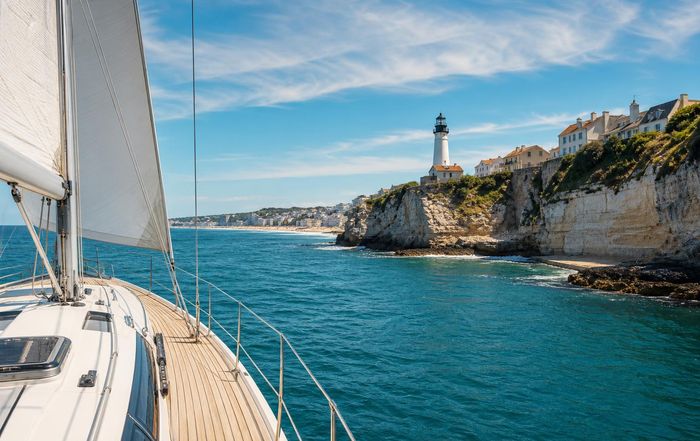
French Atlantic Coast Cruising by Yacht: A Strategic Passage and Lifestyle Journey
Cruising the French Atlantic coast by yacht has evolved from a seasonal pastime into a sophisticated blend of bluewater passage-making, lifestyle exploration, and investment in high-quality maritime infrastructure. For owners, captains, and charter professionals who follow Yacht Review, this stretch of coastline from the Belgian border to the Spanish frontier offers not only a classic north-south migration route, but also a case study in how Europe's mature yachting markets are redefining coastal development, sustainability and guest experience.
A Maritime Corridor of Strategic Importance
The French Atlantic façade, extending over roughly 2,700 kilometers of coastline, functions as a key corridor between Northern Europe and the Western Mediterranean. Yachts transiting between the English Channel and the Iberian Peninsula, or crossing to the Caribbean, often use the region's ports as stepping stones, combining technical stops with high-end cruising. According to data published by Voies Navigables de France and the French maritime authorities, traffic through the Channel approaches and Bay of Biscay remains dense, with commercial shipping, fishing fleets and recreational craft sharing constrained sea lanes, which makes the availability of well-equipped, professionally managed marinas strategically important for safe and efficient passage planning.
From a business perspective, the region's role as a gateway is reinforced by the presence of major shipyards and refit facilities. La Rochelle, Lorient, Bordeaux and Saint-Nazaire host a mix of commercial and yachting infrastructure. While the large shipyards in Saint-Nazaire are primarily known for cruise ships and naval construction, the surrounding ecosystem of subcontractors, engineers and maritime service providers benefits yacht projects as well, particularly in refit and technical upgrades. Owners seeking to integrate advanced navigation, hybrid propulsion or connectivity solutions can often find specialist expertise along this coast, complementing the technology trends covered in more detail in the Yacht-Review.com technology section at yacht-review.com/technology.html.
Regional Overview: From Channel Tides to Biscay Swell
Experienced captains often divide French Atlantic cruising into three broad zones, each with distinct navigational and lifestyle characteristics: the northern Channel approaches, the central Biscay islands and estuaries, and the southern Basque coastline towards Spain.
In the north, from Dunkirk down to Brittany, the tidal range is significant and currents can be strong, particularly in areas such as the Raz de Sein and around the islands off the Breton coast. Ports like Brest and Lorient have invested in marina infrastructure that can handle both extended cruising yachts and technical stopovers. The region has also become a hub for offshore racing, with events supported by organizations such as OC Sport Pen Duick, which helps maintain a culture of high-performance sailing and weather-savvy seamanship. Industry professionals following developments in offshore racing can track the latest race news and technical innovations through sources such as World Sailing and The Ocean Race, which frequently feature teams based or trained in French Atlantic ports.
Further south, the coastline softens into a series of estuaries, islands and wide sandy bays. The Île de Ré, Île d'Oléron and Île d'Yeu form a classic island-hopping triangle that combines sheltered anchorages with charming harbours and high-end shore facilities. The area around La Rochelle is particularly active; the city is home to one of Europe's largest marinas, Port des Minimes, and regularly hosts international boat shows and multihull gatherings. Visitors interested in design trends and new builds emerging from this ecosystem can explore yacht and catamaran assessments in the Yacht-Review.com reviews archive at yacht-review.com/reviews.html.
Approaching the southwest, the Gironde estuary and Bordeaux region offer a unique blend of river navigation and wine-country tourism, while the Basque coast around Bayonne and Biarritz provides a final Atlantic stop before crossing into Spain. The Bay of Biscay's reputation for heavy weather remains well founded, particularly during the shoulder seasons, but modern forecasting from services such as Météo-France and Météo Consult Marine has significantly improved the ability of yachts to time passages safely. Up-to-date marine forecasts and advisories can be accessed through Météo-France's marine portal, which is widely used by French skippers and international captains alike.
Design and Marina Infrastructure: A Mature, Evolving Offer
For yacht owners and managers assessing where to base a vessel or plan a refit, the design and quality of marina infrastructure along the French Atlantic coast is a decisive factor. Over the past two decades, local authorities and private operators have invested in expanding berthing capacity, upgrading shore power, and integrating services that meet the expectations of both private yachts and charter fleets.
Marinas such as Port de La Rochelle, Port Crouesty in southern Brittany, and Port de Pornichet near Saint-Nazaire illustrate a trend toward multi-basin layouts that separate fishing, local leisure craft and visiting yachts, thereby improving security and comfort. Many of these facilities now offer modern floating pontoons, dedicated superyacht berths, on-site technical yards, and concierge-style services that assist with provisioning, crew logistics and guest experiences. Owners who value efficient turnarounds for charter or private use will often find that these integrated service models reduce downtime and improve overall operational reliability.
From a design standpoint, the influence of French naval architecture is visible not only in the local fleets but also in the presence of high-performance monohulls and multihulls that use the region as a testing and training ground. Firms such as VPLP Design, Berret-Racoupeau and Joubert-Nivelt have contributed significantly to the evolution of cruising yacht design, often balancing performance with offshore safety and comfortable liveability. Professionals interested in broader design narratives and how French studios influence global yacht aesthetics can refer to the design-focused features at yacht-review.com/design.html, where these trends are regularly analysed.
Cruising Experience: Itineraries, Seasons and Guest Expectations
For many Yacht-Review.com readers, the core question is not only whether the French Atlantic coast is navigationally sound, but whether it can deliver a compelling guest experience that justifies dedicating a season or more to the region. In practice, the area offers a combination of cultural immersion, culinary excellence and varied cruising grounds that can satisfy both experienced owners and first-time charter guests.
Seasonality is a key consideration. The primary cruising window generally runs from late spring to early autumn, with July and August being the busiest months in terms of marina occupancy and coastal tourism. Shoulder seasons in late May-June and September-early October often provide favourable weather with fewer crowds, which can be particularly attractive for business-oriented charters or family groups seeking a more relaxed atmosphere. Detailed destination ideas and route suggestions are available in the Yacht-Review.com cruising section at yacht-review.com/cruising.html, which frequently features itineraries that integrate Atlantic France with adjacent regions such as northern Spain and the western Mediterranean.
Typical itineraries might include a week exploring the islands off La Rochelle, with stops at Saint-Martin-de-Ré for its UNESCO-listed fortifications and refined restaurants, followed by a run to Île d'Yeu for cycling, beaches and low-key charm. Another route could focus on Brittany's southern coast, linking Concarneau, Belle-Île, Quiberon and Golfe du Morbihan, where tidal channels and sheltered waters allow for varied day sails and anchorages. For yachts capable of navigating further inland, a detour up the Gironde to Bordeaux can offer guests a memorable transition from ocean to river, culminating in vineyard visits and fine dining experiences curated in collaboration with local luxury travel advisors.
Guest expectations on board have evolved, with many clients now seeking a balance between traditional coastal cruising and immersive onshore experiences. The French Atlantic coast responds well to this demand, offering a dense network of high-quality restaurants, boutique hotels, golf courses and cultural sites. Resources such as Atout France and regional tourism boards for Brittany, Nouvelle-Aquitaine and Pays de la Loire provide updated information on events, gastronomy and heritage sites, which captains and charter brokers can use to refine bespoke itineraries.
Lifestyle and Onshore Experiences: From Gastronomy to Wellness
Lifestyle considerations play a central role in the appeal of French Atlantic cruising, particularly for high-net-worth individuals who view their yacht as both a mobile residence and a platform for curated experiences. The coastline is rich in gastronomic destinations, from Michelin-starred restaurants in La Rochelle, Bordeaux and Biarritz to more understated seafood bistros in ports such as Les Sables-d'Olonne and Pornic. The emphasis on fresh, locally sourced produce aligns with broader trends in wellness and conscious travel, where guests seek quality over quantity and authentic regional flavours.
Wellness-focused itineraries can incorporate thalassotherapy centres, yoga retreats and cycling excursions, especially in areas like the Île de Ré, which is known for its extensive network of bike paths and relaxed, upscale atmosphere. For families, the long sandy beaches of the Vendée and Landes coasts offer safe swimming and water sports, while surf culture around Hossegor and Biarritz provides a more energetic, youthful dimension. Readers interested in how these lifestyle elements integrate with yacht ownership and charter decision-making can explore related perspectives in the Yacht-Review.com lifestyle coverage at yacht-review.com/lifestyle.html.
From a cultural standpoint, the region's maritime heritage is omnipresent. Historic ports such as Saint-Malo and La Rochelle feature museums, restored fortifications and classic boat festivals that celebrate centuries of seafaring. Institutions like the Musée Maritime de La Rochelle and the Cité de la Voile Éric Tabarly in Lorient offer insight into both traditional and modern sailing, which can be particularly engaging for guests who appreciate context and storytelling alongside their cruising experience. Those wishing to delve deeper into the evolution of yachting culture in this and other regions can refer to the historical analyses published at yacht-review.com/history.html.
Business and Investment Perspectives
From an investment standpoint, the French Atlantic coast presents several angles of interest to yacht owners, charter companies and related businesses. The first is the relative cost and availability of berthing compared with saturated Mediterranean hotspots. While prime locations in cities such as La Rochelle and Bordeaux command premium rates, the overall cost structure for annual berthing and winter storage can be competitive when compared with Côte d'Azur marinas, particularly for yachts that do not require the highest-profile moorings.
The second angle is the growing sophistication of local service ecosystems. Technical yards in ports like La Rochelle, Lorient and Les Sables-d'Olonne offer refit, paint, rigging and electronics services that support both performance yachts and luxury cruisers. The presence of established boatbuilders, including several leading multihull and production yacht brands, has created a pool of skilled labour and subcontractors that can be attractive for owners seeking reliable project management and quality workmanship. Industry observers tracking the business dynamics of these clusters may find additional context in the Yacht-Review.com business section at yacht-review.com/business.html, where regional shipyard developments and investment trends are regularly discussed.
A third dimension is charter demand. While the French Atlantic is not yet as heavily chartered as the Western Mediterranean, there is a discernible increase in interest from clients seeking alternative destinations that combine authenticity with high standards of service. This creates an opportunity for forward-thinking charter operators to position differentiated products, such as wine-themed voyages in the Bordeaux region, surf-and-sail itineraries in the Basque Country, or family-oriented cruises through the Breton islands. Market data from platforms like Fraser, Burgess and Y.CO suggests that diversification of charter destinations is an ongoing trend, although precise figures for Atlantic France are not always publicly disclosed. In this context, the region can be seen as a strategic complement to more established cruising grounds rather than a direct competitor.
Sustainability and Environmental Stewardship
Sustainability has become a central theme in the global yachting conversation, and the French Atlantic coast provides a useful case study in how regional authorities, marinas and yacht owners can collaborate to protect sensitive marine environments while maintaining a vibrant maritime economy. Initiatives such as the French Pavillon Bleu (Blue Flag) programme encourage ports and beaches to meet stringent criteria for water quality, waste management and environmental education. Many Atlantic marinas now participate in these schemes, providing recycling points, bilge water treatment and information campaigns aimed at both local boaters and visiting yachts.
In parallel, several ports have begun to explore or implement shore power solutions to reduce emissions from berthed vessels, particularly in urban areas where air quality and noise are growing concerns. The development of offshore wind farms off the coasts of Brittany and Pays de la Loire has also drawn attention to the need for careful marine spatial planning, balancing energy generation, shipping lanes, fishing zones and recreational navigation. Industry stakeholders can learn more about sustainable maritime planning and policy frameworks through organisations such as the European Environment Agency at eea.europa.eu and the International Maritime Organization at imo.org, which provide guidance on best practices and regulatory trends.
For yacht owners and captains, operating responsibly in these waters involves more than compliance with regulations. It includes thoughtful route planning to avoid ecologically sensitive areas, responsible anchoring practices to protect seagrass beds and marine habitats, and the adoption of cleaner technologies where feasible, from improved wastewater treatment systems to hybrid propulsion on new builds and refits. Readers looking for a broader perspective on how sustainability is reshaping yachting worldwide can refer to the dedicated sustainability insights at yacht-review.com/sustainability.html, where these issues are explored in depth.
Technology, Safety and Seamanship
The French Atlantic coast, with its combination of tidal challenges, shifting sandbanks and occasionally severe weather, rewards solid seamanship supported by modern technology. The widespread availability of AIS, high-resolution electronic charts and real-time weather routing has transformed the way yachts navigate the Bay of Biscay and the Channel approaches, yet local knowledge remains invaluable, especially in narrower inlets and estuaries.
French hydrographic services, particularly SHOM (Service Hydrographique et Océanographique de la Marine), provide detailed charting and tidal information that is widely respected in the professional community. Many captains pair these resources with commercial routing and forecasting tools to optimise passages between ports such as Brest, La Rochelle and Bilbao. Safety-conscious operators also pay close attention to the recommendations of CROSS (Centres Régionaux Opérationnels de Surveillance et de Sauvetage), which coordinate maritime search and rescue and issue navigational warnings. Information about maritime safety procedures and incident reports is regularly updated through official channels such as Premar Atlantique.
Technology is also influencing on-board guest experience along this coast. Reliable 4G and, increasingly, 5G coverage in coastal zones, complemented by satellite connectivity offshore, allows yachts to maintain high levels of digital service, from remote work capabilities to streaming and smart-home style control systems. For many owners and charter clients, this connectivity is no longer a luxury but an expectation, turning the yacht into a fully functional mobile office and entertainment hub. The integration of these systems, and their impact on yacht design and refit planning, is a recurring theme in the technology-focused articles at yacht-review.com/technology.html, which examine how digital trends are reshaping the onboard environment.
Integrating French Atlantic Cruising into a Global Yachting Strategy
For globally active yacht owners and managers, the question is often how the French Atlantic coast fits into a broader cruising and asset utilisation strategy. One approach is to view the region as a versatile bridge between northern cruising grounds such as Scandinavia and the Baltic, and southern hubs in the Mediterranean and Caribbean. A yacht might spend spring in the North Sea and Norwegian fjords, transition via the French Atlantic in early summer, and then continue to the western Mediterranean for peak season, before returning through Biscay en route to a transatlantic crossing.
Another strategy is to base a vessel seasonally in an Atlantic port, using it as a platform for regional exploration while leveraging the local service ecosystem for maintenance and upgrades. This can be particularly attractive for European owners with business or family ties to France, the United Kingdom or the Benelux countries, who value ease of access and stable regulatory environments. For those considering such a move, staying informed through regional maritime media and trade shows, as well as following updates in the Yacht-Review.com news section at yacht-review.com/news.html, can provide timely insight into infrastructure projects, regulatory changes and emerging opportunities.
From a crew management perspective, the region offers access to a skilled labour pool, including sailors with offshore racing experience and technical specialists familiar with complex composite structures, foiling appendages and advanced sail plans. This expertise can be an asset for performance-oriented cruising yachts and race programmes that use Atlantic France as a training base.
Conclusion: A Coastline of Depth, Character and Opportunity
For the ccean and sea, loving fans, here, the French Atlantic coast represents far more than a line on the chart between the Channel and the Iberian Peninsula. It is a mature, multifaceted cruising region where high-quality infrastructure, maritime heritage, and contemporary lifestyle experiences intersect. The blend of challenging yet manageable navigation, diverse cultural offerings and increasingly sophisticated marina and service ecosystems makes it an attractive option for discerning owners, charter guests and industry professionals.
As global yachting continues to evolve, with growing emphasis on sustainability, authentic experiences and strategic asset deployment, this coastline is well positioned to play a larger role in long-term cruising plans and investment decisions. Whether approached as a seasonal passage, a dedicated cruising ground or a base for broader Atlantic and Mediterranean operations, the French Atlantic coast rewards those who engage with its nuances, respect its maritime environment and take full advantage of the expertise and infrastructure it offers.
Readers who wish to explore related destinations, compare vessel types suited to these waters or review in-depth analyses of specific yachts can find further inspiration across the site, including the sections dedicated to boats, cruising, travel and the site's global overview at yacht-review.com. In doing so, they can position the French Atlantic coast not as an isolated destination, but as an integral, strategically valuable component of a truly global yachting lifestyle.