

How Yacht Clubs Support Local Boating Communities
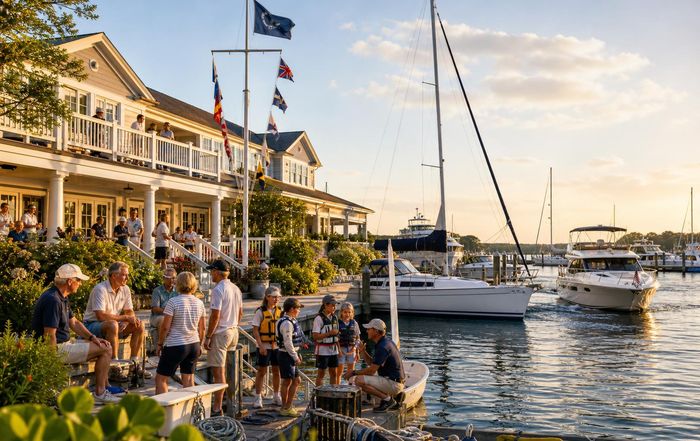
Yacht clubs occupy a distinctive position at the intersection of maritime heritage, local business, and contemporary leisure culture, and their role within boating communities has evolved far beyond the image of exclusive enclaves for racing sailors or superyacht owners. Around the world, from the harbors of New England and the Solent to the Mediterranean, the Baltic, and the Pacific Northwest, yacht clubs have become anchor institutions that nurture skills, safeguard waterfront access, stimulate coastal economies, and increasingly champion environmental stewardship. For the readership of yacht-review.com, which spans boat ownership, cruising, design, lifestyle, and the business of yachting, understanding how these clubs support their surrounding communities sheds light on why they remain so central to the health and growth of local boating ecosystems.
From Social Club to Community Hub
Historically, yacht clubs such as Royal Cork Yacht Club, founded in the early eighteenth century and often cited as one of the oldest in the world, and Royal Yacht Squadron in Cowes, emerged as associations dedicated to organizing regattas, improving seamanship, and promoting naval interests. Over time, their mission broadened to include education, family recreation, and civic engagement. Today, clubs in the United States, the United Kingdom, continental Europe, Asia-Pacific, and beyond routinely describe themselves as community organizations as much as sporting institutions, a shift that is reflected in their governance structures, membership policies, and program portfolios.
This transition has been driven partly by economic and social change along the waterfront. In many regions, rising coastal property values and the redevelopment of working harbors into mixed-use districts have put pressure on public access to the water. Yacht clubs, often occupying prime waterfront locations, have been compelled to justify their presence not only to members but also to municipalities and the broader public. As a result, many clubs have expanded their role as stewards of local boating culture, providing training, hosting open regattas, and partnering with schools and charities to ensure that the benefits of boating are more widely shared. Readers interested in how this evolution parallels broader trends in maritime culture can explore additional perspectives in the yacht-review.com section on boating history and heritage.
Training, Education, and Skills Development
One of the clearest ways yacht clubs support local boating communities is through structured training and certification. In North America and Europe, clubs frequently serve as accredited training centers for national sailing authorities such as US Sailing in the United States and the Royal Yachting Association (RYA) in the United Kingdom, offering courses that range from basic dinghy handling and keelboat sailing to advanced navigation and offshore safety.
Youth sailing programs have become particularly important. Clubs from Sydney to San Diego and from Kiel to Cape Town operate seasonal and year-round junior programs that introduce children and teenagers to sailing in accessible one-design dinghies. These programs typically emphasize seamanship, teamwork, and water safety rather than competition alone, and they often provide subsidized tuition or scholarship places to ensure that cost is not a barrier. Many clubs also collaborate with local schools and community organizations to integrate sailing into physical education or after-school offerings, thereby reaching young people who might not otherwise encounter boating. The World Sailing governing body has highlighted the role of such initiatives in developing future talent and broadening participation in the sport; readers can explore global development initiatives through resources available from World Sailing.
Adult education is equally significant. Yacht clubs offer introductory courses for new boat owners on topics such as docking, sail trim, and basic maintenance, as well as advanced seminars on offshore passage-making, heavy-weather tactics, and electronic navigation. In many cruising-focused clubs, seminars on voyage planning, safety equipment, and regulatory compliance are open to non-members, thereby extending expertise into the wider boating community. For those planning extended coastal or bluewater cruising, complementary insights can be found in the yacht-review.com cruising resources and destination features, which often reflect the accumulated knowledge that clubs help to cultivate.
Supporting Grassroots Racing and Recreational Boating
While grand prix regattas and high-profile events attract media attention, the backbone of sailing participation is local club racing and informal cruising. Yacht clubs act as organizers, hosts, and custodians of these activities, ensuring that racing and recreational boating remain accessible and well-structured.
In many harbors, weekday evening races and weekend regattas are organized by local clubs that provide race committees, safety boats, and course management. These events cater to a wide range of participants, from owners of small keelboats and dinghies to crews on performance cruisers and classic yachts. Entry fees are typically modest, and many clubs encourage non-owners to join as crew, which creates an important pathway for newcomers into the sport. The rules of sailing, safety standards, and fair competition are reinforced at this grassroots level, in alignment with frameworks maintained by organizations like World Sailing and national authorities. Those who wish to deepen their understanding of racing design trends and performance characteristics can find further analysis in the yacht-review.com design and naval architecture coverage.
Beyond racing, yacht clubs support local cruising communities by organizing flotillas, rendezvous, and educational cruises. These events provide a structured yet sociable framework for less experienced boaters to explore new waters with guidance from seasoned cruisers. In archipelagos such as the Pacific Northwest, the Greek islands, or the Swedish skärgård, clubs often coordinate multi-day or multi-week cruises that introduce members to anchorages, marinas, and local service providers, thereby reinforcing regional cruising networks. This shared activity not only enhances safety and confidence on the water but also strengthens social bonds within the community, which in turn supports the long-term vitality of local boating.
Economic Impact and Support for Local Marine Businesses
Yacht clubs also play a tangible economic role in their local communities, extending far beyond membership dues and bar revenue. Regattas, cruising rallies, and social events generate demand for marina berths, haul-out services, sailmaking, rigging, chandlery supplies, and boat repair, supporting a diverse ecosystem of small and medium-sized marine enterprises. Studies commissioned in various regions, including analyses published by organizations such as The Yacht Harbour Association and national marine trade associations, have consistently highlighted the multiplier effect of boating-related spending on local economies, particularly in coastal towns where alternative industries may be limited. For broader context on how the marine sector fits into the wider maritime economy, readers may find it useful to consult resources from institutions like the Organisation for Economic Co-operation and Development.
Major regattas and championships hosted by yacht clubs can have especially pronounced economic impacts. Events such as national championships, continental circuits, and youth world championships draw competitors, support crews, and spectators from multiple countries, filling hotels, restaurants, and transport services. Local authorities often partner with clubs to attract such events, recognizing the tourism benefits and international visibility they bring. In return, clubs typically work closely with tourism boards and port authorities to ensure that infrastructure, security, and environmental management meet modern standards. The commercial dimension of this cooperation aligns with topics regularly explored in the yacht-review.com business and industry insights, where the financial and strategic aspects of yachting are examined in greater depth.
At a smaller scale, everyday club activity also supports local vendors. Catering contracts, maintenance of club facilities, and procurement of fuel, spares, and safety equipment all feed into the local supply chain. Many clubs deliberately prioritize local sourcing where possible, both as a matter of community responsibility and to strengthen relationships with nearby businesses that, in turn, provide responsive service to boat owners and visiting yachts.
Preserving Waterfront Access and Maritime Heritage
As coastal real estate becomes increasingly valuable, maintaining working waterfronts and public access to the sea has emerged as a critical challenge in many regions. Yacht clubs, by virtue of their long-term leases or ownership of waterfront property, often act as de facto guardians of maritime use. When clubs negotiate with municipalities or port authorities, their continued presence as boating facilities can help prevent wholesale conversion of waterfront land into purely residential or commercial developments with limited public access.
Many clubs have taken an active role in preserving maritime heritage by maintaining traditional boats, supporting classic yacht regattas, and collaborating with maritime museums and heritage organizations. In Europe and North America, for example, clubs frequently partner with institutions such as the National Maritime Museum in the UK or local historical societies to host exhibitions, lectures, and heritage sails that celebrate the evolution of sailing craft and seamanship. Those interested in exploring the broader historical context of yachting and boatbuilding can find complementary narratives within the yacht-review.com history section, which often highlights the continuity between historic practices and modern innovation.
In some ports, yacht clubs also facilitate public access by hosting open days, offering community sailing sessions, or making their docks available for visiting educational vessels and tall ships. These initiatives help demystify the world of yachting and demonstrate that the waterfront remains a shared asset rather than a closed enclave.
Promoting Safety, Standards, and Responsible Seamanship
Safety on the water is a shared responsibility, and yacht clubs provide both formal and informal mechanisms to promote best practices. Through training programs, safety briefings before races and cruises, and adherence to recognized standards for equipment and operating procedures, clubs help raise the overall level of seamanship within their local boating communities.
Many clubs conduct regular safety-at-sea seminars, sometimes in partnership with national authorities or coast guard organizations, covering topics such as man-overboard recovery, flare use, lifejacket maintenance, and emergency communications. In offshore and coastal racing, compliance with safety regulations is monitored through inspections and documentation, which reinforces the importance of proper equipment and preparation. For broader guidance on international safety frameworks and search-and-rescue coordination, readers can consult materials provided by agencies such as the International Maritime Organization.
Informally, yacht clubs act as knowledge-sharing hubs where experienced sailors mentor newcomers in areas that are difficult to capture fully in manuals, such as local weather patterns, tidal gates, harbor approaches, and anchoring techniques. This transmission of local knowledge contributes significantly to accident prevention and enhances the overall enjoyment of boating. It also supports a culture of mutual assistance, where boat owners are more inclined to help each other with mechanical issues, rigging problems, or challenging passages, reinforcing the social fabric of the boating community.
Environmental Stewardship and Sustainable Boating
Environmental sustainability has become a central concern in the yachting sector, and yacht clubs are increasingly expected to demonstrate leadership in this area. Many clubs have adopted environmental policies covering waste management, energy use, and water quality, and some have pursued certifications such as the Blue Flag marina standard or the Clean Marina program in various regions. These frameworks typically require measures such as proper fuel and oil handling, provision of pump-out facilities, recycling infrastructure, and education campaigns promoting environmentally responsible behavior.
Clubs are also engaging more actively with issues such as plastic pollution, invasive species, and habitat protection. Beach clean-ups, seabed surveys, and awareness events are now common features of club calendars, often organized in partnership with environmental NGOs or local authorities. In some cases, clubs collaborate with marine research institutions to host monitoring equipment or participate in citizen science projects that track water quality, biodiversity, or climate-related changes. Those seeking to understand the broader context of sustainable maritime practices can explore resources from organizations such as the United Nations Environment Programme and, within the context of yachting specifically, further reflections on responsible cruising and green technology in the yacht-review.com sustainability coverage.
Technological innovation is also playing a role. Forward-looking clubs are beginning to support electric and hybrid propulsion by installing charging infrastructure, encouraging the use of cleaner fuels where available, and showcasing low-impact boat designs during events and boat shows. While adoption varies significantly by region and club size, the direction of travel is clear: environmental performance is becoming a core criterion in how clubs manage their operations and influence member behavior, aligning with the broader industry shift toward more sustainable boating.
Social Inclusion, Youth Engagement, and Community Wellbeing
Beyond sport and economics, yacht clubs contribute to social cohesion and community wellbeing. Recognizing that sailing and boating have historically been perceived as exclusive pursuits, many clubs are working to broaden participation and reflect the diversity of their surrounding communities. Initiatives include scholarship programs for youth from underrepresented backgrounds, partnerships with schools in less affluent neighborhoods, and collaborations with charities that use sailing as a tool for personal development, rehabilitation, or mental health support.
In several countries, organizations such as Sail Training International and national sail training charities have demonstrated the therapeutic and educational value of time spent at sea, particularly for young people facing social, educational, or health challenges. Yacht clubs that host or support such programs help integrate these benefits into the local fabric of services available to residents. Readers interested in the human side of yachting and its impact on lifestyle and wellbeing can find related narratives within the yacht-review.com lifestyle features, where the transformative potential of life on the water is frequently explored.
Family-oriented programming is another important dimension. Many clubs have invested in facilities and events that cater to multi-generational participation, including family regattas, learn-to-sail weeks, and shore-based social activities. This approach not only strengthens the sense of community within the club but also helps ensure continuity, as children who grow up around boats are more likely to remain engaged with boating as adults. Dedicated family content on yacht-review.com, such as the family cruising and onboard living section, often mirrors the priorities that clubs set in designing inclusive, family-friendly programs.
Innovation, Technology, and Knowledge Exchange
Yacht clubs are also important conduits for technological innovation within local boating communities. As new materials, electronics, and propulsion systems emerge, clubs provide a platform for demonstration, discussion, and peer learning. Technical talks by naval architects, riggers, electronics specialists, and sailmakers are common, giving boat owners direct access to expert insights on topics ranging from foil design and sailcloth technology to onboard connectivity and energy management.
In regions with strong racing cultures, clubs often serve as incubators for performance innovations that later filter into mainstream cruising boats, reflecting a pattern seen historically with composite materials, advanced rigging, and instrumentation. Conversely, the rise of bluewater cruising and liveaboard lifestyles has stimulated interest in technologies such as solar arrays, lithium batteries, watermakers, and satellite communications, which clubs help to evaluate and contextualize through member experience and organized seminars. For readers seeking structured coverage of these developments, the yacht-review.com technology section offers in-depth analysis of marine innovation and its practical implications for boat owners.
Digital platforms have further extended the reach of clubs' knowledge-sharing role. Many clubs now maintain online resources, webinars, and recorded lectures that are accessible beyond their immediate membership, thereby contributing to a global exchange of ideas within the yachting community. This digital dimension also supports coordination for international cruising rallies, virtual regattas, and remote coaching, reinforcing the global connectivity of what remains, at its core, a highly local activity.
Global Networks and Local Identity
Although yacht clubs are fundamentally local institutions, they operate increasingly within global networks. Reciprocal arrangements between clubs in different countries allow members to access facilities and participate in events while cruising abroad, fostering international friendships and cultural exchange. In major cruising hubs such as the Mediterranean, the Caribbean, Southeast Asia, and the Pacific, visiting yachts often rely on local clubs for practical information, social connection, and introductions to local service providers.
International events such as world championships, ocean races, and classic yacht regattas strengthen these ties, as clubs collaborate across borders on logistics, safety protocols, and media coverage. The resulting networks enhance the resilience and adaptability of local boating communities, which can draw on global experience when facing challenges such as regulatory change, environmental pressures, or shifts in tourism patterns. For readers interested in how these global linkages shape cruising routes and destination development, the yacht-review.com global and travel coverage and dedicated travel features provide additional context and case studies from diverse regions.
At the same time, each club retains a distinct local identity rooted in its harbor, culture, and traditions. This combination of local character and global connectivity is one of the strengths of the yacht club model, allowing clubs to champion their home waters while drawing inspiration and best practices from peers around the world.
The Evolving Role of Yacht Clubs in a Changing World
Looking ahead, yacht clubs face both challenges and opportunities as they continue to support local boating communities. Demographic shifts, changing leisure preferences, environmental imperatives, and economic pressures on coastal real estate all require thoughtful adaptation. Clubs that succeed in this environment are likely to be those that embrace openness, sustainability, and innovation while remaining anchored in the core values of seamanship, camaraderie, and respect for the sea.
For the audience of yacht-review.com, which encompasses boat owners, designers, cruising enthusiasts, and marine professionals, the vitality of yacht clubs is closely linked to the health of the broader yachting ecosystem. Clubs provide the infrastructure, education, and social framework that allow boating to flourish as both a sport and a lifestyle. They support local businesses, protect waterfront access, and increasingly act as advocates for the marine environment, aligning with emerging expectations around responsible and sustainable boating. Readers can follow ongoing developments in club initiatives, regattas, and community projects through the yacht-review.com news and events coverage and events-focused reporting, where the evolving role of clubs is frequently highlighted.
As yacht clubs continue to evolve, their most enduring contribution may be the way they bring people together around a shared passion for the water. By lowering barriers to entry, nurturing skills across generations, and integrating environmental and social responsibility into their operations, they ensure that local boating communities remain vibrant, resilient, and welcoming. In doing so, they not only preserve maritime traditions but also help shape a forward-looking yachting culture that is fit for the decades ahead.