

Innovations in Stabilizer Technology for Comfort: Redefining the Modern Yachting Experience
The New Benchmark for Comfort at Sea
Stabilizer technology has moved from being a discreet technical feature to becoming a strategic differentiator in yacht design, ownership, and charter operations. From compact family cruisers to large superyachts and explorer vessels, owners and captains now view motion control systems as fundamental to safety, efficiency, and guest satisfaction rather than as optional add-ons. For the editorial team at yacht-review.com, which has followed stabilizer development closely across reviews, design analysis, and technology coverage, the story of stabilizers is no longer limited to roll reduction; it is about how engineering innovation is reshaping the entire onboard experience and expectations of comfort in all sea states.
The convergence of hydrodynamics, advanced materials, mechatronics, and software has produced a new generation of stabilizers that are more powerful, more efficient, quieter, and increasingly integrated with other onboard systems. Regulatory pressure, environmental expectations, and changing usage patterns-longer-range cruising, multigenerational family trips, and year-round operation-are all accelerating this trend. As a result, stabilizers sit at the intersection of performance, luxury, and sustainability, and their evolution reflects broader changes in the global yachting market from the United States and Europe to Asia-Pacific and beyond.
From Passive Fins to Intelligent Motion Control
Historically, yacht stabilizers were largely mechanical systems that relied on simple hydraulic fins designed to counter roll while underway. These early systems, while effective at certain speeds, had significant limitations, particularly at anchor or in low-speed conditions, where many owners and charter guests now spend the majority of their time. As yacht-review.com has documented in its long-term yacht reviews, the shift from purely underway stabilization to full-speed-range and zero-speed performance has been one of the most important developments in comfort technology over the past two decades.
Modern fin stabilizers now employ sophisticated control algorithms, gyroscopic sensors, and real-time data processing to anticipate and counteract wave-induced motion. Manufacturers have moved from simple proportional controls to model-based predictive systems that use vessel-specific hydrodynamic models and sensor fusion, combining information from accelerometers, gyros, GPS, and sometimes weather data. These systems can adapt to changing load conditions, fuel levels, and sea states, providing a level of stability and comfort that would have been unthinkable for most private yachts in the early 2000s. Readers who follow broader marine engineering trends can see parallels with advances in ship motion control documented by organizations such as DNV and Lloyd's Register, where increased automation and data-driven control strategies are reshaping classification and safety standards.
Gyroscopic Stabilizers: Compact Powerhouses for All Segments
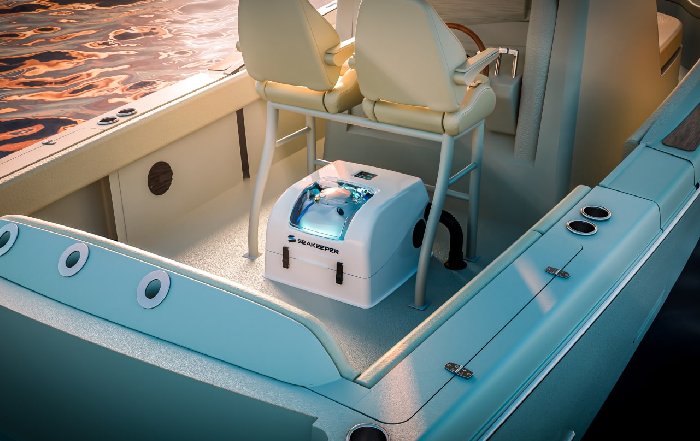
The rise of gyroscopic stabilizers has been one of the defining stories in yacht comfort technology, especially for vessels from around 40 to 100 feet, which form a substantial part of the audience for yacht-review.com. Unlike external fins, gyroscopic stabilizers use a spinning flywheel mounted in a gimbal to generate torque that opposes roll motion. They are fully internal systems, which makes them particularly attractive for retrofits and for designs where underwater appendages are undesirable for speed, draft, or aesthetic reasons.
In the United States, United Kingdom, Australia, and Mediterranean markets such as Italy, France, and Spain, gyroscopic systems have gained traction in both production and custom builds. Their appeal lies in the combination of strong low-speed and at-anchor performance with relatively straightforward integration on planning and semi-displacement hulls. For family-oriented cruisers and owner-operator yachts, the ability to anchor in exposed bays with significantly reduced roll has transformed how boats are used, extending cruising seasons and expanding viable destinations. Owners who once accepted that certain anchorages in the Balearics, the Bahamas, or the Greek islands would be too uncomfortable now expect hotel-like stability even in open roadsteads.
However, the latest wave of innovation in gyroscopic technology is less about brute force and more about refinement. Manufacturers are focusing on reducing noise and vibration, improving thermal management, and optimizing power consumption, all of which are critical for meeting the expectations of discerning owners in markets such as Germany, Switzerland, and Scandinavia. Advances in bearing technology, magnetic levitation concepts, and smarter flywheel control are enabling more compact units with higher torque density and lower maintenance requirements. Those interested in the underlying physics can explore resources on rotational dynamics from institutions such as MIT and ETH Zürich, which highlight how control of gyroscopic precession can be harnessed in increasingly sophisticated ways.
Advanced Fin Stabilizers: The Move to All-Condition Comfort
While gyroscopic stabilizers have captured much attention, fin-based systems remain the dominant solution for larger yachts and long-range cruisers, particularly in the 30-80 meter segment favored by many high-net-worth owners across North America, Europe, and Asia. The latest generation of fins bears little resemblance to their predecessors, combining refined hydrodynamic profiles, electric or hybrid actuation, and intelligent control software. For the editorial team at yacht-review.com, which covers both design and technology, the key story is integration: stabilizers are now designed in concert with hull forms, propulsion systems, and energy management rather than being added late in the process.
One of the most significant developments has been the widespread adoption of electric and electro-hydraulic fin actuators, which offer more precise control, reduced noise, and lower maintenance compared with traditional hydraulic systems. This shift aligns with the broader move toward electrification in the marine sector, as seen in hybrid propulsion, battery systems, and shore power solutions. Fins can now operate effectively across a wider speed range, including at very low speeds and at anchor, thanks to optimized control algorithms and increased fin area that can be deployed without compromising drag excessively at cruising speed.
In parallel, manufacturers have developed retractable and foldable fin solutions that minimize appendage drag when not needed, which is particularly relevant for fast yachts from builders in Italy, the United Kingdom, and the United States, where top speed remains a selling point. Computational fluid dynamics and tank testing, often performed in collaboration with leading naval architecture firms and research institutions such as MARIN in the Netherlands, have enabled designers to fine-tune fin shapes that balance lift, drag, and cavitation resistance. This level of optimization is increasingly evident in new builds reviewed by yacht-review.com, where sea trials demonstrate not only improved comfort but also measurable gains in fuel efficiency compared with earlier generations of stabilizers.
Hybrid and Multi-Mode Stabilization Systems
As yachts become more versatile and mission profiles diversify-from high-speed coastal hops to long-distance expeditions in regions such as Norway, Iceland, or the South Pacific-stabilizer manufacturers are responding with hybrid and multi-mode solutions. These systems combine different technologies, such as fins and gyros, or integrate traditional stabilizers with interceptors and active ride control. The goal is to deliver tailored motion control across all operating regimes, from displacement cruising to planing at high speeds, while preserving efficiency and minimizing complexity for the crew.
On some larger superyachts and explorer vessels, designers are now specifying both fin stabilizers for underway performance and gyroscopic units to enhance zero-speed stability, particularly when the vessel is operating in swells or in anchorages exposed to beam seas. Although this approach increases initial cost and installation complexity, it delivers a level of comfort that appeals to owners who plan extensive world cruising with family and guests, including older relatives and children who may be more sensitive to motion. For charter-focused vessels, particularly in competitive markets such as the Caribbean, the Western Mediterranean, and Southeast Asia, this dual approach can be a compelling differentiator in marketing materials and guest feedback.
In parallel, active ride control systems originally developed for high-speed commercial and military craft are making their way into the yachting sector. By coordinating trim tabs, interceptors, and sometimes T-foils or canards with stabilizer fins, these systems can manage not only roll but also pitch and heave, significantly improving comfort at higher speeds. For technology-focused readers, resources from SAE International and academic journals on marine control systems provide insight into how control theory and sensor fusion are enabling these multi-axis solutions, which are gradually being adapted from commercial and defense applications to the luxury yacht segment.
Data, Software, and Predictive Comfort
The most transformative innovations in stabilizer technology are increasingly software-driven rather than purely mechanical. As yachts become more connected and data-centric, stabilizers are evolving into intelligent subsystems within a broader network of onboard electronics. Modern motion control systems continuously collect data on vessel motion, sea state, speed, heading, and load condition, which can be analyzed in real time and retrospectively to optimize performance and anticipate maintenance needs.
Manufacturers are deploying machine learning techniques to refine control algorithms based on actual usage patterns, sea conditions, and hull behavior over time. This adaptive approach allows stabilizers to "learn" how a particular yacht responds in different contexts, improving both effectiveness and energy efficiency. For example, the system might adjust its aggressiveness depending on whether the yacht is in open ocean swell, short chop, or at anchor, and whether guests are sleeping, dining, or using the sundeck pool. In some cases, stabilizers are integrated with voyage planning and weather routing tools, enabling predictive adjustments based on forecasted conditions. Those interested in the broader digitalization of shipping can explore how similar techniques are being applied to commercial fleets by organizations such as the International Maritime Organization and industry consortia focused on smart shipping.
From the perspective of yacht-review.com, which covers business and market trends, the data dimension also has commercial implications. Builders and owners are increasingly interested in performance benchmarks and verifiable claims about comfort and fuel efficiency. Stabilizer data can support more transparent comparisons between systems and configurations, inform resale valuations, and contribute to insurance and warranty discussions. As regulatory frameworks evolve, particularly in regions such as the European Union and North America, the ability to document performance and environmental impact may become a competitive advantage for both manufacturers and yacht owners.
Sustainability, Efficiency, and Regulatory Pressures
The global push toward decarbonization and more sustainable maritime practices is reshaping every aspect of yacht design and operation, and stabilizers are no exception. While stabilizers are primarily associated with comfort, they also influence fuel consumption, emissions, and even underwater noise. The challenge for designers and manufacturers is to deliver superior comfort without compromising efficiency or environmental performance, a tension that is increasingly central to the editorial focus of yacht-review.com and its dedicated sustainability section.
One important area of innovation is the reduction of hydrodynamic drag. Poorly designed or oversized fins can impose a significant fuel penalty, particularly at higher speeds, which runs counter to the growing emphasis on energy efficiency in markets such as Germany, the Netherlands, and Scandinavia. By using advanced simulation tools and model testing, designers are optimizing fin shapes and control strategies that minimize drag while maintaining strong stabilizing forces. In some cases, fins can even be used to generate lift that supports more efficient running trim, slightly improving fuel economy at certain speeds. Readers interested in the broader context of maritime emissions can explore resources from the International Council on Clean Transportation, which analyzes the impact of ship design choices on fuel use and greenhouse gas output.
Energy consumption is also a key consideration for gyroscopic stabilizers and electric fin systems, particularly as yachts adopt larger battery banks and hybrid propulsion. Owners and captains now expect stabilizers to operate effectively on battery power at anchor, reducing the need to run generators and lowering noise, vibration, and emissions. This expectation is especially strong in environmentally sensitive cruising areas such as Norway's fjords, parts of the Mediterranean, and marine reserves in the Pacific and Indian Oceans, where local regulations and social expectations are converging toward quieter and cleaner operation. Learn more about sustainable business practices and the broader shift toward low-impact tourism through organizations such as the Global Sustainable Tourism Council, which highlights how luxury travel sectors, including yachting, are adapting to new environmental expectations.
Underwater noise is another emerging focus, particularly in regions with sensitive marine life such as the Pacific Northwest, New Zealand, and parts of the Mediterranean and North Atlantic. Stabilizers, especially those with hydraulic pumps and high-speed moving parts, can contribute to the acoustic footprint of a yacht. Manufacturers are responding with quieter actuators, better isolation, and refined control algorithms that minimize unnecessary movement. As scientific understanding of the impact of underwater noise on marine mammals and fish improves, documented by institutions such as NOAA and leading marine research centers, noise performance may become a formal design criterion alongside traditional measures such as roll reduction and power consumption.
Regional Trends and Market Expectations
The global nature of the yachting market means that stabilizer technology must respond to diverse regional preferences and operating conditions. In North America, particularly the United States and Canada, large coastal ranges, the popularity of the Bahamas and Caribbean, and a strong culture of owner-operators drive demand for systems that are robust, user-friendly, and suitable for both coastal cruising and bluewater passages. In Europe, especially in the United Kingdom, Italy, France, Spain, the Netherlands, and the broader Mediterranean, stabilizers are now expected on almost all new yachts above a certain size, and buyers place high value on quiet operation and refined integration with interior design and guest spaces.
In Northern Europe, including Germany, Norway, Sweden, Denmark, and Finland, there is strong interest in long-range cruising, expedition-style yachts, and year-round operation in challenging conditions. Here, stabilizers are seen not only as comfort features but also as safety equipment, particularly for vessels venturing into higher latitudes, where sea states can be severe. The same is true for South Africa and certain South American markets such as Brazil and Chile, where offshore conditions can be demanding and reliability is paramount.
In Asia, the market is evolving rapidly, with significant growth in China, Singapore, South Korea, Thailand, and Japan. Many owners in these regions operate in mixed conditions, from sheltered archipelagos to open ocean passages, and often place a premium on comfort and privacy. For these markets, stabilizers are part of a broader lifestyle proposition, complementing high-end interiors, advanced entertainment systems, and wellness-focused amenities. The editorial team at yacht-review.com, through its global coverage and travel features, has observed that for many new entrants to yachting in Asia-Pacific, expectations are shaped by hospitality standards on land, where stability, quietness, and climate control are taken for granted; stabilizers therefore play a critical role in aligning the onboard experience with these benchmarks.
Impact on Design, Layout, and Lifestyle Onboard
The integration of advanced stabilizers is influencing not only engineering spaces but also the layout and lifestyle features of modern yachts. Designers now assume that the yacht will maintain a far more stable platform than in previous decades, which opens new possibilities for how space is used and how amenities are positioned. Onboard gyms, spa facilities, pools, and beach clubs benefit particularly from reduced motion, enabling safe and comfortable use even in moderate sea states. For families, especially those cruising with young children or older relatives, enhanced stability expands the range of activities that can be enjoyed underway or at anchor, from dining on open decks to using tenders and water toys from extended platforms.
From a design perspective, the requirement for stabilizers is now considered early in the concept phase, influencing hull form, machinery layout, and even interior circulation. Engine room and technical spaces must accommodate fin actuators or gyroscopic units, while maintaining service access and weight distribution. In some cases, designers are integrating stabilizer housings into structural elements to optimize space usage. The editorial team at yacht-review.com, in its design analyses and boat features, has highlighted how leading shipyards and naval architects are collaborating more closely with stabilizer manufacturers to ensure that comfort systems are not an afterthought but a core component of the yacht's identity and performance brief.
Lifestyle expectations are evolving accordingly. Charter guests now routinely ask whether a yacht has zero-speed stabilizers before booking, and many will reject options that lack modern systems, particularly in competitive markets such as the Western Mediterranean and Caribbean. Owners in regions like the United States, Australia, and New Zealand increasingly view stabilizers as essential for enabling extended cruising with family and friends, where comfort and reliability are prerequisites for enjoyable time onboard. For multi-generational trips and family-oriented vessels, which yacht-review.com covers in its [family and lifestyle sections](https://www.yacht-review.com/family.html and https://www.yacht-review.com/lifestyle.html), stabilizers can make the difference between a successful voyage and one cut short by discomfort or seasickness.
Business, Investment, and Aftermarket Considerations
From a business perspective, stabilizers are now a critical factor in yacht valuation, resale prospects, and operating economics. New-build clients increasingly specify advanced stabilization systems as part of the base configuration, and many production builders in Europe, North America, and Asia now include stabilizers in their standard or preferred options packages. For brokerage buyers, particularly in mature markets such as the United States, United Kingdom, Germany, and the Netherlands, the presence of modern stabilizers can significantly influence purchasing decisions and price negotiations.
The retrofit market has also expanded, as owners of existing yachts recognize the value of upgrading to newer systems that offer better performance, lower noise, and improved efficiency. Shipyards and service centers report strong demand for both fin and gyro retrofits, often combined with other refit work such as engine upgrades, interior refurbishments, or electronics modernization. These projects can be complex, requiring careful structural analysis, weight and balance calculations, and integration with existing power systems, but the payoff in comfort and charter appeal is often substantial. For readers following the business side of yachting, yacht-review.com provides ongoing coverage of these trends in its business news and analysis and industry news sections.
Aftermarket support and lifecycle costs are increasingly important considerations for owners and captains. Advanced stabilizers require regular maintenance, software updates, and sometimes remote diagnostics. Manufacturers are responding with global service networks, remote monitoring platforms, and predictive maintenance tools that use onboard data to anticipate issues before they result in downtime. This is particularly important for yachts that operate globally, moving between regions such as the Mediterranean, Caribbean, Indian Ocean, and Pacific. Reliable support in key hubs-from Fort Lauderdale and Palma de Mallorca to Singapore and Sydney-is now a key differentiator among stabilizer brands and a factor that yacht-review.com considers when evaluating systems in long-term cruising reports and global features.
Sailing Ahead: The Future of Stabilizers in a Changing Yachting Landscape
As the yachting industry looks toward the late 2020s and beyond, stabilizer technology is poised to continue evolving alongside broader trends in automation, electrification, and sustainability. The next wave of innovation is likely to focus on deeper integration with autonomous navigation and collision avoidance systems, enabling stabilizers to respond not only to waves and motion but also to dynamic maneuvers and route optimization. In parallel, as electric and hydrogen-based propulsion systems mature, stabilizers will need to adapt to new power architectures and operational profiles, including extended silent-running modes and zero-emission operation in protected areas.
Materials science may also play a greater role, with lighter and stronger components reducing weight and improving performance. Advances in composite materials, additive manufacturing, and smart structures could enable more compact and efficient stabilizer designs, particularly for smaller yachts and high-speed craft. At the same time, regulatory frameworks and classification rules will continue to evolve, potentially incorporating more explicit requirements or recommendations regarding comfort, motion control, and underwater noise, especially for vessels operating in sensitive regions or under commercial charter.
For yacht-review.com, stabilizers will remain a central theme across its reviews, technology coverage, sustainability features, and global cruising reports. As owners, captains, designers, and shipyards navigate a rapidly changing landscape, the ability to evaluate stabilizer solutions in terms of experience, expertise, authoritativeness, and trustworthiness will be essential. Comfort at sea is no longer a luxury reserved for the largest superyachts; it is a defining expectation for discerning owners and guests worldwide, from North America and Europe to Asia, Africa, and South America. Stabilizer technology, evolving at the intersection of engineering innovation and lifestyle aspiration, will continue to shape what it means to feel truly at home on the water.