

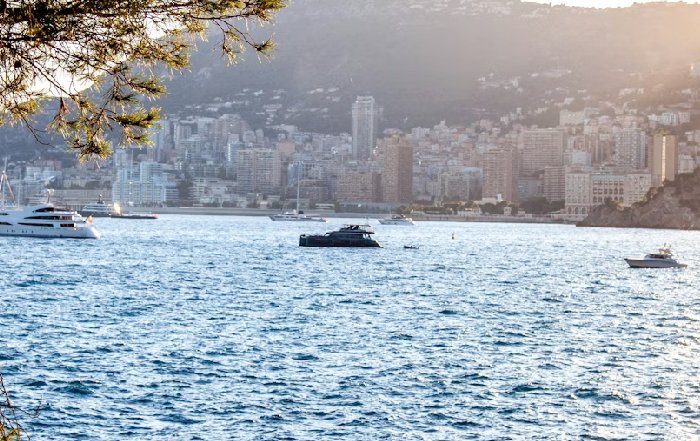
The History and Future of the Monaco Yacht Show
A Stage That Redefined the Superyacht World
The Monaco Yacht Show has become more than an annual event; it is a global barometer for the state of the superyacht industry, a theatre of innovation, and a meeting point for the world's most influential owners, shipyards, designers, and brokers. For the editorial team at yacht-review.com, which has followed the evolution of the show since its early years, Monaco represents a living chronicle of how luxury yachting has changed-from ostentatious display to a more nuanced blend of technology, sustainability, and lifestyle.
Held each September in the iconic Port Hercule of the Principality of Monaco, the show has grown into the most influential marketplace for large yachts, drawing visitors from the United States, Europe, Asia, the Middle East, and beyond. It is here that new models are unveiled, design philosophies are tested, business strategies are forged, and the future direction of the sector is quietly negotiated in boardrooms, on aft decks, and in discreet lounges overlooking the harbor. Understanding the history and trajectory of the Monaco Yacht Show is therefore essential for anyone serious about the superyacht market, from long-time owners and family offices to designers, charter professionals, and technology innovators.
Readers who follow the detailed yacht assessments on yacht-review.com will recognize Monaco as the backdrop to many of the most significant launches covered in the site's reviews, as well as a recurring reference point in its analyses of design trends, business developments, and technology breakthroughs.
Origins: From Niche Gathering to Global Showcase
The Monaco Yacht Show emerged in 1991 as a relatively modest gathering, focused on brokerage and charter yachts at a time when the term "superyacht" was only beginning to enter common usage. Monaco already had a long-standing maritime and luxury heritage, but the early editions of the show were still primarily European in outlook, with smaller fleets and a more intimate atmosphere than today's sprawling event.
What distinguished Monaco from the outset was its strategic positioning at the intersection of high finance, luxury lifestyle, and maritime tradition. The Principality's status as a hub for wealth management and international business made it a natural magnet for yacht owners from the United Kingdom, Germany, Switzerland, France, Italy, and Spain, while its Mediterranean location placed it at the heart of the world's most established cruising grounds. Over time, as the superyacht market expanded into North America, Asia, the Middle East, and later emerging markets in South America and Africa, Monaco evolved into a truly global meeting point.
The show's early decades coincided with a period of rapid growth in yacht size and sophistication. Advances in naval architecture, composites, propulsion, and onboard systems allowed builders to push beyond the 50-metre threshold with increasing confidence. For many years, Monaco became synonymous with "bigger is better," as shipyards competed to occupy the most prominent berths with record-length flagships. The event's reputation as the world's leading superyacht showcase was reinforced by the presence of major European builders and design studios, whose work is still frequently profiled in depth on yacht-review.com through its dedicated coverage of boats and shipyards.
Consolidation and Professionalization
As the show grew in scale and prestige through the 2000s and 2010s, it underwent a process of professionalization that mirrored the maturation of the superyacht industry itself. The visitor profile evolved from casual curiosity and regional interest to a more targeted audience of qualified buyers, charter clients, and decision-makers. The organization of the event became more structured, with curated exhibitor lists, thematic zones, and tailored experiences for owners, captains, and family offices.
This period also saw Monaco become a critical venue for brokerage and charter negotiations, as well as for the unveiling of new-build projects and concept designs. The show effectively condensed a year's worth of market intelligence into four concentrated days, enabling serious stakeholders to survey the state of the fleet, assess competitor strategies, and identify emerging opportunities. As yacht-review.com expanded its news coverage, its editors increasingly treated Monaco as a pivot point for annual reporting, using the event as a lens through which to interpret broader shifts in demand, pricing, and regional dynamics.
The professionalization of the show also paralleled the rise of specialized events and conferences focused on maritime law, finance, and sustainability, many of which now take place in Monaco during show week. Institutions such as the Monaco Yacht Club and the Prince Albert II of Monaco Foundation played a growing role in linking yachting to broader conversations about ocean conservation and responsible investment, while industry bodies like SYBAss and IYBA used the platform to advance best practices and regulatory dialogue. Those seeking a broader economic and policy context for these developments can explore resources from organizations such as the Organisation for Economic Co-operation and Development or the World Economic Forum, which increasingly reference the blue economy and sustainable ocean industries.
The Monaco Yacht Show as a Mirror of Global Wealth
By the mid-2010s and into the early 2020s, the Monaco Yacht Show had become an annual snapshot of global wealth distribution and luxury consumption. The national mix of visitors and owners reflected shifting economic power, with strong representation from the United States, the United Kingdom, Germany, France, Italy, Spain, Switzerland, the Netherlands, and the Nordic countries, alongside growing interest from China, Singapore, South Korea, Japan, Thailand, and emerging hubs such as Dubai and Hong Kong.
The event's trajectory was influenced by macroeconomic cycles, currency fluctuations, and geopolitical developments, from the financial crisis of 2008 to the pandemic disruptions of 2020-2021. Each challenge forced the show's organizers and exhibitors to re-evaluate their strategies, refine their target audiences, and reconsider what value the event should deliver. For example, during the pandemic years, digital engagement, virtual tours, and hybrid formats gained prominence, accelerating a technological shift that continues to shape the 2026 edition and beyond.
Analysts tracking global luxury trends through platforms like Statista and McKinsey & Company often point to superyachting as a bellwether of ultra-high-net-worth confidence, and Monaco has consistently served as the most visible manifestation of that confidence. For yacht-review.com, which has chronicled these shifts through its global perspectives and lifestyle coverage, the show is not merely a collection of vessels, but a reflection of how affluent individuals and families choose to allocate time, capital, and attention.
Design Evolution: From Floating Palaces to Experiential Platforms
One of the most striking aspects of the Monaco Yacht Show's history is the evolution of yacht design. In the 1990s and early 2000s, many of the vessels exhibited in Port Hercule were conceived as traditional "floating palaces," emphasizing formal interiors, compartmentalized layouts, and a clear separation between owner, guests, and crew. As the decades progressed, a new design language emerged, prioritizing open-plan living, seamless indoor-outdoor transitions, and a stronger connection to the sea.
Monaco became the stage on which this transformation was most visibly displayed. Glass-heavy superstructures, beach clubs, fold-down terraces, and expansive wellness areas became standard on the quays, while interior design shifted toward contemporary, residential aesthetics rather than classical formality. The rise of explorer yachts and hybrid expedition concepts further diversified the fleet, reflecting increasing demand for longer-range cruising to destinations in Northern Europe, Scandinavia, the South Pacific, Southeast Asia, and remote regions of the Americas and Africa.
The editorial team at yacht-review.com has documented these trends in detail, especially through its dedicated design section and its coverage of cruising experiences, where Monaco often serves as the launch point for new yachts embarking on global itineraries. The show's role as a design laboratory is also complemented by the work of leading classification societies, naval architects, and research institutions, many of which collaborate to develop new approaches to hydrodynamics, materials, and structural efficiency. Those interested in the technical underpinnings of these advances can consult resources from organizations like Lloyd's Register or the Royal Institution of Naval Architects, which provide insight into the engineering and regulatory frameworks that shape modern yacht design.
Technology and Innovation: The Smart, Connected Superyacht
By 2026, technology has become one of the defining themes of the Monaco Yacht Show, transforming not only the vessels on display but the way the event itself is experienced. Early adoption of integrated bridge systems, advanced navigation aids, and satellite communications has given way to a new era of fully connected yachts, in which digital infrastructure is as critical as propulsion or hull form.
At Monaco, visitors now routinely encounter yachts equipped with sophisticated automation, energy management systems, cybersecurity solutions, and immersive entertainment platforms. The integration of Internet of Things (IoT) sensors, predictive maintenance tools, and data-driven operational analytics has elevated the role of technology from convenience to strategic asset. For owners and family offices, the conversation increasingly encompasses not just luxury finishes but also digital resilience, operational efficiency, and long-term asset protection.
yacht-review.com has mirrored this shift through its expanded technology coverage, highlighting how innovations first showcased in Monaco filter down through the wider market, influencing not only custom superyachts but also semi-custom series and even smaller production boats. The show has also become a platform for collaboration between the yachting sector and adjacent industries such as aerospace, automotive, and telecommunications, whose expertise in connectivity, materials, and automation is increasingly relevant. Industry observers may find useful parallels by exploring how similar trends are unfolding in sectors covered by sources like MIT Technology Review, where discussions of autonomy, AI, and advanced materials often intersect with maritime applications.
Sustainability and Responsibility: A New Imperative
Perhaps the most profound transformation in the Monaco Yacht Show's narrative over the past decade has been the elevation of sustainability from a niche concern to a central pillar of strategy. The environmental footprint of large yachts-encompassing fuel consumption, emissions, materials, and lifecycle impact-has come under increasing scrutiny from regulators, the media, and, crucially, from owners themselves, particularly younger generations and family offices with strong environmental, social, and governance (ESG) commitments.
Monaco has responded by positioning itself as a forum for responsible innovation. Hybrid propulsion systems, alternative fuels such as methanol and hydrogen, advanced hull coatings, waste management technologies, and eco-conscious interior materials are now common talking points on the quays. Dedicated sustainability pavilions, conferences, and awards highlight best practices, while partnerships with organizations focused on ocean health reinforce the message that luxury and responsibility must coexist.
For yacht-review.com, sustainability has become a recurring theme across its sustainability-focused reporting, which often uses Monaco as a case study in how the industry is adapting to new expectations. The show's emphasis on greener technologies aligns with broader global efforts to decarbonize transport and protect marine ecosystems, as reflected in initiatives led by bodies such as the International Maritime Organization and environmental organizations like WWF. As regulatory frameworks tighten in Europe, North America, and Asia, and as new emission control areas and port regulations come into force, the solutions unveiled in Monaco today are likely to become standard features of the fleet tomorrow.
Family, Lifestyle, and the Human Dimension of Ownership
While the Monaco Yacht Show is often portrayed in terms of hardware and investment, its enduring appeal lies in its human dimension. The event has increasingly recognized that modern yacht ownership is as much about family, community, and lifestyle as it is about engineering and prestige. Owners from the United States, Canada, the United Kingdom, Germany, France, Italy, Spain, the Netherlands, the Nordic countries, Australia, New Zealand, Singapore, and other regions increasingly view their yachts as multigenerational platforms for shared experiences rather than solitary status symbols.
Monaco reflects this shift through curated experiences that highlight wellness, adventure, gastronomy, and cultural engagement, as well as through dedicated programs for families and younger guests. The show's evolving narrative aligns closely with the way yacht-review.com approaches its family-oriented content and its broader coverage of lifestyle trends, emphasizing how yachts can support education, philanthropy, remote work, and long-term travel.
This human-centric perspective is further enriched by the rise of owner-led initiatives in conservation, scientific research, and community outreach, many of which are announced or celebrated in Monaco. Yachts are increasingly used as platforms for marine research, environmental monitoring, and humanitarian support, blurring the line between private leisure and public benefit. Those interested in how philanthropy and impact investing intersect with ocean-related initiatives can explore perspectives from organizations such as the UN Environment Programme, which highlight the importance of private capital in achieving global sustainability goals.
Business, Finance, and the Strategic Role of Monaco
Beyond the visual spectacle of gleaming hulls and meticulously staged interiors, the Monaco Yacht Show functions as a high-level business forum. Shipyards, designers, brokers, insurers, legal advisors, and technology providers converge to negotiate contracts, form partnerships, and align on long-term strategies. The concentration of decision-makers in a single venue creates a unique environment for deal-making, whether in the form of new-build agreements, refit projects, charter management arrangements, or strategic alliances.
For the industry's financial stakeholders-banks, leasing companies, family offices, and private equity investors-the show provides a condensed view of market sentiment and forward order books. Discussions about pricing, delivery slots, yard capacity, and regional demand are informed by direct observation of the fleet and by private meetings that often take place away from the public eye. The editorial team at yacht-review.com regularly draws on insights gathered during Monaco to inform its business analysis, helping readers understand how macroeconomic trends, regulatory changes, and shifting client preferences translate into concrete opportunities and risks.
Monaco's status as a sovereign microstate with a strong financial services sector adds another layer of relevance, particularly for clients from Europe, North America, Asia, and the Middle East who require sophisticated cross-border structuring, tax planning, and asset management. While the specifics of such arrangements are typically handled by specialized advisors, broader context can be found through institutions like the International Monetary Fund, which regularly analyzes global capital flows, regulatory regimes, and economic resilience-factors that indirectly influence the superyacht market and the decisions made in Monaco each year.
Cultural Significance and Community
Over the decades, the Monaco Yacht Show has become woven into the cultural fabric of the Principality and the wider Mediterranean yachting community. It is a focal point in the annual calendar, alongside events such as the Monaco Grand Prix and the Monte-Carlo Rolex Masters, drawing a cosmopolitan audience that includes not only yacht owners and industry professionals but also art collectors, philanthropists, technologists, and cultural leaders.
The show's community dimension is increasingly visible in its support for educational initiatives, maritime heritage projects, and local organizations. Partnerships with museums, sailing academies, and youth programs help connect the rarefied world of superyachts with broader audiences and future generations of maritime professionals. This evolving sense of community resonates strongly with the editorial stance of yacht-review.com, which has expanded its coverage of events and community initiatives to highlight how the industry engages with society at large.
From a historical perspective, Monaco also serves as a living archive of yachting's evolution, with classic vessels occasionally appearing alongside the latest launches. Enthusiasts interested in tracing this lineage can delve into the historical features curated by yacht-review.com, which contextualize the show within a broader narrative of maritime innovation, craftsmanship, and cultural change.
The Future of the Monaco Yacht Show: 2026 and Beyond
Looking ahead from the vantage point of 2026, the Monaco Yacht Show stands at a crossroads shaped by sustainability imperatives, digital transformation, shifting demographics, and global economic uncertainty. Yet its core value proposition remains clear: to bring together the most influential stakeholders in the superyacht ecosystem in a single, highly visible, and symbolically powerful setting.
In the coming years, several trajectories are likely to define the show's evolution. First, sustainability will continue to move from the periphery to the core of the event, with stricter environmental standards for exhibitors, more prominent showcasing of low- and zero-emission technologies, and deeper collaboration with scientific and conservation organizations. Second, digital integration will intensify, with data-rich platforms enhancing the visitor experience, enabling remote participation, and facilitating more efficient matchmaking between buyers and suppliers. Third, the show will further embrace its role as a cross-disciplinary hub, fostering dialogue between yachting and adjacent sectors such as advanced materials, AI, cybersecurity, and health technology.
For yacht-review.com, the Monaco Yacht Show will remain a central reference point in its mission to provide authoritative coverage of the superyacht world across reviews, cruising and travel, business, technology, and sustainability. The site's global readership-from North America and Europe to Asia-Pacific, the Middle East, and Africa-looks to Monaco not just for spectacle, but for signals about where the industry is headed and how best to navigate its opportunities and responsibilities.
As new generations of owners from the United States, Canada, the United Kingdom, Germany, France, Italy, Spain, the Netherlands, Switzerland, Scandinavia, China, Singapore, South Korea, Japan, Australia, New Zealand, South Africa, Brazil, Malaysia, Thailand, and other markets enter the scene, their expectations will continue to reshape the event. They are likely to demand not only technical excellence and aesthetic refinement, but also demonstrable environmental stewardship, meaningful community engagement, and a lifestyle proposition that aligns with evolving values around health, purpose, and global citizenship.
In that sense, the history and future of the Monaco Yacht Show are inseparable. The event's past three and a half decades provide a rich foundation of experience, expertise, and trust, while its next chapters will be written by those who see yachting not merely as a symbol of success, but as a platform for responsible enjoyment of the world's oceans. For readers of yacht-review.com, Monaco will remain an essential reference point-a place where the industry's aspirations, challenges, and innovations converge each year, offering a clear view of where the superyacht world has been, and where it is determined to go next.