

What Makes a Yacht Iconic in Design
Iconic Yacht Design in a More Demanding Era
The definition of an iconic yacht has expanded far beyond length, price, or celebrity ownership. For the global readership of yacht-review.com, which includes experienced owners in the United States and United Kingdom, ambitious first-time buyers in Asia, and design-focused clients across Europe, an iconic yacht is now judged by how convincingly it unites aesthetic distinction, technical depth, environmental responsibility, and the quality of life it delivers on board. The yacht has become a mobile expression of values and identity, a strategic asset that must stand up to regulatory scrutiny and technological disruption while remaining emotionally compelling and instantly recognizable in any harbor from Monaco to Sydney.
In this more demanding landscape, the difference between a well-designed yacht and one that earns lasting recognition is increasingly subtle and long term. Iconicity is measured not only on launch day, but across years of operation, resale cycles, refits, and changing cruising patterns. A yacht that continues to feel relevant in 2036 must already anticipate today's evolving safety, connectivity, and emissions standards, while also accommodating shifting owner lifestyles and emerging destinations in Asia-Pacific, Africa, and South America. Within this context, yacht-review.com has refined its editorial lens, using in-depth reviews and cross-disciplinary analysis to help owners, family offices, and advisors distinguish between designs that are merely fashionable and those that offer enduring strategic value.
The Exterior Signature: Silhouette, Proportion, and Cultural Context
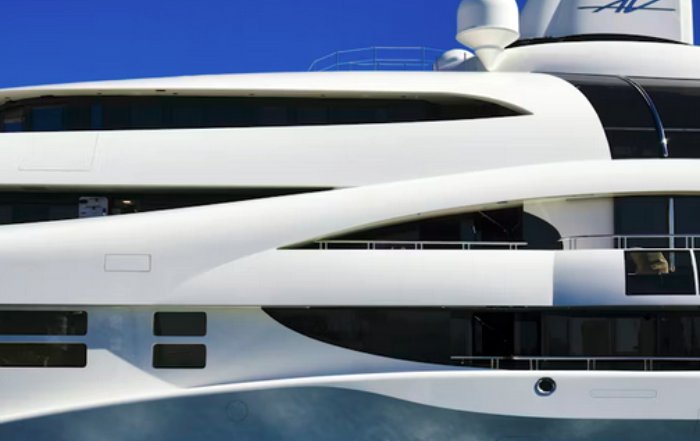
The first test of an iconic yacht remains visual: its profile on the horizon and its presence at the dock. Yachts that achieve enduring recognition typically display a disciplined balance of hull and superstructure, a clear hierarchy of decks, and a silhouette that remains legible from multiple angles and distances. Over the past decade, exterior styling has evolved from overtly aggressive, angular forms to more sculpted, automotive-influenced lines, yet the most influential projects continue to share a few timeless traits: restraint in detailing, coherence of language from bow to stern, and a single, memorable gesture that defines the whole.
Designers such as Tim Heywood, and Winch Design have consistently demonstrated how a carefully calibrated sheerline, a distinctive bow form, or a bold mast arrangement can become a yacht's visual signature, while still accommodating the practical realities of deck heights, glazing, technical spaces, and lifesaving equipment. What separates iconic designs from more derivative work is the integration of this signature element into the vessel's operational and structural logic, rather than treating it as a superficial styling flourish. In the projects most closely examined by yacht-review.com in its design coverage, the exterior language is developed in parallel with naval architecture and interior planning, so that every curve and cut-out serves a functional as well as an aesthetic purpose.
Cultural and climatic context further shapes this exterior DNA. Owners based in Italy, France, and Spain often prioritize expansive open decks, generous overhangs for shade, and seamless transitions between aft terraces and beach clubs, reflecting a Mediterranean lifestyle centered on alfresco dining and water-level living. Clients from Northern Europe, Canada, or New Zealand may emphasize enclosed observation lounges, winter gardens, and protected walkways that support year-round cruising in colder latitudes. In rapidly growing markets such as China, Singapore, and Thailand, there is a growing appetite for bold, contemporary lines that signal technological sophistication and global outlook. The yachts that ultimately become iconic are those that manage to project a strong, instantly recognizable identity while remaining adaptable to these diverse regional expectations and operational profiles.
Interior Architecture: From Floating Residence to Emotional Journey
If the exterior creates the first impression, the interior determines whether a yacht is remembered as a place of genuine transformation and comfort. By 2026, the most admired superyacht interiors draw on the best of high-end residential, boutique hospitality, and wellness design, yet reinterpret these influences through the realities of life at sea. Rather than replicating a hotel suite, the interior of an iconic yacht orchestrates a sequence of experiences: arrival, transition, retreat, celebration, and contemplation.
Owners from markets as varied as Germany, Switzerland, Australia, and Japan increasingly request interiors that feel calm, personal, and enduring, avoiding overt theming in favor of refined material palettes, natural light, and tactile finishes. Large, full-height windows, fold-down bulwarks, and sliding glass partitions are used to dissolve the boundary between interior and exterior, particularly on main and upper decks where social life concentrates. The result, when well executed, is a sense of horizontal continuity and visual openness that makes even a 40-metre yacht feel expansive, while still allowing for intimate nooks and private retreats.
For the editorial team at yacht-review.com, which routinely evaluates interiors on extended cruising itineraries in regions from the Caribbean to Southeast Asia, the real measure of interior excellence is versatility over time. An iconic yacht must support a formal business dinner in New York or London, a relaxed family holiday with children and grandparents in the Bahamas or Balearics, and a quiet, owner-only escape to remote anchorages in Norway, Chile, or South Africa. This requires flexible furniture layouts, convertible spaces that shift between cinema, lounge, and meeting room, and cabins that can alternate between guest and staff use depending on the season. Circulation planning is equally critical: efficient separation of guest and crew routes, discreet service points, and logical vertical connections between decks all contribute to a sense of effortless hospitality that guests may not consciously notice, but that strongly influences their perception of quality.
Engineering, Performance, and the Hidden Architecture of Excellence
Below the visible layers of styling and décor lies the technical foundation on which iconic status ultimately rests. Naval architecture, structural engineering, and propulsion design determine not only speed and range, but also comfort, safety, and lifecycle cost. In a regulatory environment shaped by bodies such as the International Maritime Organization and classification societies including Lloyd's Register and DNV, yachts launched in the mid-2020s must be engineered to standards that anticipate tighter emissions controls, evolving safety rules, and more complex operational profiles.
Performance today is assessed in a multidimensional way. Top speed still matters for certain owners and specific use cases, but range, fuel efficiency, seakeeping, noise and vibration levels, and hybrid capability are increasingly central to purchasing decisions. Technical resources such as DNV's maritime insights illustrate how hull optimization, propeller design, and advanced stabilization systems can significantly reduce energy consumption and improve comfort at anchor and underway. Iconic yachts tend to be early adopters of such technologies, whether through diesel-electric propulsion architectures, battery-supported hotel loads that enable silent operation at anchor, or dynamically optimized hull forms that reduce drag across a wide speed envelope.
From the perspective of yacht-review.com, which has expanded its technology coverage as systems become more complex, the most compelling projects are those where engineering decisions are tightly aligned with the intended guest experience. A vast beach club, for example, demands careful structural design of the stern, precise weight management, and thoughtful integration of tender and toy storage to avoid compromising stability and service flows. Likewise, the choice of hull material and construction method has implications for noise insulation, maintenance regimes, and refit flexibility. When these considerations are resolved holistically from the concept phase, the resulting yacht feels coherent and robust, underpinning the confidence that owners and captains need for ambitious itineraries across North America, Europe, Asia, and beyond.
Sustainability as a Defining Metric of Iconic Status
Perhaps the most decisive evolution in the understanding of iconic yacht design between 2015 and 2026 is the central role of sustainability. Environmental performance has moved from optional talking point to core criterion, driven by regulatory pressure, heightened public scrutiny, and a generational shift among owners in the United States, Canada, Scandinavia, and Australia who see environmental credibility as inseparable from luxury. Yachts that aspire to be remembered as icons in the 2030s and 2040s must demonstrate serious, measurable progress toward lower-impact operation and materials.
Global agreements such as the Paris Agreement and the IMO's decarbonization strategy have accelerated research into alternative fuels, energy efficiency, and lifecycle assessments. Forward-looking shipyards and engine manufacturers are investing in methanol-ready engines, hybrid systems, and, in a few pilot projects, hydrogen-based solutions, while interior outfitters explore certified sustainable timbers, recycled composites, and low-VOC finishes. Broader initiatives documented by the World Economic Forum on sustainable business practices frame these efforts within a global transition toward circularity and reduced emissions, emphasizing that the superyacht sector is part of a wider mobility and hospitality ecosystem under scrutiny.
Within this context, yacht-review.com treats sustainability as a cross-cutting theme rather than a niche subject, integrating it into business analysis, global coverage, and dedicated sustainability features. When assessing a yacht's claim to iconic design, the editorial team now looks beyond compliance certificates to examine how the vessel is prepared for future fuel and technology landscapes. This includes the provision of adaptable technical spaces for next-generation energy systems, intelligent power management to reduce hotel loads, realistic modeling of operational patterns to minimize unnecessary repositioning, and transparent reporting on materials and supply chains. Yachts that treat sustainability as a design driver rather than a marketing add-on are those most likely to be regarded as genuine leaders in the years ahead.
The Human Dimension: Crew, Family, and Societal Expectations
No yacht can be considered iconic if it fails the people who live and work on board. Over the last decade, there has been a marked shift toward more human-centric design, driven by heightened awareness of crew welfare, multi-generational family use, and the social expectations placed on high-profile vessels in destinations from the Mediterranean to Southeast Asia. In traditional yachting nations such as the Netherlands, Germany, and Italy, as well as in emerging hubs like Singapore and Dubai, leading owners and builders increasingly recognize that crew retention, guest satisfaction, and operational safety are deeply intertwined with layout decisions and spatial quality below deck.
Generous, well-ventilated crew quarters with natural light, ergonomic galleys, efficient laundry and storage areas, and dedicated crew lounges are now seen as fundamental rather than optional. Standards set by the International Labour Organization and the Maritime Labour Convention have raised the floor, but the yachts that stand out go considerably further, offering thoughtful circulation routes, clear sightlines for operational oversight, and recreational facilities that acknowledge the months crew spend on board. For readers of yacht-review.com planning extended family voyages or world cruises, these aspects are no longer abstract HR considerations; they are directly linked to safety, service quality, and the long-term enjoyment of ownership.
At the same time, the relationship between yachts and the communities they visit is under sharper focus. Expedition yachts exploring remote regions in Greenland, Antarctica, Indonesia, or along the coasts of Africa and South America are expected to operate with sensitivity to local cultures, economies, and marine ecosystems. Initiatives supported by organizations such as National Geographic and environmental projects like The Ocean Cleanup have helped set expectations for responsible engagement, from supporting scientific research to minimizing waste and respecting local governance. Reflecting this shift, yacht-review.com has broadened its community coverage to include philanthropic programs, citizen science collaborations, and best practices for low-impact exploration, recognizing that social contribution is increasingly part of how an iconic yacht is defined.
Technology Integration and the Future-Ready Superyacht
Iconic yachts of the 2020s are not simply beautiful objects; they are highly sophisticated digital platforms. Owners in technology-forward markets such as South Korea, Japan, Singapore, and North America expect their vessels to match or exceed the connectivity, control, and security of their homes and offices. The challenge for designers and shipyards is to weave these capabilities into the yacht's architecture so seamlessly that guests experience only simplicity, reliability, and comfort.
Integrated bridge systems now combine navigation, communication, and vessel management into unified interfaces, often enhanced by augmented reality overlays and advanced situational awareness tools. Dynamic positioning, predictive maintenance analytics, and real-time performance monitoring are increasingly standard, enabling safer and more efficient operations. In the guest domains, unified control platforms manage lighting, climate, AV, blinds, and security, accessible through intuitive interfaces rather than a proliferation of remotes and wall panels. Industry forums such as METSTRADE and the Superyacht Technology Network showcase rapid innovation in these areas, and yacht-review.com reflects this pace through in-depth technology features that translate technical developments into strategic implications for owners and captains.
Cybersecurity has emerged as a particularly critical dimension of trust. Guidance from bodies such as ENISA and the U.S. Cybersecurity and Infrastructure Security Agency underscores the vulnerability of poorly protected onboard networks, especially as yachts increasingly host confidential business discussions, sensitive personal data, and high-value digital assets. Leading shipyards and management companies are therefore embedding cybersecurity into the earliest design stages, specifying segmented networks, secure remote access, robust encryption, and clear governance protocols. For the discerning audience of yacht-review.com, these invisible protective layers are now considered part of the yacht's core value proposition, influencing charter desirability, insurance terms, and long-term reputational resilience.
Yachts as Strategic Business Assets and Brand Platforms
For many owners in North America, Europe, China, and the Middle East, a yacht functions not only as a private sanctuary but also as a strategic business instrument and a visible extension of corporate identity. Design decisions that contribute to iconic status therefore have direct financial and reputational consequences. A yacht that is architecturally distinctive, operationally efficient, and demonstrably responsible in environmental terms is more likely to command premium charter rates in markets such as the Mediterranean, Caribbean, and South Pacific, and to maintain its desirability in the brokerage market over multiple ownership cycles.
From the vantage point of yacht-review.com, whose business and news sections monitor shifts in demand, regulation, and capital flows, iconic design can be seen as a form of strategic differentiation. For entrepreneurs, investors, and family offices, the yacht has become a venue for confidential negotiations, brand storytelling, and relationship building. Its design language, sustainability credentials, and technological sophistication all communicate messages about the owner's priorities, from innovation and environmental stewardship to cultural patronage. External analyses such as McKinsey's insights on luxury and mobility highlight similar dynamics in adjacent sectors, where design and sustainability increasingly shape brand value; the same logic is now firmly embedded in superyachting.
To support this more strategic approach to ownership, yachts are increasingly designed with flexible layouts, modular technical spaces, and efficient crew complements that can be adapted over time. Cabins that can convert between guest and staff use, galleys designed for both private and charter service models, and technical decks planned with future system upgrades in mind all contribute to resilience in a changing market. By highlighting these aspects in its boats coverage and detailed reviews, yacht-review.com helps its readership identify projects that combine immediate appeal with long-term optionality.
History, Culture, and the Power of Narrative
Iconic status is not achieved by design and engineering alone; it is also constructed through history and storytelling. Classic yachts such as Christina O, Maltese Falcon, or Savannah are remembered not only for their technical achievements or aesthetics, but for the narratives associated with their owners, voyages, and cultural impact. In 2026, new builds that aspire to similar longevity increasingly incorporate a conscious narrative dimension, whether through curated art collections, collaborations with renowned chefs or designers, or programming that aligns the yacht with particular cultural or philanthropic themes.
Through its history and lifestyle features, yacht-review.com explores how owners and designers use art, design, gastronomy, and even literature to imbue their vessels with meaning beyond luxury. In culturally rich markets such as France, Italy, and Spain, where connections between yachting, fashion, and fine art are especially strong, this narrative layering can significantly enhance a yacht's profile and memorability. Likewise, in emerging creative hubs from Berlin to Seoul, collaborations with local artists and designers allow yachts to serve as platforms for cross-cultural exchange.
Major industry showcases such as the Monaco Yacht Show, Fort Lauderdale International Boat Show, and Singapore Yacht Show remain critical stages on which these narratives are presented and refined. Carefully choreographed unveilings, design awards, sea trials with key media, and appearances in high-profile charter fleets all contribute to the aura surrounding certain vessels. yacht-review.com documents these events with a focus on how design, technology, and story intersect, tracing which yachts consistently attract attention, influence subsequent projects, and ultimately enter the informal canon of reference designs for shipyards and studios worldwide.
The Role of yacht-review.com in Defining Iconic Design in 2026
As the superyacht industry becomes more global, data-driven, and environmentally accountable, the need for independent, technically informed, and context-aware analysis has never been greater. yacht-review.com has positioned itself as a trusted reference point for owners, family offices, captains, designers, and advisers seeking to understand not just which yachts are new, but which yachts matter, and why. By combining detailed technical reviews with broader coverage of travel, global developments, community initiatives, and sustainability strategies, the platform offers a holistic perspective that reflects the complexity of modern yacht ownership.
In practical terms, this means evaluating yachts against a multidimensional framework that encompasses exterior originality, interior experience, engineering sophistication, environmental performance, human-centric design, and long-term adaptability. It also involves maintaining close dialogue with shipyards, naval architects, interior studios, technology providers, and regulators across Europe, North America, Asia, Africa, and South America, ensuring that editorial judgments are grounded in current best practice and credible forecasts rather than short-lived trends. The site's global orientation, anchored at yacht-review.com, allows it to reflect diverse cruising cultures and regulatory environments, from the charter-heavy waters of the Mediterranean to the expedition routes of the Arctic and South Pacific.
Looking beyond 2026, the yachts that will be regarded as truly iconic are those that manage to synthesize beauty, performance, responsibility, and meaning into a coherent whole. They will be vessels that delight their owners and guests, respect the oceans and communities they encounter, support the wellbeing of their crews, and remain adaptable in the face of technological and regulatory change. By documenting, analyzing, and, where appropriate, challenging the projects that shape this evolving landscape, yacht-review.com continues to help define what iconic yacht design means for a global audience that expects not only excellence, but integrity and foresight in every aspect of the yachts they commission, charter, and admire.