

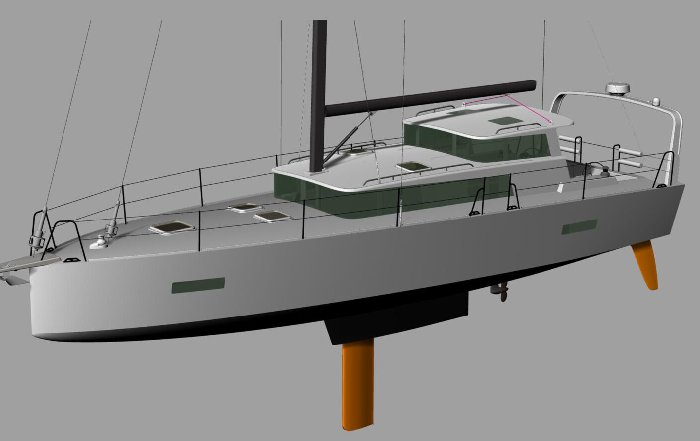
The Versatility of the Modern Pilothouse Cutter
A New Benchmark in All-Weather Cruising
The pilothouse cutter has emerged as one of the most compelling configurations in blue-water sailing, combining the rugged practicality of traditional cutter rigs with the all-weather protection and comfort of a raised or fully enclosed pilothouse. For the discerning owners and professional captains who regularly engage with Yacht-Review.com, this evolution is more than a stylistic trend; it is a response to the realities of longer passages, changing climate patterns, and the rising expectations of owners who demand both performance and liveaboard comfort in a single, coherent platform.
Where once the term "cutter" evoked images of workmanlike, narrow-hulled ocean voyagers, the modern pilothouse cutter now occupies a sophisticated niche that spans private family cruising, high-latitude expeditions, and even semi-custom luxury yachts aimed at the global charter and exploration markets. Across the United States, the United Kingdom, Germany, Canada, Australia, and a growing number of European and Asian yachting hubs, this configuration is increasingly viewed not as a compromise but as a deliberate choice for owners who want to cruise farther, in more varied conditions, while maintaining a high standard of comfort and safety.
For readers who follow the evolving landscape of yacht concepts and real-world performance at Yacht-Review.com, the pilothouse cutter offers a particularly rich case study in how design, technology, and seamanship are converging. It is a platform where every design decision-from window geometry and rig proportions to ballast ratios and helm ergonomics-has tangible implications for long-distance cruising, onboard lifestyle, and long-term asset value.
Defining the Modern Pilothouse Cutter
The term "pilothouse cutter" describes two core elements: a cutter-rigged sail plan and a protected steering and watchkeeping position that is either fully enclosed or semi-enclosed, typically raised relative to the main saloon. In practice, this means a yacht with a single mast, a mainsail, and two headsails-usually a working staysail set on an inner forestay and a larger genoa or yankee set on the outer forestay-paired with a raised pilothouse structure that provides an interior helm, panoramic visibility, and often a secondary living area.
In contrast to classic deckhouse cruisers or pure deck-saloon yachts, the modern pilothouse cutter is engineered with a more explicit emphasis on offshore capability. The hull forms are typically moderate to heavy displacement, with deeper keels and robust rudder configurations designed to cope with the variable conditions encountered on transoceanic routes. The pilothouse itself is integrated not merely as a stylistic feature but as a structural and functional element that supports serious watchkeeping, navigation, and systems management under way.
While earlier generations of pilothouse yachts sometimes sacrificed sailing performance in favor of comfort, contemporary naval architects and builders-among them respected European yards and innovative North American boutique builders-have leveraged advanced materials, computational fluid dynamics, and more efficient sail plans to produce pilothouse cutters that are significantly faster, more stable, and easier to handle than their predecessors. Readers interested in how these developments compare across related yacht types will find broader context in the design overviews and case studies curated in the Yacht-Review.com design section.
Design Evolution: From Workboat Roots to Refined Blue-Water Platforms
Historically, the cutter rig was favored by working craft and early ocean-going yachts because it offered flexible sail combinations, manageable individual sail sizes, and a forgiving balance in heavy weather. As yacht design evolved through the late twentieth century, the cutter rig briefly fell out of favor in some performance-oriented markets, where sloop rigs and lighter displacement hulls dominated racing and production cruising segments, particularly in the United States, the United Kingdom, and parts of Europe.
The resurgence of interest in the cutter configuration, particularly when combined with a pilothouse, reflects a broader shift in owner priorities. Many experienced sailors in Germany, Scandinavia, Canada, and New Zealand, as well as in high-latitude cruising grounds, began to prioritize seakindliness, redundancy, and heavy-weather options over marginal gains in light-air speed. At the same time, advances in sail handling systems-such as reliable roller furling for both headsails, powered winches, and sophisticated rig tuning-have reduced the perceived complexity of the cutter rig, making it accessible to older owners, smaller crews, and family teams.
The pilothouse element followed a similar trajectory. Early deckhouses often compromised aesthetics and sailing performance, leading to a reputation for windage and poor visibility. Modern pilothouse designs, however, use laminated glass, composite structures, and carefully modeled sightlines to minimize aerodynamic penalties while maximizing safety and comfort. In markets like Norway, Sweden, and the Netherlands, where sailing seasons are long but weather can be harsh, the pilothouse is now viewed as an essential component of a serious cruising yacht rather than a mere luxury option.
For readers wishing to trace how these trends intersect with broader developments in yacht history, the editorial team at Yacht-Review.com has chronicled many of these milestones in its dedicated history coverage, linking classic designs to the latest generation of expedition-ready cruisers.
Rig Configuration and Handling: Why the Cutter Still Matters
The cutter rig remains central to the versatility of the modern pilothouse cutter, and its value becomes most apparent when conditions deteriorate or when passages stretch into weeks rather than days. By dividing the sail area among multiple smaller sails, the yacht enables more precise control over balance and power, which in turn reduces helm load, improves autopilot performance, and mitigates fatigue for short-handed crews.
A typical configuration for a 45- to 60-foot pilothouse cutter might include a high-cut yankee on the outer forestay, a self-tacking or sheet-lead-efficient staysail on the inner forestay, and a mainsail with multiple deep reefs. In light airs, both headsails and a full main can be carried, providing ample power and a versatile range of trim options. As wind strength increases, the genoa or yankee can be furled and the boat sailed under staysail and reefed main, a combination that maintains balance and drive while keeping the center of effort low and near the mast.
From a safety perspective, the presence of an inner forestay and robust staysail offers a crucial heavy-weather option. When properly engineered and backed by solid deck and chainplate structures, this inner stay can also serve as a backup in the unlikely event of damage to the primary forestay, thereby enhancing redundancy in critical rigging. For professional skippers and technically minded owners, the detailed rig analyses and comparative boat reviews available in the Yacht-Review.com reviews section provide valuable insights into how different builders approach these structural and performance considerations.
The integration of modern sail handling technology further enhances the rig's practicality. Electric or hydraulic furlers, powered primary winches, and sophisticated load-sensing hardware have made it feasible for couples and even solo sailors to handle substantial sail area without compromising safety. Meanwhile, advances in sailcloth-such as high-modulus laminates and low-stretch fibers-have enabled designers to maintain efficient sail shapes across a wide range of conditions, which is particularly important for long-distance cruisers who may encounter everything from the light airs of the Mediterranean to the strong trade winds of the Atlantic and Pacific.
The Pilothouse as a Strategic Advantage
The defining feature of the modern pilothouse cutter is, of course, the pilothouse itself, which serves as both a physical and psychological centerpiece for extended cruising. Unlike simple sprayhoods or hard dodgers, a true pilothouse offers a protected interior helm station, comprehensive instrumentation, and often a raised seating or dinette area that allows off-watch crew to remain engaged with the surroundings without exposure to wind, spray, or cold.
From a safety and seamanship standpoint, this configuration allows for continuous watchkeeping even in harsh conditions. In high latitudes or winter passages off the coasts of North America and Europe, the ability to maintain a warm, dry interior watch can significantly reduce fatigue and improve decision-making. It also allows for more effective supervision of autopilot performance, radar targets, and AIS contacts, which is increasingly important as global shipping lanes become more congested and as more yachts venture into remote regions.
The integration of modern navigation and situational awareness systems into the pilothouse environment has been accelerated by advances in marine electronics and connectivity. Multi-function displays, augmented-reality overlays, and advanced radar processing-documented extensively by organizations such as Raymarine, Garmin, and Furuno-enable skippers to synthesize weather data, traffic information, and charting in real time. Readers interested in the broader state of maritime navigation technology can explore related developments through resources such as the National Oceanic and Atmospheric Administration at NOAA or the UK Hydrographic Office at Admiralty, both of which provide foundational data and standards that underpin modern electronic navigation.
From a design perspective, the pilothouse must balance visibility, structural integrity, and aesthetic coherence. Large windows must be engineered to withstand green water impacts and UV exposure while minimizing glare and heat gain, particularly in sunnier climates such as the Mediterranean, Australia, and Southeast Asia. The interior layout must allow for safe movement in heavy seas, with secure handholds, non-slip surfaces, and carefully positioned seating that enables watchkeepers to brace comfortably at various heel angles. The Yacht-Review.com editorial team has repeatedly observed, during sea trials and owner interviews, that the most successful pilothouse cutters are those in which the pilothouse functions as an integrated command center rather than a separate "room," ensuring that communication between interior and exterior helm positions remains seamless.
For readers following broader advances in marine technology, the Yacht-Review.com technology section explores how digital integration, energy management, and automation are reshaping the pilothouse concept, enabling owners to monitor and control critical systems from a single, ergonomically optimized environment.
Comfort, Lifestyle, and Family Cruising
Beyond its operational advantages, the modern pilothouse cutter appeals strongly to owners who view their yacht as a seasonal or even full-time home. The raised saloon or pilothouse area, with its abundant natural light and views, creates a sense of spaciousness that is particularly appreciated during extended periods at anchor or in high-latitude harbors where outdoor living may be limited by weather. Families from the United States, Canada, the United Kingdom, and across Europe increasingly see this configuration as a way to combine serious passagemaking capability with a comfortable living environment suitable for children, guests, and multigenerational cruising.
The pilothouse often becomes the social heart of the yacht, bridging interior and exterior spaces. It allows those who may be less enthusiastic about exposure to wind and spray to remain engaged with the sailing experience, strengthening the communal aspect of long-distance cruising. For families, this can be a decisive factor when considering whether children or older relatives will be comfortable on longer voyages. The editorial focus on onboard lifestyle and family dynamics in the Yacht-Review.com family and lifestyle features reflects the growing importance of these considerations in yacht selection and configuration.
From a design standpoint, the pilothouse enables more flexible cabin arrangements below. Because the raised structure provides an additional living area, designers can allocate more of the lower accommodation volume to quiet sleeping cabins, dedicated workspaces, or technical areas such as workshops and machinery rooms. This is particularly valuable for owners who plan to work remotely, manage complex onboard systems, or undertake ambitious refit and customization projects.
The trend toward remote work and longer sabbaticals, accelerated since the early 2020s, has further increased demand for yachts that can function as long-term residences. High-bandwidth connectivity solutions, such as satellite internet and 5G coastal coverage, allow professionals to conduct business from anchorages in the Caribbean, Mediterranean, or Pacific while maintaining close contact with clients and colleagues in global hubs like New York, London, Singapore, and Sydney. For those interested in the broader evolution of work and mobility, organizations such as the World Economic Forum at WEF provide valuable context on how digitalization and flexible work arrangements are reshaping lifestyle choices, including the decision to live and work aboard a yacht.
Business, Ownership, and the Global Market
From a business perspective, the modern pilothouse cutter occupies a distinctive niche that bridges private ownership, charter operations, and expedition services. In established markets such as the United States, the United Kingdom, Germany, and France, as well as in emerging yachting centers across Asia and South America, brokers report growing interest in yachts that combine robust offshore capability with year-round comfort. This has led both established shipyards and newer boutique builders to invest in pilothouse cutter designs that can be tailored to different ownership models.
For private owners, the pilothouse cutter offers a compelling balance between asset protection and utilization. The enclosed pilothouse reduces UV exposure and weathering of interior spaces, potentially extending the lifespan of finishes and furnishings. The yacht's all-weather capability increases the number of viable cruising days per year, thereby improving the return on investment in terms of personal use. Moreover, the strong resale market for well-maintained blue-water cruisers, particularly those with proven passagemaking records, provides a measure of financial reassurance for owners considering significant capital outlays.
In the charter and expedition sectors, pilothouse cutters are increasingly used for specialized itineraries, including high-latitude voyages, cultural exploration cruises, and educational expeditions aimed at corporate groups or academic institutions. Their ability to maintain comfortable interior environments in challenging conditions, while still delivering an authentic sailing experience, makes them particularly attractive for clients seeking distinctive, experience-rich travel options. For readers exploring how such yachts fit into broader maritime business trends, the dedicated business coverage at Yacht-Review.com examines ownership structures, operating costs, and market dynamics across key regions.
Regulatory and insurance considerations also play a role in the growing appeal of pilothouse cutters. Classification societies and insurers often view robust, well-designed pilothouse yachts favorably when assessing risk profiles for high-latitude or transoceanic operations, particularly when they are equipped with redundant systems, advanced navigation equipment, and documented safety management protocols. International frameworks such as those developed by the International Maritime Organization at IMO influence the standards and best practices that serious builders and operators adopt, even for yachts operating below commercial tonnage thresholds.
Technology, Sustainability, and the Future of Pilothouse Cutters
The modern pilothouse cutter is not only a product of traditional seafaring wisdom but also a platform for emerging technologies and sustainability initiatives. As owners and builders across Europe, North America, Asia, and Oceania confront the realities of climate change and environmental regulation, the pilothouse cutter's inherent efficiency and long-range capability align well with the industry's push toward lower-impact operations.
Hybrid propulsion systems, advanced battery technologies, and integrated renewable energy solutions-such as solar arrays, hydro-generators, and high-efficiency alternators-are increasingly common on new builds and major refits. The pilothouse, with its protected roof and integrated superstructure, often provides an ideal footprint for solar panels and communication equipment, minimizing shading and optimizing wiring runs. Shore power integration and smart energy management systems enable owners to reduce reliance on fossil fuels, particularly in sensitive cruising grounds such as the Arctic, Antarctic, and marine protected areas.
Materials and construction methods are also evolving. High-quality composite structures, responsibly sourced timbers, and low-VOC finishes contribute to both performance and environmental goals. Builders attentive to lifecycle impacts are exploring recyclability, modular construction, and service-friendly systems layouts to reduce waste and facilitate upgrades over the yacht's lifespan. For readers wishing to delve deeper into the broader context of maritime decarbonization and sustainable ocean use, organizations such as the International Council on Clean Transportation at ICCT and the United Nations Environment Programme at UNEP provide authoritative analyses and policy perspectives.
The editorial team at Yacht-Review.com has observed that owners who prioritize sustainability often gravitate toward yachts that can operate autonomously for extended periods, minimizing the need for frequent marina stops and diesel resupply. The pilothouse cutter, with its efficient sail plan, generous tankage, and integrated energy systems, is particularly well suited to this style of cruising. Detailed discussions of these themes, including practical strategies for reducing environmental impact while cruising, are available in the site's dedicated sustainability coverage and related long-form features.
Global Cruising, Community, and Cultural Reach
In a world where yachting has become a truly global endeavor, the modern pilothouse cutter serves as a bridge between regions, cultures, and cruising styles. Owners based in Europe may undertake summer seasons in the Baltic or Mediterranean before crossing to the Caribbean or exploring the eastern seaboard of North America. Sailors from Australia, New Zealand, and South Africa frequently use pilothouse cutters as platforms for circumnavigations that include Asia, the Pacific, and South America. In each case, the yacht's ability to operate safely and comfortably in a wide variety of climates and sea states is central to its appeal.
The Yacht-Review.com cruising and travel features regularly highlight how pilothouse cutters are used in practice, from family voyages along the coasts of Italy, Spain, and France to ambitious passages through the Northwest Passage or around Cape Horn. These narratives reveal that the pilothouse cutter is not merely a design category but a catalyst for a particular style of voyaging-one that values self-reliance, thoughtful preparation, and a deep engagement with the maritime environment.
Community is another important dimension. Owners of pilothouse cutters often form informal networks, sharing knowledge about refits, equipment choices, and route planning. Online forums, in-person events, and regional rallies create opportunities for knowledge exchange and camaraderie. The coverage of such gatherings, as well as broader yachting events across Europe, Asia, and the Americas, forms a recurring theme in the Yacht-Review.com events and community sections, reflecting the site's commitment to documenting not only the yachts themselves but also the human stories that surround them.
The Role of Yacht-Review in an Evolving Segment of Online Boating News
As the pilothouse cutter segment continues to evolve, Yacht-Review.com serves as a reference point for owners, designers, and industry professionals seeking nuanced, experience-based assessments. Through detailed boat reviews, comparative design analyses, technology briefings, and business insights, the platform provides a comprehensive view of how these yachts perform in real conditions, how they are built, and how they fit into broader lifestyle and investment decisions.
The editorial team's direct engagement with builders, naval architects, and experienced skippers across North America, Europe, Asia, and beyond allows the site to offer perspectives that go beyond marketing narratives. Sea trials, long-term owner feedback, and technical debriefs from refits and upgrades all contribute to a body of knowledge that emphasizes experience, expertise, authoritativeness, and trustworthiness. For readers navigating the complex process of selecting, commissioning, or refitting a pilothouse cutter, the curated content available across the site-from boats and news to global and lifestyle coverage-offers a structured pathway through an increasingly sophisticated marketplace.
In an era when yachting is simultaneously a personal passion, a substantial financial commitment, and a lens through which to engage with environmental and cultural issues, the versatility of the modern pilothouse cutter stands out. It is a yacht type that rewards serious seamanship, supports ambitious travel, and provides a comfortable, secure home for those who choose to live extensively on the water. For the beautiful global community of Yacht-Review, this combination of capability and comfort ensures that the pilothouse cutter will remain a focal point of interest, innovation, and informed discussion that we will cover again.