

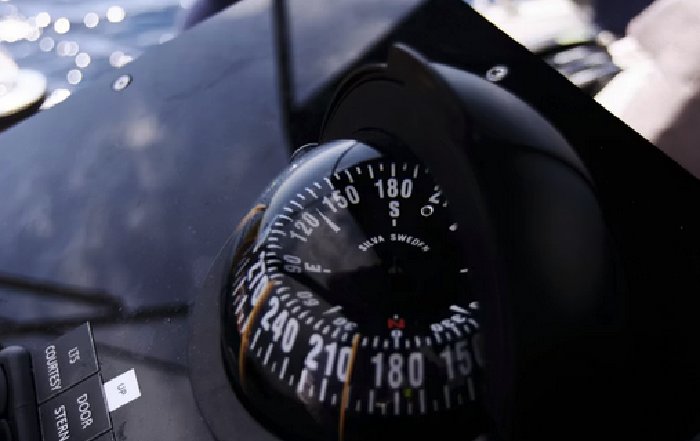
Offshore Safety Gear in 2026: Strategic Priorities for Serious Bluewater Yachtsmen
Offshore Cruising in 2026: Risk, Responsibility and Strategic Preparedness
By 2026, offshore cruising has matured into a global, multi-billion-dollar ecosystem that spans private ownership, charter operations, expedition programs and family world cruising, with yachts routinely crossing oceans between North America, Europe, Asia, Africa and the South Pacific as part of long-term cruising plans rather than occasional one-off adventures. This evolution has reshaped expectations around safety: gear that once satisfied a regulatory checklist is now evaluated through the lens of risk management, duty of care, asset protection and brand reputation, particularly for owners and operators whose vessels and programs are followed closely by the readership of yacht-review.com. In an era of more frequent extreme weather events, congested shipping lanes and increasingly remote itineraries, offshore safety is no longer treated as a peripheral technical topic, but as a strategic foundation for sustainable, enjoyable and commercially viable yachting.
For the editorial team at yacht-review.com, which has tracked the development of offshore cruising practices, yacht design and equipment innovation across its cruising, boats and lifestyle sections, the most significant change over the last few years has been the shift from a gear-centric mindset to a systems perspective. Serious offshore yachts in 2026 are expected to integrate safety equipment with navigation electronics, communications, power systems and even sustainability solutions, while still retaining the ability to function independently when those systems fail. Owners, captains and fleet managers from the United States, United Kingdom, Germany, Australia, Singapore and beyond are benchmarking their safety architecture against best practices drawn from commercial shipping, naval operations and leading training bodies such as Royal Yachting Association (RYA) and US Sailing, while also absorbing lessons from detailed incident analyses published by agencies such as the U.S. Coast Guard and the UK Maritime and Coastguard Agency.
This convergence of experience, expertise and data has created a new standard of authoritativeness in the offshore safety conversation. Within this framework, yacht-review.com treats safety gear not as a static shopping list but as a dynamic portfolio of capabilities that must be aligned with the yacht's mission profile, crew composition, cruising geography and business model. Whether a vessel is a family cruiser departing from Canada or New Zealand for an extended circumnavigation, a high-profile charter yacht working between the Mediterranean and Caribbean, or an expedition yacht venturing to polar regions from Norway, South Africa or Chile, the underlying principle remains consistent: safety investments are fundamental to operational resilience and to the trust placed in owners, captains and operators by crew, guests and the wider yachting community.
Lifejackets, Harnesses and Integrated Personal Survival Systems
At the individual level, the foundation of offshore safety in 2026 remains the lifejacket, yet the expectations for offshore-capable personal flotation devices are now far more demanding than those for coastal or inland use. Offshore crews increasingly regard high-buoyancy, automatic-inflation lifejackets with integrated harnesses, crotch straps, sprayhoods and approved light and whistle fittings as a non-negotiable baseline, particularly for night watches, heavy weather or shorthanded sailing. The influence of standards and recommendations from bodies such as World Sailing and the International Maritime Organization has been reinforced by real-world incident data, which consistently highlights the critical role of well-fitted, properly maintained lifejackets in survivability during man-overboard events.
The most notable development in recent years has been the deeper integration of electronics into personal survival systems. AIS man-overboard beacons, and in many cases compact PLBs, are now routinely incorporated into lifejackets for offshore use, enabling automatic activation upon inflation and immediate transmission of position data to nearby AIS-equipped vessels and the yacht's own navigation suite. For the technologically informed audience of yacht-review.com, which follows advances in onboard electronics through the site's technology coverage, the question is no longer whether to adopt such devices, but how to ensure that their integration is robust, intuitive and well understood by all crew members. Offshore programs that cross busy shipping routes off the coasts of the United States, Europe and Asia, or that operate in challenging conditions in the North Atlantic, Southern Ocean or high latitudes, increasingly view these integrated personal systems as essential to both safety and professional seamanship.
Harnesses and tethers, supported by carefully planned jackline layouts, remain central to preventing man-overboard situations in the first place. The prevailing best practice, widely promoted by professional instructors and safety experts, is a culture of "clip on before you come on deck" whenever there is a meaningful risk of a fall, including at night, in rough seas or when sailing with reduced crew. Modern tethers with double or triple hooks, energy absorbers and user-friendly hardware allow sailors to remain continuously attached while moving along the deck, reducing the temptation to unclip in exposed areas. Those seeking deeper insight into evolving offshore safety standards can explore guidance from organizations such as World Sailing and US Sailing, which continue to refine their recommendations based on incident reviews, technological developments and input from experienced offshore practitioners.
Liferafts and Survival Craft: Designing the Final Layer of Protection
If personal survival gear represents the immediate line of defense, the liferaft is the ultimate contingency when a yacht must be abandoned. In 2026, the range of available liferaft solutions-from compact canister units suited to performance cruisers to fully equipped SOLAS-rated rafts used by expedition and commercial vessels-has expanded, but so too has the level of scrutiny applied by informed owners and surveyors. For serious offshore use, particularly on routes that traverse the North Atlantic, Southern Ocean, remote Pacific archipelagos or the higher latitudes of the Arctic and Antarctic, the core question is not simply whether a liferaft is carried, but whether its specification, capacity, stowage and servicing regime are genuinely aligned with the yacht's risk profile and crew complement.
Within the reviews and design sections of yacht-review.com, the integration of liferafts into the yacht's overall architecture has become a key indicator of build quality and offshore readiness. Well-conceived installations feature dedicated deck recesses or transom cradles that allow rapid deployment even when the yacht is heeled or shipping water, clear access paths free of obstructions, and hydrostatic-release arrangements that provide a last resort should the vessel sink unexpectedly. Inside the raft, details such as insulated floors, effective ballast pockets, robust canopies, adequate emergency rations and water, and comprehensive survival packs-including signalling devices, thermal protection and basic medical supplies-can profoundly influence survivability during the critical hours or days before rescue.
Regulatory frameworks developed by the International Maritime Organization and enforced through flag-state and classification society requirements set minimum standards for liferaft performance, but experienced offshore sailors and professional captains often look beyond these baselines, evaluating manufacturer reputation, global service networks and real-world performance in documented incidents. Those planning ambitious itineraries that include remote regions of the South Pacific, Southern Ocean, North Atlantic or the Southern Indian Ocean are increasingly using resources from the International Maritime Organization and national safety authorities to benchmark their choices against commercial and expedition best practice. For yachts operating commercially or hosting high-profile guests, a well-specified, meticulously serviced liferaft solution is also recognized as a core component of brand protection and legal duty of care, themes that resonate strongly with the business-focused readership of yacht-review.com and its business coverage.
EPIRBs, PLBs and the Global Distress Ecosystem
Despite the proliferation of satellite messengers and IP-based communication tools, the backbone of reliable global distress alerting at sea in 2026 remains the dedicated EPIRB operating on the COSPAS-SARSAT system. Modern EPIRBs with integrated GNSS receivers can transmit highly accurate positions and vessel identifiers to rescue coordination centers, triggering coordinated response efforts that have repeatedly proven decisive in emergencies ranging from catastrophic structural failures to medical crises far from shore. For yacht-review.com, EPIRBs exemplify how relatively modest investments can deliver outsized gains in safety, and their presence, correct installation and up-to-date registration are treated as fundamental criteria when assessing the offshore readiness of yachts featured across the site.
Personal locator beacons complement vessel EPIRBs by providing individual-level distress capabilities, particularly valuable for solo sailors, shorthanded crews and those operating in high-latitude or cold-water environments where survival times in the water are limited. In regions such as the North Atlantic, Baltic, North Sea, Southern Ocean or the frigid waters off Japan and South Korea, the combination of a high-quality lifejacket, integrated AIS beacon and a properly registered PLB can significantly increase the probability of both detection and timely recovery. Maritime safety agencies including the U.S. Coast Guard and the UK Maritime and Coastguard Agency continue to stress that the effectiveness of these devices depends heavily on accurate registration details, proper mounting, regular testing and crew familiarity with activation procedures.
Owners, captains and fleet managers can deepen their understanding of beacon registration, testing protocols and satellite distress architecture through authoritative resources such as the U.S. Coast Guard Navigation Center and the National Oceanic and Atmospheric Administration, both of which provide detailed technical and procedural guidance. For yachts that move between jurisdictions in North America, Europe, Asia and the Southern Hemisphere, ensuring that EPIRB and PLB registrations, MMSI data and related documentation remain current and consistent has become a routine part of seasonal preparation, akin to reviewing passage weather or scheduling major maintenance. The global readership of yacht-review.com, from the United States and United Kingdom to Germany, Singapore, Brazil and New Zealand, increasingly recognizes that in the satellite era, the quality of information linked to a distress signal is as important as the signal itself.
Communications and Redundancy: Building a Resilient Information Lifeline
While VHF remains essential for collision avoidance, port operations and short-range distress, serious offshore cruising in 2026 is underpinned by a layered communication strategy that combines VHF, HF/SSB, satellite voice, satellite data and, where appropriate, IP connectivity via LEO constellations. For many of the yachts profiled in yacht-review.com's global and travel sections, the communication suite is not merely a safety tool but also an operational enabler, supporting weather routing, remote technical support, business continuity for owners and charter operations, and connectivity for guests and family members. However, from a safety and risk management standpoint, the critical metric is not entertainment bandwidth, but the robustness and redundancy of distress and operational communications under adverse conditions.
A well-prepared offshore yacht will typically carry fixed and handheld VHFs, often with DSC capability; at least one satellite-enabled device dedicated to safety, weather and essential messaging; and, for long-range voyaging, an HF/SSB installation that supports participation in cruising nets and reception of weather broadcasts. Increasingly, integrated communication routers manage the switching between cellular, Wi-Fi and satellite links, but prudent captains ensure that core distress functions remain independent of complex onboard networks that might fail during power or software issues. The importance of antenna placement, cable integrity, power redundancy and clear crew procedures has been underlined repeatedly in incident reports, reinforcing the message that hardware alone is insufficient without disciplined configuration and training.
International frameworks governing maritime communication, such as those overseen by the International Telecommunication Union and the International Maritime Organization, continue to evolve as new technologies are introduced and the Global Maritime Distress and Safety System (GMDSS) is modernized. Owners and operators seeking to understand how new LEO satellite services, IP-based voice solutions and digital distress tools fit into the regulatory and operational landscape can consult resources provided by the International Telecommunication Union and the International Maritime Organization, which offer clarity on standards, licensing and interoperability. For the readership of yacht-review.com, which spans technologically sophisticated markets from the United States and Europe to Singapore, Japan and the Gulf states, the emerging best practice is clear: redundancy across platforms, physical installations and power sources is the cornerstone of resilient offshore communication.
Fire, Flooding and Damage Control: Containing the Internal Threats
Many of the gravest offshore incidents originate not from dramatic external events, but from internal failures such as engine-room fires, electrical faults, galley accidents or compromised through-hulls that escalate into uncontrollable flooding. As a result, the definition of "top safety gear" in 2026 extends beyond personal and communication equipment to encompass comprehensive fire suppression, flooding control and structural damage mitigation capabilities. For yachts that appear in yacht-review.com's technology and business sections, the sophistication of onboard engineering and systems integration makes early detection and rapid response particularly important, as even minor faults can propagate quickly in complex machinery spaces and electrical networks.
Modern offshore yachts increasingly employ automatic fire suppression systems in engine rooms and generator compartments, often using clean agents that minimize collateral damage while effectively tackling fuel and electrical fires. These systems are complemented by well-distributed portable extinguishers matched to the likely fire classes in machinery spaces, accommodation areas and galleys, along with clearly marked escape routes and fire blankets. Handheld or fixed thermal imaging cameras are gaining traction as valuable tools for early detection of hot spots, verification of fire boundaries and post-incident assessment, particularly on larger vessels where access to certain voids and technical spaces may be limited.
Flooding and structural damage demand an equally disciplined approach. Effective offshore damage control inventories now typically include tapered soft wood plugs sized for all through-hulls, collision mats or fothering solutions for hull breaches, high-capacity manual and electric bilge pumps with thoughtfully designed pickup points, and repair materials such as epoxy putties, glass tape and emergency hose couplings. Analyses by organizations such as the Marine Accident Investigation Branch have repeatedly highlighted cases where rapid, informed damage control made the difference between a controlled incident and the loss of a vessel. Owners, captains and crews can study these lessons through resources such as the Marine Accident Investigation Branch, using them to shape drills, equipment choices and layout decisions. For the global audience of yacht-review.com, whether operating in European waters, the coasts of North America, the Southern Ocean or the remote Pacific, the underlying principle is universal: damage control is a core seamanship discipline, and its effectiveness is determined long before an incident occurs.
Medical Preparedness and Telemedicine: Healthcare Beyond the Horizon
As offshore cruising routes extend further into remote regions-from the high latitudes of Norway, Iceland and Greenland to the isolated anchorages of the South Pacific, Southeast Asia and the Southern Ocean-the importance of onboard medical preparedness has grown correspondingly. In 2026, serious offshore yachts are expected to carry medical inventories that go far beyond basic first aid kits, encompassing prescription medications, trauma supplies, suturing materials, immobilization equipment and, on many vessels, diagnostic tools such as portable ultrasound devices, ECG monitors or connected vital-sign sensors that can interface with shore-based medical professionals.
The rise of telemedicine has been one of the most transformative developments in offshore safety over the last decade. Satellite-enabled consultations with doctors trained in maritime and remote medicine allow captains and designated medical officers to receive real-time guidance on diagnosis, treatment and triage decisions, including whether to divert, request evacuation or manage a case onboard. Organizations such as the World Health Organization provide frameworks for understanding the health risks associated with long-duration cruising, including infectious disease exposure, mental health challenges, fatigue and cumulative physical strain, and those planning extended voyages can explore broader health guidance through the World Health Organization.
For the editorial team at yacht-review.com, which regularly engages with owners and captains running family-focused programs and multigenerational world cruises, the human dimension of offshore safety is particularly salient. Advanced medical kits and telemedicine capabilities are only as effective as the training and preparedness of the crew. Offshore-oriented medical courses, crisis management training and scenario-based drills are increasingly viewed as essential investments, especially on yachts that regularly host children, older relatives or guests with pre-existing conditions. These themes intersect naturally with the site's family and community coverage, where the emphasis is on building a culture of care that extends beyond compliance to genuine preparedness and confidence. In this context, medical readiness is not an isolated technical topic, but a core component of Experience, Expertise, Authoritativeness and Trustworthiness in offshore operations.
Sustainability, Resilience and the New Ethos of Offshore Safety
A defining shift in the offshore cruising ethos by 2026 is the recognition that environmental responsibility and safety are deeply interconnected. Yachts that adopt robust sustainability practices-ranging from efficient energy systems and responsible waste management to non-toxic coatings and careful fuel handling-often find that these choices also enhance resilience and reduce operational risk. Conversely, poor environmental practices, neglected fuel systems or ad hoc waste disposal can create hazards that threaten both crew safety and the marine environment.
Within yacht-review.com's sustainability and news coverage, the convergence of sustainability and safety is increasingly evident in the way new yachts are designed and refitted. High-reliability renewable energy arrays-combining solar, wind and hydrogeneration-reduce dependence on engines and generators, lowering the risk of fuel-related incidents and ensuring that critical systems such as navigation, communications and lighting remain powered even in prolonged calms or engine failures. Efficient watermakers, robust tankage and carefully designed waste-handling systems enhance self-sufficiency on long passages or in remote regions where shore support is limited, reducing the pressure to make risky diversions or port calls.
From a strategic perspective, owners and operators are also recognizing that sustainable practices contribute to long-term business resilience and reputational strength, particularly in markets such as Europe, North America and Asia where environmental expectations are rising. Organizations like the United Nations Environment Programme and the International Chamber of Shipping are actively promoting frameworks that link environmental performance with operational risk management and corporate responsibility. Those seeking to understand how these principles translate into practical decision-making for yacht operations can learn more about sustainable business practices through resources provided by the United Nations Environment Programme. For the global readership of yacht-review.com, which includes decision-makers from the United States, United Kingdom, Germany, Singapore, Japan, Brazil and beyond, the message is increasingly clear: sustainability is no longer a niche concern, but a core dimension of modern offshore safety and professionalism.
Integrating Gear, Training and Culture: The Yacht-Review.com Perspective
Across the diverse regions and market segments served by yacht-review.com-from private owners in the United States, United Kingdom and Europe, to charter operators in the Caribbean and Mediterranean, to expedition programs in the Arctic, Antarctic and Pacific-the central challenge in 2026 is not simply acquiring top-tier safety gear, but integrating that equipment into a coherent, practiced and continuously evolving safety system. The leading offshore yachts featured in the site's reviews, technology, cruising and lifestyle sections share a common characteristic: they treat safety as a strategic discipline that combines hardware, procedures, training and culture into a unified whole.
In practical terms, this integrated approach encompasses advanced lifejackets with AIS and PLBs, disciplined harness and jackline practices, well-specified and regularly serviced liferafts, properly registered EPIRBs and PLBs, layered communication suites with built-in redundancy, comprehensive fire and flooding control capabilities, sophisticated medical inventories supported by telemedicine, and sustainable systems that enhance resilience while reducing environmental impact. Yet the true differentiator is the mindset with which owners, captains and crews approach these tools. Regular drills, realistic scenario training, periodic reviews of equipment and procedures, and active engagement with evolving best practices-drawing on authoritative sources such as the International Maritime Organization and national maritime authorities-are the hallmarks of programs that consistently manage risk while enabling ambitious cruising.
For yacht-review.com, whose mission is to serve its global audience with Experience, Expertise, Authoritativeness and Trustworthiness, offshore safety coverage is not an abstract editorial topic but a core responsibility to the community it serves. By continuously examining how top safety gear performs in real-world conditions, how design and technology choices influence risk, and how cultural factors shape outcomes at sea, the platform aims to equip its readers-from first-time ocean cruisers to seasoned captains and fleet managers-with the insight needed to make informed, responsible decisions. As offshore routes extend further into challenging regions and as environmental and regulatory landscapes evolve, the yachts and programs that thrive will be those that treat safety as an ongoing strategic investment rather than a one-time purchase.
In this context, the most valuable piece of safety gear on any offshore yacht in 2026 is the collective mindset that views preparation, training and continuous improvement as integral to the yachting lifestyle. Yacht-review.com remains committed to supporting that mindset, providing a trusted space where the global community-from North America and Europe to Asia, Africa, South America and Oceania-can explore, evaluate and refine the safety strategies that will underpin the next generation of bluewater cruising.