

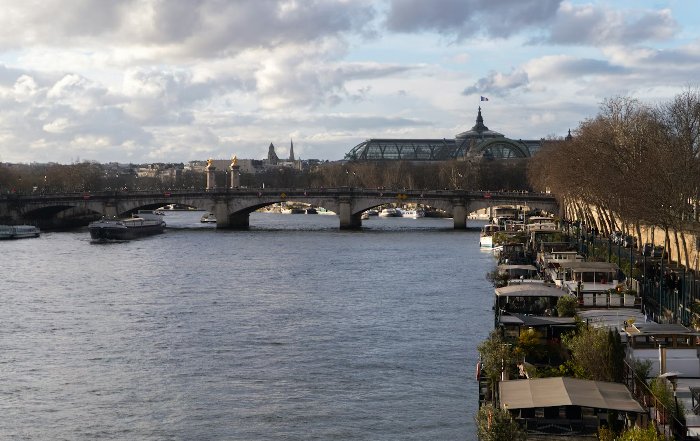
A Guide to Navigating the Inland Waterways of France
Navigating the inland waterways of France has long been regarded as one of the most rewarding ways to experience Europe, combining slow travel, cultural immersion, and technical seamanship in a uniquely compelling manner. Now this network of rivers and canals, stretching from the English Channel to the Mediterranean and from the Atlantic to the Rhine, has become not merely a leisure option but a sophisticated cruising ecosystem, increasingly shaped by sustainability expectations, digital navigation tools, and a global clientele. For the readership of yacht-review.com, whose interests span reviews, design, cruising, technology, business, lifestyle, and sustainability, the French inland waterways offer a rich case study in how traditional cruising grounds are evolving while preserving their historic character.
The Strategic Appeal of French Inland Cruising
For owners and charterers from the United States, United Kingdom, Germany, Canada, Australia, and beyond, France's inland waterways provide a controlled, relatively predictable environment that still demands seamanship and planning, but without the exposure and volatility of offshore passages. The network links major maritime gateways such as Le Havre, Marseille, Bordeaux, and Dunkirk to inland hubs including Lyon, Strasbourg, Paris, and Toulouse, creating an integrated cruising theatre that can be approached as a series of interconnected itineraries rather than isolated routes. This strategic connectivity is particularly attractive for long-range yacht owners considering seasonal repositioning or extended European cruising, who may already be familiar with open-water passages but wish to deepen their engagement with continental cruising culture.
From a business and investment perspective, the inland waterways are also increasingly relevant. The rise of boutique hotel barges, high-end charter péniches, and hybrid-electric inland cruisers has created a niche yet sophisticated market segment, with demand from high-net-worth clients in Europe, North America, and Asia. Readers following the latest developments in the yachting business landscape can explore more on yacht-review.com's business coverage, where the economic implications of such trends are examined in depth.
Understanding the Network: Rivers, Canals, and Key Routes
The French inland network is overseen principally by Voies Navigables de France (VNF), the national waterways authority, which manages thousands of kilometers of navigable rivers and canals. The system is broadly organized around several major axes: the north-south link from the English Channel to the Mediterranean via the Canal du Midi and the Rhône; the east-west connections between the Atlantic and the Rhine; and regional loops and branches serving Burgundy, Champagne, Alsace, and the Loire Valley.
Experienced yachtsmen and women often begin by classifying routes according to vessel constraints, particularly air draft, beam, and draft, since historic canal infrastructure imposes very real technical limits. While many modern inland cruisers and barges are purpose-built to fit the Freycinet standard locks, larger motor yachts must carefully evaluate which sections are realistically accessible. Owners considering modifications or new builds tailored to French inland cruising will find it useful to study emerging design trends in compact displacement hulls, folding or telescopic mast arrangements, and low-profile superstructures, themes regularly explored in the design-focused features at yacht-review.com/design.
Among the most iconic itineraries, the Canal du Midi, a UNESCO World Heritage site, remains the centerpiece for Mediterranean-bound cruisers, linking the Garonne and the Atlantic approaches near Bordeaux to the Étang de Thau and the western Mediterranean. In the north, the Seine corridor offers a refined approach to Paris and beyond, while the Saône-Rhône axis provides a navigable highway between Burgundy and the Mediterranean, attractive not only for private cruisers but also for charter operators targeting international clients from the United States, UK, Germany, and increasingly from Asia-Pacific regions such as Singapore, Japan, and Australia.
Vessel Selection and Technical Considerations
Choosing the right vessel for French inland waterways is a critical decision that blends technical constraints with lifestyle expectations. Traditional Dutch-style barges, contemporary steel displacement cruisers, and compact motor yachts with folding superstructures are all commonly seen, yet each category carries distinct implications for comfort, maintenance, and resale value. Buyers and charterers alike benefit from understanding how hull shape, propulsion configuration, and onboard systems interact with the demands of canal cruising, such as frequent lock operations, low speeds, and occasional shallow sections.
From a technical standpoint, inland waterways place particular emphasis on low-speed maneuverability, robust fendering, and reliable bow and stern thrusters, as lock approaches and confined basins require precise control, often in the presence of current or crosswinds. Many owners now specify advanced joystick systems and integrated electronic controls, influenced by the technology seen on larger superyachts, yet adapted for inland-scale propulsion. Readers tracking such innovations can delve further into propulsion and navigation developments at yacht-review.com/technology, where the transition from traditional diesel setups to hybrid and fully electric solutions is documented.
Compliance with European inland navigation rules, including the Certificat Communautaire for commercial vessels and specific certification for private craft above certain dimensions, must not be underestimated. Owners from North America, Asia, and other non-EU regions are increasingly relying on specialized surveyors and consultants to ensure that their vessels meet current safety and emissions standards. Resources such as the European Boating Association and regulatory guidance from the European Commission provide a framework, while organizations like Royal Yachting Association (RYA) and American Boat and Yacht Council (ABYC) offer training and technical standards that help bridge the gap between ocean-going and inland practices.
Navigation, Regulation, and Digital Tools in 2026
By 2026, digital navigation tools have transformed the experience of cruising French inland waters, yet professional seamanship remains essential. Electronic charting software, route-planning applications, and real-time water level data from VNF and regional authorities allow skippers to anticipate constraints such as lock closures, maintenance works, and drought-related depth restrictions. Platforms that integrate AIS data, satellite imagery, and weather forecasts have become standard, and many owners now treat connectivity as a core safety system rather than a convenience.
The regulatory environment has also evolved, particularly in response to climate variability and increased pressure on freshwater resources. Seasonal restrictions, especially on less-frequented canals, are more common, and skippers must be prepared to adapt itineraries on relatively short notice. For those planning extended cruises, it is increasingly advisable to monitor updates from national meteorological services such as Météo-France, as well as broader climate and hydrology assessments from organizations like the European Environment Agency and the World Meteorological Organization, which provide macro-level context on evolving weather patterns in Europe.
In parallel, training and certification expectations have become more structured. While smaller craft on certain sections may be operated without formal qualifications, serious cruisers, particularly those intending to traverse busy commercial waterways such as the Rhône, Seine, or Rhine-linked canals, are strongly advised to pursue recognized inland navigation certificates. Institutions such as RYA and International Yacht Training (IYT) have expanded their inland curricula, reflecting the growing interest from global clients in structured, competency-based training for European inland cruising.
Seasonal Planning and Climate Realities
Seasonality has always been a defining characteristic of French inland cruising, but climate change has added new layers of complexity. Traditionally, the prime cruising season extended from late spring to early autumn, with shoulder seasons offering quieter waterways at the cost of less predictable weather and reduced lock operating hours. In recent years, however, hotter summers, occasional low-water restrictions, and more volatile rainfall patterns have encouraged prudent owners and charterers to consider earlier or later departures, or to diversify their cruising regions within France over multiple seasons.
Spring and early summer often provide favorable water levels and moderate temperatures, particularly attractive to travellers from northern Europe, North America, and Asia seeking to avoid peak-season heatwaves that have occasionally affected southern France and the Mediterranean basin. Conversely, late summer and early autumn can offer exceptional cruising, especially in wine-producing regions such as Burgundy and Bordeaux, where harvest season adds a cultural dimension to the voyage. For those evaluating broader travel patterns, resources such as the World Tourism Organization (UNWTO) offer useful insights into evolving tourism flows and seasonality trends across Europe, helping owners align cruising plans with global travel cycles.
On yacht-review.com, the broader cruising context is regularly addressed in the dedicated cruising section, where comparative analyses between regions, including the Mediterranean, Northern Europe, and inland waterways, assist readers in making informed seasonal decisions.
Lifestyle, Culture, and Onshore Experiences
One of the defining strengths of French inland cruising is the depth and diversity of cultural experiences available along the route. Unlike many coastal itineraries, where marinas can be relatively isolated from historic city centers, the inland network often delivers vessels directly into the heart of towns and villages, from the quays of Paris on the Seine to the medieval centers of Carcassonne and Narbonne near the Canal du Midi, and the wine towns of the Saône and Yonne valleys. For families and multi-generational groups, this proximity to culture, gastronomy, and history is a major advantage, allowing flexible shore excursions without complex logistics.
Gastronomy, in particular, plays a central role in the inland cruising lifestyle. Local markets, riverside bistros, and Michelin-starred restaurants coexist along many routes, enabling owners and charterers to curate a culinary journey that reflects regional identities, from the seafood traditions of Brittany and Normandy to the wines of Burgundy, Bordeaux, and the Rhône Valley. For those seeking structured guidance, organizations such as Relais & Châteaux and Michelin Guide provide curated lists of establishments that can be integrated into cruising itineraries, while broader insights into French culinary heritage are available through institutions such as Atout France, the national tourism development agency.
The editorial team at yacht-review.com has long emphasized the interplay between cruising and lifestyle, and readers can explore this dimension further through the site's lifestyle coverage, which frequently highlights the intersection of yachting, gastronomy, wellness, and cultural immersion in Europe and beyond.
Family Cruising and Multigenerational Voyages
Inland waterways are particularly well-suited to family cruising, offering a controlled environment with relatively low sea state risk while still providing a sense of adventure and discovery. For families from the United States, Canada, the UK, Germany, Scandinavia, and increasingly from markets such as Singapore, Japan, and Australia, inland cruising in France has become an attractive alternative to conventional city breaks or resort holidays, especially for those wishing to introduce children to boating in a structured and safe setting.
The lock system, far from being a mere technical obstacle, often becomes a focal point of engagement for younger crew members, who can participate in line handling, fender management, and basic navigation under supervision. Many modern inland cruisers are designed with family use in mind, incorporating flexible cabin arrangements, secure deck layouts, and integrated entertainment and learning systems. The emphasis on slower travel also encourages educational opportunities, from visiting historic battlefields and UNESCO-listed sites to exploring museums, galleries, and science centers in cities such as Paris, Lyon, Strasbourg, and Toulouse. Parents seeking guidance on balancing safety, education, and recreation in a family cruising context will find additional insights in yacht-review.com's family-focused articles.
Sustainability, Environmental Stewardship, and Regulation
Sustainability has moved from a peripheral concern to a central pillar of inland waterway management in France. The relatively enclosed nature of canals and rivers, combined with their ecological sensitivity, has driven regulators, operators, and vessel owners toward cleaner technologies and more responsible operating practices. Emission standards, noise regulations, and waste management requirements are progressively tightening, and forward-looking owners now view environmental performance as integral to the long-term viability and reputational value of their cruising operations.
Hybrid and fully electric propulsion systems are increasingly visible on French waterways, particularly among new-build hotel barges and charter fleets targeting environmentally conscious clients from Europe, North America, and Asia-Pacific. Shore power infrastructure, while still uneven, is steadily improving in key hubs, and many marinas now promote energy-efficient services and encourage waste segregation and recycling. Organizations such as the International Council of Marine Industry Associations (ICOMIA) and the International Maritime Organization (IMO), while primarily focused on larger maritime sectors, exert indirect influence through standards and best practices that filter down to inland operations.
For readers of yacht-review.com who prioritize environmental responsibility, the site's dedicated sustainability section examines these trends in detail, including case studies of low-impact cruising, analysis of evolving regulations, and reviews of new technologies aimed at reducing the environmental footprint of yachting. Those wishing to contextualize these developments within broader global sustainability frameworks can also learn more about sustainable business practices through international bodies such as the United Nations Environment Programme (UNEP).
Economic and Business Dimensions of Inland Cruising
The inland waterway sector in France has matured into a sophisticated business environment that intersects with tourism, real estate, hospitality, and marine technology. High-end hotel barges, private charter operations, and fractional ownership schemes have proliferated, particularly in regions with strong international appeal such as Burgundy, Champagne, and the Canal du Midi corridor. Investors from Europe, North America, and increasingly from Asia and the Middle East view inland cruising assets as a way to diversify portfolios while tapping into resilient demand for experiential, slow-paced luxury travel.
This growth has been accompanied by professionalization across the value chain. Brokerage firms now maintain dedicated inland divisions, naval architects are refining hull forms and interior layouts specifically for canal environments, and management companies provide turnkey solutions covering crewing, maintenance, compliance, and marketing. The sector also benefits from the broader expansion of luxury tourism in France, as documented by organizations such as the Organisation for Economic Co-operation and Development (OECD) and the World Travel & Tourism Council (WTTC), which highlight the country's enduring appeal to high-spending international visitors.
Readers interested in the commercial and investment aspects of inland cruising will find ongoing analysis at yacht-review.com/business, where market trends, regulatory shifts, and case studies of successful operations are examined from a strategic perspective.
Technology, Connectivity, and Onboard Experience
As expectations around connectivity and onboard comfort have risen, French inland cruising has had to adapt. By 2026, high-speed mobile networks cover most major routes, and satellite connectivity solutions have become more compact and affordable, enabling continuous access to online navigation tools, remote monitoring systems, and entertainment platforms. For owners and charterers accustomed to the digital infrastructure of modern superyachts, the ability to maintain a connected lifestyle while transiting rural stretches of canal is increasingly non-negotiable.
Smart vessel systems, including integrated monitoring of engines, batteries, tanks, and environmental conditions, are now common on new-build inland cruisers and refitted barges. These systems not only enhance comfort and security but also support predictive maintenance, reducing downtime and extending asset life. Cybersecurity, once an afterthought in the inland segment, is gaining prominence as more systems become networked and remotely accessible. Industry bodies and classification societies are responding with guidelines and best practices that mirror those applied to ocean-going vessels, ensuring that the inland sector does not lag behind in digital resilience.
For a deeper exploration of how these technologies are reshaping yachting across all segments, including inland waterways, readers can consult the dedicated technology insights on yacht-review.com, where developments in connectivity, automation, and onboard systems are analyzed with an eye toward practical implementation.
Integrating Inland France into Global Cruising Strategies
For globally mobile yacht owners and charter clients, the question is not whether French inland waterways are attractive in isolation, but how they fit into broader cruising strategies that may include the Mediterranean, Northern Europe, the Caribbean, and increasingly Asia-Pacific. In practical terms, inland France can serve as a seasonal complement to Mediterranean summers, a cultural counterpoint to Scandinavian fjords, or a long-stay base for owners who wish to combine European city access with a waterborne lifestyle.
The logistical advantages are significant. Major airports in Paris, Lyon, Marseille, Nice, Bordeaux, and Toulouse provide direct connections to North America, the Middle East, and Asia, enabling owners from the United States, Canada, Brazil, South Africa, Singapore, Japan, Australia, and New Zealand to reach their vessels with relative ease. Rail infrastructure, including high-speed TGV lines, further enhances accessibility, allowing efficient transfers between inland moorings and coastal hubs or major cities. For those designing multi-year cruising plans, it is increasingly common to alternate between inland seasons in France and coastal or offshore itineraries elsewhere in Europe or globally, a pattern reflected in the broader travel narratives covered at yacht-review.com/travel.
The Role of Yacht News Reviews in an Evolving Inland Landscape
As the inland waterways of France continue to evolve under the influence of climate realities, regulatory shifts, technological innovation, and changing traveler expectations, the need for authoritative, experience-based guidance has never been greater. yacht-review.com has positioned itself as a trusted resource for discerning owners, charterers, and industry professionals, combining detailed vessel reviews, design analysis, and cruising intelligence with a strong emphasis on experience, expertise, authoritativeness, and trustworthiness.
Through its dedicated sections on reviews, boats, cruising, and global yachting perspectives, the platform offers a comprehensive framework for understanding how French inland cruising fits into the broader yachting ecosystem. The editorial approach, grounded in real-world experience and informed by close engagement with designers, builders, operators, and regulators, ensures that readers receive not only aspirational narratives but also the practical insights required to make informed decisions.
For those considering their first inland season in France or planning to deepen their engagement with this uniquely rich cruising environment, the inland waterways represent far more than a scenic backdrop. They are a living, evolving network where history, technology, sustainability, and lifestyle converge, and where careful preparation, informed choice of vessel, and respect for local culture and environment can yield an experience that is both personally rewarding and professionally instructive. In 2026 and beyond, as global yachting continues to diversify and mature, French inland cruising will remain a benchmark for how tradition and innovation can coexist on the water, and yacht-review.com will continue to chart that evolution for its worldwide audience.