

Behind the Scenes at a Leading Shipyard in 2026: How Modern Superyachts Are Really Built
A Discreet Industry Comes into Sharper Focus
The global superyacht sector has become both broader and more sophisticated, with demand radiating from traditional centers in the United States and Europe to rapidly maturing markets in Asia-Pacific, the Middle East and Latin America. Harbors from Monaco, Miami and Fort Lauderdale to Singapore, Sydney and Auckland now host increasingly ambitious vessels whose scale and complexity would have seemed improbable even a decade ago. Yet for most observers, including many first-time buyers, the inner workings of the shipyards that design and build these yachts remain largely invisible, shielded by commercial discretion, contractual confidentiality and the physical remoteness of many facilities.
For yacht-review.com, which has spent years documenting the sector through in-depth reviews of new builds and refits, this opacity is more than a curiosity; it is a critical missing piece in understanding why certain yards in Italy, Germany, the Netherlands, the United Kingdom and the United States consistently command premium pricing, strong resale values and enduring loyalty from owners and captains. Behind every launch lies a multi-year industrial, creative and regulatory process that fuses advanced naval engineering, artisanal craftsmanship, digital technologies and stringent compliance regimes. By tracing the lifecycle of a modern superyacht from first conversation to final delivery and beyond, this article offers a grounded, 2026 perspective on how leading shipyards actually work, and why their culture and capabilities matter so profoundly to serious owners worldwide.
From Vision to Brief: Where the Real Project Begins
In practical terms, a large custom or semi-custom yacht project often begins long before any formal contract is signed or a keel is laid. The initial contact is frequently made at major gatherings such as the Monaco Yacht Show, the Fort Lauderdale International Boat Show, the Cannes Yachting Festival or the Singapore Yacht Show, where prominent builders including Feadship, Benetti, Oceanco, Heesen, Sanlorenzo and Royal Huisman hold discreet meetings in private lounges and on board existing vessels. At these events, owners and family offices, often accompanied by specialist brokers, legal advisers and technical consultants, are presented with a mix of concept designs, proven platforms and reference projects that serve as a starting point for structured discussion.
The early dialogue is shaped by the owner's intended operational profile: seasonal Mediterranean and Caribbean cruising, transoceanic expeditions to high-latitude regions such as Norway, Alaska or Antarctica, charter-focused deployment in busy hubs, or family-oriented coastal itineraries in areas like New England, the Balearics or Australia's Whitsundays. Within the shipyard, a dedicated new-build team translates these preferences into a preliminary brief that addresses range, speed, guest capacity, crew complement, intended flag, likely charter activity and regulatory implications. Owners in 2026 are typically far better informed than a decade ago, having studied specialist media and technical resources, and many arrive at the yard already familiar with current yacht design and construction trends and with the nuances of hybrid propulsion, battery systems or dynamic positioning.
This heightened sophistication is especially evident among clients from technologically advanced markets such as Germany, Switzerland, the United States, Singapore, Japan and South Korea, who often demand detailed lifecycle cost modeling, comprehensive risk assessment and robust evidence of after-sales capacity before committing to a project. For the editorial team at yacht-review.com, these early meetings effectively set the DNA of future coverage, because the clarity and realism of the brief will strongly influence the vessel's eventual performance, comfort and long-term value.
Concept Design and Feasibility: Imagination Confronts Regulation
Once the outline brief is agreed, the project moves into concept design and feasibility, where creative aspiration is tested against physics, regulation and economics. Naval architects work with exterior stylists and interior designers to define principal dimensions, hull form, superstructure profile and general arrangement, while engineers develop preliminary weights, stability assessments and propulsion concepts. Computational fluid dynamics and parametric modeling are now standard tools, allowing yards to evaluate subtle variations in hull geometry, appendage configuration and bulb shape before any physical work begins.
Simultaneously, leading builders engage early with classification societies such as Lloyd's Register, Bureau Veritas and DNV, as well as with flag states and regulatory bodies. The requirements of the International Maritime Organization, the Passenger Yacht Code, MARPOL and SOLAS shape a surprising range of design decisions, from engine room compartmentalization and escape routes to window sizes, stair geometry and materials selection. Owners who intend to charter in regulated areas of the Mediterranean, Caribbean, United States, United Kingdom or Asia must accept additional constraints, which can influence everything from gross tonnage targets to crew accommodation standards. Readers wishing to understand how these frameworks influence modern naval architecture can explore the work of organizations such as the International Maritime Organization and Lloyd's Register.
For yacht-review.com, which evaluates yachts not only on aesthetics but on practicality and safety, this feasibility phase is pivotal. Decisions taken here will determine whether a yacht feels stable in a beam sea off Cape Town, how efficiently it crosses from the Canary Islands to the Caribbean, and how gracefully it handles the demanding logistics of charter turnarounds in ports from Barcelona to Nassau. By the time a project emerges from feasibility with a signed contract and a defined specification, most of the fundamental characteristics that will later be scrutinized in performance and cruising reviews are already locked in.
Detailed Engineering: From Intent to Buildable Reality
Once feasibility is complete, the project enters detailed engineering, a phase that rarely captures headlines but consumes enormous resources and determines much of the yacht's long-term reliability. In major shipyards, teams of structural engineers, mechanical and electrical specialists, HVAC designers, noise and vibration experts and software engineers work concurrently, often numbering in the hundreds for a large custom build. Every frame, bulkhead, stringer, penetration, valve, cable run and bracket must be precisely defined in three-dimensional space, and must satisfy not only classification rules but also the practical needs of future maintenance and refits.
By 2026, advanced CAD platforms, PLM (Product Lifecycle Management) systems and digital twin technologies are deeply embedded in leading yards. Integrated models link design data to procurement, logistics and production planning, allowing the yard to simulate not only how the yacht will behave at sea, but also how it will be built and serviced over decades. This mirrors broader patterns in high-end manufacturing, where digital transformation is reshaping engineering workflows; those interested in this wider industrial trend can learn more about digitalization in manufacturing through global management research.
In editorial terms, this is the invisible backbone of the vessels later profiled on yacht-review.com. The location of stabilizers and thrusters, the routing of exhausts, the redundancy of power generation and the acoustic treatment of machinery spaces all influence noise levels in guest cabins, comfort at anchor in a rolling swell and the ease with which crew can resolve issues during a busy charter. The publication's emphasis on operational realism and owner experience means that these engineering decisions, though seldom visible in photographs, are closely examined when producing boat and performance features for a demanding global readership.
Steel, Aluminum and Composites: The Hull Takes Physical Form
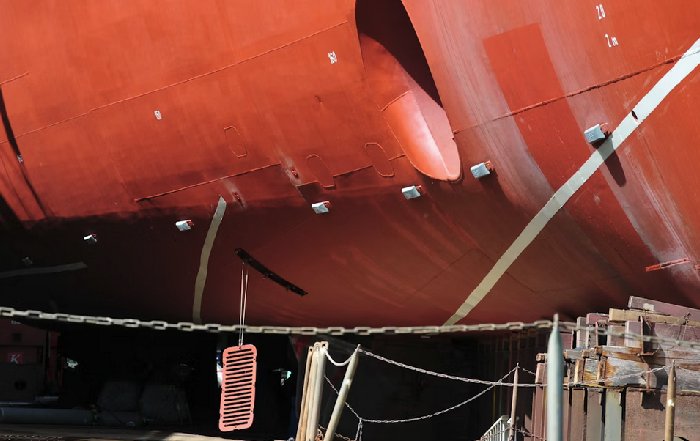
Only after months of engineering does visible construction begin. In the steel halls of leading German, Dutch, Italian, Spanish, British and American shipyards, the hull is assembled as a series of blocks, each pre-outfitted with structural members, tanks and partial systems. These blocks are welded together with exceptional precision to ensure alignment and structural continuity, and the resulting structure is subjected to rigorous non-destructive testing, including ultrasonic inspection and radiography, to detect any flaws. For yards with longstanding reputations in Northern Europe, where clients from Germany, the Netherlands, Scandinavia, the United Kingdom and Switzerland often prioritize technical robustness above all else, this phase is treated almost as a ritual, with master welders, surveyors and quality managers acting as custodians of the brand's integrity.
Aluminum is typically selected for the superstructure, reducing weight and lowering the center of gravity, thereby improving stability, fuel efficiency and seakeeping. The interface between steel hull and aluminum superstructure demands careful management to prevent galvanic corrosion, an area in which leading builders have developed proprietary solutions, coatings and monitoring regimes over decades. At the same time, composite materials continue to advance, particularly for smaller and mid-size yachts and for certain superstructure elements, reflecting broader innovations in structural engineering and materials science. Those seeking to place these developments in a wider context can explore research from institutions such as MIT's Department of Mechanical Engineering, which often highlights advances in marine-related materials and design.
For the editorial team at yacht-review.com, this structural phase is where the tension between heavy industry and bespoke luxury becomes most evident. In cavernous sheds along rivers and coastlines in Europe, North America and Asia, raw steel and aluminum are transformed into the recognizable outline of a yacht that will later appear in design-focused features and global cruising stories. The choices made here regarding hull robustness, ice reinforcement, tank capacities and mooring arrangements are especially critical for owners planning ambitious itineraries to remote regions in Scandinavia, South America, Africa or the South Pacific.
Outfitting and Interior Craftsmanship: Complexity Behind the Calm
Once the hull and superstructure are joined, the yacht enters outfitting, the most time-consuming and coordination-intensive phase of construction. Systems installation, insulation, piping, cabling, joinery and interior fit-out proceed in a carefully sequenced choreography, often involving hundreds of specialists and subcontractors from across Europe, North America, Asia and occasionally Africa and South America.
In the technical spaces, engineers install main engines, generators, gearboxes, shaft lines or pods, stabilizers, watermakers, sewage treatment plants, fire-fighting systems and the increasingly sophisticated hotel load infrastructure that supports modern onboard lifestyles. Hybrid propulsion architectures, battery banks, advanced power management and waste-heat recovery systems are now common talking points, reflecting the industry's gradual response to environmental regulation and owner expectations. Readers wishing to understand the broader environmental context can explore sustainable maritime initiatives promoted by global environmental organizations.
Above the machinery spaces, interior craftsmen from Italy, France, the United Kingdom, Germany, Spain and other design-rich countries bring the owner's vision to life. Exotic woods, custom veneers, rare stones, advanced composites, bespoke furniture and intricate lighting schemes are installed with microscopic precision under the guidance of renowned designers such as Terence Disdale, Winch Design, Nuvolari Lenard, Zaniz Jakubowski and Bannenberg & Rowell. Each project reflects the cultural background and aesthetic preferences of its owner, whether that means a restrained Scandinavian minimalism favored by clients from Sweden, Norway, Denmark and Finland, or a more expressive, art-driven interior typical of certain Mediterranean, Middle Eastern or Asian tastes.
For yacht-review.com, which devotes extensive coverage to family-friendly layouts, lifestyle and onboard comfort, this phase is where the yacht's personality becomes tangible. The way circulation flows between beach club, main salon and upper deck, the relationship between private and social spaces, and the integration of wellness areas, cinemas, children's playrooms and flexible cabins all shape the real-world experience of owners and guests across North America, Europe, Asia, Africa and South America.
Technology Integration: The Digital Nervous System of a Yacht
Beneath the polished surfaces and sculpted interiors, a modern superyacht is effectively a floating digital ecosystem. In 2026, owners from the United States, Canada, the United Kingdom, Germany, Singapore, South Korea, Japan and other technology-intensive markets expect connectivity, control and entertainment capabilities that match or exceed those of their residences and offices. Leading shipyards must therefore integrate navigation electronics, communication platforms, entertainment networks, security systems and building-management solutions into a coherent, cyber-secure architecture.
The bridge typically features integrated navigation suites from manufacturers such as Kongsberg, and Raymarine, unifying radar, ECDIS, autopilot, conning displays and dynamic positioning into ergonomic consoles configured for both short-handed operation and full bridge teams. In the guest and crew areas, AV and IT specialists create distributed audio-visual systems, 4K and 8K cinema rooms, immersive gaming spaces and high-bandwidth internet access using a combination of geostationary and low-earth-orbit satellite constellations. With the growing prevalence of remote working, many owners now require secure onboard offices with enterprise-grade connectivity and data protection.
Cybersecurity has become a central concern, with shipyards and integrators working with specialist firms to segment networks, manage access control and implement best practices inspired by guidance from organizations such as the National Institute of Standards and Technology. For yacht-review.com, which follows technical innovation and digital trends in yachting, the quality of this integration is a key differentiator between builders. Yards with deep systems engineering experience are better able to future-proof installations, simplify user interfaces and ensure that the yacht remains adaptable as standards evolve, a factor that significantly influences long-term owner satisfaction and resale value.
Sea Trials and Certification: Theory Tested at Sea
After years of design, engineering, construction and outfitting, the yacht finally leaves the shed and enters the water. Launch day is often marked by a carefully choreographed event, but from a technical perspective it signals the beginning of intense sea trials and certification work. In nearby coastal waters-whether the North Sea, Baltic, Ligurian Sea, North Atlantic or Florida Straits-the shipyard's engineers, classification surveyors and flag representatives put every system through exhaustive testing.
Speed trials, turning circles, crash-stop maneuvers, endurance runs and station-keeping tests are conducted under varied load and sea conditions. Noise and vibration levels are measured in guest cabins, crew areas and technical spaces, and are compared against stringent contractual limits that top-tier Northern European and Italian yards have refined over decades. Redundancy, emergency systems, fire-fighting capabilities and lifesaving appliances are tested in close collaboration with class and flag authorities, who must be satisfied that all requirements have been met before issuing final certificates. Those wishing to understand the regulatory context for these procedures can review international maritime safety frameworks.
For yacht-review.com, sea trials are a crucial validation step that bridges the gap between shipyard promises and real-world performance. Data collected during trials informs later performance-focused boat coverage, providing a factual basis for assessing seakeeping, efficiency, maneuverability and onboard comfort. This analytical approach is particularly valued by experienced owners and captains operating in demanding waters from the Pacific Northwest and South China Sea to the Southern Ocean and the Cape of Good Hope.
Business Models and Global Clientele in 2026: Quiet Competition, Rapid Evolution
Behind the technical achievements of leading shipyards lies a dynamic business landscape shaped by global wealth trends, taxation, regulation and shifting cultural attitudes toward conspicuous consumption and responsible ownership. Since the early 2020s, the client base for large yachts has continued to diversify, with increasing participation from entrepreneurs and investors in China, Southeast Asia, the Middle East, South America and Africa, alongside established markets in the United States, United Kingdom, Germany, France, Italy, Spain, the Netherlands, Switzerland, Canada and Australia.
Some yards have doubled down on fully custom builds, offering near-total design freedom and deep personalization for clients who view their yachts as unique, long-term family assets. Others have refined semi-custom platforms, enabling faster delivery, lower technical risk and more predictable budgets, an approach that resonates with first-time owners in fast-growing markets such as the United States, Brazil, South Africa and Malaysia. The charter market remains an important driver, with many vessels structured as commercial assets expected to generate income during peak seasons in the Mediterranean and Caribbean, and increasingly in emerging destinations in Asia and the South Pacific. Readers seeking a broader view of high-end consumer dynamics can explore global analyses of luxury spending produced by leading consulting firms.
From the vantage point of yacht-review.com, which tracks industry news, business strategies and market shifts, the shipyard is no longer just a production facility but a long-term strategic partner. The most successful builders invest heavily in after-sales support, global service networks, refit capacity and digital monitoring capabilities, recognizing that in a tightly connected community stretching from Monaco, London and Hamburg to Miami, Dubai, Hong Kong and Singapore, reputation is built over decades and can be damaged in a single poorly handled incident.
Sustainability and Regulation: Towards Greener Yards and Cleaner Yachts
Environmental scrutiny has intensified markedly by 2026, with regulators, civil society and owners themselves demanding more responsible practices across the yachting value chain. Emissions regulations, port restrictions, no-discharge zones and evolving expectations around ESG (Environmental, Social and Governance) performance are reshaping how shipyards design and operate. The International Maritime Organization, the European Union and national authorities in key markets such as the United States, United Kingdom, Australia and Singapore continue to tighten standards related to greenhouse gas emissions, waste-water treatment and energy efficiency.
In response, forward-looking yards are investing in hybrid propulsion systems, alternative fuel readiness, advanced waste treatment and energy-efficient hotel systems, while also optimizing hull forms and weight distribution to reduce fuel consumption. Some projects are now being prepared for methanol, ammonia or hydrogen-related technologies, even if such fuels are not immediately adopted, reflecting a desire to future-proof assets against regulatory and technological change. Onshore, shipyards are upgrading their facilities with renewable energy generation, improved waste management and more sustainable material sourcing, aligning their operations with broader efforts to learn more about sustainable business practices promoted by international organizations.
For yacht-review.com, which maintains dedicated coverage of sustainability in the yachting sector, a yard's environmental strategy has become a central component of any serious evaluation. Owners from environmentally conscious regions such as Scandinavia, Germany, Switzerland, Canada, New Zealand and parts of Asia increasingly ask not only about the yacht's operational footprint but also about the builder's own emissions, labor practices and community engagement. These questions are no longer peripheral; they influence yard selection, financing conditions and, in some cases, port access and charter viability.
Culture, Workforce and Community: The Human Engine of the Yard
Behind every technologically advanced superyacht lies a complex human ecosystem. Leading shipyards in Italy, the Netherlands, Germany, the United Kingdom, France, Spain and the United States act as economic anchors for their regions, supporting extensive networks of suppliers, subcontractors and service providers. They invest in apprenticeships, vocational training and partnerships with technical universities to ensure the continued availability of skilled welders, pipefitters, electricians, carpenters, painters, project managers and engineers.
Modern yards are also culturally diverse workplaces, bringing together specialists from across Europe, Asia, Africa and the Americas. Managing this diversity requires robust health and safety regimes, clear communication structures and a corporate culture that emphasizes quality, integrity and continuous improvement. International labor standards and best practices, as articulated by bodies such as the International Labour Organization, increasingly inform how progressive shipyards structure employment, training and welfare policies.
For yacht-review.com, which also covers community and lifestyle dimensions of yachting, the human side of the industry is an essential part of the story. The meticulous work of a cabinetmaker in Viareggio, the precision of a systems engineer in Hamburg, the problem-solving instincts of a Dutch project manager in Aalsmeer, or the operational insight of a South African or New Zealand captain all converge in the final product that appears in travel and global cruising features. The publication's role is to connect these often-unseen contributions with the experiences of owners and guests who may only encounter the finished yacht in a glamorous setting.
Delivery, Lifecycle and the Long Relationship
When a yacht is finally delivered, often during a carefully orchestrated handover attended by family, friends and key project stakeholders, the shipyard's involvement does not end. Warranty periods, scheduled maintenance, refits, upgrades and unplanned interventions ensure that the relationship between owner and yard typically extends over many years and, in some cases, across multiple generations of vessels. Owners who cruise extensively-from the Mediterranean and Caribbean to the fjords of Norway, the islands of Southeast Asia, the coasts of South Africa and Brazil, or the remote anchorages of the South Pacific-depend on the yard's global support network to resolve issues rapidly and supply parts and expertise wherever the yacht may be.
Recognizing the commercial and reputational importance of this phase, many leading builders now operate dedicated refit divisions or partner with specialist yards in strategic locations. As regulations evolve and technologies such as new communication systems, stabilizers, energy storage solutions or propulsion upgrades become available, these refits allow older yachts to remain competitive, efficient and attractive in both private and charter markets. For readers tracking these developments across continents, yacht-review.com provides continuing coverage through its news and events reporting and its analysis of global market perspectives, offering insights into how builders and service yards adapt to changing expectations in Europe, North America, Asia, Africa and South America.
Why Shipyard Choice Matters in 2026: A yacht-review.com Perspective
From the vantage point of yacht-review.com, which has built its reputation on independent analysis of yachts, shipyards and market trends, the choice of builder remains one of the most consequential decisions an owner or family office can make. Two yachts of similar length, appearance and headline specification can deliver dramatically different experiences at sea, depending on the rigor of their engineering, the quality of their construction, the culture of their builders and the robustness of their after-sales support.
A leading shipyard brings not only technical competence but also institutional memory: a deep understanding of what has worked across decades of projects, how materials and systems behave over time, how crews actually live and work on board, and how to design for the realities of global cruising, charter operations and multi-generational family use. It is this blend of experience, expertise, authoritativeness and trustworthiness that distinguishes the best builders in Italy, Germany, the Netherlands, the United Kingdom and the United States, as well as emerging centers in Asia and the Middle East.
For decision-makers considering a new build, refit or acquisition, yacht-review.com serves as a curated reference point, combining detailed reviews of individual yachts, design and technology analysis, business and market coverage and lifestyle-oriented features. By consistently looking behind the scenes at leading shipyards, the publication aims to equip owners, captains, family offices and industry professionals across continents-from North America and Europe to Asia, Africa and South America-with the depth of understanding required to make informed, confident and responsible decisions in a complex and rapidly evolving market.
In an era when luxury is often communicated through images and impressions, the shipyard remains the ultimate test of substance. It is in the design offices, steel halls, outfitting sheds and sea trial ranges of the world's maritime centers that the true value of a yacht is created, long before it appears at a marina, an international event or on the pages of yacht-review.com.