

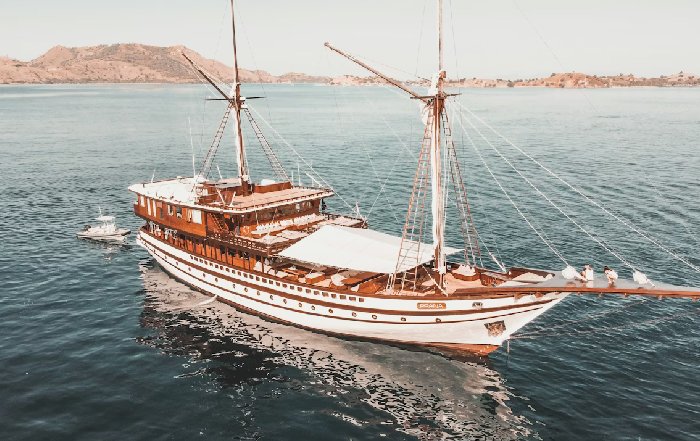
Exploring the Archipelagos of Southeast Asia by Yacht
A New Strategic Frontier for Luxury Cruising
Southeast Asia has moved from being an exotic outlier in yachting itineraries to a central pillar of global cruising strategy, drawing owners, charter clients and industry leaders who increasingly regard the region's vast archipelagos as the most compelling frontier for experiential luxury travel. For yacht-review.com, which has long tracked the evolution of high-end cruising destinations, this shift is not merely about new routes on the chart; it reflects a deeper transformation in how yacht owners from the United States, Europe and Asia define value, adventure, sustainability and family experiences on the water.
Stretching from Thailand and Malaysia through Indonesia and the Philippines and up toward Vietnam and the South China Sea, the region's maritime geography is uniquely suited to yachting. Thousands of islands, relatively short passages, diverse cultures and rapidly improving infrastructure together create an ecosystem in which a 40-metre displacement yacht, a high-performance sailing superyacht or a compact explorer vessel can each find a natural operational sweet spot. While traditional hubs such as the Mediterranean and Caribbean remain dominant, the data emerging from leading industry bodies such as the Superyacht Builders Association (SYBAss) and insights from yacht-review.com's own global coverage confirm that Southeast Asia's share of long-range cruising itineraries has grown steadily, especially among experienced owners seeking less crowded waters and more authentic engagement with local cultures.
Geography, Seasonality and Route Planning
For yacht owners and charter planners in the United States, United Kingdom, Germany, Canada and Australia, one of the first considerations when looking at Southeast Asia is how its monsoon-driven climate differs from the familiar patterns of the Mediterranean or Caribbean. Unlike single-basin cruising grounds, the region is effectively divided into several distinct climatic zones, each with its own optimal season, which in turn shapes how itineraries are structured and how yachts reposition across the year.
In broad terms, the northeast monsoon from November to March favours cruising in Thailand's Andaman Sea, Malaysia's Langkawi and Penang regions and much of the western Indonesian archipelagos, while the southwest monsoon from May to September can be more favourable for the eastern Indonesian islands, parts of the Philippines and certain sheltered areas of Vietnam. As a result, sophisticated owners and captains often design flexible itineraries that may start with a winter season in Phuket and the Similan Islands before moving gradually east toward Komodo, Raja Ampat or the Spice Islands, leveraging the yacht's range and technical capabilities to remain within optimal weather windows. Detailed route planning has become more data-driven, with captains increasingly relying on advanced weather routing and oceanographic tools, as well as resources from organizations such as the World Meteorological Organization and national hydrographic offices, to reduce risk and maximize comfort for guests.
The complexity of the region's geography also influences yacht selection and refit decisions. A vessel intended for extensive exploration of shallow coral lagoons and remote anchorages may prioritize reduced draft, robust tenders and enhanced stabilisation at anchor, whereas a yacht designed to transit longer bluewater legs between Singapore, Bali and Darwin might emphasise fuel capacity, efficiency and redundancy in critical systems. For readers of yacht-review.com exploring newbuild or brokerage options, the interplay between design, range and regional cruising ambitions is increasingly central, and our dedicated boats section reflects this shift with a growing focus on explorer and semi-expedition platforms.
Infrastructure: From Emerging Hubs to Mature Gateways
The viability of Southeast Asia as a primary cruising destination has been accelerated by the steady development of yachting infrastructure in key hubs, particularly Singapore, Thailand and selected parts of Indonesia and Malaysia. While the region still lacks the density of superyacht marinas found in the Mediterranean, the progress made over the past decade is significant, and in 2026 the ecosystem is sufficiently mature to support extended itineraries for yachts up to and beyond 60 metres, provided itineraries and logistics are planned carefully.
Singapore has emerged as the region's most sophisticated technical and logistical base, with world-class marinas, refit yards, chandlery networks and professional services that align with the expectations of owners from Switzerland, the Netherlands and the wider European and North American markets. The city-state's reputation as a stable financial centre, combined with its strategic location and robust regulatory environment, makes it a natural hub for yacht ownership structures, crew management and maintenance planning. Owners and captains increasingly integrate Singapore into multi-year operational strategies, using the city as a pivot point for movements between the Indian Ocean, Southeast Asia and the Western Pacific, while staying informed on broader industry trends through platforms such as Boat International and SuperyachtNews.
Thailand, and particularly the Phuket area, has consolidated its role as the primary leisure gateway for the Andaman Sea, with marinas, service providers and hospitality infrastructure tailored to high-end yacht clientele from the United Kingdom, France, Italy and Scandinavia. The Thai government's gradual refinement of charter regulations and visa frameworks has also improved the commercial viability of basing charter yachts in the region during the European winter season. At the same time, Indonesia and Malaysia have been making incremental but meaningful strides, with new marinas, improved customs procedures in selected ports and growing local expertise, although captains still need to invest more time in regulatory research and local agency relationships than they would in more mature cruising regions.
For business readers of yacht-review.com, these developments underscore the importance of understanding both the opportunities and the practical constraints of operating in Southeast Asia. While the region's potential is undeniable, it remains a patchwork of jurisdictions, each with distinct regulations on cabotage, charter licensing, crew visas and environmental compliance. Our business coverage has consistently highlighted that successful long-term deployment in the region demands early engagement with specialist maritime lawyers, local agents and classification societies, as well as close attention to evolving regional frameworks promoted by bodies such as the ASEAN member states.
Design and Technology for Archipelagic Exploration
The specific demands of archipelagic cruising in Southeast Asia have had a measurable impact on yacht design and onboard technology, with naval architects, shipyards and technology providers responding to owner requests that reflect the realities of operating in remote, environmentally sensitive and often lightly charted waters. For designers in Italy, the Netherlands, Germany and the United Kingdom, the region has become an important reference point when discussing concept yachts and refits with clients who prioritise long-range autonomy, comfort at anchor and sustainable operations.
From a design perspective, yachts intended for Southeast Asian itineraries frequently incorporate extended fuel capacity, enhanced water-making systems and substantial cold storage to support provisioning gaps between major hubs. Shallow draft hulls, advanced stabilisers and dynamic positioning systems are also increasingly specified to facilitate safe access to coral-fringed anchorages and to minimise seabed impact. Onboard dive centres, decompression facilities and dedicated tenders for diving and surfing have become common in projects targeting Indonesia, the Philippines and remote parts of Malaysia, reflecting the region's reputation for world-class underwater experiences. Readers interested in how these trends influence contemporary naval architecture can explore our design insights, which regularly feature projects optimised for Southeast Asian waters.
Technology plays a central role in enabling safe and efficient operations. Satellite communications, high-resolution electronic charts, real-time weather and ocean current data and remote monitoring systems are no longer optional for yachts venturing into lightly trafficked areas. Advances in hybrid propulsion, energy management and battery storage, championed by leading yards and technology partners and tracked closely by yacht-review.com in its technology section, are particularly relevant in Southeast Asia, where environmental sensitivity is high and fuel logistics can be challenging. Hybrid systems allow yachts to operate quietly in marine parks, reduce emissions in protected areas and extend time between refuelling stops, aligning operational efficiency with emerging regulatory expectations and owner values.
Sustainability and Environmental Stewardship
The rise of Southeast Asia as a premium yachting destination has coincided with a global shift in owner and charterer expectations around sustainability, and nowhere is this more visible than in the coral reefs, mangrove forests and marine protected areas that define much of the region's natural appeal. From Raja Ampat in Indonesia to the Surin and Similan Islands in Thailand, the health of marine ecosystems is both a moral and a commercial priority, as degradation of reefs and fisheries would erode the very foundation of the region's attractiveness to high-end travellers.
Owners and captains operating in Southeast Asia increasingly seek guidance not only from flag states and classification societies but also from entities such as the International Maritime Organization and environmental NGOs that publish best-practice guidelines for low-impact cruising, anchoring and waste management. Emerging technologies such as advanced wastewater treatment plants, hull coatings that reduce drag and biofouling, and onboard waste compaction and recycling systems are being specified more frequently, particularly for newbuilds commissioned by environmentally conscious owners in Europe, North America and Asia. Those wishing to understand how these innovations translate into practical operational strategies can explore our dedicated sustainability coverage, which examines both regulatory developments and case studies from yachts already active in the region.
Beyond technology, sustainable operations in Southeast Asia require a mindset that prioritises respect for local communities and ecosystems. This includes careful route planning to avoid sensitive spawning grounds, adherence to no-anchoring zones in coral areas, support for local conservation initiatives and responsible engagement with wildlife. Industry leaders are increasingly aligning their practices with frameworks promoted by organisations such as the UN Environment Programme, recognising that long-term access to fragile destinations depends on demonstrable environmental performance. For yacht owners from markets such as Sweden, Norway, Denmark and Finland, where environmental awareness is particularly high, the ability to cruise Southeast Asia in a demonstrably responsible manner is often a decisive factor in destination choice.
Cultural Immersion and Community Engagement
One of the defining advantages of exploring Southeast Asia by yacht is the potential for deep cultural immersion, far beyond what is typically possible in more homogenised mass-tourism regions. From the traditional sea gypsy communities of Thailand and Malaysia to the diverse ethnic groups of Indonesia, the Philippines and Vietnam, yacht guests are presented with opportunities to engage with cultures that have been shaped by the sea for centuries. However, such engagement must be handled with sensitivity and respect, particularly when visiting remote communities that may have limited exposure to luxury tourism.
For yacht-review.com, which has long emphasised the human dimension of cruising in its community coverage, the most successful itineraries in Southeast Asia are those that integrate curated cultural experiences into the overall voyage narrative, rather than treating them as superficial excursions. This may involve collaborating with local guides, anthropologists or NGOs to design visits that are mutually beneficial, ensuring that economic benefits flow into the community while preserving cultural integrity and avoiding disruptive behaviour. In many cases, yacht owners and charter guests elect to support local schools, marine conservation programmes or healthcare initiatives, turning a single visit into a longer-term relationship that aligns personal values with the privilege of accessing remote locations.
For families cruising with children, these cultural encounters can be transformative. Exposure to different languages, religions and ways of life, framed through responsible and well-briefed interactions, can turn a holiday into an educational experience that complements more conventional schooling. Our family-oriented articles increasingly highlight Southeast Asia as an ideal classroom afloat, where young guests can learn about history, ecology and cultural diversity in real time, guided by knowledgeable crew and local experts.
Charter Dynamics and Emerging Market Demand
The commercial charter market in Southeast Asia has matured considerably by 2026, although it remains more complex and fragmented than in established regions such as the Mediterranean. Regulatory frameworks differ across Thailand, Indonesia, Malaysia and the Philippines, and while there has been progress in liberalising certain markets and clarifying charter rules, operators still need to navigate a patchwork of permits, tax regimes and cabotage restrictions. Industry associations and specialist legal firms have played an important role in advocating for clearer regulations and in advising owners who wish to base their yachts in the region for charter, particularly those from the United States, United Kingdom, France and Germany who are accustomed to more predictable regulatory environments.
Demand, however, is clearly present and growing. High-net-worth individuals from China, Singapore, South Korea and Japan increasingly view Southeast Asia as their natural yachting backyard, while European and North American clients are drawn by the promise of uncrowded anchorages, exceptional diving and the sense of discovery that is increasingly difficult to find in more saturated cruising grounds. Charter brokers have responded by developing sophisticated itineraries that balance headline destinations such as Phuket or Bali with more remote anchorages in Indonesia, Malaysia or the Philippines, often combining yacht time with land-based stays at high-end resorts or private villas. For readers tracking these trends, yacht-review.com's reviews and cruising features provide in-depth analyses of itineraries, vessel types and seasonal strategies that have proven successful in practice.
From a business perspective, Southeast Asia offers both opportunity and risk. Charter rates can be attractive, particularly for unique expedition-style experiences, but operational costs, crew logistics and regulatory compliance can be higher and more complex than in more standard destinations. Owners considering commercial deployment in the region are advised to conduct detailed feasibility studies, including scenario planning for geopolitical developments, environmental regulations and shifts in local tourism policy, aligning their decisions with broader portfolio and lifestyle objectives.
Lifestyle, Wellness and Experiential Luxury
The lifestyle dimension of yachting in Southeast Asia is particularly compelling for owners and charterers seeking wellness, privacy and experiential richness rather than purely status-driven displays of luxury. The region's warm waters, diverse marine life and abundance of secluded anchorages create an ideal backdrop for integrated wellness programmes that may include yoga, meditation, spa treatments, nutrition-focused cuisine and digital detox experiences, all delivered in the privacy of a yacht. This aligns with global trends in high-end travel, where affluent clients from North America, Europe and Asia increasingly prioritise health, mental wellbeing and meaningful experiences over conspicuous consumption.
For yacht-review.com, whose lifestyle coverage has charted the evolution of owner expectations over the past decade, Southeast Asia stands out as a region where the yacht becomes not just a platform for travel but a mobile sanctuary. Guests can begin the day with sunrise yoga on deck in Thailand's Phang Nga Bay, spend the afternoon diving a pristine reef in Raja Ampat and end the evening with a locally inspired tasting menu crafted by an onboard chef who has sourced ingredients from village markets along the route. Such experiences, when curated with attention to authenticity and sustainability, differentiate Southeast Asian itineraries from more conventional cruising grounds and resonate strongly with sophisticated clients from markets as diverse as Brazil, South Africa, New Zealand and the Nordic countries.
The experiential nature of Southeast Asian cruising also encourages more active participation by guests. Kayaking through mangrove forests, learning traditional fishing techniques from local communities, joining conservation dives or exploring volcanic landscapes on foot all contribute to a sense of engagement and personal growth that extends beyond the typical yacht holiday. This shift toward active, purposeful travel is likely to intensify in coming years, influencing not only itinerary design but also yacht layout decisions, as owners request more space for sports equipment, wellness facilities and flexible guest areas that can transition from gym to classroom to cinema as needed.
Historical Context and the Future Trajectory
To fully appreciate the significance of Southeast Asia's emergence as a premier yachting destination, it is useful to place the region within a broader historical context. For centuries, these waters were central to global trade, with spice routes, colonial rivalries and indigenous maritime cultures shaping the economic and political landscape of Asia, Europe and beyond. From the Portuguese and Dutch voyages of the 16th and 17th centuries to the complex naval history of the 20th century, the region's seas have long been contested, traversed and transformed. Our history features often highlight how these legacies continue to influence contemporary cruising, whether through preserved forts, trading towns or navigational lore passed down among local seafarers.
Looking ahead from the vantage point of 2026, several macro trends will shape the future of yachting in Southeast Asia. Climate change and sea-level rise are already affecting coastal communities, marine ecosystems and weather patterns, necessitating adaptive strategies in yacht design, operations and destination management. Geopolitical dynamics in the South China Sea and surrounding areas require careful monitoring, particularly for yachts undertaking long-range passages between Southeast Asia, Northeast Asia and the Indian Ocean. At the same time, rising affluence in markets such as China, India, Indonesia and Vietnam suggests that regional demand for yachting, both as an ownership aspiration and as a charter experience, will continue to grow.
For yacht-review.com, whose news coverage tracks regulatory, technological and market developments, Southeast Asia will remain a focal point in the coming decade. The region encapsulates many of the key themes shaping the future of luxury yachting: the search for authentic experiences, the imperative of environmental responsibility, the integration of advanced technology, the rise of new owner demographics and the rebalancing of global cruising patterns away from traditional centres. As shipyards in Europe refine explorer yacht offerings, as marinas in Singapore, Thailand and Indonesia expand capacity and as owners from North America, Europe and Asia recalibrate their cruising strategies, the archipelagos of Southeast Asia will increasingly be seen not as a peripheral adventure but as an essential chapter in the modern yachting narrative.
In this evolving landscape, yacht-review.com remains committed to providing rigorous analysis, first-hand reporting and expert commentary across its reviews, travel features, business insights and technology coverage, helping owners, captains, charterers and industry stakeholders navigate the opportunities and responsibilities that come with exploring one of the most remarkable maritime regions on the planet.