

Indonesia: The New Pinnacle of Experiential Yachting
Indonesia has moved decisively from being an exotic outlier on the global yachting map to a central stage for owners, charterers, designers, and investors who are redefining what maritime luxury means. As the world's largest archipelago, with more than 17,000 islands bridging the Indian and Pacific Oceans, the country offers an oceanic geography that is at once immense and deeply intimate, where each new anchorage can feel like a private discovery and every passage between islands becomes a narrative of contrast, culture, and raw natural beauty. For the international audience that follows Yacht Review, Indonesia now represents not just a destination, but a living laboratory for the future of high-end cruising, sustainable yacht design, and purpose-driven travel.
While the Mediterranean and Caribbean remain established hubs, the global luxury fleet has been steadily pivoting toward regions that combine remoteness with authenticity, biodiversity with cultural depth, and comfort with conscience. Indonesia, with its reef-fringed atolls, volcanic silhouettes, and centuries-old trading routes, has emerged as the most compelling expression of this shift. As documented across Yacht Review's travel features, this evolution is not a passing trend but a structural reorientation of where and how the world's most discerning yacht owners choose to spend their time, their resources, and increasingly, their influence.
A New Definition of Luxury at Sea
In Indonesia's far-flung archipelagos, luxury is no longer defined solely by the opulence of interiors, the pedigree of the shipyard, or the length of the LOA, but by the rarity, depth, and integrity of the experience itself. Yachts cruising these waters frequently find themselves anchored in bays where only a handful of vessels have ever dropped the hook, surrounded by landscapes that feel untouched by the accelerating pace of global tourism. Pink-sand beaches in Komodo National Park, emerald lagoons in Misool, and towering limestone formations in Wayag create a sense of exclusivity that no marina-based destination can replicate.
This experiential refinement is mirrored onboard. The vessels that appear in Yacht Review's design coverage increasingly embody a philosophy in which eco-conscious materials, hybrid propulsion, and intelligent spatial planning are not afterthoughts, but core elements of the yacht's identity. Guests wake to sunrise yoga on expansive foredecks, descend into crystalline water for encounters with manta rays and reef sharks, and end the day with tasting menus crafted from local ingredients, served under skies undimmed by city lights. The yacht becomes both a sanctuary and a platform for immersion, carefully calibrated to the rhythms of the sea and the cultural cadence of the islands.
Raja Ampat: Benchmark for Biodiversity and Bespoke Cruising
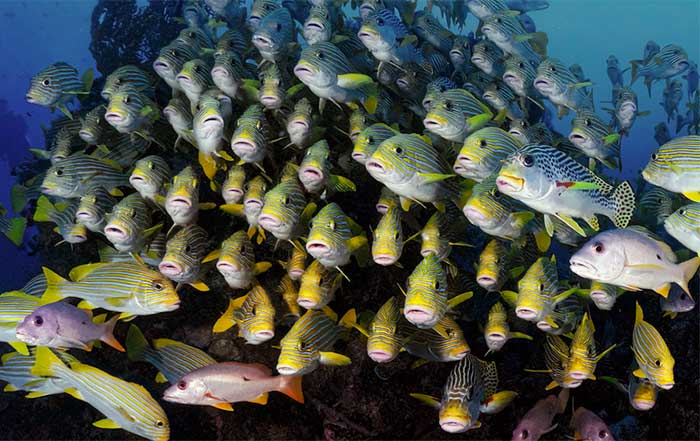
Now widely recognized by marine scientists as one of the world's epicenters of biodiversity, Raja Ampat has become the benchmark against which remote yachting destinations are measured. Over 1,500 islands and cays, ringed by reefs that host hundreds of coral species and thousands of fish species, make this region a natural showcase for the next generation of expedition yachts and dive-oriented charters. For the international yachting community, Raja Ampat is no longer a whispered secret; it is a proving ground for how high-end tourism and conservation can coexist.
Luxury charter operators and private owners have invested heavily in onboard dive infrastructure, submersible capabilities, and professional guiding teams to ensure that each descent into the water is both safe and transformative. Pioneering operators such as Aqua Expeditions and Dunia Baru have demonstrated that it is possible to deliver five-star comfort while adhering to strict environmental protocols, partnering with local communities and NGOs to support reef protection and marine park enforcement. Readers following global marine science initiatives can deepen their understanding of this region's significance through resources such as Conservation International and the World Wildlife Fund, both of which highlight Raja Ampat as a critical stronghold in the Coral Triangle.
For Yacht Review, Raja Ampat also illustrates how cruising patterns are changing. Extended itineraries of two to three weeks are increasingly common, as owners from the United States, Europe, and Asia choose to slow down and explore fewer locations in greater depth. Our editorial team has observed a marked increase in interest from German, British, and Australian clients seeking long-range vessels capable of transiting from the Mediterranean or Indian Ocean to Indonesia, then remaining in the region for multiple seasons. Insights into these evolving cruising strategies continue to be documented in Yacht Review's cruising analyses, where professional captains and expedition leaders share practical experience from the field.
Bali, Lombok, and the Eastern Gateway
Despite its global fame as a land-based destination, beautiful and tranquil Bali is undergoing a quieter transformation as a maritime gateway for Indonesia's eastern cruising grounds. From Benoa and Serangan, yachts can provision, refit, and embark on itineraries that reveal a side of Bali rarely seen by resort guests: sheltered anchorages off Nusa Penida, coral gardens off Amed, and the historically rich waters off Candidasa and Tulamben. Bali's infrastructure, including international air connectivity and high-end hospitality services, provides an efficient staging point for owners and charterers arriving from North America, Europe, and Asia-Pacific.
A short passage east leads to Lombok and the Gili Islands, where the mood shifts from Bali's cosmopolitan bustle to a more measured, island-time atmosphere. Gili Trawangan, Gili Meno, and Gili Air are well known, but it is the emerging "Secret Gilis" and the southern anchorages near Gili Gede that now attract those seeking privacy and low-density tourism. Boutique marinas and small-scale luxury resorts are appearing along the coasts of Lombok and nearby islands, supported by investment policies under Indonesia's "Wonderful Indonesia" tourism strategy, which aims to decentralize development away from Bali's saturated corridors. Readers interested in the policy backdrop can explore broader tourism and maritime initiatives via Indonesia's Ministry of Tourism and Creative Economy.
For Yacht Review's audience, this region represents a bridge between the familiar and the frontier. It offers the comfort of established services with easy access to more remote cruising grounds further east. Our news desk has been following the development of new marinas, refit facilities, and fuel infrastructure in Bali and Lombok, all of which are essential for accommodating larger superyachts and expedition vessels that now consider Indonesia a long-term base rather than a seasonal diversion.
Komodo and Flores: Immersive Adventure with a Conservation Imperative
The waters and islands of Komodo National Park and the wider Flores Sea form one of the most compelling narratives in modern yachting: a fusion of adventure, conservation, and cultural engagement. The park's famed Komodo dragons provide a powerful draw, yet for most yacht guests it is the interplay of terrestrial and marine experiences that leaves a lasting impression. Hiking the ridgelines of Padar Island at sunrise, drifting over manta cleaning stations, and stepping ashore on pink-sand beaches create a sequence of moments that feel cinematic yet deeply personal.
In the last five years, Komodo has also become a case study in managing visitor impact. Indonesia's authorities have introduced stricter regulations on park access, anchoring zones, and visitor numbers, aiming to protect both the dragons and the fragile marine ecosystems that sustain them. Owners and charterers operating here in 2026 are increasingly aware that their presence carries both privilege and responsibility. Many now work with local agents and conservation groups to ensure compliance with evolving rules and to contribute to local initiatives that support ranger patrols, reef monitoring, and community education. For those seeking a structured framework for responsible operations, Yacht Review's sustainability hub highlights best practices in low-impact anchoring, waste management, and community engagement.
Global organizations such as the International Union for Conservation of Nature and The Coral Triangle Initiative continue to emphasize the importance of the wider Flores and Banda Seas as critical corridors for migratory species and as climate refugia for coral reefs. The yachting sector's alignment with these science-based priorities is becoming a significant marker of professionalism and long-term viability in the region.
Banda Sea and the Forgotten Isles: The Last Quiet Frontier
For experienced owners and captains who have already explored the Mediterranean, Caribbean, and even polar regions, the Banda Sea and the Forgotten Isles offer a rare sense of discovery that is increasingly hard to find in a connected world. The historic Spice Islands of Banda, once the epicenter of global nutmeg and clove trade, now present a different kind of value: unhurried villages, preserved colonial architecture, and reefs that drop away into blue depths with visibility often exceeding 40 meters. Anchoring off Banda Neira, a yacht can sit within sight of Dutch-era forts while guests dive walls carpeted with soft corals and schooling pelagics.
Further east and south, islands such as Wetar, Romang, and Damar in the so-called Forgotten Isles remain largely off the radar of mainstream tourism. Access is limited, services are minimal, and charting can be incomplete, which means that only well-prepared vessels with experienced crews venture here. For those who do, the reward is profound: anchorages where the only sounds are surf and birdsong, volcanic coastlines untouched by development, and encounters with communities whose livelihoods are still intimately tied to the sea. For owners considering such expeditions, Yacht Review's boats section provides expert perspectives on vessel range, redundancy, and onboard systems required for multi-week autonomy in these remote waters, while our cruising reports delve into routing, seasonal weather windows, and logistical support.
In a global context where many iconic destinations are grappling with overtourism, the Banda Sea and Forgotten Isles stand as a reminder that true remoteness still exists, but it demands a higher standard of seamanship, cultural sensitivity, and environmental care.
Culture as a Core Component of the Voyage
One of Indonesia's most distinctive advantages as a yachting destination is the sheer diversity of cultures encountered across relatively short distances. Each island or archipelago brings a different language, belief system, and artistic tradition, turning a multi-stop itinerary into a layered cultural journey. In Flores, guests may be invited to witness the Caci whip dance of the Manggarai people; in Alor, they might meet communities renowned for intricate ikat weaving and for their role in local marine conservation; in Papua, they may encounter villages whose relationship with the ocean is expressed through ancestral rituals and oral histories.
For the team at Yacht Review, these encounters underscore a broader transformation in what high-net-worth travelers seek from their time at sea. Increasingly, they want to engage with local communities in ways that are respectful, mutually beneficial, and free from the superficiality that often characterizes mass tourism. Charter companies and private programs are therefore integrating philanthropic and educational elements into itineraries, from supporting coral nurseries to sponsoring scholarships and artisanal cooperatives. Our business coverage explores how such initiatives are being structured, governed, and measured, while Yacht Review's community reporting highlights case studies where yachting has contributed tangibly to local development.
Global best practices in community-based tourism and cultural preservation are being shaped by organizations like UNESCO and the Global Sustainable Tourism Council. Indonesian yachting stakeholders who align their operations with these frameworks not only enhance their reputations but also contribute to the long-term resilience of the destinations that make their voyages so compelling.
Eco-Conscious Design and Technology: From Concept to Standard
Sustainability is no longer a design trend; it is a baseline expectation among leading naval architects, shipyards, and owners. Indonesia, with its sensitive ecosystems and expanding yachting footprint, has become a touchstone for how advanced technologies and operational discipline can reduce environmental impact without compromising comfort or performance. Hybrid propulsion systems, battery banks enabling silent nights at anchor, solar arrays integrated into superstructures, and sophisticated wastewater treatment are now standard features on many of the vessels frequenting these waters.
Shipyards in Bali, Batam, and Surabaya are collaborating with international design studios such as Vripack and Bannenberg & Rowell Design to create expedition-capable yachts optimized for tropical climates, long-range autonomy, and low emissions. Global builders like Feadship, Benetti, and Oceanco are delivering platforms that leverage digital twins, AI-assisted routing, and real-time environmental monitoring to minimize fuel burn and avoid sensitive habitats. Readers interested in the technical dimension of this evolution can explore Yacht Review's technology insights, which examine innovations from hull optimization to onboard energy management.
These developments are reinforced by partnerships with scientific and conservation organizations. Collaborations with entities such as Reef Check Indonesia, Coral Triangle Center, and global initiatives like Mission Blue allow yachts to contribute data, funding, and visibility to marine research and protection efforts. In this context, the yacht becomes more than a private asset; it becomes a mobile platform for citizen science and ocean advocacy, an idea that resonates strongly with a new generation of owners from North America, Europe, and Asia who view environmental stewardship as integral to their legacy.
Culinary, Wellness, and the Multi-Sensory Dimension of Indonesian Cruising
The sensory richness of Indonesia extends far beyond its visual drama. For many guests, the culinary and wellness elements of a voyage are equally memorable. Onboard chefs draw from an extraordinary pantry: line-caught tuna from Maluku, spices from Banda, cacao and coffee from Sulawesi, organic vegetables and rice from Bali and Java. These ingredients form the basis of menus that blend Indonesian tradition with contemporary gastronomy, often shaped by chefs trained in Michelin-starred kitchens in France, Italy, or the United States.
Private beach dinners on uninhabited islands, tasting menus inspired by regional cuisines, and wine pairings curated to complement local flavors turn each meal into a narrative of place. At the same time, wellness programming has evolved beyond simple spa treatments. Yoga sessions on deck at sunrise, guided breathwork at anchor in secluded bays, and integrated fitness and nutrition plans are becoming standard on high-end charters. For readers interested in how these elements intersect with broader lifestyle trends in luxury yachting, Yacht Review's lifestyle coverage and global perspectives highlight how owners and operators are reimagining life onboard as a holistic, health-focused experience.
Seamanship, Regulation, and Risk Management in a Complex Archipelago
Operating safely and efficiently in Indonesia demands a level of seamanship that goes beyond what is required in more homogenously charted and serviced regions. Strong tidal currents, localized weather systems, volcanic activity, and patchy hydrographic data in some areas require captains to combine advanced technology with conservative judgment and local knowledge. High-resolution satellite imagery, AI-assisted passage planning, and dynamic positioning systems are increasingly integrated into bridge operations, but they are complemented by traditional skills such as visual navigation, depth sounder interpretation, and real-time communication with local fishermen and pilots.
Regulatory frameworks have also evolved. Indonesia has streamlined elements of its Cruising Permit (CAIT) system and port clearance procedures, yet operating legally and responsibly still requires coordination with local agents, harbor masters, and the Ministry of Tourism and Creative Economy. Environmental regulations related to marine protected areas, waste discharge, and anchoring zones are becoming stricter and more consistently enforced, particularly in high-value ecosystems such as Raja Ampat and Komodo. Owners and captains who treat regulatory compliance as a strategic advantage rather than a burden are better positioned to maintain long-term access and to build constructive relationships with authorities. For an overview of how technology is enhancing safety, compliance, and operational efficiency, readers can refer again to Yacht Review's technology section, where maritime professionals share real-world experiences from Indonesian waters.
Designing Itineraries for Depth, Not Distance
By 2026, one of the most notable shifts observed by Yacht Review editorial teams and industry partners is the move away from "checklist cruising" toward itineraries built around depth of engagement. Rather than racing from Bali to Raja Ampat in a single extended charter, many clients now prefer to focus on one or two regions per voyage, returning in subsequent seasons to explore new areas. This approach reflects a broader trend toward "slow yachting," where the value of the journey is measured in time spent, relationships formed, and understanding gained.
A ten- to twelve-day itinerary might focus on Bali, Lombok, and Komodo, combining cultural immersion, wildlife encounters, and world-class diving. A longer expedition of three weeks could concentrate on Raja Ampat and Triton Bay, integrating snorkeling with whale sharks, exploratory dives on rarely visited reefs, and visits to conservation projects. For those with the time and capability, a season-long deployment could see a yacht transition from the western approaches of Sumatra and Java to the far eastern reaches of Papua, tracing historic spice routes and modern conservation corridors. Curated route concepts and first-hand accounts from captains and expedition planners are regularly published in Yacht Review's travel section, providing a practical foundation for owners and charter brokers planning their next Indonesian season.
Sustainability, Community, and the Blue Economy Vision
Indonesia's emergence as a premier yachting destination coincides with its ambition to become a global leader in the "Blue Economy," a development model that integrates ocean-based industries with environmental protection and social equity. For the yachting sector, this alignment creates both opportunity and obligation. Sustainable provisioning that favors local producers, employment and training for coastal communities, and long-term partnerships with conservation organizations are increasingly seen as standard components of a credible operating model.
International initiatives led by entities such as the Blue Marine Foundation and the United Nations Environment Programme are shaping norms and expectations for marine tourism worldwide. In Indonesia, these frameworks are being localized through projects that link marine protected areas, village-level enterprises, and private sector investment. Yacht Review continues to document these developments in its sustainability and community reporting, highlighting examples where yacht owners and operators from Europe, North America, and Asia are playing constructive roles in coastal resilience, education, and habitat restoration.
For families and multigenerational groups, this adds a meaningful dimension to the voyage. Children and young adults, in particular, are exposed not only to pristine environments but also to stories of stewardship and collaboration that can shape their own attitudes toward the ocean. Our family-focused features frequently underscore how Indonesian itineraries can become formative experiences, blending adventure, learning, and shared responsibility.
Indonesia: A Hospitable and Emotional Center for Global Yachting
Indonesia stands at a unique intersection of geography, culture, and economic strategy. Its location at the heart of Southeast Asia, equidistant in many respects from major markets in Europe, the Middle East, North America, and the Asia-Pacific, makes it a logical hub for year-round cruising. Its climatic patterns allow for flexible seasonality, enabling owners to escape crowded summer circuits in traditional regions and to reposition their vessels along an expanding Southeast Asian corridor that includes Phuket, Langkawi, Singapore, and Bali.
Yet beyond these practical advantages, Indonesia occupies an increasingly important emotional space in the imagination of tourists and the global yachting community. For many owners, charter guests, captains, and designers who share their insights with Yacht Review, the country represents a rare convergence of adventure, serenity, and purpose. It is a place where families from Canada, Germany, the United Kingdom, or Singapore can gather on deck to watch dolphins ride the bow wave at dawn; where Italian or French chefs can reinterpret local ingredients in ways that surprise and delight; where Dutch or Scandinavian designers can see their sustainability concepts tested in the real world; and where South African, Brazilian, or Japanese owners can feel that their investment in a yacht is also an investment in the future of the oceans.
At yacht-review.com, Indonesia has become one of the clearest lenses through which we examine the evolving values of the yachting world: experience over exhibitionism, expertise over improvisation, authoritativeness rooted in real-world operations, and trustworthiness demonstrated through consistent, responsible practice. For readers across Europe, North America, Asia, Africa, and South America who are considering their next step-whether commissioning a new vessel, planning a charter, or entering the sector as investors-Indonesia offers not just an itinerary, but an orientation.
Those seeking ongoing analysis of market trends, design innovation, technological breakthroughs, and regional developments are invited to visit the Yacht Review homepage, where Indonesia's story is woven into a broader global narrative of how yachting is changing-and how, at its best, it can help protect the very seas that make it possible.