

Planning a Yacht Transit of the Panama Canal
The Canal's Renewed Strategic Role in a Changing Yachting World
The Panama Canal remains one of the most coveted passages in global yachting, yet its role has evolved far beyond that of a mere shortcut between the Atlantic and Pacific. For the international readership of yacht-review.com, spanning the United States, the United Kingdom, Germany, Canada, Australia, France, Italy, Spain, the Netherlands, Switzerland, China, Sweden, Norway, Singapore, Denmark, South Korea, Japan, Thailand, Finland, South Africa, Brazil, Malaysia, New Zealand and key markets across Europe, Asia, Africa, South America and North America, a canal transit has become a sophisticated undertaking that blends engineering, business strategy, sustainability and lifestyle into a single high-stakes experience.
The canal's operational constraints, climate-related water management challenges and evolving regulatory framework now shape how private yachts and superyachts plan their global movements. Owners, captains, charter managers and family offices weigh the canal not just as a navigational convenience but as a strategic decision that influences long-range itineraries, charter positioning, refit schedules, insurance exposure and environmental footprint. Against this backdrop, yacht-review.com has steadily deepened its coverage beyond yacht reviews and design to act as a trusted partner for those contemplating a Panama passage as part of a truly global cruising strategy.
Understanding the 2026 Canal: Capacity, Regulation and Water Constraints
Any serious plan for a 2026 transit begins with a clear grasp of how the Panama Canal Authority (ACP) is currently managing capacity, water resources and vessel traffic. In recent years, recurrent droughts and climate variability have made Gatun Lake levels more volatile, forcing the ACP to refine draft limits, daily transit quotas and scheduling priorities. These measures, designed to preserve freshwater reserves and maintain safe operations, have direct implications for yachts in terms of timing, routing flexibility and cost.
Captains and yacht managers now routinely monitor ACP advisories and operational updates in parallel with guidance from international regulatory bodies such as the International Maritime Organization (IMO), ensuring that vessel dimensions, displacement and safety equipment remain fully compliant. This is especially critical for large superyachts approaching Panamax or Neopanamax thresholds, where beam, draft, air draft and fendered beam must be carefully verified against current rules. Owners and technical managers increasingly rely on formal international frameworks to understand how safety and environmental standards are converging; those wishing to explore this broader regulatory context can learn more about how international maritime standards are evolving.
For the global audience of yacht-review.com, which often operates fleets that migrate seasonally between the Mediterranean, Caribbean, US East Coast, Pacific Northwest and Asia-Pacific, this regulatory literacy is no longer optional. It informs whether a vessel should transit under its own power, be shipped on a heavy-lift carrier or, in rare cases, be routed around South America, with each choice carrying distinct implications for risk, cost, maintenance and charter potential.
Seasonal Strategy: Timing and Direction in a Volatile Climate
Selecting the right season and direction for a Panama Canal transit has always been important; in 2026 it has become a central strategic decision influenced by more sophisticated meteorological data and heightened climate awareness. Owners and captains are now integrating long-range forecasts, cyclone outlooks and El Niña / Niño scenarios into their planning, seeking to minimize disruption to charter schedules and family cruising plans.
A common pattern for yachts based in North America or Europe involves departing the US East Coast or Mediterranean in late autumn, spending the peak winter charter season in the Caribbean, then transiting the canal between late winter and early spring to reach the Sea of Cortez, the US West Coast, Central America or the South Pacific. Conversely, vessels operating from Australia, New Zealand or Southeast Asia may plan an eastbound transit to access the Caribbean and Mediterranean in time for the northern summer season. Institutions such as the National Oceanic and Atmospheric Administration (NOAA) and the UK Met Office now provide increasingly granular seasonal outlooks, allowing captains to refine their risk windows for both Atlantic hurricanes and Pacific cyclones; those looking to deepen their planning can explore NOAA's climate resources and the UK Met Office's long-range guidance.
Within the editorial context of yacht-review.com, these considerations are frequently examined through the lens of broader cruising strategies. Owners seek to synchronize canal transits with high-demand charter periods in the Caribbean, Galápagos, French Polynesia or Alaska, while also accommodating school holidays, major events and personal commitments. Direction of travel shapes the emotional tone of the journey as well: some owners relish the symbolism of emerging into the Pacific after a successful Caribbean season, while others prefer to conclude an extended Pacific exploration with the celebratory arrival into the Caribbean and onward to Europe or North America.
Technical Readiness: Engineering, Classification and Compliance
A 2026 Panama Canal transit is a litmus test of a yacht's technical robustness and the professionalism of its crew. The canal's lock operations, holding patterns and proximity to heavy commercial tonnage place unusual demands on propulsion, steering, power management and onboard support systems. In this environment, well-maintained machinery and rigorous redundancy planning are not merely best practice; they are essential risk mitigations.
Leading classification societies such as Lloyd's Register, Bureau Veritas and DNV have continued to refine their rules and notations for yachts, placing greater emphasis on reliability, cyber-security and environmental performance. Many forward-looking owners and shipyards now design and maintain yachts to standards that mirror or exceed commercial requirements, recognizing that the reputational and financial cost of a technical failure during a canal transit can be significant. Readers interested in the latest thinking on classification, safety and digitalization can review contemporary maritime insights from DNV.
Canal-specific requirements also demand attention. Yachts must demonstrate appropriate towing arrangements, mooring line strength, line-handling systems and fendering solutions that can withstand the dynamic forces within the locks. It is increasingly common for long-range yachts to carry dedicated "canal kits" that include specialized fenders, heavy-duty lines and associated hardware, stored and maintained as part of the vessel's bluewater inventory. On the bridge, captains and officers must be fully versed in ACP pilotage protocols, VHF procedures and contingency planning, ensuring that the handover to the Panama Canal Authority pilot is seamless and that the crew can respond quickly to unexpected instructions or delays.
For the technically engaged readership of yacht-review.com, which includes owners, family offices and professional managers, this level of preparedness is a key indicator of a yacht's capability to operate safely and reliably on a global stage. It is increasingly reflected in the site's boats and technology coverage, where operational resilience is discussed alongside performance and aesthetics.
Economics and Booking: Building a Business Case for Transit
The financial calculus of a Panama Canal transit has become more intricate as the ACP refines its tolls, surcharges and priority schemes and as global yachting economics continue to evolve. In 2026, private yachts are still treated differently from large commercial carriers, yet they face a multi-layered cost structure encompassing basic tolls, security charges, canal agent fees, line-handling services, provisioning, bunkering and, where desired, premium fees for expedited or guaranteed slots.
Professional yacht managers now approach the canal as a discrete business decision within a multi-year operating plan. They compare the total cost of a transit, including potential waiting time and opportunity cost, against alternatives such as shipping the yacht on a semi-submersible transport vessel or planning a longer repositioning cruise that may generate charter revenue in secondary markets along the way. Market intelligence from organizations such as Boat International and Superyacht Group suggests that many large yachts are now modeling canal transits across several seasons, aligning them with refits, survey cycles and charter demand patterns in the Caribbean, Mediterranean, South Pacific and increasingly active Asian hubs; those wishing to understand broader market dynamics can explore global superyacht trends via Boat International.
For yacht-review.com, which has expanded its business coverage in response to growing owner sophistication, the canal has become a reference point in discussions of asset utilization, return on investment and geographic diversification. Owners in the United States, United Kingdom, Germany, Canada and Australia, where professional family office structures are common, are increasingly scrutinizing not just the direct cost of a transit but its role in unlocking new charter markets, enhancing resale appeal and supporting a long-term global cruising narrative.
Guest Experience: Turning a Transit into a Signature Event
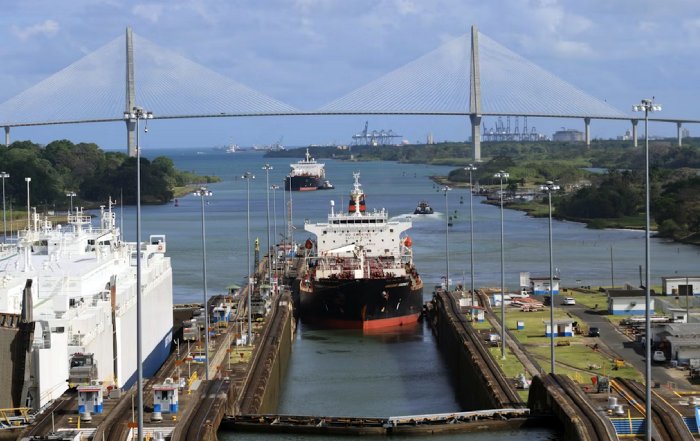
Although the Panama Canal is fundamentally an engineering infrastructure, it offers an onboard experience that can be curated into a memorable highlight of any cruising program. For many owners and charter guests, especially those who have already enjoyed extensive Mediterranean or Caribbean itineraries, the drama of the canal-the massive lock gates, the controlled rise and fall of the water, the procession of ships from around the world-delivers a powerful sense of occasion that can be elevated through thoughtful hospitality and storytelling.
Captains and crew who understand luxury guest psychology are increasingly designing the transit as a one- or two-day "event" within a longer itinerary. This may include sunrise or sunset gatherings on deck as the yacht enters or exits the locks, special tasting menus or themed dinners that reference the canal's history and geography, and live commentary from the captain or a guest lecturer that explains the engineering and geopolitical significance of the passage. Institutions such as the Smithsonian and National Geographic offer a wealth of accessible material on the canal's construction, human cost and strategic impact, which crews can adapt into onboard presentations or digital content; those interested in deepening this narrative can explore Smithsonian's history resources and National Geographic's coverage of global waterways.
For families from education-focused regions including the United States, the United Kingdom, Germany, Singapore and Scandinavia, the transit often becomes a live classroom, reinforcing the value of experiential learning and global awareness. Within yacht-review.com's family and lifestyle reporting, the canal is frequently highlighted as a natural anchor for multi-generational voyages that weave together adventure, culture and personal milestones in a way that few other passages can match.
Design and Technology: Engineering Yachts for Canal-Ready Global Cruising
Modern yacht design and technology have a decisive influence on the ease and comfort of a Panama Canal transit, and by 2026 many naval architects and shipyards now treat canal compatibility as a core design parameter for yachts intended for truly global operation. Beam, draft and air draft are modeled not only for Mediterranean marinas and Caribbean anchorages but also with explicit reference to Panamax and Neopanamax thresholds, ensuring that owners retain maximum flexibility in future deployment.
On deck and in the technical spaces, designers are increasingly attentive to the practical realities of canal operations. The location of mooring stations, the ergonomics of line-handling, the integration of removable bulwark sections and the storage of large fenders all influence how safely and efficiently a crew can manage a transit. At the same time, interior layouts are being optimized to ensure that guest comfort is preserved even during periods of slow movement, waiting or night-time lockage, with stabilized platforms, quiet machinery spaces and thoughtful lighting schemes enhancing the sense of calm amid an otherwise industrial environment.
Technologically, yachts in 2026 are leveraging advanced navigation suites, dynamic positioning, integrated bridge systems and high-bandwidth satellite communications to support real-time decision-making. Shore-based operations centers can monitor transits in detail, advising captains on weather, security and logistics while ensuring alignment with broader fleet or family office objectives. Professional organizations such as The Nautical Institute continue to publish best practice on bridge resource management and the human factors that underpin safe operations in confined waters; those seeking to strengthen bridge team performance can learn more about navigation and operational excellence.
For the design-conscious audience of yacht-review.com, the canal has become an informal benchmark of how well theory translates into practice. When a yacht passes through the locks with smooth line-handling, minimal guest disruption and a confident, well-briefed crew, it demonstrates that the integration of design, engineering and technology has been achieved at a high level.
Sustainability and Water Stewardship: Responsible Yachting in a Constrained System
The environmental dimension of a Panama Canal transit has grown more prominent as water scarcity and climate resilience have moved to the center of global policy discussions. The canal's reliance on freshwater from Gatun Lake makes it acutely sensitive to rainfall variability, and the ACP's measures to preserve water-ranging from draft restrictions to transit caps-highlight the finite nature of the resource that underpins this vital artery of world trade and tourism.
For yacht owners and operators, particularly those from environmentally progressive markets such as Scandinavia, Germany, the Netherlands, the United Kingdom and parts of Asia-Pacific, a 2026 canal transit is increasingly viewed through the lens of responsible resource use and broader ESG commitments. Many are adopting operational practices that minimize environmental impact, including optimized speed profiles to reduce fuel burn, advanced wastewater treatment, low-sulphur or alternative fuels where available and careful management of freshwater production and consumption on board. Thought leaders and research organizations such as the World Resources Institute (WRI) provide valuable context on water stress, climate resilience and the nexus between infrastructure and ecosystems; readers can learn more about sustainable business practices and water management.
Within yacht-review.com's dedicated sustainability coverage, the canal serves as a vivid case study of how individual yachting decisions intersect with global environmental constraints. Owners who approach the transit as an opportunity to demonstrate leadership-whether by supporting local conservation initiatives, engaging guests in discussions about water stewardship or showcasing low-impact technologies-are increasingly seen as setting the tone for the next phase of responsible luxury yachting.
Regional Gateways and Itinerary Architecture: From Atlantic to Pacific and Beyond
The practical value of the Panama Canal lies in its ability to connect some of the world's most attractive cruising regions into coherent, multi-year itineraries. On the Atlantic and Caribbean side, yachts may arrive from the US East Coast, the Bahamas, the Eastern Caribbean, Bermuda or transatlantic crossings from the Mediterranean and Northern Europe. After transiting the canal, these vessels gain rapid access to a very different set of experiences: the rainforests and national parks of Costa Rica, the unique biodiversity of the Galápagos, the desert landscapes and marine life of Mexico's Sea of Cortez, the rugged coastline of the US West Coast, British Columbia and Alaska, and the remote islands of French Polynesia and the broader South Pacific.
Owners from Europe, North America and Australia are increasingly using the canal to pivot away from well-trodden routes toward more experiential cruising grounds where natural beauty, wildlife encounters and cultural authenticity take precedence over traditional marina-based luxury. International bodies such as UNESCO and World Wildlife Fund (WWF) offer authoritative guidance on the ecological and cultural significance of the regions that often feature in pre- or post-canal itineraries; those planning such voyages can explore UNESCO's World Heritage Centre and WWF's oceans initiatives to better understand the areas they intend to visit.
For yacht-review.com, the canal is a natural focal point in its travel and global reporting, enabling the editorial team to showcase how owners from Asia, Europe, North America, South America, Africa and Oceania are designing long-range itineraries that reflect both personal passions and emerging yachting hotspots. The canal, in this sense, is less a destination than a vital hinge connecting a series of immersive regional narratives.
Crew, Safety Culture and Professional Standards
Beneath the glamour of a canal transit lies a demanding operational environment that tests the professionalism and cohesion of the crew. The combination of confined spaces, strong currents, heavy commercial traffic and tight schedules requires impeccable coordination between the captain, bridge team, deck crew, engineers, canal pilots and shore-based agents. A strong safety culture-reinforced by training, drills and clear communication-forms the backbone of a successful passage.
International standards such as STCW remain the foundation of crew certification, but leading yachts now go beyond minimum requirements, incorporating scenario-based training, simulator exercises and detailed transit briefings into their safety management systems. Flag states including the United States, the United Kingdom, the Cayman Islands and the Marshall Islands have continued to refine their expectations for yacht operations, emphasizing the human factors that contribute to safe outcomes in complex environments. Those wishing to understand the regulatory underpinnings of modern crew training can review STCW and related guidance via the IMO.
For the discerning audience of yacht-review.com, operational excellence is increasingly a criterion in evaluating yachts, whether in formal reviews or in broader editorial coverage. A crew that manages a Panama Canal transit with calm competence, clear communication and guest-centric awareness signals that the yacht is not only beautifully designed but also professionally run, which in turn enhances its appeal to charterers, buyers and long-term owners.
Community, Lifestyle and the Social Fabric of Canal Transits
Beyond its technical and commercial significance, the Panama Canal has developed into a social node within the global yachting community. Marinas and anchorages near Colón, Panama City and surrounding areas have become informal gathering points where yachts from Europe, North America, Asia and Oceania converge before or after transits. These waypoints foster a sense of camaraderie among owners, captains and crew who share similar ambitions for long-range exploration, and they provide fertile ground for exchanging insights on refits, itineraries, regulatory changes and emerging destinations.
For many owners, the canal transit becomes a narrative milestone within their personal yachting story, mentioned in the same breath as first Atlantic crossings, high-latitude expeditions or extended Mediterranean seasons. This narrative dimension aligns closely with the editorial mission of yacht-review.com, which not only reports on hardware and markets but also highlights the human stories that define contemporary yachting. The canal, in this context, is both a literal passage between oceans and a symbolic step from regional cruising into genuinely global voyaging, a theme echoed across the site's community and lifestyle coverage.
As the yachting world becomes more interconnected, with growing participation from Asia, the Middle East, Latin America and Africa alongside established European and North American markets, the Panama Canal stands out as one of the few places where these diverse constituencies routinely intersect. For the editorial team at yacht-review.com, this convergence offers a unique vantage point from which to observe and interpret the evolving culture of global yachting.
Integrating the Canal into a Long-Term Yachting Strategy
By 2026, planning a yacht transit of the Panama Canal is no longer a niche concern reserved for a handful of expedition-oriented owners. It has become a mainstream consideration for any yacht that aspires to operate across multiple basins over its lifetime. The decision of when and how to incorporate the canal into a yacht's journey touches on design, technical specification, financial strategy, family priorities, charter positioning and environmental commitments.
New-build projects are increasingly conceived with canal compatibility in mind, allowing owners to retain the option of shifting between Atlantic and Pacific markets as personal interests or commercial opportunities evolve. Existing yachts, meanwhile, may time a major refit, class renewal or technology upgrade to coincide with a canal passage and subsequent Pacific or Atlantic campaign. In this broader context, yacht-review.com serves as a central information hub, linking readers to insights on boats, technology, business, history and news that collectively inform intelligent long-term planning.
The site's coverage of global events, from major boat shows in Europe and North America to regional gatherings in Asia-Pacific and the Middle East, further equips stakeholders with the relationships and market intelligence needed to execute complex undertakings such as a canal transit. As owners, captains and managers look ahead to the next decade of yachting, the Panama Canal stands out as both a practical connector of oceans and a powerful symbol of global ambition.
For the international community that turns to yacht-review.com for experience-driven, authoritative and trustworthy guidance, the canal remains a touchstone in the narrative of modern yachting: a place where engineering, business, sustainability and lifestyle intersect, and where a well-planned transit can unlock not only new cruising grounds but also a richer, more globally connected vision of life at sea.