

Singapore Yacht Cruising and Marina Guide
Singapore's Rise as a Regional Yachting Hub
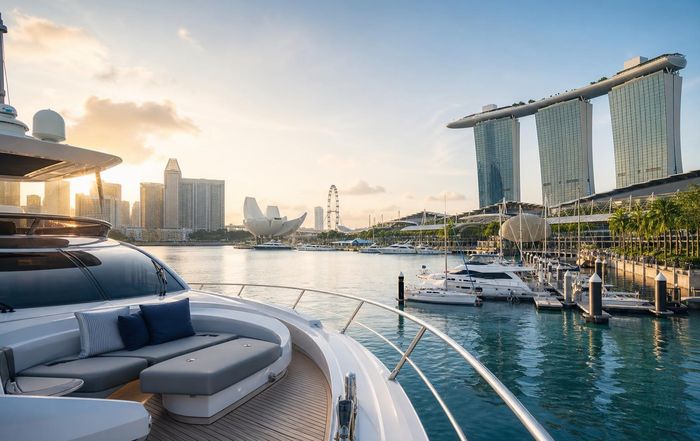
Singapore has spent the last two decades transforming itself from a busy commercial port into one of Asia's most strategically important yachting hubs, combining world-class marinas, efficient regulation and a highly developed service ecosystem. For owners and charterers who follow yacht-review.com, the city-state now represents far more than a convenient refuelling stop between the cruising grounds of Thailand, Malaysia and Indonesia; it has become a destination in its own right, with a maturing yachting culture, a strong focus on safety and compliance, and a growing emphasis on sustainable marine tourism.
The Maritime and Port Authority of Singapore, often referred to as MPA Singapore, has consistently invested in infrastructure and policy frameworks that support both commercial and leisure vessels. Industry reports from organizations such as Superyacht Australia and regular coverage by Boat International describe Singapore as a natural gateway to Southeast Asia's archipelagic cruising grounds, thanks to its flight connectivity, technical capabilities and political stability. For yacht owners accustomed to the mature markets of the Mediterranean or the Caribbean, Singapore offers a familiar level of professionalism while opening access to relatively less crowded waters in the Riau Islands, the Andaman Sea and the South China Sea.
For readers of yacht-review.com, this guide provides a structured overview of Singapore's marinas, cruising possibilities, regulatory environment and lifestyle offerings, framed from the perspective of discerning yacht owners, charter guests and industry professionals who expect both operational reliability and a high standard of onboard experience.
Key Marinas and Berthing Options
ONE°15 Marina Sentosa Cove
ONE°15 Marina Sentosa Cove has become synonymous with luxury yachting in Singapore. Located on Sentosa Island, it combines residential, hospitality and marina facilities and is widely regarded as the city's flagship leisure marina. The marina has been a frequent venue for yacht shows and regattas, and its role in anchoring the local scene is regularly highlighted in regional industry coverage by outlets such as Asia-Pacific Boating.
Berthing at ONE°15 offers convenient access to downtown Singapore via road links while retaining a resort-like atmosphere, with restaurants, a club hotel and a range of family amenities on site. Owners of larger yachts appreciate the integrated customs, immigration and quarantine (CIQ) clearance arrangements that can be coordinated through the marina for regional cruising, which reduces turnaround time when planning trips to nearby Indonesian or Malaysian islands. The marina's service partners cover maintenance, refit coordination, provisioning and crewing support, aligning with the expectations of international owners who are used to integrated full-service facilities.
For readers considering how ONE°15 compares with marinas in other regions, the environment is closer to the high-end Mediterranean model than to a purely functional city marina, which fits well with the lifestyle and design focus that many visitors associate with Singapore. Those interested in how this integrates with yacht interiors, exterior styling and on-board comfort can explore more about design perspectives at yacht-review.com/design.html.
Marina at Keppel Bay
The Marina at Keppel Bay, developed by Keppel Land, positions itself as a premium urban marina with direct access to the central business district and key retail districts. Located on Keppel Island, the marina benefits from proximity to the main fairways but is sheltered enough to provide comfortable berthing, and it has been recognized in regional awards for both design and environmental initiatives. The marina was built with a focus on clean water circulation and has been cited in sustainability case studies, including features by Green Marine and regional environmental organizations, for its approach to eco-harbour design.
The Marina at Keppel Bay is also home to yacht charter operators, brokerage firms and training providers, making it an important node in Singapore's leisure marine business ecosystem. For visitors flying into Singapore for corporate events or short charters, this marina offers efficient access from the airport and swift transfers to hotels, which is particularly attractive for time-pressed executives. To understand how this fits into the broader commercial context of yachting in Asia, readers can refer to yacht-review.com/business.html, where the business side of the industry is regularly examined.
Raffles Marina and the Western Gateway
On the western side of Singapore, Raffles Marina provides an alternative to the southern and eastern marinas and is strategically located close to the Second Link bridge connecting Singapore and Malaysia. Established in the 1990s, Raffles Marina has long catered to both local yachts and visiting vessels, and it is known for its yacht club atmosphere, chandlery, repair facilities and its role as a departure point for cruising into the Malacca Strait and the west coast of Peninsular Malaysia.
Raffles Marina has hosted numerous regattas and regional sailing events, which have been covered by outlets such as Sail-World and Yachting World, reinforcing its status as a community focal point for sailors. For yacht owners who value a quieter, club-oriented environment and convenient access to the cruising grounds of western Johor and beyond, Raffles Marina remains a strong option.
Other Facilities and Emerging Options
In addition to the major marinas, Singapore also offers berthing and service options at locations such as Republic of Singapore Yacht Club (RSYC) and Changi Sailing Club, each with its own character and membership culture. RSYC, one of the oldest yacht clubs in the region, blends heritage with modern facilities and is often mentioned in historical overviews of Singapore's maritime leisure development, while Changi Sailing Club is recognized for its focus on sailing and its proximity to the eastern cruising grounds and the Johor Strait.
The combination of these facilities provides a spectrum of choices for owners, from fully integrated luxury marinas to more traditional yacht clubs, all underpinned by Singapore's strong regulatory oversight and emphasis on safety and professional standards.
Cruising Grounds Accessible from Singapore
Short-Haul Day Trips and Weekend Cruises
From a cruising perspective, Singapore's immediate waters are busy commercial zones, but the city-state still offers several attractive short-range itineraries that are popular with local owners and charter guests. Short day trips around Sentosa and the Southern Islands, including Lazarus Island, St John's Island and Kusu Island, remain among the most frequently chosen options for those seeking a quick escape from the city. These islands offer sheltered anchorages and relatively clear waters by regional standards, and they have been the subject of tourism initiatives aimed at balancing recreation with conservation.
Local cruising guidelines, including those published by MPA Singapore and the National Parks Board (NParks), emphasize speed restrictions, anchoring rules and environmental protection measures around these islands. Yacht captains planning frequent day trips typically remain up to date with these regulations, as they can change to reflect conservation priorities and safety considerations in response to increased visitor numbers.
Regional Voyages to Indonesia and Malaysia
For longer itineraries, Singapore serves as a natural springboard into some of Southeast Asia's most attractive cruising grounds. To the south, the Riau Archipelago in Indonesia, including Bintan, Batam and more remote island groups, offers a mix of resort marinas, fishing villages and secluded bays. Resorts such as those on Bintan and the nearby islands have invested in small marinas and mooring facilities, and regional tourism boards highlight these destinations as convenient extensions of a Singapore visit, accessible within a few hours' cruising time.
To the north, the west coast of Peninsular Malaysia, including destinations such as Port Dickson, Malacca and further up towards Pangkor and Penang, can be reached via routes that many Singapore-based yachts regularly follow. These itineraries combine cultural interest with coastal scenery, and they are often profiled in regional cruising guides and publications such as Asian Boating and Practical Boat Owner. Owners with more time may continue further to Langkawi and onward into the Andaman Sea, connecting ultimately with Thailand's well-known cruising grounds around Phuket and the Similan Islands.
The ability to combine Singapore's technical and provisioning strengths with extended regional voyages is an important factor in the city's role as a yachting hub. Captains planning such journeys typically coordinate with local agents in each country and monitor formal notices to mariners, as well as immigration and customs requirements, which are periodically updated by authorities in Indonesia and Malaysia and publicized by organizations such as Noonsite and national maritime agencies.
For those interested in how these cruising patterns compare with other global itineraries, yacht-review.com/cruising.html offers broader context on routes in Europe, the Americas and the Pacific.
Regulatory Environment and Formalities
Licensing, Registration and Safety Standards
Singapore's approach to marine safety is well known in commercial shipping, and similar principles apply to the leisure sector. The Maritime and Port Authority of Singapore sets out requirements for pleasure craft licensing, registration and safe manning, and it publishes guidance on safety equipment, navigation rules and restricted areas. Owners operating Singapore-registered vessels must comply with these regulations, while foreign-flagged yachts entering Singapore's waters are subject to port clearance procedures and applicable international conventions.
The regulatory framework is designed to integrate safety, security and environmental protection. For example, Singapore enforces strict rules on navigation in traffic separation schemes and port limits, and it requires reporting for certain vessel movements. International organizations such as the International Maritime Organization (IMO) and professional bodies including the Nautical Institute often reference Singapore's port management practices as examples of high standards in busy waterways.
Yacht captains unfamiliar with the region typically engage local agents or consult port guides to ensure compliance, particularly when planning movements in and out of marinas that are close to commercial fairways. The emphasis on safety is generally appreciated by owners, as it contributes to predictable operating conditions and reduces the risk of incidents in congested waters.
Customs, Immigration and Yacht Clearance
For visiting yachts, customs, immigration and quarantine procedures are a critical part of voyage planning. Singapore maintains clear entry and exit requirements, and official guidance is available through government portals such as Immigration & Checkpoints Authority (ICA) and Singapore Customs, as well as through the MPA. In practice, many marinas and yacht agents offer coordinated CIQ clearance services, streamlining the process for owners and charter guests.
Owners should be aware that regulations can differ depending on whether the vessel is private or commercial (charter) and whether it intends to operate locally or transit through. Industry associations, including Superyacht Services Guide and regional yacht agents' networks, regularly update their clients on compliance requirements, particularly in relation to crew visas, charter licensing and cabotage rules in neighbouring countries.
For readers who want to understand how regulatory frameworks influence yacht operations and business models, yacht-review.com/technology.html and yacht-review.com/news.html often examine developments in maritime regulation and their impact on the yachting sector.
Services, Maintenance and Technical Support
Shipyards and Refit Capabilities
One of Singapore's principal advantages is its concentration of shipyards and marine engineering companies, many of which have decades of experience servicing commercial ships and offshore vessels. While some large-scale yards have adjusted their focus in response to global industry cycles, Singapore retains a strong base of technical expertise that can be applied to superyacht maintenance and refit projects.
Specialist providers in areas such as marine electronics, interior refit, painting and classification compliance operate in and around the main marinas and industrial zones, and they often collaborate with international classification societies like Lloyd's Register, DNV and Bureau Veritas, which maintain offices in Singapore. These organizations provide survey and certification services that are essential for yachts operating under commercial registration or subject to specific flag state requirements.
The presence of this technical ecosystem means that Singapore is frequently chosen as a refit or maintenance stop by yachts transiting between the Mediterranean and the Pacific. The ability to obtain high-quality engineering work, source spare parts quickly and access specialist surveyors in one location contributes to lower downtime and greater operational reliability.
Crew Training and Professional Development
Singapore's maritime education institutions, including the Singapore Maritime Academy and other specialized training centers, contribute to a pool of seafarers and technicians with strong technical backgrounds. While many yacht crew members are recruited globally, Singaporean and regional crew increasingly participate in professional development programs that align with international standards such as STCW.
Industry events, seminars and training sessions organized by organizations like Asia Pacific Superyachts and local yacht clubs support ongoing learning in areas such as safety management, customer service and environmental best practices. For yacht owners emphasizing professionalism and guest experience, this evolving training landscape is a positive development, as it raises service standards across the regional fleet.
Readers interested in how crew professionalism shapes onboard lifestyle and guest satisfaction can explore related insights at yacht-review.com/lifestyle.html.
Lifestyle, Hospitality and Onshore Experiences
Integration with Singapore's Urban Offerings
One of Singapore's most distinctive advantages as a yachting destination is the seamless integration between marina life and urban amenities. Within a short distance of the main marinas, visitors can access luxury hotels, fine dining, cultural institutions and high-end retail districts. Publications such as Condé Nast Traveler and Travel + Leisure consistently highlight Singapore's culinary scene, which ranges from Michelin-starred restaurants to celebrated hawker centers, and many yacht guests choose to combine onboard stays with curated onshore experiences.
For business travellers and corporate charters, Singapore's convention centers, financial district and global connectivity through Changi Airport make it easy to schedule meetings, events and yacht-based hospitality within a single itinerary. This combination of efficiency and luxury has led to an increase in corporate charters and event charters that use yachts as venues for product launches, networking and executive retreats.
Family-Friendly and Cultural Attractions
Singapore's family-friendly reputation also makes it attractive for multi-generational cruising parties. Attractions such as Sentosa Island, the Singapore Zoo, Gardens by the Bay and the National Gallery Singapore offer a wide range of activities for guests of all ages. Many yacht itineraries are planned around a balance of time onboard and time exploring the city, with marinas serving as convenient bases for accessing these attractions.
For families planning extended stays that combine yachting with education and cultural immersion, resources such as yacht-review.com/family.html can provide further ideas on how to structure such experiences in a way that is engaging and enriching for younger guests.
Sustainability and Responsible Cruising
Environmental Initiatives and Green Marinas
Sustainability has become an increasingly important theme in Singapore's maritime policy and its tourism strategy. The government's broader environmental initiatives, including the Singapore Green Plan 2030, emphasize resource efficiency, emissions reduction and biodiversity protection, and these priorities are gradually shaping expectations in the leisure marine sector as well.
Some marinas have implemented measures such as improved waste management systems, water quality monitoring and energy-efficient infrastructure, and they participate in certification schemes and environmental programs promoted by organizations such as the Global Sustainable Tourism Council (GSTC) and regional conservation groups. While the level of adoption varies, there is a clear trend towards aligning marina operations with international best practices in sustainable coastal development.
Yacht owners and captains operating in and around Singapore are encouraged to adopt responsible cruising practices, including proper waste disposal, careful anchoring to avoid damaging seabeds and reefs, and adherence to speed limits in sensitive areas. International guidelines from bodies such as the United Nations Environment Programme (UNEP) and IMO provide frameworks for minimizing environmental impact, and many yacht management companies now integrate these principles into their standard operating procedures.
Readers who wish to explore broader discussions of sustainability in yachting can refer to yacht-review.com/sustainability.html, which examines innovations ranging from hybrid propulsion to eco-friendly materials and marina certification schemes.
Innovation in Clean Technology and Future Trends
Singapore's position as a technology and innovation hub suggests that it will play a growing role in the development and adoption of cleaner marine technologies. The government and private sector are investing in research related to alternative fuels, electrification and port decarbonization, with pilot projects and collaborations involving organizations such as Shell, Sembcorp Marine (now part of Seatrium) and academic institutions.
Although large-scale adoption of fully electric or hydrogen-powered superyachts remains at an early stage globally, the supporting infrastructure, such as shore power capabilities, energy-efficient port operations and digital traffic management, is advancing steadily in Singapore. International observers, including Lloyd's List and The Maritime Executive, have noted Singapore's role in global decarbonization initiatives, which over time is likely to influence the design and operation of leisure vessels calling at its ports.
For yacht owners planning future investments or considering retrofits to improve environmental performance, keeping abreast of developments in Singapore's maritime innovation ecosystem can provide valuable insight into upcoming standards and opportunities.
Community, Events and the Evolving Yachting Culture
Boat Shows, Regattas and Industry Gatherings
Singapore's yachting calendar has included boat shows, regattas and industry conferences that bring together regional and international stakeholders. Events such as the Singapore Yacht Show, when held, have been covered extensively by global yachting media, offering a platform for builders, brokers, designers and service providers to showcase products and forge partnerships. While event schedules can fluctuate due to economic and public health considerations, the underlying demand for such gatherings remains, and industry participants anticipate continued activity in this space.
Local regattas and club races organized by marinas and yacht clubs contribute to a sense of community and provide pathways for new sailors to engage with the sport. These events also serve as informal forums where owners exchange experiences on cruising destinations, vessel performance and service providers, reinforcing Singapore's role as a knowledge hub for yachting in Southeast Asia.
To follow updates on major events and their implications for the regional market, readers can consult yacht-review.com/events.html, which tracks key shows, regattas and conferences.
Building a Regional Community of Owners and Professionals
As more yachts base themselves in or regularly visit Singapore, a more cohesive community of owners, captains, crew and industry professionals is emerging. Networking platforms, both formal and informal, support collaboration on issues ranging from crew recruitment and training to joint cruising expeditions and sustainability initiatives. Industry associations and clubs often host seminars and social events that encourage dialogue and knowledge sharing.
This evolving community is important for the maturation of Singapore's yachting scene, as it fosters trust, raises service standards and helps align expectations between international owners and local providers. It also contributes to the broader maritime culture of the city, complementing Singapore's long-standing identity as a global trading port with a modern, lifestyle-oriented dimension.
For a broader perspective on how Singapore fits into global yachting developments and how owners are shaping the future of the sector, readers may explore yacht-review.com/global.html and yacht-review.com/reviews.html, where international trends and vessel evaluations are regularly featured.
Conclusion: Singapore as a Strategic and Experiential Yachting Base
Singapore's evolution into a yachting hub reflects a combination of strategic geography, high-quality infrastructure, regulatory clarity and a sophisticated urban environment. For yacht owners and charterers, the city-state offers reliable marinas, access to skilled technical services, efficient regulatory processes and an exceptional range of onshore experiences, all within a compact and well-managed setting.
At the same time, Singapore's role as a gateway to Southeast Asia's cruising grounds, from the Riau Islands to the Andaman Sea, makes it an ideal base for vessels seeking both short leisure trips and extended regional voyages. The city's increasing focus on sustainability and innovation suggests that it will continue to influence best practices in environmentally responsible yachting and marina management.
For the audience of yacht-review.com, Singapore represents a compelling blend of practical advantages and aspirational lifestyle, offering a platform from which to explore both the immediate surroundings and the wider waters of Asia. As the regional yachting ecosystem matures, Singapore is likely to remain at the forefront, setting benchmarks in service quality, safety, environmental stewardship and the overall experience of cruising in one of the world's most dynamic maritime regions.