

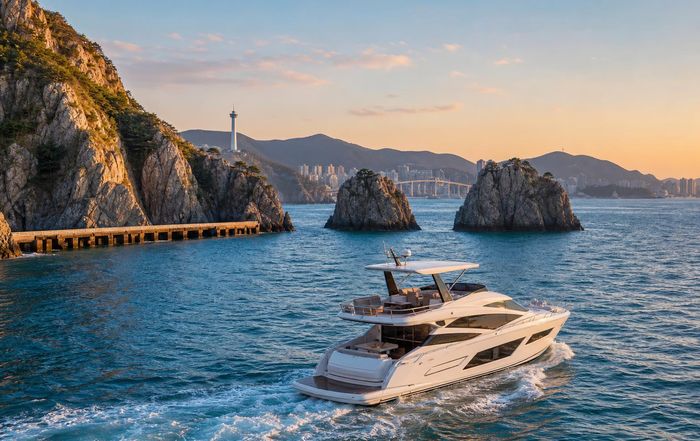
South Korea Coastal Cruising Guide: Where Tradition Meets Cutting-Edge Seamanship
South Korea's coastline is one of the most diverse and culturally rich cruising regions in Asia, yet it remains comparatively underexplored by international yacht owners and charterers. For readers of yacht-review.com, who follow developments in design, cruising, lifestyle and global yachting trends, South Korea offers a compelling blend of modern infrastructure, deep maritime heritage and ambitious investment in marine tourism that is reshaping the country's nautical landscape.
This guide provides a strategic overview for owners, captains, charter professionals and marine industry stakeholders who are considering South Korea's shores for future itineraries or business opportunities. It focuses on the most significant cruising regions, regulatory and seasonal considerations, emerging marina infrastructure, and the unique cultural and lifestyle experiences that distinguish the country from more familiar Mediterranean or Caribbean destinations.
Strategic Overview: Why South Korea Matters to Cruisers and the Industry
South Korea occupies a pivotal position between Japan and China, with the Yellow Sea to the west, the East China Sea to the south and the Sea of Japan (known in Korea as the East Sea) to the east. The coastline, including islands, extends for thousands of kilometres and encompasses major port cities such as Busan, Incheon and Ulsan, as well as hundreds of smaller fishing harbours and island communities.
For the yachting sector, several factors make South Korea increasingly relevant. The country has one of the world's most advanced shipbuilding industries, with companies such as Hyundai Heavy Industries, Samsung Heavy Industries and Hanwha Ocean (formerly Daewoo Shipbuilding & Marine Engineering) supplying complex vessels to global markets. While these conglomerates are focused on commercial and energy-related ships, their engineering culture and supplier networks support a growing domestic leisure marine sector, including smaller yards, equipment manufacturers and service providers.
Government policy has also shifted towards marine tourism. National and regional authorities have promoted marina development and coastal leisure infrastructure as part of broader tourism and regional revitalisation plans. The Korea Tourism Organization and local city governments have highlighted yachting, sailing schools and coastal festivals as tools to attract international visitors and diversify local economies. Readers can explore broader tourism context through resources such as the official Visit Korea portal, which outlines many coastal destinations that are now becoming accessible to cruising yachts.
For yacht-review.com, which regularly examines emerging markets and global cruising trends on its global yachting insights page, South Korea represents a case study in how a technologically advanced, export-oriented maritime nation is gradually opening its coastline to lifestyle-driven yachting without losing its traditional maritime character.
Key Cruising Regions: From Island Archipelagos to Urban Waterfronts
South Korea's coastal cruising can be broadly grouped into four major regions: the west coast and Yellow Sea, the south coast and archipelagos, the east coast, and the maritime approaches to Seoul and Incheon. Each presents distinct operational considerations and very different cruising experiences.
South Coast and Archipelagos: The Heart of Leisure Cruising
For most yacht owners and charterers, the south coast is the logical starting point. The waters between Busan, Tongyeong, Yeosu and the island groups of Namhae and Geoje are considered the core yachting region, with a combination of scenic cruising, protected anchorages and growing marina infrastructure.
Busan, South Korea's second largest city and its primary commercial port, has also positioned itself as a leisure marine hub. The Busan North Port redevelopment and adjacent coastal districts have included marinas and waterfront leisure facilities as part of long-term urban renewal, while the city hosts international events such as the Busan International Boat Show, which showcases domestic and imported yachts, equipment and marine services. Information about the show and related developments can be found via Busan Port Authority and industry associations, and it is often covered by global maritime outlets such as TradeWinds when it intersects with broader port development.
Southwest of Busan, the indented coastline and island chains around Tongyeong and Namhae offer a more intimate cruising experience. Tongyeong has been described in domestic tourism campaigns as the "Naples of Korea" due to its sheltered bays and island views. The region benefits from relatively mild winters and a long shoulder season, allowing extended cruising compared to the more exposed east coast. For captains planning itineraries, this area's combination of fishing harbours, smaller marinas and local shipyards provides practical support for coastal cruising, although superyacht-scale berths remain limited and should be confirmed well in advance.
The Yeosu and Suncheon area, further west along the south coast, gained international attention when Yeosu hosted the Expo 2012 Yeosu Korea, which focused on the theme of "The Living Ocean and Coast." Legacy infrastructure from that event, including waterfront promenades, museums and improved transport links, has supported subsequent tourism growth. While dedicated superyacht facilities are still evolving, the region's sheltered waters and proximity to national parks make it an attractive destination for smaller yachts and expedition-style cruising.
For readers seeking detailed analysis of vessels suited to this type of coastal and archipelagic cruising, the reviews section of yacht-review.com offers relevant perspectives on hull forms, range and onboard layouts that align well with South Korea's varied conditions, and can be explored further in the site's yacht reviews coverage.
West Coast and Yellow Sea: Tidal Waters and Island Culture
The west coast, facing the Yellow Sea and China, offers a very different navigational profile. Significant tidal ranges, extensive mudflats and shifting channels require careful pilotage and up-to-date charts, and the cruising experience is shaped by the interplay of tidal flats, estuaries and island communities.
The Incheon area, which serves as the maritime gateway to the capital region, has invested heavily in waterfront and island tourism. The Incheon Free Economic Zone, including Songdo International City and nearby islands, incorporates marinas, waterfront parks and leisure facilities as part of its master plan. While much of the port infrastructure is commercial, there are designated areas for recreational boating and sailing schools, and Incheon's proximity to Seoul makes it a logical base for business-oriented cruising that combines corporate hospitality with coastal experiences.
Further south, the tidal islands of the west coast, including the archipelagos off the coasts of Jeolla and Chungcheong provinces, offer a more rural and traditional atmosphere. Many of these islands have been connected to the mainland by bridges, but a significant number remain accessible only by ferry or private vessel, preserving a slower pace of life and traditional fishing culture. For yacht owners interested in cultural immersion and low-key exploration rather than high-profile marinas, this coastline can be rewarding, provided that tidal planning and local pilotage advice are taken seriously.
From a broader environmental and sustainability standpoint, the west coast's extensive wetlands and tidal flats are recognised under international frameworks such as the Ramsar Convention. Interested readers can learn more about coastal wetland conservation and the implications for responsible cruising, which include respecting protected areas, minimising disturbance to birdlife and adhering to local regulations on anchoring and access.
East Coast: Open Seas, Scenic Cliffs and Seasonal Contrasts
The east coast of South Korea, stretching from Busan northward past Ulsan, Pohang, Gangneung and towards the border region near Sokcho, presents a more exposed coastline with fewer sheltered archipelagos but striking scenery and a strong sense of maritime identity.
This region faces the Sea of Japan / East Sea, which can bring more pronounced swell and weather systems, especially outside the core summer months. Ports such as Ulsan and Pohang are heavily industrial, serving steel and petrochemical complexes, while cities like Gangneung and Sokcho have focused more on tourism, surfing and coastal recreation. The east coast gained additional international visibility when nearby Pyeongchang hosted the 2018 Winter Olympics, leading to improvements in transport infrastructure and tourism services that continue to benefit coastal visitors.
For cruising yachts, the east coast is particularly attractive during stable summer weather, when its beaches, rocky headlands and clear waters come into their own. However, the relative scarcity of full-service marinas compared to the south coast means that careful planning is required, especially for larger vessels that may need to coordinate access with commercial ports or industrial piers. For those with a technical interest in coastal engineering and port development, the Korea Maritime Institute and other research organisations publish studies on coastal infrastructure that can be accessed through academic databases or public reports, complementing the practical cruising perspectives covered on the technology and innovation pages of yacht-review.com.
Jeju Island: Volcanic Landscapes and Emerging Luxury Destination
Any discussion of South Korean cruising would be incomplete without Jeju Island, located to the south of the Korean Peninsula in the East China Sea. Jeju is a volcanic island with dramatic landscapes, including the UNESCO-listed Hallasan Mountain and extensive lava tube systems, and it has long been one of South Korea's premier domestic vacation destinations.
From a maritime perspective, Jeju benefits from a milder climate and a tourism infrastructure that includes resorts, golf courses and cultural attractions. The island's main port, Jeju City, accommodates a mix of ferries, cruise ships and smaller vessels, while additional harbours and marinas around the island provide options for visiting yachts. Jeju has been actively promoted as an international tourism hub, and its authorities have considered policies to attract more private yachts and superyachts, although the scale of facilities still lags behind established hubs in the Mediterranean or Caribbean.
For owners and charter guests seeking a combined cruising and onshore lifestyle experience, Jeju offers an appealing mix of hiking, gastronomy, wellness and cultural immersion. Those interested in broader travel possibilities linked to coastal cruising in Korea will find further inspiration on the travel features section of yacht-review.com, which frequently highlights destinations where sea and shore experiences are closely integrated.
Seasonal and Weather Considerations: Planning for Safety and Comfort
South Korea has a temperate climate with four distinct seasons, and seasonal planning is critical for safe and enjoyable cruising. Winters can be cold, especially on the west and north-east coasts, with occasional snow and strong winds. Summers are warm to hot, with a rainy season typically occurring from late June to July, followed by a period when typhoons originating in the western Pacific can affect the region, most commonly between August and early October.
The Korea Meteorological Administration provides detailed marine forecasts, typhoon tracking and sea condition reports, which are essential for voyage planning and can be accessed via its official website and associated services. Mariners can also consult global forecasting providers and organisations such as the World Meteorological Organization for broader context on regional weather patterns and climate trends affecting Northeast Asia.
For most leisure cruisers, the optimal periods for coastal voyages are late spring (May to early June) and early autumn (late September to October), when temperatures are comfortable, humidity is lower and the risk of severe weather is typically reduced. High summer can still be attractive for short-range cruising, particularly around Jeju and the south coast, but contingency planning for heavy rain and potential typhoon activity is prudent.
From a design and equipment perspective, vessels operating in Korean waters benefit from flexible climate control systems, robust anchoring arrangements and reliable tenders for accessing smaller harbours and islands where marina berths may not be available. The design insights shared on yacht-review.com often emphasise the importance of these practical considerations when evaluating yachts for diverse regional operations.
Regulatory Environment and Access for Foreign Yachts
Regulatory requirements for foreign-flagged yachts entering South Korean waters are shaped by broader customs, immigration and port regulations that have historically been oriented towards commercial shipping rather than private leisure craft. In recent years, however, there has been a gradual effort to simplify procedures for yachts and to promote marine tourism.
Foreign yachts must typically clear in at designated ports of entry, where immigration, customs and quarantine formalities are handled. Documentation requirements generally include vessel registration, crew and passenger lists, passports, and, where applicable, visas. Some ports have developed experience in handling visiting yachts and can provide clearer guidance, while in others, captains may find that local authorities are less familiar with private yacht procedures, making the support of a local agent or marina manager valuable.
The Ministry of Oceans and Fisheries and associated agencies periodically publish guidelines and policy updates related to yachting and marine leisure. Industry stakeholders can monitor these developments through official channels and through regional maritime news outlets such as The Maritime Executive, which sometimes covers regulatory changes in East Asian ports when they have broader implications for shipping and yachting.
As regulations and interpretations can evolve, especially in a market that is still opening to international leisure vessels, it is advisable for owners and captains to verify current requirements with local agents or consular services well before arrival. This approach aligns with the broader best practices in global cruising that yacht-review.com discusses in its cruising guidance articles, where careful pre-planning and local expertise are consistently emphasised.
Marina Infrastructure, Services and Local Shipyards
While South Korea does not yet have the density of superyacht marinas found in long-established yachting hubs, its infrastructure is improving, and the underlying industrial base is exceptionally strong. Numerous small and medium-sized marinas exist along the south and west coasts, often associated with sailing clubs, water sports centres or mixed-use waterfront developments.
Facilities in cities such as Busan, Incheon and Jeju, along with selected regional centres, offer berths for visiting yachts, although the maximum lengths and depths vary and should be confirmed in advance. Many marinas are geared towards domestic motorboats and sailing yachts in the 8-20 metre range, but some can accommodate larger vessels with prior arrangement. Fuel, water and basic technical services are generally available in major locations, while more specialised repairs and refits may require coordination with local shipyards or industrial facilities.
South Korea's shipbuilding and engineering capacity is a strategic advantage for yacht owners who may require complex technical work. Although the largest yards focus on commercial and offshore energy vessels, a network of smaller builders and suppliers supports the domestic leisure market and can often undertake bespoke projects, refits or equipment installations. For those interested in the business and investment dimension of this emerging sector, the business analysis section of yacht-review.com frequently explores how industrial capabilities translate into opportunities in the high-end leisure marine segment.
International classification societies such as Lloyd's Register, DNV and Bureau Veritas maintain offices in South Korea to serve the commercial fleet, and their presence indirectly benefits yacht projects that require class approvals, surveys or engineering consultation. Detailed information about class requirements and services can be found directly through the websites of these organisations, for example via DNV's maritime services.
Culture, Lifestyle and Onshore Experiences
One of the most compelling reasons to cruise South Korea is the opportunity to engage with a culture that blends centuries-old maritime traditions with contemporary urban sophistication. Coastal communities have long depended on fishing and sea trade, and this heritage is visible in local markets, festivals and cuisine.
Seafood is a central element of coastal life, with regional specialities ranging from raw fish and shellfish to elaborate stews and grilled dishes. Cities such as Busan are renowned for their fish markets, including Jagalchi Market, where visitors can experience the full spectrum of local catch and culinary styles. For yacht guests, integrating curated culinary experiences, whether through visits to local markets or onboard dining prepared with regional ingredients, can be a highlight of any itinerary.
Culturally, many coastal cities and islands host festivals that celebrate the sea, from sailing regattas and boat shows to traditional events linked to fishing seasons and maritime folklore. The Korea Tourism Organization and regional tourism boards provide updated calendars of such events, and major happenings with international relevance are often reported by global travel and culture outlets such as National Geographic Travel, which occasionally features Korean coastal destinations and cultural stories.
Urban waterfronts in cities like Busan, Incheon and Yeosu offer a mix of contemporary architecture, art installations, cafes and nightlife, while smaller towns and islands provide a quieter, more traditional ambience. This contrast allows yacht itineraries to be tailored to different guest profiles, from corporate groups seeking dynamic city experiences to families and owners who value privacy and authentic local encounters. The lifestyle features on yacht-review.com often highlight this interplay between onboard comfort and onshore discovery, which is particularly relevant in a culturally rich destination such as South Korea.
Sustainability and Responsible Cruising
As in many parts of the world, South Korea is grappling with the environmental challenges associated with coastal development, marine pollution and climate change. The government has launched various initiatives to improve water quality, protect marine ecosystems and promote low-carbon technologies in shipping and coastal infrastructure. For instance, national strategies for green growth and carbon neutrality include measures related to ports, shipbuilding and marine renewable energy, which are documented in policy papers and reports accessible through government portals and international organisations such as the OECD.
For yacht owners and operators, responsible cruising in South Korea involves adherence to local environmental regulations, including waste disposal rules, no-discharge zones and protected area restrictions. It also means adopting best practices that go beyond compliance, such as minimising single-use plastics onboard, optimising fuel consumption and supporting local businesses that demonstrate sustainable practices.
The broader conversation about sustainability in yachting, including the adoption of hybrid propulsion, advanced hull coatings and energy-efficient onboard systems, is highly relevant to operations in South Korea's sensitive coastal environments. Readers can learn more about sustainable yachting practices in the dedicated sustainability section of yacht-review.com, which connects technological innovation with practical guidance for everyday cruising.
South Korea in the Global Yachting Context
When viewed against established yachting destinations, South Korea is still an emerging market in terms of superyacht traffic, charter volumes and dedicated marina infrastructure. However, its strengths in industrial capability, technological innovation and cultural appeal position it as a country with significant long-term potential.
For global yacht owners who already cruise extensively in the Mediterranean, Caribbean or Pacific, South Korea offers the opportunity to explore a new region that combines safe, well-regulated waters with a distinctive blend of modernity and tradition. For builders, designers and service providers, the country represents both a potential client base and a source of high-quality components, engineering services and collaborative ventures.
As yacht-review.com continues to follow developments in Asia and around the world, South Korea's coastal evolution will remain a topic of interest, both from a cruising standpoint and from the perspective of how advanced maritime nations integrate leisure yachting into broader economic and cultural strategies. Readers can stay informed about ongoing marina projects, regulatory updates and industry partnerships through our regularly updated yachting news and events coverage, which track how destinations like South Korea are positioning themselves in the competitive global landscape.
Conclusion: A Coastline Ready for Discovery
South Korea's coasts, from the island-studded south to the tidal flats of the west and the rugged east, present a rich and varied canvas for discerning yacht owners and charterers who are prepared to venture beyond traditional circuits. The combination of improving marina infrastructure, world-class engineering capability, growing policy support for marine leisure and a deeply rooted maritime culture creates a setting where high-end yachting can flourish in a distinctive way.
For the international yachting community, the message is clear: South Korea is no longer just a powerhouse of commercial shipbuilding and technology; it is an emerging cruising destination with the potential to deliver memorable experiences, meaningful cultural encounters and long-term opportunities for collaboration and investment. As more yachts make their way along its coasts and more stakeholders engage with its evolving marine tourism sector, South Korea is likely to become an increasingly important chapter in the global story that yacht-review.com is dedicated to telling.