

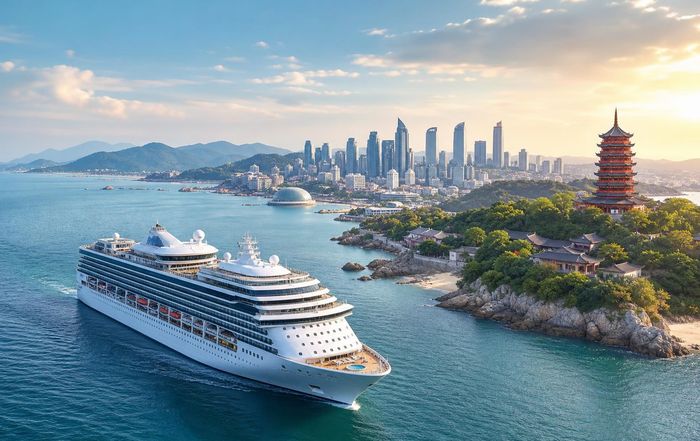
China's Emerging Coastal Cruising Destinations
China's coastline, stretching more than 18,000 kilometers along the Bohai, Yellow, East China and South China Seas, is entering a new phase as a cruising and yachting destination. For many years, the country's maritime development focused primarily on commercial shipping and heavy port infrastructure, yet over the past decade a quiet transformation has begun, with new marinas, island resorts and marine tourism policies reshaping the seascape. For lucky yacht owners, charter guests and cruising enthusiasts who follow Yacht-Review.com, this evolution presents a compelling opportunity to discover a coastline that is still largely under the international radar, but increasingly open, better serviced and more welcoming to leisure craft.
From Working Waterfronts to Lifestyle Harbours
China's coastal cities historically grew around commercial ports such as Shanghai, Qingdao and Shenzhen, with limited provision for private yachts or visiting cruising boats. The turning point came as national and provincial authorities began to recognize marine tourism as a strategic growth sector. Policy documents from the National Development and Reform Commission and the Ministry of Culture and Tourism have, in recent years, highlighted marine leisure, island tourism and yachting as priority areas within broader consumption and services strategies. Online fans can follow broader industry implications in the business coverage on Yacht-Review's business section.
At the same time, coastal provinces such as Hainan, Guangdong, Fujian and Shandong have integrated yachting facilities into urban renewal and tourism masterplans. The result has been a wave of new marinas, yacht clubs and waterfront developments, although capacity and openness to foreign-flagged vessels still vary significantly between regions. According to analyses by China Cruise & Yacht Industry Association and coverage by major outlets such as South China Morning Post and China Daily, the emphasis is shifting from purely real-estate-driven marina projects to more mature, service-oriented yachting hubs that integrate cruising, hospitality, retail and training.
For international owners considering a cruise along China's coastline, this means that while the infrastructure remains uneven and regulatory requirements need careful navigation, there are now several anchor destinations that can support high-end yachting experiences, supported by growing local expertise and a more international outlook.
Hainan: China's Flagship Yachting Playground
Hainan Island, positioned in the South China Sea and often described domestically as "China's Hawaii," has become the country's most visible laboratory for marine leisure. The island's designation as a Free Trade Port, formalized through a long-term plan released by the central government, has accelerated investment in marinas, yacht charter operations and supporting tourism facilities. Official information from the Hainan Free Trade Port authorities and coverage by international business media such as Reuters and the Financial Times underscore the island's role as a test bed for more liberalized services and simplified procedures in areas including yacht importation, chartering and crew management.
The resort city of Sanya is the focal point of this transformation. Facilities such as Sanya Serenity Marina, which has previously hosted stopovers of the Volvo Ocean Race, and Visun Royal Yacht Club have helped position Sanya as a credible international yachting destination, with deep-water berths, repair services, customs and immigration facilities and a growing charter fleet. Learn more about how advanced marina design is reshaping user experience in Yacht-Review's design features.
Sanya's coastline, framed by bays such as Sanya Bay, Yalong Bay and Haitang Bay, combines resort-style beaches with nearby islands and marine parks. Domestic tourism sources highlight sailing excursions to nearby islets, diving sites and fishing grounds, as well as the integration of yachting with high-end hotels managed by global brands. For cruising visitors, the appeal lies in the combination of reliable tropical weather during the winter season, modern infrastructure and a service culture increasingly familiar with international expectations.
Beyond Sanya, the northern city of Haikou and the developing resort area of Clearwater Bay on the island's eastern shore are also expanding their marine offerings. Haikou's marinas are closely linked to the city's role as the island's administrative and transport hub, while Clearwater Bay's integrated resort developments include yacht clubs and private berths that target both domestic owners and visiting international guests. While public information on exact berth numbers and technical details can be inconsistent, multiple industry reports and local government statements confirm that Hainan is steadily increasing its mooring capacity and refining regulations to foster yacht tourism.
For those planning extended itineraries, Hainan's strategic location also makes it a potential staging point for regional cruising toward Vietnam, the Philippines or further into the Western Pacific, subject to prevailing geopolitical and regulatory considerations, which should be monitored carefully through reliable maritime advisories and international news sources such as BBC News and Bloomberg.
Guangdong and the Greater Bay Area: Urban Cruising Meets Innovation
Moving north along the South China Sea coast, the Guangdong-Hong Kong-Macao Greater Bay Area has emerged as one of the most dynamic economic regions in Asia, and this dynamism is now beginning to extend into the yachting space. The Greater Bay Area concept, promoted by the central and regional governments, aims to integrate nine mainland cities with the Special Administrative Regions of Hong Kong and Macao, enhancing connectivity and cross-border services. Official planning documents and analyses by organizations such as The World Bank and McKinsey & Company describe the region as a global innovation hub, with advanced manufacturing, technology and finance at its core.
For cruising enthusiasts, this integration has practical implications. Hong Kong has long been an established yachting center with experienced marinas, service yards and a strong club culture, including institutions such as the Royal Hong Kong Yacht Club. Mainland cities such as Shenzhen, Zhuhai and Guangzhou have been progressively expanding their own marina networks, with developments like Shenzhen's coastal districts incorporating yacht clubs into high-end residential and commercial projects.
Industry coverage indicates that authorities in Guangdong and Hong Kong have explored mechanisms to simplify yacht movements within the Greater Bay Area, although regulatory frameworks remain complex and subject to change. Potential visitors are advised to consult specialized maritime law firms and updated guidance from official sources such as Hong Kong Marine Department and China's Ministry of Transport, as well as to work closely with local agents who understand the practicalities of clearance, pilotage and permitted cruising zones.
From a lifestyle perspective, the Greater Bay Area offers a distinctive blend of urban skylines, island hopping and culinary exploration. Short cruises from Shenzhen or Zhuhai can reach nearby islands and coastal fishing communities, where seafood traditions and local culture provide a contrast to the high-rise cityscape. Readers interested in the experiential side of such itineraries can find inspiration in Yacht-Review's cruising stories, which often highlight how urban and natural environments intersect in modern yachting.
Fujian and the Taiwan Strait: Historic Gateways and Island Chains
Further north, the province of Fujian faces the island of Taiwan across the Taiwan Strait and is home to a rugged, indented coastline with numerous bays, estuaries and offshore islands. Historically, Fujian's ports such as Xiamen and Quanzhou played a central role in maritime trade routes, and UNESCO has recognized parts of this maritime heritage through listings related to the ancient Silk Roads. Learn more about the broader maritime context through UNESCO's Silk Roads resources.
In recent years, Fujian has sought to leverage this heritage and its coastal geography to develop marine tourism. The city of Xiamen, already known for its pleasant climate and island setting, has supported the construction and expansion of marinas and waterfront leisure zones. Xiamen's Gulangyu Island, a pedestrian-only island with colonial-era architecture and a UNESCO World Heritage designation, has become a popular excursion destination, and while large yachts may not berth directly alongside its historic quays, the broader Xiamen area offers anchorage and marina options that can support visits by cruising yachts under coordinated arrangements.
Fujian's offshore islands, including the Pingtan archipelago, are also being promoted as tourism destinations, with infrastructure projects aimed at improving access and services. However, the Taiwan Strait remains a politically sensitive and militarily active waterway, and cruising plans in this region must take into account not only weather and navigation but also evolving security dynamics. International analysis from reputable think tanks such as Chatham House and The International Institute for Strategic Studies can help contextualize these dynamics, although operational decisions should always be based on up-to-date official navigational warnings and professional maritime advice.
From a cultural standpoint, Fujian's coastal communities offer a rich tapestry of Hokkien and other local traditions, temples, seafood cuisine and tea culture, providing rewarding onshore experiences for yacht owners and guests who value authentic encounters alongside scenic cruising.
Shandong and the Bohai Rim: Sailing Heritage and Northern Seasons
On the Yellow Sea coast, the province of Shandong has become synonymous with competitive sailing in China, largely due to the international profile of Qingdao. The city hosted the sailing events of the Beijing 2008 Olympic Games, and its Olympic Sailing Center and associated marinas have since served as a platform for domestic and international regattas. The World Sailing federation and various international yacht racing organizations have documented Qingdao's role in events such as the Clipper Round the World Yacht Race, which has included the city as a stopover port in multiple editions.
Qingdao's sailing legacy has encouraged local authorities and private developers to invest further in marina infrastructure and sailing schools, nurturing a growing community of Chinese sailors and enthusiasts. While the region's colder winters and more pronounced seasonal weather patterns make it a different proposition from tropical Hainan, the summer and early autumn months can be highly attractive for cruising, with cooler temperatures, coastal cliffs and sandy beaches.
Beyond Qingdao, the Bohai Rim region, including parts of Hebei, Tianjin and Liaoning, is gradually exploring marine leisure, though the focus remains more limited and often tied to broader coastal tourism developments. For yacht owners with an interest in northern China's cultural and industrial history, these ports can provide gateways to inland destinations, combining sea passages with visits to historic sites and major cities. Articles in Yacht-Review's history section offer context on how maritime routes have shaped such regions over centuries.
Regulatory Environment and Practical Considerations
Any discussion of China's emerging coastal cruising destinations must address the regulatory framework, which remains more restrictive and administratively demanding than in many established yachting hubs in Europe, North America or parts of Southeast Asia. Foreign-flagged yachts visiting Chinese waters generally require advance permission, detailed documentation and coordination with multiple authorities, including maritime safety, customs, immigration and border control. Specific requirements can differ by port and province, and regulations have evolved over time, so reliance on outdated guidance can be problematic.
Specialized maritime law firms and yacht agencies operating in China emphasize the importance of working with experienced local partners who can manage port calls, pilotage, berthing arrangements and crew visas. Official information from China's Maritime Safety Administration and local port authorities provides baseline requirements, but in practice, interpretation and implementation may vary, making on-the-ground expertise indispensable. For readers of Yacht-Review.com considering exploratory cruises or flotillas, early-stage planning should include legal and regulatory due diligence alongside route design and vessel preparation.
Another factor is the relative scarcity of fully equipped service yards and chandlery networks outside key hubs such as Sanya, Shenzhen, Hong Kong and Qingdao. Owners of larger yachts, particularly those with specialized systems, are advised to ensure that critical maintenance and refit work is completed at well-established yards before entering less-developed segments of the coast, and to maintain strong logistical links with international suppliers. Discussions of technology and support infrastructure in Yacht-Review's technology coverage can help readers benchmark what to expect when operating in emerging markets.
Despite these challenges, there is evidence of gradual improvement. Local governments and industry associations have organized yacht shows, forums and training programs aimed at professionalizing marina operations, charter services and crew training. The development of Hainan as a Free Trade Port, in particular, has spurred efforts to simplify customs and tax procedures for yachts, although the precise scope and implementation of such measures can change over time and should be confirmed through the latest official publications and professional advice.
Sustainability and Marine Stewardship Along China's Coasts
As China's coastal cruising destinations gain prominence, sustainability considerations are moving to the forefront. The country has made public commitments to peak carbon emissions before 2030 and to achieve carbon neutrality by 2060, and marine ecosystems form an important part of this environmental agenda. National and provincial authorities have established marine protected areas, seasonal fishing bans and regulations on coastal development aimed at preserving habitats such as coral reefs, mangroves and wetlands. Organizations such as WWF and The Nature Conservancy have documented collaborative projects in Chinese coastal regions, focusing on biodiversity conservation and sustainable fisheries.
For the yachting community, this evolving framework creates both responsibilities and opportunities. Responsible cruising practices, including careful anchoring, waste management, fuel efficiency and respect for restricted zones, are essential to ensure that increased yacht traffic does not undermine fragile ecosystems. Learn more about sustainable business practices and eco-conscious cruising principles through Yacht-Review's sustainability insights, which highlight how owners, captains and marinas can align luxury experiences with environmental stewardship.
At the same time, marinas and waterfront developments in destinations such as Sanya and Shenzhen are beginning to integrate greener design elements, from shoreline protection and wastewater treatment to energy-efficient lighting and building systems. While independent verification of specific performance metrics can be limited, planning documents and architectural case studies indicate a growing awareness that long-term value creation in coastal real estate depends on maintaining environmental quality and resilience in the face of climate-related risks such as sea-level rise and extreme weather events. Reports from bodies like the Intergovernmental Panel on Climate Change (IPCC) provide a broader scientific context for these risks and underscore the importance of adaptive coastal planning.
For yacht owners and charter guests, choosing operators and facilities that demonstrate credible environmental commitments can help signal demand for higher standards, encouraging further investment in sustainable infrastructure and practices across China's emerging cruising destinations.
Lifestyle, Culture and Onshore Experiences
Beyond the technicalities of marinas and regulations, the true appeal of China's coastal cruising lies in the diversity of onshore experiences available along the route. From the tropical landscapes and resort culture of Hainan to the cosmopolitan energy of Shenzhen and Hong Kong, the historic charm of Xiamen and the sailing heritage of Qingdao, each region offers distinct cultural, culinary and recreational opportunities.
In Sanya, visitors can combine days at anchor with rounds of golf, spa retreats and visits to tropical forests and ethnic minority villages in the island's interior. In the Greater Bay Area, yachts can serve as mobile bases for exploring art districts, technology hubs and world-class dining scenes, reflecting the region's role as a leading center of innovation and finance. In Fujian and Shandong, coastal temples, tea plantations, seafood markets and historic neighborhoods provide insight into local ways of life that have evolved over centuries alongside the sea.
For families and lifestyle-oriented owners, these destinations offer a chance to integrate education and cultural discovery into cruising itineraries, whether through guided tours, culinary experiences or participation in local festivals and regattas. Smart readers interested in how yachting intersects with broader lifestyle trends can explore Yacht-Review's lifestyle content, which often highlights how sea-based travel can enrich personal and family experiences.
The Place of Domestic Yacht Owners and Charter Markets
China's emerging coastal cruising scene is not driven solely by international visitors; domestic yacht ownership and charter demand are playing an increasingly important role. As incomes rise and leisure preferences evolve, a growing segment of affluent Chinese consumers is exploring yachting as a lifestyle choice, often starting with day charters and progressing to shared ownership or full ownership models. Industry analyses by global consultancies and luxury market observers, including Deloitte and Bain & Company, have noted the expansion of high-end lifestyle consumption in China, with marine leisure forming part of a broader pattern that includes travel, wellness and experiential luxury.
Marinas and yacht clubs in Sanya, Shenzhen, Xiamen and Qingdao have responded by offering training courses, social events and club memberships tailored to first-time owners and enthusiasts. This domestic base provides a foundation for the long-term development of a sustainable yachting ecosystem, supporting local service providers, crew training programs and secondary markets for pre-owned vessels. It also contributes to a more vibrant on-water culture, with regattas, rendezvous and social cruises becoming more common features of the coastal calendar. Keen online fans can follow significant developments and events in this space through Yacht-Review's news coverage and events features, which track how regional markets are maturing.
For international owners, the rise of a domestic yachting community can translate into better services, more knowledgeable staff and a broader choice of charter options when visiting Chinese waters. It also opens possibilities for cross-cultural exchanges, joint regattas and collaborative cruising itineraries that link Chinese and international fleets.
China's Place on the Global Cruising Map
China's coastal cruising destinations remain, in many respects, a work in progress. Infrastructure gaps, regulatory complexity and limited international awareness continue to constrain the pace at which the country can join the ranks of established yachting hubs in the Mediterranean, Caribbean or South Pacific. Yet the trajectory is clearly upward, driven by sustained investment, policy attention and growing domestic enthusiasm for life on the water.
For the global yachting community, this presents a strategic question: how and when to engage with a coastline that offers both significant potential and real operational challenges. Early adopters who are prepared to invest in careful planning, local partnerships and flexible itineraries may be rewarded with access to destinations that are still relatively uncrowded, rich in cultural and natural diversity, and evolving rapidly. Over time, as regulatory frameworks stabilize, service networks deepen and environmental safeguards strengthen, China's coastal regions could become integrated into longer trans-Asian cruising routes that connect Northeast Asia, Southeast Asia and the broader Pacific.
At Yacht Review, the editorial focus remains on helping folks navigate such emerging frontiers with clarity and confidence. Through daily detailed boat and yacht reviews, destination-focused cruising features, in-depth analysis of global yachting trends and ongoing coverage of industry news, the aim is to provide the experience, expertise and trustworthiness that discerning owners and enthusiasts require when making decisions about where to cruise next.
As China's coastal cruising destinations continue to develop, they offer not only new horizons for exploration but also a living laboratory for how emerging markets can balance growth, sustainability and cultural authenticity in the world of yachting. For those willing to look beyond traditional routes, the Middle Kingdom's shores may soon become an integral part of the global cruising conversation.