

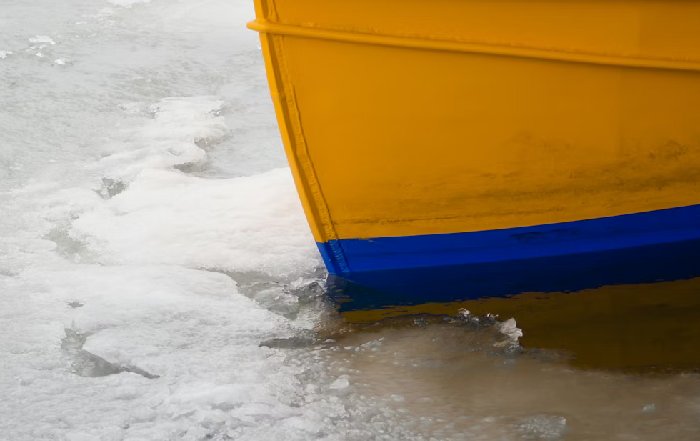
Adventure Ready: Equipping for High-Latitude Voyages
High-Latitude Cruising Moves Mainstream
Wow high-latitude voyaging has moved from the fringes of the sailing world into the strategic plans of serious owners, family cruisers, and charter operators who once limited their ambitions to temperate waters. The combination of more accessible weather routing, improved ice data, advances in yacht technology, and a growing appetite for authentic adventure has made destinations such as Svalbard, Greenland, Patagonia, Antarctica, and the Northwest and Northeast Passages realistic objectives for well-prepared private yachts. For the rather soaking yet happy editorial team at yacht-review.com, this shift has been visible in the questions readers ask, the refit specifications submitted for informal comment, and the growing number of high-latitude projects appearing in builders' order books and brokerage listings. High-latitude sailing is no longer a niche undertaken only by expedition yachts and scientific vessels; instead, it is becoming a defining expression of ambition for modern owners from the United States, Europe, Asia and beyond who want to test themselves and their vessels in some of the most demanding waters on earth.
This evolution has not diminished the risks; if anything, rising traffic in fragile polar and subpolar regions has increased scrutiny from regulators, insurers, and environmental bodies. Owners and captains planning Arctic or Antarctic seasons are now expected to demonstrate a level of preparation that would have been rare a decade ago, encompassing vessel design, equipment selection, crew training, environmental stewardship and emergency planning. Against this backdrop, yacht-review.com has focused on providing structured guidance, integrating its long-standing emphasis on yacht reviews, design, and technology with practical insights from skippers, naval architects and expedition leaders who have already made the leap north and south. This article examines how serious owners in 2026 are equipping for high-latitude voyages, and how the principles of experience, expertise, authoritativeness and trustworthiness are shaping best practice across the sector.
Choosing and Preparing the Right Boat
Selecting a yacht for high-latitude work is the foundational decision upon which all other preparations rest, and it is here that the gap between aspirational marketing language and genuine expedition capability becomes most obvious. Steel and aluminium remain the preferred materials for purpose-built high-latitude yachts because of their ability to absorb impact, tolerate low temperatures, and be repaired in remote locations; composite yachts can and do cruise in ice-affected waters, but captains and insurers are increasingly cautious about their deployment in areas with uncharted growlers or early-season drift ice. Naval architects interviewed over recent years for yacht-review.com's boats and business sections point to reinforced bow structures, substantial framing at the waterline, and protected rudder and propeller arrangements as non-negotiable elements when specifying or modifying a yacht for the Arctic or Southern Ocean.
The experience of expedition operators from countries such as Norway, Iceland, Canada and Chile suggests that hull form and appendage protection are as important as raw strength. Deep, exposed spade rudders and saildrive legs are vulnerable to ice and debris, whereas skegs, twin rudders with sacrificial tips, and shaft drives recessed behind robust apertures offer more resilience. Many successful high-latitude yachts adopt relatively moderate draft and fuller sections forward to reduce the risk of slamming on steep, short seas, which are common in the convergence zones around Greenland and the Antarctic Peninsula. Owners refitting existing vessels for these environments are advised by classification societies and leading surveyors to commission a thorough structural assessment, including non-destructive testing where appropriate, before investing in new equipment that assumes an underlying level of integrity.
The interior layout also requires reconsideration when a yacht is expected to operate for extended periods in cold climates. Efficient heating, insulation, and condensation management are not simply comfort features; they are critical for maintaining crew health and preventing long-term damage to joinery and systems. Builders and refit yards in Northern Europe and North America have become adept at integrating additional insulation behind liners, improving window and hatch specifications, and refining ventilation paths to avoid cold spots. For owners planning family voyages, including those highlighted in yacht-review.com's family and lifestyle features, careful zoning of warm, dry spaces and wet, transitional areas can make the difference between a rewarding expedition and a miserable endurance test.
Power, Heating and Energy Management in the Cold
In high-latitude environments, energy management becomes a strategic concern rather than a background calculation, as cold temperatures, limited solar input, and often unreliable wind patterns can expose weaknesses in systems that performed adequately in the Mediterranean, Caribbean or coastal United States. Diesel remains the primary energy source for most expedition yachts, and organizations such as DNV and Lloyd's Register continue to issue guidance on fuel quality, storage, and winterization for polar operations. Owners preparing for remote regions where resupply may be infrequent are advised to install oversized fuel tanks, dual filtration systems, and heating loops to prevent waxing, drawing on technical resources from bodies such as the American Boat and Yacht Council for standards-based implementation.
Heating solutions are central to the energy equation. Diesel-fired hydronic or air heaters, often installed in redundant configurations, must be sized with a margin above anticipated demand and plumbed to ensure even distribution throughout the vessel, including technical spaces where condensation and freezing can damage equipment. Experienced skippers interviewed for yacht-review.com's cruising coverage emphasize the importance of integrating heating with dehumidification and ventilation, as a warm but damp interior quickly becomes unhealthy and corrosive. In some modern builds, heat recovery systems reclaim energy from engine exhausts or generator cooling circuits, reflecting broader trends in marine efficiency documented by organizations such as the International Maritime Organization.
The growth of lithium-based energy storage and high-output alternators has transformed the way yachts manage hotel loads and scientific or photographic equipment in cold climates, yet these technologies bring their own challenges. Battery performance can degrade significantly at low temperatures, and thermal management systems must be designed to keep energy storage within optimal ranges without compromising safety. In Europe and Asia, classification societies and national authorities have published evolving guidance on lithium installations in yachts, and owners heading to ice-affected waters are well advised to ensure their systems reflect the latest best practice rather than legacy installations. Solar and wind generation can still play a role, particularly during polar summers with extended daylight, but no responsible expedition plan relies on renewables alone; instead, they are treated as a way to reduce generator run time and provide redundancy in case of mechanical failure.
Navigation, Communications and Situational Awareness
The navigational challenges of high-latitude sailing are as much about data quality and communication resilience as they are about the physical act of piloting a yacht through ice and poorly charted waters. Modern expedition yachts routinely carry multiple independent navigation suites, often combining integrated bridge systems with standalone plotters, paper charts, and increasingly, tablet-based backup solutions that can be powered from separate battery banks. In regions where charting remains incomplete or outdated, captains rely heavily on satellite imagery, crowd-sourced data, and local pilotage knowledge, supplementing official hydrographic products from agencies such as the UK Hydrographic Office and the National Oceanic and Atmospheric Administration in the United States. Owners and skippers planning such voyages can review broader ocean and climate context through resources like NOAA's ocean exploration portal, which also illustrates the dynamic nature of polar environments.
Communications are a critical layer of safety and coordination in these remote areas. While traditional satellite systems such as Inmarsat and Iridium remain the backbone of long-range voice and data, the emergence of new low-earth-orbit constellations has materially improved bandwidth and latency in high latitudes, enabling higher-resolution weather downloads, real-time ice chart updates, and more robust telemedicine capabilities. However, expedition leaders stress that these technologies must be integrated into a coherent communication plan that includes redundancy, clear procedures, and regular testing, rather than being treated as a guarantee of connectivity. yacht-review.com's technology coverage has followed this evolution closely, noting that insurers and flag states increasingly expect documented communication strategies as part of risk assessments for polar operations.
Situational awareness extends beyond electronic systems. Radar performance can be degraded by snow, sleet, and sea clutter, and ice detection remains a nuanced art that combines radar interpretation, visual watchkeeping, and local knowledge. Thermal imaging cameras, drones, and forward-looking sonar can all contribute to safer navigation in ice or poorly charted anchorages, but they must be selected and installed with a clear understanding of their limitations. Training crew to interpret these inputs and to maintain disciplined watchkeeping standards in low visibility and long polar nights is as important as the choice of equipment itself, a point echoed repeatedly in professional guidance from organizations such as the Royal Yachting Association and the United States Coast Guard.
Safety, Survival and Medical Preparedness
High-latitude voyaging demands a more rigorous approach to safety and survival than coastal or temperate cruising, because the consequences of error are magnified by cold water, limited rescue resources, and the sheer remoteness of many cruising grounds. Life-saving appliances such as liferafts, immersion suits, and personal locator beacons are baseline requirements, but expedition-experienced captains emphasize that these items must be selected, stowed, and maintained with specific attention to polar conditions. Liferafts should be rated for low temperatures, packed with enhanced survival gear, and positioned for rapid deployment even if the yacht is heeled or partially iced over. Immersion suits sized for every person on board, including guests and visiting specialists, are essential, and crew should practice donning them under realistic conditions rather than treating them as theoretical equipment.
Medical preparedness takes on a different character when evacuation may be delayed by weather, ice, or limited local infrastructure. Many high-latitude yachts now carry expanded medical kits, minor surgical supplies, and sometimes telemedicine-linked diagnostic devices, supported by pre-voyage training courses that go beyond basic first aid. International organizations such as the World Health Organization provide broad guidance on health risks and vaccination requirements for remote regions, but yacht-specific best practice has emerged from the accumulated experience of operators in Antarctica, Greenland, and the high Arctic, where injury patterns and environmental stresses differ markedly from those seen in warmer cruising grounds. Owners and captains are increasingly engaging specialist maritime medical providers to develop custom protocols and to ensure that crew have the competence and confidence to manage incidents until external help arrives.
For yacht-review.com, which frequently covers safety developments in its news and global sections, one notable trend has been the growing emphasis on psychological as well as physical readiness. Extended periods of darkness, confinement, and environmental intensity can test even experienced sailors, particularly when operating with family members or charter guests who may be unused to such conditions. Structured briefings, realistic expectation management, and clear decision-making frameworks help reduce stress and improve group cohesion, contributing as much to overall safety as hardware upgrades or additional equipment.
Environmental Responsibility and Regulatory Compliance
The ethical and regulatory landscape for high-latitude voyages has evolved rapidly, reflecting heightened awareness of climate change, biodiversity loss, and the vulnerability of polar ecosystems. Organizations such as the International Association of Antarctica Tour Operators and the Arctic Council have helped shape voluntary and mandatory frameworks governing vessel operations, waste management, wildlife interactions, and fuel use in sensitive areas. Owners contemplating adventure in Antarctica, Svalbard, Greenland, or the Russian Arctic must now navigate a complex mix of flag-state requirements, regional regulations, and international conventions, many of which are aligned with broader sustainability principles outlined by bodies such as the United Nations Environment Programme.
From the perspective of yacht-review.com, which maintains dedicated coverage on sustainability and community, environmental responsibility is no longer an optional layer of virtue-signalling; it has become integral to the credibility and long-term viability of high-latitude yachting. Owners are expected to understand and minimize black carbon emissions, avoid the use of heavy fuel oil in designated areas, manage grey and black water with care, and implement stringent waste segregation and storage protocols, especially where shore reception facilities are limited or non-existent. Learn more about sustainable business practices and their application to maritime operations through resources made available by organizations such as the World Economic Forum and national maritime authorities in leading yachting nations.
Practical measures include choosing low-toxicity antifouling systems, minimizing single-use plastics, optimizing routing to reduce fuel burn, and engaging with local communities in ways that respect cultural norms and contribute positively to regional economies. In Greenland, Norway, Chile, and other gateway countries, port authorities and local operators increasingly expect visiting yachts to demonstrate a thoughtful approach to their environmental footprint, and this expectation is mirrored in the preferences of charter clients from markets such as the United States, United Kingdom, Germany, and Australia. For owners who wish to position themselves as responsible explorers rather than opportunistic visitors, aligning their operations with emerging best practice is both a moral obligation and a strategic investment in reputation.
Crew Competence, Training and Human Factors
No amount of equipment can compensate for a lack of experience or poor decision-making, and the most successful high-latitude voyages share a common foundation of strong leadership, well-trained crew, and a culture of continuous learning. Captains with polar or subpolar experience from commercial shipping, scientific expeditions, or previous yacht campaigns bring invaluable intuition about ice behavior, weather patterns, and risk thresholds that are difficult to acquire solely from manuals or short courses. For this reason, many owners undertaking their first high-latitude season choose to engage an expedition leader or ice pilot with local knowledge, at least for the initial stages of their voyage.
Training regimes are adapting to reflect these realities. Beyond standard certifications, crew are increasingly encouraged to pursue specialized courses in cold-water survival, advanced medical care, ice navigation, and remote operations, often delivered by recognized bodies in Europe and North America. Practical drills, including simulated abandon-ship scenarios in cold conditions, emergency steering exercises, and rapid response to hull breaches or flooding, help translate theoretical knowledge into operational readiness. yacht-review.com's history features often highlight how historical polar expeditions succeeded or failed based on leadership and crew cohesion, and these lessons remain pertinent in 2026 despite the benefits of modern technology.
Human factors extend to the way watches are organized, rest is protected, and information is shared. Long daylight periods in polar summers can tempt crews to overwork, while extended darkness in shoulder seasons can erode alertness and morale. Clear standing orders, fatigue management strategies, and an open culture where concerns can be raised without stigma all contribute to safer operations. Owners who sail with family members or friends must recognize the additional responsibility they carry, ensuring that non-professional participants are briefed, equipped, and supported in ways that respect both their enthusiasm and their limits.
Designing the Onboard Experience for Adventure
High-latitude expeditions are not solely about technical readiness and risk management; they are also about crafting an onboard experience that justifies the effort and expense of reaching these remote destinations. The editorial perspective at yacht-review.com, reflected across its travel and events coverage, emphasizes that owners increasingly seek voyages that blend comfort with authenticity, enabling them to witness glaciers calving in Greenland, encounter wildlife in Antarctica, or explore the fjords of Norway and Chile without sacrificing safety or a baseline of onboard wellbeing.
Interior designers and naval architects have responded by integrating features that support observation, photography, and scientific engagement. Warm, panoramic lounges with large windows, sheltered exterior decks, and flexible storage for tenders, kayaks, drones, and scientific or photographic equipment are now common on expedition-focused yachts. For family-oriented voyages, dedicated education spaces, libraries, and multimedia facilities can turn the yacht into a mobile classroom, connecting younger guests with the history and science of the regions they are visiting. These design choices align with broader lifestyle trends among high-net-worth individuals in North America, Europe, and Asia, who increasingly value experiences and learning opportunities as much as traditional luxury markers.
At the same time, designers must reconcile these aspirations with the practicalities of operating in harsh environments. Materials must withstand temperature swings, condensation, and occasional impacts, while layouts should facilitate safe movement in heavy weather and rapid access to critical equipment. The most successful high-latitude yachts are those that integrate expedition functionality from the earliest design stages, rather than treating it as an afterthought layered onto a conventional cruising platform. Readers exploring new-build or refit options can find relevant case studies and analyses in yacht-review.com's sections on design and boats, which increasingly feature projects explicitly positioned as "adventure ready."
Market Dynamics and the Business of High-Latitude Yachting
The growing interest in high-latitude voyaging has significant implications for the business side of yachting, influencing builder strategies, charter offerings, insurance frameworks, and even marina development in gateway regions. Shipyards in Northern Europe, North America, and Asia-Pacific have expanded their expedition yacht portfolios, often collaborating with experienced naval architects and polar operators to ensure that their marketing claims are backed by genuine capability. Brokerage markets in key hubs such as the United States, United Kingdom, Germany, and the Netherlands report increasing demand for yachts with ice reinforcement, extended range, and proven high-latitude track records, a trend that yacht-review.com has tracked closely in its business reporting.
Charter operators have also recognized the appeal of adventure itineraries, offering seasonal deployments to regions such as Svalbard, Greenland, the Antarctic Peninsula, and Patagonia, with embarkation points in Norway, Iceland, Chile, Argentina, and New Zealand. These offerings cater to clients from North America, Europe, and Asia who seek immersive experiences without committing to ownership or long-term refits, and they have driven investment in specialized crew training, equipment, and shore-based logistics. Industry bodies and tourism authorities in countries such as Norway and Chile have responded by developing guidelines and infrastructure to manage growing yacht traffic while protecting local communities and environments.
Insurance and finance have had to adapt as well. Underwriters now scrutinize high-latitude plans with greater granularity, assessing vessel specifications, crew competence, routing strategies, and contingency planning before committing to coverage. Premiums may reflect not only the inherent risks of ice and remoteness but also the robustness of an owner's preparation, creating an implicit incentive for best practice. Financial institutions supporting new builds and refits increasingly view credible high-latitude capability as a differentiator in resale value, particularly in a global market where adventure and sustainability are strong themes among next-generation owners. For a deeper understanding of these macro trends, readers can explore yacht-review.com's global and news sections, which situate high-latitude yachting within broader shifts in luxury travel and investment.
Conclusion: From Aspiration to Responsible Sailing Action
Equipping for high-latitude voyages demands more than a checklist of gear or a cosmetic refit; it requires a holistic approach that integrates vessel capability, energy management, navigation and communication resilience, safety and medical preparedness, environmental responsibility, crew competence, and thoughtful onboard experience design. Owners and captains who approach these voyages with humility, rigor, and a willingness to learn from those who have gone before them are best placed to turn ambitious plans into safe and rewarding realities. The top notch editorial team at yacht-review.com, drawing on years of coverage across reviews, cruising, technology, and sustainability, has observed that the most successful expeditions share a common ethos: respect for the sea, for the people and ecosystems of polar regions, and for the limits of both human and mechanical endurance.
As interest grows among readers in the United States, United Kingdom, Germany, Canada, Australia, France, Italy, Spain, the Netherlands, Scandinavia, Asia and beyond, high-latitude voyaging is likely to remain one of the defining frontiers of yachting. It offers unparalleled opportunities for adventure, learning, and personal growth, but it also imposes a responsibility to operate safely and sustainably in some of the planet's most fragile environments. For those willing to make the necessary investments of time, resources, and attention, becoming truly "adventure ready" is both a technical achievement and a statement of values, aligning the timeless lure of exploration with the contemporary imperatives of stewardship and professionalism.