

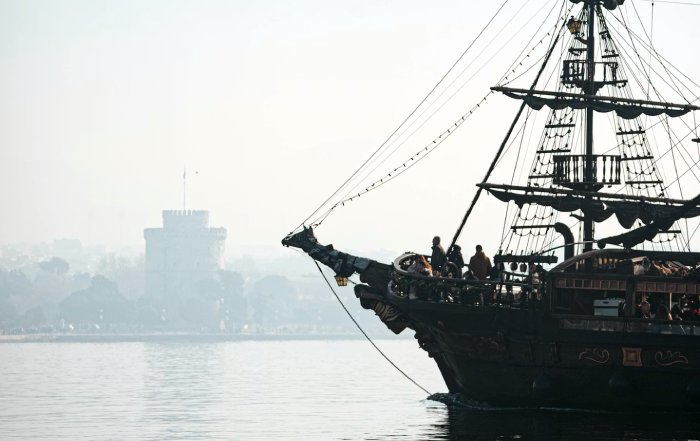
Classic Yacht Restoration: Preserving Maritime Heritage in a Modern World
Classic yacht restoration floats around at the points of heritage, technology, and high-end lifestyle, and nowhere is this convergence more visible than in the work covered by Yacht Review, where every refit tells a story not only about craftsmanship but also about identity, legacy, and long-term value creation. As global wealth shifts and new generations of owners emerge from the United States, Europe, and increasingly from Asia-Pacific hubs such as Singapore and Sydney, the decision to restore a classic yacht rather than commission a new build has become as much a statement of values as it is a financial and aesthetic choice, reflecting a deeper respect for maritime history and an understanding that true luxury is often measured in continuity rather than novelty.
The Enduring Appeal of Classic Yachts
Classic yachts, whether pre-war wooden cutters, mid-century motor yachts, or 1970s sailing icons, embody a design language and a cultural context that new builds can emulate but never fully replicate, and this is precisely why they continue to command attention in marinas from Fort Lauderdale to Monaco, Palma, Antibes, and Auckland. The sheer presence of a restored classic, with its sheerlines, overhangs, and handcrafted joinery, resonates with owners and charter guests who have grown accustomed to minimalist composites and angular superstructures but still crave the romance and narrative depth that only a vessel with decades of service can provide. On yacht-review.com, the most-read reviews of refitted yachts consistently reveal that owners value the sense of continuity between past and present, seeing themselves as custodians rather than simple consumers of maritime assets.
The appeal is not purely emotional; there is also a strong experiential dimension. Classic yachts are often associated with slower, more deliberate cruising, with longer passages along the coasts of the Mediterranean, New England, Scandinavia, and Southeast Asia that emphasize seamanship, navigation, and connection to the sea. This stands in contrast to the high-speed, marina-to-marina lifestyle associated with some modern yachts and aligns with a broader trend toward mindful travel and experiential luxury that has been documented across the wider travel and hospitality sector. Those who explore cruising narratives and destinations on yacht-review.com frequently report that the character of a classic yacht transforms every voyage into a curated experience, where the vessel itself becomes part of the destination.
Heritage, Identity, and the Business Case for Restoration
While the language of romance and nostalgia is often used to describe classic yachts, the decision to undertake a major restoration is also a strategic business move, particularly for owners in the charter market or for family offices treating yachts as part of a diversified portfolio of passion assets. In an era where luxury markets are increasingly scrutinized for their environmental and social impacts, restoring an existing yacht rather than commissioning a new build can be framed as a responsible allocation of capital and resources, aligning with the principles promoted by organizations such as the World Economic Forum, which has highlighted the importance of circularity and longevity in luxury goods. Learn more about sustainable business practices at World Economic Forum.
From a financial perspective, a well-executed restoration can help preserve or even enhance asset value, especially when the yacht has pedigree from a renowned yard or designer such as Feadship, Riva, Baglietto, or Sparkman & Stephens. The market for classic and neo-classic yachts has matured considerably, with specialized brokers, surveyors, and insurers who understand the nuances of valuation, classification, and operational risk. On yacht-review.com, the business-focused coverage increasingly examines restoration projects not as sentimental indulgences but as structured investments, complete with detailed project management, staged financing, and clear exit strategies for resale or charter deployment.
Identity plays a crucial role as well. For many owners in the United States, the United Kingdom, Germany, and Italy, acquiring and restoring a significant classic yacht is a way of associating their personal or corporate brand with heritage, craftsmanship, and authenticity. In an age where brand narratives are carefully curated across digital channels, the story of a yacht's resurrection-from derelict condition to award-winning restoration-provides a powerful narrative asset that can be leveraged in marketing, philanthropy, and stakeholder engagement. This narrative dimension is evident in the news and feature coverage that yacht-review.com dedicates to high-profile restorations, regattas, and heritage initiatives worldwide.
Craftsmanship, Design Integrity, and Modern Comfort
At the core of classic yacht restoration is the tension between preserving design integrity and delivering the comfort, safety, and technology that contemporary owners expect. The most respected restoration yards and naval architects approach this challenge with a philosophy that prioritizes original lines, proportions, and materials wherever feasible, while discreetly integrating modern systems and amenities to ensure the yacht remains practical for long-term ownership and charter operations. This balance is particularly evident in the work of European yards in Italy, the Netherlands, Germany, and the United Kingdom, where shipbuilding traditions are deeply rooted and regulatory frameworks are stringent.
Design integrity begins with a meticulous survey and documentation process, often involving archival research, original drawings, and consultation with class societies such as Lloyd's Register and RINA, which provide technical guidance on structural and safety standards. Owners and project teams increasingly draw on digital tools, including 3D scanning and parametric modeling, to capture existing geometry and assess the feasibility of structural modifications without compromising the yacht's aesthetic character. For readers interested in the evolving dialogue between tradition and innovation, the design section of yacht-review.com has become a reference point, highlighting projects where designers have successfully reinterpreted heritage details for contemporary use.
Modern comfort is achieved through careful integration of HVAC systems, noise and vibration control, advanced stabilization, and efficient layouts that reflect current lifestyle patterns, such as open-plan saloons, beach clubs, and wellness spaces. Technical advances in materials science and marine engineering, well documented by institutions like DNV and ABS, have enabled restorers to upgrade structural elements, propulsion systems, and onboard systems without adding excessive weight or altering the vessel's center of gravity. Those seeking a broader technical context can explore marine technology trends at DNV's maritime insights.
Materials, Technology, and the Art of Rebuilding
The material palette in classic yacht restoration is a critical factor that determines not only visual authenticity but also long-term durability and maintenance profiles. Traditional timber species such as teak, mahogany, and oak remain central to many projects, particularly in wooden hulls and superstructures, but availability, legality, and sustainability concerns have prompted a gradual shift toward responsibly sourced timber and engineered alternatives. Organizations such as the Forest Stewardship Council have provided frameworks for responsible sourcing, and many leading yards now insist on certified timber for structural and decorative work. Learn more about responsible wood sourcing at the Forest Stewardship Council.
At the same time, composite materials and advanced coatings are increasingly used in hidden structural reinforcements, deck substrates, and underwater protection, enabling restorers to extend service life and reduce maintenance burdens without compromising the yacht's outward appearance. The interplay between traditional craftsmanship and cutting-edge technology is a recurring theme in yacht-review.com's technology coverage, which documents how digital design, CNC machining, and robotics are being harnessed to fabricate complex wooden components, metal fittings, and custom hardware with a precision that would have been unimaginable when many of these yachts were first launched.
Propulsion and onboard systems are another area where technology plays a transformative role. Hybrid propulsion, battery banks, and shore-power solutions are being integrated into classic yachts to reduce emissions, noise, and fuel consumption, particularly in sensitive cruising grounds such as Norwegian fjords, the Mediterranean's marine reserves, and protected areas in the Caribbean and South Pacific. Classification societies and regulatory bodies, including the International Maritime Organization, have issued guidelines and standards that shape these upgrades, ensuring that restored classics meet contemporary safety and environmental requirements. Those interested in regulatory developments can explore maritime regulations at the International Maritime Organization.
Sustainability, Circularity, and Responsible Luxury
In 2026, sustainability is no longer a niche concern but a central criterion for yacht owners, charter guests, and coastal communities across North America, Europe, Asia, and beyond, and classic yacht restoration aligns naturally with this shift toward responsible luxury. By extending the life of existing assets, restorations reduce the demand for new raw materials and energy-intensive shipbuilding processes, contributing to a more circular approach within the maritime sector. This perspective is increasingly reflected in the conversations hosted by yacht-review.com in its dedicated sustainability channel, where experts discuss lifecycle assessments, carbon accounting, and best practices for refits and operations.
Sustainability in restoration goes beyond the act of preserving an old hull. It encompasses energy-efficient systems, low-toxicity coatings, advanced wastewater treatment, and careful route planning to minimize environmental impact. Owners and captains are paying closer attention to guidelines from organizations such as the United Nations Environment Programme, which has highlighted the vulnerability of marine ecosystems and the need for responsible boating and tourism practices. Learn more about ocean conservation and sustainable tourism at the United Nations Environment Programme.
There is also a social dimension to sustainability. Restorations often support local economies in shipbuilding regions such as Liguria, Brittany, the Solent, the Baltic, and New England, where skilled craftsmen, apprentices, and specialized suppliers rely on long-term projects for stable employment and knowledge transfer. By choosing to restore rather than replace, owners contribute to the preservation of artisanal skills that might otherwise be lost in an era of industrial automation and globalized supply chains. This community impact is frequently highlighted in yacht-review.com's community-focused features, which document how restoration projects can revitalize entire waterfront districts and sustain multigenerational family businesses.
Global Hotspots and Cultural Perspectives
Classic yacht restoration has become a truly global phenomenon, with distinct regional flavors shaped by local history, design traditions, and market dynamics. In the United States, particularly along the East Coast from Maine to Florida, there is a strong culture of restoring wooden sailing yachts, commuter boats, and mid-century motor yachts that once defined the leisure lifestyle of New England and the Great Lakes. American owners often prioritize practical cruising and family use, integrating modern comforts and safety features while maintaining recognizable silhouettes and deck layouts that evoke a golden age of yachting.
Across Europe, especially in the United Kingdom, Italy, France, Spain, the Netherlands, Germany, and Scandinavia, restoration activity is closely linked to historical shipyards, classic regattas, and a strong sense of maritime identity. The Mediterranean remains a focal point for glamorous motor yacht restorations, while the Baltic and North Sea coasts are renowned for their expertise in classic sailing vessels and traditional workboat conversions. European owners and shipyards tend to place particular emphasis on authenticity, original specifications, and compliance with heritage classifications, a trend that is often explored in yacht-review.com's history section, where iconic vessels and their builders are profiled in detail.
In Asia-Pacific, including Australia, New Zealand, Singapore, Japan, and emerging markets such as Thailand and Malaysia, the classic yacht scene is younger but rapidly evolving. Here, restoration projects often involve imported classics from Europe and North America, adapted to local cruising conditions and regulatory frameworks. Owners in these regions are typically sophisticated global travelers who appreciate heritage but also demand robust air-conditioning, connectivity, and flexible layouts suitable for multigenerational family use and corporate hospitality. The global perspective on these developments is reflected in the global coverage that yacht-review.com provides, connecting projects and trends across continents and highlighting the increasingly interconnected nature of the classic yacht world.
Family Legacy, Lifestyle, and Intergenerational Value
Classic yacht restoration is rarely a purely individual endeavor; it often involves families, partners, and even corporate stakeholders who view the vessel as a shared asset and a platform for experiences that extend across generations. For many owners in Canada, Switzerland, South Africa, Brazil, and other diverse markets, the decision to restore a classic yacht is closely tied to family narratives-stories of grandparents who sailed in the North Sea, parents who cruised the Mediterranean, or children who learn seamanship on the same decks that carried earlier generations. This sense of continuity is particularly appealing at a time when digital distractions and fragmented lifestyles can make it difficult to create enduring shared experiences.
The lifestyle dimension is evident in the way restored classics are used: slow summer cruises along the Amalfi Coast, the Balearic Islands, or the Pacific Northwest; participation in classic regattas in the UK, France, and the Caribbean; and winter charters in the Bahamas, Thailand, or the Maldives that introduce new guests to the charm of heritage yachts. The family-oriented content on yacht-review.com frequently highlights how restored vessels can serve as floating family estates, where milestones are celebrated, skills are passed down, and memories are created in settings that feel both timeless and deeply personal.
Lifestyle considerations extend beyond the immediate family to encompass social circles and professional networks. Hosting clients, partners, or philanthropic events on a restored classic yacht conveys a message of discernment, stewardship, and respect for history that resonates strongly in international business communities from London and New York to Zurich, Hong Kong, and Dubai. The lifestyle coverage on yacht-review.com explores how these vessels function as both private retreats and public stages, shaping reputations and relationships in subtle yet powerful ways.
Events, Regattas, and the Living Culture of Classics
Classic yacht restoration does not end at the shipyard; it continues in the vibrant calendar of events, regattas, and festivals that bring these vessels together and keep maritime heritage alive in the public eye. From the Monaco Classic Week and Les Voiles de Saint-Tropez in France to the Antigua Classic Yacht Regatta, Cowes Classics Week in the United Kingdom, and numerous regional events in Germany, Italy, Spain, the United States, and Australia, these gatherings showcase the results of painstaking restorations and foster a community of owners, sailors, craftsmen, and enthusiasts.
Participation in such events provides both recognition and validation for restoration projects, as yachts are judged not only on racing performance but also on authenticity, condition, and historical significance. Awards and classifications from respected organizations and event committees can significantly enhance a yacht's reputation and market value, reinforcing the business case for meticulous, historically sensitive restoration work. Readers interested in the evolving classic regatta scene and associated social programs can follow the dedicated events coverage on yacht-review.com, which tracks key gatherings across Europe, North America, and beyond.
These events also play an educational role, introducing younger audiences and new markets to the aesthetics and culture of classic yachting. Partnerships with maritime museums, sailing schools, and cultural institutions help contextualize the yachts within broader narratives of naval architecture, trade, exploration, and regional history. Institutions such as the National Maritime Museum in the United Kingdom and the Smithsonian in the United States have contributed significantly to public understanding of maritime heritage; those interested can explore broader maritime history resources at the National Maritime Museum and the Smithsonian's maritime collections.
The Role of Media and Expert Curation
In a fragmented digital landscape, specialized platforms such as yacht-review.com play a crucial role in curating, analyzing, and contextualizing classic yacht restorations for a discerning global audience. By combining in-depth boat profiles, market analysis, design commentary, and owner perspectives, the editorial team helps readers navigate a complex field where aesthetic judgments, technical standards, and financial considerations intersect. This curation is particularly valuable for new entrants from regions such as China, South Korea, and the broader Asia-Pacific, where the classic yacht culture is still developing and buyers may be more familiar with contemporary superyachts than with heritage vessels.
Expert commentary and structured reviews support the principles of experience, expertise, authoritativeness, and trustworthiness that are essential for informed decision-making in high-value markets. By maintaining rigorous editorial standards, engaging with recognized industry experts, and providing transparent, nuanced analysis, yacht-review.com has positioned itself as a trusted reference for owners, brokers, designers, and shipyards alike. Readers who wish to explore the full breadth of coverage, from restoration case studies to cruising reports and business insights, can do so via the main portal at yacht-review.com.
What About Heritage in the Age of Innovation?
As the yachting industry moves deeper into an era defined by decarbonization, digitalization, and shifting patterns of global wealth, classic yacht restoration will continue to evolve, but its core ethos is likely to remain constant. Owners will still seek the emotional resonance, aesthetic richness, and narrative depth that only heritage vessels can provide, even as they demand ever higher standards of comfort, safety, and environmental performance. Advances in materials, propulsion, and data analytics will open new possibilities for sympathetic upgrades, enabling classics to operate more sustainably and efficiently without losing their essential character.
The challenge and the opportunity lie in ensuring that restoration remains a living, dynamic practice rather than a static preservation exercise. This means embracing innovation where it enhances longevity and usability, while remaining faithful to the design intent and cultural context that make these yachts unique. It also means recognizing the broader ecosystem of skills, communities, and institutions that support restoration, from small family-run workshops in Italy and Norway to global classification societies and international policy bodies.
In this evolving sea, yacht-review will continue to keenly document, interpret, and critique the most significant restoration projects and trends, providing a platform where owners, professionals, and enthusiasts from the United States, Europe, Asia, Africa, and the Americas can engage with maritime heritage in a way that is both deeply informed and forward-looking. Classic yacht restoration, as seen through this lens, is not merely about preserving the past; it is about shaping a more thoughtful, sustainable, and culturally rich future for yachting worldwide.