

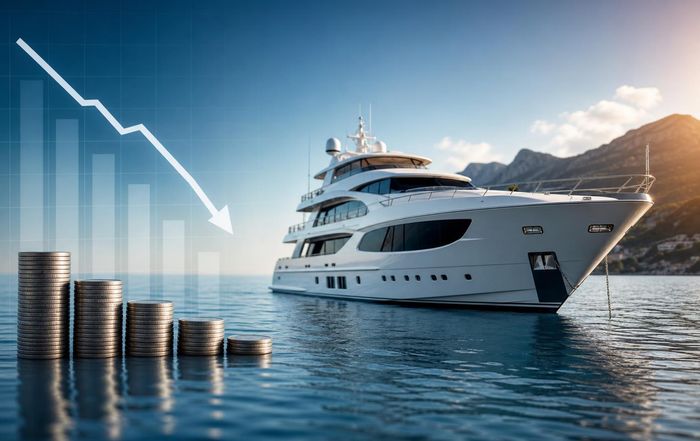
How Yacht Depreciation Affects Resale Value
Yacht owners, brokers, and prospective buyers are increasingly approaching purchase decisions with the same analytical discipline seen in other capital-intensive sectors, and nowhere is this more evident than in the way depreciation and resale value are evaluated. For readers coming here, understanding how and why yachts lose value over time is not simply an academic exercise; it is central to planning acquisitions, refits, charter strategies, and eventual exits in a global market that has matured rapidly over the past decade.
This article examines the main forces that shape yacht depreciation and resale value, drawing on current market insights, brokerage data, and industry best practices. It also considers how design, usage patterns, maintenance, sustainability, and broader economic conditions influence long-term value, and how informed owners can position their vessels more attractively when the time comes to sell.
Understanding Yacht Depreciation as an Asset Class
Depreciation in yachting is often compared to that of automobiles or private aircraft, but the dynamics are more nuanced. A yacht is a complex, semi-custom asset, with a long supply chain and an ownership profile that blends lifestyle, status, and business considerations such as charter income and corporate use.
Industry analyses from leading brokers and financial advisors tend to agree that most production motor yachts experience the steepest depreciation in the first three to five years of ownership, after which the rate of decline generally moderates. Data compiled by major brokerage houses such as Fraser Yachts and Northrop & Johnson indicates that while exact percentages vary widely by segment, brand, and condition, the early years often see the most rapid nominal value losses, especially for buyers of new vessels who absorb the initial premium for first ownership.
Unlike standardized financial assets, however, depreciation curves in yachting are not uniform. A well-maintained yacht from a respected shipyard may retain value significantly better than a comparable vessel with weaker provenance, incomplete service history, or out-of-date systems. Buyers and sellers increasingly rely on specialist market intelligence and platforms such as Boat International and SuperYacht Times to benchmark asking prices and realized sales, which in turn shapes expectations and pricing discipline across the market.
For readers looking to contextualize depreciation within the broader ownership experience, the editorial team here has consistently emphasized that financial value is only one dimension of return; time on board with family, access to remote cruising grounds, and the lifestyle benefits that define the sector must also be considered when evaluating the true cost of ownership.
The Role of Build Quality, Brand, and Provenance
One of the most consistent findings across brokerage reports and valuation analyses is the outsized role of build quality and brand reputation in determining how a yacht depreciates. Vessels from established European yards such as Feadship, Lürssen, Benetti, Sanlorenzo, and Heesen Yachts often command stronger resale prices, in part because buyers perceive lower technical risk, higher engineering standards, and better long-term support. Production builders with strong dealer networks and robust after-sales service, including groups like Azimut-Benetti Group and Ferretti Group, also tend to see more stable resale performance in their core models.
Provenance extends beyond the name on the builder's plate. A yacht's ownership history, charter track record, and the quality of its project management and classification can all influence resale value. Classification societies such as Lloyd's Register and Bureau Veritas provide frameworks for construction and ongoing compliance that reassure buyers and insurers, and a well-documented class history can support stronger pricing at resale. Buyers who study market comparables on global brokerage sites or through specialist advisors often see a clear premium for yachts with transparent documentation and recognized pedigree.
From a design and innovation standpoint, yacht-review.com has observed that models which set enduring benchmarks in layout, hull efficiency, and comfort tend to depreciate more gently than those that chase short-lived stylistic trends. Readers interested in how design choices affect long-term value can explore our in-depth coverage on yacht design and innovation, where naval architecture, exterior styling, and interior concepts are examined through the lens of both aesthetics and economic resilience.
Size, Segment, and Market Liquidity
Yacht depreciation is also closely linked to size and segment. The market for 30-40 foot production boats behaves very differently from that for 50-70 meter custom superyachts, and each segment has its own liquidity profile, buyer base, and sensitivity to economic cycles.
Smaller production yachts, including popular flybridge and sport cruiser models, usually have a broader pool of potential buyers and a more active secondary market. This can support faster resale times but does not necessarily prevent significant depreciation in the early years, especially as new models with updated styling and technology are released. The automotive analogy is most apt here: frequent model refreshes and aggressive promotional pricing on new builds can exert downward pressure on nearly-new resale values.
In the large yacht segment above 40 meters, the dynamics are more complex. Customization levels are higher, build times are longer, and the global fleet is smaller. Resale values in this category are influenced by factors such as interior flexibility, guest capacity, crew arrangements, and compliance with evolving regulations. Reports from leading market analysts such as The Superyacht Group have highlighted that some well-conceived, timeless designs in the 40-60 meter range can hold value relatively well over a decade or more, particularly when they are consistently maintained and upgraded.
For buyers and sellers seeking to understand how their yacht fits into the global landscape, yacht-review.com provides comparative perspectives on different size brackets and typologies in its boats and models overview, allowing owners to benchmark their assets against current and historical trends.
Usage, Maintenance, and the Power of Documentation
While brand and segment set the broad parameters of depreciation, actual usage and maintenance practices often determine how a specific yacht performs on the resale market. Hours on engines and generators, patterns of seasonal use, and the quality of storage and berthing all leave traces that experienced surveyors and buyers can quickly identify.
Well-documented maintenance, carried out by recognized yards and technicians, is one of the most powerful tools for protecting resale value. Comprehensive records of engine services, hull treatments, electronics upgrades, and safety equipment inspections demonstrate diligence and reduce perceived risk for the next owner. Professional surveys, carried out at regular intervals and prior to sale, further reinforce buyer confidence and can streamline negotiation.
Industry bodies such as the International Council of Marine Industry Associations (ICOMIA) and classification societies regularly emphasize the importance of adherence to maintenance schedules and regulatory requirements, not only for safety but also for asset preservation. Learn more about best-practice marine maintenance standards through resources provided by organizations such as Lloyd's Register and American Boat and Yacht Council, which offer technical guidance that many quality-conscious owners follow, whether or not their yacht is formally in class.
From the vantage point of yacht-review.com, case studies of yachts that have retained unusually strong resale values almost always reveal a consistent pattern: meticulous care, proactive refits, and a culture of documentation embedded in the captain and crew's operating procedures. Owners who treat their yachts as professionally managed assets, even when used purely for private enjoyment, tend to see more favorable outcomes at resale.
Refit, Upgrades, and the Risk-Reward Equation
Refits and upgrades present one of the most nuanced aspects of yacht depreciation. On one hand, periodic modernization of interiors, mechanical systems, and onboard technology is essential to keep a yacht competitive in a market where buyer expectations evolve quickly. On the other, not all refit expenditure translates into higher resale value, and some highly personalized interior schemes can actually narrow the potential buyer pool.
Major refit centers in Europe, North America, and Asia, including facilities operated by MB92 Group, Lürssen, and Palumbo Superyachts, report sustained demand for upgrades to entertainment systems, stabilization technology, energy efficiency, and guest comfort features. The trend toward hybrid propulsion, advanced battery systems, and improved hotel load management has accelerated as regulatory and social pressure for more sustainable operations grows. Owners who invest in widely appreciated improvements such as noise and vibration reduction, modern navigational suites, and refreshed soft furnishings often see a positive impact on buyer interest.
However, valuation specialists regularly caution that large, design-driven interior overhauls may not fully recover their cost at resale, especially if they reflect highly specific personal tastes. Neutral, timeless interiors and flexible cabin layouts are generally seen as safer from a depreciation standpoint. For those considering significant upgrades, resources such as Boat International's refit coverage provide insight into which projects have historically delivered both aesthetic and economic benefits.
At yacht-review.com, refit narratives are approached not only as design stories but also as business case studies. Our technology and systems section frequently highlights how targeted technical upgrades, from stabilizers to advanced monitoring, can extend a yacht's competitive life and slow depreciation by aligning older vessels with contemporary expectations.
Charter Activity and Its Impact on Resale
Charter operations introduce another layer of complexity in the depreciation narrative. A well-run charter program can offset ownership costs, increase crew professionalism, and keep a yacht in regular use, which can be beneficial for many mechanical systems when paired with disciplined maintenance. At the same time, high charter volumes may result in more wear on interiors, deck furniture, and hotel systems, potentially accelerating cosmetic depreciation.
Market feedback from major charter brokers, including Burgess and Camper & Nicholsons, suggests that buyers do not automatically discount charter yachts, provided that the vessel has been professionally managed, maintained to a high standard, and presented with transparent service records. In some cases, a proven charter track record with strong annual bookings can even be seen as an asset, especially for buyers who wish to continue commercial operations.
Regulatory compliance for commercial charter, particularly under large yacht codes and flag state requirements, often necessitates higher safety and operational standards than purely private use. This can support resale value, but also implies ongoing investment. Prospective buyers are increasingly well-informed about these dynamics, drawing on industry intelligence from sources such as SuperyachtNews to evaluate whether a given yacht's charter history is a net positive or negative in their specific circumstances.
From a yacht-review.com perspective, the decision to charter is best viewed as part of a holistic ownership strategy. In our cruising and usage features, we regularly explore how owners balance private enjoyment with commercial activity in ways that preserve both the financial and experiential value of their yachts.
Macroeconomic Conditions and Currency Effects
Yacht depreciation cannot be completely separated from the broader economic environment. Luxury asset values are influenced by global growth, interest rates, equity markets, and currency fluctuations, as well as by shifts in wealth distribution across regions.
During periods of strong economic expansion and rising financial markets, demand for large yachts has historically increased, supporting higher resale values and shorter selling times. Conversely, economic slowdowns or financial crises tend to reduce buyer appetite, particularly for highly discretionary purchases, which can lead to longer listing periods and more aggressive price negotiations.
Currency movements play a significant role in a market where many yachts are built in Europe, priced in euros, and sold to a global clientele. Sharp shifts in exchange rates can make certain segments temporarily more attractive to buyers from specific regions, influencing both new-build and brokerage prices. Analysts at organizations such as Deloitte and Credit Suisse, in their wealth and luxury reports, have often highlighted the sensitivity of high-value discretionary spending to macroeconomic conditions, and the yacht market reflects these broader patterns.
Readers who follow the business side of yachting through our dedicated business coverage will recognize that depreciation is not determined solely by the physical state of a yacht; it is also shaped by timing, sentiment, and capital flows in a globalized economy.
Design Trends, Lifestyle Shifts, and Obsolescence
Depreciation is also a function of how well a yacht's design and onboard experience align with evolving owner preferences. Over the past decade, there has been a clear shift toward open, beach-club oriented layouts, extensive glazing, and seamless indoor-outdoor living, particularly in the Mediterranean and Caribbean cruising markets. Yachts that pre-date these trends but have not been updated may be perceived as less desirable, even if they remain technically sound.
Lifestyle changes, including a growing focus on wellness, fitness, and family-friendly spaces, have reshaped interior planning. Dedicated gyms, spa areas, and flexible cabins that can accommodate children, staff, or additional guests are increasingly sought after. Yachts that can adapt to multiple usage modes-private cruising, multigenerational vacations, corporate entertaining-often find a wider audience at resale.
Technology-driven expectations, such as high-bandwidth connectivity, integrated AV systems, and sophisticated lighting and climate control, also influence perceived obsolescence. Owners and designers who anticipate these shifts and build in flexibility, for example through modular furniture or easily upgradable infrastructure, can help slow depreciation by extending the period during which a yacht feels current and competitive. To explore how design and lifestyle trends intersect with ownership value, readers can consult the lifestyle and onboard experience section of yacht-review.com, which regularly profiles yachts that have successfully balanced timelessness with innovation.
Sustainability, Regulation, and Future-Proofing Value
Sustainability has moved from a peripheral consideration to a central theme in the yachting discourse, and this shift is beginning to influence depreciation patterns. Regulatory developments, such as stricter emissions controls, waste management requirements, and potential future carbon-related measures, are prompting owners and builders to think more carefully about future-proofing their assets.
Yachts featuring more efficient hull forms, optimized propulsion systems, and advanced energy management are increasingly regarded as better positioned for long-term value retention. Builders and classification bodies are working with organizations such as the Water Revolution Foundation to develop tools and standards that quantify environmental performance and guide more sustainable design choices. Learn more about sustainable business practices and their relevance to maritime industries through resources from the World Economic Forum and the International Maritime Organization, which, while primarily focused on commercial shipping, influence the broader regulatory environment in which large yachts operate.
From the perspective of yacht-review.com, sustainability is not only an ethical imperative but also a strategic consideration for owners who wish to mitigate depreciation risk. Investments in fuel efficiency, shore-power readiness, advanced wastewater treatment, and lower-impact materials can enhance a yacht's appeal to a new generation of buyers who place greater emphasis on environmental responsibility. Our dedicated sustainability coverage explores how these trends are reshaping design, construction, and operations across the fleet.
Regional Dynamics and Global Market Access
Resale value is also influenced by where a yacht is based and how easily it can access key cruising grounds and buyer pools. Yachts located in established hubs such as the South of France, the Balearics, the Italian Riviera, South Florida, or key marinas in the Middle East and Southeast Asia often benefit from higher visibility among brokers and clients, as well as from better infrastructure for maintenance and refit.
Different regions also exhibit distinct preferences in terms of size, style, and configuration. For example, shallow-draft yachts may be especially attractive for cruising in the Bahamas and parts of the US East Coast, while ice-class or expedition-style vessels appeal more strongly to buyers interested in high-latitude or remote cruising. Yachts that are optimized for a specific region may command a premium in that market but face a narrower audience elsewhere.
As yachting becomes more global, with growing interest in Asia-Pacific, the Middle East, and emerging markets, owners must consider how location and logistics affect liquidity. Coverage in our global yachting section frequently highlights how regional developments-from new marinas and shipyards to evolving regulations-can influence both usage and resale prospects.
Practical Strategies to Protect Resale Value
While no owner can eliminate depreciation, a number of practical strategies can help preserve value and enhance marketability when the time comes to sell. These strategies are not theoretical; they are drawn from patterns repeatedly observed in successful transactions across size ranges and regions.
First, selecting a yacht from a builder with proven quality, strong after-sales support, and a track record of resale demand sets a robust foundation. Second, committing to professional management, including an experienced captain, disciplined maintenance, and transparent record-keeping, signals to future buyers that the yacht has been responsibly operated. Third, planning refits and upgrades with a clear understanding of market preferences-prioritizing widely appreciated improvements over highly personal customizations-can optimize the return on investment.
Fourth, timing the sale to coincide with favorable market conditions and key cruising seasons in the target region can significantly influence both price and time on market. Finally, working with reputable brokers who understand international buyer behavior, legal frameworks, and marketing channels is essential in positioning the yacht correctly and reaching qualified prospects.
For readers seeking to evaluate specific models or segments, yacht-review.com provides comparative insights and owner-focused analysis in its yacht reviews section, where depreciation, operating costs, and long-term ownership considerations are integrated into each assessment rather than treated as an afterthought.
Depreciation in Context: Beyond the Balance Sheet
Ultimately, yacht depreciation must be understood in the broader context of what ownership delivers. Unlike purely financial assets, yachts are platforms for travel, family connection, business networking, and personal fulfillment. They open access to cruising grounds from the Mediterranean and Caribbean to the Pacific and polar regions, and they serve as floating homes, offices, and retreats in an increasingly connected yet demanding world.
This does not diminish the importance of careful financial planning, but it reframes depreciation as one component of a more holistic value equation. Owners who approach their yachts as both lifestyle investments and sophisticated assets, supported by professional advice and grounded in realistic expectations, are better positioned to navigate the resale landscape with confidence.
At yacht-review.com, the editorial mission each day is to help loyal readers make informed, inspired decisions at every stage of the ownership journey, from first acquisition to eventual sale or upgrade. For those exploring how cruising plans, travel aspirations, and family priorities intersect with financial realities, our features on travel and destinations and family-focused yachting provide additional perspective on the intangible returns that often justify the tangible costs.
In an industry where passion and pragmatism must coexist, understanding how depreciation affects yacht resale value is not a constraint on enjoyment; it is a tool that enables owners to align their choices with their long-term goals, ensuring that the chapters written aboard their yachts are as rewarding in hindsight as they are in the moment.