

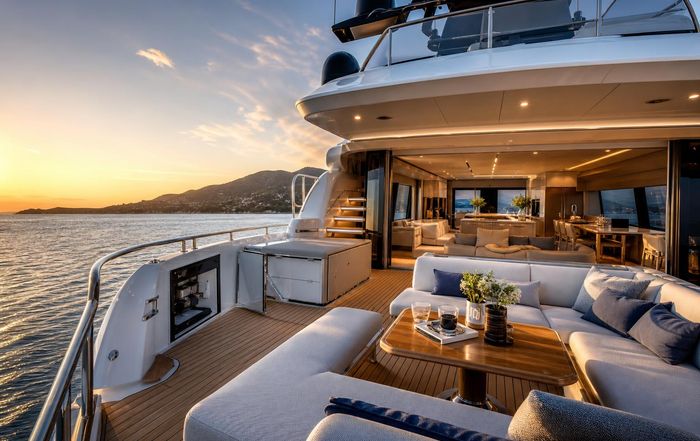
Luxury Yacht Lifestyle Without Sacrificing Practicality
The contemporary luxury yacht lifestyle is evolving from an image of excess and ostentation into a more nuanced expression of comfort, capability, and responsibility. Owners and charterers increasingly seek vessels that can deliver the emotional rewards of yachting-freedom, privacy, exploration, and time with family and friends-without compromising on practicality, operational efficiency, or environmental performance. From the vantage point of Yacht Review, which has long followed the intersection of design, technology, and cruising experience, this shift is not a retreat from luxury but a redefinition of what luxury means on the water.
Redefining Luxury: Comfort, Capability, and Control
For many years, luxury in yachting was often measured in length, interior volume, and the conspicuous display of rare materials and elaborate decor. Today, a growing number of owners are placing equal or greater value on comfort at anchor, ease of operation, low noise and vibration, and the flexibility to use the yacht in different ways throughout the year. This is especially evident in the popularity of yachts between 24 and 50 meters, where the balance between indulgence and practicality is particularly delicate.
Leading shipyards such as Sanlorenzo, Sunseeker, Azimut-Benetti, Feadship, and Heesen Yachts have publicly emphasized that clients now ask as many questions about fuel consumption, crew requirements, and maintenance regimes as they do about marble finishes or pool sizes. Industry analyses from organizations such as Boat International and the Superyacht Times indicate that semi-custom platforms with flexible layouts, efficient hull forms, and hybrid or optimized propulsion packages are among the strongest performers in new orders, reflecting a preference for yachts that can be used intensively rather than only as occasional status symbols.
This rebalancing of priorities can be seen in the way designers talk about "human-centered design," where the onboard experience-how guests move through the yacht, how crew can work unobtrusively, and how different spaces support different moods and activities-takes precedence over purely decorative gestures. Readers who follow, sometimes daily, the evolving language of yacht aesthetics on yacht-review.com will recognize this in many recent design-focused features, where understated, functional elegance is celebrated as much as dramatic visual impact.
Design That Serves Real Life at Sea
Practical luxury begins with the hull and superstructure. Naval architects are investing heavily in research on hydrodynamic efficiency, seakeeping, and stability, drawing on computational fluid dynamics and extensive tank testing. Dutch and German yards in particular, including Feadship and Lürssen, have been at the forefront of refining displacement and fast-displacement hulls that reduce resistance through the water, allowing for lower fuel burn at cruising speed without sacrificing range or comfort. Publicly available technical notes from Feadship and independent analysis by organizations such as DNV show that modest gains in hull efficiency can translate into substantial lifetime fuel and emissions savings.
On deck, the trend toward open, versatile spaces reflects a desire to make every square meter earn its keep. Beach clubs that open on three sides to the sea, fold-out terraces, and convertible tender garages allow owners to enjoy a resort-like atmosphere without requiring a larger yacht. At the same time, designers are increasingly careful to preserve practical crew circulation routes and technical access points, recognizing that ease of maintenance and safe operations are essential prerequisites for reliable enjoyment. Those who follow detailed yacht reviews will have noticed how frequently the best new models are praised for intelligent crew-guest separation and efficient service flows rather than just their visual drama.
Inside, the move away from overly ornate interiors toward relaxed, residential styling is also a practical choice. Natural woods, durable yet refined fabrics, and modular furniture systems make it easier to refresh or reconfigure spaces as family needs change. Prominent studios such as Winch Design, Bannenberg & Rowell, and Zaniz Studio have all spoken publicly about designing interiors that can adapt over years of ownership, whether to accommodate young children, multi-generational families, or business guests. For owners, this adaptability supports longer-term use and reduces the need for disruptive and costly refits.
Liveability, Family Use, and Long-Range Cruising
The most telling sign that practicality is reshaping the luxury yacht lifestyle is the way yachts are actually used. Charter brokers and management firms report that many clients are booking longer trips with more varied itineraries, often combining work and leisure on board. Rather than short hops between a few Mediterranean hotspots, owners are increasingly interested in extended cruising seasons in the Caribbean, the South Pacific, or high-latitude regions, a trend confirmed by expedition-yacht specialists and reports from The Explorers Club and similar organizations that document rising interest in private-vessel expeditions.
For families, this means that a yacht must function as a home, schoolroom, and sometimes office as much as a floating villa. Practical luxury therefore includes robust connectivity solutions, soundproofed workspaces, flexible cabins that can be reconfigured as children grow, and abundant storage for sports equipment and educational materials. The best examples integrate these features unobtrusively so that the yacht retains a sense of calm and escape even as it supports modern digital life. Articles on family-oriented cruising increasingly highlight yachts that offer children's playrooms, safe deck layouts, and adaptable cabin arrangements that can evolve over years.
Long-range capability is another practical dimension that has become a hallmark of contemporary luxury. Builders of explorer and crossover yachts, including Nordhavn, Cantiere delle Marche, Arcadia Yachts, and Damen Yachting, emphasize fuel capacity, efficient engines, and robust systems designed for remote operation. Technical guidance from classification societies and marine engineering firms underscores the importance of redundancy and ease of repair, especially for yachts venturing beyond the most developed cruising grounds. For owners, the ability to cross oceans in comfort and independence is one of the purest expressions of yachting freedom, and it depends on practical engineering as much as on interior refinement.
Those planning such adventures often draw on resources that focus on cruising strategy and destination planning, balancing the appeal of remote anchorages with the realities of provisioning, weather windows, and local regulations. The yachts that best support this lifestyle are those in which every practical detail, from hull coatings to waste management systems, has been considered from the outset.
Efficiency, Hybrid Systems, and Practical Sustainability
Sustainability is no longer a peripheral concern but an integral component of practical luxury. Owners are aware that fuel costs, port regulations, and public scrutiny of high-emission activities are all rising, and many wish to reconcile their enjoyment of yachting with a credible commitment to environmental responsibility. Industry bodies such as the Water Revolution Foundation and SYBAss have encouraged shipyards and suppliers to adopt more sustainable practices, while classification societies including Lloyd's Register and Bureau Veritas have developed notations and guidelines for greener yacht design and operation.
Hybrid propulsion, battery-assisted hotel loads, and advanced energy management systems are among the most visible manifestations of this trend. High-profile projects such as Feadship's hybrid yachts, Sanlorenzo's cooperation with Siemens Energy, and Sunreef Yachts' solar-electric catamarans illustrate how shipyards are integrating electric drives, battery banks, and solar generation to reduce emissions and noise in sensitive areas. Independent reporting by sources including Yachting World and Robb Report has documented a steady increase in the number of new-build yachts featuring some form of hybrid or alternative energy solution, although the exact market share varies depending on segment and size.
From a practical perspective, hybrid systems can offer quieter operation at anchor, reduced generator hours, and in some cases the ability to enter harbors or protected areas in zero-emission mode, which may become increasingly important as ports adopt stricter rules. Owners and captains, however, must weigh the complexity and cost of such systems against their benefits, a calculation that depends heavily on the yacht's intended usage profile. Those interested in the broader business implications can explore how these technologies intersect with evolving regulations and client demand in our yachting business coverage.
Beyond propulsion, practical sustainability includes choices about hull coatings, waste treatment, water-making, and materials. Anti-fouling paints with lower environmental impact, advanced sewage and greywater treatment plants, and efficient watermakers reduce the yacht's footprint while enhancing autonomy. Reputable suppliers publish performance data and compliance certificates, and third-party organizations such as The International Council of Marine Industry Associations (ICOMIA) and The International Maritime Organization (IMO) provide frameworks and guidelines that help owners and builders align with best practices. Those who wish to learn more about sustainable business practices in yachting will find that the most credible initiatives combine technical innovation with transparent reporting and realistic goals.
Technology as an Enabler, Not a Distraction
Technology on board has matured from a collection of impressive gadgets into a carefully orchestrated ecosystem intended to make life easier and safer. Modern integrated bridge systems, dynamic positioning, and advanced navigation suites enhance situational awareness for captains and crew, reducing human error and supporting safer operations in crowded or challenging waters. Leading manufacturers such as Raymarine, Garmin, and Navico provide comprehensive solutions that integrate radar, AIS, chartplotters, and autopilots, and their systems are frequently featured in independent assessments by publications like Practical Boat Owner and Cruising World.
For owners and guests, the most appreciated technologies are often those that fade into the background. Intuitive control systems for lighting, climate, and entertainment, secure high-speed connectivity via VSAT and 5G where available, and robust cybersecurity measures all contribute to a seamless onboard experience. In interviews and case studies, captains emphasize that reliability and ease of use are more important than cutting-edge novelty, a sentiment echoed in many recommended technology-oriented articles on yacht-review.com. The aim is to create an environment where guests can work, relax, and communicate as easily as they would in a high-end residence, without being confronted with complexity.
Practical considerations also drive the adoption of remote monitoring and predictive maintenance systems. Engine and generator health, battery status, and key onboard systems can now be monitored in real time, both on the vessel and from shore, allowing management companies and shipyards to anticipate issues and schedule interventions more efficiently. This reduces downtime and unexpected failures, directly supporting a more relaxed and reliable luxury experience. Independent technology analysts and class societies have noted that such systems, when properly implemented, can extend the service life of machinery and improve safety, though they also require attention to data security and crew training.
Chartering, Fractional Ownership, and Smart Utilization
From a business perspective, one of the most practical ways to reconcile the cost of luxury yachting with responsible use is to ensure that yachts are active rather than idle. The global charter market has grown significantly over the past decade, with brokerage houses such as Fraser Yachts, Burgess, and Camper & Nicholsons reporting solid demand for well-presented charter yachts across Mediterranean, Caribbean, and increasingly remote destinations. Industry reports suggest that many owners place their yachts into charter for part of the year to offset operating costs while retaining several weeks for private use.
Charter guests, for their part, benefit from access to a high level of luxury and service without the long-term financial and practical commitments of ownership. This dynamic supports a more efficient utilization of the global yacht fleet, as vessels spend more days at sea and fewer in port. Those interested in the broader economic and operational context can explore our updated coverage of yachting as a business ecosystem, which examines how management companies, crew agencies, and service providers contribute to keeping yachts active and well-maintained.
Fractional ownership and yacht clubs that offer shared access to a fleet of vessels represent another avenue for practical luxury. While models and legal structures vary, reputable programs aim to align usage, maintenance, and cost-sharing in ways that give participants a sense of ownership and continuity without the full burden of sole ownership. Prospective participants are generally advised by legal and financial professionals to scrutinize governance, exit provisions, and maintenance standards, and to rely on transparent, audited reporting from operators. Industry observers note that these models can be particularly attractive in regions where berthing costs and regulatory requirements make private ownership more complex, such as parts of Europe and Asia.
Global Cruising Grounds and Practical Itineraries
The desire to enjoy a luxury lifestyle without sacrificing practicality is also evident in the choice of cruising grounds and itineraries. While the Western Mediterranean and Caribbean remain dominant, there has been notable growth in interest for destinations such as the South Pacific, Northern Europe, and selected parts of Asia and the Indian Ocean. Reports from Tourism Australia, New Zealand's marine industry associations, and northern European port authorities highlight investments in marina infrastructure and yacht-friendly regulations intended to attract more high-end visitors.
For owners and charterers, the practical appeal of these regions lies in the combination of natural beauty, cultural interest, and sufficient support infrastructure for provisioning, maintenance, and medical needs. Detailed cruising guides and first-hand reports, often published by reputable sources such as Noonsite, Royal Cruising Club Pilotage Foundation, and national hydrographic offices, help captains plan routes that balance adventure with safety and comfort. On yacht-review.com, our new travel and cruising features increasingly reflect this global perspective, highlighting not only iconic ports but also less-publicized regions that have invested in welcoming responsible yacht visitors.
In parallel, high-latitude cruising in areas such as Norway, Greenland, and parts of Antarctica has attracted a subset of owners who are willing to invest in ice-capable or ice-classed explorer yachts. Regulatory frameworks such as the IMO's Polar Code impose stringent requirements on vessels operating in these regions, emphasizing safety and environmental protection. For those who meet these standards, however, the reward is access to some of the most pristine and dramatic seascapes on the planet, a form of luxury that is deeply experiential and anchored in respect for nature.
Lifestyle, Community, and the Human Element
Ultimately, a practical luxury yacht lifestyle is defined as much by people as by hardware. Owners who derive the greatest satisfaction from their yachts tend to be those who build strong relationships with their captains and crew, treat the vessel as a shared endeavor, and engage thoughtfully with the communities they visit. Professional crew organizations, including the Professional Yachting Association (PYA) and various national maritime academies, have emphasized that fair employment practices, ongoing training, and clear communication are essential for safe and enjoyable operations.
Within the broader yachting community, there is a noticeable shift toward more inclusive and purpose-driven narratives. Philanthropic initiatives, scientific collaborations, and educational voyages are increasingly common, with some owners partnering with marine research institutions, conservation organizations, or youth programs to make their yachts platforms for positive impact. Reputable organizations such as Oceana, SeaKeepers Society, and various university marine institutes have documented successful collaborations where private vessels contribute to data collection, outreach, or logistics in support of ocean science and conservation. For smart readers interested in how these efforts intersect with lifestyle and identity, the community and lifestyle sections of yacht-review.com offer examples of owners and crews who see their yachts as both private sanctuaries and tools for engagement.
On a more personal level, the most enduring expression of luxury is often the quality of time spent on board. Shared meals on deck, quiet mornings at anchor, and the sense of continuity that comes from returning to the same vessel year after year create memories that transcend material considerations. Practical design and operation-reliable systems, thoughtful layouts, and capable crew-are what make these moments possible, by reducing stress and uncertainty for everyone involved.
A Balanced Future for Luxury Yachting
As the yachting industry continues to evolve, the convergence of luxury and practicality appears set to deepen rather than diminish. Regulatory pressures, technological advances, and changing social expectations all push toward more efficient, responsible, and versatile yachts. At the same time, the desire for privacy, freedom of movement, and intimate connection with the sea remains as strong as ever among owners and charterers around the world.
For builders, designers, and suppliers, this means that success increasingly depends on demonstrating not only creativity and craftsmanship but also engineering rigor, sustainability credentials, and a nuanced understanding of how clients actually live on board. For owners and prospective buyers, it suggests that the most rewarding investments will be those that align personal aspirations with practical realities, from budget and operating profile to environmental values and family needs.
From the editorial perspective of yacht-review.com, this is an encouraging trajectory. It allows the industry to celebrate exceptional yachts and experiences while also highlighting innovations in design, technology, and operations that make yachting more accessible, responsible, and resilient. Informed online readers who explore our sections on boats and model overviews, global market developments, news and launches, and broader lifestyle reflections will find that the most compelling stories are those in which luxury is not an end in itself but a means to a richer, more meaningful relationship with the world's oceans.
In that sense, the luxury yacht lifestyle without sacrificing practicality is not a compromise but an evolution: a move toward yachts that are not only beautiful and indulgent but also intelligently designed, responsibly operated, and deeply attuned to the real ways people wish to live, work, and explore at sea.