

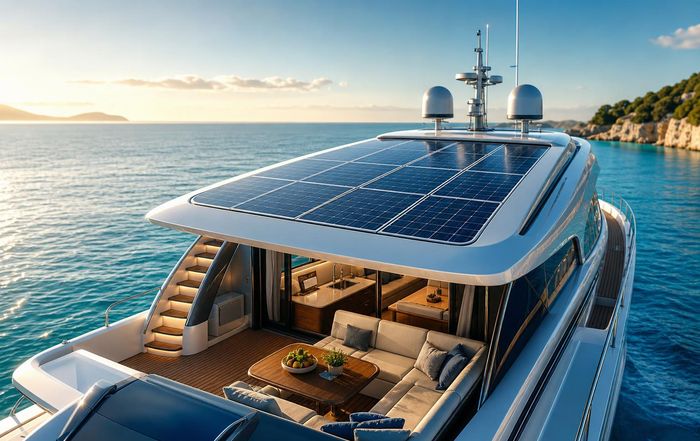
How Solar Power Supports Life Aboard a Yacht
Solar power has moved from being an experimental add-on to becoming a central pillar of modern yacht life, transforming how owners, captains and crews think about energy, autonomy and comfort at sea. Across the global fleet, from compact cruising sailboats to large superyachts, integrated solar systems are reshaping expectations around noise, emissions, maintenance and range, while aligning onboard life with increasingly stringent environmental regulations and the evolving values of a younger, sustainability-minded ownership base.
For readers of yacht-review.com, where the focus consistently rests on real-world cruising experiences, design innovation and the business of yachting, solar power is no longer a theoretical technology trend. It is a practical enabler of quieter anchorages, longer passages with fewer fuel stops, more resilient onboard systems and a new standard of comfort that does not depend solely on diesel generators.
The evolution of solar at sea
The adoption of solar power on yachts has followed a broader pattern visible in residential and commercial markets, where falling photovoltaic module prices, higher efficiencies and more capable battery technologies have converged. According to data from the International Energy Agency, the cost of solar photovoltaic electricity has declined dramatically over the past decade, helping make small-scale applications at sea increasingly viable. In parallel, advances in marine-grade flexible panels, lightweight mounting systems and smart charge controllers have made it easier for naval architects and refit yards to integrate solar into both new builds and existing vessels.
In the early years, solar on yachts was often limited to small panels intended to keep batteries topped up when the vessel was on a mooring or laid up between seasons. Today, it is common to see cruising yachts with substantial solar arrays on biminis, hardtops and deck structures, capable of supporting refrigeration, navigation electronics, lighting and communications for extended periods without running a generator. On some cutting-edge projects, particularly among electric and hybrid yachts, solar has become part of a holistic energy ecosystem that includes efficient hulls, energy-recovery systems and shore-based green power.
Readers interested in how this evolution is reflected in specific vessels can explore the growing number of solar-equipped boats covered in the daily updated Yacht Review reviews section, where practical performance and owner experience are increasingly shaped by renewable energy capabilities.
Core technologies behind solar-powered yacht life
The effectiveness of solar power aboard a yacht depends not only on the panels themselves, but also on the supporting technologies that convert, store and manage energy in a marine environment that is often harsh and highly variable.
Modern marine solar installations commonly combine high-efficiency monocrystalline panels with maximum power point tracking (MPPT) charge controllers, which continuously adjust electrical parameters to extract the greatest possible energy from changing light conditions. These controllers feed energy into deep-cycle battery banks, which in many contemporary systems are based on lithium-iron-phosphate (LiFePO₄) chemistry. Lithium batteries offer higher usable capacity, faster charging and lower weight compared with traditional lead-acid batteries, albeit at higher upfront cost and with stricter requirements for thermal and safety management.
In parallel, robust inverters convert the stored direct current into alternating current suitable for standard onboard appliances, from induction cooktops and air conditioning units to entertainment systems and work-from-boat setups. Advances in power electronics have allowed these systems to become more compact and efficient, enabling designers to integrate them into both sailing and motor yachts without major compromises to interior volume or deck layout.
Organizations such as DNV and Lloyd's Register have been updating rules and guidelines to account for the increased use of alternative energy systems, including battery installations and associated safety requirements, which in turn influences how solar systems are specified and certified for larger yachts subject to class rules. Those following technical developments can consult resources from DNV or learn more about maritime energy transitions through platforms such as the Global Maritime Forum, which regularly analyzes decarbonization pathways and their implications for shipping and large yacht operations.
From a design perspective, the integration of solar technologies is increasingly visible in the work of leading yacht studios, many of which are experimenting with concealed panel installations, solar-active glass and integrated hardtops that preserve clean aesthetics. For a deeper look at how these technologies intersect with contemporary yacht styling and layout, the yacht-review.com new design section provides an evolving record of concepts and delivered projects.
Daily life at anchor: comfort without compromise
For many owners and charter guests, the most tangible benefit of solar power is experienced not underway but at anchor. Traditionally, extended time in a quiet bay has depended on running a diesel generator for many hours each day to support refrigeration, air conditioning, lighting, watermakers and entertainment systems. This has meant noise, vibration, exhaust fumes and a constant awareness of fuel consumption and maintenance intervals.
Well-designed solar systems, particularly when paired with substantial battery capacity, can significantly reduce generator runtime, sometimes enabling "silent ship" periods of many hours or even full days depending on load and weather. Refrigerators and freezers, which represent a continuous power draw, are particularly well suited to solar support, as are LED lighting systems and low-consumption electronics. Onboard connectivity, which has become essential for both leisure and remote work, can also be maintained through solar-fed systems, with satellite terminals, routers and laptops drawing relatively modest amounts of energy compared with legacy air conditioning or cooking appliances.
For those planning extended cruising or live-aboard lifestyles, detailed energy budgeting has become a standard part of yacht preparation. Owners and captains increasingly model daily loads, expected solar generation and battery capacity to determine how long the vessel can remain at anchor without resorting to fossil fuel generation. This focus on energy autonomy is reflected in the practical guidance and narrative accounts shared in the yacht-review.com independent cruising section, where solar power is often described as a key enabler of more remote and independent itineraries.
The comfort benefits are not limited to noise and vibration reduction. Reduced generator usage also means lower heat buildup in engine rooms, less frequent servicing, fewer fuel transfers and a cleaner overall atmosphere onboard, all of which contribute to a more pleasant and relaxed guest experience.
Bluewater cruising and long-range independence
For bluewater sailors and long-range motor yacht owners, energy independence is more than a matter of comfort; it is a pillar of safety and self-reliance. On ocean passages, the ability to generate power from sunlight reduces dependence on engine alternators and generators, providing redundancy for critical systems such as navigation, autopilot, communication and bilge pumps.
Experienced circumnavigators have long prioritized self-sufficiency through wind vanes, watermakers and conservative energy management. Solar power has become a central part of this toolkit, particularly as panel efficiencies have improved and flexible, walkable modules have made it easier to cover biminis, coachroofs and even lifeline-mounted structures without compromising sail handling or deck safety. For long-distance sailors, this has meant the ability to maintain cold storage, operate radar and AIS, and keep batteries healthy during extended periods of cloud or light winds, provided the system is sized appropriately.
On the motor yacht side, solar power alone cannot yet replace the energy demands of high-speed passage making, but it can meaningfully offset hotel loads while underway, reducing the load on alternators and allowing more flexible engine operation. This is particularly relevant for trawler-style yachts and expedition vessels that prioritize range and efficiency over speed. Owners exploring remote regions such as high latitudes or sparsely populated archipelagos increasingly view solar as a way to extend time between fuel stops and to maintain essential systems in the event of mechanical issues.
Those interested in how solar contributes to global cruising strategies and destination choices can find additional context in the yacht-review.com inpartial travel section, where itineraries, seasonal patterns and regional infrastructure are analyzed with an eye to practical considerations such as energy and provisioning.
Hybrid and electric yachts: solar as a strategic component
At the forefront of innovation, a number of yacht builders and technology companies are developing hybrid and fully electric propulsion systems for both sail and motor yachts. While solar power alone cannot currently provide the energy density required for continuous high-speed operation of large vessels, it plays a strategic role in these designs by extending electric range, supporting hotel loads and enabling more frequent and longer zero-emission operating windows.
Several production builders and custom yards have introduced models that combine electric motors, large lithium battery banks, shore-power charging and extensive solar arrays. These systems are often configured so that solar energy primarily covers onboard systems, freeing battery capacity for propulsion when needed. In harbors and environmentally sensitive areas, such yachts can maneuver and operate quietly on electric power, reducing local emissions and noise, then recharge batteries from shore power, generators and solar as conditions permit.
Industry bodies such as the International Council on Clean Transportation and initiatives like the Water Revolution Foundation have highlighted the potential of such integrated systems to contribute to decarbonization targets, particularly when combined with low-carbon fuels and improved hull efficiencies. While there is still debate regarding the most effective pathways to substantially reduce emissions across the global yacht fleet, there is widespread agreement that onboard renewable generation, including solar, will be part of any realistic solution.
Readers tracking technology trends and new product launches can follow developments in this space through the updated technology section, where hybrid and electric yachts, energy management systems and related innovations are examined through a practical lens.
Design integration and aesthetic considerations
A decade ago, solar panels on yachts were often visually intrusive, with rigid, dark rectangles mounted on railings or awkward frames. As the technology has matured, designers and yards have devoted significant effort to integrating solar in ways that respect and, in some cases, enhance a yacht's aesthetic and functional qualities.
Contemporary solutions include thin, semi-flexible panels laminated onto hardtops, coachroofs and even curved surfaces; color-tuned modules that blend with deck or superstructure finishes; and structural elements such as T-tops and flybridge roofs designed from the outset as solar-collecting surfaces. Some yards collaborate directly with panel manufacturers to create custom dimensions or encapsulation systems that meet both performance and styling goals, reflecting a level of integration that would have seemed ambitious only a few years ago.
Designers must navigate trade-offs between shading, airflow, weight distribution and access. For example, placing panels on biminis and hardtops can maximize exposure and keep them free from shadows cast by rigging, but may require careful routing of wiring through masts or supports. Deck-mounted panels must be robust enough to withstand foot traffic and the impact of equipment, while also minimizing glare and heat buildup.
These considerations are increasingly part of the design dialogue between owners, naval architects and builders. The boats section and design coverage here, frequently highlight how different projects resolve these challenges, offering readers concrete examples of what is possible at various size and budget levels.
Business drivers and regulatory context
The growing adoption of solar power aboard yachts is not solely the result of owner preference; it is also shaped by regulatory pressures, port policies and the broader business environment of the maritime sector. Coastal states and popular cruising destinations are tightening emissions rules in sensitive areas, while organizations such as the International Maritime Organization continue to refine frameworks that, although primarily aimed at commercial shipping, influence expectations and best practices across the wider marine industry.
Some marinas and harbors, particularly in regions with strong environmental policies, are encouraging or in certain cases requiring reduced generator use during peak hours or in specific berths. Solar-assisted yachts are better positioned to comply with such measures while maintaining onboard comfort, which in turn can influence charter appeal and resale value. In the competitive charter market, where client expectations around sustainability and quiet operation are rising, the presence of solar and associated energy-efficiency features is increasingly featured in marketing materials and booking platforms.
From a cost perspective, while solar installations represent a capital investment, they can reduce fuel consumption and generator maintenance over the vessel's life, offering a partial financial offset in addition to environmental and experiential benefits. Analyses by organizations such as the Rocky Mountain Institute and McKinsey & Company on energy transitions and sustainable business models, though not yacht-specific, provide useful frameworks for understanding how such investments fit into broader asset management strategies and long-term operating cost profiles. Those wishing to explore the commercial side of these developments can refer to the yacht-review.com business section, where the financial and regulatory dimensions of yachting are examined in depth.
Sustainability, image and stakeholder expectations
Beyond direct operational benefits, solar power has become a visible symbol of environmental responsibility in the yachting world. Owners, charter clients, crew, shipyards and coastal communities are all stakeholders in an evolving conversation about the environmental footprint of leisure boating, particularly at the larger end of the market where yachts are highly visible and often scrutinized.
Solar panels integrated into superstructures, tenders and support craft serve as tangible evidence that the owner and project team have considered sustainability, even if solar cannot alone neutralize a yacht's overall impact. Initiatives such as the Superyacht Eco Association and sustainability programs developed by leading yards and brokerage houses frequently highlight onboard renewable energy as one of several pillars of a more responsible yachting ecosystem, alongside hull efficiency, waste management and support for conservation projects.
For readers of yacht-review.com, this intersection of lifestyle, technology and environmental responsibility is a recurring theme. The dedicated sustainability section explores how solar and other green technologies are being implemented in practice, how they influence itinerary planning and how they align with the expectations of a new generation of owners who often view their yachts as extensions of broader personal and corporate sustainability commitments.
Practical considerations for owners and captains
Translating the promise of solar into reliable day-to-day performance at sea requires careful planning, realistic expectations and professional execution. Key considerations typically include available surface area, typical cruising latitudes and seasons, shading from masts and superstructures, desired autonomy, battery chemistry and integration with existing electrical systems.
For many yachts, especially those undergoing refit rather than new build, solar is part of a staged upgrade path that may also include LED lighting, more efficient refrigeration, improved insulation and smarter energy management software. By reducing overall consumption, these measures can allow a given solar array to support more of the yacht's needs, effectively multiplying the value of each installed panel.
Professional installers and marine electricians must ensure that wiring, fusing and control systems meet both manufacturer guidelines and applicable standards, and that components are suitable for the marine environment, including resistance to salt, vibration and UV exposure. Owners are generally advised to consider redundancy and ease of maintenance, recognizing that panels may be subject to physical damage and that access for cleaning and inspection is important for long-term performance.
From the perspective of yacht-review.com, where practical experience is central, these implementation details are not mere technicalities but decisive factors in whether solar power truly enhances life aboard or remains an underperforming add-on. Readers can find discussions of such real-world lessons in our news coverage of refit projects and new builds that have embraced solar and related technologies.
Solar and the onboard lifestyle
Beyond engineering and economics, solar power subtly reshapes daily rhythms and the onboard lifestyle. Many crews and owners report that awareness of energy flows encourages a more conscious approach to consumption, with habits such as timing high-draw activities for daylight hours, monitoring state-of-charge displays and celebrating days when the boat operates entirely on harvested energy. This awareness can foster a deeper sense of connection to the marine environment and to natural cycles of light and weather.
For families and guests, solar installations can become a point of curiosity and education, demonstrating in a tangible way how clean energy works and underpinning conversations about ocean health, climate and responsible travel. In the charter context, some operators integrate sustainability briefings into onboard orientations, with solar and other green features presented as part of the yacht's identity and value proposition.
At a more personal level, the quiet that comes with reduced generator use can transform the character of an anchorage or marina night. Conversations, stargazing, wildlife encounters and simple relaxation are all enhanced when mechanical noise and exhaust are minimized. In this sense, solar power supports not only the technical functioning of a yacht but also the quality of the experiences it enables, aligning closely with the themes explored in the yacht-review.com lifestyle section and community features that highlight the human side of yachting.
Sailing Along: innovation and integration!
The trajectory of solar power in yachting points toward deeper integration, higher efficiencies and closer coupling with other emerging technologies. Research into advanced photovoltaic materials, including perovskites and bifacial panels, promises further improvements in energy capture, while developments in solid-state batteries and alternative storage media may eventually increase onboard energy density and safety.
In parallel, digitalization is enabling more sophisticated energy management, with software that can predict solar yield based on weather forecasts, optimize load scheduling and coordinate multiple energy sources, including shore power, generators, regenerative propulsion and solar. As these systems mature, the line between "solar yacht" and simply "well-designed modern yacht" may blur, with renewable generation becoming a default expectation rather than a distinctive feature.
For the global fit and active yachting community, including readers across North America, Europe, Asia and beyond, this evolution offers both practical benefits and an opportunity to align a passion for the sea with a commitment to its long-term health. Solar power, while not a complete solution to the environmental challenges facing the oceans, is a concrete, proven and increasingly accessible tool that supports more responsible, comfortable and independent life aboard.
At yacht-review.com, where boats, cruising, design and lifestyle intersect with business, technology and sustainability, solar power will remain a central thread in our coverage. As new projects are launched, regulations evolve and owners continue to push the boundaries of what is possible at sea, the role of the sun in powering yacht life is set to grow, quietly and steadily illuminating a more sustainable future for the industry.