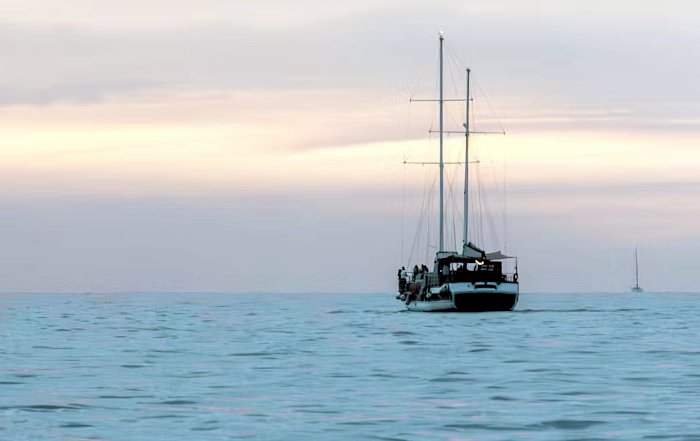
Building a Yacht Fleet: Best Practices for Charter Entrepreneurs

Last updated by Editorial team at yacht-review.com on Tuesday 4 November 2025
Building a Yacht Fleet Best Practices for Charter Entrepreneurs

In the evolving global yachting industry of 2025, building a successful yacht fleet requires not only significant capital investment but also a deep understanding of operational strategy, market dynamics, and client expectations. Charter entrepreneurs are navigating an increasingly competitive marketplace where luxury, sustainability, and personalized experiences define success. As more travelers seek authentic maritime adventures and bespoke services, the charter business has transformed from a niche luxury segment into a sophisticated global enterprise connecting technology, sustainability, and elite leisure.

The growth of yacht chartering has been particularly strong across Europe, the United States, and Asia-Pacific, with destinations such as the Mediterranean, the Caribbean, and Southeast Asia leading the way. According to insights from the Superyacht Group and Boat International, the number of charter bookings globally has increased by over 20% since 2020, largely driven by younger high-net-worth individuals looking for private and environmentally conscious travel alternatives. Platforms like Yacht Review’s cruising section document how this shift has redefined expectations for fleet operators who now blend maritime tradition with innovation to capture long-term value.

Entrepreneurs entering the yacht charter space must balance passion with pragmatism. Beyond owning vessels, they need a business model capable of adapting to market cycles, environmental regulations, and evolving client behaviors. Building a yacht fleet is no longer simply about accumulating assets; it is about designing an integrated operation where brand reputation, technical expertise, and customer experience coexist in harmony.

Strategic Vision and Market Positioning

The foundation of a profitable yacht fleet lies in a clearly defined strategic vision. Entrepreneurs must first determine the scope of their business—whether targeting the ultra-luxury superyacht segment, mid-size motor yachts, or eco-friendly catamarans designed for family cruising. Each niche presents its own operational challenges and financial dynamics. A focused brand identity, reflected across marketing materials, charter listings, and the customer journey, remains essential in establishing credibility in the high-end maritime world.

In 2025, digital visibility has become a key factor in brand positioning. Leading charter firms such as Fraser Yachts, Burgess, and Northrop & Johnson have invested heavily in user-friendly platforms that allow clients to explore virtual tours, real-time availability, and dynamic pricing. Understanding these practices enables entrepreneurs to benchmark their brand strategy and adopt data-driven tools for lead generation. Integrating technology insights from Yacht Review’s technology coverage can help new fleet owners align their marketing presence with global standards of innovation and user engagement.

Additionally, the modern charter market increasingly values sustainability. Entrepreneurs who invest early in hybrid propulsion systems, solar-assisted energy management, and recyclable interior materials appeal to a growing segment of environmentally conscious clients. Collaborating with shipyards such as Feadship, Sanlorenzo, and Sunreef Yachts, known for their advancements in sustainable yacht design, allows charter operators to demonstrate environmental responsibility—an increasingly critical brand differentiator.

Fleet Composition and Vessel Selection

Determining the composition of the fleet requires balancing aesthetics, function, and financial prudence. The entrepreneur’s fleet should mirror the intended brand promise while ensuring operational flexibility across markets and seasons. For example, a fleet designed for the Mediterranean summer can reposition to the Caribbean winter to optimize charter utilization year-round.

Selecting vessels from established shipyards like Benetti, Ferretti Group, Azimut Yachts, or Princess Yachts provides assurance of quality and aftersales support. However, customization plays a major role in ensuring that each vessel aligns with the charter company’s service ethos. Factors such as cabin layout, entertainment systems, and water toy inventory can greatly influence client satisfaction and repeat business.

Entrepreneurs should work closely with naval architects, designers, and surveyors to ensure that the fleet remains compliant with international safety and environmental standards such as MARPOL, SOLAS, and the International Safety Management Code. Continuous investment in upgrades, from Wi-Fi systems to advanced stabilization technology, positions the fleet as modern and guest-focused. Insights from Yacht Review’s design section offer valuable perspectives on how cutting-edge interiors and engineering can enhance market competitiveness.

Moreover, the recent rise of hybrid and electric propulsion systems, as developed by companies like Volvo Penta and Torqeedo, is reshaping the economic and environmental calculus of fleet management. Hybrid yachts lower fuel costs and appeal to sustainability-minded travelers, reinforcing the charter brand’s commitment to innovation and environmental stewardship.

Financial Structuring and Investment Strategy

Building a yacht fleet represents one of the most capital-intensive ventures in the marine sector. Beyond initial acquisition costs, charter entrepreneurs must account for maintenance, crew salaries, insurance, and docking fees—expenses that can consume up to 15% of the yacht’s value annually. Strategic financial planning ensures that profitability is achievable even during market downturns or off-peak seasons.

Some operators choose outright ownership to maintain full control, while others pursue fractional ownership models, partnerships, or charter management agreements with yacht owners. These hybrid models allow for reduced upfront capital while expanding operational capacity. Collaborations with financial institutions such as Lombard Odier or BNP Paribas Wealth Management, which offer tailored yacht financing solutions, enable entrepreneurs to optimize capital efficiency.

Dynamic pricing tools and yield management systems similar to those used in the aviation and hospitality industries now play a central role in maximizing charter income. Advanced analytics, informed by artificial intelligence, allow operators to forecast demand across different destinations, ensuring that pricing reflects both competition and seasonal variations. Entrepreneurs can explore market insights through resources like Yacht Review’s business analysis section to benchmark performance and identify emerging opportunities.

Another emerging financing trend involves tokenization—where fractional yacht ownership is managed via blockchain technology. Platforms like Monaco-based Cloud Yachts have begun offering NFT-backed ownership models that provide liquidity while reducing administrative complexity. Such innovation demonstrates how fintech convergence is redefining yacht investment models for the next generation of entrepreneurs.

Fleet Management and Operational Excellence

Once a charter entrepreneur has established the strategic and financial foundation of a fleet, the next challenge lies in operational execution. Running a yacht charter fleet demands rigorous coordination between technical management, logistics, crew operations, and guest services. Every detail—from provisioning and maintenance schedules to voyage planning and onboard hospitality—must align seamlessly to ensure reliability and client satisfaction.

Professional fleet management distinguishes successful charter operators from casual investors. Companies such as Camper & Nicholsons and Ocean Independence have demonstrated that structured operational processes—supported by data analytics, maintenance software, and client feedback systems—create consistent brand experiences across multiple vessels. Charter entrepreneurs can benefit from adopting similar frameworks to ensure standardized service quality regardless of yacht size or location.

Fleet operations require strong partnerships with shipyards, classification societies, and insurance providers. Regular surveys and inspections conducted under Lloyd’s Register or Bureau Veritas classifications ensure vessel compliance with international standards. Maintenance tracking systems like IDEA Yacht or Triton Administrator streamline operations, providing real-time visibility on technical issues, refit needs, and spare parts inventory. These digital solutions enable proactive maintenance, reducing downtime and safeguarding the brand’s reputation for reliability.

Crew management remains at the heart of yacht operations. Experienced captains and trained crew not only ensure safety but also enhance the guest experience through professionalism and discretion. Recruitment agencies such as YPI Crew and Bluewater Yachting play a key role in sourcing qualified personnel. Continuous crew training programs—especially in hospitality, sustainability, and digital navigation—are now seen as essential investments rather than expenses. Fleet operators must also comply with the Maritime Labour Convention (MLC 2006), which sets out standards for crew welfare and employment conditions.

Integrating operational best practices, as highlighted in Yacht Review’s reviews and insights, allows entrepreneurs to build credibility within the industry. Consistency in operations is what turns a fleet into a trusted brand that clients return to season after season.

The Role of Technology and Digital Transformation

The modern yacht charter business operates at the intersection of luxury and technology. Digital transformation is redefining how fleets are managed, marketed, and experienced. From AI-powered booking platforms to advanced vessel monitoring systems, technology enables efficiency, transparency, and personalized guest engagement at every stage of the charter process.

Entrepreneurs can leverage digital platforms like YachtCloud, CharterWorld, and MarineTraffic to track fleet performance, monitor real-time locations, and manage bookings across multiple regions. Integrating customer relationship management (CRM) systems allows operators to personalize offers and communication based on client preferences, enhancing loyalty and referrals. Cloud-based dashboards centralize all operational data, empowering decision-makers to manage logistics, marketing, and maintenance from a single interface.

Advanced onboard technology is also transforming the guest experience. High-speed Starlink Maritime Internet, immersive entertainment systems, and touch-screen control panels allow guests to enjoy seamless connectivity and comfort even in remote locations. Yacht builders are increasingly embedding smart-home features that enable climate control, lighting, and audiovisual systems to be managed through mobile devices.

From an operational perspective, the adoption of Internet of Things (IoT) sensors and predictive analytics tools has revolutionized maintenance efficiency. These technologies monitor engine performance, energy consumption, and environmental impact, providing operators with actionable insights to optimize costs and reduce carbon emissions. Integrating these innovations, as discussed in Yacht Review’s technology section, ensures that the fleet remains future-ready and sustainable.

Moreover, digital marketing is now inseparable from fleet management. Social media platforms like Instagram, YouTube, and TikTok have become critical tools for brand storytelling, offering immersive glimpses into life aboard luxury yachts. Entrepreneurs must curate high-quality video content, partner with influencers, and maintain visually consistent branding to capture audience attention across global markets.

Enhancing the Client Experience

In the world of yacht chartering, guest experience defines success. While vessel design and technology are essential, it is the personalized service and emotional resonance of the journey that inspire repeat bookings and word-of-mouth referrals. Charter entrepreneurs who view hospitality as an art form are better positioned to create unforgettable experiences for their clientele.

Personalization begins long before embarkation. Pre-charter consultations should explore client interests, dietary preferences, and desired itineraries. For example, a Mediterranean voyage may include exclusive access to Monaco Yacht Show events or a private dinner in Amalfi, while a Southeast Asian itinerary might include diving excursions in Raja Ampat or cultural visits in Phuket. Curating these bespoke experiences transforms the charter from a service into a story.

Training the crew in soft skills, language proficiency, and cultural sensitivity further enhances the luxury experience. The finest charter operations ensure that every touchpoint—greeting, dining, entertainment—reflects the company’s values of discretion and excellence. For entrepreneurs seeking inspiration, Yacht Review’s lifestyle features provide insight into emerging trends in guest preferences and hospitality innovations.

Furthermore, wellness has become an integral part of charter experiences in 2025. Guests now expect access to onboard spas, fitness areas, and nutrition-focused cuisine. Collaborations with wellness brands and professional trainers can enhance the perceived value of the charter. Incorporating mindfulness retreats or oceanic meditation sessions resonates with travelers seeking holistic escapes from digital overload.

Charter operators should also integrate sustainability into the client journey. Simple initiatives, such as eliminating single-use plastics, sourcing local organic ingredients, and educating guests about marine conservation, reinforce brand values and contribute to global environmental awareness. Companies such as The Ocean Cleanup and Water Revolution Foundation have set benchmarks for responsible yachting that forward-thinking entrepreneurs should emulate.

⚓ Yacht Fleet Building Roadmap 2025

🎯Phase 1: Strategic Vision & Planning

Duration:3-6 months

Key Activities:Market research, niche selection (ultra-luxury superyachts vs eco-friendly catamarans), brand identity development, competitive analysis

Investment Focus:Business model design, digital presence strategy, sustainability framework

🚢Phase 2: Fleet Composition & Vessel Selection

Duration:6-12 months

Key Activities:Shipyard partnerships (Benetti, Ferretti, Sanlorenzo), naval architect consultations, customization planning, compliance checks (MARPOL, SOLAS)

Investment Focus:Vessel acquisition, hybrid/electric propulsion systems, interior design

💰Phase 3: Financial Structuring

Duration:4-8 months

Key Activities:Capital raising, ownership model selection, partnerships with financial institutions, insurance procurement, dynamic pricing setup

Investment Focus:Financing optimization, yield management systems, fractional ownership models

⚙️Phase 4: Fleet Management & Operations

Duration:Ongoing

Key Activities:Crew recruitment and training, maintenance systems (IDEA Yacht, Triton Administrator), classification surveys, partnership with management companies

Investment Focus:Operational software, crew development, maintenance tracking

🌐Phase 5: Technology & Digital Transformation

Duration:3-6 months initial, ongoing updates

Key Activities:CRM integration, booking platforms, IoT sensors, predictive analytics, Starlink Maritime installation, social media presence

Investment Focus:Digital infrastructure, AI-powered analytics, cybersecurity

🌱Phase 6: Sustainability & Market Expansion

Duration:Ongoing

Key Activities:Green certifications, regional expansion (Mediterranean, Caribbean, Asia-Pacific), brand partnerships, corporate charter programs

Investment Focus:Eco-technologies, global market positioning, strategic alliances

Fleet Development Timeline

Months 1-3: Foundation

Market analysis, business plan creation, brand development, initial capital sourcing

Months 4-9: Acquisition

Shipyard negotiations, first vessel purchase, crew hiring begins, legal entity formation

Months 10-15: Launch Preparation

Vessel customization, staff training, technology integration, marketing campaign launch

Months 16-18: First Charter Season

Inaugural charters, client feedback collection, operational refinement, brand building

Months 19-24: Fleet Expansion

Second/third vessel acquisition, geographic expansion, partnership development

Year 3+: Optimization & Scale

Advanced analytics implementation, sustainability reporting, legacy brand establishment

Charter Fleet ROI Calculator

Industry Benchmarks & Key Metrics

20%+
Charter Booking Growth Since 2020
60%
Mediterranean Market Share
15%
Annual Operating Costs (% of Value)
$150K-$2M
Weekly Charter Rate Range

Essential Success Factors

  • ✓ Strong brand identity with luxury positioning
  • ✓ Hybrid/electric propulsion for sustainability
  • ✓ Professional crew training and retention
  • ✓ Digital booking and CRM integration
  • ✓ Multi-region seasonal optimization
  • ✓ Predictive maintenance systems
  • ✓ Strategic partnerships with luxury brands
  • ✓ Compliance with IMO and MLC standards

Sustainable Practices and Environmental Leadership

Sustainability is no longer optional in the yacht charter industry—it is an expectation. In 2025, environmental responsibility defines the credibility and longevity of a fleet. Charter entrepreneurs who embed sustainability into their core operations align with the values of a growing clientele that prioritizes ecological stewardship over indulgence.

Implementing green initiatives begins at the design and construction stage. Many shipyards are now adopting eco-composite materials, low-emission paints, and energy-efficient propulsion systems. Yachts equipped with solar panels, hydrogen fuel cells, or hybrid engines demonstrate how luxury and sustainability can coexist. Insights from Yacht Review’s sustainability section explore how innovative design solutions reduce carbon footprints without compromising comfort or performance.

Operational sustainability involves careful itinerary planning to minimize fuel consumption and environmental disruption. Charter operators can collaborate with organizations such as SeaKeepers Society to contribute to marine research or sponsor coral restoration projects in sensitive ecosystems. Educating guests about marine biodiversity and local conservation efforts enhances the impact of these initiatives and deepens the connection between luxury travel and ecological awareness.

Moreover, sustainability extends beyond environmental issues to include fair labor practices, local economic engagement, and responsible supply chains. Working with coastal communities to source goods and services not only supports local economies but also enhances the authenticity of the charter experience. As climate change intensifies, adopting eco-responsible practices positions a fleet as a leader in resilience and ethical luxury.

Many charter companies now publish annual sustainability reports to transparently showcase their progress. Entrepreneurs entering the market should view these reports as both a moral obligation and a marketing asset—proof that luxury travel can lead the transition toward a cleaner maritime future.

Global Market Dynamics and Expansion Strategies

By 2025, the global yacht charter industry has matured into a sophisticated, interconnected network where market dynamics are influenced by geopolitical stability, tourism flows, environmental regulations, and consumer behavior. Entrepreneurs building a fleet must recognize that success depends not just on acquiring vessels, but on mastering the nuances of global expansion, brand partnerships, and adaptive business strategy.

The Mediterranean remains the world’s most valuable charter market, accounting for nearly 60% of all annual yacht charters, with France, Italy, Spain, and Greece leading in infrastructure and high-net-worth clientele. Regions such as Croatia and Montenegro have emerged as premium destinations thanks to their marina developments and relaxed charter regulations. Simultaneously, the Caribbean continues to dominate the winter season, while Southeast Asia and Oceania are fast becoming new frontiers for experiential luxury chartering.

For charter entrepreneurs, this seasonal rotation of demand presents both opportunities and challenges. Managing a geographically distributed fleet requires mastery of logistics, legal frameworks, and local partnerships. Collaborating with established management firms or local operators allows fleet owners to optimize utilization and streamline compliance in diverse jurisdictions. Understanding regional trends—such as the growing popularity of sustainable tourism in Thailand, Indonesia, and French Polynesia—enables entrepreneurs to position their brands ahead of the curve.

Strategic alliances with luxury brands and hospitality groups also provide a competitive edge. Partnerships with entities like Aman Resorts, Four Seasons Yachts, and Peninsula Hotels offer cross-promotional opportunities, where clients can transition seamlessly from exclusive land-based properties to high-sea experiences. These collaborations reinforce trust and deliver integrated luxury ecosystems that appeal to the world’s elite travelers. Insights into such partnerships and market directions are frequently covered in Yacht Review’s global section, offering valuable intelligence for investors planning international expansion.

The Asia-Pacific region presents particularly strong growth prospects. Countries like Singapore and Hong Kong have developed robust yacht hubs with state-of-the-art marinas, tax incentives, and strategic connectivity. According to regional market analyses, the rise of younger ultra-wealthy clients—particularly in China and Southeast Asia—is driving charter demand across hybrid, explorer, and catamaran models. Entrepreneurs looking to build fleets that resonate with Asian clients should emphasize privacy, flexibility, and wellness integration, which are increasingly valued in this region’s luxury market.

Regulatory Frameworks and Legal Compliance

Operating a yacht charter fleet across borders entails navigating a complex landscape of maritime regulations, tax frameworks, and safety requirements. Entrepreneurs must integrate legal expertise early in their business model to avoid costly disruptions or reputational damage.

Key frameworks such as the International Maritime Organization (IMO) conventions and the Maritime Labour Convention (MLC) govern safety, environmental protection, and crew welfare across international waters. Compliance with SOLAS (Safety of Life at Sea) and MARPOL (Marine Pollution) regulations is not only mandatory but critical to protecting brand integrity and client safety. Engaging specialized maritime law firms such as Hill Dickinson or HFW ensures that charter agreements, insurance policies, and registration documents are meticulously crafted to align with these standards.

Taxation and flag registration play a crucial role in operational efficiency. Entrepreneurs often choose to register their yachts under flags of convenience such as the Cayman Islands, Marshall Islands, or Malta, which provide favorable fiscal regimes and internationally recognized safety oversight. However, they must also be aware of evolving European Union regulations, particularly regarding VAT and cabotage restrictions that affect charter operations within EU waters.

Insurance coverage remains another pillar of risk management. Comprehensive policies must include hull and machinery coverage, protection and indemnity, crew liability, and charterer’s legal liability. Collaborating with specialist insurers like Pantaenius Yacht Insurance or Willis Towers Watson provides peace of mind while ensuring that both owners and guests are protected from unforeseen incidents.

Charter entrepreneurs should also anticipate the increasing influence of digital compliance. Cybersecurity regulations have gained prominence as yachts become more connected. Implementing secure data systems and encrypted communications helps prevent breaches that could compromise guest privacy—a critical factor in retaining high-profile clients. The continuous evolution of maritime cybersecurity standards, such as those set by DNV and ABS, reinforces the importance of proactive technology governance.

More insights into how regulation intersects with design and operations can be found in Yacht Review’s business section and Yacht Review’s history section, which chronicle how compliance has shaped modern yachting practices over time.

The Power of Brand Identity and Marketing

In a market defined by luxury and exclusivity, brand storytelling is as vital as operational performance. Entrepreneurs must craft narratives that resonate emotionally with clients, combining heritage, innovation, and personalized service into a coherent identity.

The most successful charter brands—such as Fraser, Burgess, and Ocean Independence—understand that luxury is not about price but about perception. From logo design and photography style to tone of voice, every element of the brand should communicate refinement and trust. Visual content plays an enormous role in shaping first impressions, especially in an industry where decisions are often made based on imagery and emotional appeal.

Video marketing, in particular, has emerged as a dominant tool in 2025. High-quality cinematic videos showcasing yacht interiors, destinations, and guest experiences can convert potential leads faster than traditional brochures. These visuals should highlight not just the physical attributes of the vessels, but the emotions of freedom, serenity, and discovery that define yachting. By integrating these elements into brand campaigns, entrepreneurs build an aspirational image that attracts global clientele.

Digital media platforms now form the backbone of marketing strategies. Search engine optimization, content marketing, and targeted advertising through Google Ads and Meta Business Suite ensure visibility in competitive markets. Meanwhile, collaborations with marine influencers, filmmakers, and luxury lifestyle magazines expand organic reach. Entrepreneurs can also benefit from insights on emerging design and lifestyle storytelling from Yacht Review’s design page and Yacht Review’s lifestyle section.

Offline marketing retains its charm through participation in prestigious events such as the Monaco Yacht Show, Cannes Yachting Festival, and Fort Lauderdale International Boat Show. These gatherings provide networking opportunities with brokers, financiers, and clients. Entrepreneurs who present well-branded fleets during these exhibitions often secure long-term partnerships and corporate charters. Event participation can be further explored through Yacht Review’s events section, which highlights the evolving calendar of global yacht shows and industry conventions.

Ultimately, brand identity should evolve continuously, reflecting both global trends and local cultural nuances. Whether appealing to North American corporate clients, European leisure travelers, or Asian wellness seekers, the message must be consistent: a promise of excellence, discretion, and unforgettable journeys.

Training, Leadership, and Human Capital

Human capital is one of the most underestimated assets in the charter industry. A well-trained, motivated crew transforms a yacht fleet from a collection of vessels into a living, breathing brand. Leadership at sea requires empathy, communication, and discipline, while onshore teams handle logistics, accounting, and client relations with equal professionalism.

Entrepreneurs should establish in-house training programs or collaborate with institutions like Warsash Maritime Academy or Bluewater Training to ensure ongoing professional development. Courses in hospitality, marine engineering, crisis management, and environmental awareness equip the crew with both technical and interpersonal excellence.

Empowering crew members with career growth opportunities also enhances retention. High turnover rates can damage client relationships and operational consistency. Therefore, clear incentive systems, performance reviews, and supportive leadership are critical. Building a culture of respect and teamwork reflects positively in every client interaction and strengthens the fleet’s overall service standard.

The leadership structure within the organization should blend maritime experience with corporate strategy. Many successful charter companies appoint a Chief Operations Officer with seafaring experience alongside a Chief Marketing Officer skilled in brand development. This cross-disciplinary leadership fosters innovation while maintaining operational rigor.

Building such an organizational culture also ensures resilience during economic fluctuations. Whether facing supply chain disruptions, fuel price volatility, or regulatory changes, teams with strong communication and shared vision adapt more effectively. Entrepreneurs who prioritize leadership development secure not just the loyalty of their staff but the long-term stability of their fleet operations.

Future Trends and Innovation in Yacht Chartering

The decade ahead is expected to redefine what it means to own and operate a yacht fleet. Charter entrepreneurs who embrace innovation, sustainability, and digital transformation will position themselves at the forefront of an evolving global industry. The traditional image of yachting as an exclusive pastime for the ultra-wealthy is giving way to a more diverse, technology-driven, and environmentally conscious future.

The concept of “smart fleets” is central to this evolution. Fleet operators are increasingly adopting integrated software ecosystems that manage every aspect of operations—from predictive maintenance and guest communications to sustainability tracking and financial reporting. Artificial intelligence plays a pivotal role in this transition, enabling real-time optimization of routes, energy consumption, and weather forecasting. Platforms that combine data from IoT sensors, onboard management systems, and customer feedback are allowing charter companies to make more precise and profitable decisions.

Automation and remote management are also transforming operational efficiency. The use of digital twins—virtual replicas of yachts that allow for simulated maintenance and performance testing—enables early problem detection and long-term cost savings. Companies such as Siemens Marine and ABB Marine & Ports are pioneering this space by integrating AI with maritime engineering, a direction that will soon become the standard for fleets worldwide.

The rise of eco-explorer yachts is another emerging trend. These vessels are specifically designed for extended voyages to remote regions such as the Arctic, South Pacific, and Antarctic, providing clients with immersive adventure experiences while adhering to strict environmental standards. The demand for exploration combined with sustainability has led shipyards like Damen Yachting and Arksen to introduce expedition-class yachts with hybrid propulsion and onboard laboratories for scientific missions. This approach merges luxury with purpose, appealing to a new generation of affluent travelers seeking meaningful engagement with the planet.

In parallel, advancements in materials science are revolutionizing yacht construction. Lightweight composites, 3D-printed fittings, and bio-based resins are now used to enhance fuel efficiency and durability. The integration of hydrogen fuel cell technology, supported by collaborations between Lürssen and MTU Rolls-Royce Power Systems, signals the industry’s transition toward zero-emission yachting. Fleet owners who invest early in such green technologies will gain competitive advantages through reduced regulatory costs and stronger client appeal.

The metaverse and immersive virtual reality are also finding a place in yacht chartering. Prospective clients can now explore digital twins of yachts and itineraries through VR tours before booking, enhancing transparency and convenience. Virtual showcases hosted on global platforms have reduced the need for physical exhibitions while expanding reach to international audiences. Articles on Yacht Review’s technology and Yacht Review’s news sections frequently highlight these technological leaps and their impact on charter entrepreneurs worldwide.

Diversification and the Future Business Model

The business of yacht chartering is no longer limited to leisure cruises. As corporate travel, experiential tourism, and hybrid hospitality gain traction, fleet owners are discovering new revenue streams that extend beyond traditional weekly charters.

Corporate charters for retreats, incentive programs, and product launches are becoming increasingly popular. Entrepreneurs who diversify their fleet offerings to accommodate business events can tap into a high-value clientele that appreciates privacy, exclusivity, and curated service. Integrating branding capabilities—such as digital displays, onboard meeting rooms, and presentation facilities—positions yachts as floating corporate venues.

Wellness charters, combining health retreats with maritime exploration, are another growth sector. These charters include onboard nutritionists, yoga instructors, and wellness programs curated in partnership with health brands. With wellness tourism now a trillion-dollar industry, entrepreneurs who align their fleets with this lifestyle movement will enjoy both profitability and cultural relevance.

In addition, the blending of fractional ownership and subscription-based charter models is revolutionizing accessibility. Platforms like YATCO and Ahoy Club now offer membership-based systems where clients can access different vessels throughout the year without long-term ownership commitments. This model expands the market to include affluent professionals who seek flexibility rather than full ownership.

Digital integration further extends to dynamic pricing, automated booking, and real-time fleet availability across multiple channels. By investing in API-enabled booking systems, entrepreneurs can connect with global travel agencies, luxury concierges, and online charter aggregators. This seamless connectivity ensures that fleets maintain high utilization rates while offering clients convenience and transparency.

For deeper insights into new business innovations and diversification approaches, readers can explore Yacht Review’s business and Yacht Review’s cruising sections, which regularly feature interviews and reports on emerging fleet management models and chartering ecosystems.

Investment, Economics, and Long-Term Value

The yacht charter market operates at the crossroads of luxury tourism and asset management. While the industry’s allure lies in glamour and lifestyle, its sustainability depends on disciplined financial governance and strategic investment. Entrepreneurs must view their fleets as dynamic assets, optimizing both operational yield and long-term capital appreciation.

In 2025, investors are increasingly attracted to the recurring revenue potential of charter fleets, viewing them as hybrid hospitality ventures with stable cash flow and appreciating capital value. The rise of private equity and venture capital participation in yachting—particularly in Europe and the United States—has introduced a more structured approach to fleet financing and brand growth. Entrepreneurs can leverage these partnerships for capital expansion, marketing, and technology integration.

Economic diversification is key to long-term success. Building regional partnerships, offering winter-summer repositioning, and developing in-house maintenance services can significantly reduce costs and enhance profitability. Furthermore, establishing joint ventures with shipyards for custom builds or refits can lead to competitive advantages in fleet differentiation.

Inflationary pressures, fluctuating fuel costs, and geopolitical uncertainties remain challenges. However, technological innovation and renewable energy solutions offer pathways to stability. Fleets that adopt hybrid propulsion and digital energy management systems achieve both cost savings and regulatory compliance, safeguarding profitability in a volatile market environment.

Financial transparency and data-driven reporting have also become investor expectations. Regular audits, performance dashboards, and sustainability disclosures reinforce credibility with stakeholders. Platforms like Yacht Management Systems (YMS) and MarineMax Vacations demonstrate how integrated financial analytics enhance decision-making and attract institutional investors seeking measurable returns in the luxury sector.

Entrepreneurs can find valuable guidance on investment strategies and global trends in Yacht Review’s global and Yacht Review’s business pages, which explore how macroeconomic shifts influence charter profitability and asset valuation.

The Long-Term Vision: Building Legacy Through Innovation

The ultimate goal of any successful charter entrepreneur is not simply to build a fleet—but to build a legacy. The future of yacht chartering will be shaped by leaders who combine maritime heritage with innovation, environmental stewardship, and an understanding of global lifestyle trends.

In the coming decade, the line between yachting, technology, and hospitality will blur even further. Yachts will serve as mobile ecosystems of experience—combining adventure, luxury, education, and sustainability into one holistic offering. Fleet owners who align their operations with this philosophy will transcend traditional luxury and become curators of global maritime culture.

Creating such a legacy requires foresight. It involves cultivating partnerships with technology innovators, shipyards, and conservation organizations; training the next generation of captains and engineers; and continuously elevating the guest experience to meet evolving expectations. Entrepreneurs must also engage with international forums such as the Monaco Yacht Show Sustainability Hub and World Ocean Summit to remain at the forefront of industry dialogue.

For a charter brand to endure, it must represent both aspiration and responsibility. It should celebrate craftsmanship, innovation, and nature while upholding ethical business practices that inspire trust. By weaving environmental commitment, cultural awareness, and client intimacy into their operations, entrepreneurs ensure that their fleets not only thrive but contribute meaningfully to the planet’s maritime heritage.

The world’s oceans are vast, interconnected, and endlessly inspiring—mirroring the potential of those who dare to invest in them. The entrepreneurs who build fleets today are shaping the next chapter of yachting, where every voyage becomes a symbol of progress, elegance, and harmony with nature.

To explore more about yacht craftsmanship, innovation, and the evolving global industry, readers can visit Yacht Review’s design, Yacht Review’s travel, and Yacht Review’s sustainability sections, where timeless tradition meets the future of the sea.

In conclusion, building a yacht fleet in 2025 demands more than investment—it requires vision, leadership, and integrity. From sustainable design to digital transformation, from crew excellence to global expansion, every element must align under a unified purpose: to redefine luxury for a new generation of ocean explorers. Those who approach fleet-building with artistry, intelligence, and respect for the sea will not only thrive in business but leave a lasting mark on the world of yachting itself.

New Marina Developments: Expanding Horizons in Singapore and Dubai

Last updated by Editorial team at yacht-review.com on Tuesday 4 November 2025
New Marina Developments Expanding Horizons in Singapore and Dubai

In 2025, the world of luxury yachting continues to evolve as new marina developments redefine coastal infrastructure, economic ambition, and sustainable urban planning. Among the global leaders in this transformation, Singapore and Dubai stand out as two visionary destinations expanding the frontiers of the yachting industry. These cities are not merely constructing marinas; they are crafting integrated lifestyle ecosystems that blend maritime heritage, luxury tourism, and smart technology to position themselves as global capitals for nautical innovation.

Both Singapore and Dubai understand that marinas are no longer just docking facilities. They are waterfront destinations—places of convergence for travelers, investors, and communities seeking the allure of maritime living. With the rise of high-net-worth individuals investing in yachts and the global appetite for experiential luxury, the race to create next-generation marinas has intensified.

In Singapore, where every square meter of reclaimed land is meticulously planned, and in Dubai, where grandeur and innovation are inseparable from urban identity, the concept of marina development is pushing the boundaries of architecture, sustainability, and lifestyle. As both cities aim to attract elite yacht owners and charter operations, their strategies are setting benchmarks for marina management and luxury waterfront development across the world.

For deeper context on evolving marina design principles, readers can explore the Design section of Yacht Review, which showcases the future of yacht spaces and their integration into coastal cities.

Singapore’s Expanding Maritime Frontier

The Next Chapter in Southeast Asia’s Nautical Evolution

Singapore has long been regarded as a maritime powerhouse, strategically located along one of the busiest shipping routes in the world. Yet beyond its global trade influence, the city-state has increasingly turned its gaze toward lifestyle maritime development, recognizing the role of marinas in fostering tourism, recreation, and global connectivity.

The One°15 Marina Sentosa Cove, operated by SUTL Enterprise, has been a cornerstone of Singapore’s yachting identity since its opening. In recent years, expansion plans have accelerated, reflecting growing regional demand for premium berthing, exclusive yacht clubs, and waterfront leisure experiences. This award-winning marina—recognized by the International Council of Marine Industry Associations (ICOMIA) for its sustainability and service excellence—has become a model for Asia-Pacific marina design.

As Singapore embarks on its next phase of coastal development, several new projects are under consideration. The Greater Southern Waterfront initiative, a massive urban transformation stretching from Pasir Panjang to Marina East, represents a new frontier for marina construction and integrated waterfront living. According to urban planners, the development aims to create over 30 kilometers of new waterfront, providing opportunities for private berths, charter bases, and superyacht services.

To understand the country’s maritime heritage and design philosophy, readers can visit Yacht Review’s History section, where the evolution of Asian maritime architecture is explored in depth.

Innovation Meets Sustainability

Singapore’s approach to marina expansion reflects its broader Smart Nation vision, combining digital infrastructure with environmental awareness. The Maritime and Port Authority of Singapore (MPA) has introduced sustainability guidelines that promote energy-efficient marina operations, eco-friendly building materials, and digital monitoring of marine biodiversity.

A leading example of this innovation is the integration of AI-based water quality systems and floating solar panels at select coastal developments, ensuring that the pursuit of luxury remains compatible with environmental stewardship. By leveraging marine technology, the city reinforces its position as a forward-thinking maritime hub.

Singapore’s marinas also contribute to regional tourism growth. The increasing popularity of yacht charters to destinations such as Bintan, Phuket, and Langkawi has driven investments in customs and immigration facilities tailored for nautical travelers. The integration of these services within marinas reflects a growing recognition that convenience, security, and exclusivity define modern yacht experiences.

For updates on industry news and innovation, the Technology and Business pages on Yacht Review offer comprehensive insights into how digital tools are reshaping global marina management.

Dubai: A Maritime Empire in the Desert

Redefining Luxury on the Arabian Gulf

Dubai’s ambition to become the world’s most dynamic yachting hub is embodied in its extraordinary marina projects, each designed to blend scale, sophistication, and sustainability. The Dubai Harbour Marina, managed by Shamal Holding, is the centerpiece of the emirate’s modern maritime vision. Spanning more than 1.2 million square meters, it is home to over 700 berths, superyacht docking facilities, and a promenade lined with restaurants, art galleries, and luxury boutiques.

Its design seamlessly integrates with the surrounding developments, including Emaar Beachfront and Bluewaters Island, creating a unified waterfront experience that connects leisure, commerce, and culture. The marina’s strategic proximity to Palm Jumeirah and Jumeirah Beach Residence strengthens its appeal among yacht owners who value accessibility and exclusivity.

Dubai’s success lies in its ability to merge nautical tradition with futuristic planning. From the Dubai Marina Yacht Club to the Port Rashid redevelopment, every project underscores the emirate’s philosophy of transforming maritime spaces into luxury destinations. These developments attract not only yacht enthusiasts but also global investors seeking to participate in a lifestyle-oriented economy.

Readers interested in yachting destinations around the world can find in-depth cruising stories in the Cruising section of Yacht Review.

The Green Shift in Middle Eastern Marinas

Dubai’s new marina developments reflect a significant commitment to environmental sustainability. The Dubai 2040 Urban Master Plan prioritizes green mobility, coastal protection, and sustainable tourism infrastructure. In line with this vision, marinas are now being designed with renewable energy systems, advanced water treatment plants, and eco-conscious materials that reduce the impact of construction on marine life.

The P&O Marinas, a division of DP World, has been pioneering in integrating smart berthing systems, automated waste management, and electric charging docks for eco-friendly vessels. The use of solar energy to power lighting, pumps, and public spaces exemplifies Dubai’s goal of leading by example in sustainable marina operations.

At the same time, collaborations with organizations such as the Dubai Maritime City Authority (DMCA) and Emirates Marine Environmental Group have led to conservation initiatives focused on coral restoration and habitat protection around marina developments. These partnerships showcase a new mindset—where luxury development coexists with ecological responsibility.

The latest insights into environmental innovation in the industry can be found at Yacht Review’s Sustainability section.

Global Investment and Economic Momentum

The rapid expansion of marina developments in Singapore and Dubai is not occurring in isolation. Both cities have strategically positioned their maritime sectors as catalysts for wider economic diversification, tourism growth, and investment attraction. As the global market for luxury yacht ownership expands—estimated at over $13 billion in 2025—the competition to host the world’s most advanced marinas has intensified.

For investors, marinas represent more than just berthing facilities; they are gateways to real estate, hospitality, and high-end retail ecosystems. In both regions, new waterfront projects are structured as integrated developments that include residential towers, five-star hotels, entertainment districts, and retail promenades. This comprehensive approach aligns with international trends observed in destinations such as Monaco, Miami, and Barcelona, where marinas act as economic multipliers, driving ancillary business activity across construction, tourism, and marine services.

In Singapore, investments by entities such as SUTL Enterprise and Keppel Corporation are shaping the future of luxury waterfront living. The alignment of private investment with government-led initiatives like the Singapore Green Plan 2030 has accelerated the creation of environmentally responsible coastal zones. Meanwhile, in Dubai, real estate developers such as Emaar, Nakheel, and Meraas have played critical roles in transforming the city’s shoreline into a world-class leisure hub that competes directly with the Mediterranean and Caribbean yachting markets.

Readers can gain additional insight into the financial dynamics of the boating sector by visiting Yacht Review’s Business section, which analyzes the economic factors driving luxury marine investments globally.

Yachting Tourism as an Engine of Urban Growth

Yachting tourism has emerged as a critical pillar of post-pandemic economic recovery for coastal cities. The resurgence of travel in 2024–2025 has led to record yacht charter bookings across Asia and the Middle East. Singapore’s marinas have reported double-digit growth in arrivals from regional yacht owners, while Dubai has experienced increased demand from European and North American charter operators seeking winter bases for their fleets.

This surge has prompted both governments to simplify maritime regulations and customs processes. In Singapore, the MPA has expanded its Superyacht Charter License Scheme, allowing more foreign-flagged vessels to operate commercially in local waters. Similarly, Dubai’s DMCA has streamlined registration processes, reduced import duties on yachts, and introduced the Maritime Visa Program, enabling extended stays for crew and vessel owners.

The tourism ecosystem that surrounds these marinas benefits local economies through hotel occupancy, dining, entertainment, and marine maintenance services. It also contributes to job creation and skill development, fostering specialized roles in marina management, vessel engineering, and marine hospitality.

Travelers and enthusiasts interested in discovering more destinations shaped by this boom can explore Yacht Review’s Travel section for global cruising insights.

Architectural and Design Innovation in Coastal Engineering

Modern marinas in Singapore and Dubai are architectural statements as much as they are functional maritime assets. Their design philosophies reflect the blending of urban sophistication with oceanic freedom, a balance that both cities have mastered through meticulous planning and avant-garde engineering.

Singapore’s Functional Elegance

Singapore’s latest marina designs embody minimalist elegance, echoing the architectural language of the city’s skyline. Projects under the Urban Redevelopment Authority (URA) have been conceptualized to enhance connectivity between sea and land, integrating green promenades, shaded walkways, and public art into their layouts.

Architectural firms collaborating with local developers are prioritizing multi-purpose berthing configurations, wave attenuation systems, and floating infrastructure to accommodate vessels of all sizes. By adopting modular pontoon designs and adaptive floating docks, marinas in Singapore can adjust to sea-level changes—a crucial consideration for a low-lying island nation committed to climate resilience.

Additionally, the city’s embrace of Building Information Modelling (BIM) and digital twin technology ensures that marina developments remain efficient and sustainable throughout their lifecycle. These tools allow real-time monitoring of construction impact, energy usage, and marine conditions, reinforcing the nation’s reputation for technological precision.

Readers interested in modern yacht design and construction philosophies can explore Yacht Review’s Design section for in-depth architectural case studies.

Dubai’s Symbolism of Grandeur

Dubai’s marinas, on the other hand, are expressions of visual spectacle and urban ambition. The Dubai Harbour Marina exemplifies this approach with its sweeping curves, high-capacity pontoons, and panoramic vistas that align with the city’s passion for scale. Designed to accommodate superyachts exceeding 160 meters in length, it ranks among the largest in the world.

The upcoming Mina Rashid redevelopment, a $2 billion initiative by DP World, is transforming the historic port into a multifaceted waterfront precinct that will include new berths, a maritime museum, luxury residences, and a cruise terminal capable of hosting over 700,000 passengers annually. This blend of heritage preservation and modern infrastructure underscores Dubai’s ability to integrate past and future.

Dubai’s architectural philosophy extends beyond aesthetics—it celebrates cultural symbolism. The marina landscapes are inspired by Arabic geometry, desert dunes, and coral formations, creating a distinctive identity that resonates with regional heritage while maintaining a cosmopolitan appeal.

Yacht Review’s Reviews section offers detailed assessments of some of the vessels and marinas that define this new era of architectural sophistication.

⚓ Singapore vs Dubai: Marina Development Showdown

Explore the next generation of luxury waterfront infrastructure

🇸🇬 Singapore

Flagship Marina

One°15 Marina Sentosa Cove - Award-winning sustainable design recognized by ICOMIA

Urban Vision

Greater Southern Waterfront - 30km of new integrated waterfront development

Smart Innovation

AI water quality systems, floating solar panels, digital twin technology

Sustainability Focus

Seabin devices, floating wetlands, coral nurseries, bio-filtration systems

🇦🇪 Dubai

Flagship Marina

Dubai Harbour Marina - 1.2M sqm, 700+ berths for superyachts up to 160m

Urban Vision

Mina Rashid - $2B redevelopment with maritime museum and cruise terminal

Smart Innovation

AI control hubs, blockchain registration, predictive maintenance systems

Sustainability Focus

Solar-powered lighting, artificial reefs, electric charging docks, coral restoration

Global Luxury Yacht Market 2025

The luxury yacht ownership market is estimated at over $13 billion, driving intense competition for advanced marina infrastructure.

Dubai Harbour Capacity

Spans 1.2 million square meters with over 700 berths, accommodating superyachts exceeding 160 meters in length.

Singapore Waterfront Expansion

Greater Southern Waterfront initiative will create over 30 kilometers of new integrated waterfront space.

Cruise Terminal Capacity

Dubai's Mina Rashid redevelopment includes a cruise terminal capable of hosting over 700,000 passengers annually.

🎯 2024-2025: Post-Pandemic Resurgence

Record yacht charter bookings across Asia and Middle East. Double-digit growth in arrivals for Singapore marinas. Dubai experiences increased demand from European and North American operators.

🌊 2025: Current Developments

Singapore advances Greater Southern Waterfront initiative. Dubai Harbour Marina fully operational. Smart marina technologies deployed including AI systems and blockchain registration.

🏗️ 2025-2030: Major Projects

Mina Rashid $2B redevelopment underway. Singapore Green Plan 2030 integration. Climate-resilient infrastructure with floating systems and adaptive pontoons.

🌍 2040: Long-Term Vision

Dubai 2040 Urban Master Plan prioritizes green mobility and coastal protection. Full integration of renewable energy systems and eco-conscious materials across all developments.

🔮 2050: Sustainability Goals

UAE Net Zero 2050 strategy alignment. Marinas function as self-sustaining ecosystems with artificial reefs and water circulation systems enhancing biodiversity.

🤖

AI & IoT Systems

Real-time monitoring, predictive maintenance, automated berth allocation

🔗

Blockchain

Yacht registration verification, ownership transparency

☀️

Renewable Energy

Floating solar panels, electric charging stations

💧

Water Quality

AI-based systems, bio-filtration, Seabin devices

📱

Mobile Integration

Berth reservation, billing automation, weather analytics

🏗️

Digital Twins

BIM technology, real-time construction monitoring

🌊

Climate Resilience

Floating infrastructure, adaptive pontoon systems

🐠

Marine Conservation

Coral nurseries, artificial reefs, habitat protection

Cultural Integration and Community Engagement

While both Singapore and Dubai are global business centers, their success in marina development also stems from their ability to weave maritime spaces into the social and cultural fabric of their cities.

Singapore: The Maritime City Reimagined

Singapore’s marinas are increasingly viewed as community assets rather than exclusive enclaves. The government’s emphasis on inclusive urban planning has led to waterfront projects that balance private luxury with public accessibility. Areas such as Marina Bay and East Coast Park demonstrate how recreational boating and public leisure can coexist harmoniously.

The rise of sailing academies, youth training programs, and marine conservation initiatives fosters a new generation of citizens connected to the sea. The Republic of Singapore Yacht Club (RSYC), one of Asia’s oldest yacht clubs, continues to play a central role in community outreach and international regattas.

Through festivals like the Singapore Yacht Show, the city attracts thousands of visitors annually, strengthening its reputation as a meeting point for yacht owners, builders, and industry experts. Such events not only showcase luxury vessels but also promote environmental awareness and maritime education among locals.

To learn more about the role of community in the yachting lifestyle, readers can visit Yacht Review’s Community section, where global yachting initiatives are explored.

Dubai: Building Lifestyle Experiences Around the Sea

In Dubai, marina development has become an extension of the city’s hospitality and entertainment identity. The waterfronts are designed to encourage public engagement through open-air concerts, art exhibitions, and gourmet festivals.

The Dubai International Boat Show, hosted annually at Dubai Harbour, is a major platform for showcasing global yacht brands and marine innovations. The event draws participants from over 50 countries and generates millions in transactions, reflecting Dubai’s global reach in the luxury maritime market.

Moreover, Dubai’s focus on lifestyle integration ensures that marinas double as leisure destinations for residents. Waterfront dining, wellness clubs, and art installations contribute to a sense of belonging that transforms visitors into repeat guests.

For readers seeking insights into how yachting culture intersects with modern leisure, Yacht Review’s Lifestyle section provides in-depth explorations of this evolving synergy.

Sustainability as a Defining Pillar

The marina developments in Singapore and Dubai share one defining characteristic: a commitment to sustainability. Both cities recognize that the future of coastal infrastructure depends on harmonizing growth with environmental preservation.

Eco-Marinas in Singapore

Singapore’s latest marina designs incorporate a variety of green technologies—from energy-efficient lighting systems to bio-filtration ponds that cleanse runoff water. The integration of Seabin waste-collection devices, floating wetlands, and coral nurseries demonstrates a strong focus on marine biodiversity.

Collaborations between the MPA, National Parks Board (NParks), and private developers have resulted in eco-monitoring frameworks that track coral health and water quality. This data-driven approach ensures accountability while supporting Singapore’s goal of becoming a global model for sustainable maritime urbanism.

Learn more about sustainable practices and their impact on the marine world through Yacht Review’s Sustainability section, which highlights innovations reshaping yachting’s environmental footprint.

Dubai’s Environmental Commitment

Dubai has embraced a similar ecological ethos, integrating sustainability into every stage of marina development. Projects now prioritize materials that minimize carbon emissions, such as low-impact concrete and recycled composites. The Dubai Sustainable Tourism Initiative, supported by the Dubai Department of Economy and Tourism, enforces guidelines to reduce waste, promote renewable energy, and safeguard marine life.

The city’s marinas are designed to function as self-sustaining ecosystems. Artificial reefs enhance biodiversity, while water circulation systems prevent stagnation in enclosed docks. These features align with the UAE’s Net Zero 2050 strategy, demonstrating how luxury and environmental responsibility can coexist.

Marinas like Port de La Mer and Jumeirah Bay Island now feature solar-powered lighting, electric boat chargers, and centralized waste management systems that significantly reduce their ecological impact. Dubai’s integration of green innovation has transformed it from a consumer of resources into a steward of marine sustainability.

Readers seeking updates on similar global initiatives can refer to Yacht Review’s Global section, where the interconnected future of the yachting world is discussed.

Digital Transformation and Smart Marina Technologies

Technology has become the defining force behind the next generation of marinas. In both Singapore and Dubai, digital innovation is transforming waterfront operations, elevating customer experience, and reshaping the way marinas interact with their urban surroundings. The integration of artificial intelligence, data analytics, and automation has created what industry experts refer to as “smart marinas”—digitally connected facilities that anticipate the needs of both vessel and visitor.

Singapore’s Smart Nautical Network

Singapore’s commitment to being a Smart Nation is evident in its marina ecosystem. The One°15 Marina Sentosa Cove, in collaboration with SUTL Enterprise, has introduced a fully integrated digital management system enabling berth reservation, billing automation, and real-time weather analytics through mobile applications. Advanced IoT sensors embedded across the docks monitor tide levels, vessel energy consumption, and waste collection efficiency, creating a closed-loop management model that aligns with the country’s green infrastructure vision.

Moreover, the use of AI-based maritime navigation aids and autonomous docking systems is becoming increasingly common. These technologies not only enhance operational safety but also reduce manpower costs, offering a scalable model for future waterfront expansions. The Maritime and Port Authority of Singapore (MPA) continues to fund research into smart waterway technologies that promote seamless communication between yachts, port control, and marina operators, reinforcing Singapore’s global leadership in maritime innovation.

For ongoing coverage of emerging technologies and engineering breakthroughs in the marine sector, readers can visit Yacht Review’s Technology section.

Dubai’s Intelligent Waterfronts

Dubai has taken the concept of smart marinas even further by embedding digital infrastructure into its entire waterfront network. The Dubai Harbour Marina, managed by Shamal Holding, employs a central control hub powered by AI algorithms that oversee berth allocation, energy distribution, and visitor analytics. This system enables predictive maintenance, ensuring that every dock, bollard, and bridge is maintained before issues arise.

Through partnerships with global tech firms such as Siemens and Honeywell, Dubai’s marinas are being equipped with sensors that monitor air and water quality in real time. These data sets not only improve environmental compliance but also help planners optimize marina layouts to reduce ecological impact. Digital twin modeling allows developers to simulate marina expansion scenarios years before construction begins, making Dubai a testbed for smart maritime urbanism.

Furthermore, Dubai’s integration of blockchain for yacht registration and ownership verification provides a level of transparency and security rarely seen in the maritime industry. This digital governance framework ensures authenticity and helps combat fraud, reinforcing trust among investors and yacht owners worldwide.

Readers interested in business and technology intersections in the yachting world can explore Yacht Review’s Business section for deeper insights.

The Human Experience Behind Marina Growth

While technology and investment drive development, the human experience remains the heart of any successful marina. Both Singapore and Dubai are crafting spaces that evoke emotion, connection, and discovery—transforming marinas into lifestyle destinations that invite exploration rather than exclusivity.

Redefining Luxury as Connection

Luxury is being reinterpreted in the modern marina era. For today’s global traveler, exclusivity is no longer about isolation—it is about curated experiences, authentic engagement, and sustainability. In Singapore, marinas are evolving into spaces where families, entrepreneurs, and travelers share a common love for the ocean. Waterfront dining, cultural festivals, and art installations have replaced the traditional notions of gated privilege with a sense of inclusive elegance.

Similarly, Dubai’s marina developments emphasize shared experiences across cultural and economic backgrounds. The Dubai Marina Walk, stretching for several kilometers, combines luxury boutiques with public recreational areas. Open-air music events, charity sailing races, and family festivals transform the marina into a civic stage, blurring the boundary between private yacht culture and public enjoyment.

This approach aligns with the global shift in luxury tourism, where emotional fulfillment and community participation are valued as much as material comfort. The integration of cultural programming into marina environments ensures that these coastal spaces contribute to the city’s social vitality while remaining commercially viable.

For stories celebrating the intersection of travel, leisure, and community, Yacht Review’s Lifestyle section offers editorial features from across the world.

A Hub for Global Exchange

Marinas have become gateways for cultural exchange and international diplomacy. Events like the Singapore Yacht Show and Dubai International Boat Show bring together exhibitors from Europe, North America, and Asia, fostering partnerships across continents. These gatherings are more than trade exhibitions—they symbolize the meeting of ideas, craftsmanship, and innovation that define modern maritime identity.

Through collaborations between Asian, European, and Middle Eastern shipyards, new hybrid yacht designs are emerging—combining Scandinavian minimalism with Mediterranean craftsmanship and Asian precision engineering. This global creative fusion reflects the interconnectedness that marinas like those in Singapore and Dubai are designed to support.

For readers keen to stay informed on global yachting events and exhibitions, Yacht Review’s Events section provides coverage of major shows, regattas, and luxury gatherings worldwide.

Economic and Geopolitical Significance

Beyond tourism and lifestyle, marina developments in Singapore and Dubai hold deeper geopolitical significance. Both cities serve as regional gateways linking East and West, using maritime infrastructure as a form of soft power. Their investments in yachting infrastructure are as much about economic diplomacy as they are about leisure.

Singapore: The Hub of Southeast Asian Nautical Trade

Singapore’s location at the crossroads of the Indian and Pacific Oceans makes it indispensable to global maritime logistics. By complementing its commercial port capabilities with luxury marina infrastructure, the nation positions itself as both a trade and lifestyle hub. The ability to host international superyachts brings in not only tourism revenue but also strengthens diplomatic and commercial ties with Europe, the United States, and China.

Furthermore, as Asia’s wealth concentration continues to rise, Singapore’s marinas are attracting private capital from neighboring countries seeking secure, world-class docking facilities. This influx supports ancillary industries—marine insurance, yacht financing, and charter management—creating a self-sustaining economic ecosystem.

Dubai: The Crossroads of Global Wealth and Culture

Dubai’s marinas symbolize the UAE’s vision of diversification beyond oil. By positioning itself as the premier yachting hub of the Middle East, Dubai enhances its appeal to high-net-worth individuals and multinational corporations seeking a gateway to emerging markets in Asia and Africa.

The emirate’s maritime economy is now interlinked with its aviation and tourism sectors, making it a comprehensive transport and lifestyle network. Its marinas serve as stages for international diplomacy, hosting high-profile events and exclusive meetings that foster economic collaboration and cultural dialogue.

By creating a global maritime identity rooted in openness and innovation, Dubai has established itself as a blueprint for other coastal cities aiming to merge luxury, business, and sustainability.

Readers interested in broader global economic and travel intersections may explore Yacht Review’s Global section, which highlights how yachting and maritime investments shape international markets.

The Future of Marinas: Beyond 2025

As 2025 unfolds, Singapore and Dubai are shaping the next era of marina development, one that fuses sustainability, design, and digitalization with a deeper sense of purpose.

The Rise of Climate-Resilient Marinas

Climate resilience is now central to marina planning. Floating infrastructure, adaptable pontoon systems, and artificial reefs are being deployed to safeguard coastal investments against sea-level rise and extreme weather. Singapore’s partnership with the Centre for Climate Research Singapore (CCRS) is influencing regional best practices for sustainable waterfront engineering, while Dubai’s embrace of renewable energy aligns with the UAE’s commitment to carbon neutrality.

Both nations recognize that the marinas of the future will not simply withstand environmental change—they will contribute positively to ecological restoration. Living seawalls, coral rehabilitation zones, and marine education centers are becoming integral to new developments, demonstrating that environmental responsibility and luxury can coexist harmoniously.

Yachting as a Global Lifestyle Movement

Marinas are more than physical spaces—they are gateways to a global lifestyle movement built on freedom, innovation, and connection. The demand for yacht ownership among younger generations is rising, particularly among entrepreneurs and digital nomads who view yachts as mobile homes and workspaces. This trend is driving new service models that blend co-living, remote working, and wellness into marina life.

In this evolving context, marinas in Singapore and Dubai are poised to lead the transition toward an inclusive and technologically advanced maritime culture that reflects the diversity of global citizens.

Conclusion: Expanding Horizons on the Water

The story of new marina developments in Singapore and Dubai is one of ambition, foresight, and transformation. These two cities—one born from strategic pragmatism, the other from visionary extravagance—are united by their shared belief that the sea remains humanity’s most enduring frontier.

Through design excellence, digital innovation, and environmental commitment, their marinas have become living symbols of what the future of coastal civilization can look like. They are not merely places to moor yachts but places to build communities, foster innovation, and celebrate the spirit of global connection.

For the modern voyager, these developments redefine what it means to live and travel by the sea. As yachts glide beneath the glowing skylines of Sentosa and Dubai Harbour, the horizon ahead is not just one of expansion—it is one of shared aspiration.

To continue exploring the evolution of the global yachting world, visit Yacht Review’s homepage, where design, history, cruising, and innovation converge to tell the story of life at sea in the twenty-first century.

Classic Wooden Boats: A Renaissance of Tradition and Craftsmanship

Last updated by Editorial team at yacht-review.com on Tuesday 4 November 2025
Classic Wooden Boats A Renaissance of Tradition and Craftsmanship

In an age defined by carbon fiber hulls, high-speed foils, and digital navigation systems, few could have predicted the renewed fascination with classic wooden boats. Yet, across marinas from New England to the Mediterranean, a quiet renaissance is taking place. The gleam of varnished mahogany, the curve of hand-crafted hulls, and the scent of teak decks have once again begun to symbolize not just nostalgia but an enduring respect for maritime artistry. This revival of traditional boatbuilding signals a reconnection with authenticity, craftsmanship, and environmental consciousness—values that transcend time and technology.

Modern yacht enthusiasts, collectors, and designers have come to see wooden boats as both timeless artifacts and sustainable alternatives to mass-produced fiberglass vessels. This renewed interest reflects not only a desire to preserve heritage but also a growing appreciation for artisanal excellence and ecological awareness within the global yachting community. On Yacht-Review.com, readers increasingly engage with stories that bridge innovation and tradition, and nowhere is that relationship more compelling than in the world of wooden boats.

A Heritage Shaped by the Sea

Wooden boatbuilding is as old as seafaring itself. For centuries, civilizations relied on wood as their primary material for exploration, commerce, and defense. From the Viking longships of Scandinavia to the schooners of the American coast, the craftsmanship of wooden hulls defined maritime identity and national pride. The boatbuilder was once a revered figure—an artisan who shaped both vessel and destiny with the grain of oak, mahogany, and cedar.

Even as the 20th century ushered in industrialization, the artistry of wooden boats never truly disappeared. Shipyards such as Riva, Chris-Craft, and Herreshoff Manufacturing Company set benchmarks for design and elegance. Their creations were not merely modes of transportation but floating expressions of taste, ingenuity, and human connection with nature. The famous Riva Aquarama, for instance, became synonymous with Mediterranean glamour in the 1960s, combining Italian flair with the soulful warmth of polished wood. Today, these icons continue to inspire new generations of naval architects and collectors alike, who recognize that a wooden boat is not an object—it is an experience.

To explore more about traditional maritime design, visit Yacht Review Design.

🚤 The Wooden Boat Renaissance Timeline

A journey through maritime craftsmanship from heritage to revival

Ancient - 1800s
Heritage Era
Viking longships to American schooners define maritime identity. Wood is the primary material for exploration, commerce, and defense across civilizations.
1900s - 1960s
Golden Age
Riva, Chris-Craft, and Herreshoff set benchmarks for elegance. The Riva Aquarama becomes synonymous with Mediterranean glamour and Italian craftsmanship.
1970s - 1990s
Industrial Shift
Fiberglass and composite materials dominate. Traditional wooden boatbuilding becomes niche, preserved by dedicated artisans and maritime museums.
2000s - 2015
Early Renaissance
Spirit Yachts and Brooklin Boat Yard pioneer fusion of traditional aesthetics with modern engineering. Sustainability becomes a driving value.
2016 - 2024
Revival Acceleration
Global festivals, digital storytelling, and collector interest surge. UNESCO recognizes traditional boatbuilding as Intangible Cultural Heritage.
2025 & Beyond
Innovation Through Tradition
Hybrid designs blend handcrafted wood with electric propulsion and IoT. Educational programs ensure next-generation custodianship of maritime heritage.
Heritage Era
Revival Period
Future Innovation

The Modern Renaissance of Craftsmanship

The 21st century has witnessed an unlikely resurgence in the wooden boatbuilding craft. Driven by a blend of passion, preservation, and innovation, this renaissance reflects a deeper yearning for authenticity in a world dominated by automation. Across workshops in Maine, Venice, and the Netherlands, a new generation of artisans is combining centuries-old techniques with modern technologies such as 3D modeling, CAD precision cutting, and advanced epoxy resins.

Contemporary shipyards like Spirit Yachts in the United Kingdom and Brooklin Boat Yard in Maine have become emblematic of this fusion between art and engineering. Their approach transcends mere restoration—it redefines performance through tradition. Spirit Yachts, for example, blends classic aesthetics with lightweight wood-epoxy construction, allowing their vessels to achieve exceptional speed and durability without compromising visual grace. Such design philosophies resonate strongly with enthusiasts seeking sustainable luxury, where beauty, performance, and ecology coexist harmoniously.

Learn more about craftsmanship and its evolution in the yachting industry at Yacht Review Boats.

Sustainability Rooted in Nature

Wood, unlike synthetic materials, is renewable, biodegradable, and intrinsically tied to the planet’s natural cycles. For today’s environmentally conscious boat owners, this connection adds a profound dimension to ownership. When responsibly sourced, marine-grade timber offers not only longevity but also a smaller ecological footprint compared to fiberglass or aluminum. Advances in forestry management and the use of reclaimed or recycled wood have further enhanced the sustainability profile of modern wooden boats.

Organizations such as The Forest Stewardship Council (FSC) and Wood Technology Society advocate for sustainable timber use, ensuring that the craft aligns with environmental responsibility. Moreover, the revival of wooden boatbuilding has encouraged local economies by supporting artisanal labor, small shipyards, and regional timber industries. In a sense, the resurgence is as much about cultural sustainability as it is about ecological balance.

To read more on environmental practices in yachting, visit Yacht Review Sustainability or explore global initiatives on World Wildlife Fund.

The Global Scene: From America to Europe and Beyond

The wooden boat revival spans continents, with distinctive regional interpretations reflecting local heritage and materials. In the United States, the maritime towns of New England, particularly Brooklin and Rockport, have become epicenters of revival. Annual events such as the WoodenBoat Show in Mystic, Connecticut, bring together restorers, builders, and enthusiasts who share a collective admiration for craftsmanship. These gatherings foster not only technical exchange but also a sense of belonging—a reminder that passion for wooden vessels transcends geography and generation.

In Europe, Italy’s Cantieri Riva, France’s Chantier Naval Bernard, and the Netherlands’ Jachtwerf De Ruiter exemplify continental excellence. Each region contributes its own character: the elegance of Italian design, the precision of Dutch engineering, and the heritage of British naval tradition. Northern Europe’s love for clinker-built hulls and Scandinavian lapstrake techniques continues to influence modern builds. Meanwhile, wooden boat festivals in Norway and Sweden showcase vessels that have endured centuries of maritime heritage.

Explore European craftsmanship and design innovation at Yacht Review Global and Yacht Review Travel.

Restoration: Preserving the Past for the Future

Restoration has become a cornerstone of the wooden boat renaissance. Expert shipwrights dedicate years to reviving historic vessels, ensuring that their original spirit remains intact while integrating modern safety standards and materials. The process demands both technical mastery and philosophical sensitivity—each plank replaced or varnish applied is a dialogue between past and present.

Specialist restoration firms like Classic Boat Works and Michael Dennett Boat Builders approach every project with reverence, often uncovering original blueprints or collaborating with maritime museums. The aim is not merely to replicate the past but to reawaken it. Through meticulous documentation, these restorations preserve living history for future generations, enabling enthusiasts to experience not only the aesthetics but the motion, sound, and feel of traditional wooden yachts under sail or power.

For readers interested in restoration case studies, Yacht Review History provides insights into legendary rebuilds and maritime preservation initiatives.

The Role of Technology in Traditional Craft

While wooden boats are anchored in tradition, modern technology has reshaped every stage of their creation and care. Computer-aided design now allows shipwrights to model hull dynamics with unprecedented accuracy. Laser scanning enables restorers to reproduce damaged or missing parts precisely, while CNC routers cut components to microscopic tolerances. Modern adhesives and resins, such as West System epoxies, have revolutionized bonding and waterproofing, vastly improving the longevity of wooden hulls.

At the same time, digital platforms have democratized knowledge, connecting builders and owners through online communities, tutorials, and collaborative design projects. Institutions like The WoodenBoat School in Maine now blend hands-on training with digital resources, preserving the craft through education and accessibility.

Learn more about how technology supports traditional yachting craftsmanship at Yacht Review Technology.

Aesthetic Timelessness and Emotional Connection

A wooden boat possesses a soul that cannot be replicated by metal or composite. Its warm tones, organic curves, and natural textures evoke an emotional response that transcends function. Owners often describe their vessels not as possessions but as companions—living entities that age, evolve, and bear witness to memories on the water. The patina of time becomes part of the story, a visible record of voyages taken and horizons crossed.

Designers often cite the “Golden Ratio” of wooden hulls, where balance, proportion, and form harmonize naturally. From the sweeping sheer lines of a 1930s racing sloop to the sculpted transoms of mid-century runabouts, wooden boats embody aesthetic ideals that continue to influence modern yacht design. Indeed, many contemporary fiberglass and carbon vessels mimic wooden styling cues—proof that true beauty transcends material evolution.

To explore classic yacht designs that continue to inspire the modern era, visit Yacht Review Design.

The Economics of Craft and Collectibility

In recent years, classic wooden boats have transcended their role as recreational vessels to become highly valued investment assets. Collectors and connoisseurs view them as tangible art forms—vessels that merge functional engineering with fine artistry. Unlike many modern yachts that depreciate rapidly, well-maintained wooden boats can appreciate significantly over time. Their rarity, historical significance, and handcrafted construction make them coveted by private buyers, museums, and maritime foundations alike.

Prestigious auctions, such as those organized by RM Sotheby’s and Bonhams, have seen vintage models like the Riva Aquarama Special and Chris-Craft Cobra command prices exceeding several hundred thousand dollars. The value lies not only in their material quality but in the narratives they carry—the craftsmanship of bygone eras, the lineage of previous owners, and the provenance that connects them to broader cultural history. Collectors from the United States, Italy, the United Kingdom, and Australia often treat these vessels as both emotional treasures and sound investments in maritime heritage.

The economic implications extend further to the skilled trades that support this niche market. Traditional shipyards, marine carpenters, varnishers, and sailmakers are experiencing renewed demand as restoration projects multiply. The ripple effect across local economies is tangible, with communities from Maine to Venice benefiting from the resurgence. Wooden boats, therefore, not only preserve tradition but actively sustain artisanal livelihoods in an increasingly mechanized industry.

Readers can explore similar perspectives on the financial dynamics of classic yachts at Yacht Review Business.

Wooden Boatbuilders of the Modern Era

The rebirth of wooden boatbuilding owes much to visionary craftsmen who have championed tradition while embracing innovation. Among them, Nigel Irens, renowned for his elegant designs that blend classic form with modern performance, has become an influential figure in contemporary wooden yacht architecture. Likewise, Sean McMillan, founder of Spirit Yachts, exemplifies how modern craftsmanship can coexist with advanced engineering and eco-conscious materials. His yachts, often constructed from sustainably sourced mahogany and Douglas fir, embody both the romance of the past and the precision of modernity.

In the United States, Brooklin Boat Yard and Rockport Marine continue to set benchmarks in bespoke construction. Their approach emphasizes collaboration with owners, turning each project into a personalized expression of maritime art. Meanwhile, in Italy, Cantieri Riva preserves the golden legacy of mid-century boating, maintaining the tradition of hand-finished mahogany decks that reflect both craftsmanship and national pride. Scandinavian builders such as Pettersson Boats and Sandström Boats carry forward the Nordic philosophy of simplicity, balance, and harmony with nature, often drawing on local timber and design traditions that date back centuries.

The diversity of these builders underscores one truth: wooden boatbuilding, though rooted in ancient methods, remains a living and evolving discipline. To learn more about profiles of renowned shipyards and designers, visit Yacht Review Boats.

Craftsmanship as a Cultural Heritage

Wooden boatbuilding has long been more than a trade—it is an inheritance passed through generations. In coastal towns around the world, shipwrights still teach apprentices through direct mentorship, preserving not only technical skills but also a philosophy of respect for material and environment. UNESCO has recognized certain traditional boatbuilding practices, such as those of the Venetian gondola makers and Norwegian clinker-boat builders, as elements of Intangible Cultural Heritage. These designations affirm the cultural significance of craftsmanship that binds communities to their maritime past.

Workshops in Japan, Thailand, and Indonesia have also contributed to preserving wooden boat traditions unique to their regions. In Japan, the wasen—traditional wooden boats used in coastal fishing and transport—are still constructed by master builders using joinery techniques that require no metal fasteners. Similarly, Thailand’s longtail boats, crafted from tropical hardwoods, remain symbols of national identity and craftsmanship.

This interconnectedness of cultures demonstrates how wooden boats embody global maritime identity. They are not relics of nostalgia but vessels of living tradition, linking modern society to an unbroken continuum of human ingenuity and respect for the sea. For a deeper dive into the history of maritime craftsmanship, visit Yacht Review History.

Family, Lifestyle, and Generational Connection

Beyond their technical allure, wooden boats often become the heart of family experiences, connecting generations through shared passion. Many owners describe the process of restoring or maintaining a wooden yacht as a ritual that brings families together—a tangible inheritance that transcends financial value. Grandparents teach grandchildren how to sand, varnish, and sail, passing down not just knowledge but an appreciation for patience and care.

In family-oriented cruising communities, wooden boats often attract admiration not for their size or power but for their soul. Their presence at marinas often sparks intergenerational conversations—stories of maritime heritage, craftsmanship, and adventure that would otherwise fade. As boating lifestyles increasingly embrace authenticity and mindfulness, classic wooden yachts align perfectly with the slow-living ethos embraced by modern families seeking meaningful leisure over mere luxury.

To discover more about the emotional and lifestyle connections within the yachting world, explore Yacht Review Family and Yacht Review Lifestyle.

Wooden Boats in the Age of Sustainability

As the marine industry transitions toward greener solutions, wooden boats stand at a unique intersection of ecology and elegance. Their natural materials, longevity, and repairability align seamlessly with the principles of circular design. Unlike many composite boats, which end their lifecycle in landfills, wooden yachts can be renewed, repurposed, or rebuilt indefinitely. This regenerative potential has made them emblematic of a more conscious approach to marine design—one that prioritizes harmony with nature over mass consumption.

Leading research organizations such as The International Maritime Organization (IMO) and The European Boating Industry (EBI) have highlighted sustainable boatbuilding as a key focus for the future. Within this framework, traditional wood construction offers an inspiring model for reducing carbon footprints. Some builders have even integrated solar panels, electric propulsion, and bio-based coatings to complement the natural advantages of wood. The result is a new generation of eco-yachts that blend old-world aesthetics with forward-looking technology.

Readers can learn more about sustainable yacht innovations at Yacht Review Sustainability or explore related global developments at European Boating Industry.

The Role of Media and Modern Storytelling

The renaissance of wooden boats owes much to visual storytelling and digital media. High-resolution photography, film documentaries, and social platforms have introduced global audiences to the artistry and emotion embedded in wooden yachtbuilding. Publications such as Classic Boat Magazine, Yachting World, and Boat International frequently highlight restoration projects, builder interviews, and design innovations that celebrate craftsmanship. Meanwhile, video platforms allow audiences to witness shipwrights at work, from shaping the keel to the final polish of varnish.

On Yacht-Review.com, detailed reviews and features on wooden yachts have become some of the most read and shared pieces, reflecting a global appetite for stories that honor tradition. These digital narratives help ensure that the legacy of wooden boats extends far beyond the docks, inspiring both experienced sailors and newcomers to appreciate the art behind every curve and seam.

Educational Revival and Training the Next Generation

The survival of wooden boatbuilding depends on education. Institutions such as The Boatbuilding Academy in Lyme Regis (UK), The Apprenticeshop in Maine, and Istituto Tecnico Superiore per la Cantieristica di Venezia in Italy have revitalized training programs that blend historical techniques with contemporary design studies. Their graduates are not merely craftsmen—they are custodians of maritime knowledge who carry forward the values of precision, patience, and respect for materials.

Several programs have begun integrating sustainability modules into traditional boatbuilding curricula, emphasizing ethical sourcing, renewable resources, and low-impact methods. This educational evolution ensures that the next generation of shipwrights will not only preserve tradition but redefine it for a modern world seeking ecological responsibility.

For more about education and innovation in yachting, explore Yacht Review Technology and Yacht Review Community.

Festivals, Regattas, and the Culture of Celebration

Wooden boat festivals and regattas have become the heart of this global revival. Events such as the Classic Week in Cowes, Les Voiles d’Antibes, and Lake Tahoe Concours d’Elegance celebrate the artistry and endurance of wooden yachts. These gatherings draw thousands of enthusiasts, offering a living showcase of maritime history in motion. The sight of varnished hulls gliding across water under white sails stirs not only nostalgia but admiration for human craftsmanship at its finest.

Beyond the spectacle, these festivals nurture community. Builders, restorers, and owners exchange ideas, share techniques, and build networks that sustain the craft. For visitors, they represent an opportunity to step back in time—to experience a slower, more deliberate form of sailing where skill, wind, and water converge in poetic harmony.

Discover highlights of such global yachting events on Yacht Review Events.

The Emotional Resonance of Handcrafted Beauty

Every wooden boat tells a story, not only through its design but through the countless hours of human dedication that shape it. The artisans who sand, carve, and polish each piece of timber infuse their soul into the vessel. This emotional intimacy is perhaps why wooden yachts transcend material value—they are imbued with the energy of craftsmanship, patience, and love for the sea. Every plank and joint represents deliberate thought and care, a connection between the maker and the ocean itself.

Owners of classic wooden boats often describe a feeling that cannot be replicated in composite or metal yachts—the subtle sound of water lapping against the hull, the faint scent of varnish mixing with salt air, the warmth of the deck beneath the sun. These sensations create a sensory dialogue that binds human and nature, tradition and future. Unlike many modern vessels that prioritize efficiency over sentiment, wooden boats possess an organic spirit, where imperfection becomes beauty, and age becomes identity.

This appreciation of emotional authenticity aligns with a broader global trend toward meaningful luxury—an ethos that values experience over extravagance. In the same way that connoisseurs treasure handcrafted watches or bespoke wines, wooden yachts represent craftsmanship elevated to an art form. Readers interested in exploring such experiential dimensions in yachting can find deeper insights at Yacht Review Lifestyle.

Global Preservation Movements and Maritime Museums

Across continents, the preservation of classic wooden boats has evolved into an international cultural mission. Maritime museums and nonprofit foundations have assumed a vital role in safeguarding these vessels for future generations. The Mystic Seaport Museum in Connecticut, the National Maritime Museum in Greenwich, and France’s Musée Maritime de La Rochelle each host extensive collections of restored wooden boats, ranging from racing dinghies to 19th-century schooners. These institutions do more than exhibit—they educate, train, and inspire.

Volunteers and historians meticulously maintain these vessels, keeping alive the seamanship traditions that once defined entire coastal societies. Their workshops often double as training grounds for apprentices, creating opportunities for young craftspeople to acquire rare, hands-on skills. Meanwhile, initiatives like the Classic Boat Register and Heritage Afloat in the UK have developed digital archives to document historic yachts, ensuring their stories remain accessible even if the original boats are lost to time.

The international dimension of this preservation effort has united builders, collectors, and enthusiasts from Europe, North America, and Asia. In 2025, new collaborative programs between the International Council of Marine Industry Associations (ICOMIA) and regional heritage organizations are developing shared standards for restoration ethics, material sourcing, and documentation. This collective approach underscores a global awareness that maritime craftsmanship, like art or architecture, is a shared human heritage worth preserving.

Learn more about historic preservation in the maritime world through Yacht Review History and Yacht Review Global.

Innovation Through Tradition

While wooden boatbuilding draws heavily on historical techniques, it is also evolving through quiet innovation. Builders today integrate modern materials where necessary—not to replace wood, but to enhance its durability and performance. The strategic use of carbon fiber reinforcement, stainless-steel fittings, and advanced coatings allows traditional aesthetics to meet contemporary reliability. Epoxy bonding techniques, pioneered in the late 20th century and refined through the 2020s, have transformed the structural longevity of wooden vessels, making them resistant to rot, stress, and time.

Companies such as Hoek Design Naval Architects and Spirit Yachts are at the forefront of this hybrid philosophy. Their yachts often feature sleek wooden exteriors built around lightweight composite cores, achieving remarkable speed without sacrificing authenticity. In the Netherlands, Claasen Shipyards continues to produce high-performance sailing yachts that merge handcrafted teak with cutting-edge hydrodynamics, proving that elegance and innovation can coexist seamlessly.

Even in restoration, technology serves as a silent collaborator. Digital laser scanning recreates missing components from century-old vessels, while precision milling ensures perfect symmetry in hull repairs. 3D modeling allows builders to visualize stress distribution, sail balance, and weight placement long before physical work begins. In this way, technology reinforces the ancient dialogue between maker and material rather than replacing it.

Readers can explore technological innovations redefining craftsmanship at Yacht Review Technology.

The Art of Maintenance and Stewardship

Owning a wooden yacht requires more than passion—it demands stewardship. Maintenance is an art form in itself, a ritual of devotion that ensures each vessel retains its vitality. Regular varnishing, caulking, and seasonal inspection form part of a continuous dialogue between owner and craft. For many, this process becomes meditative—a hands-on relationship that transforms maintenance into mindfulness.

Unlike industrially produced boats that may require little personal attention, wooden vessels invite engagement. Owners often learn the fundamentals of boat care, from moisture control to varnish chemistry, developing a tactile understanding of their yacht’s personality. This intimacy deepens appreciation and reinforces a sense of custodianship rather than mere ownership. The boat becomes part of one’s personal identity, a wooden echo of time and labor shared.

Workshops, marinas, and clubs across Europe and North America now offer annual maintenance programs designed for classic wooden yachts. Facilities such as Pendennis Shipyard in Falmouth and Derecktor Shipyards in Connecticut provide bespoke services, balancing tradition with precision engineering. The integration of eco-friendly varnishes and natural oils has become more widespread, supporting the environmental ethos of sustainable sailing.

For further perspectives on yacht care and restoration craftsmanship, explore Yacht Review Cruising and Yacht Review Boats.

The Cultural Symbolism of Wooden Boats

Beyond their functional or aesthetic appeal, wooden boats symbolize resilience, continuity, and human connection with the natural world. In literature, film, and art, they often appear as metaphors for exploration, freedom, and nostalgia. From Hemingway’s The Old Man and the Sea to modern films set in coastal Europe, wooden boats embody the timeless narrative of humanity’s dialogue with the ocean.

In 2025, the symbolic relevance of wooden boats extends into the realm of sustainability and identity. They remind a digital generation that slow, deliberate craftsmanship has value beyond speed or profit. Their continued presence in marinas and regattas signals resistance to disposable culture—a celebration of permanence in an era defined by transience.

As luxury trends increasingly favor heritage over novelty, the wooden yacht stands as an icon of mindful living. It reflects the harmony between creation and conservation, luxury and restraint. These vessels teach patience, reward dedication, and connect individuals to something larger than themselves—the rhythm of tides, the movement of wind, and the eternal pull of craftsmanship across generations.

Readers interested in cultural reflections of yachting heritage may find insightful narratives in Yacht Review Community and Yacht Review News.

Looking Ahead: The Future of Wooden Yachtbuilding

As we move further into the mid-2020s, wooden yachtbuilding stands poised at an intersection of artistry, technology, and environmental innovation. The global industry is witnessing an increasing number of collaborations between traditional shipyards and design schools, bridging old knowledge with new creativity. Partnerships such as those between Spirit Yachts and universities like University of Southampton’s Marine Design Program are paving the way for future builders who view craftsmanship not as nostalgia but as progress.

In Asia, particularly in Singapore, Thailand, and Japan, boutique shipyards are emerging that specialize in small to medium-sized wooden vessels combining electric propulsion systems with local craftsmanship traditions. These developments not only support regional economies but also redefine the boundaries of what sustainable luxury can mean in the marine industry.

The next generation of wooden boats will likely feature enhanced digital integration—smart navigation, efficient solar-assisted propulsion, and IoT-enabled monitoring—without compromising their tactile essence. This harmonious blending of wood and technology represents the logical evolution of yachting: honoring the past while sailing confidently into the future.

For readers following technological, business, and sustainability developments shaping modern yachting, visit Yacht Review Business and Yacht Review Sustainability.

Closing Up: The Soul of the Sea, Preserved in Wood

In a world driven by efficiency, speed, and mass production, the renaissance of classic wooden boats offers a rare counterpoint—a reminder that true luxury lies in craftsmanship, patience, and connection. Each vessel, hand-shaped and polished to perfection, carries within it the collective wisdom of centuries. It embodies not only the artistry of its maker but the timeless relationship between humanity and the sea.

The wooden boat revival of the 2020s is not merely a trend; it is a movement that honors authenticity in an age of imitation. From the quiet canals of Venice to the harbors of New England, from Nordic fjords to the coasts of Southeast Asia, the glow of varnished mahogany once again reflects the enduring bond between human creativity and the natural world.

To appreciate these vessels is to understand the essence of yachting itself—where design becomes art, navigation becomes meditation, and the sea remains the ultimate canvas of human ingenuity. As Yacht-Review.com continues to document this living legacy through its coverage of design, history, boats, travel, and sustainability, it reaffirms a simple truth: the most beautiful journeys are those that begin with craftsmanship, carried forward by time, and steered by passion.

The renaissance of classic wooden boats is therefore more than a revival—it is a reaffirmation of the timeless dialogue between tradition and the sea, between human hands and the living material that continues to define maritime art across generations.

Sailing the Amalfi Coast: Italy’s Premiere Cruising Escape

Last updated by Editorial team at yacht-review.com on Tuesday 4 November 2025
Sailing the Amalfi Coast Italys Premiere Cruising Escape

Along the sun-drenched shores of southern Italy, the Amalfi Coast unfurls like a painter’s dream rendered in hues of turquoise, gold, and stone. Stretching for fifty breathtaking kilometers between Sorrento and Salerno, this UNESCO-protected coastline is a masterpiece of natural splendor, cultural heritage, and refined leisure. For discerning yacht owners and charter guests, it has become a place where the Mediterranean lifestyle reveals its purest form — a confluence of beauty, history, and indulgence that has made it Italy’s premiere cruising escape.

From the sea, the dramatic cliffs appear as vertical cities, their colorful villages tumbling toward the water in poetic disarray. The sense of cinematic grandeur is instant; one can almost hear echoes of old Italian films that made this region a symbol of post-war glamour. Yet beyond its cinematic charm, the Amalfi Coast continues to evolve as a sophisticated yachting destination where design, sustainability, and luxury coexist in balance. This region exemplifies everything Yacht-Review.com celebrates — the harmony between craftsmanship, navigation, and lifestyle found in the world’s most extraordinary maritime escapes.

Navigating the Amalfi Coast: A Journey Through Living History

Sailing along the Amalfi Coast is to embark on a voyage through time. Each town along this storied stretch holds a distinctive narrative — from Positano’s pastel facades that climb steeply above boutique-lined alleys, to Amalfi’s maritime history that once dominated the Mediterranean during the 10th century. The architecture speaks of both grandeur and humility, with Byzantine domes, lemon terraces, and medieval watchtowers forming part of a layered cultural landscape.

In the 21st century, modern yacht design allows visitors to experience these destinations with an intimacy and ease once reserved for local fishermen. Today’s explorers can glide into serene coves aboard hybrid or fully electric yachts, merging comfort and ecological awareness. For readers seeking insight into technological progress in navigation and propulsion systems, explore our in-depth feature on yacht technology for a closer look at how innovation is shaping Mediterranean cruising.

The Timeless Anchor Points of an Iconic Route

For many yachts departing from Naples or Sorrento, the typical Amalfi Coast route follows a natural rhythm, beginning in Positano, where the glamour of the jet set continues to thrive among cliffside hotels and open-air restaurants. Beyond its photogenic beauty, Positano’s allure lies in its energy — a blend of creative vitality and effortless sophistication. Anchoring here offers access to fine dining at establishments such as Le Sirenuse and Il San Pietro di Positano, as well as intimate swimming spots like Spiaggia di Laurito, where the clarity of the water astonishes even the most seasoned sailor.

Further south, Amalfi itself becomes a natural stop, rich in history and architectural majesty. The Cathedral of Saint Andrew, with its ornate Arab-Norman influences, dominates the town square, reminding visitors of the city’s centuries-old trade and seafaring power. The Arsenale di Amalfi, now a museum, celebrates this maritime legacy — a must-visit for those passionate about nautical history. Enthusiasts of craftsmanship and boatbuilding traditions can also learn more about historical yacht design evolution for context on how regions like Amalfi have influenced European marine artistry.

Ravello and the Heights of Inspiration

Above Amalfi, the hilltop village of Ravello represents a completely different rhythm. Known as the “City of Music,” it has long been a refuge for artists, writers, and composers. Its elevated gardens at Villa Cimbrone and Villa Rufolo overlook the sea in one of the most awe-inspiring vistas on the Italian peninsula. While not accessible by yacht, many captains arrange private transfers for guests to experience Ravello’s cultural heritage, especially during the Ravello Festival, one of Europe’s most distinguished classical music events.

Ravello exemplifies what makes the Amalfi Coast experience transcendent — it is not only about nautical leisure but about the synthesis of art, nature, and emotion. Travelers who seek to understand this deeper connection between landscape and luxury design can explore yacht interiors and craftsmanship to see how modern aesthetics draw inspiration from such timeless settings.

Capri and Beyond: The Mythic Gateway of the Tyrrhenian Sea

No Amalfi Coast voyage is complete without venturing toward Capri, the fabled island of myth and modern glamour. Known since Roman times as Emperor Tiberius’ retreat, Capri continues to symbolize Mediterranean sophistication. Its Blue Grotto, illuminated by surreal sapphire light, is a rite of passage for seafarers, while the Faraglioni rocks form an iconic silhouette known across the world.

The island’s ports, Marina Grande and Marina Piccola, serve as gateways to elegant boutiques, exclusive beach clubs, and restaurants frequented by international luminaries. The proximity of Capri to the Amalfi Coast allows for effortless day trips, making it a perfect extension of the itinerary. Guests looking to immerse themselves in island life while maintaining easy access to their vessels often explore anchored stays under the cliffs, enjoying uninterrupted privacy beneath starlit skies.

Yachting enthusiasts curious about evolving marina infrastructure, docking services, and sustainable mooring practices can visit the business section of Yacht-Review.com for updated insights into how Italy and the broader Mediterranean are adapting to new maritime environmental standards.

The Role of Design and Sustainability in Modern Cruising

The appeal of cruising the Amalfi Coast in 2025 extends far beyond the traditional concept of luxury. A new era of responsible elegance is shaping the yachting world, led by visionary builders and naval architects who merge innovation with conscience. Italian shipyards such as Benetti, Sanlorenzo, and Azimut Yachts have become global leaders in sustainable yacht design, employing lightweight composites, hybrid propulsion, and energy recovery systems to minimize environmental impact.

The introduction of hybrid electric models and solar-assisted systems has significantly reduced carbon emissions, allowing for quieter, cleaner navigation through protected waters. For travelers seeking deeper understanding of these advancements, read our latest feature on hybrid propulsion systems to see how engineering excellence supports ecological stewardship.

Luxury has evolved to mean sustainability — the preservation of the sea itself as the ultimate privilege. Many owners now work with designers to incorporate eco-friendly materials, renewable energy sources, and water treatment systems aboard their yachts. The ethos aligns perfectly with the spirit of the Amalfi Coast, where every sunset and limestone cliff reminds visitors of nature’s irreplaceable artistry.

Culinary and Cultural Immersion Along the Coast

Culinary exploration remains central to the Amalfi Coast experience, and nowhere else in Italy does the concept of terroir translate so perfectly to the sea. Local gastronomy celebrates simplicity elevated by freshness — lemons from Conca dei Marini, anchovies from Cetara, and wines from volcanic slopes near Vesuvius. Each dish carries the taste of tradition and the perfume of salt air.

Guests who dine along the coast encounter Michelin-starred restaurants such as Don Alfonso 1890 in Sant’Agata or Il Refettorio in Conca dei Marini, both blending heritage with innovation. The region’s culinary excellence harmonizes seamlessly with the refined onboard experience that luxury yacht charters now provide — professional chefs trained in Mediterranean and international cuisines, crafting menus that mirror the destinations along the route.

Those intrigued by the relationship between local culture and global travel trends can read about cruising lifestyles to explore how gastronomy, heritage, and design shape modern maritime experiences.

🛥️ Amalfi Coast Yachting Journey

Explore Italy's iconic 50km coastal route from Sorrento to Salerno

START
⚓ Sorrento/Naples
Begin your voyage from the gateway to the Amalfi Coast, with access to world-class marinas and hybrid yacht infrastructure.
Marina di StabiaEco-certified portsHybrid charging
~10 km
🌅 Positano
The jewel of the coast with pastel facades climbing steep cliffs. Home to Le Sirenuse and intimate swimming coves like Spiaggia di Laurito.
Jet-set glamourFine diningBoutique hotels
~6 km
🏛️ Amalfi
Historic maritime republic with 10th-century trading legacy. Visit the Cathedral of Saint Andrew and the Arsenale maritime museum.
UNESCO heritageArab-Norman architectureNaval history
~3 km
🎵 Ravello
Hilltop "City of Music" with breathtaking gardens at Villa Cimbrone and Villa Rufolo. Host of Europe's distinguished Ravello Festival.
Classical musicElevated gardensArtist refuge
~12 km
🌊 Furore Fjord
Hidden gem with steep cliffs surrounding an ancient fishing village. Pristine waters ideal for swimming and paddleboarding in absolute tranquility.
Natural wonderSecluded bayCrystal waters
~15 km
💎 Capri Island
Mythic island retreat since Roman times. Experience the Blue Grotto's sapphire light and iconic Faraglioni rocks. Gateway to Mediterranean sophistication.
Blue GrottoMarina GrandeExclusive clubs

Journey Highlights

50km
Total Coastline
6
Signature Stops
2025
Hybrid Era
UNESCO
Protected

Chartering Excellence: Experience, Service, and Customization

The yachting experience along the Amalfi Coast has become synonymous with tailor-made service and unparalleled attention to detail. In 2025, the market for luxury charters continues to thrive, with bespoke itineraries curated by leading agencies and operators that specialize in Mediterranean navigation. Companies such as Fraser Yachts, Northrop & Johnson, and Burgess Yachts have refined the art of hospitality at sea, offering guests access to vessels ranging from elegant sailing yachts to superyachts equipped with the latest hybrid systems and stabilizing technology.

Every aspect of a charter voyage along this coastline is shaped by precision and personalization. Crews are trained not only to navigate the challenging terrain of the Tyrrhenian Sea but to anticipate the desires of each guest — whether that means arranging a private dinner on deck with a view of Positano’s illuminated cliffs, or scheduling a guided excursion through the lemon terraces of Minori. The emphasis is on seamless integration between luxury and local authenticity.

For readers interested in exploring how the yachting industry has elevated customer experience through design and innovation, discover our expert review section which delves into the latest charter trends and vessel evaluations by maritime professionals.

Seclusion and Serenity: Discovering Hidden Amalfi

Beyond the well-known destinations, a sense of secrecy still lingers along the Amalfi Coast. The narrow inlets, underwater caves, and secluded bays reveal the quieter dimension of the region — one that appeals to sailors who value solitude as much as splendor. Among these hidden gems, Furore Fjord stands out as a natural wonder where steep cliffs surround an ancient fishing village. Anchoring nearby offers access to pristine waters ideal for swimming and paddleboarding, framed by absolute tranquility.

Further east, the Li Galli Islands, a small private archipelago between Positano and Capri, offer an exclusive retreat steeped in myth. According to legend, it was here that the Sirens attempted to lure Odysseus with their song. Today, the islands are privately owned but can be admired from the deck, their mythic aura adding to the region’s enduring romance.

Those captivated by such destinations may wish to explore more about Mediterranean cruising routes which examine hidden anchorages, marina facilities, and the best seasons for exploration.

The Amalfi Coast as a Global Symbol of Leisure and Luxury

Over the past decade, the Amalfi Coast has evolved from a regional treasure into a global symbol of refined leisure. Its popularity extends beyond traditional European travelers, attracting visitors from the United States, Australia, Singapore, and Brazil, drawn by its cinematic appeal and proximity to major Italian cities. The coastline’s integration of tradition and modernity has made it one of the most sought-after destinations for superyacht charters in the Mediterranean, rivaling even the Côte d’Azur and the Balearic Islands.

The influence of media and design culture has been instrumental in this transformation. The imagery of yachts anchored beneath Positano’s cliffs has become an emblem of aspirational travel, celebrated in campaigns by Dolce & Gabbana, Cartier, and Riva Yachts. At the same time, Italian shipyards continue to position themselves as leaders in craftsmanship, reaffirming the nation’s dominance in luxury maritime production.

Those seeking insight into global maritime trends that shape destinations like Amalfi can visit the news and global sections of Yacht-Review.com to understand how international tourism, trade policy, and design innovation are influencing the yachting landscape in 2025.

The Cultural Tapestry of Coastal Towns

Each town along the Amalfi Coast represents a distinct chapter in Italy’s cultural narrative. Vietri sul Mare, the eastern gateway to the region, is renowned for its ceramics — intricate hand-painted tiles that adorn façades and fountains throughout Italy. This artistic tradition continues through workshops that welcome visitors seeking authentic craftsmanship.

Praiano, often overshadowed by its glamorous neighbors, offers a quieter and more intimate experience, favored by travelers desiring tranquility. The village’s whitewashed homes and discreet luxury villas attract yacht guests seeking privacy without sacrificing access to world-class dining and coastal trails. Meanwhile, Maiori and Minori, connected by ancient Roman pathways, reveal a more grounded Italy — one still shaped by family-owned bakeries and historical lemon cultivation.

Cultural enthusiasts can explore the history section to gain a deeper appreciation for how these centuries-old communities have balanced preservation and tourism while maintaining the integrity of local life.

The Evolution of Yachting Infrastructure

In recent years, Italy’s investment in maritime infrastructure has transformed the way yachts interact with its coastal environments. Modern marinas along the Amalfi Coast now combine world-class amenities with environmental responsibility. Marina di Stabia, Marina d’Arechi, and Porto di Salerno have each introduced eco-certified facilities that minimize water pollution, implement advanced waste management systems, and provide charging stations for hybrid and electric yachts.

This development reflects a larger European movement toward sustainable coastal tourism, with Italy setting the benchmark. Partnerships between public authorities and private investors have ensured that the region’s ports can accommodate vessels up to 100 meters while preserving the natural integrity of the coastline.

Readers interested in how technology is redefining yacht operations can read about innovation in marine design and propulsion, where the site highlights collaborations between naval engineers and environmental scientists.

Experiencing the Coast from Sea to Sky

While the sea remains the soul of the Amalfi Coast, many visitors choose to explore it from multiple perspectives. Helicopter transfers between Naples, Capri, and Amalfi have become increasingly popular for travelers combining luxury with efficiency. These aerial journeys offer panoramic views of terraced vineyards, cliffside villas, and the deep blue Tyrrhenian below — a visual narrative of geography and grandeur.

From the air, one truly comprehends the architectural audacity of the region — how ancient builders managed to cling their homes to sheer rock faces centuries before modern engineering. For yacht owners who prioritize exclusive experiences, pairing aerial tours with sea navigation allows them to engage with the landscape both horizontally and vertically, creating a multidimensional journey few destinations can replicate.

To discover more about curated yachting experiences and lifestyle innovations in Mediterranean travel, visit the travel section of Yacht-Review.com.

The Spirit of Italian Hospitality

At the heart of every Amalfi experience lies the Italian art of hospitality — l’arte dell’accoglienza. From local captains who share stories of maritime legends to sommeliers who curate wines from Campania’s volcanic vineyards, service is always delivered with warmth and pride. This intangible quality, deeply rooted in Italian culture, is one of the reasons why the Amalfi Coast maintains its timeless allure in an era of instant gratification and digital travel trends.

Modern yacht owners and charterers recognize that beyond luxury lies authenticity. The emotional connection between guest and place, between crew and coastline, defines the essence of meaningful travel. Whether anchored beneath the cliffs of Atrani or dining beneath lemon trees in Ravello, visitors leave the Amalfi Coast with memories woven not only of beauty but of belonging.

Those interested in exploring more about how hospitality traditions influence the broader maritime world can read insights on global cruising culture, where human connection remains the soul of every voyage.

Art, Architecture, and the Aesthetics of Maritime Inspiration

The Amalfi Coast has long been more than a geographic location; it is an enduring muse for architecture, design, and maritime innovation. From the intricate mosaics of Amalfi’s cathedral to the organic flow of Positano’s architecture, the region exemplifies how art and functionality can coexist within nature’s framework. For yacht designers and builders, these visual elements become an endless source of inspiration — guiding the creation of vessels that embody the same sense of grace, proportion, and harmony that defines Italy’s coastal towns.

Leading Italian studios such as Zuccon International Project, Pininfarina Nautical, and Nuvolari Lenard often reference Mediterranean aesthetics in their designs, drawing upon the soft interplay of light and water that defines the Amalfi Coast. Curved lines, pastel interiors, and panoramic windows are no longer merely stylistic preferences but reflections of a design philosophy that seeks to replicate the immersive experience of sailing through such breathtaking landscapes.

In 2025, yacht interiors increasingly blend artisanal craftsmanship with technology — hand-finished teak, linen, and marble meet digital control systems and integrated climate management. This juxtaposition of tradition and innovation mirrors the Amalfi Coast’s own evolution from ancient maritime hub to modern luxury destination. To better understand this symbiosis between design heritage and modern engineering, explore our feature on yacht design and materials for insight into how cultural environments shape contemporary aesthetics.

A Destination of Seasons and Moods

Unlike many coastal destinations that fade after summer, the Amalfi Coast maintains its appeal year-round. Spring brings renewed life to lemon groves and vineyards, while autumn invites serenity and cultural immersion. Winter, though quiet, reveals an intimate side of the region — an opportunity for sailors and residents to reconnect with tradition without the distraction of tourism.

In the peak season between May and September, the coastline transforms into a festival of colors and life. The air hums with the sound of music drifting from open-air restaurants, and harbors gleam with the reflections of yachts under golden light. However, the region’s enduring charm lies in its variability; each visit feels distinct, shaped by the time of year, the wind’s direction, and the quality of the Mediterranean sun.

For travelers planning their journeys or curious about seasonal cruising recommendations, the cruising guide section provides expert analysis on ideal weather windows, marina schedules, and best anchorage practices for the Amalfi region and beyond.

The Intersection of Technology and Navigation

Yachting along the Amalfi Coast has entered a new technological era defined by advanced navigation systems, real-time weather monitoring, and automated docking assistance. These innovations have transformed the experience from a complex art into a seamless exercise in precision and comfort.

Companies such as Garmin Marine, Raymarine, and Simrad Yachting are pioneering the integration of AI-assisted route planning and collision avoidance, ensuring safer and more efficient navigation even in narrow coastal passages. Meanwhile, the growing adoption of Starlink Maritime internet systems allows crews to maintain high-speed connectivity for communication and entertainment, redefining the meaning of life at sea.

This fusion of digital precision and maritime craftsmanship aligns with global sustainability goals, as improved efficiency translates into reduced fuel consumption. The modern sailor can therefore explore ancient destinations like Amalfi and Ravello while minimizing ecological impact — a balance between progress and preservation that defines the ethos of responsible yachting in 2025. To explore the latest breakthroughs in marine electronics and propulsion, read our technology coverage, which delves deeper into innovation shaping the next decade of maritime travel.

The Role of Family and Tradition in Coastal Life

For centuries, the Amalfi Coast has thrived on a rhythm defined by family, community, and continuity. Fishing villages have transformed into luxury destinations without losing their sense of kinship. Generations of craftsmen, captains, and chefs carry forward the same respect for the sea that sustained their ancestors. This familial legacy influences not only local culture but also the hospitality and charter industries that flourish here.

Many yacht charters today emphasize multi-generational experiences, appealing to families who wish to combine relaxation with education and cultural connection. A family journey may include visits to Amalfi’s ancient paper mills, tours of vineyards on the slopes of Mount Vesuvius, or learning to make limoncello in a traditional kitchen overlooking the sea. These experiences deepen the emotional dimension of travel, fostering appreciation for the heritage that makes the Amalfi Coast so special.

For readers drawn to the idea of family-focused cruising or educational voyages, explore our family section, where Yacht-Review.com shares expert perspectives on safe navigation, cultural immersion, and intergenerational travel along the world’s most celebrated coastlines.

The Broader Mediterranean Connection

Though distinct in identity, the Amalfi Coast forms part of a wider Mediterranean network of maritime excellence that stretches from the French Riviera to the Greek Isles. Yachts departing from Amalfi often extend their itineraries toward Sicily, Sardinia, or Corsica, each destination offering its own combination of natural beauty and nautical sophistication. This interconnectedness has made the Mediterranean the world’s premier playground for luxury cruising, with the Amalfi Coast serving as one of its most emblematic jewels.

The influence of Italy’s coastline extends beyond tourism into global design, engineering, and sustainability initiatives. Italian shipyards collaborate closely with partners across France, Germany, and the Netherlands to develop next-generation vessels that reflect European craftsmanship and environmental responsibility. These alliances have strengthened Italy’s leadership within the global yacht industry, confirming the country’s pivotal role in shaping the aesthetics and ethics of luxury seafaring.

For a panoramic view of international trends and collaborations shaping the maritime economy, visit our business section to explore in-depth analysis of shipbuilding innovation, cross-border partnerships, and the evolving global yachting market.

The Enduring Magic of the Amalfi Experience

Ultimately, what defines the Amalfi Coast’s appeal is not only its physical beauty but the emotional resonance it evokes. The sensation of sailing past cascading villages, the fragrance of lemons mingling with sea air, and the distant chime of church bells combine to form an experience that transcends luxury. It speaks to a timeless human desire — to explore, to belong, and to marvel.

For yacht owners, this journey represents more than a leisure pursuit; it is an expression of identity and aspiration. To anchor in Amalfi is to take part in a lineage of explorers, artists, and visionaries who have long found meaning in these waters. The Amalfi Coast remains, in every sense, a reflection of life’s finest balance — between indulgence and simplicity, culture and nature, innovation and tradition.

The essence of yachting, as captured by Yacht-Review.com, lies precisely in this balance. The Amalfi Coast stands as its living emblem — where the art of sailing meets the art of living.

A Conclusion Written by the Sea

As 2025 unfolds, the Amalfi Coast continues to redefine itself not as a destination frozen in beauty, but as a living ecosystem of culture, innovation, and hospitality. Its enduring magnetism lies in its ability to evolve without losing authenticity. For travelers who arrive by sea, the coastline becomes a mirror of their own journey — dynamic, reflective, and profoundly human.

To those seeking to understand the true heart of Mediterranean cruising, sailing the Amalfi Coast offers not only scenery but insight; not only luxury but legacy. It is where the voyage itself becomes the destination, and where the horizon — gilded by the Italian sun — forever calls sailors back.

For further exploration of destinations, reviews, and innovations shaping the world of yachting, visit Yacht-Review.com — where the sea meets expertise, and where every journey finds its voice.

Minimalist Aesthetics in Modern Catamaran Interiors

Last updated by Editorial team at yacht-review.com on Tuesday 4 November 2025
Minimalist Aesthetics in Modern Catamaran Interiors

In the evolving landscape of yacht design, particularly in the realm of modern catamarans, a significant transformation has taken place in recent years. Owners and designers alike are increasingly drawn to the principles of minimalist aesthetics — clean lines, open spaces, natural light, and an uncluttered sense of calm. This design philosophy, once primarily associated with modern architecture and urban living, has found new expression across the maritime world, reshaping how catamaran interiors are conceived and experienced. The shift toward minimalism represents not only a visual evolution but also a deeper reflection of lifestyle changes, technological innovation, and the growing desire for sustainability at sea.

As the global luxury boating market matures, the minimalist approach appeals to a generation that values simplicity without compromise. The contemporary catamaran embodies balance — between form and function, performance and comfort, design and sustainability. The result is an interior experience that mirrors the serenity of open water while maintaining a sophisticated, modern allure. Brands like Sunreef Yachts, Lagoon, and Fountaine Pajot have embraced this aesthetic, introducing design cues that highlight understated elegance and innovative use of space.

The Philosophy of Less: Redefining Luxury at Sea

Minimalism in catamaran interiors transcends the notion of style; it is a philosophy that reshapes how space is perceived and lived. In the confined dimensions of a vessel, the minimalist ethos achieves freedom through reduction. Designers strip away excess, allowing each element to serve both aesthetic and functional purposes. Surfaces are sleek and continuous, materials are chosen for their tactile and visual harmony, and color palettes favor neutrals that reflect the sea’s shifting tones — whites, grays, soft taupes, and natural wood accents.

This redefinition of luxury — away from opulence and ornamentation toward purity and precision — resonates strongly with the new generation of yacht owners. Many are professionals, digital entrepreneurs, and sustainability-minded travelers who seek to merge comfort with conscious living. The minimalist design language captures that ethos by transforming interiors into sanctuaries of peace. To explore how design trends align with evolving owner preferences, visit Yacht Review’s Design section.

Design Principles: Light, Space, and Material Harmony

The heart of minimalist catamaran design lies in the interplay between light, space, and materials. Unlike traditional monohulls, catamarans offer broader beams, creating naturally expansive interiors. Designers leverage this advantage by eliminating unnecessary partitions, integrating panoramic windows, and maximizing visibility across living zones. The effect is seamless spatial flow — from the salon to the galley, from cabins to deck lounges — blurring boundaries between indoor and outdoor living.

Natural light becomes a structural element. Glass walls, skylights, and retractable panels bathe the interiors in sunlight, enhancing the feeling of openness. Materials are carefully selected to complement this luminosity: light oak veneers, matte finishes, brushed steel fixtures, and fine linen textures combine to create a sense of weightlessness. The result is a refined equilibrium where everything feels intentional and serene.

Learn more about innovative use of materials in yacht design through Yacht Review’s Technology section.

Iconic Examples: The Evolution of Catamaran Interiors

Modern catamarans are now showcases of architectural precision and creative restraint. The Sunreef 80 Eco illustrates how minimalism can coexist with advanced technology and environmental responsibility. Its interiors are defined by open-plan salons, neutral tones, and seamless cabinetry that conceals appliances and storage. The absence of visible hardware creates an almost sculptural atmosphere — spaces appear carved rather than constructed.

Similarly, the Lagoon SIXTY 7 embraces minimalism through symmetry and proportion. Designed by VPLP Design and Nauta Design, its layout reflects balance in every detail — from the floating staircases to the panoramic glazing that connects every interior zone with the horizon. The salon’s furnishings are modular and low-profile, creating uninterrupted sightlines that amplify spatial perception.

Another noteworthy example, the Fountaine Pajot Alegria 67, merges functional simplicity with artisanal craftsmanship. Its minimalist interior is accentuated by organic textures — teak floors, leather detailing, and woven fabrics — resulting in a space that feels tactile yet refined. This blending of minimalism and warmth underscores the adaptability of the style to diverse owner tastes.

Influence of Scandinavian and Japanese Design Traditions

Minimalist catamaran interiors often draw from two design philosophies that have long celebrated simplicity — Scandinavian “hygge” and Japanese “wabi-sabi.” Scandinavian design brings a focus on natural materials, functional beauty, and light-filled spaces. Its influence manifests in bleached wood, soft fabrics, and furniture with sculptural simplicity. Japanese minimalism, on the other hand, introduces balance, asymmetry, and reverence for emptiness — the beauty of what is left unsaid or unseen.

When combined, these two traditions form a hybrid aesthetic sometimes referred to as “Japandi,” a fusion increasingly popular in high-end yacht interiors. This cross-cultural influence is visible in the clean geometry of custom cabinetry, the use of tatami-inspired flooring panels, and the deliberate restraint in decoration. The result is an environment that feels contemplative and organic, an ideal setting for the meditative rhythm of life at sea.

To explore how these design influences have shaped yacht interiors over time, visit Yacht Review’s History section.

The Role of Technology in Minimalist Catamarans

Modern catamaran interiors achieve their minimalist appearance through hidden complexity. Behind every sleek surface lies a network of integrated systems — from smart lighting and climate control to automated shading and entertainment platforms. Advances in marine technology have allowed designers to minimize visible clutter by embedding controls within touch panels or mobile devices. This integration enhances the aesthetic purity of spaces while improving functionality.

Garmin, Raymarine, and B&G have developed intuitive interfaces that manage everything from navigation to interior ambiance. Lighting can adjust dynamically to mimic natural daylight, while hidden ventilation systems maintain air quality without intrusive fixtures. Energy-efficient solutions such as lithium battery arrays, solar panels, and hybrid propulsion — like those featured in Silent-Yachts — allow owners to embrace sustainability without sacrificing comfort. These innovations reflect a broader movement within the marine industry toward intelligent, eco-conscious design.

For further insights on sustainability in marine architecture, readers can explore Yacht Review’s Sustainability section.

The Human-Centered Experience of Minimalism at Sea

Beyond its visual refinement, the minimalist movement within modern catamarans is deeply human-centered. It reflects the growing desire among yacht owners for psychological well-being, tranquility, and focus. When clutter is removed and light flows freely through a space, the human mind naturally settles into a state of calm. This psychological harmony has become one of the defining reasons why minimalism continues to dominate yacht interior trends in 2025. For many, stepping aboard a minimalist catamaran is akin to entering a floating sanctuary — a serene escape from the overstimulation of modern life.

The simplicity of form, combined with intentional use of natural textures, creates emotional resonance. Designers understand that minimalism is not merely about “less,” but about curating “the right.” Every surface, every fixture, every hue is selected to elicit comfort and connection. This philosophy mirrors the broader movement in luxury hospitality and wellness design, where environments are crafted to rejuvenate the senses rather than overwhelm them. It is an experience that aligns with the philosophy of mindful travel, one that prioritizes inner peace over excess.

The psychological comfort created by these interiors is especially relevant for families and long-term cruisers who spend extended time aboard. Spacious layouts, subdued lighting, and noise-insulated materials all contribute to the creation of intimate yet open living spaces. Readers interested in family-oriented yachting experiences can explore Yacht Review’s Family section, where articles examine how design directly impacts onboard relationships and well-being.

The Spatial Genius of Catamaran Architecture

Catamarans possess a unique advantage in achieving minimalist elegance due to their dual-hull configuration. This design provides wide beams and expansive decks, naturally supporting open-plan interiors. The salon and galley often flow seamlessly into one another, creating communal zones that encourage connection without visual barriers. Designers exploit this geometry by removing structural clutter and allowing the horizon to serve as the focal point — a living artwork framed by panoramic glass.

One of the finest expressions of spatial ingenuity can be found in the Sunreef 60 Power, where modular design meets functional simplicity. Every component has a purpose, every corner is utilized, and yet the result feels light and uncluttered. The integration of convertible furniture and concealed storage solutions allows the interiors to adapt to changing needs — dining, lounging, or entertaining — without visual disruption. The same principle is evident in the Lagoon Seventy 8, where large living areas are defined not by walls but by subtle shifts in flooring materials and furniture alignment, offering a natural sense of flow.

This design approach not only enhances livability but also reinforces efficiency. By minimizing partitions and heavy cabinetry, catamarans achieve better weight distribution and stability. The resulting interiors are both aesthetically graceful and functionally optimized, allowing owners to enjoy longer journeys with improved comfort and performance. For more insights into innovative design solutions and yacht reviews, visit Yacht Review’s Boats section.

Materials and Sustainability: A Responsible Minimalism

The minimalist approach naturally lends itself to sustainable practices, a growing priority across the marine industry. Catamaran builders are increasingly adopting eco-friendly materials and energy-efficient systems that reduce environmental impact without compromising luxury. Sustainability and minimalism intersect in their shared ethos of restraint — using only what is necessary, sourcing responsibly, and designing for longevity.

Many contemporary catamarans feature interiors crafted from reclaimed teak, bamboo composites, and recycled fabrics. Sunreef Yachts Eco division leads the industry with its use of natural cork, basalt fiber, and bio-resins that replace conventional fiberglass. Upholstery often incorporates organic cotton, linen, or plant-based leathers, aligning tactile pleasure with environmental responsibility. Meanwhile, finishes are chosen for durability and ease of maintenance, ensuring that each element endures both time and travel.

This fusion of aesthetics and sustainability represents the future of yacht design — where visual simplicity and environmental ethics coexist seamlessly. To learn more about eco-conscious advancements shaping marine interiors, explore Yacht Review’s Sustainability section.

Evolution of Minimalist Catamaran Design

Early 2020s
Foundation Era
Shift from opulent yacht interiors toward clean lines and open spaces. Scandinavian and Japanese design philosophies begin influencing marine architecture.
2022-2023
Technology Integration
Smart systems, hidden controls, and integrated appliances enable seamless minimalist aesthetics. Brands like Sunreef and Lagoon embrace panoramic glazing and modular furniture.
2024
Sustainability Focus
Eco-friendly materials become standard: reclaimed teak, bamboo composites, bio-resins. Silent-Yachts and HH Catamarans pioneer solar-electric hybrid systems with minimalist interiors.
2025
Holistic Minimalism
Minimalism becomes a lifestyle philosophy: acoustic design, biophilic materials, and AI-adaptive interiors. "Silent luxury" and wellness-focused spaces define the new standard.
Future
Intelligent Adaptation
Dynamic AI-responsive interiors, circular materials, modular layouts for reuse. Minimalism evolves into operational efficiency with zero-emission propulsion and complete self-sufficiency.
Key Design Principles
🌊
Light & Space
🎋
Natural Materials
🔇
Acoustic Serenity
♻️
Sustainability

Lighting and Atmosphere: Sculpting Serenity Through Illumination

Lighting has evolved from a mere functional requirement to a central narrative element within minimalist catamaran interiors. Designers now treat light as both a medium and a material, shaping moods and enhancing architectural clarity. Layered illumination strategies — combining concealed LED strips, diffused ambient light, and strategic accenting — create dynamic atmospheres that evolve with the day’s rhythm.

In yachts like the Bali 4.8 and Leopard 50, soft lighting is used to highlight textures — the grain of wood, the weave of fabric, the curve of furniture — enhancing depth without visual clutter. Hidden light coves replace traditional fixtures, eliminating obtrusive elements that disrupt the minimalist flow. Smart systems such as Lutron or Crestron allow owners to personalize lighting scenes via touch panels or mobile apps, from bright morning clarity to warm evening ambience.

Natural light, too, plays a transformative role. Expansive windows and skylights are positioned to frame seascapes, ensuring that daylight continuously animates the interior. At sunrise, soft gold tones dance across minimalist surfaces; at dusk, the reflections of the sea bring a meditative stillness. The harmony of light and form reinforces the minimalist ideal — beauty without excess, emotion without embellishment.

For those passionate about design detail, Yacht Review’s Design section offers in-depth discussions on lighting innovations in modern marine environments.

Furniture and Function: The Art of Intelligent Minimalism

The furniture within minimalist catamaran interiors exemplifies the principle of intelligent design — pieces that serve multiple functions while maintaining visual simplicity. Built-in seating, foldable tables, and modular sofas dominate these spaces, ensuring that every item contributes to both aesthetics and practicality. This approach draws inspiration from modern urban apartments, yet achieves a distinct nautical adaptation that prioritizes weight efficiency and balance.

Brands such as B&B Italia, Minotti, and Poliform often collaborate with yacht designers to produce custom collections tailored for maritime conditions. Their creations are characterized by sleek silhouettes, matte finishes, and understated elegance, aligning perfectly with the overall design language. Materials such as carbon fiber, brushed aluminum, and lightweight marine plywood ensure strength without compromising refinement.

In kitchens and galleys, minimalism manifests through integrated appliances, hidden storage, and flush cabinetry. Technology allows everything from refrigerators to coffee machines to disappear behind clean panels. The result is not an absence of function, but the illusion of effortless order. Readers exploring how such innovations influence onboard living can find more in Yacht Review’s Business section, which often covers partnerships between luxury brands and yacht manufacturers.

Emotional Resonance: The Calm of Minimalist Living on the Water

Minimalist design on catamarans extends beyond aesthetics — it is about cultivating emotional well-being through spatial awareness. Life at sea is inherently rhythmic, marked by the ebb and flow of tides, wind, and sunlight. Minimalism amplifies this natural cadence by removing distractions, allowing owners and guests to feel attuned to their surroundings. The absence of clutter creates space for introspection and connection, offering a living environment that feels grounded, restorative, and deeply personal.

For many yacht owners, a minimalist interior evokes a sense of timeless luxury — an understated expression of taste rather than wealth. The quiet presence of design becomes its own statement, where craftsmanship and proportion speak louder than ornamentation. The sensory experience is equally vital: the texture of untreated wood, the warmth of woven textiles, the tactile smoothness of stone countertops. Each contributes to an atmosphere of serenity, one that reflects the tranquil nature of the sea itself.

Minimalism thus serves a dual purpose — it enhances visual clarity while nurturing mental peace. It mirrors trends seen across luxury real estate and hospitality, such as in the serene spaces of Aman Resorts or Six Senses, where calm design encourages mindfulness. Yachting, at its best, is about freedom and perspective, and minimalist interiors enable precisely that — a floating retreat where owners can disconnect, reflect, and reconnect with the natural world. Readers interested in lifestyle insights around such refined simplicity can explore Yacht Review’s Lifestyle section.

Cultural Influences and Global Aesthetic Exchange

By 2025, yachting culture has become increasingly global, and the minimalist aesthetic has evolved into a universal language that transcends national styles. European designers from Italy, France, and the Netherlands bring architectural precision and material sophistication, while influences from Japan, Scandinavia, and Australia emphasize restraint, light, and natural flow. The result is a new design hybrid that merges Western craftsmanship with Eastern philosophies of balance and harmony.

Italian builders like Sanlorenzo and Ferretti Group have pioneered the “architectural minimalism” now seen in many luxury catamarans. Their interiors often echo high-end residential projects from studios such as Piero Lissoni Associati or Achille Salvagni, where neutral palettes and fluid geometry dominate. Meanwhile, Northern European designers — particularly from Denmark, Sweden, and Finland — contribute a tactile sensibility, using sustainable woods, wool blends, and organic linseed finishes that evoke warmth without clutter.

The influence of Asian design philosophy, particularly the Japanese concept of ma (the beauty of space between things), has redefined how catamaran interiors are composed. By embracing negative space and asymmetry, designers create a rhythm that mirrors oceanic motion — calm, continuous, and contemplative. This global exchange of ideas underscores the universality of minimalism: a style that thrives not on excess but on the purity of experience.

For readers fascinated by the international nature of yacht design and cultural aesthetics, Yacht Review’s Global section offers extensive coverage of emerging trends and cross-cultural design movements shaping the maritime world.

The Evolution of Comfort: Minimalism Meets Modern Luxury

Contrary to popular belief, minimalism in catamaran interiors does not equate to austerity. Rather, it redefines comfort through sophistication and quality. Every material, texture, and contour is selected for sensory pleasure and ergonomic balance. In vessels like the Sunreef Supreme 68 or Balance 482, plush modular seating, climate-controlled cabins, and acoustically tuned materials demonstrate that minimalism can be both luxurious and inviting.

Designers integrate hidden comfort technologies — temperature regulation, noise isolation, and adaptive lighting — that respond to user preferences. Even the placement of windows and hatches is optimized to promote airflow and maintain visual connection to the sea, reducing the need for artificial lighting during the day. In a minimalist environment, comfort is achieved not through excess amenities but through an intuitive harmony between user and space.

Yachting experts increasingly refer to this as “silent luxury,” where the true opulence lies in serenity and craftsmanship. It mirrors the trend seen in premium automotive design, where brands like Tesla, Lucid Motors, and Porsche apply minimalist principles to create interiors that feel futuristic yet comfortable. The yachting industry, particularly in the catamaran segment, has mastered this balance — elevating essentialism into elegance.

For insights into how technology and luxury converge in this new era of yacht design, readers can explore Yacht Review’s Technology section.

Integration with Nature: Blurring the Boundaries Between Sea and Space

Minimalist interiors thrive when they merge seamlessly with the natural world, and catamarans provide the perfect canvas for this integration. Expansive windows, retractable doors, and open-deck configurations erase traditional boundaries between inside and out. The ocean becomes an extension of the interior environment — a living, ever-changing artwork that complements the minimalist setting.

Designers now speak of “immersive transparency,” where glass is both structural and emotional. Floor-to-ceiling windows invite natural light and frame sweeping ocean vistas, while subtle transitions between materials — from teak decking to neutral-toned interior flooring — maintain visual continuity. This approach heightens the sense of floating above the sea rather than merely traveling across it.

Sustainability also intersects with this philosophy. Passive ventilation, solar energy integration, and lightweight materials minimize environmental impact while enhancing comfort. Catamarans from Silent-Yachts and HH Catamarans, for example, are designed with solar arrays and hybrid-electric propulsion systems that reduce noise and emissions, allowing passengers to experience the ocean in its purest form. The visual simplicity of their interiors echoes this ecological purity — a harmony between design, technology, and the natural world.

To explore articles on ocean-connected lifestyles and sustainable cruising, visit Yacht Review’s Cruising section.

The Psychology of Color and Texture

The minimalist catamaran interior is defined not by absence but by subtlety. Designers use color and texture as emotional tools, shaping ambiance through restraint. Neutral color palettes — off-white, sand, stone gray, and soft beige — create a soothing backdrop that amplifies natural light. Occasional contrasts, such as matte black fixtures or bronze accents, add visual rhythm without disrupting harmony.

Texture introduces warmth and tactile richness. Instead of ornate décor, designers employ variations in material — brushed wood grain, fine wool upholstery, honed marble, or woven rattan — to generate sensory depth. These textures ground the minimalist aesthetic, preventing sterility and enhancing human connection to the environment. The tactile approach is especially evident in bespoke interiors from studios like Winch Design and Rhoades Young, where every detail is handcrafted to evoke balance between precision and comfort.

Such palettes and materials align with biophilic design principles, emphasizing nature-inspired calm and psychological restoration. When combined with the fluid geometry of catamarans, the result is a sensorial journey that captures the essence of maritime life — understated, rhythmic, and timeless.

Craftsmanship and Customization: Bespoke Minimalism for the Modern Owner

One of the defining features of minimalist catamaran interiors in 2025 is the level of customization offered to discerning yacht owners. Minimalism may appear uniform at first glance, yet the subtleties of craftsmanship and material selection provide an infinite palette for personalization. Each vessel becomes a reflection of its owner’s lifestyle, balancing simplicity with individuality. The artistry lies in achieving visual unity while accommodating personal nuance — a task that demands exceptional design expertise and collaboration between shipyards, interior architects, and artisans.

Yards such as Sunreef Yachts, Balance Catamarans, and Privilege Marine have elevated customization to an art form. Clients are now encouraged to co-design their interiors, selecting materials sourced from sustainable suppliers, experimenting with spatial configurations, and even integrating personal artworks or handcrafted furnishings into minimalist layouts. The objective is to preserve purity while embedding a sense of identity — a restrained luxury that feels unmistakably bespoke.

Bespoke craftsmanship also extends to joinery and surface finishing. High-precision woodwork, seamless transitions between materials, and invisible joints give these interiors an almost monolithic quality. Artisans skilled in composite manufacturing, leather wrapping, and stone inlay contribute to an atmosphere of effortlessness that belies immense technical complexity. It is this invisible labor — the perfection beneath simplicity — that defines the essence of minimalist excellence in catamaran design.

To understand more about how design and craftsmanship intersect in yacht innovation, visit Yacht Review’s Reviews section, which frequently explores the details behind the world’s most refined vessels.

Digital Design and the Role of Virtual Prototyping

Digital design technologies have transformed how minimalist yacht interiors are conceived and realized. Today’s catamaran builders rely on advanced 3D modeling, augmented reality (AR) visualization, and digital twin systems to perfect interior layouts before the first materials are ever cut. This approach allows clients to experience spatial flow, lighting conditions, and material combinations virtually, ensuring precision in every detail.

Nauta Design, Vripack, and Zuccon International Project are among the studios leading this digital revolution. Their use of generative design software and photorealistic rendering enables iterative refinement — an essential process for minimalist spaces, where the slightest imbalance in proportion or texture can alter the entire atmosphere. Virtual reality walkthroughs also enhance the client experience, allowing owners to inhabit their future interiors at full scale, making real-time design decisions.

This digital shift streamlines production and reduces waste, aligning perfectly with the sustainable goals of modern yachting. It also enables builders to standardize minimalist templates while maintaining flexibility for customization. In an industry that increasingly values efficiency, virtual prototyping represents the intersection of art, science, and environmental responsibility — an embodiment of minimalist principles in both philosophy and execution. For updates on technological innovation across yachting, readers can explore Yacht Review’s News section.

Acoustic Design: The Sound of Silence

Minimalist catamaran interiors are not merely about what one sees, but also about what one hears — or rather, what one does not. Acoustic design has emerged as a defining aspect of the new luxury minimalism, with engineers focusing on creating interiors that embrace silence as an aesthetic quality. Onboard serenity depends on minimizing vibration, resonance, and mechanical noise, particularly in multi-hull structures where engine and wave sounds can travel differently than in monohulls.

Manufacturers employ advanced materials such as sound-absorbing composites, insulated panels, and vibration-dampening mounts to achieve near-silent operation. Acoustic consultants now collaborate directly with interior designers to ensure that materials such as wood, stone, and fabric are selected not only for beauty but also for their acoustic performance. The result is a symphonic stillness where even at cruising speed, conversations remain soft and uninterrupted.

This level of sound refinement enhances the emotional quality of minimalist interiors. It allows the mind to rest and the senses to fully engage with the natural rhythms of the sea — the hum of wind, the whisper of water, the distant call of seabirds. The silence becomes part of the design itself, reinforcing the minimalist belief that true luxury lies in peace and presence rather than excess and noise.

Minimalism and the Future of Liveaboard Lifestyles

As more yacht owners choose long-term cruising and remote living, catamarans have become floating homes that embody the principles of modern minimalism and efficiency. These vessels are no longer viewed solely as recreational assets but as lifestyle platforms — fully equipped yet elegantly restrained environments designed for sustainable independence. The minimalist approach ensures that every inch of space supports daily living while maintaining aesthetic integrity.

The rise of “blue water minimalism” — a design movement emphasizing self-sufficiency and simplicity — reflects a cultural shift toward conscious travel and mindful living. Owners seek autonomy, freedom, and sustainability, opting for catamarans that integrate solar energy systems, freshwater recovery units, and intelligent resource management software. Companies like Silent-Yachts and Excess Catamarans have pioneered this ethos, producing models that operate silently for days on renewable energy.

Minimalist interiors naturally complement this lifestyle, reducing material consumption, maintenance complexity, and psychological stress. As boundaries between work, travel, and leisure blur in a post-pandemic world, these catamarans provide not just transportation but a complete ecosystem of well-being. For insights into how cruising lifestyles are redefining the future of maritime living, visit Yacht Review’s Travel section.

The Cultural Symbolism of Minimalism in Yachting

Minimalism in catamaran interiors has become a symbol of cultural sophistication and responsible ownership. It reflects not only aesthetic refinement but also values of restraint, awareness, and sustainability. In a time when excess and consumption are being questioned globally, the minimalist yacht interior represents an evolution in luxury — where less truly becomes more. It appeals to a clientele that values discretion, innovation, and purpose.

This symbolism is especially pronounced among younger yacht owners — professionals, creatives, and entrepreneurs who equate minimalist living with mental clarity and ecological ethics. The clean geometry of their catamarans reflects a worldview grounded in intentionality and respect for the planet. The minimalist yacht thus becomes more than a vessel; it is a statement of identity — elegant, efficient, and conscious.

Across the world’s major boat shows — from Monaco Yacht Show to Cannes Yachting Festival and Fort Lauderdale International Boat Show — minimalist interiors consistently attract attention for their fusion of artistry and practicality. They signify a new era in maritime design that balances tradition with innovation, craftsmanship with technology, and luxury with environmental stewardship. To follow updates on international yacht events, visit Yacht Review’s Events section.

The Enduring Appeal of Minimalist Aesthetics in Maritime Culture

Minimalism has matured into far more than a fleeting design trend within the yachting world. It has become a cultural statement — a response to an era defined by digital excess, urban density, and environmental awakening. On catamarans, this philosophy is experienced in its purest form: a lifestyle suspended between sky and sea, where every decision, from architecture to upholstery, contributes to the feeling of quiet liberation.

The enduring appeal lies in the sensory balance that minimalism achieves. Every reflection of light, every material transition, every curve in a wall or ceiling has meaning. The design does not demand attention; it invites awareness. The modern catamaran becomes a microcosm of contemporary values — sustainability, clarity, connection, and authenticity. It embodies the pursuit of beauty through restraint and technology through invisibility, aligning perfectly with the aspirations of a new generation of yacht enthusiasts who see ownership not as status, but as stewardship.

Designers and builders have understood that minimalism is, at its heart, about emotion — the feeling of space, the rhythm of light, and the sound of silence blending with the ocean’s voice. It represents not the absence of luxury, but the refinement of it. The future of catamaran interiors lies in this deeper understanding of minimalism as an art of living lightly and meaningfully upon the water.

Readers can explore more insights into global yachting lifestyles and design philosophies at Yacht Review’s Global section.

Looking Ahead: The Next Wave of Minimalist Innovation

The next decade of yacht design will likely see the minimalist philosophy evolve into an even more holistic form — merging environmental technology, digital intelligence, and emotional design. Artificial intelligence will soon allow interiors to adapt dynamically: lighting that adjusts to mood, materials that respond to temperature, and furniture that reconfigures itself based on user needs. Yet despite these advancements, the visual language of future catamarans will remain grounded in simplicity — guided by the belief that elegance is timeless and clarity is the ultimate luxury.

Sustainability will remain central to this evolution. Expect to see more use of circular materials, modular layouts for easier maintenance, and interiors designed for disassembly and reuse. Builders such as Sunreef, Silent-Yachts, and Balance Catamarans are already pioneering recyclable composites and hybrid systems that align design integrity with environmental ethics. The aesthetic minimalism of these vessels will increasingly be matched by operational minimalism — reduced fuel use, lower emissions, and smarter energy management.

Ultimately, the minimalist catamaran of the future will transcend categories of design or luxury. It will be a vessel of ideas — a platform where humanity’s relationship with nature, technology, and itself is redefined through thoughtful restraint. It will remind its occupants that true sophistication lies not in possession, but in perception.

For ongoing updates on technological advances shaping yacht interiors and eco-friendly innovations, visit Yacht Review’s Technology section and Sustainability section.

Conclusion: Minimalism as the Soul of Modern Catamarans

In 2025, minimalist aesthetics in modern catamaran interiors represent far more than a stylistic preference — they embody a philosophy of balance between humanity and the sea. They invite those who step aboard to rediscover space, silence, and simplicity in a world increasingly defined by distraction. Through light, proportion, and craftsmanship, minimalism transforms these vessels into sanctuaries where design serves emotion and innovation serves harmony.

This shift has also marked a profound cultural moment in yachting. Owners no longer seek grandeur but grace, not opulence but order. The minimalist catamaran stands as a floating symbol of an evolved luxury — discreet, intelligent, and environmentally aware. It connects the aesthetics of Northern Europe with the soul of Mediterranean craftsmanship and the precision of Asian philosophy, reflecting a truly global movement toward refinement through reduction.

Whether anchored in a secluded cove or gliding across open waters, these modern masterpieces reveal that the essence of freedom lies in simplicity. Minimalism in catamaran design is not merely the absence of excess — it is the presence of intention. It is a dialogue between the builder, the owner, and the infinite horizon that stretches before them.

To continue exploring the evolution of yacht design, culture, and innovation, readers are encouraged to visit Yacht Review’s Design, Cruising, History, and Lifestyle sections — where maritime excellence meets timeless inspiration.

Reviewing the Most Exclusive Yacht Clubs in the United States and the UK

Last updated by Editorial team at yacht-review.com on Tuesday 4 November 2025
Reviewing the Most Exclusive Yacht Clubs in the United States and the UK

Across the Atlantic, from the storied harbors of New England to the windswept coasts of the Solent, yacht clubs have long symbolized a harmonious blend of luxury, craftsmanship, and community. The most exclusive institutions are more than sailing associations — they are enclaves of history, architecture, and refined culture. In 2025, these yacht clubs remain an anchor point for those who appreciate maritime heritage, exceptional service, and the timeless rhythm of sea life. For readers of Yacht Review, understanding what defines these elite circles reveals not only where maritime tradition thrives but also how innovation and exclusivity continue to evolve.

The essence of an elite yacht club lies not merely in its waterfront location or its fleet of immaculate vessels. It lies in its members — visionaries, adventurers, and custodians of nautical excellence — who sustain legacies dating back over a century. Clubs like the New York Yacht Club, the Royal Yacht Squadron, and the San Francisco Yacht Club have become symbols of enduring status and community, offering a glimpse into how maritime life continues to attract global attention in an age defined by digital connection and sustainability.

These clubs are more than places to dock a yacht; they are social institutions where the ocean meets architecture, tradition meets technology, and community meets exclusivity. To appreciate them is to step into a world where each vessel tells a story, every regatta celebrates heritage, and the sense of belonging carries as much prestige as the yachts themselves. To explore their evolving role, one must look beyond the polished brass and immaculate white sails to the ideals that shape these institutions today — tradition, innovation, and an unyielding respect for the sea.

American Icons of Nautical Tradition

The United States, with its vast coastlines and diverse sailing communities, hosts some of the world’s most respected yacht clubs. These institutions combine exclusivity with a deep passion for the ocean. They have helped define American maritime culture, contributing to both competitive sailing and the art of leisurely cruising. For many enthusiasts who follow updates on Yacht Review’s cruising section, these clubs represent milestones of sophistication and accomplishment.

The New York Yacht Club – The Crown Jewel of American Sailing

Founded in 1844, the New York Yacht Club (NYYC) remains a beacon of sailing prestige. Headquartered at West 44th Street in Manhattan and with its iconic harbor facility in Newport, Rhode Island, the NYYC has played a pivotal role in shaping international yacht racing. Its famous America’s Cup victories — including a remarkable 132-year winning streak — cemented its reputation as one of the world’s most successful and influential clubs.

Membership is famously exclusive, requiring sponsorship by existing members and approval by a discerning admissions committee. Within its walls, nautical history is carefully preserved, and innovation is continually encouraged. The club’s Newport clubhouse, designed by Warren and Wetmore, offers commanding views of Narragansett Bay and an interior that blends Edwardian luxury with maritime craftsmanship. It remains a pilgrimage site for serious yachtsmen and design enthusiasts alike.

To this day, the NYYC continues to support cutting-edge yacht design, from hydrofoil racing to hybrid-propulsion exploration vessels. Those interested in contemporary marine innovation can learn more about the technologies shaping future yacht design through Yacht Review’s technology insights.

The San Francisco Yacht Club – Heritage on the Pacific

Established in 1869, the San Francisco Yacht Club (SFYC) is the oldest on the West Coast and embodies the adventurous spirit that defines California’s maritime culture. Nestled in the serene harbor of Belvedere Cove, the club combines understated sophistication with panoramic views of the Golden Gate. Though smaller in scale than its East Coast counterparts, its influence on competitive sailing is undeniable. The club’s deep-water facilities and close proximity to the St. Francis Yacht Club — another esteemed neighbor — foster an environment of camaraderie and friendly rivalry.

The SFYC’s clubhouse and marina offer members a haven of tranquility amid the dynamic Bay Area environment. The club maintains a robust youth sailing program and supports sustainability initiatives aligned with California’s environmental leadership, echoing global movements in green boating discussed on Yacht Review’s sustainability page. Its membership values not only racing excellence but also a deep stewardship of marine ecosystems, marking a cultural shift toward responsible luxury.

The Palm Beach and Lauderdale Legacy

Florida’s Atlantic coast has become synonymous with year-round yachting and sun-drenched opulence, and its yacht clubs mirror this spirit. The Palm Beach Yacht Club, established in 1890, combines relaxed elegance with a storied past. Its private marina along the Intracoastal Waterway welcomes both sport yachts and superyachts, creating an environment where heritage and leisure coexist seamlessly. The club’s close relationship with the broader Palm Beach social circuit and events like the Palm Beach International Boat Show ensures it remains a central hub for luxury maritime lifestyle.

Meanwhile, the Lauderdale Yacht Club, located in Fort Lauderdale — widely recognized as the “Yachting Capital of the World” — blends elite competition with vibrant social activity. Its members are active participants in international regattas and philanthropic programs promoting marine conservation. The club’s facilities rival those of major private resorts, with fine dining, fitness centers, and a full calendar of exclusive events, reflecting how American yacht clubs increasingly merge tradition with modern luxury.

Readers can explore further coverage of the evolving yachting business and club culture at Yacht Review’s business section, where heritage meets modern industry insight.

Britain’s Timeless Maritime Institutions

Across the Atlantic, the United Kingdom has nurtured some of the oldest and most aristocratic yacht clubs in existence. These are not merely organizations for sailing; they are pillars of British cultural and naval identity. Their origins often trace back to the days when naval officers, explorers, and industrial magnates converged around a shared passion for the sea. Even today, they stand as monuments to maritime prestige and the pursuit of excellence — their flags fluttering over historic harbors that once launched naval fleets and exploratory expeditions. Readers drawn to Britain’s maritime legacy often find parallel insights in Yacht Review’s history section, which explores the evolution of nautical craftsmanship and heritage.

The Royal Yacht Squadron – The Epitome of Nautical Nobility

Few institutions command as much reverence as the Royal Yacht Squadron (RYS), located at Cowes Castle on the Isle of Wight. Established in 1815, this club’s legacy intertwines with British naval dominance, royal patronage, and the global spread of yachting as a sport and symbol of sophistication. Membership remains among the most selective in the world, historically restricted to British subjects and royals. The RYS continues to maintain an aura of discretion; its roster includes members of the British royal family, international dignitaries, and accomplished yachtsmen.

From its commanding perch overlooking the Solent, the Squadron plays a central role in organizing Cowes Week, one of the world’s oldest and most prestigious regattas. This event attracts international sailors, spectators, and luxury yacht owners to a week-long festival of speed, precision, and pageantry. The RYS’s commitment to tradition does not preclude modern innovation; recent investments in race management technology and sustainability demonstrate how elite clubs balance historical gravitas with forward-looking values. Learn more about how yacht design and technology converge in contemporary regattas through Yacht Review’s design coverage.

The Royal Thames Yacht Club – London’s Maritime Legacy

Established in 1775, the Royal Thames Yacht Club (RTYC) is the oldest continuously operating yacht club in the world. Situated in Knightsbridge, London, it stands apart from its coastal counterparts by serving as an urban hub for Britain’s yachting elite. The RTYC blends the atmosphere of a private London club with the spirit of global maritime adventure, maintaining active racing fleets and organizing international competitions. Its members include industry leaders, naval officers, and seasoned sailors who continue to uphold its commitment to the art of seamanship.

The RTYC’s historic involvement in transatlantic and Mediterranean racing circuits connects it closely to global sailing culture. Its events attract competitors from the United States, Italy, and Monaco, reinforcing its cosmopolitan character. As environmental responsibility becomes central to luxury maritime lifestyles, the club’s modern initiatives in marine conservation and sustainable fleet management mirror discussions taking place throughout the industry. Readers exploring this intersection between tradition and technology can find more in Yacht Review’s sustainability section, where future-focused practices are redefining luxury on the water.

Itchenor Sailing Club and the Power of British Community Spirit

While grand institutions like the RYS and RTYC define exclusivity, smaller yet highly respected clubs such as the Itchenor Sailing Club in West Sussex embody the pure essence of British sailing tradition. Founded in 1927, Itchenor blends competition, heritage, and a deep sense of community. Its picturesque setting along Chichester Harbour attracts sailors from across the country, many of whom participate in elite racing series. Despite its smaller scale, the club commands enormous respect for its craftsmanship and sportsmanship, focusing on competitive dinghy and keelboat sailing that has trained some of Britain’s finest sailors.

Itchenor represents a side of British yachting that celebrates inclusivity through performance rather than wealth — a reminder that excellence on the water is achieved through skill, not simply ownership. Its emphasis on family participation and youth development reflects a generational commitment to maritime education, resonating with audiences exploring multigenerational experiences in Yacht Review’s family section.

The Royal Northern & Clyde Yacht Club – Scotland’s Seafaring Soul

Further north, the Royal Northern & Clyde Yacht Club (RNCYC) represents the proud maritime spirit of Scotland. With origins dating back to 1824, it was among the first to adopt the “Royal” title, emphasizing its close relationship with the Crown and with early yachting pioneers. Located on the Gare Loch near Helensburgh, the club enjoys one of the most scenic sailing environments in the British Isles. Its elegant clubhouse — a blend of Victorian and Edwardian architecture — overlooks waters framed by rolling hills and misty lochs, creating an atmosphere both regal and serene.

The RNCYC has hosted international events that helped cement Britain’s role in competitive sailing. Its strong ties to local shipbuilding and engineering communities historically linked the world of leisure yachting with industrial innovation — an intersection that continues to define the British maritime industry. This relationship between craftsmanship, innovation, and competition remains central to understanding how traditional yacht clubs adapt to modern challenges. Those interested in the interplay between business innovation and seafaring heritage can explore more on Yacht Review’s business page.

🌊 Elite Yacht Clubs Explorer

Discover the World's Most Prestigious Maritime Institutions
New York Yacht ClubEst. 1844
Manhattan, NY & Newport, RI
The crown jewel of American sailing, featuring an extraordinary 132-year America's Cup winning streak. Combines Edwardian luxury with cutting-edge yacht design innovation.
America's Cup LegendHydrofoil RacingBeaux-Arts Architecture
San Francisco Yacht ClubEst. 1869
Belvedere Cove, CA
The oldest West Coast yacht club embodying California's adventurous maritime spirit. Pioneering sustainability initiatives with robust youth programs and environmental stewardship.
Oldest West CoastGreen Boating LeaderGolden Gate Views
Palm Beach Yacht ClubEst. 1890
Palm Beach, FL
Sun-drenched elegance on the Intracoastal Waterway, welcoming both sport yachts and superyachts. Central hub for luxury maritime lifestyle and social circuit.
Superyacht HavenYear-Round YachtingSocial Prestige
Lauderdale Yacht ClubModern Era
Fort Lauderdale, FL
Located in the "Yachting Capital of the World," blending elite competition with philanthropic marine conservation programs. Resort-level facilities with international regatta participation.
Global CapitalConservation FocusLuxury Amenities
Royal Yacht SquadronEst. 1815
Cowes Castle, Isle of Wight
The epitome of nautical nobility with royal patronage and historical ties to British naval dominance. Hosts Cowes Week, one of the world's oldest and most prestigious regattas.
Royal PatronageCowes WeekCastle Setting
Royal Thames Yacht ClubEst. 1775
Knightsbridge, London
The world's oldest continuously operating yacht club, serving as an urban hub for Britain's yachting elite. Connects London sophistication with global maritime adventure.
Oldest WorldwideTransatlantic RacingUrban Elegance
Royal Northern & Clyde YCEst. 1824
Gare Loch, Scotland
Scotland's seafaring soul featuring Victorian and Edwardian architecture overlooking misty lochs. Historic ties between leisure yachting and industrial shipbuilding innovation.
Scottish HeritageVictorian GrandeurEngineering Legacy
Itchenor Sailing ClubEst. 1927
Chichester Harbour, West Sussex
Embodies pure British sailing tradition through competition and community spirit. Excellence through skill rather than wealth, with emphasis on family participation and youth development.
Merit-BasedElite RacingFamily Focus
1775
Royal Thames Yacht Club Founded
The world's oldest continuously operating yacht club established, setting the foundation for global yachting culture.
1815
Royal Yacht Squadron Established
Created at Cowes Castle with royal patronage, becoming the epitome of British nautical nobility.
1824
Royal Northern & Clyde YC
Among the first clubs to adopt the "Royal" title, representing Scotland's proud maritime heritage.
1844
New York Yacht Club Founded
America's crown jewel established, launching a 132-year America's Cup winning streak.
1869
San Francisco Yacht Club
Oldest West Coast club established, embodying California's adventurous maritime spirit.
1890
Palm Beach Yacht Club
Florida's maritime elegance begins, establishing year-round yachting culture on the Atlantic coast.
1927
Itchenor Sailing Club
British community sailing tradition established, focusing on merit and sportsmanship over wealth.
2025
Sustainability Era
Elite clubs embrace green marinas, hybrid propulsion, and environmental stewardship as core identity.
🇺🇸 United States
Cultural Identity:Prestige through performance and modern luxury. Entrepreneurial spirit meets maritime tradition.
🏗️
Architecture:Beaux-Arts design, modern amenities. Resort-level facilities with cutting-edge technology.
🌊
Atmosphere:Relaxed elegance balanced with competitive excellence. West Coast informality meets East Coast tradition.
🔬
Innovation Focus:Leading in hydrofoil racing, hybrid propulsion, and green marina technology.
👥
Membership:Accomplished professionals, innovators, and sustainability advocates welcomed alongside legacy families.
🇬🇧 United Kingdom
👑
Cultural Identity:History, protocol, and aristocratic continuity. Royal patronage and naval heritage.
🏰
Architecture:Castle fortifications, Victorian elegance, Georgian refinement. Historic preservation priority.
🎩
Atmosphere:Formal etiquette and ceremonial tradition. Discretion and understated sophistication.
⚙️
Innovation Focus:Blending heritage with sustainability. Race management technology and conservation.
🎖️
Membership:Royal family members, dignitaries, and accomplished yachtsmen. Merit increasingly valued alongside lineage.

Architectural Grandeur and Coastal Settings

The world’s most exclusive yacht clubs are often distinguished by their breathtaking locations and architectural splendor. Their clubhouses, marinas, and landscapes are not merely functional — they are expressions of power, legacy, and taste. The harmony between structure and seascape lies at the heart of their allure, ensuring that each building reflects the maritime identity of its nation.

In the United States, the Newport clubhouse of the New York Yacht Club stands as a national landmark of Beaux-Arts design, with stained-glass windows depicting legendary regattas and mahogany interiors that pay tribute to the golden age of American sailing. Across the Atlantic, the Royal Yacht Squadron’s Cowes Castle combines Tudor fortification with Georgian refinement, its battlements overlooking the Solent like a watchtower of seafaring prestige.

These architectural icons symbolize permanence in an age of transition. Their design language evokes the craftsmanship once devoted to yachtbuilding itself: handcrafted railings, brass fixtures, and teak floors. Yet beneath the grandeur, they embody a profound sense of continuity. They remind members that while yacht design evolves — incorporating carbon fiber hulls and AI-based navigation systems — the core values of seamanship remain timeless.

This interplay between innovation and heritage mirrors broader discussions in contemporary yacht architecture. Many clubs are investing in renewable energy systems, eco-marinas, and digital infrastructure that integrates weather data, route optimization, and security. To explore how modern yacht architecture aligns with technological and environmental priorities, visit Yacht Review’s technology section.

Modern Membership Culture and the Evolution of Exclusivity

The allure of exclusivity remains at the heart of the world’s finest yacht clubs. Yet, the meaning of exclusivity itself has evolved. Once centered almost entirely around heritage, lineage, and wealth, the modern era of yachting embraces a more nuanced form of prestige — one that blends tradition with merit, environmental consciousness, and inclusivity of achievement. The transformation reflects a broader cultural realignment occurring within the luxury sector, where discernment and contribution now rival status and inheritance.

The New Definition of Belonging

In the past, membership in clubs such as the Royal Yacht Squadron, New York Yacht Club, or Palm Beach Yacht Club represented entry into an elite social circle that extended beyond the marina. It was a testament to heritage and influence — the continuation of a legacy that had shaped sailing for generations. While that identity remains strong, modern members increasingly value shared values over social status.

Many of the world’s leading clubs have opened their doors to accomplished professionals, innovators, and sustainability advocates who embody the future of maritime culture. This shift is particularly visible in the United States, where emerging generations of entrepreneurs and technologists view yachting not only as leisure but as an extension of lifestyle and innovation. Clubs have responded by introducing flexible membership tiers, corporate partnerships, and social events that blend networking, sustainability workshops, and technology showcases.

Within this landscape, the most progressive clubs are redefining what it means to belong. Membership committees now consider contributions to the maritime world — such as yacht design innovation, sustainability initiatives, or contributions to youth sailing — alongside personal endorsement and reputation. The change mirrors the industry’s broader transition toward openness and responsible growth. Readers can explore how innovation and social values intersect across the broader boating community through Yacht Review’s community coverage.

Transatlantic Differences in Tradition and Access

Despite similar ambitions, American and British yacht clubs interpret exclusivity differently. In the United States, exclusivity is often tied to prestige through performance and modern luxury, while in the United Kingdom, it is closely linked to history, protocol, and continuity. The Royal Thames Yacht Club, for example, preserves a formal code of conduct that reflects centuries of aristocratic etiquette, while American clubs like the San Francisco Yacht Club or Newport Harbor Yacht Club balance elegance with California’s more relaxed and entrepreneurial culture.

However, both nations share a renewed emphasis on youth engagement and diversity. Sailing academies within clubs now train the next generation of sailors, ensuring continuity of expertise while widening participation. These programs are no longer limited to the children of members; many clubs actively sponsor local schools and community programs to foster maritime education. The result is a subtle but profound evolution — where the spirit of the yacht club becomes a bridge between heritage and a more inclusive future.

The Role of Networking and Business Influence

Elite yacht clubs have always functioned as private arenas for influence. Many of the world’s most pivotal business relationships, philanthropic initiatives, and even policy discussions have taken place within their lounges or over regatta dinners. The New York Yacht Club, in particular, has historically attracted financiers, industrialists, and visionaries who shaped the American economy. Similarly, London’s Royal Thames Yacht Club continues to serve as a meeting place for global investors and diplomats who share both a passion for sailing and an affinity for discretion.

Yet, the business dynamic of these clubs has evolved alongside global economics. Networking now coexists with advocacy, with many institutions channeling their influence toward ocean conservation and sustainable innovation. Members are increasingly using their collective resources to support marine technology startups, renewable energy research, and oceanic preservation programs. This evolution positions yacht clubs not only as bastions of exclusivity but as catalysts for responsible industry transformation. To explore broader insights into how the yachting industry influences global business trends, visit Yacht Review’s business section.

Sustainability and the Modern Yacht Club Ethos

Yachting’s relationship with the environment has entered a defining chapter. As concerns about ocean health, emissions, and resource use dominate international discourse, the world’s most exclusive yacht clubs have embraced sustainability as both a moral imperative and a mark of distinction. Where once prestige was defined by the size of a vessel or exclusivity of membership, it is now equally shaped by a club’s environmental commitments and contributions to responsible sailing.

Green Marinas and Environmental Stewardship

In 2025, many premier clubs have implemented ambitious green marina programs. The San Francisco Yacht Club and Lauderdale Yacht Club lead efforts to minimize waste, integrate solar energy, and introduce electric docking systems for hybrid yachts. Across the Atlantic, the Royal Yacht Squadron has upgraded its facilities to reduce energy consumption and improve water quality monitoring. These initiatives, though rooted in practicality, also signal an era of conscious luxury — where sustainability and sophistication coexist seamlessly.

Advanced waste management systems, coral reef restoration projects, and electric propulsion incentives are no longer fringe programs but core values. This movement aligns closely with the innovations showcased in Yacht Review’s sustainability section, where eco-driven design, materials research, and policy collaboration are redefining what it means to be a modern yachtsman.

Embracing Technology for Cleaner Seas

The sustainability transformation within elite clubs is inseparable from technological innovation. Many institutions now collaborate with yacht builders and maritime engineers to test emerging green technologies. From hydrogen-powered vessels and autonomous electric tenders to AI-based fleet management, yacht clubs serve as living laboratories for the maritime innovations that will define the next century of sailing.

The New York Yacht Club, for instance, supports hybrid propulsion research through partnerships with marine tech firms, encouraging members to integrate sustainability into yacht ownership. In the United Kingdom, similar initiatives are underway through organizations aligned with the Royal Thames Yacht Club, which promotes knowledge exchange on energy efficiency and carbon neutrality in yachting.

Such initiatives echo a growing recognition that innovation is not at odds with heritage but is its natural continuation. The transformation ensures that the art of sailing — once a symbol of conquest and wealth — evolves into one of preservation and stewardship. Those interested in exploring this balance of tradition and innovation will find additional features at Yacht Review’s design page.

Education and Youth Engagement for a Sustainable Future

Education plays an increasingly vital role in how elite clubs express their sustainability values. Many have established dedicated youth sailing academies that emphasize environmental awareness alongside racing excellence. The St. Francis Yacht Club in California, for example, integrates ocean science modules into its youth training programs, while the Royal Northern & Clyde Yacht Club hosts local conservation workshops in partnership with Scottish environmental groups.

These initiatives not only shape more informed sailors but foster lifelong respect for the ocean. They ensure that sustainability becomes ingrained in the next generation of maritime leaders. This cultural shift mirrors the global call for environmental responsibility across industries, and yacht clubs — often perceived as symbols of privilege — are now helping redefine what privilege means: the privilege to protect and sustain the world’s waters.

The Economic and Cultural Influence of Elite Yacht Clubs

Behind their exclusivity and tradition, yacht clubs play a far-reaching role in the economic and cultural ecosystem of yachting. They are not merely social retreats; they are also vital engines of employment, tourism, innovation, and cultural continuity. In both the United States and the United Kingdom, the influence of these clubs extends beyond the marina, shaping local economies, global sporting culture, and the broader perception of luxury maritime lifestyle.

Anchors of Regional Economies

Elite yacht clubs are often located in coastal regions that rely heavily on maritime tourism and related industries. Their presence generates significant economic activity through maintenance services, events, and hospitality. Newport, Rhode Island — home to the New York Yacht Club’s Harbour Court — thrives on a steady influx of sailors, spectators, and visitors who contribute to its boutique hotels, fine dining establishments, and local shipyards. Similarly, Cowes on the Isle of Wight transforms each summer into an international hub of activity during Cowes Week, with the Royal Yacht Squadron at its epicenter.

These events stimulate local economies, attract sponsorships from luxury brands, and showcase the global appeal of maritime competition. They also sustain a network of artisans, engineers, and service professionals — from sailmakers and carpenters to yacht designers and event managers — who form the backbone of maritime craftsmanship. Visitors interested in the artistic and technical side of yachtbuilding can explore further through Yacht Review’s reviews section, where design, performance, and innovation meet detailed evaluation.

Influence on International Yachting and Global Tourism

The exclusivity of these clubs contributes to their magnetic appeal for international travelers. Members often maintain reciprocal privileges across continents, granting them access to some of the world’s most beautiful coastlines and marinas. For example, members of the New York Yacht Club enjoy reciprocal arrangements with the Royal Yacht Squadron and Royal Thames Yacht Club, creating a transatlantic community that embodies the interconnected spirit of global yachting.

This internationalism strengthens tourism links between regions, influencing where superyachts travel and where major sailing events are hosted. Florida, New York, and California remain key destinations in the U.S., while in Europe, the Solent, Scottish lochs, and London’s Thames remain anchors of prestige. As travel patterns evolve post-2024, many yacht clubs have diversified their offerings to attract not only members but also their families, through wellness programs, art exhibitions, and gastronomy that reflect local heritage. The blending of maritime heritage with cultural tourism has turned many of these clubs into lifestyle destinations, a trend often explored in Yacht Review’s lifestyle section.

Cultural Preservation and the Continuity of Craft

Beyond economic impact, yacht clubs play a vital role in preserving maritime culture. They archive histories that trace the evolution of yacht design, navigation, and the competitive spirit of sailing. Their libraries, trophies, and archives are repositories of craftsmanship, chronicling everything from early schooners to carbon-fiber hydrofoils. This commitment to preservation ensures that future generations understand not only the artistry of yachting but also its role in shaping human progress on the sea.

In this sense, clubs act as cultural custodians. Their regattas are not simply competitions; they are rituals that reaffirm the values of discipline, teamwork, and respect for nature’s forces. By hosting lectures, exhibitions, and heritage restoration projects, institutions like the Royal Thames Yacht Club and San Francisco Yacht Club connect the elegance of maritime history with the realities of modern innovation. Readers intrigued by how history continues to inform yacht design can find related insights in Yacht Review’s history section.

The Intersection of Luxury and Global Travel

Luxury yachting and elite club membership have always mirrored broader social trends — from the rise of global wealth to shifting cultural values around exclusivity and environmental awareness. In recent years, this intersection has evolved dramatically, with yachting now representing not just status but a philosophy of experience, exploration, and sustainability.

Redefining Luxury on the Sea

The new generation of yacht owners and club members increasingly defines luxury in experiential terms. Rather than focusing solely on size or opulence, the emphasis has shifted toward freedom, sustainability, and privacy. Exclusive yacht clubs now cater to this evolving mindset by offering immersive travel experiences — from transatlantic rallies to curated expeditions exploring remote regions like the Arctic or South Pacific.

The most forward-looking clubs collaborate with luxury travel partners and shipyards to organize bespoke voyages emphasizing cultural discovery, conservation, and adventure. This blending of exploration with responsible luxury has expanded the meaning of membership — turning it into an entry point for a life centered around ocean stewardship and refined exploration. For further perspectives on luxury maritime travel, see Yacht Review’s travel section, which explores global destinations and nautical journeys from an insider’s viewpoint.

The Family Dimension and the Generational Shift

Family has become an increasingly important part of the yachting lifestyle, transforming yacht clubs into multigenerational spaces where traditions are both honored and reinvented. Many of today’s members joined because their parents or grandparents belonged, but they remain engaged for reasons that extend beyond heritage — a shared love for the sea, education for their children, and the desire to balance leisure with responsibility.

The Itchenor Sailing Club and Lauderdale Yacht Club, for example, have invested heavily in family-friendly programs, including junior sailing leagues and ocean education workshops. These initiatives have broadened participation and ensured that the value system of the club — discipline, respect, and community — transcends generations. This modern family-oriented model aligns closely with themes featured in Yacht Review’s family page, which explores how maritime life fosters connection across age groups.

The Future of Yacht Clubs in the 21st Century

As the world enters an era shaped by digitalization, sustainability, and shifting cultural expectations, the future of yacht clubs depends on their ability to balance legacy with innovation. The most prestigious institutions in the United States and the United Kingdom are already navigating this transition with strategic foresight, ensuring that their traditions not only survive but thrive in new forms.

Digital Integration and Global Connectivity

Technology is reshaping membership engagement. Digital platforms now enable global members to participate in virtual events, manage regatta entries, and even access remote education programs in navigation or environmental science. Some clubs have adopted blockchain-based membership verification and smart marina management systems that allow seamless docking and resource allocation. This integration of technology reinforces both exclusivity and accessibility — offering convenience without compromising prestige.

In 2025, leading clubs are also exploring virtual reality and augmented experiences that allow members to participate in races remotely or preview new yacht designs in immersive environments. These innovations echo the broader transformation discussed in Yacht Review’s technology section, where digital tools redefine both performance and experience.

Sustainability as Core Identity

Environmental responsibility will continue to define the next phase of yachting culture. Clubs that invest in carbon-neutral marinas, biodiversity protection, and renewable energy systems will not only secure their reputations but also inspire global policy alignment. This evolution has already begun with initiatives from both the Royal Yacht Squadron and New York Yacht Club, whose members fund research and conservation programs aimed at ocean restoration. The moral landscape of luxury now demands visible commitment to sustainability — not as a marketing gesture but as an integrated philosophy.

Expanding Diversity and Global Representation

In parallel, the membership of exclusive clubs is gradually becoming more international and diverse. Talented sailors, engineers, and environmental advocates from Asia, Africa, and South America are increasingly invited to contribute to what was once a Euro-American enclave. This inclusivity reflects yachting’s true essence — a universal connection to the sea that transcends borders.

Such evolution ensures that the legacy of the Royal Thames Yacht Club or Palm Beach Yacht Club remains relevant in a world where excellence is defined by contribution rather than origin. As elite institutions expand their global reach, they embody a new form of maritime diplomacy — one that links cultures through shared respect for the ocean and the art of navigation.

The Enduring Legacy of Exclusivity and Purpose

While much has changed, one thing remains constant: the aura of the yacht club as a sanctuary for those who see the sea not just as a destination, but as a lifelong companion. The same sense of refinement that inspired 19th-century sailors continues to attract 21st-century innovators, philanthropists, and dreamers. In their balance of heritage and vision, yacht clubs remain among the most enduring institutions of modern civilization — places where craftsmanship, community, and conscience meet on the horizon.

As Yacht Review continues to document the evolution of yachting culture across reviews, design, cruising, business, and sustainability, one truth remains clear: the future of exclusive yachting lies not merely in opulence but in purpose.

The most exclusive yacht clubs in the United States and the United Kingdom remind the world that luxury, at its highest level, is not only about possession — it is about preservation. It is about cherishing the sea, nurturing its culture, and ensuring that future generations can sail upon waters that remain as pure, inspiring, and limitless as the dreams that built these remarkable institutions.

Planning a Family-Friendly Yacht Vacation: Activities for All Ages

Last updated by Editorial team at yacht-review.com on Tuesday 4 November 2025
Planning a Family-Friendly Yacht Vacation Activities for All Ages

Planning a yacht vacation that delights every generation is both an art and an opportunity to reconnect with loved ones in a setting where luxury, freedom, and discovery merge. Family-friendly yachting has evolved far beyond the conventional image of exclusive adult escapes. Today, the industry celebrates the shared experience — where children, parents, and grandparents come together on the open sea, immersed in comfort and exploration. Companies like Benetti, Feadship, and Sunseeker have designed new models with families in mind, combining elegant interiors with adaptable outdoor spaces for play, dining, and quiet relaxation.

Yachts designed for family voyages balance privacy with shared areas. Modern layouts include multiple ensuite cabins, shaded sundecks, cinemas, and shallow-draft beach clubs that open directly to the sea. The flexibility of destinations — from the turquoise coves of the Mediterranean to the tropical atolls of Southeast Asia — allows families to personalize their itineraries, ensuring that everyone from toddlers to grandparents finds joy in the journey. Learn more about luxury yacht design trends at Yacht Review’s Design section.

Choosing the Right Yacht for Family Comfort

Selecting the ideal yacht begins with understanding the unique needs of each family member. Charter experts advise considering not only size but also onboard features that cater to various ages. Families with small children often favor yachts under 40 meters with open layouts, enclosed deck railings, and crew trained in child safety. For larger groups, 50- to 70-meter vessels offer more privacy, equipped with jacuzzis, gym spaces, and play zones.

Charter brokers from Fraser Yachts and Burgess note that multi-generational charters have surged since 2023, driven by families seeking meaningful, shared experiences post-pandemic. Many yachts now include convertible cabins for nannies or family assistants, as well as easy-access swimming platforms for older guests. Entertainment systems, stabilizers for smoother cruising, and modular furniture enhance comfort for long passages.

To explore current yacht options and reviews, readers can visit the Boats section of Yacht Review, featuring detailed insights into performance, innovation, and onboard amenities.

Destinations for Family Yachting in 2025

Family-oriented itineraries often combine adventure and relaxation. In Europe, the Greek Islands, Amalfi Coast, and Balearics remain perennial favorites, while destinations like Croatia and Montenegro attract younger families eager to discover hidden coves and medieval towns. Across the Atlantic, the Bahamas, British Virgin Islands, and Florida Keys offer short cruising distances and calm waters, ideal for novice sailors and children.

For families seeking cultural depth, Turkey’s Turquoise Coast and Thailand’s Andaman Sea blend natural beauty with authentic experiences, from local markets to snorkeling reefs. The rising popularity of eco-friendly charters in Southeast Asia and the South Pacific allows families to experience marine biodiversity responsibly, learning about coral restoration and sustainable tourism practices.

Those considering their first family charter can explore more travel inspiration in the Cruising section, featuring detailed guides on seasonal routes, climate considerations, and local attractions.

Activities for Every Age

The hallmark of a successful family charter lies in its ability to engage everyone onboard. Younger children are captivated by simple pleasures — swimming, treasure hunts, or watching dolphins ride the bow waves. Teens thrive on water sports such as jet-skiing, wakeboarding, or diving, while adults may savor fine dining, fishing, or wine tastings curated by onboard chefs and sommeliers.

Many yachts in 2025 feature custom water toy collections: electric surfboards, inflatable slides, and transparent kayaks for safe exploration of shallow lagoons. Interactive experiences, like marine biologist workshops or guided snorkeling, transform leisure into education. Organizations such as PADI and Ocean Conservancy now collaborate with charter companies to design ocean awareness programs for children.

Evenings bring shared moments — movie nights under the stars, themed dinners, and live music. Some vessels offer small theaters or outdoor projection screens for family film sessions. Guests can explore stories of maritime culture and nautical innovation in the History section.

The Role of Crew in Creating a Family Atmosphere

A yacht’s crew defines the onboard experience. Beyond navigation and service, professional crews in 2025 specialize in family engagement. Experienced captains tailor itineraries to weather and guest preference, while chefs prepare menus suitable for all dietary needs. Stewards and stewardesses handle logistics — from arranging excursions to setting up beach picnics — while trained childcare staff provide safety and entertainment for younger guests.

Reputable charter management firms emphasize the importance of matching crew profiles to family dynamics. For example, a crew with diving instructors and watersport specialists ensures teenagers stay active, while those with culinary expertise can design interactive cooking sessions for children. The best family charters blend hospitality and education, creating lasting memories across generations.

The Lifestyle section of Yacht Review explores more about how crews craft unforgettable onboard experiences through creativity, personalization, and world-class service.

Designing a Balanced Itinerary for All Generations

Crafting an itinerary that satisfies every member of the family requires a thoughtful blend of activity and leisure. The key lies in alternating adventure with moments of serenity, ensuring younger passengers remain stimulated while adults enjoy time for relaxation. A typical seven-day charter might combine mornings of exploration—such as visiting hidden bays or snorkeling over coral reefs—with tranquil afternoons spent reading on deck or indulging in spa treatments.

Yachting itineraries have become increasingly personalized in 2025, with charter planners leveraging technology and real-time weather analytics to craft adaptable routes. Apps integrated with onboard systems now allow families to review daily plans and adjust based on preferences or energy levels. This flexible approach is particularly beneficial for multigenerational groups where needs can shift quickly. For example, grandparents might prefer a cultural excursion to an island monastery while teenagers engage in water sports.

Destinations like the British Virgin Islands, Sardinia, and Phuket are popular for such versatile itineraries, offering both adventure and tranquility within short cruising distances. Learn more about choosing balanced cruising routes in the Travel section of Yacht Review, which provides expert insight into the world’s most family-friendly maritime regions.

Integrating Education and Exploration

Modern yacht vacations can also serve as enriching educational experiences. Many families now choose to weave learning into leisure, introducing children to the marvels of marine ecosystems, navigation, and sustainability. Educational charters partner with institutions like National Geographic Expeditions or Blue Ocean Institute to provide onboard marine biologists who lead reef studies, dolphin tracking, and conservation lessons.

On luxury vessels equipped with laboratories or multimedia rooms, children can analyze plankton samples under microscopes or participate in virtual reality tours of underwater habitats. This hands-on learning experience deepens awareness about ocean health and environmental responsibility. Parents appreciate the chance to inspire a lifelong respect for nature while maintaining a relaxed atmosphere free from the pressures of formal schooling.

Yacht Review’s Sustainability section regularly highlights initiatives that combine luxury travel with eco-conscious education, reflecting how yachting can contribute to global marine protection efforts. These experiences align with the broader trend of responsible tourism, where every generation can learn to preserve the very waters they explore.

Culinary Experiences for Every Palate

Food is one of the central joys of a yacht vacation, and family charters in 2025 have transformed dining into a journey of shared discovery. Yacht chefs trained at world-renowned institutions like Le Cordon Bleu and Culinary Institute of America curate menus that accommodate all age groups. Breakfasts might feature fresh tropical fruits, homemade pastries, and smoothies for children, while adults enjoy gourmet coffee and locally sourced seafood.

Lunches are often served alfresco, allowing guests to dine with panoramic ocean views, while dinners turn into immersive events — themed cuisines from Mediterranean nights to Asian fusion feasts complete with interactive cooking demonstrations. Parents can participate in wine tastings guided by onboard sommeliers, while children decorate desserts or learn simple recipes in mini-classes.

These culinary experiences also highlight sustainability, with many chefs sourcing ingredients from coastal markets and organic farms, emphasizing the concept of “from sea to table.” Learn more about this culinary shift in the Business section, where the evolving supply chains of superyacht provisioning are explored in depth.

Health, Wellness, and Relaxation on the Water

Family wellness has become an integral focus of modern yachting. Many yachts are now equipped with compact spas, saunas, and wellness decks featuring yoga mats, massage tables, and even meditation pods. Parents and grandparents can unwind with aromatherapy sessions or guided yoga at sunrise, while teenagers engage in fitness classes or beach volleyball during shore excursions.

Luxury shipyards like Lürssen and Sanlorenzo have pioneered designs that integrate wellness architecture — using natural light, organic materials, and silent hybrid propulsion to create an atmosphere of tranquility. The synergy between health and environment underscores the rejuvenating essence of yachting, where fresh air, sea breeze, and open horizons naturally restore balance to body and mind.

Wellness-focused itineraries are particularly popular in regions such as the Maldives, Bali, and French Polynesia, where tranquil anchorages allow guests to practice mindfulness surrounded by turquoise waters. For deeper exploration of the intersection between luxury and well-being, readers can visit the Global section of Yacht Review, which profiles international trends shaping the future of yacht wellness design.

🛥️ Your Perfect Family Yacht Finder

Answer 6 questions to discover your ideal yacht vacation

How many family members will be joining the voyage?

2-4 people (intimate family)
5-8 people (parents & children)
9-15 people (multi-generational)
16+ people (extended family reunion)

What are the ages of your youngest travelers?

Infants/Toddlers (0-3 years)
Young children (4-10 years)
Teenagers (11-17 years)
Adults only (18+)

What's your preferred vacation style?

Adventure & water sports
Wellness & relaxation
Cultural exploration
Balanced mix of everything

Which destination region appeals most?

Mediterranean (Greece, Italy, Croatia)
Caribbean (Bahamas, BVI)
Southeast Asia (Thailand, Indonesia)
Flexible - recommend best option

How long would you like to charter?

3-5 days (quick escape)
7-10 days (classic charter)
14-21 days (extended voyage)
3+ weeks (slow travel)

What's most important for your family?

Safety features & child-proofing
Educational experiences
Luxury amenities & comfort
Eco-friendly practices

Your Personalized Yacht Recommendation

Environmental Responsibility and Ocean Stewardship

Families today are more aware than ever of the importance of environmental stewardship. The new generation of parents wants their children to enjoy pristine oceans — and to understand the role of conservation in preserving them. Yachts in 2025 increasingly feature hybrid propulsion systems, solar panels, and energy-efficient waste management technologies. Builders like Heesen Yachts, Silent Yachts, and Oceanco are leading this transformation, setting benchmarks for sustainable innovation.

Some charter operators, in collaboration with organizations such as SeaKeepers Society and The Ocean Race, now invite families to participate in citizen science projects. Guests can collect water samples, log marine species sightings, and learn about microplastic reduction. These activities turn leisure into contribution, reinforcing that responsible yachting enhances both enjoyment and purpose.

The ethos of sustainability extends to shore excursions as well, where families are encouraged to support local artisans, dine at eco-certified restaurants, and respect marine park regulations. Readers interested in exploring these advancements can find detailed insights at the Technology section, which explores how innovation drives sustainable yachting practices.

Embracing Cultural Encounters

A family-friendly yacht vacation offers unparalleled opportunities for cultural immersion. In regions such as the Caribbean, Mediterranean, and Southeast Asia, local festivals, traditional markets, and coastal communities enrich the itinerary. Children often delight in tasting regional dishes, learning a few local words, or watching artisans craft wooden boats. Adults appreciate private tours of historical landmarks or vineyard visits, blending culture with indulgence.

In Italy, families can combine cruising along the Amalfi Coast with excursions to Pompeii or culinary classes in Positano. In Greece, stops at islands like Paros and Symi reveal traditional harbors and authentic tavernas, while in Indonesia, Komodo National Park offers encounters with unique wildlife alongside vibrant coral reefs.

Yacht Review’s Cruising section provides inspiration for planning culturally enriching itineraries, ensuring families can experience the essence of each destination beyond the deck.

Safety and Peace of Mind on the Water

One of the foremost considerations when organizing a family-friendly yacht vacation is safety. Parents naturally prioritize security measures that ensure a relaxed, worry-free journey. Yacht operators and builders have responded by introducing enhanced childproofing features, improved crew training, and advanced navigation systems designed to guarantee both comfort and confidence.

Modern superyachts are equipped with motion sensors, automatic door locks, and soft-edge furnishings to minimize hazards for young children. Railings are made higher and reinforced, while decks include non-slip surfaces and protected stairways. Many vessels now have dedicated nanny cabins, allowing families to bring professional caregivers onboard for additional supervision. The crew’s training in first aid, emergency protocols, and child safety is now considered standard across premier charter companies like Camper & Nicholsons and Northrop & Johnson.

The bridge itself is no longer a restricted zone for curiosity. Captains often invite children for educational moments, showing them the basics of navigation, radar operation, and route planning. These interactions not only instill a sense of respect for seamanship but also make young passengers feel included in the voyage’s adventure.

Charterers seeking detailed information about yacht safety technologies and family-oriented design innovations can explore the Technology section and Reviews section of Yacht Review, where safety certifications and onboard systems are examined in depth.

Entertainment Beyond the Horizon

Entertainment onboard family yachts has evolved dramatically in recent years, reflecting both technological advancement and changing guest expectations. A decade ago, a simple TV room or stereo system sufficed. By 2025, luxury yachts now boast immersive entertainment suites with virtual reality lounges, augmented reality games, and cinema-quality projectors that transform decks into open-air theaters.

Younger guests enjoy interactive consoles and digital treasure hunts designed to encourage exploration of the vessel itself. Some yachts even integrate educational entertainment through marine biology simulations and virtual tours of global landmarks. Meanwhile, adults can stream live concerts, sports events, or relax in digital art galleries powered by partnerships with platforms like LG OLED ART and Samsung The Wall Luxury.

The social heart of a family charter, however, remains analog — storytelling sessions under the stars, karaoke nights, or friendly cooking competitions. These shared experiences, free from digital distractions, bring generations closer together.

Readers seeking updates on how design and technology intersect to create entertainment-rich yachts can visit the Design section of Yacht Review, where evolving concepts in multimedia integration and onboard architecture are showcased.

Planning Ahead: The Logistics of Family Charters

Organizing a family yacht vacation requires thoughtful planning months in advance. Charter brokers emphasize starting preparations at least six to nine months before departure, especially for high-demand regions like the Mediterranean in summer or the Caribbean during winter holidays. Early planning ensures access to preferred yachts, customized menus, and specialized crew configurations.

Families typically begin by selecting the destination and duration, followed by yacht size, cabin arrangement, and specific activity preferences. Charter contracts outline routes, crew details, and provisioning requirements, while preference sheets allow each guest to note dietary restrictions, favorite foods, and special occasions. Many families celebrate birthdays or anniversaries onboard, and advance notice enables crews to plan personalized experiences — from fireworks displays to themed décor.

Yacht Review’s Business section explores the operational side of chartering, including insights on insurance, regulatory compliance, and the economics of global yacht management. For families, understanding these behind-the-scenes elements ensures a smoother, more rewarding voyage.

Yachting with Infants and Young Children

Traveling with very young passengers requires additional consideration. Infants and toddlers thrive on routine, so charter planners recommend maintaining familiar schedules for sleep and meals. Many yachts now offer blackout curtains, bottle-warming stations, and child-safe sleeping pods to recreate the comfort of home. Crews can prepare customized baby menus with organic ingredients and arrange age-appropriate entertainment such as storytelling corners, puppet shows, or sensory play with safe water toys.

Shorter cruising legs, typically two to three hours, help minimize fatigue for little ones, and captains plan stops near calm anchorages with gentle beaches. Pediatric first-aid kits and on-call telemedicine services ensure that even minor health issues are promptly addressed. Parents often praise this combination of luxury and care, where their children can explore the world in safety without sacrificing comfort.

The Family section on Yacht Review highlights detailed advice for parents considering charters with infants and young children, providing practical guidance for making the journey enjoyable and secure.

Teen Adventures and Young Explorers

Teenagers often crave independence and excitement, and yachting provides the perfect platform to satisfy both. Adventure-rich itineraries, from diving in the Maldives to paddleboarding through the limestone cliffs of Phang Nga Bay, allow young explorers to challenge themselves while staying safely supervised. Certified instructors guide them through water sports, and evening gatherings on deck let them share stories of the day’s adventures.

Some yachts host creative workshops — photography, drone videography, or even digital art classes — helping teens document their journey and express individuality. On educational voyages, teenagers may also take part in navigation training, learning about wind patterns, chart plotting, and meteorology.

Aboard vessels like Aqua Expeditions’ Aria Amazon or Scenic Eclipse, families can embark on immersive journeys that mix adventure with cultural exchange. These yachts are designed to foster curiosity, offering encounters with local guides, archaeologists, and conservationists along the route.

For parents seeking destinations and yachts tailored to teenagers, the Cruising section and Global section offer itineraries that blend excitement and education across continents.

Celebrating Family Milestones at Sea

Yachting provides a uniquely personal setting to commemorate life’s milestones — from anniversaries and birthdays to graduations and family reunions. The intimacy of a private yacht allows celebrations to feel both luxurious and deeply personal, far removed from the distractions of daily life. Families often charter yachts specifically for milestone events, transforming the voyage into a floating celebration where every moment is designed around togetherness.

Charter planners and yacht crews curate experiences that rival five-star resorts. Customized decorations, private performances by local musicians, and themed dinners create a festive ambiance, while the natural beauty of the sea enhances every occasion. Couples celebrating anniversaries might renew vows on deck at sunset, surrounded by family, while a teenager’s graduation could be marked by a surprise beach bonfire and fireworks display.

Some yachts even collaborate with luxury brands such as Cartier, Dom Pérignon, or Louis Vuitton to offer exclusive onboard experiences, from champagne tastings to bespoke gift presentations. For families with a creative spirit, these milestones can also include photography or videography packages that document the journey as a cinematic memoir.

The art of celebrating life aboard is beautifully explored in the Lifestyle section of Yacht Review, where personal stories of families who have turned milestones into unforgettable seafaring memories are shared in depth.

The Rise of Extended Family Voyages

In the post-pandemic era, families are embracing longer voyages — often spanning two or three weeks — to rediscover the meaning of slow travel. Extended charters allow guests to venture deeper into remote archipelagos or less-visited coastal regions that shorter trips cannot fully explore. These journeys foster a rhythm that blends adventure with contemplation, giving each generation time to bond at their own pace.

Grandparents may relish peaceful mornings on deck with coffee and conversation, while parents engage in recreational diving and children explore beachcombing adventures ashore. Extended charters also enable the inclusion of educational or humanitarian stops, where families visit conservation centers, support local schools, or participate in community outreach programs. This adds a dimension of purpose to the voyage, reinforcing the value of empathy and cultural respect.

Yacht management companies like Edmiston and Ocean Independence have recognized this growing trend, introducing long-term charter packages with flexible itineraries and onboard connectivity for remote work or study. These packages blur the lines between travel, education, and lifestyle, appealing especially to families seeking meaningful reconnection after years of fast-paced urban living.

Readers can learn more about how yachting aligns with long-term lifestyle shifts in the Business section, which examines how extended charters are reshaping the economic and cultural fabric of global yacht tourism.

Integrating Technology for Seamless Family Experiences

Technology has become a subtle yet indispensable part of the modern yachting experience. While the essence of a family vacation remains rooted in human connection and the natural world, digital tools now enhance safety, convenience, and entertainment. In 2025, integrated yacht systems manage everything from temperature and lighting to activity scheduling and dietary preferences.

Families can access itinerary details, weather updates, and meal menus via onboard apps. Interactive systems such as Crestron and Control4 Marine allow guests to control cabin environments, stream movies, and communicate with the crew seamlessly. Parents can also monitor their children’s activities using internal video systems that ensure peace of mind without intruding on privacy.

Connectivity remains a top priority, with high-speed satellite internet enabling video calls, remote schooling, and digital workspaces. Yet, the best family charters balance connectivity with intentional disconnection — offering digital detox zones or Wi-Fi-free hours to encourage mindfulness and bonding.

The evolution of maritime technology and smart systems is detailed in the Technology section, where experts discuss how innovation is redefining comfort, safety, and sustainability at sea.

The Cultural Etiquette of Family Yachting

Yachting with family across international waters introduces an important dimension of cultural etiquette. Understanding and respecting local customs, environmental laws, and maritime traditions elevates the experience from mere travel to meaningful exchange. Families visiting Mediterranean or Asian ports are encouraged to familiarize themselves with local greetings, dress codes for religious sites, and guidelines for sustainable tourism.

Respectful interaction with coastal communities fosters goodwill and enhances the authenticity of each visit. For example, in Thailand or Indonesia, local guides often invite families to participate in traditional ceremonies or cooking lessons. In Italy or France, visits to local vineyards and markets reveal centuries of cultural craftsmanship. These small gestures of curiosity and respect leave lasting impressions on both guests and hosts.

The Global section explores the nuances of yachting diplomacy and the importance of cultural sensitivity for travelers navigating diverse international waters.

Seasonal Considerations and Best Times to Sail

Timing is another critical aspect of family yacht planning. The best seasons vary across destinations: the Mediterranean is ideal from May to September, the Caribbean thrives between December and April, and Southeast Asia’s calmest seas are often from November to March. Families with school-aged children often align their charters with holiday breaks, but flexible homeschooling or remote learning options have opened the door to off-season adventures.

Shoulder seasons, when destinations are less crowded and prices more favorable, can provide exceptional value and serenity. Autumn in the Adriatic Sea or spring in the Aegean offer mild weather and fewer yachts at anchor, allowing families to enjoy a more private atmosphere. Advanced booking remains essential, especially for popular destinations like the Amalfi Coast, St. Barts, and Mallorca.

For regional insights and detailed seasonal guides, visit the Cruising section, where Yacht Review provides year-round analysis of global yachting conditions, weather trends, and charter opportunities.

The Emotional Legacy of Family Voyages

Beyond luxury and leisure, family yachting creates an emotional legacy — a shared narrative of moments at sea that endure long after the journey ends. Many families describe these trips as transformative experiences that strengthen bonds and foster intergenerational understanding. A child’s first sight of dolphins, a shared sunset dinner, or a spontaneous dive into crystal waters becomes part of a collective memory that defines family unity.

Parents often express that time aboard the yacht rekindles appreciation for simplicity — the joy of conversation without distraction, the laughter shared over meals, the collective awe of nature’s beauty. Grandparents see it as an opportunity to pass down values and stories, ensuring that future generations understand both their heritage and their responsibility toward the environment.

Luxury, in this sense, becomes more than material indulgence; it evolves into a vessel for human connection. These voyages become symbols of gratitude, discovery, and continuity — the timeless rhythm of the ocean reflecting the continuity of family life itself.

The Community section of Yacht Review often features narratives from real families who share how their yacht journeys have strengthened ties and redefined their perception of what truly matters at sea.

Building Memories That Last a Lifetime

The most profound outcome of a family-friendly yacht vacation lies in the memories that become part of the family’s story. Aboard a yacht, each day unfolds like a page from a shared journal — from early morning swims in glassy coves to late-night stargazing on the sundeck. These intimate experiences, free from crowds and digital distractions, help families rediscover what it means to be present with one another.

Parents often remark that their children return from these journeys more confident, curious, and appreciative of nature. Sailing teaches subtle lessons — patience through calm winds, teamwork during anchoring, and respect for the unpredictability of the sea. Teenagers who may initially resist the idea of “family time” find themselves enthralled by the rhythm of life at sea, where boundaries between fun and reflection blur effortlessly.

For grandparents, these voyages represent continuity — an opportunity to watch younger generations learn about the world in real time, not through screens but through waves, wind, and wonder. These shared experiences strengthen family identity, reminding everyone that the true luxury of yachting is not just the vessel itself, but the space it creates for connection.

In this sense, family yachting transcends mere leisure; it becomes a modern ritual of unity. It embodies the very essence of what Yacht Review continues to celebrate through its coverage of design, innovation, and human experience at sea — the idea that the ocean is not just a destination, but a bridge between generations.

Why 2025 Marks a New Era for Family Yachting

The year 2025 signals a milestone in the evolution of family yachting. As the global yacht market adapts to new values of sustainability, inclusivity, and experiential travel, charter trends increasingly prioritize connection over opulence. Builders such as Ferretti Group, Azimut, and Princess Yachts are unveiling models specifically designed for family living — vessels that integrate eco-conscious systems with flexible spaces adaptable to every age group.

Advancements in green propulsion, digital safety monitoring, and modular interior architecture are redefining what luxury means for families. Yacht design now favors open-air play zones, convertible entertainment rooms, and child-friendly pools that double as relaxation lounges. Meanwhile, charter companies have expanded their offerings with curated “family collections” — itineraries emphasizing interactive learning, sustainability workshops, and cross-cultural immersion.

This shift represents more than a trend; it reflects a broader societal awakening to the idea that travel, when designed with intention, can nurture both people and the planet. It’s a philosophy that aligns with Yacht Review’s ongoing mission to highlight responsible innovation and authentic human experiences across the maritime industry. Families embarking on their 2025 yacht voyages are not merely traveling — they are participating in the evolution of how we explore and coexist with the sea.

For readers seeking the latest updates on sustainable yacht innovations, market trends, and emerging travel concepts, the News section offers continuous insight into how global yachting is redefining the meaning of family adventure.

Recommendations for an Unforgettable Family Charter

To maximize the rewards of a family yachting experience, a few timeless principles stand out. First, engage with a reputable charter broker who understands family dynamics and can match your preferences with the right yacht and crew. Early communication ensures that dietary needs, safety protocols, and activity schedules are meticulously planned.

Second, maintain flexibility. Weather, moods, and spontaneous discoveries can alter even the best-laid itineraries, and it is often those unexpected detours — a secluded island picnic, a sudden dolphin sighting, or a dinner under unplanned fireworks — that create the most cherished memories.

Third, embrace balance. Encourage every generation to find their rhythm — from the thrill of jet-skiing to the calm of reading beneath the sails. Allow time for solitude and silence, for in those quiet moments, the spirit of the voyage often reveals itself most clearly.

Lastly, remember that the sea has its own language, and listening to it — through stillness, respect, and gratitude — enriches every moment onboard. These are the values that separate an ordinary vacation from an extraordinary legacy.

For additional advice on selecting yachts, planning routes, and crafting tailored experiences, explore the Reviews and Boats sections of Yacht Review, where the publication’s seasoned experts provide detailed evaluations and guidance for charterers worldwide.

The Future of Family Voyaging

Looking ahead, the fusion of technology, sustainability, and emotion will continue to shape family yachting. The next generation of yachts is being envisioned not merely as vessels but as experiential sanctuaries — spaces where architecture, nature, and human connection merge seamlessly. Artificial intelligence will soon assist in itinerary personalization, while augmented reality may enhance navigation learning for children. Clean energy systems, bio-based materials, and autonomous support craft will ensure that even the most luxurious voyages leave minimal footprints behind.

Meanwhile, the cultural side of family yachting is likely to grow richer. Families will explore further afield — from Arctic expeditions to Polynesian cultural exchanges — redefining what “luxury” means in the context of discovery and purpose. These voyages will serve as catalysts for education, empathy, and environmental awareness, forging a new generation of travelers who see the sea not as a boundary but as a shared home.

In essence, the yacht becomes a metaphor for the family itself — a vessel navigating life’s currents together, resilient and interdependent, propelled by shared dreams. As Yacht Review continues to chronicle this evolution through its History and Sustainability features, it remains evident that the legacy of yachting lies not in extravagance, but in the enduring connections it fosters.

Conclusion: The Sea as the Ultimate Family Destination

To plan a family-friendly yacht vacation in 2025 is to rediscover the essence of travel — where every sunrise invites exploration, and every sunset gathers generations in gratitude. It is the rare experience where luxury aligns with learning, and indulgence harmonizes with awareness. Onboard a yacht, family members are not merely passengers; they are co-navigators of a shared story that unfolds across oceans and time.

From toddlers building sandcastles on secluded beaches to grandparents reflecting on decades of life while gazing at an endless horizon, yachting offers something universal — the realization that family is both anchor and sail. The ocean, vast and eternal, becomes the perfect backdrop for life’s most meaningful journey: the celebration of love, unity, and discovery.

For those ready to embark on this transformative experience, Yacht Review remains the trusted companion — guiding families through every stage of planning, exploring, and cherishing their time at sea. Discover more inspiration for your next voyage by visiting yacht-review.com, where passion for the ocean meets the art of living well.

Global Yachting Trends: Navigating a Changing Industry

Last updated by Editorial team at yacht-review.com on Tuesday 4 November 2025
Global Yachting Trends Navigating a Changing Industry

As the global economy continues its dynamic recovery in 2025, the yachting industry stands at a fascinating crossroads of innovation, sustainability, and luxury lifestyle transformation. Once perceived primarily as a symbol of elite exclusivity, the world of yachting has evolved into a complex ecosystem of design ingenuity, technological excellence, environmental responsibility, and personalized experiences. The growth trajectory of the market has been fueled by advances in hybrid propulsion, smart automation, and shifting owner demographics—each reshaping what luxury and maritime adventure truly mean today.

According to data from Statista and SuperYacht Times, global yacht sales have continued to rise steadily, driven by demand from new markets across Asia-Pacific, the Middle East, and South America. The expansion of yacht infrastructure—from advanced marinas to refit facilities—has created a more inclusive ecosystem where innovation meets tradition. These changes are also reflected across the editorial insights and analyses featured in Yacht Review’s Business Section, where the evolution of ownership, charter management, and sustainability practices take center stage.

Luxury yachting today extends far beyond the vessel itself. It has become a narrative of experiences, craftsmanship, and environmental stewardship that defines the modern global traveler’s identity. In this rapidly changing environment, industry leaders and shipyards are finding themselves in a constant race to merge performance and comfort with responsible marine innovation.

Shifting Ownership Models and Market Dynamics

The post-pandemic years saw a surge in yacht purchases as high-net-worth individuals sought private and secure travel alternatives. However, by 2025, this trend has matured into a more diversified ownership landscape. Fractional ownership, charter pooling, and private club memberships now dominate many investment discussions, offering new pathways for enthusiasts to enter the market without full capital commitment. Companies such as Y.CO, Fraser Yachts, and Camper & Nicholsons have expanded their shared ownership models to meet evolving client expectations, enabling access to superyacht experiences once reserved for billionaires.

Chartering has also seen significant growth, supported by global booking platforms such as YachtCharterFleet and Boat International, which have simplified the process of finding, comparing, and booking vessels in destinations ranging from the Caribbean to the Mediterranean. For those seeking deeper insights into how these business models are changing, Yacht Review’s Global Section provides valuable updates on regional developments and industry collaborations.

The economic implications of this evolution are substantial. Fractional ownership and time-share models have increased utilization rates, reduced idle time for vessels, and created opportunities for refit yards and crew management firms. As a result, the sector is becoming less about ownership status and more about the freedom of experience—a shift that aligns with broader trends in luxury travel and lifestyle design.

Sustainability: The Core of Modern Yachting Philosophy

The emphasis on environmental responsibility has transformed every facet of yacht design, construction, and operation. The days of excessive fuel consumption and unchecked emissions are fading rapidly as the industry adopts cleaner technologies and sustainable practices. At the forefront of this transformation are hybrid propulsion systems, electric drives, and alternative fuels such as methanol and hydrogen, which are being integrated into next-generation vessels.

Builders like Feadship, Lürssen, and Sanlorenzo have pioneered hybrid superyacht models that balance efficiency with luxury, while organizations such as the Water Revolution Foundation and SeaKeepers Society continue to promote sustainable practices across the maritime community. Readers can explore related features on innovation and eco-friendly yacht building in Yacht Review’s Sustainability Section, where new materials, solar integration, and circular economy principles are frequently examined.

Technological advances in hull design, energy recovery systems, and advanced coatings have further reduced drag and fuel usage. Companies such as ABB Marine and Rolls-Royce Power Systems are pushing efficiency boundaries through smart energy management platforms and hybrid powertrains. Meanwhile, the rise of the “silent yacht”—vessels powered entirely by solar and electric systems, such as those from Silent-Yachts—signals a clear industry commitment to decarbonization.

These initiatives not only contribute to sustainability goals but also redefine the aesthetic and experiential dimensions of yachting. The quiet propulsion systems and advanced noise reduction technologies allow owners and guests to experience the ocean in its purest, most tranquil form—an essential element in the evolving appeal of yachting as a conscious luxury pursuit.

Design Innovation and Digital Transformation

In 2025, yacht design continues to evolve at the intersection of art, technology, and human experience. Shipyards have embraced a philosophy that merges minimalism, fluidity, and functionality, reflecting broader architectural trends seen in modern luxury homes and hotels. The boundaries between exterior and interior have blurred, with glass innovations, retractable balconies, and panoramic lounges offering uninterrupted views of the sea.

Design studios such as Winch Design, Nuvolari Lenard, and Espen Øino International have taken personalization to new heights, creating spaces that reflect the lifestyles and personalities of their owners. Digital prototyping and virtual reality now play a central role in the design process, allowing clients to explore detailed renderings before a single component is built. Advanced modeling tools powered by AI are optimizing hull structures and layouts for performance and comfort simultaneously.

To follow the latest developments in this field, readers can explore Yacht Review’s Design Section, which highlights new collaborations, concept vessels, and interviews with leading naval architects.

Digital transformation also extends into the user experience. Smart onboard systems managed through integrated apps and voice control are now standard in many luxury vessels. Raymarine, Garmin, and Simrad continue to redefine marine navigation through augmented interfaces and real-time environmental analytics. As connectivity improves through satellite broadband innovations from Starlink Maritime and Inmarsat, remote monitoring, predictive maintenance, and cloud-based systems are transforming how yachts are managed and serviced.

These digital ecosystems are enabling owners and captains to achieve unprecedented operational insight, reducing downtime and optimizing performance. The result is a seamless blend of luxury and intelligence—an ocean-going smart home capable of navigating the world’s waters with precision and comfort.

Yachting Industry Evolution 2025

Key milestones in luxury maritime innovation

2020-2022

Post-Pandemic Surge

High-net-worth individuals sought private, secure travel alternatives, driving unprecedented yacht purchase demand.

Market Shift

2023

Fractional Ownership Revolution

Companies like Y.CO and Fraser Yachts expanded shared ownership models, democratizing superyacht access.

Business Model

2024

Green Transition Acceleration

Hybrid propulsion, electric drives, and alternative fuels like methanol and hydrogen became mainstream in yacht design.

Sustainability

2024-2025

Smart Yacht Era

AI-driven systems, predictive maintenance, and integrated automation transformed vessels into intelligent, data-driven platforms.

Technology

2025

Global Cruising Expansion

Asia-Pacific, Middle East, and expedition destinations like Norwegian Fjords and Galápagos gained prominence.

Geography

2025

Experience-Driven Luxury

Wellness suites, plant-based dining, multi-generational designs, and conscious gastronomy redefined onboard lifestyle.

Lifestyle

Future Horizon

AI Meets Craftsmanship

Quantum computing, graphene composites, adaptive solar skins, and biomimetic design promise revolutionary vessel engineering.

Innovation

The Expanding Geography of Luxury Cruising

Global cruising patterns have evolved remarkably over the last decade, with yacht owners and charterers exploring destinations that once lay beyond traditional Mediterranean and Caribbean circuits. As marinas in emerging regions develop world-class infrastructure, the geography of luxury cruising is becoming far more diverse and adventurous. The Mediterranean still retains its dominance, with ports such as Monaco, Antibes, and Sardinia offering established glamour and convenience, yet the appeal of unspoiled destinations and unique cultural experiences continues to grow rapidly.

In Asia, locations like Phuket, Langkawi, and Bali have transformed into sophisticated yachting hubs, attracting both charter clients and private owners. The growth of regional infrastructure, combined with supportive regulatory policies from governments in Thailand and Indonesia, has encouraged longer cruising seasons and increased yacht registrations. Across the Indian Ocean, the Maldives and Seychelles remain dreamlike destinations for owners seeking solitude and natural beauty. These trends align with a broader global shift toward sustainable exploration, where privacy and environmental consciousness define the ultimate experience at sea. Readers can discover more about exclusive destinations and cruising experiences in Yacht Review’s Travel Section.

In Europe, the Ionian Islands, Croatia’s Dalmatian Coast, and the Norwegian Fjords have become prime examples of regions balancing authenticity with modern marina infrastructure. The Adriatic’s calm waters and UNESCO-protected towns such as Dubrovnik and Split offer a blend of historical immersion and seafaring comfort. Meanwhile, Northern Europe has witnessed the rise of expedition-style yachting, with vessels designed for Arctic navigation visiting destinations such as Svalbard and Greenland, enabling guests to explore glacial environments while maintaining the standards of ultra-luxury hospitality.

In the Americas, the Bahamas, Turks and Caicos, and Costa Rica’s Pacific coast have witnessed renewed interest due to sustainability-focused marinas and eco-cruise itineraries. The Galápagos Islands, under strict environmental guidelines enforced by the Ecuadorian government, continue to attract eco-conscious travelers seeking rare wildlife encounters. For insight into the technology supporting these new frontiers, Yacht Review’s Technology Section offers detailed analyses of navigation systems and digital innovations enabling safe and sustainable exploration.

Emerging Yacht Markets and New Ownership Demographics

One of the most significant developments in 2025’s yachting landscape is the expansion of ownership across non-traditional markets. Historically dominated by European and North American clients, the sector now experiences robust demand from Asia-Pacific and the Middle East. The rise of entrepreneurial wealth in Singapore, China, India, and the United Arab Emirates has created a wave of first-time owners who view yachts not only as status symbols but as lifestyle investments. Luxury brands such as Sunseeker, Azimut-Benetti, and Princess Yachts have adapted to these regional preferences with customized interiors, extended deck spaces, and culturally attuned entertainment layouts.

This geographic diversification has been accompanied by generational change. Millennials and Generation X owners now account for a growing share of new yacht purchases, with distinct preferences that emphasize sustainability, connectivity, and minimalist luxury. Unlike their predecessors, these owners often prioritize functionality and long-term value over traditional opulence. They are also more likely to integrate their yachting activities with professional pursuits, using vessels as remote offices or creative retreats—a phenomenon that parallels the rise of “work-from-anywhere” lifestyles.

Digitalization has played an essential role in engaging this younger demographic. Social media platforms like Instagram, YouTube, and TikTok serve as primary inspiration channels, where experiences aboard yachts are shared through immersive storytelling. Brokers and shipyards have adapted accordingly, offering interactive virtual tours, live-streamed boat shows, and digital concierge services that make the purchasing journey more transparent and accessible. Visitors can explore reviews of these innovations in Yacht Review’s Reviews Section, which covers vessel performance, interior design, and user experience with editorial depth.

The expansion of marina infrastructure has further fueled ownership interest. Destinations like Dubai Harbour, Port Adriano in Mallorca, and Sentosa Cove in Singapore have invested heavily in facilities capable of accommodating superyachts up to 180 meters. This expansion not only serves existing owners but also stimulates local economies through employment and ancillary tourism.

Economic Outlook and Investment Opportunities in 2025

From an investment standpoint, the yachting industry has matured into a stable yet innovative global market. The estimated value of the luxury yacht sector surpassed USD 13 billion in 2024, with forecasts predicting continued growth through 2030 as hybrid propulsion, digital charter management, and new marinas drive demand. The rebound of tourism, combined with the rise of experiential travel, ensures that yachting continues to attract both leisure buyers and institutional investors.

Private equity firms and family offices are increasingly viewing marinas, maintenance facilities, and charter fleets as viable long-term assets. In addition, new financial instruments—such as yacht-backed securities and asset-sharing platforms—are reshaping how capital flows through the industry. Companies including The Italian Sea Group and Ferretti Group, both of which went public in recent years, exemplify how the industry’s financial transparency and corporate governance have evolved. Readers can find further analyses of these market trends in Yacht Review’s Business Section, where expert insights connect financial data with maritime innovation.

The intersection of luxury and technology has also created fertile ground for collaboration. Fintech integration allows seamless charter payments and fractional ownership contracts through blockchain verification, while advanced digital twins are revolutionizing insurance and maintenance efficiency. These new layers of financial and technological sophistication position the industry as a serious investment category rather than a niche leisure pursuit.

However, rising costs related to regulation, crew salaries, and shipyard materials—especially those involving advanced composites and eco-certified teak—pose challenges to profitability. The industry’s adaptation to environmental policies, such as EU Green Deal measures and global emissions reporting standards, continues to drive both innovation and compliance complexity. In this context, understanding long-term capital expenditure and sustainable ROI is becoming as vital as design and experience.

Technology at Sea: The Rise of the Smart Yacht

The “smart yacht” has emerged as one of the defining symbols of maritime innovation in 2025. Leveraging advances in AI, automation, and connectivity, these vessels combine the intelligence of a modern data center with the craftsmanship of classic shipbuilding. Integrated control systems manage everything from climate and lighting to navigation and fuel efficiency, offering owners seamless control through mobile or voice-activated platforms.

Yacht management platforms like YachtEye, DeepBlue Soft, and Pinpoint Works have transformed how operators track systems, maintenance, and performance in real-time. AI-driven predictive analytics help prevent equipment failures and optimize engine performance, significantly reducing maintenance costs. The integration of machine learning extends even further, enabling yachts to learn owner preferences—from interior ambiance to cruising itineraries—creating a uniquely adaptive environment.

Connectivity has also undergone a revolution. The maritime broadband services of Starlink, OneWeb, and Inmarsat GX now deliver high-speed internet in previously inaccessible ocean regions, allowing seamless streaming, remote monitoring, and digital communication for crew and guests alike. For detailed features on these cutting-edge technologies, readers can explore Yacht Review’s Technology Insights, where onboard systems and navigation tools are examined through a technical lens.

Automation extends beyond onboard convenience; it redefines operational safety. Advanced autopilot and collision avoidance systems, supported by radar-AI fusion and augmented reality dashboards, provide captains with a level of situational awareness once unthinkable. The concept of autonomous tenders and support vessels is gaining traction, offering logistical assistance and enhancing operational flexibility. These developments underscore how the lines between luxury, innovation, and maritime engineering continue to blur.

The Evolution of the Luxury Yachting Lifestyle

Luxury yachting has always been a statement of freedom, but in 2025 it has evolved into something deeper—a reflection of how individuals define wellness, connectivity, and purpose at sea. Beyond traditional notions of opulence, modern owners are increasingly focused on how their vessels align with personal values, family experiences, and sustainable philosophies. Yachting now represents an intersection between exploration and balance, where the ocean becomes both playground and sanctuary.

Many owners are commissioning vessels designed to accommodate multi-generational travel. Family-oriented layouts include convertible cabins, dedicated play areas, and modular entertainment zones that foster shared experiences. The design ethos prioritizes togetherness without compromising privacy, creating spaces that feel as intimate as they are expansive. To explore the family-friendly innovations shaping yacht design, readers can visit Yacht Review’s Family Section, which highlights real-world case studies and evolving owner lifestyles.

The onboard experience itself has expanded into new domains of wellness and culture. Gyms, yoga studios, and meditation pods are now as common as dining salons, while spas equipped with ocean-view saunas and cryotherapy chambers redefine the meaning of relaxation at sea. Some superyachts now integrate full medical suites or telehealth access powered by digital health companies, ensuring safety and wellness during long-range voyages. These developments mirror the global surge in the wellness economy, as reported by Global Wellness Institute, and demonstrate how yachts have become floating extensions of holistic living.

Culinary trends are also transforming life onboard. With the rise of plant-based and sustainable dining, chefs now collaborate closely with marine biologists and local suppliers to source seasonal, ethical ingredients. Owners increasingly request menus aligned with dietary preferences, from organic Mediterranean cuisine to Japanese-inspired omakase dining. This emphasis on conscious gastronomy further blurs the boundary between luxury and environmental awareness, creating experiences that are indulgent yet responsible.

Regulation, Policy, and the Green Transition

As yachting’s environmental footprint comes under increasing scrutiny, 2025 has become a pivotal year for maritime policy and regulatory frameworks. Governments and international organizations are strengthening emissions standards and enforcing carbon accountability across the global fleet. The International Maritime Organization (IMO)’s updated energy efficiency regulations now apply to yachts over 24 meters, requiring owners to document fuel consumption and offset emissions where applicable.

In Europe, the European Union Emissions Trading System (EU ETS) has extended its reach to cover large private and commercial yachts operating in EU waters. Shipyards and management firms have responded by investing in research and compliance technologies. For instance, Feadship’s “Path to Zero” initiative and Benetti’s hybrid propulsion roadmap are directly aligned with these new expectations, setting measurable sustainability targets for future builds. Readers can learn about these strategies in greater detail at Yacht Review’s Sustainability Page.

At the same time, port authorities worldwide are introducing green marina certifications that reward low-emission operations and renewable energy use. Facilities in Monaco, Porto Montenegro, and Marina di Loano have set benchmarks for waste management, shore power connectivity, and water treatment. Similar projects in Australia, Singapore, and New Zealand are helping align Asia-Pacific marinas with international sustainability standards, signaling the industry’s readiness to embrace environmental responsibility globally.

This transition is not merely regulatory—it represents a shift in mindset. Owners, designers, and builders are increasingly aware that the industry’s long-term future depends on sustainable stewardship of the oceans. Initiatives like Blue ESG frameworks and The Ocean Cleanup partnerships highlight how yachting can contribute to global marine conservation. Rather than being part of the problem, many stakeholders now see themselves as ambassadors of oceanic preservation, turning yachting into a platform for ecological advocacy.

The Future of Innovation: Where Craftsmanship Meets AI

The future of yachting is being shaped by the fusion of human craftsmanship and artificial intelligence. While traditional shipyards remain rooted in artisanal excellence, advanced robotics and machine learning are transforming production processes with unprecedented precision. Computer-aided design now extends to predictive modeling, allowing engineers to simulate structural stress, hydrodynamics, and acoustic behavior before a single keel is laid.

Companies like Heesen Yachts, Oceanco, and Royal Huisman are leading the digital transformation of shipbuilding by integrating AI-driven workflow systems and 3D printing technologies. These tools enable the creation of complex, lightweight structures that optimize both performance and fuel efficiency. Meanwhile, generative design—powered by neural networks—has begun to influence interior aesthetics, producing organic, biomimetic forms that merge natural inspiration with digital creativity. Readers can delve into more of these advancements at Yacht Review’s Design Insights, where tradition and technology converge.

Artificial intelligence also plays a role in navigation, logistics, and maintenance. Predictive weather routing systems powered by deep learning algorithms help captains select optimal paths that minimize fuel consumption and avoid adverse conditions. Onboard AI assistants monitor systems health, detect anomalies, and even assist in voyage planning through natural language interfaces. These intelligent platforms embody the shift toward data-driven autonomy, empowering operators to achieve peak performance with minimal environmental impact.

Looking forward, the integration of quantum computing and next-generation materials could redefine yacht engineering entirely. Graphene-infused composites, self-healing paints, and adaptive solar skins are already being tested by advanced research programs in Europe and Asia. These innovations signal a future in which yachts become living entities—responsive, efficient, and seamlessly integrated with their marine environment.

Yachting as a Global Cultural Movement

Beyond the economics and technology, the yachting industry in 2025 represents a global cultural movement that celebrates freedom, craftsmanship, and cross-border collaboration. Major events such as the Monaco Yacht Show, Fort Lauderdale International Boat Show, and Singapore Yacht Show have become cultural touchpoints where shipyards, designers, and owners exchange ideas that influence broader lifestyle and design industries. These events, covered in depth at Yacht Review’s Events Section, illustrate how yachting connects art, architecture, and innovation under one global vision.

Media and entertainment have also embraced the maritime narrative. Streaming documentaries, luxury magazines, and social media influencers continue to shape public perception of yachting as both aspirational and accessible. Through this visibility, the industry is reaching new audiences who see yachts not as distant symbols of wealth but as vessels for exploration, creativity, and global connectivity. This cultural shift reinforces the role of yachting as a modern embodiment of adventure and personal freedom.

Moreover, as the industry continues to globalize, education and training have become essential. Maritime academies in the United Kingdom, the Netherlands, and Australia are expanding programs focused on sustainability, automation, and service excellence. Crew recruitment now emphasizes emotional intelligence, multilingual communication, and cross-cultural understanding—skills that reflect the cosmopolitan nature of yacht ownership today.

Conclusion: The Horizon Beyond 2025

Standing at the intersection of innovation, sustainability, and artistry, the yachting industry of 2025 is no longer defined by excess but by evolution. Its transformation reflects a broader societal desire to align pleasure with purpose, technology with tradition, and exploration with ethics. From the carbon-neutral shipyards of Northern Europe to the electric catamarans cruising the Andaman Sea, yachting has become a reflection of humanity’s ingenuity and its relationship with nature.

As Yacht Review continues to document this transformation through its dedicated sections on Cruising, News, Boats, and Lifestyle, one truth remains clear: the sea remains an eternal symbol of freedom, and those who navigate it are shaping a new era of conscious luxury. The horizon ahead is not defined by distance, but by vision—the shared commitment of an industry that is learning to move forward not only with power, but with purpose.

Top Great Global Yacht Destinations for Scenic Travels

Last updated by Editorial team at yacht-review.com on Tuesday 4 November 2025
Top Great Global Yacht Destinations for Scenic Travels

Yachting has evolved beyond a symbol of luxury into a profound experience of discovery, culture, and natural wonder. By 2025, as global travel has rebounded with renewed enthusiasm, yacht enthusiasts have increasingly sought destinations that combine pristine environments, modern marina infrastructure, and deep cultural authenticity. The most desirable yacht destinations around the world are no longer defined solely by exclusivity but by their ability to deliver unique and scenic experiences — where adventure, tranquility, and sophistication coexist seamlessly.

Yacht owners and charter guests now prioritize journeys that embrace sustainability, regional diversity, and responsible travel. They want to explore destinations that inspire awe not only for their beauty but also for their commitment to protecting marine ecosystems and celebrating local heritage. These shifting values have reshaped the global map of yachting hotspots — from the timeless waters of the Mediterranean to the untamed coasts of Southeast Asia and the Caribbean’s coral-rich lagoons. As chronicled by Yacht-Review.com, yachting in 2025 represents the perfect intersection of technology, environmental consciousness, and experiential travel.

To understand where the modern sailor or yacht traveler should set course, it’s essential to look at the destinations that define the pinnacle of scenic yachting experiences worldwide.

The Timeless Allure of the Mediterranean

Few destinations in the world embody the essence of luxury yachting quite like the Mediterranean. The region’s blend of natural beauty, culinary excellence, and centuries of maritime culture make it the epicenter of global yacht travel. From the French Riviera to the Greek Islands, the Mediterranean offers an unmatched range of scenic itineraries that captivate both seasoned sailors and first-time charter guests.

Monaco, with its iconic harbor and the annual Monaco Yacht Show, remains a vital hub for elite yachting activity. The principality’s marinas host some of the most advanced superyachts ever built, designed by globally renowned shipyards such as Benetti, Feadship, and Lürssen. Visitors can stroll through the luxurious promenades of Monte Carlo before setting sail toward St. Tropez or Portofino, two ports that have maintained their charm despite decades of global fame. Learn more about modern yacht design trends shaping vessels that grace these harbors.

In contrast to the Riviera’s glamor, Greece offers serenity and natural diversity that appeal to travelers seeking cultural immersion and scenic tranquility. The Cyclades — including Santorini, Mykonos, and Paros — deliver stunning volcanic landscapes, crystalline waters, and architecture steeped in history. Further west, the Ionian Islands, with their verdant hills and calm seas, provide perfect conditions for leisurely cruising. Explore the cruising charm of the Ionian Islands to discover routes favored by experienced captains.

Across the Mediterranean, Croatia’s Dalmatian Coast has surged in popularity, offering over a thousand islands scattered along its dramatic coastline. The ancient walls of Dubrovnik, the secluded bays of Hvar, and the rustic beauty of Vis create a patchwork of experiences accessible only by sea. The region’s modern marinas, such as those managed by ACI Marinas, provide world-class facilities while maintaining respect for the Adriatic’s ecological balance.

For those drawn to southern elegance, Italy’s Amalfi Coast and Sicily’s Aeolian Islands present stunning contrasts of rugged cliffs, pastel-colored villages, and azure waters. The charm of Positano or the volcanic mystery of Stromboli showcase Italy’s ability to merge art, gastronomy, and natural splendor into a singular yachting narrative. Discover yacht destinations blending history and design that define Italy’s nautical prestige.

The Caribbean: A Living Mosaic of Islands and Cultures

The Caribbean remains a perennial favorite among yacht travelers due to its remarkable diversity, warm hospitality, and vibrant marine life. Stretching from the Bahamas to Grenada, it offers an endless variety of experiences that range from secluded anchorages to high-energy ports.

In the northern Caribbean, The Bahamas provide pristine cruising grounds where clear shallow waters and white-sand beaches define the experience. The Exumas, with their network of cays and turquoise lagoons, have long been a top choice for private yacht owners seeking peaceful retreats. The waters here are ideal for snorkeling and exploring underwater caves, while destinations such as Staniel Cay and Harbour Island blend exclusivity with laid-back island culture.

Further south, the British Virgin Islands (BVI) continue to attract sailing enthusiasts from across the globe. The calm passages between islands such as Tortola, Virgin Gorda, and Anegada create perfect conditions for multi-day charters. The BVIs also exemplify how tourism and sustainability can coexist, with initiatives that protect coral reefs and promote green marinas. Learn more about sustainable practices in yachting influencing Caribbean development.

The Grenadines — including Bequia, Mustique, and Canouan — offer a more private and sophisticated appeal. Their low-key ambiance and boutique hospitality attract those who wish to escape the busier charter routes. Meanwhile, St. Lucia and Antigua combine lush mountain backdrops with first-class marina developments such as Marigot Bay Resort Marina and Nelson’s Dockyard Marina, both renowned for blending luxury with Caribbean authenticity.

In the western Caribbean, Cuba’s reopening of select ports and marinas has ignited curiosity among yacht travelers interested in history and culture. The island’s colonial architecture, rhythmic music, and unspoiled cays along the Jardines del Rey archipelago promise an experience unlike any other in the region.

Global Yacht Destinations Explorer 2025

🌊 Mediterranean - Timeless Elegance

The epicenter of luxury yachting, combining natural beauty, culinary excellence, and maritime culture spanning centuries.

🇲🇨 Monaco & French Riviera

Elite yachting hub with iconic harbors, Monaco Yacht Show, and access to St. Tropez and Portofino

🇬🇷 Greek Islands

Cyclades (Santorini, Mykonos, Paros) and Ionian Islands offering volcanic landscapes and cultural immersion

🇭🇷 Croatia's Dalmatian Coast

Over 1,000 islands, ancient Dubrovnik walls, secluded bays of Hvar, world-class ACI Marinas

🇮🇹 Italy

Amalfi Coast, Sicily's Aeolian Islands, Positano charm, and Stromboli's volcanic mystery

🌍2025 Global Yachting Trends:Sustainability, hybrid propulsion, smart marinas, and cultural authenticity define modern yacht travel

The Pacific’s Untamed Majesty

The South Pacific continues to enchant travelers with its remoteness, biodiversity, and rich cultural heritage. Regions such as French Polynesia, Fiji, and New Zealand represent the ultimate expressions of scenic yachting for those seeking to immerse themselves in vast oceanic beauty.

In Tahiti and the Society Islands, the lagoon-dotted landscapes seem to exist beyond time. Yacht visitors can navigate effortlessly between Moorea, Bora Bora, and Raiatea, each offering turquoise lagoons framed by lush volcanic peaks. Many charters now integrate Polynesian cultural experiences, allowing guests to engage with traditional craftsmanship, music, and cuisine.

Further west, Fiji’s Yasawa Islands combine coral reefs and dramatic volcanic terrain with some of the most welcoming communities in the Pacific. The region has embraced eco-tourism as a key aspect of its yachting appeal. Visitors can learn about local conservation efforts at marine reserves supported by organizations such as Mamanuca Environment Society.

New Zealand, with its combination of rugged coastlines and advanced marina infrastructure, represents another major yachting destination. The Bay of Islands in the north is celebrated for its sheltered bays, while Auckland, known as the “City of Sails,” is home to a dynamic yachting culture anchored by innovation and design excellence. Read more about global boating trends and innovations shaping modern maritime exploration.

For travelers seeking remote adventure, the Whitsunday Islands in Australia deliver pristine anchorages within the Great Barrier Reef Marine Park. These waters offer unparalleled opportunities for diving and marine observation, contributing to Australia’s growing reputation for eco-conscious yachting. Organizations such as Reef Authority Australia have been pivotal in preserving coral ecosystems through strict sustainability frameworks.

The Rising Tide of Yachting in Asia

Asia has become one of the most fascinating frontiers for the global yachting community, merging diverse cultures, spectacular coastlines, and expanding infrastructure. Once a niche market, the region now plays host to some of the world’s most breathtaking cruising grounds, offering an alluring balance between tradition and modernity.

Thailand, with its emerald bays and limestone karsts, continues to be one of the most popular destinations in Southeast Asia. The Phuket region remains central to luxury yachting, featuring world-class marinas such as Ao Po Grand Marina and Royal Phuket Marina. These serve as gateways to the Andaman Sea, where yachts can explore the Similan Islands and the Phi Phi archipelago, each surrounded by pristine coral reefs. The area’s combination of tropical weather, accessibility, and luxury resort development positions it as a year-round destination for global yacht owners. Travelers can learn more about the latest yacht innovations redefining experiences across Asian waters.

Indonesia has emerged as another major yachting frontier, celebrated for its extraordinary biodiversity and remote cruising routes. The Raja Ampat Islands in West Papua are considered one of the most biologically diverse marine areas on Earth, drawing attention from naturalists and yacht charterers alike. The archipelago’s untouched beauty, combined with the spiritual allure of Bali and the volcanic landscapes of Komodo National Park, forms an itinerary that balances adventure with tranquility. The Indonesian government’s recent support for marine tourism infrastructure has further boosted its status as a must-visit yachting destination.

In Singapore, modernity meets maritime tradition. The island nation serves as a key yachting hub for Asia, linking Southeast Asian cruising grounds with international trade and innovation. The ONE°15 Marina Sentosa Cove has set new benchmarks for urban marina luxury, attracting global events and superyacht shows that highlight Singapore’s role as a gateway to Asia-Pacific’s maritime expansion. For enthusiasts interested in the intersection of business and yachting, Yacht-Review’s business insights explore how the region’s strategic growth continues to shape the industry.

Further north, Japan’s Seto Inland Sea and Okinawa Islands have seen a quiet rise in popularity among discerning travelers. Japan’s precise attention to detail, cultural depth, and maritime craftsmanship resonate with those who value exclusivity and authenticity. New marina developments and sustainable tourism initiatives reflect Japan’s evolving openness to global yachting culture.

Hong Kong and Hainan Island in China are also expanding their yachting presence. The Sanya Serenity Marina in Hainan has hosted multiple Volvo Ocean Race events and is establishing itself as a major superyacht base in East Asia. These developments illustrate how Asia’s yachting future is no longer peripheral — it is central to the global maritime narrative.

Northern Europe: Heritage, Design, and Natural Grandeur

Northern Europe offers a yachting experience unlike any other region in the world — where innovation, sustainability, and unspoiled landscapes combine to create profound journeys. Scandinavian destinations, in particular, embody a seamless relationship between nature and nautical design.

Norway’s fjords represent one of the most visually striking destinations for scenic yacht travel. The deep blue waters of Geirangerfjord and Nærøyfjord, surrounded by snow-capped mountains and cascading waterfalls, provide a natural theater for yachting. The region’s commitment to environmental preservation has led to new eco-yachting standards, encouraging vessels to operate using hybrid propulsion or electric systems to minimize ecological impact. Those interested in sustainable maritime solutions can learn more about green design innovation that aligns with Norway’s eco-tourism vision.

Sweden and Finland offer equally compelling experiences. The Stockholm Archipelago, with over 30,000 islands, presents an intricate network of waterways that combine urban sophistication with raw wilderness. In Finland, the Åland Islands offer peaceful cruising grounds where summer nights stretch endlessly under the Nordic sun. Scandinavian yacht builders, including Nimbus and Axopar, reflect the region’s philosophy of minimalist luxury, safety, and environmental awareness.

The Netherlands, with its centuries-old shipbuilding legacy, remains one of the world’s leaders in yacht craftsmanship. Cities like Amsterdam and Rotterdam blend maritime innovation with cultural vibrancy. Dutch shipyards such as Feadship, Heesen, and Oceanco continue to set global benchmarks for engineering precision and design aesthetics. Visitors inspired by such artistry can explore yacht design excellence through Europe’s leading creators who define elegance at sea.

Across the United Kingdom, yachting combines history with cosmopolitan energy. From the rugged coasts of Cornwall to the refined atmosphere of Cowes on the Isle of Wight — home to the historic Cowes Week Regatta — Britain remains deeply tied to maritime tradition. The country’s growing focus on sustainable shipbuilding, coupled with heritage-rich ports like Falmouth and Southampton, demonstrates how the UK remains at the heart of the global yachting map.

Meanwhile, Germany’s Baltic Coast and Denmark’s Skagen Peninsula attract travelers who prefer less commercial routes. These regions are celebrated for their precision-engineered marinas and emphasis on environmental stewardship. They also symbolize how Northern Europe continues to merge innovation with natural preservation — creating journeys that are as scenic as they are responsible.

The Americas: From the Pacific Coastlines to Caribbean Charm

The yachting landscapes of North and South America span from polar adventure to tropical luxury, offering vast contrasts that appeal to every style of maritime traveler.

The United States remains one of the world’s most dynamic yachting nations, driven by both innovation and diversity in cruising grounds. Florida, particularly Fort Lauderdale and Miami, is the undisputed capital of yachting in North America. With its extensive marina network, yacht refit facilities, and major events like the Fort Lauderdale International Boat Show, the state continues to shape global yachting trends. From here, yachts frequently voyage to the Florida Keys or cross into the Caribbean. For updates on upcoming global yacht shows, Yacht-Review’s events section highlights annual gatherings that define the industry calendar.

On the U.S. west coast, California’s Newport Beach and San Diego offer Pacific-bound yachting experiences surrounded by coastal beauty and cultural richness. Further north, the Pacific Northwest, particularly Puget Sound and Alaska’s Inside Passage, provides rugged exploration opportunities. These areas appeal to adventurers who appreciate remote anchorages, wildlife, and raw natural majesty — a stark contrast to the luxury ports of Florida and the Caribbean.

South of the equator, Brazil’s Costa Verde between Rio de Janeiro and São Paulo offers lush forested mountains that tumble into turquoise seas, creating cinematic cruising backdrops. Meanwhile, Patagonia, shared between Chile and Argentina, has become a destination for expedition yachts — vessels equipped to navigate icy waters and remote fjords. This shift reflects the rising demand for experiential, adventure-based yachting in untouched regions.

The Pacific Coast of Mexico, particularly Los Cabos and Puerto Vallarta, continues to evolve as a premier yachting destination. With world-class marinas like Marina Cabo San Lucas and Marina Riviera Nayarit, the region blends natural beauty with luxury service. The Sea of Cortez, often called “the aquarium of the world,” offers unparalleled marine biodiversity and calm cruising waters.

In Canada, the coasts of British Columbia and Nova Scotia present vastly different yet equally captivating maritime landscapes. The Pacific coast invites exploration of remote inlets and wildlife-rich islands, while the Atlantic side boasts charming fishing villages and centuries-old maritime traditions. For those intrigued by historical narratives, Yacht-Review’s history section explores the maritime heritage shaping these North Atlantic destinations.

The Middle East and Indian Ocean: A Convergence of Heritage and Modern Luxury

The Middle East and the Indian Ocean have increasingly become focal points for global yachting, merging ancient maritime routes with cutting-edge infrastructure and an emerging focus on environmental sustainability. Once known primarily for trade and fishing, these regions now attract an international clientele seeking both opulence and authenticity in their cruising experiences.

Dubai has positioned itself as a world-class maritime hub through strategic investment in marina development, innovation, and hospitality. The Dubai Harbour Marina, one of the largest in the Middle East, accommodates superyachts up to 160 meters and offers direct access to luxury resorts, shopping districts, and cultural landmarks. Supported by the Dubai Maritime City Authority, the emirate continues to expand its nautical influence, blending futuristic design with the Arabian Gulf’s natural beauty. Those interested in how advanced technology enhances maritime operations can read more on yacht technology developments shaping 2025’s global fleet.

Just across the Arabian Peninsula, Oman’s Musandam Peninsula provides a stark contrast — dramatic fjord-like inlets, quiet anchorages, and the kind of raw natural scenery rarely associated with the Gulf region. The Zighy Bay area and Khasab have become sought-after destinations for travelers looking for an authentic Arabian seascape, framed by rugged mountains and serene turquoise waters. Oman’s approach to sustainable tourism has been widely praised, balancing luxury with cultural and ecological preservation.

In the western Indian Ocean, the Maldives remain a dreamlike destination for luxury yachting. Its atolls and lagoons provide some of the most idyllic anchorages in the world. Increasingly, private yachts are adopting eco-conscious practices while cruising these delicate marine ecosystems, including the use of hybrid propulsion systems and advanced waste management technology. The Maldivian government’s partnership with organizations like the Blue Marine Foundation underscores its commitment to preserving coral reefs and maintaining the region’s pristine appeal.

To the southwest, Seychelles continues to attract yacht owners who value privacy and unspoiled nature. The archipelago’s granite and coral islands offer crystal-clear waters, vibrant marine biodiversity, and a relaxed pace of life. The islands’ marinas, such as Eden Island Marina near Mahé, have become gateways for sustainable exploration of the Indian Ocean. Visitors can find detailed coverage of these unique maritime experiences in the travel section of Yacht-Review.

Further east, Sri Lanka has emerged as a promising new entrant in the Indian Ocean yachting market. Its location along major sea routes, combined with natural beauty and cultural richness, makes it an appealing stopover for long-haul cruisers. Ports such as Galle Harbour are being upgraded to accommodate superyachts, reflecting the island’s growing recognition of its strategic maritime potential.

Emerging Yachting Destinations: Beyond the Horizon

As global travelers seek uncharted experiences, emerging yacht destinations are redefining the idea of scenic exploration. These destinations blend cultural authenticity, ecological mindfulness, and breathtaking landscapes — offering new opportunities for yacht owners to go beyond the traditional Mediterranean-Caribbean axis.

Iceland has captivated adventurous travelers with its glacial coastlines, geothermal landscapes, and remote anchorages. Yachting here offers access to surreal sights — from the Northern Lights to ice-carved fjords. Eco-conscious exploration is central to Icelandic tourism policy, ensuring minimal environmental impact while providing deep immersion into one of the planet’s most untouched environments.

In the South Atlantic, Cape Verde has gained attention as a yachting gateway between Europe, Africa, and South America. The islands’ strategic position and favorable winds make them an ideal stopover for transatlantic crossings. Mindelo Marina, in particular, has become a popular destination for sailors seeking both rest and cultural engagement in the heart of the Atlantic.

South Africa is another rapidly expanding yachting market, with Cape Town and Durban offering world-class facilities. The region’s proximity to Antarctic expedition routes has made it an appealing base for long-range adventure yachts. Local shipyards are increasingly focusing on hybrid and sustainable vessel technologies, aligning with the nation’s broader environmental agenda.

In the Asia-Pacific region, Vietnam has started to emerge as a notable yachting destination. The scenic bays of Ha Long and Nha Trang are drawing attention from luxury charter operators, while Da Nang’s new marina developments position Vietnam as an alternative to the saturated Southeast Asian hubs.

The Philippines, with its 7,000 islands, has unmatched diversity for yacht cruising. From the crystal-clear lagoons of Palawan to the surf beaches of Siargao, the country offers both adventure and serenity. The government’s marine tourism incentives, coupled with regional infrastructure improvements, make it a promising addition to the Asia-Pacific circuit.

Meanwhile, Chile’s Juan Fernández Archipelago and Easter Island are attracting explorers fascinated by remoteness and mystique. These destinations provide a sense of solitude that few others can offer — appealing to a generation of yacht travelers seeking genuine disconnection from urban life.

For readers interested in uncovering more of these unconventional routes, the global exploration section at Yacht-Review.com provides continuous updates on evolving destinations and emerging yacht markets worldwide.

Technology and Sustainability Defining the Future of Yacht Travel

In 2025, the evolution of yachting is inseparable from advancements in technology and the rising emphasis on sustainability. Scenic destinations are no longer judged solely by their aesthetic appeal but also by their ability to support eco-friendly operations and smart marina ecosystems.

Hybrid propulsion systems have become a cornerstone of sustainable yacht travel. Manufacturers such as Sunreef Yachts, Sanlorenzo, and Feadship are leading the transition toward electric and hydrogen-based propulsion technologies that dramatically reduce emissions without sacrificing performance. The development of solar-integrated yacht decks and energy-efficient hull designs also contributes to the environmental responsibility expected in modern yachting. Readers can explore more about green design innovation reshaping how yachts interact with nature.

Onshore, marina developers are embracing smart technologies to minimize ecological impact. Port Vauban in Antibes, Marina di Porto Cervo, and Singapore’s ONE°15 Marina integrate water recycling systems, renewable energy sources, and advanced waste management processes. These facilities demonstrate how the global yachting industry is converging around a shared vision of sustainable luxury — one that complements rather than compromises the destinations it celebrates.

In addition, digitalization has transformed the way yacht owners and charter guests plan their journeys. AI-based navigation systems, real-time weather routing, and onboard connectivity now enable safer, more efficient cruising across the world’s oceans. Technologies such as Starlink Maritime have made it possible to stay connected even in the most remote anchorages — blending the modern traveler’s desire for exploration with the comforts of digital accessibility.

Yacht building has also entered an era of customization and advanced materials. Carbon fiber structures, lightweight composites, and 3D-printed components are enhancing both performance and sustainability. The result is a new generation of vessels that are lighter, faster, and far more energy-efficient — reflecting the future-oriented philosophy of yacht enthusiasts who value innovation as much as aesthetics.

The Cultural and Human Element of Global Yacht Journeys

Beyond technology and geography, yachting remains deeply human — a pursuit defined by connection, discovery, and emotion. Whether exploring the harbors of Naples, the calm bays of Tahiti, or the rugged coasts of Scotland, travelers encounter communities shaped by the sea for centuries. These experiences remind us that yacht travel is not only about luxury but also about understanding the world from a perspective that few others ever experience.

The crew members, artisans, and maritime professionals who make these journeys possible embody the global character of modern yachting. Shipbuilders in the Netherlands, designers in Italy, navigators from Greece, and marina engineers in Singapore all contribute to the seamless operation of a worldwide industry. Their expertise ensures that every yacht voyage is safe, meaningful, and memorable — transforming the act of travel into an art form.

As Yacht-Review.com continues to showcase stories that blend craftsmanship, sustainability, and global adventure, its readers are encouraged to explore destinations not just for their beauty but for the narratives they hold. By featuring insights from industry leaders, explorers, and yacht owners, the publication connects the scenic to the intellectual — helping readers understand how yachting reflects humanity’s broader relationship with the oceans. Learn more through Yacht Review’s lifestyle features that delve into the culture of maritime living.

Conclusion: A World Connected by the Sea

The world’s top yacht destinations in 2025 reflect a profound truth — that the sea remains humanity’s greatest unifier. Whether anchored in the Mediterranean, gliding through the Pacific, or exploring the coral-ringed atolls of the Indian Ocean, today’s yacht traveler is part of a movement that values beauty, sustainability, and cultural depth.

Yachting has transformed into a journey of appreciation — for the Earth’s natural balance, for human creativity in design and technology, and for the timeless allure of the open horizon. Scenic travel by yacht offers more than indulgence; it represents a conscious engagement with the world, where every wave tells a story and every destination deepens our connection to the planet.

For enthusiasts seeking to embark on their next great maritime adventure, Yacht-Review.com remains the trusted companion — offering detailed insights, destination reviews, and expert perspectives across reviews, news, design, cruising, and travel.

In every harbor, every sunrise, and every journey across the world’s waters, the story of yachting continues — timeless, evolving, and endlessly inspiring.

Tracing Maritime Heritage: Europe’s Historic Shipbuilding Centers

Last updated by Editorial team at yacht-review.com on Tuesday 4 November 2025
Tracing Maritime Heritage Europes Historic Shipbuilding Centers

From the icy fjords of Norway to the sunlit ports of the Mediterranean, Europe’s maritime identity has been shaped by centuries of shipbuilding mastery. Each coastal region developed its own distinctive approach to naval architecture, shaped by geography, trade, and technological ambition. In 2025, as sustainability and advanced engineering redefine the future of yacht design, the historic shipyards of Europe remain touchstones of innovation and craftsmanship. For readers of Yacht-Review.com, exploring these origins offers both a nostalgic reflection and a deeper appreciation of how the industry evolved into the modern yachting landscape we celebrate today.

The continent’s shipbuilding legacy is inseparable from its economic and cultural progress. From the Dutch Golden Age and British naval supremacy to Italian design artistry and German precision, Europe’s coastlines have birthed vessels that changed the world. Modern yacht builders continue to draw inspiration from these traditions, merging age-old craftsmanship with cutting-edge materials, hybrid propulsion, and digital engineering that aligns with global sustainability goals.

The Birth of European Maritime Excellence

Long before steel and carbon fiber transformed shipbuilding, Europe’s maritime pioneers relied on timber, ingenuity, and collaboration across borders. In the 15th and 16th centuries, Portugal and Spain emerged as maritime powerhouses. Their shipyards, notably in Lisbon and Seville, constructed the caravels and naos that carried explorers like Vasco da Gama and Christopher Columbus into uncharted oceans. These vessels combined lightweight construction with high maneuverability, setting the stage for Europe’s dominance in global navigation.

As the Renaissance expanded both knowledge and trade, Venice became the center of shipbuilding innovation. The Venetian Arsenal, established in the 12th century, revolutionized production efficiency with what many historians call the world’s first assembly line. By the 16th century, Venice could produce a fully equipped galley in a single day—an extraordinary achievement for the pre-industrial era. The Arsenal’s methods of modular construction and standardization later inspired modern manufacturing systems across Europe and beyond. Learn more about how this spirit of innovation still influences yacht design today.

Northern Ingenuity: The Netherlands and the Age of Trade

The 17th century marked the rise of the Dutch Republic as the undisputed leader in commercial shipbuilding. With limited natural resources but boundless maritime ambition, the Dutch perfected efficient ship designs such as the fluyt, a cargo vessel that maximized capacity while minimizing crew size and construction cost. This vessel’s streamlined form and advanced rigging systems made it ideal for global trade routes linking Amsterdam, the Caribbean, and Asia through the Dutch East India Company (VOC).

The shipyards of Rotterdam, Amsterdam, and Dordrecht became centers of expertise, exporting not only ships but also skilled craftsmanship and design philosophies. Their influence can still be seen in the Netherlands’ modern yacht sector, led by shipyards such as Feadship, Heesen Yachts, and Oceanco—names synonymous with luxury and precision engineering. For enthusiasts following the evolution of Dutch superyachts, the country’s ability to blend aesthetic elegance with engineering mastery remains one of Europe’s most enduring maritime achievements. Explore more of this modern legacy in the boats section.

British Dominance and the Industrial Revolution

No discussion of shipbuilding heritage would be complete without Britain, whose naval supremacy shaped global geopolitics for over two centuries. From the dockyards of Portsmouth, Plymouth, and Chatham, the British Royal Navy’s fleet projected power across the world’s oceans. The introduction of the ironclad ship in the mid-19th century, such as HMS Warrior launched in 1860, marked the beginning of industrialized maritime engineering.

The transition from wood to iron and later to steel allowed for unprecedented vessel size, strength, and endurance. British engineering advances in steam propulsion, pioneered by innovators like Isambard Kingdom Brunel, revolutionized both naval and commercial shipping. Yards such as Harland & Wolff in Belfast became global icons, building ocean liners like the RMS Titanic—a symbol of both human ambition and the technological aspirations of an industrial age.

Today, the United Kingdom’s shipyards continue to play a role in the refit, restoration, and design of bespoke yachts. Many projects emphasize sustainable materials and hybrid propulsion, continuing the tradition of reinvention that once fueled Britain’s global maritime leadership. Readers can explore how this innovation continues in the modern industry by visiting technology and business sections on Yacht-Review.com.

Scandinavian Craftsmanship and Functional Design

Further north, the rugged coastlines of Norway, Sweden, and Finland shaped shipbuilding cultures deeply tied to the sea. The legacy of the Vikings, whose longships combined agility, strength, and elegance, inspired centuries of Nordic boat design. By the 19th century, Scandinavian nations had transitioned from traditional wooden vessels to iron and steel ships suited for both fishing and trade in the harsh North Atlantic.

In Norway, shipbuilders in Bergen and Aalesund evolved from crafting wooden fishing boats to constructing advanced offshore vessels and, more recently, cutting-edge electric ferries and luxury yachts. Sweden’s historic shipyard at Gothenburg, once a center for cargo vessels, now supports innovative yacht and cruise-ship engineering aligned with carbon-neutral goals. Finnish shipyards, led by Meyer Turku, have become leaders in sustainable cruise-ship technology, integrating digital navigation systems and hybrid energy solutions.

Modern Scandinavian yacht builders, such as Windy Boats and Princess Yachts Scandinavia, preserve the region’s minimalist design aesthetic and commitment to performance in all weather conditions. The balance between craftsmanship and technology in these vessels echoes the broader Scandinavian ethos of functional beauty. Discover related insights about cruising culture and the northern seas that shaped it.

The Mediterranean Masters: Italy, France, and Spain

The Mediterranean basin has long been synonymous with maritime sophistication, artistic expression, and leisure. Italy, in particular, stands as a cornerstone of modern yacht design. From the historic docks of Genoa and Livorno to the luxury shipyards of Viareggio, Italy’s maritime tradition fuses aesthetics, performance, and craftsmanship.

Italian builders such as Benetti, Riva, Ferretti Group, and Sanlorenzo are globally celebrated for combining timeless design with innovation in materials and propulsion. The artistry of Italian yacht interiors often mirrors the elegance of Italian automotive design, emphasizing sleek lines, artisanal detailing, and an innate sense of proportion. Even as the industry moves toward greener technologies, Italy’s shipyards remain loyal to the emotional dimension of yachting—where every vessel tells a story of elegance and passion. Learn more about contemporary trends in yacht design.

France, too, holds a distinguished place in maritime heritage. The shipyards of Saint-Nazaire, La Rochelle, and Cherbourg produced some of Europe’s most ambitious naval and passenger vessels. The country’s modern yacht industry, represented by brands like Jeanneau, Beneteau, and CNB, has embraced innovation in composite materials, hull hydrodynamics, and automation. The French Riviera, from Cannes to Antibes, has also become synonymous with yacht lifestyle and cultural sophistication, attracting enthusiasts from around the world to events such as the Monaco Yacht Show and the Cannes Yachting Festival. Explore more about such global gatherings on events.

Spain’s maritime tradition, centered around Bilbao, Cadiz, and the Balearic Islands, combines history with a revival of contemporary craftsmanship. The Spanish shipbuilding sector now includes luxury yacht design and high-performance catamarans, drawing on a long history of naval engineering while integrating renewable energy systems and advanced navigation software.

European Shipbuilding Heritage Timeline
A journey through centuries of maritime innovation and craftsmanship
Early Exploration Era
15th-16th Century
Portugal and Spain emerged as maritime powerhouses. Shipyards in Lisbon and Seville constructed caravels and naos that carried explorers into uncharted oceans.
Venetian Innovation
12th-16th Century
The Venetian Arsenal revolutionized production efficiency with the world's first assembly line, producing a fully equipped galley in a single day by the 16th century.
Dutch Golden Age
17th Century
The Dutch Republic perfected efficient ship designs like the fluyt. Shipyards in Rotterdam, Amsterdam, and Dordrecht became centers of expertise for global trade.
British Naval Supremacy
18th-19th Century
British dockyards projected power globally. The introduction of ironclad ships like HMS Warrior (1860) marked the beginning of industrialized maritime engineering.
Industrial Revolution
Mid 19th-Early 20th Century
Transition from wood to iron and steel. Steam propulsion revolutionized naval and commercial shipping. Yards like Harland & Wolff built legendary ocean liners.
German Precision Era
Late 19th-20th Century
German shipyards in Hamburg, Bremen, and Kiel became centers of engineering excellence. Companies like Blohm+Voss set new standards in craftsmanship.
Modern Luxury Yachting
Late 20th Century
Italian builders like Benetti, Riva, and Sanlorenzo combined timeless design with innovation. Dutch yards like Feadship and Heesen became synonymous with precision.
Sustainable Future
21st Century - 2025
European shipyards lead the global movement toward carbon neutrality. Hybrid propulsion, hydrogen fuel cells, and digital engineering define the new era.
Key Maritime Innovation Period
Hover to highlight

German Precision and Engineering Prowess

Germany’s reputation for engineering excellence extends deep into its maritime history. From the 19th century onward, the nation became one of Europe’s most significant centers for shipbuilding innovation. The shipyards of Hamburg, Bremen, and Kiel were instrumental in shaping commercial and naval fleets that carried Germany’s industrial might across the globe. The meticulous craftsmanship, precision engineering, and focus on technical reliability that define German manufacturing today were first honed in these bustling dockyards along the North and Baltic Seas.

Companies like Blohm+Voss, founded in 1877, symbolized the industrial ambitions of the era. The yard’s impressive portfolio included legendary vessels such as the Bismarck, as well as numerous luxury yachts and commercial liners that later showcased the transition from warship production to bespoke yacht craftsmanship. In the post-war years, German shipyards pivoted toward advanced civilian shipbuilding, adopting new materials and automated construction methods that ensured efficiency without sacrificing quality.

In the 21st century, Germany’s yacht builders continue to set benchmarks for precision and innovation. Brands like Lürssen, Abeking & Rasmussen, and Nobiskrug produce some of the world’s most sophisticated superyachts—floating works of art that blend power, technology, and environmental responsibility. Each vessel exemplifies a blend of tradition and progress, where master artisans work alongside engineers employing 3D modeling, sustainable composites, and cutting-edge propulsion systems. Readers interested in how this heritage translates into modern luxury can explore the latest developments in reviews and technology.

Germany’s shipyards have also become leaders in eco-friendly innovations. Hybrid power systems, low-emission engines, and recyclable materials are now standard features in many of its high-end yacht projects. The German government’s commitment to maritime sustainability through initiatives like Green Shipping Technology has further reinforced the sector’s transition toward carbon-neutral goals. Learn more about related efforts in sustainability.

The Baltic and Central Europe: Hidden Maritime Strengths

While much of Europe’s shipbuilding fame is concentrated along the Atlantic and Mediterranean coasts, the Baltic Sea has long been a cradle of craftsmanship and maritime trade. The nations bordering this inland sea—Poland, Estonia, Latvia, and Lithuania—played crucial roles in the post-war expansion of European ship production, often focusing on durable steel vessels and commercial ships that serviced global shipping routes.

Poland, for example, became a major shipbuilding hub in the 20th century through the Gdańsk Shipyard, which combined technical proficiency with industrial scale. While historically associated with large commercial vessels and the Solidarity movement of the 1980s, Poland’s shipyards today have diversified into yacht and leisure craft manufacturing. Contemporary Polish builders like Sunreef Yachts have earned international acclaim for luxury catamarans that rival the best from Western Europe, seamlessly blending craftsmanship with modern design.

The Baltic tradition of durability and efficiency carries forward into modern yacht production, where digital design systems, lightweight materials, and environmental considerations are central. These evolving industries reflect a broader European trend: blending regional heritage with global innovation to meet the needs of a new generation of yacht owners and builders who prioritize sustainability and technological sophistication. Readers can follow how these developments affect global trends in business and news.

Innovation Rooted in History

One of the most remarkable aspects of Europe’s historic shipbuilding centers is how their legacies continue to inform innovation. The same spirit of curiosity and mastery that once produced great fleets now drives digital transformation across the maritime sector. European shipbuilders have embraced technologies such as AI-assisted design, 3D printing for components, and advanced materials like carbon fiber and graphene-reinforced composites.

For example, the Netherlands’ Damen Shipyards Group integrates advanced computational modeling and sustainability analysis into each project, optimizing fuel efficiency and hydrodynamic performance. In Italy, Sanlorenzo uses augmented reality and digital prototyping to customize luxury interiors to an unprecedented degree of detail. Meanwhile, Lürssen has pioneered the use of digital twin systems—virtual models that allow real-time monitoring and optimization of yacht performance throughout their lifespan.

These innovations embody the future of European shipbuilding—sophisticated, data-driven, and ecologically responsible—while maintaining the aesthetic and emotional essence of seafaring craftsmanship. Europe’s maritime industry has proven its resilience through centuries of change, adapting seamlessly from wooden hulls to aluminum superstructures, from manual rigging to satellite-assisted navigation, and from coal-driven propulsion to electric hybrid systems.

The synergy between tradition and modernity defines the industry today. Europe’s shipbuilders have learned to harmonize heritage with progress, ensuring that while the vessels of the 21st century are faster, smarter, and greener, they still carry the soul of the craftsmen who built their ancestors centuries ago.

Education, Skills, and the Human Element

Behind every vessel lies the skilled hand of the craftsman—the shipwrights, engineers, designers, and artisans who transform plans into seaworthy masterpieces. Europe’s maritime schools and technical institutes play an essential role in preserving this knowledge. The University of Southampton’s Marine Design program, Politecnico di Milano’s Yacht Design Course, and TU Delft’s Maritime Engineering Department exemplify the blend of technical education and artistic sensibility required to shape the next generation of designers.

These institutions collaborate closely with leading shipyards and naval architecture firms, ensuring that graduates understand both the theoretical and practical dimensions of yacht creation. Many apprentices still train directly within historic yards, learning skills passed down through generations, from hull shaping to teak decking, precision welding, and electronic systems integration.

In countries like Norway and Finland, vocational education emphasizes environmental awareness, preparing young engineers to work with alternative fuels and sustainable propulsion. Meanwhile, design schools in Italy and France focus on merging performance with aesthetic excellence—a hallmark of Mediterranean yacht culture.

The human dimension of shipbuilding remains irreplaceable. No amount of automation or artificial intelligence can replicate the intuition, patience, and artistry that define the best European yachts. These craftspeople form the backbone of an industry that continues to push boundaries while preserving the emotional connection between builder, vessel, and sea.

Tourism and Cultural Preservation

Europe’s maritime heritage is not confined to shipyards; it thrives in museums, festivals, and restored vessels that allow new generations to experience history firsthand. The National Maritime Museum in Greenwich, the Vasa Museum in Stockholm, and the Cité de la Mer in Cherbourg offer immersive experiences into the evolution of seafaring and shipbuilding.

Historic ship restorations, such as HMS Victory in Portsmouth, Cutty Sark in London, and the Vasa in Stockholm, attract millions of visitors annually. These preservation projects showcase the importance of protecting maritime history not only as a cultural asset but as a source of inspiration for modern innovation.

In regions like Brittany, the Basque Country, and the Adriatic coast, maritime festivals celebrate both traditional boatbuilding and contemporary yacht design. Events such as the Les Voiles de Saint-Tropez and Hanse Sail Rostock bridge the gap between classic and modern vessels, emphasizing continuity rather than contrast. Learn more about related events at Yacht-Review’s events page.

Tourism linked to shipbuilding heritage has also revitalized former industrial areas. The transformation of Hamburg’s HafenCity, for example, turned an old port district into a vibrant cultural and economic hub, integrating museums, luxury marinas, and design studios that reflect the city’s maritime DNA.

Sustainability and the Rebirth of Green Shipbuilding

In 2025, sustainability stands at the forefront of every major shipbuilding initiative. Europe’s historic shipyards, once powered by coal and steam, now lead the global movement toward carbon neutrality and ocean preservation. Hybrid propulsion systems, hydrogen-based fuel cells, and electric engines are increasingly common in both commercial and luxury vessels.

Companies like Benetti, Heesen, and Feadship have all launched hybrid yacht models that combine electric propulsion with energy recovery systems. Meanwhile, Lürssen’s research into methanol-powered yachts and Ferretti Group’s investment in solar-integrated materials underscore the industry’s shift toward renewable solutions.

Beyond technology, sustainable shipbuilding encompasses lifecycle thinking—designing vessels for easier maintenance, recycling, and reuse. New shipyards are also designed with green infrastructure in mind, featuring solar-powered assembly halls, waste recovery systems, and energy-efficient logistics.

Environmental certification programs such as Green Passport and LEED for Shipyards ensure compliance with global standards, while collaboration with organizations like the European Maritime Safety Agency (EMSA) and IMO promotes uniform sustainability practices across the continent. Readers can explore more sustainability initiatives on Yacht-Review’s sustainability page.

Cultural Continuity and Regional Identity

Europe’s maritime culture thrives on the preservation of local identity—each shipbuilding region reflecting its own language of craftsmanship, design, and philosophy of the sea. In Brittany, traditional sailing boats called bisquines are restored with reverence, linking coastal towns to centuries of fishing and trade. In Venice, wooden boatbuilders known as maestri d’ascia maintain the techniques once used in the Venetian Arsenal, applying them to modern water taxis and leisure vessels that still glide through the canals with unmistakable grace.

In Scotland, where shipyards once produced massive ocean liners, smaller-scale artisanal yards now specialize in bespoke motor yachts and sailing vessels, combining traditional woodworking with composite fabrication. The Clyde River, once synonymous with industrial might, is experiencing a cultural revival, where heritage tourism and niche yacht design coexist harmoniously. Visitors exploring Europe’s shipbuilding history can trace these connections between past and present, as detailed in travel features on Yacht-Review.com that celebrate maritime destinations.

Regional identity also manifests in aesthetics. Italian yachts embody elegance and passion, Dutch yachts reflect understated innovation, and Scandinavian designs emphasize functional beauty. German and British shipbuilders, meanwhile, showcase discipline, endurance, and meticulous attention to technical perfection. These distinctions reinforce the idea that European shipbuilding is not just an industry—it is a cultural expression deeply intertwined with national pride and artistic sensibility.

Maritime Heritage as an Economic Force

The preservation of maritime heritage has proven to be not only a cultural responsibility but also a vital economic engine. Europe’s historic shipyards are increasingly integrated into blue economy initiatives that combine tourism, craftsmanship, and technological research. The European Maritime and Fisheries Fund (EMFF) and Horizon Europe programs support projects that merge heritage with innovation, funding training centers, restoration projects, and digital archives to ensure that shipbuilding knowledge endures.

The economic multiplier effect of heritage-driven tourism is particularly evident in regions like Liguria, Andalusia, and Northern Germany, where restored docks and museums attract thousands of visitors annually. The integration of cultural heritage into yacht marinas has also stimulated local economies, creating opportunities for artisans, restorers, and engineers. Boutique marinas now function as living museums, allowing owners to dock next to historical vessels while experiencing modern amenities that reflect contemporary yachting luxury.

Europe’s commitment to maritime heritage also extends to sustainability-linked financing. Green bonds and public-private partnerships have become crucial tools for funding eco-restoration of harbors and historic dockyards. In cities such as Genoa, Copenhagen, and Amsterdam, urban redevelopment projects are merging maritime history with futuristic architecture—transforming old shipyards into waterfront hubs for innovation, education, and leisure.

The blending of old and new reinforces the timeless relevance of Europe’s shipbuilding legacy. As readers of business and global sections at Yacht-Review.com understand, this continuity between tradition and innovation ensures that Europe remains a leader in the world’s maritime future.

Digital Preservation and Technological Archiving

The digital revolution has provided an unprecedented opportunity to safeguard Europe’s shipbuilding heritage. Maritime archives across the continent are being digitized, allowing historians, designers, and enthusiasts to access centuries of schematics, blueprints, and vessel records from anywhere in the world. Institutions such as The National Maritime Museum in the UK and Museo del Mare in Italy are collaborating on digital restoration projects that recreate historical shipyards through immersive virtual environments.

Virtual reality (VR) and augmented reality (AR) technologies now enable visitors to explore ancient shipbuilding sites as they once were—complete with the sounds of hammering wood, creaking cranes, and the murmur of craftsmen at work. For modern yacht designers, these digital archives offer a rich source of inspiration. Access to 3D models of classical hulls, rigging systems, and architectural elements allows contemporary engineers to reinterpret historical designs with modern technology, ensuring a creative dialogue between past and present.

AI-based modeling is also contributing to maritime preservation. By analyzing patterns in historical ship data, machine learning algorithms can reconstruct lost vessel designs or predict the performance characteristics of ships that no longer exist. This digital continuity ensures that Europe’s maritime knowledge remains alive, not as a static archive but as a dynamic tool shaping the next era of innovation.

For yacht enthusiasts and professionals interested in such technological crossovers, the intersection of history and modernity is beautifully explored on Yacht-Review’s history page.

The Emotional Connection: Why Heritage Matters

Every ship tells a story—not just of engineering triumphs, but of the people who built, sailed, and cherished it. The emotional connection between humanity and the sea transcends generations. European shipbuilding heritage embodies perseverance, artistry, and community. Families of shipwrights, craftsmen, and designers have passed down their skills through centuries, their work forming an invisible bridge between tradition and technology.

For yacht owners today, the appeal of a vessel crafted in Europe often lies not only in performance but also in heritage. Owning a yacht from an Italian, Dutch, or German yard represents more than luxury—it signifies participation in a legacy of excellence. It is this enduring human connection that keeps the spirit of shipbuilding alive, even as automation and artificial intelligence redefine manufacturing processes.

Events celebrating classic yachts, such as Les Voiles de Saint-Tropez, Cowes Week, and Monaco Classic Week, highlight this emotional bond. The reverence shown to wooden hulls restored to perfection or the gleaming brass of century-old schooners underscores a universal truth: technology may evolve, but craftsmanship remains eternal. Readers exploring lifestyle and community features on Yacht-Review.com will recognize this harmony between heritage and humanity.

A Future Anchored in History

As Europe steers into a new maritime era, its shipbuilding legacy serves not as a monument to the past but as a foundation for progress. The continent’s historic yards—once driven by empire, trade, and necessity—now stand at the forefront of a global transformation defined by sustainability, digitalization, and design excellence. Each new superyacht launched from the docks of Genoa, Hamburg, or Amsterdam carries forward centuries of knowledge refined by countless generations of builders.

The European Union’s Blue Growth Strategy envisions a future where innovation and conservation coexist. By aligning historic craftsmanship with cutting-edge environmental standards, Europe’s maritime sector ensures that shipbuilding continues to contribute not only to economic prosperity but also to the health of the planet. The lessons of the past—efficiency, collaboration, and respect for nature—resonate deeply as new technologies redefine what it means to sail responsibly.

Looking ahead, it is clear that the story of European shipbuilding is far from over. Emerging technologies such as hydrogen propulsion, biodegradable composites, and AI-based navigation will likely shape the next chapter of maritime design. Yet the spirit of craftsmanship, the devotion to detail, and the sense of adventure that defined Europe’s golden ages of shipbuilding remain timeless.

Conclusion: Europe’s Enduring Maritime Soul

From the grand dockyards of Venice and Amsterdam to the wind-lashed coasts of Norway and Scotland, Europe’s historic shipbuilding centers represent a living continuum of human creativity and determination. They remind us that the sea is both a challenge and an inspiration—a realm where art, science, and industry converge.

In 2025, as global attention turns toward sustainability and digitalization, Europe continues to lead not by abandoning its past but by reimagining it. The continent’s enduring maritime soul, shaped by centuries of ingenuity and exploration, remains its greatest strength. Whether viewed through the lens of luxury yacht design, naval architecture, or cultural preservation, Europe’s shipbuilding heritage tells a story of resilience and reinvention that continues to inspire the world.

For those captivated by the artistry of yachts and the legacy behind them, Yacht-Review.com remains a destination where history, craftsmanship, and innovation converge—celebrating not only the vessels themselves but the timeless human spirit that builds them.