MSC Cruises: Expanding Horizons

Last updated by Editorial team at yacht-review.com on Monday 3 November 2025
MSC Cruises: Expanding Horizons

As the cruise industry continues to redefine modern luxury at sea, MSC Cruises stands as one of the most dynamic and forward-thinking players in maritime travel. From its humble beginnings as a European family business to its current status as a global cruise powerhouse, the company’s evolution encapsulates how visionary leadership, technological advancement, and sustainable strategy can transform a brand into an international icon. By 2025, MSC Cruises has positioned itself at the forefront of global expansion—pioneering new ships, new destinations, and a renewed commitment to sustainability.

For readers of Yacht-Review.com, where discerning enthusiasts follow the latest developments in cruising, design, business, technology, and global travel, MSC’s strategy provides a fascinating case study in how the world’s leading cruise operators are shaping not only passenger experiences but the entire marine leisure ecosystem.

The Evolution of MSC Cruises

Founded in 1988 by Gianluigi Aponte, an Italian shipping magnate and former sea captain, MSC Cruises emerged as the passenger division of the Mediterranean Shipping Company (MSC Group), which remains one of the largest container shipping firms in the world. This maritime heritage gave the brand a foundation built on deep nautical expertise, logistical mastery, and a profound respect for seafaring traditions.

Over the past three decades, MSC Cruises has evolved from operating a few refurbished liners in the Mediterranean into managing one of the youngest and most technologically advanced fleets on the seas. Its growth has been guided by the same family ownership since inception, which has allowed it to pursue long-term strategies without the short-term financial pressures that often constrain publicly traded companies. This privately held structure has enabled bold investments in shipbuilding, destination development, and advanced sustainability measures that would have been difficult under corporate oversight focused solely on quarterly results.

By maintaining control under the Aponte family, MSC has been able to stay agile in an industry increasingly defined by consolidation and mass-market competition. This independence has not only preserved its distinctive European identity but also given it the flexibility to move into new regions and adapt to changing travel demographics.

Fleet Expansion and Innovation

The most striking symbol of MSC’s ambition is its ever-expanding fleet. By 2025, the company operates more than twenty vessels across several classes, with additional ships under construction and others in the conceptual design phase. The launch of MSC World Europa and MSC World America represents the culmination of decades of engineering refinement. These ships are not merely floating resorts; they are technological showcases designed to set new standards in both efficiency and guest experience.

MSC World Europa, for instance, marked the company’s entry into the era of liquefied natural gas propulsion, an essential step toward reducing emissions and improving energy efficiency. Her sister ship, MSC World America, continues that trajectory, embodying the company’s commitment to blending comfort with conscience. The ship’s design is an architectural marvel—an elegant fusion of Italian aesthetics, modern sustainability systems, and the scale required to host over six thousand passengers without compromising personal space or luxury.

This dedication to innovation extends beyond propulsion. Onboard digital ecosystems now enhance every aspect of the guest journey, from streamlined embarkation and mobile concierge services to smart-cabin climate control. These advancements echo trends in marine technology, where automation, connectivity, and data-driven design increasingly shape the future of both cruise ships and private yachts.

Expanding Global Presence

In 2025, MSC Cruises operates across every major cruising region, serving travelers from Europe, North America, South America, Asia, and beyond. Its deployment strategy reflects a carefully balanced approach between established routes and emerging destinations. The Mediterranean remains its spiritual and operational heart, with strong year-round itineraries from ports such as Genoa, Barcelona, and Marseille. Yet MSC’s ambitions extend far beyond the traditional Mediterranean footprint.

The company has invested heavily in the Caribbean, North America, and Northern Europe, while simultaneously growing its presence in Africa, South America, and Asia. In Miami, MSC’s newly completed cruise terminal now serves as one of the largest privately operated facilities in the Western Hemisphere, capable of accommodating multiple next-generation ships simultaneously. This terminal not only underscores the company’s expanding U.S. footprint but also demonstrates a strategic commitment to integrating operational control with guest experience—ensuring a seamless journey from airport arrival to ocean embarkation.

Across the Atlantic, the Mediterranean expansion continues through major investments in Spain and Italy. MSC Cruises now deploys a significant portion of its fleet from Spanish ports including Barcelona, Valencia, and Málaga, reinforcing its dominance in Southern Europe’s cruise market. For guests, this translates to greater accessibility, while for local economies it means revitalized port infrastructure and sustained tourism flows.

In the Asia-Pacific region, MSC’s approach is more exploratory but no less determined. Cruises from Japan, South Korea, and Southeast Asia highlight the company’s confidence in Asia’s long-term potential as a growth market for leisure travel. As regional demand for maritime vacations grows, MSC’s early establishment of routes and partnerships positions it ahead of slower-moving competitors.

Sustainability as a Core Strategy

While scale remains a hallmark of MSC Cruises, sustainability has become the defining narrative of its 2020s evolution. In an era when the environmental impact of large vessels faces increasing scrutiny, MSC has made notable strides to align its operations with international climate objectives.

Every new ship introduced since 2022 has incorporated next-generation propulsion systems designed to significantly cut emissions. Liquefied natural gas propulsion, advanced waste-heat recovery, and optimized hydrodynamics combine to improve fuel efficiency and reduce carbon output. Beyond the engineering itself, MSC’s corporate sustainability vision encompasses water treatment, waste recycling, and comprehensive energy-management protocols that extend to all operational areas.

A flagship example of this philosophy is Ocean Cay MSC Marine Reserve in the Bahamas, a privately owned island that the company has transformed from an abandoned industrial site into a thriving marine sanctuary. The island, once scarred by decades of sand extraction, now serves as both a guest destination and a living laboratory for coral restoration and environmental stewardship. Its transformation reflects MSC’s commitment to leaving positive ecological footprints wherever it operates.

This ethos resonates with the maritime design philosophy explored regularly on Yacht-Review.com/sustainability, where innovation and responsibility coexist as twin pillars of modern seafaring. The direction MSC has taken sets a precedent not only for the cruise sector but also for smaller yacht and expedition operators striving to reduce their environmental impact while maintaining luxury standards.

MSC Cruises Evolution Timeline

From Mediterranean Roots to Global Powerhouse

1988
Foundation
Gianluigi Aponte establishes MSC Cruises as passenger division of Mediterranean Shipping Company, launching with refurbished liners in the Mediterranean.
2000s
European Expansion
MSC transforms into a major Mediterranean cruise operator, expanding itineraries across Southern Europe and building modern fleet capabilities.
🌍
2010s
Global Reach
Company extends operations to Caribbean, North America, South America, and Asia-Pacific, becoming a truly global cruise brand.
🌱
2022+
Sustainability Era
Introduction of LNG-powered ships and next-generation propulsion systems. Ocean Cay Marine Reserve transforms from industrial site to ecological sanctuary.
🚢
2025
Modern Fleet Peak
MSC World Europa and World America represent technological showcases. Miami terminal opens as largest privately operated cruise hub in Western Hemisphere.
🎯
2030+
Future Vision
Targeting carbon neutrality by 2050 with hybrid propulsion, hydrogen-ready engines, and AI-driven route optimization for enhanced sustainability and guest experience.
20+
Vessels Operating
6000+
Passenger Capacity
100+
Crew Nationalities

Redefining Guest Experience at Sea

Few cruise lines have managed to combine European elegance, cutting-edge technology, and mass appeal as effectively as MSC Cruises. Its philosophy of design goes beyond the traditional cruise concept; instead, it approaches shipbuilding as an exercise in creating vertical floating cities, each one balancing art, efficiency, and hospitality. The company’s in-house architects and partner shipyards in France, Italy, and Finland have developed vessels that blur the line between architecture and sculpture, mirroring the same design language that readers of Yacht-Review.com appreciate in the world’s finest superyachts.

The MSC Yacht Club Concept

At the heart of MSC’s guest-experience revolution lies the MSC Yacht Club, a “ship-within-a-ship” enclave that has become the brand’s hallmark of exclusivity. Introduced as a response to the demand for privacy and personalized luxury, it transforms sections of the vessel into boutique sanctuaries, offering a retreat more reminiscent of a high-end yacht than a traditional cruise environment.

The Yacht Club includes private suites, a dedicated restaurant, a panoramic lounge, an exclusive pool deck, and the service of a personal butler. Guests enjoy priority embarkation and disembarkation, private elevator access, and direct connectivity to the ship’s spa and fine-dining areas. By creating this cocoon of exclusivity within a ship of several thousand passengers, MSC has achieved an architectural and operational feat—offering a luxury experience without alienating the mainstream traveler.

This hybrid model has also influenced yacht design thinking. It demonstrates how high-density maritime hospitality can integrate personalized service and tranquility through clever spatial separation, acoustics, and design zoning. Many yacht builders now adopt similar ideas, segmenting onboard experiences to balance social and private spaces, a concept often discussed in Yacht-Review.com/reviews.

Culinary and Cultural Excellence

Food and culture have always been at the center of MSC’s Mediterranean heritage. The company collaborates with renowned chefs and restaurateurs from Italy, France, Spain, and Japan to curate menus that merge regional authenticity with cosmopolitan creativity. Dining options range from casual Mediterranean bistros to sophisticated sushi bars and contemporary French brasseries.

This culinary diversity is paired with immersive cultural programming onboard—live theatre, international music festivals, cinema screenings, and art exhibitions that reflect the company’s belief in travel as an educational as well as recreational experience. The balance between entertainment and cultural depth gives MSC a distinctive advantage over competitors that rely solely on spectacle.

The company’s partnerships extend ashore as well. In collaboration with port authorities and tourism boards, MSC organizes excursions emphasizing local gastronomy, heritage tours, and artisan craftsmanship—experiences that echo the appreciation for craftsmanship and artistry that readers often find in Yacht-Review.com/history.

The Role of Digital Transformation

Digital transformation has reshaped nearly every facet of the guest experience aboard MSC ships. The brand’s proprietary app, MSC for Me, serves as a digital concierge—connecting passengers with real-time event schedules, dining reservations, excursion bookings, and onboard navigation. Through wearable technology, guests can unlock staterooms, make purchases, and even locate companions on the ship.

Behind the scenes, artificial intelligence and data analytics play an increasingly significant role in optimizing operations. Predictive algorithms forecast dining demand, entertainment attendance, and logistical flows across massive vessels, allowing MSC to minimize crowding and personalize guest experiences. The technology also supports environmental goals by analyzing energy consumption patterns and improving resource efficiency across all departments.

These innovations align with the broader digital-integration trend that continues to influence yacht manufacturing and marine-engineering sectors featured on Yacht-Review.com/technology. As automation and intelligent systems become integral to marine design, MSC’s scale provides valuable insights into the potential applications of AI-driven systems across the wider maritime industry.

Economic Significance and Global Partnerships

The expansion of MSC Cruises is not merely a business story; it is an economic catalyst influencing multiple regions. The company’s growth has revitalized shipyards, strengthened supply chains, and stimulated tourism economies from the Mediterranean to the Caribbean. Every new vessel represents thousands of jobs in construction, engineering, hospitality, and logistics—an economic ecosystem that extends far beyond the ports it visits.

Building Maritime Infrastructure

In Europe, MSC’s sustained collaboration with shipyards such as Chantiers de l’Atlantique in Saint-Nazaire, France, and Fincantieri in Italy underscores its role in sustaining the continent’s maritime-construction industry. These long-term partnerships have led to technological advancements in hull design, propulsion systems, and environmental compliance measures that benefit not only MSC but the broader shipbuilding sector.

In North America, the company’s Miami terminal has redefined the standard for cruise embarkation. Designed to accommodate multiple mega-ships simultaneously, it integrates smart logistics, automated check-in, and advanced passenger-flow management systems that reduce wait times while improving safety. The terminal also symbolizes MSC’s commitment to long-term investment in the United States, signaling confidence in the market’s resilience and future growth.

Collaborations Across Continents

Beyond infrastructure, MSC collaborates with governments, local businesses, and non-profits to promote sustainable tourism. In Africa, the company supports vocational programs aimed at maritime-skills development, helping young professionals gain access to careers in navigation, hospitality, and ship maintenance. In Asia, MSC partners with port authorities to develop cruise-ready terminals that meet international safety and sustainability standards, facilitating smoother operations for both commercial vessels and smaller yachts that share similar facilities.

In Latin America, where MSC holds a dominant market position, the brand has become synonymous with cultural celebration and regional pride. Its cruises along the Brazilian and Argentine coasts are woven into the tourism fabric of the region, contributing to local economies and encouraging further investment in port modernization. These efforts reflect a global mindset in which growth is pursued not only for profit but also for mutual advancement among host destinations.

Design Philosophy and Aesthetics

While engineering prowess drives functionality, it is design that shapes emotion, and MSC Cruises has long understood the power of visual storytelling. Its interiors combine Italian sophistication with global influences—marble staircases, Swarovski crystal installations, art collections curated from European galleries, and open-plan spaces that evoke both grandeur and serenity.

Lighting design plays a central role in creating atmosphere aboard MSC ships. Advanced LED and natural-light diffusion systems mimic the moods of the sea, transitioning from warm, welcoming hues in lounges to soft, tranquil illumination in spa areas. The resulting ambience feels refined yet contemporary, reflecting the same design language admired in the most celebrated yacht interiors.

Public spaces are meticulously planned to balance social energy and relaxation. The promenade decks, lined with cafés and boutiques, emulate the vibrancy of European coastal towns, while quiet zones and observation lounges invite contemplation of the open sea. This duality—between vitality and repose—is what distinguishes MSC’s design ethos. It delivers the excitement of a floating metropolis while preserving the intimacy that travelers seek on the water.

For readers captivated by the art of naval architecture, the evolution of MSC’s vessels offers an instructive parallel to modern yacht innovation. Both domains share a commitment to precision craftsmanship, spatial harmony, and the timeless pursuit of comfort amid motion—principles that continue to define maritime luxury in all its forms.

Sustainability Beyond the Vessel

MSC’s dedication to sustainability extends far beyond the ships themselves. The company has developed a holistic environmental management strategy that encompasses its entire value chain. Waste reduction, efficient port operations, and community engagement are pillars of this approach.

Ocean Cay, its flagship conservation project in the Bahamas, is a remarkable example of corporate transformation with environmental purpose. Once a barren industrial island used for sand extraction, it has been rehabilitated into a protected marine reserve hosting coral nurseries and a diverse range of marine species. Guests visiting the island are not simply tourists; they become participants in an ongoing ecological restoration story. The experience reinforces the idea that responsible tourism can coexist with luxury when guided by purpose.

This philosophy resonates deeply with the audience of Yacht-Review.com/sustainability, where green technologies, hybrid propulsion systems, and eco-certified design have become recurring themes. MSC’s initiatives highlight how environmental responsibility can scale across an entire fleet, offering inspiration for yacht owners, builders, and operators seeking to reduce their footprint without compromising elegance or performance.

Market Position and Competitive Landscape

In the global cruise hierarchy, MSC now ranks alongside Royal Caribbean Group and Carnival Corporation as one of the industry’s most powerful entities. Yet its identity remains distinctly European—imbued with Mediterranean lifestyle values, a focus on family travel, and an understated approach to luxury. This brand positioning has proven crucial in differentiating MSC from its competitors, allowing it to attract both seasoned cruisers and first-time travelers.

The company’s ability to balance accessibility with refinement gives it a broad demographic reach. Families find value in the range of activities and child-friendly facilities, while seasoned travelers appreciate the cultural programming, wellness amenities, and high design standards. The result is a diversified customer base spanning continents and generations.

Looking ahead, MSC continues to strengthen its market presence through long-term partnerships and fleet diversification. Newbuilds scheduled for the latter half of the decade include advanced propulsion technologies, hydrogen-ready engines, and hybrid electric systems—all part of the company’s pledge to reach net-zero emissions by 2050.

For professionals across the marine-leisure industry, from yacht designers to port managers, MSC’s evolution provides an instructive template for balancing growth with responsibility. The brand’s emphasis on innovation, craftsmanship, and environmental care aligns with the forward-looking vision that defines the readership of Yacht-Review.com.

Global Tourism Impact and Regional Strategy

The rise of MSC Cruises as a dominant global cruise brand mirrors the broader transformation of international tourism over the past decade. As the world reopens after years of travel disruption, the company has positioned itself not only as a purveyor of luxury voyages but also as a vital engine of economic development, cultural exchange, and sustainable tourism. Each new ship, itinerary, and terminal represents an intersection of global logistics and local livelihoods, linking continents through the shared rhythm of maritime travel.

Europe: The Beating Heart of MSC’s Identity

Europe remains the spiritual and operational anchor of MSC Cruises. Its headquarters in Geneva and its shipbuilding partnerships across France, Italy, and Finland anchor the company’s presence firmly within the continent’s maritime tradition. Nowhere is MSC’s influence more visible than in the Mediterranean, where its fleet weaves an intricate network of itineraries connecting historic ports such as Barcelona, Marseille, Genoa, Naples, Dubrovnik, and Santorini.

These routes capture the essence of European elegance and cultural diversity. For millions of travelers each year, an MSC voyage through the Mediterranean is a lesson in living history—each port representing a chapter in civilization’s maritime narrative. The company’s design choices reflect this heritage, infusing every vessel with hints of European craftsmanship and architectural symmetry. The marble, glass, and metallic accents throughout its ships echo the style of Italian palazzos and French art deco salons, underscoring a sense of refined grandeur.

In recent years, MSC’s European strategy has also emphasized accessibility. By expanding departure points in Spain and Italy, the company has made it easier for both first-time and repeat cruisers to embark without long-distance flights, a practical sustainability measure that reduces the carbon footprint of pre-cruise travel. For European ports and surrounding communities, this strategy translates into year-round economic stability, supporting thousands of local suppliers, artisans, and hospitality workers.

North America and the Caribbean: The Power of Expansion

Across the Atlantic, MSC Cruises USA has entered a period of extraordinary growth. Its landmark terminal in Miami, completed in 2025, now serves as the largest privately operated cruise hub in the Western Hemisphere. This terminal symbolizes MSC’s confidence in North America as a strategic growth market and its desire to compete directly with long-established American cruise operators.

From this hub, the company’s Caribbean itineraries have diversified dramatically. Passengers can now sail to the Bahamas, the Cayman Islands, Jamaica, Mexico, and the Dominican Republic aboard a new generation of environmentally advanced ships. The proximity of Ocean Cay—MSC’s private island and marine reserve—adds an exclusive dimension to these voyages. Rather than constructing artificial tourist attractions, the company has rehabilitated a natural environment, creating a destination that aligns with modern eco-conscious values.

The North American market has also served as a testing ground for new technologies and amenities that enhance passenger experience. In a region where competition is fierce and customer expectations are exceptionally high, MSC’s commitment to technological sophistication, digital integration, and elevated culinary experiences has proven crucial. The balance between Mediterranean authenticity and American hospitality preferences allows the brand to appeal to a wide range of guests, from family groups to luxury travelers seeking a European flair.

Asia and the Pacific: The Next Frontier

In Asia, MSC Cruises is expanding with calculated ambition. The company’s operations in Japan, South Korea, Singapore, and Southeast Asia reflect a recognition of the region’s rapidly growing middle class and its increasing appetite for experiential travel. Unlike its Western markets, where cruising is a well-established tradition, Asia represents an evolving frontier where education, awareness, and cultural adaptation are key.

To capture this opportunity, MSC has focused on designing itineraries that integrate seamlessly with local culture. Asian voyages often include culinary themes featuring Japanese and Southeast Asian cuisine, onboard entertainment inspired by regional art forms, and itineraries tailored to seasonal festivals. This cultural sensitivity is essential to building trust and fostering loyalty among first-time cruisers.

Asia’s maritime geography also presents unique challenges that MSC has been quick to address. Ports in the region are often smaller and less equipped for mega-ships, which has prompted the company to engage in partnerships with governments and port authorities to modernize infrastructure. This long-term strategy not only benefits MSC but also paves the way for smaller vessels, including private yachts, to operate in tandem within newly developed facilities.

For readers of Yacht-Review.com/global, this expansion illustrates a broader realignment in global marine leisure, where new markets and cultural intersections drive innovation in design, hospitality, and sustainability.

Redefining the Future of Cruising

The Intersection of Scale and Personalization

One of the great paradoxes of modern cruise design lies in reconciling scale with intimacy. As ships grow larger and more technologically advanced, maintaining a personal connection between guest and environment becomes more challenging. MSC Cruises has confronted this challenge with creativity, ensuring that its vessels remain human-centric despite their monumental proportions.

Through the introduction of segmented districts—family zones, wellness retreats, cultural promenades, and exclusive enclaves like the MSC Yacht Club—the company has achieved a delicate equilibrium between grandeur and privacy. Each area feels distinct yet cohesive, mirroring the urban-planning philosophy of modern cities. In this sense, MSC’s ships function not merely as floating hotels but as microcosms of global society, reflecting the interplay between public vibrancy and private retreat that defines contemporary luxury.

This approach has implications for yacht design as well. While yachts and cruise ships differ in scale, they share a design philosophy centered on the guest’s emotional experience of space, light, and motion. The success of MSC’s spatial zoning principles demonstrates how large-scale hospitality can inform even the smallest details of yacht interiors—something often explored within Yacht-Review.com/design and Yacht-Review.com/reviews.

Investing in People and Service Excellence

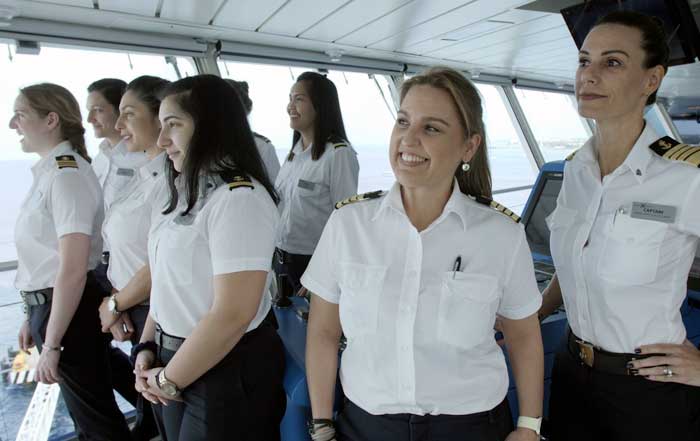
Behind every voyage lies a workforce that exemplifies precision, professionalism, and passion. MSC Cruises employs tens of thousands of crew members representing more than one hundred nationalities. The company’s training programs, conducted through its Maritime Academy in Naples and specialized facilities around the world, emphasize technical skill, hospitality, and environmental awareness.

By prioritizing continuous education, MSC ensures that its team members understand not only how to deliver service but also why that service matters in the context of sustainability and guest satisfaction. The result is an operational culture that blends technical expertise with empathy—a vital trait in an industry where personal interaction defines brand reputation.

Crew members also serve as ambassadors of global culture, bringing authenticity to every voyage. Whether it is an Italian maître d’ explaining the origins of a regional wine or a Filipino steward ensuring a guest’s comfort, each interaction reinforces MSC’s identity as a cosmopolitan brand rooted in human connection.

Economic and Environmental Balance

The global cruise industry faces mounting scrutiny regarding its environmental footprint, yet it remains a major economic driver for tourism-dependent regions. MSC’s challenge, and indeed its opportunity, lies in leading the sector toward balance—one where economic vitality coexists with ecological integrity.

The company’s decision to adopt LNG propulsion, explore hydrogen and biofuel options, and invest in carbon offsetting programs demonstrates a commitment to long-term responsibility. Additionally, partnerships with universities and research institutions allow MSC to contribute to marine-science initiatives focused on ocean biodiversity and sustainable shipbuilding materials.

This holistic approach resonates with the environmental discourse shaping modern maritime business—a conversation often advanced by Yacht-Review.com/sustainability. The future of ocean travel, whether by cruise ship or private yacht, depends on a unified effort among operators, engineers, and travelers to prioritize the planet as much as pleasure.

A Vision Toward 2030

Looking toward the next decade, MSC Cruises envisions a fleet that reflects the full integration of technology, sustainability, and design excellence. Its goal is to achieve carbon neutrality by mid-century, with tangible milestones along the way. These include the introduction of hybrid propulsion systems, shore-side power connectivity at major ports, and the exploration of alternative fuels that minimize environmental impact without sacrificing performance.

Simultaneously, the company is investing in artificial intelligence and predictive analytics to optimize route efficiency, enhance safety, and further personalize guest experiences. As these systems mature, guests will benefit from dynamic itinerary adjustments based on weather, crowd density, and environmental conditions—transforming each voyage into a more adaptive and intelligent journey.

In design terms, MSC plans to continue collaborating with world-renowned architects and shipyards to create vessels that harmonize with the sea rather than dominate it. Future ships are expected to feature extended open-deck spaces, glass-integrated hulls for panoramic views, and modular layouts that allow sections to be repurposed for different voyages. This concept aligns perfectly with the evolving expectations of global travelers who value flexibility, authenticity, and environmental mindfulness over ostentation.

The company’s strategic direction positions it as more than a cruise operator; it becomes a cultural and environmental ambassador of modern maritime life—a role that parallels the editorial mission of Yacht-Review.com, where craftsmanship, innovation, and respect for the ocean remain core values.

Conclusion

In 2025, MSC Cruises stands as a symbol of how vision, perseverance, and responsibility can redefine an entire industry. Its story is not merely about the construction of ships but the construction of experiences—floating worlds where technology, culture, and sustainability converge. Each vessel is a manifestation of a philosophy that celebrates the sea not as a boundary, but as a bridge between people, nations, and generations.

For the readers of Yacht-Review.com, MSC’s trajectory holds profound implications. It demonstrates how the future of marine leisure will be shaped by those who understand that innovation must serve humanity, design must honor nature, and growth must coexist with stewardship. Whether experienced from the deck of a superyacht or aboard a world-class liner, the essence of maritime travel remains the same: the pursuit of discovery, serenity, and connection beneath an ever-changing horizon.

Through its expanding horizons, MSC Cruises invites the world to rediscover the timeless joy of the ocean—where luxury meets purpose, and every voyage becomes a story of transformation.

The Ritz-Carlton Yacht Collection History

Last updated by Editorial team at yacht-review.com on Monday 3 November 2025
The Ritz-Carlton Yacht Collection History

The story of The Ritz-Carlton Yacht Collection represents one of the most ambitious expansions in modern luxury hospitality. Rooted in the century-old heritage of The Ritz-Carlton name, the venture brings the art of world-class hotel service to the open sea. Its creation marked a bold step for the brand — a move that redefined what it means to experience luxury beyond traditional hotels.

The original Ritz-Carlton legacy traces back to the ideals of César Ritz, whose name became synonymous with refinement and perfection in hospitality. Over the decades, the brand grew under Marriott International, establishing an unmistakable global presence. By the mid-2010s, executives envisioned a new path — to transform luxury cruising by merging the intimacy of private yachting with the sophistication of five-star hotel living.

In 2017, the company officially unveiled The Ritz-Carlton Yacht Collection, a venture in partnership with maritime executive Douglas Prothero and funds managed by Oaktree Capital Management. This was not merely a new travel option; it was the first time a major global hotel brand created its own fleet of purpose-built superyachts. It signaled a profound change in the luxury travel market, where experiential, slow, and boutique sea journeys began replacing the mass-market cruise experience.

For readers of Yacht-Review.com, the story of this collection reflects more than innovation at sea — it mirrors the evolution of design, craftsmanship, and the pursuit of excellence that drives the entire yachting industry.

The First Vessel: Evrima — Where It All Began

The flagship yacht Evrima became the embodiment of this new vision. Measuring 190 meters in length and designed to carry no more than 298 guests, Evrima redefined the concept of spaciousness and exclusivity. Every one of its 149 suites features a private terrace, while the interiors blend understated elegance with the comfort of modern luxury.

The design team’s philosophy centered on balance — to make the vessel large enough to accommodate multiple restaurants, lounges, and leisure areas, yet small enough to dock in boutique harbors unreachable by conventional cruise ships. Onboard spaces were imagined not as cabins, but as private retreats, where guests could enjoy panoramic views of the sea while surrounded by the calm minimalism typical of Ritz-Carlton design.

The amenities reflect the brand’s signature sophistication. Evrima houses several fine-dining venues curated by renowned chefs, an expansive wellness area with The Ritz-Carlton Spa, and an open-deck marina platform offering direct access to water activities. The décor captures a balance of nautical chic and residential comfort — oak and marble textures, muted tones, and soft ambient lighting. Every space invites tranquility, continuity, and an intimate relationship with the sea.

In contrast to the entertainment-focused approach of conventional cruise lines, Evrima was designed to deliver serenity and personal connection. There are no large theatres, no casinos, and no intrusive announcements. Instead, the experience is guided by discreet hospitality, private discovery, and curated cultural immersion.

Readers exploring the Design section of Yacht-Review.com will appreciate how Evrima’s architecture blends marine engineering and hotel design, creating a seamless dialogue between functionality and aesthetic refinement.

The Ritz-Carlton Yacht Collection
Fleet Evolution Timeline
2017
Official Announcement
The Ritz-Carlton unveils its ambitious yacht collection venture in partnership with Douglas Prothero and Oaktree Capital Management, marking the first time a major global hotel brand creates its own superyacht fleet.
Significance:Industry-defining launch
Partners:Oaktree Capital
2022
Evrima
The flagship vessel launches, embodying intimate luxury with all-suite accommodations and private terraces. Features multiple fine-dining venues, The Ritz-Carlton Spa, and an open-deck marina platform.
Length:190 meters
Guests:298 maximum
Suites:149 with terraces
Style:Nautical minimalism
2024
Ilma
Second yacht enters service with enhanced sustainability features. Named "air" in Maltese, it embodies lightness with Scandinavian and Mediterranean design influences. Built at Chantiers de l'Atlantique in France.
Length:241 meters
Suites:224
Technology:Dual-fuel propulsion
Design:Airy, natural tones
2025
Luminara
Third vessel scheduled for launch, inspired by "light" with luminous palette and enhanced wellness concept. Continues the brand's commitment to spacious accommodations and environmental performance.
Length:241 meters
Suites:224
Focus:Wellness & light
Regions:Global expansion
Future
Global Expansion
The fleet will sail through Mediterranean, Northern Europe, Caribbean, and Asia-Pacific regions. Planned routes include Thailand, Vietnam, Japan, and other premium destinations with overnight port stays and cultural immersion.
Markets:8+ countries
Philosophy:Intimate discovery
Staff Ratio:Nearly 1:1
Sustainability:Ongoing priority
Milestone Event
Vessel Launch

Expansion and Evolution: Ilma and Luminara

Following Evrima’s success, the company accelerated its fleet expansion with two new vessels — Ilma and Luminara — scheduled to enter service between 2024 and 2025. These ships signal the next stage of the brand’s growth: larger, more technologically advanced, yet equally dedicated to maintaining an intimate atmosphere.

Both Ilma and Luminara are being constructed at Chantiers de l’Atlantique in France, one of the world’s most respected shipyards. Each vessel measures approximately 241 meters and houses 224 suites, continuing the emphasis on spaciousness and privacy. The new designs introduce even more refined materials, dual-fuel propulsion systems for improved environmental performance, and expanded social and culinary spaces.

Ilma, meaning “air” in Maltese, embodies lightness and open space. Its interiors are bathed in natural tones, reflecting Scandinavian and Mediterranean influences. Luminara, by contrast, draws inspiration from “light,” promising a luminous palette, airy design, and an enhanced wellness concept.

These next-generation yachts will sail through the Mediterranean, Northern Europe, the Caribbean, and eventually Asia-Pacific — establishing a truly global presence. The decision to expand beyond traditional cruising regions demonstrates The Ritz-Carlton Yacht Collection’s ambition to serve a worldwide clientele while maintaining an exclusive, high-service model.

To explore more about maritime craftsmanship and new vessel trends, readers can visit the Boats and Technology sections of Yacht-Review.com.

The Art of Service at Sea

At the heart of The Ritz-Carlton Yacht Collection lies a promise — to deliver at sea the same legendary service for which The Ritz-Carlton hotels are known on land. Each yacht operates with a near one-to-one staff-to-guest ratio, ensuring every traveler experiences personalized care from the moment they step aboard.

Every suite includes a personal suite ambassador, serving as both concierge and butler, anticipating needs before they are voiced. This level of attention transforms each voyage into a private, seamless experience. Guests are invited to enjoy 24-hour in-suite dining, tailored shore excursions, and bespoke spa treatments inspired by the destinations themselves.

Meals are an integral part of the journey. Onboard dining reflects global culinary artistry, with menus shaped by local ingredients and regional flavors. From Mediterranean coastal cuisine to Caribbean spices and Asian influences, each dish is an expression of the journey itself. The collection’s wine program rivals the finest land-based establishments, with sommeliers curating pairings from renowned vineyards.

Equally notable is the social philosophy of life aboard. The yachts are not built for spectacle, but for connection. Travelers gather in lounges, terraces, and open-air spaces where conversation and calm prevail. Music, art, and local culture subtly infuse the environment. It is, in every sense, a floating sanctuary — one that attracts seasoned travelers, art collectors, and luxury connoisseurs seeking authenticity over extravagance.

For enthusiasts exploring modern cruising culture, the Cruising page on Yacht-Review.com offers deeper insights into how intimate sea journeys like these are reshaping expectations across the luxury market.

Destinations and Itineraries: Redefining Discovery

One of the defining features of The Ritz-Carlton Yacht Collection is its destination philosophy. Instead of racing through standard cruise routes, these yachts take time to immerse guests in each locale, often staying overnight in port. The itineraries are built around cultural depth, natural beauty, and a sense of exploration.

In the Mediterranean, the yachts visit ports such as Monte Carlo, Portofino, Santorini, and Dubrovnik — destinations that combine glamour with heritage. In the Caribbean, guests explore St. Barts, Virgin Gorda, and Grenada, often anchoring in secluded bays where only smaller vessels can reach. The Baltic Sea itineraries offer access to historic Northern capitals like Stockholm and Copenhagen, while the planned Asia-Pacific routes are expected to include Thailand, Vietnam, and Japan.

Each voyage offers a balance of discovery and relaxation. The collection’s excursion programs include private vineyard tastings in Provence, art tours in Barcelona, sailing with local fishermen in Greece, and guided yoga sessions on Caribbean beaches. These experiences are curated to reflect the authenticity of each region and connect guests meaningfully with local culture.

Travelers drawn to this form of exploration can find more inspiration in the Travel and Global sections of Yacht-Review.com, which cover how small-ship luxury travel continues to influence destination development and tourism sustainability.

Business Strategy and Brand Expansion

The strategic significance of The Ritz-Carlton Yacht Collection cannot be overstated. In entering the yachting sector, Marriott International leveraged one of its most iconic luxury brands to capture a market segment historically dominated by private yacht charters and boutique cruise operators.

By introducing yachts with fewer than 300 guests, the brand positioned itself within the ultra-luxury category — distinct from mass cruising and closer to bespoke yacht ownership experiences. Pricing reflects this exclusivity, appealing to affluent travelers who already frequent Ritz-Carlton properties or belong to the Marriott Bonvoy loyalty program.

The brand’s advantage lies in trust and consistency. Loyal guests who have experienced Ritz-Carlton resorts in destinations such as Bali, Barcelona, or Grand Cayman can expect the same level of refinement aboard Evrima, Ilma, or Luminara. This seamless transition from land to sea gives the company a unique position against competitors like Four Seasons Yachts and Aman at Sea, which are still developing their fleets.

Operationally, The Ritz-Carlton Yacht Collection remains a distinct subsidiary, allowing it flexibility in maritime operations while aligning closely with the broader Marriott luxury ecosystem. Strategic leadership appointments in recent years have ensured that each department — from culinary to destination planning — reflects the brand’s meticulous approach to service.

From a business perspective, the collection exemplifies diversification. It creates a new revenue stream, strengthens brand loyalty, and places Ritz-Carlton firmly within the future of experiential luxury travel. Readers seeking more detailed analyses of luxury maritime ventures can explore our Business section, which regularly examines how brand strategy and market positioning are shaping the global yacht economy.

Design and Technological Innovation

From a design standpoint, each yacht in the collection demonstrates how aesthetics and engineering can coexist in harmony. Collaborating with world-renowned naval architects and interior designers, the collection has embraced a philosophy of quiet luxury. The vessels’ exterior lines are sleek and modern, while the interiors evoke the calm sophistication of contemporary residences.

Technologically, the yachts feature advanced navigation systems, stabilizers for smooth sailing, high-speed connectivity, and optimized fuel efficiency. The newer ships, Ilma and Luminara, are being built with dual-fuel propulsion systems, positioning them ahead of evolving maritime environmental regulations.

Materials are sourced responsibly, and energy-efficient lighting and water systems have been integrated to minimize the ecological footprint. The company has made visible efforts to align with sustainability goals — a growing expectation among today’s luxury travelers.

These design and engineering details will interest readers visiting our Technology and Sustainability pages, where we explore how eco-conscious innovation is influencing the future of yacht construction and design.

Sustainability and Responsible Luxury

As environmental awareness reshapes the travel industry, The Ritz-Carlton Yacht Collection has adopted a philosophy of responsible luxury. This means creating experiences that celebrate the ocean while preserving its beauty.

The company has committed to efficient energy use, advanced waste management, and careful route planning to reduce its environmental impact. By focusing on smaller ships and selective itineraries, it ensures minimal congestion at fragile destinations. Each voyage includes educational insights about marine ecosystems and partnerships with local conservation programs.

While still early in its sustainability journey, The Ritz-Carlton Yacht Collection demonstrates a growing commitment to aligning with global maritime decarbonization efforts. For many travelers, the assurance that their voyage contributes positively to local communities adds meaningful value to their experience.

For deeper reading on environmental practices in yachting, our dedicated Sustainability section examines how modern shipyards, owners, and hospitality brands are moving toward greener horizons.

The Experience: Intimacy, Privacy, and Timeless Elegance

What ultimately distinguishes The Ritz-Carlton Yacht Collection from traditional cruising is its human dimension. These yachts are not about spectacle or scale; they are about stillness, space, and connection. Guests spend their days at sea in private terraces, reading, dining, or watching the horizon drift by.

The design philosophy promotes calm — wide corridors, open terraces, and quiet corners that encourage reflection. Public areas such as the Observation Lounge, Living Room, and Pool Deck are intentionally serene, fostering a sense of belonging among guests.

Evenings are elegant yet unpretentious. Live music softly fills the air, cocktails are prepared with precision, and dining transitions into starlit conversation. There are no announcements, no mass gatherings, only a discreet invitation to enjoy the moment.

This approach resonates strongly with families and couples seeking refined experiences, away from the pressures of traditional tourism. For more lifestyle insights on yachting culture, visit the Lifestyle and Family sections of Yacht-Review.com.

Global Market Reach and Cultural Appeal

By 2025, The Ritz-Carlton Yacht Collection has established itself as a global brand with itineraries spanning multiple continents. Its primary source markets — the United States, United Kingdom, Germany, France, Italy, Canada, Australia, and Singapore — reflect the diversity of modern luxury travelers.

The Mediterranean and Caribbean remain core regions, yet the brand’s planned expansion into Asia-Pacific and Northern Europe illustrates a confident global strategy. As high-net-worth travelers increasingly seek curated and authentic sea journeys, demand for yacht-scale voyages continues to grow.

Industry analysts note that this trend aligns with a broader shift from conspicuous consumption toward meaningful, transformative experiences. Travelers are drawn not only to destinations but to the lifestyle and philosophy of the journey itself. The Ritz-Carlton Yacht Collection successfully positions itself as the bridge between these desires — offering both adventure and tranquility, both discovery and familiarity.

This evolution is reshaping how luxury tourism connects with culture and heritage worldwide. Readers can explore more regional perspectives in the Global and Travel pages, which highlight how global travel patterns continue to transform the luxury maritime landscape.

Challenges and Future Outlook

Every pioneering venture encounters challenges. For The Ritz-Carlton Yacht Collection, early operations required adjustments in logistics, staffing, and regulatory compliance — typical hurdles for any new maritime enterprise. Maintaining consistent hotel-grade service standards at sea demanded extensive crew training and operational refinement.

As the fleet expands, the brand must continue balancing growth with exclusivity. The challenge is to preserve the boutique, high-touch experience even as itineraries multiply and new regions open. Furthermore, the company faces competition from new entrants like Four Seasons Yachts and Aman at Sea, which are preparing their own vessels.

Sustainability remains an ongoing priority. Stricter maritime emissions standards, the need for cleaner fuels, and the expectation for transparent ESG reporting will shape the brand’s evolution over the next decade. To remain credible in this space, The Ritz-Carlton Yacht Collection must lead with innovation and responsibility.

The broader economic landscape will also play a role. Luxury travel tends to mirror global financial confidence, and continued demand depends on economic stability across North America, Europe, and Asia. Yet the long-term trajectory appears favorable: the combination of brand prestige, maritime craftsmanship, and experiential design offers enduring appeal.

As explored in our News section, these macro-factors will influence not only the success of this brand but also the direction of luxury sea travel as a whole.

A Defining Moment in the Convergence of Land and Sea

The Ritz-Carlton Yacht Collection symbolizes more than the birth of a new cruise line; it marks the convergence of two worlds — the hotel and the yacht, the traveler and the explorer, the guest and the ocean.

For decades, The Ritz-Carlton has represented the pinnacle of hospitality on land. With its fleet now sailing across blue horizons, it extends that same sense of belonging and excellence to the open sea. It offers a future where luxury is defined not by opulence, but by quiet confidence, authenticity, and grace.

The collection’s journey continues with purpose: to elevate maritime travel into an art form, to blend design with emotion, and to set a new benchmark for how humans experience the ocean. For readers of Yacht-Review.com, this is not just a story of ships and service — it is a story of ambition, creativity, and the endless pursuit of perfection.

As the yachts Ilma and Luminara prepare to sail, one truth is clear: The Ritz-Carlton Yacht Collection has reimagined what it means to voyage in style, and in doing so, it has charted a new course for the future of luxury yachting.

For more stories about innovation, craftsmanship, and the global yachting lifestyle, explore Yacht-Review.com’s Reviews, Business, Design, Cruising, and Sustainability sections.

The Global Luxury Yacht Charter Industry Forecasts

Last updated by Editorial team at yacht-review.com on Monday 3 November 2025
The Global Luxury Yacht Charter Industry Forecasts

In the ever-evolving world of maritime luxury, few sectors have displayed such dynamic resilience and creative transformation as the global yacht charter industry. As 2025 closes, the charter segment is not only rebounding from the disruptions of earlier years but redefining the very meaning of exclusivity, privacy, and experiential travel. Chartering a yacht has shifted from a symbol of extravagance to an expression of personal freedom, cultural sophistication, and sustainable exploration. For readers of yacht-review.com—a publication dedicated to the art and business of seafaring excellence—understanding the forecasts, emerging opportunities, and the re-engineered structure of this global market offers both inspiration and strategic insight.

The luxury yacht charter business is no longer confined to the azure coastlines of the Mediterranean or the turquoise arcs of the Caribbean. Instead, it has become a truly global enterprise powered by technological innovation, environmental responsibility, and shifting consumer desires. From digital booking platforms to hybrid propulsion systems and bespoke itineraries designed around gastronomy, art, and wellness, the sector is undergoing an expansive renaissance. Analysts now project that the global luxury yacht charter market, valued at over USD 15 billion in 2025, will likely surpass USD 25 billion by 2032, growing at a steady compound annual rate exceeding 6 percent. This trajectory confirms that luxury yacht charters have moved from a niche indulgence into a vibrant, diversified global economy.

The significance of this growth extends beyond wealth indicators. It reflects how high-net-worth individuals, entrepreneurs, and family groups increasingly regard the sea as a domain for mindful retreat, intimate celebration, and seamless business connectivity. The voyage itself has become the destination—a stage for privacy, reconnection, and purpose.

Market Forces Steering Global Growth

The primary drivers reshaping the luxury yacht charter industry in 2025 are deeply interconnected. Rising personal wealth among global elites, generational shifts in consumption, and the emergence of experiential luxury as a lifestyle philosophy converge to create a powerful demand curve. The new class of charter guests values authenticity, narrative, and convenience as much as aesthetics and opulence.

According to sector analysts, the population of ultra-high-net-worth individuals (UHNWIs) worldwide has increased by more than 7 percent since 2022, reaching nearly 400,000 people. Many within this group are turning away from static asset ownership toward curated experiences. Chartering provides immediate access to luxury without the logistical and maintenance burden of ownership. Companies such as Burgess, Northrop & Johnson, and Fraser Yachts have capitalized on this behavioural change by expanding flexible charter programs that cater to varying trip durations and destinations.

Meanwhile, sustainability has become an expectation rather than a luxury add-on. The global push toward decarbonization—combined with stricter International Maritime Organization (IMO) emission regulations—has accelerated the adoption of hybrid and electric propulsion technologies within the charter fleet. Builders such as Feadship, Heesen Yachts, and Benetti are leading this transition with innovative hull designs and renewable-energy integrations. The market’s appetite for cleaner technology aligns perfectly with the values of next-generation travellers who prioritize ecological consciousness alongside comfort. Readers can explore related advancements in marine technology that are redefining sustainability standards across the maritime landscape.

Another major catalyst for expansion lies in digitalization. The rise of global charter platforms and data-driven management systems has simplified booking processes, democratized access, and improved transparency. Unlike the opaque negotiations of the past, today’s digital chartering ecosystem—spearheaded by companies like Y.CO and Camper & Nicholsons—allows clients to browse, customize, and secure charters through seamless interfaces that mirror the luxury hospitality sector. These changes make it easier for new entrants, especially from emerging economies, to engage with what was once an insular world.

Regional Expansion and Strategic Hotspots

The geographic distribution of luxury yacht charter activity is evolving rapidly. While Europe and North America remain core regions, growth across Asia-Pacific, the Middle East, and parts of Latin America and Africa is outpacing historical averages.

The Mediterranean and Europe’s Leadership

Europe’s Mediterranean coastline—spanning France’s Côte d’Azur, Italy’s Amalfi and Ligurian coasts, Greece’s island labyrinth, and Croatia’s Adriatic wonders—continues to anchor the global charter economy. Roughly one-third of worldwide charter bookings originate here. Established events such as the Monaco Yacht Show and Cannes Yachting Festival continue to shape seasonal demand. European shipyards’ dominance in refit and maintenance, coupled with the continent’s cultural cachet, ensures that the Mediterranean retains its crown as the sector’s spiritual home.

Yet even within Europe, diversification is apparent. Scandinavia’s fjords, the Scottish Hebrides, and Portugal’s Algarve are now marketed as premium alternatives for guests seeking tranquillity and natural immersion. This diversification aligns with sustainable travel preferences and smaller-vessel operations that reduce crowding. Readers may explore additional destination insights within yacht-review.com/travel.html and its curated cruising features.

North America’s Expanding Charter Landscape

In the United States and Canada, the charter industry’s momentum is tied to the transformation of key hubs such as Miami, Fort Lauderdale, Newport, and Vancouver into integrated marine-tourism economies. The Caribbean basin—long regarded as the winter charter haven—is witnessing infrastructure upgrades in the British Virgin Islands, St. Lucia, and The Bahamas, which now support superyachts exceeding 100 metres. New England’s coastline offers an emerging summer counter-season to the Mediterranean, allowing operators to maintain year-round fleet utilization.

The North American market benefits from strong domestic wealth, charter financing availability, and the presence of experienced brokerage networks. Furthermore, U.S. clients have shown growing interest in expedition yachts capable of traversing Alaska or the Pacific Northwest, extending the charter season and diversifying itineraries.

Asia-Pacific: The Decade’s Growth Engine

No region promises higher long-term potential than Asia-Pacific. With wealth expansion across China, Japan, Singapore, South Korea, and Australia, charter activity is rising from boutique levels to genuine regional significance. Singapore’s One°15 Marina Sentosa Cove and Thailand’s Phuket Marina are emerging gateways for superyachts exploring the Andaman Sea and the Indonesian archipelagos. Additionally, the Great Barrier Reef, New Zealand’s Bay of Islands, and Malaysia’s Langkawi islands are gaining traction among operators promoting sustainable expedition charters.

The allure of Asia lies in its cultural diversity, year-round cruising conditions, and integration of land-based luxury tourism with maritime adventure. Charter guests now expect itineraries blending fine dining, traditional wellness, and authentic local experiences—demands perfectly suited to regional hospitality excellence. Readers can learn more about global cruising routes within yacht-review.com/cruising.html, which regularly highlights upcoming charter destinations across the world’s oceans.

The Middle East and Red Sea Renaissance

As governments in the Gulf Cooperation Council diversify their economies, the luxury yacht sector has become a central component of high-end tourism strategies. The launch of Saudi Arabia’s “Super Yacht Arabia” initiative in 2025 and the expansion of Dubai Harbour represent decisive steps toward positioning the Red Sea and Arabian Gulf as world-class charter destinations. These developments are paired with visionary projects such as NEOM’s Sindalah Island, designed explicitly for superyacht hospitality.

The Middle East’s combination of year-round warm waters, state-of-the-art marinas, and government investment will elevate regional charter numbers dramatically by 2030. At the same time, regional authorities are adopting marine conservation frameworks to mitigate ecological risk—reflecting an understanding that long-term tourism sustainability is vital to brand value.

Latin America and Africa: The Emerging Frontiers

Although smaller in scale, Latin America and Africa are gaining momentum as exploration-based luxury markets. Brazil’s Costa Verde, the Seychelles, and South Africa’s Cape Coastal Route are appearing more frequently in charter itineraries tailored for adventure-oriented clients. Operators view these destinations as the final frontiers of yacht-based discovery—a concept that resonates with a new generation seeking authenticity and isolation.

Growing marina investment in these regions parallels broader infrastructure development and air-connectivity improvements. As luxury travellers seek to escape conventional routes, Latin America and Africa may emerge as surprise growth engines over the next decade.

🛥️ Global Luxury Yacht Charter Market 2025-2035

Interactive Market Intelligence & Strategic Forecasts

Market Overview 2025

Market Value

$15B+

Current global luxury yacht charter market valuation in 2025

Growth Rate

6%+

Projected compound annual growth rate through 2032

UHNWIs

400K

Ultra-high-net-worth individuals worldwide driving demand

2032 Target

$25B+

Projected market value by 2032

Key Market Drivers

• Rising wealth among global elites (7% UHNWI growth since 2022)
• Shift from ownership to curated experiences
• Sustainability and hybrid propulsion adoption
• Digital booking platforms and transparency
• Experiential luxury as lifestyle philosophy

Regional Market Distribution

33%Mediterranean
22%Caribbean
15%Asia-Pacific
18%Middle East
12%Other
Current Market Share

Mediterranean & Europe

Market anchor with established infrastructure. France, Italy, Greece, Croatia dominate. Diversifying to Scandinavia and Portugal for sustainable tourism.

North America

Miami, Fort Lauderdale hubs. Caribbean infrastructure upgrades. Alaska expedition charters expanding season.

Asia-Pacific

Highest growth potential. Singapore, Thailand, Australia emerging. Expected to triple market share by 2035.

Middle East

Red Sea renaissance. Saudi Arabia's Super Yacht Arabia initiative. NEOM and Dubai Harbour investments driving growth.

Market Segmentation

By Yacht Type

Motor Yachts (65%)

  • Dominant class with speed and amenities
  • Beach clubs, helipads, wellness suites
  • Floating boutique resorts above 40m

Sailing Yachts (20%)

  • Renaissance in sustainability
  • Hybrid-electric propulsion systems
  • Eco-conscious wind-powered travel

Explorer Yachts (15%)

  • Fastest-growing segment
  • Antarctica, Arctic, South Pacific expeditions
  • Ice-class hulls and long-range capability

By Client Profile

Family Charters (40%)

  • Multigenerational voyages
  • Legacy and togetherness focus

Corporate Charters (25%)

  • Executive retreats and conferences
  • Post-pandemic intimate environments

Individual & Shared (35%)

  • Cabin charters proliferating
  • Short 3-5 day luxury escapes

Industry Evolution Timeline

2025 - Current State

Market valued at $15B+ with digital platforms transforming bookings. Hybrid propulsion adoption accelerating. Mediterranean maintains 33% market share.

2028 - Technology Integration

Smart yachts with AI navigation standard. Hydrogen fuel-cell vessels in commercial service. Asia-Pacific market share doubles.

2030 - Middle East Emergence

NEOM and Red Sea projects operational. Hybrid-powered vessels represent 30%+ of fleet. Subscription charter models mainstream.

2032 - Market Milestone

Industry reaches $25B+ valuation. Charter-ready yachts 30m+ increase by 35%. ESG certification industry standard.

2035 - Future Vision

Market approaches $30B with 40% increase in charter-ready fleet. Asia-Pacific triples market share. Zero-emission yachts commonplace.

2025-2035 Strategic Forecast

Growth Rate

5-7%

CAGR projected through 2035

Fleet Expansion

+40%

Increase in charter-ready yachts over 30m by 2035

Hybrid Vessels

33%+

Share of hybrid-powered models in new deliveries

2035 Value

$30B

Projected market valuation

Key Growth Factors 2025-2035

Demographic Shift:Millennial & Gen X HNWIs prefer experiences over ownership
Regional Expansion:Asia-Pacific to triple market share
Sustainability:ESG credentials become competitive differentiator
Technology:AI navigation, blockchain contracts, hydrogen propulsion
Infrastructure:Deep-water marinas in emerging regions
Business Models:Fractional ownership and subscription charters mainstream

Strategic Risks & Considerations

• Currency volatility and regional conflict disruptions
• Crew shortages outpacing fleet expansion
• Regulatory complexity across jurisdictions
• Cyclical nature of luxury spending tied to equity markets
• Environmental compliance costs and carbon-credit mechanisms

Segmentation, Fleet Trends, and Market Evolution

The luxury yacht charter sector, though unified by its commitment to exceptional quality, is far from homogeneous. It consists of a highly tiered ecosystem of yacht types, client demographics, charter durations, and service models that collectively determine profitability, resilience, and brand differentiation. Understanding these layers reveals why the market continues to grow steadily through 2025 and why innovation remains its defining currency.

Fleet Segmentation and Yacht Types

Luxury charter fleets can broadly be divided into motor yachts, sailing yachts, and expedition or explorer yachts, each catering to distinct clientele and operational niches. Motor yachts—accounting for nearly two-thirds of the global charter market—remain the dominant class, combining speed, stability, and vast onboard amenities. Superyachts above 40 metres increasingly feature multiple decks, beach clubs, helipads, and wellness suites, positioning them as floating boutique resorts.

Sailing yachts, however, are experiencing a renaissance among clients seeking sustainability and serenity. A new generation of high-performance sailing vessels built by Perini Navi, Baltic Yachts, and Southern Wind combine timeless craftsmanship with hybrid-electric propulsion systems and advanced rigging automation. These vessels appeal to environmentally conscious charterers drawn to the poetic and ecological simplicity of wind-powered travel.

Explorer yachts—engineered for long-range voyages to remote destinations—represent the fastest-growing segment. Demand for expedition experiences in Antarctica, the Arctic, and the South Pacific is rising rapidly, driven by adventure-minded travellers who expect uncompromised luxury even in isolation. Builders such as Damen Yachting, Sanlorenzo, and Cantiere delle Marche are leading this transformation, developing vessels with ice-class hulls, autonomous operation systems, and extraordinary fuel capacity.

Such fleet diversity not only reflects market maturity but enables operators to adapt offerings across demographics. For a deeper look at innovative designs redefining the charter fleet, readers can explore yacht-review.com/design.html, which profiles both traditional artisans and cutting-edge naval architects shaping tomorrow’s yachting landscape.

Charter Duration, Usage Models, and Client Profiles

The traditional seven-day, single-family charter is gradually yielding to a spectrum of flexible arrangements. Three- to five-day short charters have become popular among younger, affluent travellers seeking quick luxury escapes. At the opposite end, long-duration voyages—spanning several weeks or months—are attracting clients desiring total immersion in slow travel.

Corporate charters form another rising segment, with companies renting vessels for executive retreats, incentive trips, and private conferences. The post-pandemic shift toward intimate, controlled environments has amplified this trend. Meanwhile, family charters—often multigenerational—represent a vital demographic, accounting for more than 40 percent of luxury bookings according to leading brokerages.

Cabin charters, where individuals book suites aboard shared luxury yachts, are also proliferating. They introduce aspirational customers to the charter lifestyle while optimizing fleet utilization for operators. The ability to accommodate both exclusive and shared experiences is increasingly seen as a competitive necessity.

Crew Expertise and the Human Factor

While technology continues to redefine luxury, human service remains at its heart. The calibre of crew—captains, chefs, stewards, and deckhands—often determines client loyalty. Crews trained in cross-cultural hospitality, marine safety, and sustainable practices command higher retention and yield scores. Top-tier training institutions, such as Bluewater Yachting and The Crew Academy, have become integral to professionalizing the workforce that sustains this industry.

Crew stability also plays into brand continuity. Many charter clients develop long-term relationships with crews they trust, often rebooking based on prior experiences. Operators investing in crew welfare, training, and remuneration are thus rewarded with greater consistency, reduced turnover, and stronger reputational equity.

The Digital Charter Revolution

In parallel with fleet diversification, the digital transformation of charter services has accelerated dramatically. Platforms now offer end-to-end experiences—virtual yacht tours, dynamic pricing, automated itinerary design, and AI-assisted concierge features. Online marketplaces such as Click&Boat, Boatsetter, and CharterWorld have revolutionized how clients discover and book yachts.

These platforms integrate secure payment gateways, instant messaging with brokers, and real-time availability updates—functions that were nearly unimaginable a decade ago. The growing integration of augmented reality and immersive 3D yacht previews further enhances transparency and excitement in the booking process. As global clients increasingly rely on digital interfaces, brand visibility through reputable review media like yacht-review.com/reviews.html becomes vital to conversion and trust-building.

Artificial intelligence is also reshaping fleet management. Predictive maintenance algorithms now monitor engine performance, battery cycles, and climate control systems to prevent downtime. Data analytics platforms process guest feedback to personalize future charters, while blockchain-based contracts ensure secure, transparent transactions for owners and charterers alike. The result is an industry moving closer to the seamless, data-driven sophistication seen in private aviation and luxury hotels.

Economic and Business Model Innovation

Behind every glamorous voyage lies an intricate financial model balancing costs, utilization, and yield. Charter management firms typically oversee operations, marketing, and maintenance for yacht owners, earning commissions on bookings. To mitigate volatility, operators are adopting hybrid ownership schemes, fractional models, and club-based memberships that guarantee vessel access without full ownership burden.

Some companies have even introduced “subscription charters,” where clients pay annual fees for credits redeemable across global fleets. These programs, pioneered by innovators such as Ahoy Club and YachtLife, mirror private jet memberships and reflect the growing desire for convenience over possession.

For owners, placing vessels in charter service offsets costs while preserving flexibility for personal use. The balance between private enjoyment and commercial viability is delicate but achievable with the right partner. In this sense, charter management has evolved into a sophisticated investment strategy rather than a mere leisure pursuit.

The Expanding Role of Marinas and Coastal Infrastructure

The renaissance of global yacht chartering relies heavily on port infrastructure and maritime logistics. Modern marinas are no longer just docking facilities—they are experiential ecosystems complete with boutiques, restaurants, and concierge lounges. European icons such as Port Hercules in Monaco, Marina di Porto Cervo in Sardinia, and Puerto Banús in Spain exemplify this model, offering lifestyle destinations in themselves.

In emerging regions, government-led initiatives are accelerating development. Projects across the Red Sea, Southeast Asia, and Oceania are constructing deep-water marinas capable of hosting 100-metre superyachts with hybrid-charging facilities. The evolution of these infrastructures ensures accessibility to once-remote regions and supports local economies dependent on high-end tourism.

As detailed within yacht-review.com/business.html, the synergy between private investment, policy frameworks, and sustainable design is vital for supporting charter expansion while preserving coastal environments.

Sustainability, ESG Leadership, and Technological Evolution

Sustainability now defines the moral and operational compass of the global luxury yacht charter market. What was once a niche talking point has become a competitive imperative, driven by client expectations, regulatory pressure, and technological feasibility.

Environmental Stewardship and Compliance

The International Maritime Organization (IMO) continues to enforce emission-reduction targets that affect both commercial and charter fleets. Yachts built after 2025 must comply with more stringent Tier III standards, limiting nitrogen oxide emissions and improving overall efficiency. Builders are responding through innovative hull forms, lighter materials, and hybrid propulsion systems that minimize environmental impact.

Companies like Sunseeker International and Azimut-Benetti Group have introduced eco-series yachts with advanced wastewater treatment, solar-assisted power, and recyclable interiors. Meanwhile, Feadship’s “Project 821”—a hydrogen fuel-cell superyacht launched in 2024—signals the future of zero-emission luxury. These milestones demonstrate that sustainability and opulence can coexist without compromise.

Beyond design, operational sustainability is now an expectation. Charter operators are offering carbon-offset programs, sourcing locally grown provisions, and partnering with marine conservation NGOs to promote biodiversity. Clients are increasingly selecting charters based on environmental credentials, making ESG performance a new metric of prestige. Readers interested in evolving eco-marine innovations can explore yacht-review.com/sustainability.html for comprehensive insights.

Smart Yachts and Connected Voyages

Technology’s influence extends beyond propulsion. The rise of “smart yachts”—vessels equipped with integrated control systems, sensors, and high-speed connectivity—has redefined the onboard experience. Guests can now manage lighting, entertainment, and climate through voice commands or mobile apps, while captains receive real-time navigation and weather analytics that enhance safety and efficiency.

Connectivity is equally vital for modern travellers who blend leisure with productivity. Satellite-based internet systems now enable uninterrupted video conferencing and streaming far offshore, transforming yachts into floating executive suites. For many charter clients in 2025, the ability to maintain digital continuity is as important as cuisine or cabin comfort.

Artificial intelligence is beginning to automate route planning and energy optimization. Machine-learning algorithms process oceanographic data to determine the most fuel-efficient paths, reducing consumption without sacrificing comfort or schedule precision. The fusion of autonomy and luxury is becoming one of the most exciting frontiers of marine technology.

ESG as Business Philosophy

For leading charter companies, ESG principles are not only a regulatory requirement but a strategic differentiator. Firms like Camper & Nicholsons and Fraser Yachts now publish sustainability reports outlining their carbon targets, waste-reduction practices, and community partnerships. Transparency has become a trust currency in the luxury ecosystem, aligning with broader global expectations of corporate responsibility.

Crew training in sustainability is also gaining emphasis. Many captains now hold environmental management certifications, ensuring that operational practices—from fuel use to anchor deployment—minimize ecological footprint. Charterers, in turn, find satisfaction in knowing that their leisure contributes to ocean preservation rather than degradation.

Forecasts, Risks, and Strategic Outlook

The luxury yacht charter industry stands at a critical inflection point as it sails toward the 2030s. Economic forecasts, evolving consumer psychology, environmental expectations, and emerging technologies will collectively determine how the next decade unfolds. The momentum visible in 2025 is not a transient recovery but a structural expansion underpinned by deep shifts in global wealth, lifestyle values, and sustainable innovation.

Market Forecasts Through 2035

Analysts across maritime research institutes agree that the charter segment is poised for continued and healthy expansion. Conservative projections suggest a compound annual growth rate (CAGR) between 5% and 7% from 2025 to 2035, with total market valuation surpassing USD 25–30 billion within that window. This growth will not occur evenly; rather, it will concentrate in regions that successfully combine premium infrastructure with forward-looking regulation and sustainable practices.

The Mediterranean will remain the anchor of global charter revenues, but its growth curve will stabilize as market maturity and seasonal saturation limit expansion. Asia-Pacific, by contrast, will triple its market share over the decade, supported by rising domestic wealth and infrastructural projects across Singapore, Indonesia, Thailand, and Australia. The Middle East, driven by megaprojects like NEOM and The Red Sea Global, will likely outpace all other regions in relative growth.

One of the strongest tailwinds comes from demographic change. Millennial and Generation X HNWIs, now inheriting significant wealth, are more inclined toward experiences than ownership. Their preference for technology-enabled, eco-conscious charters ensures long-term demand stability. The sector’s ability to adapt to these expectations—combining personalization, sustainability, and digital service—will define its success over the next decade.

Within fleet composition, the number of charter-ready yachts over 30 metres is projected to rise by nearly 40 % by 2035. Hybrid-powered models will represent at least one-third of new deliveries. Even traditional builders are shifting focus toward modular designs that allow rapid refit for new technologies or usage models. Readers seeking continuous updates on vessel innovation can follow yacht-review.com/news.html for exclusive industry coverage.

Economic and Geopolitical Considerations

Despite its buoyant outlook, the charter market remains sensitive to broader macroeconomic and political cycles. Currency volatility, inflationary pressures, and regional conflict can disrupt itineraries and dampen demand. The war-related restrictions that affected Eastern Mediterranean waters in previous years underscored how geopolitical instability can redirect charter flows almost overnight.

Another looming factor is regulatory complexity. Different nations apply varying taxation schemes, maritime laws, and environmental compliance standards. This patchwork demands meticulous planning from operators and owners alike. The European Union’s evolving carbon-credit mechanism for maritime travel could influence pricing structures, pushing operators to invest more heavily in efficient propulsion and offset programs.

Crew shortages also represent a non-trivial risk. The demand for skilled seafarers, especially in the superyacht segment, is outpacing supply. With thousands of new yachts expected to enter service over the coming decade, the training and retention of professional crew will become a strategic priority for every management firm.

The industry must also remain alert to the cyclical nature of wealth creation. Luxury spending typically correlates with equity markets and asset performance. Should a prolonged global downturn occur, discretionary spending on long-term charters might decline temporarily. However, the diversification of clientele and the rise of flexible charter products provide a buffer against severe contraction.

Investment Opportunities and Financial Strategy

For investors, the luxury yacht charter industry offers a complex but rewarding landscape. Traditional ownership remains viable for those seeking tangible prestige assets, yet the most compelling opportunities lie in fractional investment, charter-management partnerships, and marina development.

Fractional ownership platforms enable investors to purchase equity stakes in fleets managed by professional operators. This model spreads operational risk while providing access to charter income streams. Firms such as SeaNet and YachtCo have built robust businesses around shared-ownership economics that appeal to entrepreneurs and frequent charterers alike.

Marina development is another lucrative frontier. Global expansion of superyacht marinas—especially in Southeast Asia and the Middle East—offers strong returns through docking fees, hospitality partnerships, and retail integration. As destinations compete to attract high-net-worth visitors, investment in eco-engineered marinas with shore-power facilities will become essential.

The rise of sustainability-linked finance also presents a transformative funding avenue. Banks and private-equity firms are beginning to offer preferential loan terms to yacht owners or operators that meet ESG criteria. Green-bond issuance tied to maritime innovation has already appeared in Europe, signaling a financial ecosystem aligning itself with sustainability.

For those considering entry into this market, comprehensive due diligence and partnership with experienced charter management companies are paramount. Publications such as yacht-review.com/business.html regularly analyze these investment pathways, providing readers with context and clarity.

The Evolving Role of Innovation and Experience

Technological innovation is no longer an optional enhancement—it is a structural necessity. The yachts entering charter service in 2025 and beyond embody an unprecedented synthesis of engineering, hospitality, and digital design. Touchless controls, biometric security, intelligent lighting, and AI-driven route optimization have transformed the guest experience into a seamless orchestration of comfort and efficiency.

Equally important is the evolution of experience curation. Charter clients now expect fully thematic voyages crafted around wellness, culture, or culinary immersion. Collaborations between yacht operators and luxury brands—ranging from Four Seasons Yachts to partnerships with Michelin-starred chefs—have created a cross-sector ecosystem that merges maritime travel with lifestyle branding.

This experiential emphasis also fuels the rise of charter-exclusive events, where yachts function as floating pavilions for art fairs, fashion showcases, and international sporting events. These bespoke gatherings reinforce the yacht’s position not merely as transportation but as a platform for cultural diplomacy and business networking. For insight into evolving lifestyle trends in the sector, readers can explore yacht-review.com/lifestyle.html, which chronicles how yachting intertwines with modern luxury culture.

Environmental Accountability and Brand Trust

One of the defining strategic imperatives for the coming decade is environmental accountability. Clients increasingly evaluate charter operators not only on service excellence but on ethical credibility. Transparent sustainability reporting—detailing fuel consumption, waste management, and community initiatives—is fast becoming standard.

Certification programs such as the Water Revolution Foundation’s Yacht Environmental Transparency Index (YETI) and the Green Marine certification are reshaping industry norms. Operators displaying verifiable ESG credentials command both higher charter rates and stronger client loyalty. The convergence of environmental ethics and brand trust is creating a new competitive hierarchy where authenticity is valued as highly as opulence.

Socio-Cultural Transformation of Luxury

Beyond technology and finance, a subtle but profound sociological shift is redefining luxury itself. The 2020s have witnessed a transition from conspicuous consumption to conscious experience. Today’s affluent travellers prefer intimacy over display, exploration over exhibition, and meaning over materialism. Yacht charters align perfectly with this philosophy by offering privacy, flexibility, and narrative depth—an experience that adapts to its guest rather than the other way around.

This cultural evolution is particularly relevant to the family and generational markets, where shared voyages have become symbols of legacy and togetherness. Increasingly, family foundations and private groups use charters as platforms for education, philanthropy, or environmental awareness, integrating purpose into leisure. To see examples of family-focused maritime lifestyles, visit yacht-review.com/family.html, which showcases stories of families redefining luxury living at sea.

The Road Ahead: Vision for 2035 and Beyond

By 2035, the luxury yacht charter industry will likely stand as a cornerstone of the global experience economy—combining the discretion of private travel with the ethics of sustainable innovation. The industry’s transformation from exclusive indulgence to inclusive aspiration will depend on how effectively it integrates technology, stewardship, and culture into a cohesive narrative.

The charter yacht of the 2030s will not merely be a vessel of travel but a microcosm of intelligent living—self-sustaining, connected, and adaptive to each guest’s emotional and environmental needs. Artificial intelligence will manage navigation and energy flows; blockchain will secure transactions; hydrogen and bio-fuels will power silent propulsion; and immersive augmented-reality systems will merge the boundaries between ocean and imagination.

At the strategic level, success will belong to companies capable of balancing innovation with intimacy—those who understand that in the post-digital age, human connection remains the essence of luxury. The charter experience will continue to evolve into an art form that harmonizes technology, environment, and emotion.

For yacht-review.com readers—industry leaders, investors, and enthusiasts alike—the coming decade promises a sea of opportunity. Whether charting new destinations, investing in marina ecosystems, or designing the next generation of hybrid yachts, each participant in this expanding sector contributes to an enduring vision: a maritime world defined by elegance, sustainability, and global unity.

As the horizon of 2035 draws near, one truth becomes clear—the luxury yacht charter industry is not merely forecasting growth; it is shaping a new era of maritime civilization. Its voyage is not measured by distance, but by imagination, innovation, and purpose—a journey that continues to inspire the world’s most discerning travellers and visionaries.

The Yacht Club de Monaco: A Legacy of Excellence and Innovation

Last updated by Editorial team at yacht-review.com on Monday 3 November 2025
The Yacht Club de Monaco A Legacy of Excellence and Innovation

Few institutions in the world of luxury yachting evoke the same sense of prestige, tradition, and innovation as the Yacht Club de Monaco. Located in the heart of Monte Carlo, this iconic establishment stands as a beacon of maritime excellence and an enduring symbol of Monaco’s deep-rooted connection to the sea. In 2025, as the global yachting community continues to evolve with advancements in technology, sustainability, and international networking, the Yacht Club de Monaco remains both a guardian of nautical heritage and a pioneer shaping the future of the industry. Its influence extends far beyond the Riviera, embodying a philosophy that unites craftsmanship, oceanic passion, and a global vision for responsible yachting.

For readers of Yacht Review, the story of the Yacht Club de Monaco is not only about opulent vessels and grand regattas but also about the timeless values that drive the yachting world—respect for the ocean, pursuit of excellence, and innovation that bridges luxury and environmental consciousness.

The Birth of a Maritime Institution

The Yacht Club de Monaco (YCM) was founded in 1953 under the leadership of Prince Rainier III, marking the beginning of a chapter that would redefine Monaco’s relationship with the sea. It was more than a social club; it was a strategic initiative to position Monaco as a global hub for maritime excellence. The vision was clear—to create a home for yachting enthusiasts, innovators, and sailors who would carry the principality’s reputation across the oceans.

With H.S.H. Prince Albert II later assuming the presidency, the club took on an even more profound purpose: to promote responsible yachting, encourage youth participation, and act as an incubator for sustainable innovation in the marine industry. Today, the YCM is considered one of the most influential yacht clubs globally, attracting members from over sixty nationalities and serving as a meeting point for international collaboration and cultural exchange.

Architectural Masterpiece: The Clubhouse of the Future

The Yacht Club de Monaco’s headquarters, inaugurated in 2014, is a statement of visionary design and sustainability. Conceived by the acclaimed British architect Sir Norman Foster and Foster + Partners, the building mirrors the sleek lines of a yacht itself, seamlessly blending elegance and function. This architectural marvel stretches along the Port Hercule waterfront, its decks cascading in tiered formation, offering panoramic views of the Mediterranean.

The design reflects Monaco’s dedication to sustainable architecture, employing energy-efficient systems and natural materials that reduce environmental impact. Its terraces and lounges create an atmosphere of openness, symbolizing Monaco’s invitation to the world to share in its maritime passion. More than a building, it is a living testament to innovation—a physical embodiment of the YCM’s core philosophy that luxury and sustainability must coexist.

Those who visit the club’s structure can sense the seamless harmony between maritime culture and modern design. The building itself has become a landmark destination featured across global travel and architecture platforms like ArchDaily and Dezeen, admired not only for its aesthetics but also for its engineering sophistication.

Preserving Tradition in a Modern World

Despite its forward-thinking approach, the Yacht Club de Monaco remains deeply rooted in the traditions of seafaring and yachting etiquette. Its annual regattas, such as the Primo Cup – Trophée Credit Suisse, are not just sporting events but expressions of camaraderie, skill, and heritage. These races bring together amateur sailors, professional teams, and prestigious yacht designers in a shared celebration of the sea.

The club’s dedication to education and training is equally integral to its mission. Through the YCM Sailing School, it nurtures young sailors from early stages to competitive levels, fostering a new generation of maritime professionals who understand both the art and the science of yachting. This focus on mentorship and continuity reflects the timeless maritime ethos that experience must be passed down through shared passion and disciplined learning.

Readers can explore more about traditional and modern yachting craftsmanship on Yacht Review’s design section, where global yacht aesthetics and technical excellence are frequently showcased.

Leadership and Vision Under Prince Albert II

Under the leadership of H.S.H. Prince Albert II, the Yacht Club de Monaco has transformed into a global advocate for sustainable marine practices. The Prince Albert II of Monaco Foundation, established in 2006, has driven numerous environmental initiatives focusing on ocean conservation, renewable energy, and climate research. The Club’s alignment with these principles ensures that yachting in Monaco is not merely a pastime for the elite but a responsibility toward the planet’s future.

The club actively promotes clean technologies, supports zero-emission racing events, and encourages innovations such as hydrogen propulsion systems and solar-powered yachts. Its Monaco Solar & Energy Boat Challenge, in collaboration with the International Powerboating Federation (UIM), exemplifies this commitment by fostering research and development in sustainable propulsion. Engineers, universities, and companies from around the world converge in Monaco to present prototypes that represent the next frontier of green navigation.

The combination of tradition and progress makes the YCM a living example of what the global maritime sector can achieve when luxury aligns with conscience. Similar forward-looking analyses of sustainable yachting and green innovation can be found in Yacht Review’s sustainability section.

The Club as an International Network

Beyond its local presence, the Yacht Club de Monaco functions as a diplomatic and cultural ambassador for the Principality. With over 2,500 members representing 81 nationalities, it operates as a global nexus of maritime thought and high-level networking. This international character is evident during events like the Monaco Classic Week, where heritage yachts, classic sailboats, and restored masterpieces gather to celebrate the beauty of craftsmanship and the passage of time.

Collaborations with leading global yacht clubs—including Royal Yacht Squadron (UK), New York Yacht Club (USA), Norddeutscher Regatta Verein (Germany), and Cercle de la Voile de Paris (France)—illustrate how the YCM strengthens its influence through partnerships that transcend borders. This network facilitates dialogue on key issues such as maritime law, ocean stewardship, and future yacht technologies.

For those interested in broader global perspectives on maritime business and yachting economies, Yacht Review’s business section provides expert commentary and updates on global market movements influencing this elite sector.

Youth and Innovation: Investing in the Next Generation

The YCM’s commitment to nurturing young talent sets it apart as more than just a club—it is an academy of the sea. The YCM Youth Section, launched in 1984, offers structured programs to train young sailors in navigation, safety, and racing. Many graduates have gone on to compete internationally, contributing to Monaco’s growing reputation as a center for competitive sailing.

The club’s emphasis on innovation extends into the digital and technical domains as well. By collaborating with startups and marine technology companies, YCM helps pioneer solutions that improve vessel efficiency, enhance navigational safety, and integrate artificial intelligence into modern yachting systems. Initiatives like these align closely with the content regularly covered in Yacht Review’s technology page, where new trends in smart yachts and hybrid systems are explored in depth.

These efforts demonstrate that the YCM is not simply preserving the past—it is shaping the future of global yachting culture by ensuring the next generation inherits both the skills and the ethical mindset required for a sustainable maritime world.

The Role of Events: Building a Global Maritime Calendar

The Yacht Club de Monaco’s event calendar has become an integral part of the international yachting circuit. The Monaco Yacht Show (MYS), while organized separately, is closely associated with the club’s spirit and location. Each September, the world’s leading shipbuilders, designers, and brokers gather in Port Hercule to unveil superyachts that define modern luxury. The event is a showcase of artistry and engineering, where Monaco’s maritime excellence takes center stage.

In addition, the Monaco Energy Boat Challenge, Primo Cup, and Classic Week each embody unique aspects of the club’s diverse identity—innovation, competition, and heritage. These gatherings do more than attract media attention; they stimulate cross-industry collaboration between naval architects, environmental scientists, and high-net-worth enthusiasts who shape the direction of maritime industries worldwide.

Readers seeking more details about major yachting events and their global relevance can visit Yacht Review’s events page, which chronicles the most significant gatherings from Monaco to Miami and beyond.

Yacht Club de Monaco

Historical Timeline of Excellence

1953
Foundation by Prince Rainier III
Monaco establishes its premier yacht club to position the principality as a global maritime hub
1984
YCM Youth Section Launch
Structured programs established to train young sailors in navigation, safety, and competitive racing
2006
Prince Albert II Foundation
Environmental initiatives launched focusing on ocean conservation and renewable energy
2014
Norman Foster Clubhouse Opens
Architectural masterpiece inaugurated, featuring sustainable design along Port Hercule waterfront
2025
Global Maritime Leadership
2,500+ members from 81 nations; pioneer in sustainable yachting and zero-emission technologies
72
Years of Excellence
81
Nationalities
2,500+
Members

Monaco: The Global Capital of Yachting

Monaco’s maritime identity is inseparable from its image as a destination of elegance, precision, and ambition. The Yacht Club de Monaco sits at the heart of this ecosystem, orchestrating a narrative that combines sport, luxury, and sustainability in one of the most exclusive environments in the world. The principality’s geographic advantage—a sheltered harbor overlooking the azure expanse of the Mediterranean—has made it a natural meeting point for sailors and entrepreneurs for over a century. Yet, it is the YCM’s strategic role that has truly established Monaco as the global capital of yachting.

Every major yachting season begins or ends with Monaco, where events such as the Monaco Yacht Show, the Top-Class Regattas, and the Monaco Classic Week define industry standards. The principality’s ecosystem is further strengthened by institutions such as Monaco Marine, Espen Øino International, and the Monaco Yacht Show’s Sustainability Hub, all contributing to the region’s commitment to maritime progress. The symbiotic relationship between the Yacht Club de Monaco and these global entities ensures that innovation, education, and sustainability remain at the forefront of the industry’s future.

Readers who wish to explore deeper insights into the international yachting business landscape and design innovation can visit Yacht Review’s global section, which provides in-depth coverage of global maritime trends and regional developments across continents.

Sustainability and the Ocean Race Legacy

Few institutions have done as much as the Yacht Club de Monaco to promote sustainability within luxury yachting. While Monaco’s image is synonymous with glamour, the principality has steadily become a model for environmental responsibility through initiatives that emphasize ocean preservation and low-impact technologies. The YCM’s annual Monaco Energy Boat Challenge stands as a landmark event in this transition. By inviting universities, engineers, and innovators to compete in the design of zero-emission boats powered by solar, hydrogen, or electric energy, the club bridges the gap between tradition and technology.

The challenge reflects the YCM’s philosophy that the yachting world must embrace sustainable practices not as an obligation, but as a cultural shift toward long-term survival of the oceans. This principle aligns with the Ocean Race’s sustainability goals, which have inspired many of today’s green yachting initiatives. The YCM collaborates closely with leading organizations and research centers to create awareness campaigns, technical workshops, and educational projects that focus on marine biodiversity and oceanic carbon absorption.

The club’s La Belle Classe Superyachts division also sets a precedent by integrating environmental standards into luxury experiences, ensuring that owners, captains, and designers adopt eco-conscious strategies. These standards are increasingly influencing the yacht manufacturing sector, where propulsion systems are being redesigned to align with future emissions targets set by the International Maritime Organization (IMO). For a closer look at sustainable yacht engineering and related breakthroughs, readers can explore Yacht Review’s sustainability page, which highlights the technological transition shaping the industry in 2025.

Tourism, Lifestyle, and Cultural Diplomacy

Beyond its role as a hub for innovation and competition, the Yacht Club de Monaco represents a vital cultural pillar in the principality’s identity. Monaco’s tourism strategy is closely interwoven with its maritime appeal, where luxury yachts, regattas, and social gatherings define the city-state’s brand. The YCM serves as a gateway to a lifestyle that attracts an international community of business leaders, philanthropists, and enthusiasts who see yachting not merely as recreation but as a shared language of elegance and adventure.

The club’s terraces, overlooking Port Hercule, host an array of events throughout the year—from diplomatic receptions to gala dinners and charity auctions. The Monaco Ocean Week, jointly supported by the Prince Albert II Foundation and the Oceanographic Institute of Monaco, turns the principality into a hub for ocean-related dialogue, merging science, policy, and business into a unified agenda. This reinforces Monaco’s reputation as a microstate with global impact, leveraging its compact geography to achieve outsized influence in climate and maritime diplomacy.

For readers interested in exploring how the intersection of yachting and travel defines global luxury tourism, Yacht Review’s travel section provides detailed features on the world’s most sought-after nautical destinations—from the Mediterranean to the Caribbean and beyond.

Yachting and the Monaco Lifestyle

Life within the Yacht Club de Monaco is an embodiment of sophistication and social harmony. Membership is a privilege reserved for those who share the Club’s values of passion, discretion, and excellence. It serves as a sanctuary for networking, cultural exchange, and collaboration, where captains of industry and rising talents converge to discuss ideas that transcend business. The YCM’s ethos has always centered around human connection—the kind of shared experience that unites individuals through their love of the sea.

The club’s restaurants and lounges are regarded as among the finest in the region, offering culinary experiences that rival Monaco’s celebrated dining scene. Every corner of the clubhouse, from its state-of-the-art marina to the members’ terrace, reflects a meticulous attention to detail—a philosophy that echoes across the broader yachting culture of Monaco. The club’s influence has also extended into art and design, supporting exhibitions and creative projects that draw inspiration from maritime aesthetics.

This cultural dimension is a vital part of what makes Monaco’s yachting scene unique. It is not merely about boats or races, but about a collective celebration of craftsmanship, sustainability, and human ingenuity. The city’s maritime events serve as focal points for elite social calendars, yet they are also catalysts for broader discussions about the intersection of technology, culture, and global responsibility. Readers seeking deeper reflections on maritime lifestyle and design aesthetics can visit Yacht Review’s lifestyle page for exclusive editorials and insights.

Education and Maritime Research

In parallel with its social and sporting functions, the Yacht Club de Monaco has positioned itself as a knowledge center dedicated to the advancement of maritime education and research. Through collaborations with academic institutions and industry partners, the Club helps cultivate new generations of engineers, designers, and sailors who will define the future of the oceans. Programs are designed to go beyond technical skills, instilling values of sustainability, ethics, and innovation.

A flagship initiative, La Belle Classe Academy, was created to professionalize the yachting industry by offering training for captains, crew, and managers. Its curriculum covers a broad range of subjects—from environmental management and safety procedures to leadership and hospitality. The Academy’s programs have become benchmarks in maritime education, reflecting Monaco’s global reputation for precision and excellence.

The Club also works closely with research institutions such as the Oceanographic Museum of Monaco and the International Hydrographic Organization (IHO) to promote scientific exploration of marine ecosystems. This ongoing partnership between science and yachting reinforces Monaco’s position as a bridge between luxury and environmental responsibility.

Readers can explore similar themes of innovation and education within maritime sectors on Yacht Review’s technology section, where the intersection of science, sustainability, and design continues to reshape the boundaries of yachting.

Economic and Global Impact

The economic ripple effect generated by the Yacht Club de Monaco is far-reaching. Its influence extends through luxury tourism, shipbuilding, retail, hospitality, and event management. The principality’s economy benefits significantly from yachting-related activities, estimated to contribute hundreds of millions of euros annually. Monaco’s global reputation as a tax-efficient, innovation-driven destination attracts investors, corporations, and startups who see the maritime sector as a frontier of sustainable development.

The Club’s global partnerships foster cross-border trade and cooperation, strengthening ties between Europe, the United States, and Asia. As a neutral, multicultural hub, Monaco leverages its diplomatic profile to convene discussions on maritime safety, ocean governance, and technological innovation. By bridging sectors—business, academia, sport, and conservation—the YCM exemplifies how institutions can create enduring economic and social value while maintaining their commitment to heritage.

Readers seeking an economic overview of maritime growth and related market analysis can refer to Yacht Review’s business page, which explores how global investment trends and technological innovations are reshaping the industry in 2025 and beyond.

A Future Anchored in Innovation

The enduring success of the Yacht Club de Monaco is deeply intertwined with its ability to innovate while remaining faithful to its maritime roots. The future of the Club is not confined to tradition or luxury alone—it is an evolving vision that embraces scientific progress, data-driven design, and environmental awareness. This forward-looking perspective allows the YCM to maintain its relevance in an era defined by rapid technological transformation and shifting global expectations.

Innovation at the YCM extends across every dimension of its operations. The Club continues to partner with major naval design studios and shipbuilders such as Feadship, Benetti, and Heesen Yachts, encouraging the development of intelligent systems that reduce fuel consumption and improve hydrodynamic efficiency. Artificial intelligence is now being integrated into navigation systems, route optimization, and predictive maintenance, while 3D printing and lightweight composites are redefining the manufacturing process. The result is a new generation of yachts that blend beauty, performance, and sustainability—a philosophy the YCM has been instrumental in advancing.

As 2025 unfolds, Monaco’s commitment to innovation is also visible in its contribution to global marine policy discussions. The Club’s conferences frequently feature oceanographers, technologists, and environmental economists who debate the balance between luxury and responsibility. These gatherings help shape the yachting industry’s response to climate change, circular economy principles, and carbon-neutral propulsion. Readers can explore more about evolving yacht design and construction trends in Yacht Review’s design section, where innovation meets artistry in the world of modern naval architecture.

The YCM Marina as a Model of Sustainability

The Yacht Club de Monaco Marina represents one of the most advanced examples of sustainable harbor infrastructure in Europe. Managed under rigorous environmental guidelines, it integrates renewable energy systems, smart water management, and waste-reduction technologies. The marina’s design optimizes vessel flow while minimizing wake disturbance and ecological footprint, ensuring a harmonious coexistence between human activity and marine life.

The YCM Marina operates in partnership with SMEG Monaco and other regional energy providers to implement solar and tidal energy solutions. Charging points for electric and hybrid yachts have become standard, while partnerships with technology firms have enabled the monitoring of air and water quality through digital sensors. These practices have positioned Monaco as a benchmark in eco-marina management, influencing other Mediterranean destinations to adopt similar standards.

Moreover, the YCM’s environmental policy aligns with the Clean Marina and Blue Flag certifications, reflecting its commitment to global best practices. The club’s broader sustainability framework contributes directly to Monaco’s National Energy Transition Plan, reinforcing the principality’s ambition to achieve carbon neutrality by 2050. This alignment of private and public goals is a defining feature of Monaco’s governance model—where the pursuit of luxury coexists seamlessly with environmental accountability.

For further insights into technological and sustainability breakthroughs reshaping marina design and yacht management, readers can visit Yacht Review’s technology page, which frequently showcases innovations driving cleaner, smarter navigation across global waters.

Monaco’s Role in Global Ocean Policy

While the Yacht Club de Monaco is renowned for its exclusivity and elegance, its influence reaches far beyond the confines of Port Hercule. It plays a critical role in supporting the Prince Albert II Foundation’s efforts to address global oceanic challenges. Through international partnerships, research funding, and policy advocacy, Monaco has emerged as a diplomatic force in ocean governance. The principality consistently champions frameworks that promote marine biodiversity protection, pollution reduction, and the regulation of high-seas activities.

The YCM acts as a catalyst in these efforts, serving as both a convening space and a think tank. Each year, the Club hosts forums and conferences where scientists, policymakers, and industry leaders gather to discuss sustainable solutions. The Monaco Ocean Week and Blue Economy Roundtable events are among the most influential gatherings of their kind, producing tangible commitments that extend to corporate environmental strategies and public policy reforms.

This international leadership role demonstrates how a small nation can leverage prestige and knowledge to shape global environmental narratives. By promoting dialogue between luxury sectors and sustainability advocates, Monaco has shown that economic prosperity and ecological preservation can coexist harmoniously. Readers who wish to understand the historical and cultural evolution that led to this international prominence can explore Yacht Review’s history page, which chronicles the milestones of maritime excellence from Monaco and beyond.

The Cultural and Diplomatic Significance of the YCM

The Yacht Club de Monaco is far more than a social institution—it is a symbol of soft power and cultural diplomacy. As one of the world’s most prestigious yacht clubs, it embodies Monaco’s identity as a cosmopolitan microstate that thrives on intellectual exchange and global collaboration. The Club’s events often attract royalty, heads of state, and business magnates, yet its atmosphere remains guided by humility, respect, and shared passion for the sea.

This distinctive balance of formality and openness reinforces Monaco’s image as a bridge between nations and industries. The YCM’s participation in international regattas and cross-border projects reflects the principality’s diplomatic philosophy: that dialogue through sport, culture, and innovation can achieve as much as formal negotiation. Whether in the context of Mediterranean maritime preservation or transatlantic partnerships, Monaco consistently uses its maritime heritage to foster unity and mutual respect among nations.

For readers intrigued by how yachting intersects with global culture, diplomacy, and travel, the Yacht Review travel section offers curated articles highlighting destinations and events that reflect the same spirit of exploration and cooperation that defines Monaco’s yachting community.

The Enduring Spirit of the Yacht Club de Monaco

As the world navigates an era of environmental awakening, technological disruption, and social transformation, the Yacht Club de Monaco stands as a timeless reminder of how heritage can coexist with innovation. Its founding principles—excellence, respect, and vision—continue to guide every decision, from how races are organized to how sustainability is embedded in design. In 2025 and beyond, the YCM remains a living embodiment of maritime leadership, adapting to new challenges without losing sight of its origins.

At its core, the Club represents the human spirit’s eternal connection to the sea. The ocean has always been a source of discovery and reflection, and Monaco’s sailors, architects, and entrepreneurs carry this spirit into every endeavor. From elegant regattas to the hum of electric yachts gliding silently through Port Hercule, the YCM captures both the romance and the responsibility of yachting. It reminds the world that true luxury lies not in excess, but in harmony—between man, machine, and nature.

For readers who wish to stay updated on evolving yacht trends, global regattas, and maritime business insights, Yacht Review’s news page continues to provide trusted coverage of the latest developments shaping the future of yachting.

Conclusion

The story of the Yacht Club de Monaco is not merely one of grandeur or exclusivity—it is the story of a nation that dared to lead the maritime world with intelligence, responsibility, and style. From its founding by Prince Rainier III to the visionary leadership of H.S.H. Prince Albert II, the Club has transcended its local boundaries to become a universal symbol of maritime excellence. Its architecture, events, sustainability initiatives, and educational programs have redefined what a yacht club can represent in the twenty-first century.

As the global yachting community continues to evolve, the YCM’s influence remains profound. It has transformed the very concept of yachting—from an indulgence of the few to a model of global awareness and stewardship. The Club’s members, events, and collaborations echo a simple yet powerful truth: that the future of the seas depends not just on innovation, but on shared responsibility and vision. And in that pursuit, the Yacht Club de Monaco remains the world’s unwavering compass.

Readers can continue exploring related features on Yacht Review’s reviews, boats, and cruising pages, where stories of craftsmanship, oceanic adventure, and maritime excellence continue to inspire those who sail—and those who dream of the sea.

Beach Yacht Clubs: A Hub of Water Recreation and Luxury Living

Last updated by Editorial team at yacht-review.com on Sunday 2 November 2025
Beach Yacht Clubs A Hub of Water Recreation and Luxury Living

In the realm of sophisticated leisure, few experiences embody elegance, community, and adventure as seamlessly as the modern beach yacht club. In 2025, these venues have evolved into more than just docking facilities or elite social circles. They are now dynamic ecosystems where innovation, environmental stewardship, and refined lifestyle converge to create spaces that celebrate both the sea and the spirit of those drawn to it. From the sun-soaked coastlines of the Mediterranean to the scenic bays of the United States and the turquoise harbors of Southeast Asia, yacht clubs have become cultural landmarks that define the coastal way of life.

Each club reflects the nuances of its geography — blending architectural mastery, nautical technology, and an enduring commitment to sustainability. The rise of private marinas and waterfront resorts in destinations such as Monaco, Miami, Côte d’Azur, and Phuket has elevated the concept of marine recreation into a lifestyle category that extends beyond boating itself. These institutions have redefined what it means to live by the sea, transforming shorelines into sanctuaries of relaxation, gastronomy, sport, and social connection.

Modern yacht clubs are no longer perceived solely as the playgrounds of the privileged few. Many have embraced inclusivity and sustainability, opening their doors to families, ocean lovers, and eco-conscious travelers who see yachting as a bridge between adventure and preservation. At yacht-review.com, where passion for seafaring meets appreciation for global innovation, the story of beach yacht clubs is told not only through the lens of opulence but also through their cultural and environmental impact.

The Historical Evolution of the Beach Yacht Club Concept

The origins of the yacht club date back to the 18th century, with organizations such as the Royal Cork Yacht Club and the Royal Yacht Squadron laying the foundation for maritime society. What began as exclusive gatherings for aristocrats and seafarers evolved into influential institutions shaping the etiquette and aesthetics of sailing. Yet, it was the 20th century’s coastal expansion — from Florida’s Gold Coast to the French Riviera — that transformed the concept into the beach yacht club: a place where sea, sand, and social prestige intertwined.

Today, as climate-aware design and smart marina technologies reshape waterfront architecture, these clubs continue to evolve. They balance nostalgia for heritage with cutting-edge advancements like electric docking systems, floating solar arrays, and eco-engineered breakwaters that protect marine life. The heritage element remains alive in clubs such as Yacht Club de Monaco, Newport Harbor Yacht Club, and Royal Hong Kong Yacht Club, but the next generation of establishments — from Sentosa Cove in Singapore to Marina di Porto Cervo in Sardinia — symbolize the global fusion of old-world elegance and future-minded sustainability.

To understand how these clubs maintain their allure, one must explore not just the boats moored along their piers but the lifestyles cultivated around them. The beach yacht club experience in 2025 is not limited to yachting; it extends to wellness, culinary innovation, art, technology, and an enduring respect for the oceans that sustain their beauty. Readers can explore related historical perspectives in Yacht Review’s history section and see how design traditions have informed today’s architectural marvels.

Architecture and Design: Where Function Meets Coastal Aesthetics

Architecture defines the identity of every beach yacht club. The most admired properties in the world are distinguished by their ability to merge natural surroundings with purposeful design. In recent years, visionary firms such as Foster + Partners, Zaha Hadid Architects, and Winch Design have reimagined marina environments, creating structures that flow harmoniously with the oceanfront while utilizing advanced materials that endure salt exposure, humidity, and high winds.

Modern yacht clubs emphasize open-plan pavilions, glass façades, and shaded terraces that frame panoramic views of the sea. Green roofs, vertical gardens, and reclaimed timber are now standard design elements that reflect a growing environmental consciousness. Notable examples include the Bayshore Yacht Club in Miami, with its LEED-certified facilities, and the Porto Montenegro Yacht Club, which integrates Mediterranean landscaping with local stone craftsmanship.

Every aspect of design, from dock infrastructure to lounge interiors, mirrors the dual purpose of utility and elegance. Smart marina technologies — including IoT-based berth management systems, automated fueling, and AI-driven maintenance analytics — have elevated efficiency while reducing human error. For readers interested in the evolving world of nautical aesthetics, Yacht Review’s design section offers in-depth coverage of how sustainability and innovation continue to shape the next wave of maritime architecture.

Lifestyle and Community: The Social Fabric of Coastal Luxury

At the heart of every successful beach yacht club lies a vibrant social culture that unites enthusiasts across generations. Members are drawn not merely by the appeal of mooring privileges or coastal property, but by the promise of belonging to a community defined by shared passions. These clubs often serve as the epicenter of refined social interaction — places where regattas, galas, charity events, and art exhibitions converge into an annual calendar that reflects both tradition and innovation.

In 2025, the world’s leading clubs, from Palm Beach Yacht Club in the United States to Royal Cape Yacht Club in South Africa, have transformed the idea of membership into an experience that extends far beyond the water. Modern amenities now include wellness spas, fine dining restaurants led by Michelin-acclaimed chefs, private co-working lounges for digital entrepreneurs, and curated spaces for art and design exhibitions. The line between business and leisure has blurred, as yacht clubs increasingly position themselves as hybrid destinations that combine corporate networking with the tranquility of seaside living.

Many yacht clubs have also embraced family-oriented programming, ensuring that younger generations inherit both the skills and the values associated with maritime culture. Sailing schools, environmental education workshops, and youth regattas foster not only competency on the water but also a deep respect for ocean conservation. For those who wish to explore the intersection of travel, family, and maritime lifestyle, Yacht Review’s family section and lifestyle section delve deeper into how coastal living nurtures generational bonds and global connections.

Sustainability and Environmental Responsibility

One of the most significant transformations defining the beach yacht club movement in recent years is the commitment to environmental responsibility. The luxury sector’s alignment with sustainability is no longer optional; it has become an imperative shaped by both consumer awareness and regulatory frameworks. Coastal developments now face stringent environmental impact assessments, and leading yacht clubs have taken proactive measures to minimize their ecological footprint.

Clubs such as Royal Malta Yacht Club and Marina Ibiza have integrated advanced waste management systems, electric charging stations for hybrid yachts, and water purification technologies. Many new developments, like The Yacht Club at Port Adriano designed by Philippe Starck, feature floating breakwaters that allow the free movement of marine life beneath, ensuring biodiversity remains protected.

These innovations are supported by collaborations with environmental organizations such as the Blue Flag Programme, The Ocean Cleanup, and the World Sailing Sustainability Agenda 2030. Moreover, yacht clubs increasingly serve as educational platforms, hosting lectures and initiatives that promote sustainable boating practices, from fuel efficiency to marine plastic reduction.

The future of beach yacht clubs lies in harmonizing indulgence with integrity. They are no longer symbols of excess but custodians of coastal ecosystems — proving that luxury and responsibility can coexist gracefully. To read more about the global shift toward sustainable marine operations, visit Yacht Review’s sustainability section.

🌊 Evolution of Beach Yacht Clubs Timeline

18th Century

Origins of Maritime Society

Founding of exclusive institutions like Royal Cork Yacht Club and Royal Yacht Squadron, establishing the foundation for aristocratic sailing culture and maritime etiquette.

20th Century

Coastal Expansion Era

Transformation from exclusive gatherings to beach yacht clubs across Florida's Gold Coast and French Riviera, where sea, sand, and social prestige intertwined.

Early 2000s

Global Modernization

Heritage clubs like Monaco, Newport Harbor, and Royal Hong Kong maintained tradition while new establishments like Sentosa Cove and Marina di Porto Cervo emerged.

2010s

Sustainability Revolution

Integration of climate-aware design, smart marina technologies, electric docking systems, floating solar arrays, and eco-engineered breakwaters protecting marine life.

2020-2025

Digital & Inclusive Era

Dynamic ecosystems embracing inclusivity, AI-driven operations, wellness integration, family programs, and environmental stewardship - redefining coastal luxury lifestyle.

Future Vision

Global Expansion & Innovation

Emerging markets in Asia-Pacific, Middle East, and Latin America with hydrogen propulsion, autonomous docking, blockchain membership, and floating architecture solutions.

📍 From aristocratic exclusivity to sustainable luxury

🌐 Spanning continents from Mediterranean to Southeast Asia

Culinary Excellence and the Art of Coastal Dining

Few environments capture the romance of the sea as effectively as the dining terraces of a world-class beach yacht club. In 2025, gastronomy has become an essential pillar of the yachting lifestyle, combining local authenticity with international sophistication. Renowned establishments such as The Marina Yacht Club Bodrum, Monaco Yacht Club, and Royal Hong Kong Yacht Club feature restaurants that rival the finest urban dining scenes.

Menus highlight regional seafood delicacies, paired with curated wine selections from coastal vineyards in Italy, France, and California. Sustainability also extends to the culinary experience — chefs now prioritize locally sourced produce, zero-waste initiatives, and seafood certified by organizations like Marine Stewardship Council (MSC). Coastal dining has become an expression of environmental respect and cultural appreciation, rather than mere extravagance.

This gastronomic focus has turned beach yacht clubs into destinations of their own, attracting not only boat owners but also discerning travelers seeking refined leisure. Culinary festivals, wine-tasting events, and chef collaborations contribute to an atmosphere of creativity and discovery that enhances the coastal lifestyle. For insights into how hospitality and dining experiences enrich modern cruising culture, Yacht Review’s cruising section provides detailed explorations of culinary and leisure innovations at sea.

Technology and Innovation in the Modern Marina

Technology has become the invisible infrastructure sustaining the smooth operation of modern yacht clubs. As the global maritime industry embraces digital transformation, beach yacht clubs stand at the forefront of this revolution. Smart marina systems, such as those implemented by D-Marin and IGY Marinas, now allow members to manage berthing reservations, monitor yacht conditions remotely, and even automate payment systems through integrated mobile apps.

Artificial intelligence and Internet of Things (IoT) platforms are reshaping how marinas handle maintenance and logistics. Predictive analytics track equipment health, solar-powered lighting reduces energy costs, and AI-enabled weather forecasting enhances safety and navigation. Siemens Smart Infrastructure and ABB Marine & Ports are among the pioneers delivering sustainable energy solutions to marinas worldwide.

Moreover, autonomous vessel docking technology, once considered futuristic, is increasingly becoming standard. Electric and hydrogen-powered propulsion systems have entered mainstream adoption, supported by charging infrastructure developed by companies like Aqua superPower and Yamaha Marine.

The digital evolution extends to member engagement, with virtual reality marina tours, digital concierge services, and blockchain-based membership systems that enhance transparency and security. Technology has redefined not just how clubs operate but also how they communicate, catering to a younger generation of tech-savvy yacht owners and global travelers. Readers can explore how these technological advancements are shaping marine innovation in Yacht Review’s technology section.

Economic Influence and Real Estate Impact of Coastal Yacht Clubs

The presence of a well-established beach yacht club has a profound ripple effect on local economies. Beyond serving as destinations for affluent travelers and boat owners, these institutions anchor high-value real estate developments, luxury resorts, and tourism economies that stretch across global coastlines. In locations such as Palm Beach, Porto Cervo, Dubai Marina, and Sentosa Cove, the establishment of yacht clubs has catalyzed entire ecosystems of investment, elevating property values, creating employment, and attracting global attention.

In 2025, the integration of yacht clubs into master-planned coastal communities is seen as an essential component of luxury real estate strategy. Developers collaborate closely with architects, hospitality groups, and environmental engineers to craft marinas that embody exclusivity while maintaining ecological balance. The result is a blend of waterfront living and high-end service that appeals to a global demographic of discerning investors.

Furthermore, these developments often integrate boutique hotels, branded residences, and leisure facilities under unified management models. The Four Seasons Yacht Club Residences, Aman New York’s nautical division, and The Ritz-Carlton Yacht Collection represent the growing fusion between hospitality and maritime luxury. This trend reflects the global movement toward “experiential wealth” — where lifestyle and investment intersect, and experiences at sea are as valuable as property on land. Readers can explore the broader business implications of luxury maritime development in Yacht Review’s business section.

Global Destinations and Cultural Identity

Beach yacht clubs embody the character of their locations, reflecting not only architectural or service excellence but also regional identity. In Europe, clubs like Cannes Yacht Club, Costa Smeralda Yacht Club, and Port Vauban Antibes celebrate centuries of maritime heritage. In North America, Newport Yacht Club and San Diego Yacht Club have built reputations as both sailing institutions and social centers, deeply rooted in coastal tradition.

Across Asia-Pacific, the expansion of clubs in Thailand, Singapore, and Australia has redefined yachting culture for new audiences. Facilities such as Royal Phuket Marina, One°15 Marina Sentosa Cove, and Southport Yacht Club represent a modern generation of marinas that blend tropical allure with high technology. Meanwhile, in the Caribbean, islands like Antigua, St. Barthélemy, and Bahamas’ Lyford Cay continue to attract superyacht fleets and seasonal residents, sustaining their reputation as the world’s premier sailing playgrounds.

Each destination brings its own rhythm — from the cosmopolitan energy of the Mediterranean regatta circuit to the serene island lifestyle of the South Pacific. These clubs function as cultural gateways, fostering global exchange among members who share a love of exploration. Readers who wish to explore specific travel experiences associated with these coastal regions can visit Yacht Review’s travel section for regional insights and itineraries.

Sportsmanship and International Competitions

Yacht racing remains at the soul of many beach yacht clubs, preserving the spirit of competition and seamanship that defined their early years. The America’s Cup, Rolex Fastnet Race, and Les Voiles de Saint-Tropez continue to be defining events in the global sailing calendar, bringing together the best crews and cutting-edge vessels.

At the grassroots level, local and regional regattas provide emerging sailors with opportunities to develop their skills under professional mentorship. Clubs like Royal Sydney Yacht Squadron and Yacht Club Italiano have become incubators for future champions, emphasizing not only competition but camaraderie and respect for the sea.

Technology has also reshaped the sport. Advanced composite materials, digital navigation aids, and AI-enhanced race analytics are redefining how teams prepare and compete. The modern sailor now relies as much on data interpretation as on intuition, merging tradition with digital precision. Coverage of global sailing events, from the Monaco Optimist Team Race to international championships, can be found in Yacht Review’s events section, where enthusiasts follow the intersection of performance and passion.

The Integration of Wellness and Recreation

Luxury yachting has increasingly aligned itself with the global wellness movement. Beach yacht clubs now serve as sanctuaries for rejuvenation, integrating fitness, holistic therapies, and mindfulness into the seafaring experience. Facilities rival world-class resorts, featuring spa suites, ocean-view yoga studios, hydrotherapy pools, and wellness cuisine crafted by expert nutritionists.

The connection between ocean life and human wellbeing has become central to the ethos of many clubs. Studies continue to confirm that proximity to blue spaces improves mental health, creativity, and overall vitality. Yacht clubs have embraced this science, curating experiences that blend physical activity with introspection — from sunrise paddleboarding to open-sea meditation sessions.

As health-conscious travelers seek destinations that promote balance, the concept of the yacht club as a lifestyle destination becomes increasingly relevant. This evolution is chronicled across Yacht Review’s global section, which explores how wellness, adventure, and sustainable luxury intersect in today’s maritime world.

The Family Dimension: Passing Down a Maritime Legacy

One of the defining aspects of modern yacht club life is the emphasis on family engagement. Unlike the exclusive gentlemen’s clubs of previous centuries, today’s beach yacht clubs are designed to be inclusive spaces that welcome all ages. Sailing academies for children, diving programs, and ocean literacy initiatives nurture a new generation of environmentally conscious explorers.

These intergenerational programs do more than teach nautical skills — they cultivate respect for marine life, teamwork, and perseverance. Families now view yacht clubs as educational environments where values are shared alongside experiences. Clubs such as Royal Yacht Squadron, St. Francis Yacht Club, and Dubai Marina Yacht Club have dedicated resources toward youth sailing and community outreach.

This trend ensures the continuity of maritime heritage in an era of rapid technological and cultural change. It also reflects the broader social role yacht clubs play in fostering community cohesion and environmental advocacy. For further insight into family-oriented yachting culture and its long-term influence, readers can visit Yacht Review’s family page.

Cultural Integration and Artistic Influence

Art and culture have always been intertwined with nautical heritage. Many contemporary beach yacht clubs now feature galleries, sculpture gardens, and curated art installations that mirror coastal life. Collaborations with artists and designers give visual identity to the club’s brand, transforming it into a living gallery of maritime aesthetics.

For example, The Monaco Yacht Club regularly hosts art exhibitions during the Monaco Yacht Show, while The Royal Yacht Squadron has maintained centuries-old portraits of its members and vessels, preserving maritime legacy through art. Similarly, Yacht Club Costa Smeralda collaborates with local artisans to create handcrafted décor that celebrates Sardinia’s cultural heritage.

This fusion of creativity and seafaring underscores the refined sensibility of yacht culture in 2025 — where design, music, cuisine, and art blend seamlessly into a single narrative of sophistication. Readers can explore more on design trends shaping the maritime aesthetic in Yacht Review’s design section.

Exclusive Events and Seasonal Celebrations

Annual events form the social heartbeat of beach yacht clubs, drawing together members and guests from across the world. These occasions often blend sport, glamour, and philanthropy, transforming marinas into stages of celebration. Regattas, black-tie dinners, summer galas, and art auctions infuse the club calendar with excitement and prestige, while charity-focused events reinforce the sector’s commitment to giving back to local communities and marine conservation efforts.

In Monaco, the Yacht Club de Monaco Gala remains one of the most anticipated gatherings of the Mediterranean season, where dignitaries, entrepreneurs, and athletes unite in a glittering celebration of seafaring excellence. In Florida, the Palm Beach International Boat Show extends the club lifestyle to a global audience, showcasing cutting-edge vessels and marine technologies. Across the world, the Singapore Yacht Show, Antigua Classic Yacht Regatta, and St. Barths Bucket Regatta continue to set standards of prestige and performance.

Each of these events reinforces the cultural value of yachting, positioning the club as a cornerstone of local identity while projecting its influence across continents. The excitement surrounding these gatherings extends well beyond the marina gates — stimulating tourism, media coverage, and even the global luxury economy. To stay updated with the latest regatta news and event highlights, readers can visit Yacht Review’s events section for exclusive insights into the world’s most glamorous marine occasions.

The Digital Horizon: Yachting in the Age of Connectivity

Digitalization is redefining every layer of the yachting ecosystem — from marina operations to member engagement. In the digital age, connectivity is as integral to the modern beach yacht club as moorings or weather forecasts. High-speed networks, smart marina platforms, and AI-driven analytics now streamline operations while delivering tailored experiences to members.

Mobile applications provide real-time updates on weather conditions, berth availability, and service requests. Digital concierge platforms enable yacht owners to arrange crew, catering, or maintenance with a few taps on their smartphones. Blockchain technology, once confined to finance, is now being explored for transparent ownership transfers and secure maritime transactions.

Furthermore, virtual and augmented reality are enhancing the marketing and design aspects of new marina developments. Potential members can explore a yacht club in immersive 3D before visiting, while AI-based recommendation engines personalize event invitations and lifestyle offerings. This convergence of luxury and technology reflects the broader evolution of elite hospitality, where precision, personalization, and digital elegance intersect.

For in-depth analysis of emerging digital solutions shaping the maritime industry, readers can explore Yacht Review’s technology page, where innovation meets timeless seafaring tradition.

Emerging Markets and Global Expansion

While Europe and North America remain central to the heritage of yachting, the future growth of beach yacht clubs is increasingly focused on emerging regions. The Asia-Pacific, Middle East, and Latin America are witnessing a surge in new marina developments and yacht ownership. Governments in Thailand, Indonesia, and Vietnam are investing heavily in coastal infrastructure to attract luxury tourism and boost regional economies.

Projects such as One°15 Marina Nirup Island in Indonesia and Jeddah Yacht Club & Marina in Saudi Arabia exemplify this shift. These developments combine architectural ambition with cultural sensitivity, incorporating local materials, art, and traditions into modern design. Similarly, in Brazil and South Africa, yacht clubs are being integrated into eco-tourism and coastal conservation frameworks, emphasizing inclusivity and sustainability.

This globalization of the yacht club model underscores the universality of coastal aspiration — the desire to connect with the ocean as a symbol of freedom, prosperity, and renewal. As maritime leisure becomes more accessible, it is reshaping travel patterns, investment flows, and cultural exchange across continents. The global section of Yacht Review offers readers continuing coverage of these transformative developments.

The Future of Membership and the Meaning of Exclusivity

The notion of exclusivity within yacht clubs has evolved dramatically. In the past, membership was often defined by social standing and lineage; today, it is increasingly shaped by shared values, cultural openness, and environmental responsibility. Many of the world’s most prestigious clubs have modernized their admission criteria, focusing on contributions to community, commitment to sustainability, and passion for maritime exploration.

This democratization of access is redefining the global yachting community. Initiatives such as Young Mariners Programs, Women on the Water, and diversity-focused sailing associations have expanded participation across gender and socioeconomic lines. The traditional perception of yacht clubs as private enclaves of privilege is being replaced by a more dynamic identity — one that celebrates inclusion, mentorship, and innovation.

Moreover, as generational shifts continue, younger members seek digital convenience, flexible membership models, and purpose-driven engagement. Subscription-based access, fractional yacht ownership, and temporary residency programs allow a broader audience to experience luxury yachting without long-term financial commitments. The industry’s ability to adapt to these changing expectations will determine its continued relevance in the coming decades.

Environmental Advocacy and Marine Conservation Partnerships

The world’s coastal communities are increasingly vulnerable to climate change, and beach yacht clubs have assumed a visible role in advocating for marine protection. By partnering with NGOs, governments, and research institutes, many clubs have become active participants in ocean preservation.

Royal Hong Kong Yacht Club, for instance, collaborates with local environmental groups to monitor coral reef health and reduce marina waste. Porto Montenegro has implemented zero-emission policies for its marina vehicles, while Monaco Yacht Club leads initiatives promoting hydrogen propulsion and carbon-neutral boating events.

Some clubs now allocate membership fees or event proceeds directly toward marine conservation projects, supporting reef restoration, sustainable fishing education, and coastal cleanup campaigns. Environmental certification programs such as Blue Flag or Clean Marina status have become badges of prestige that rival traditional awards for service or hospitality.

By integrating sustainability into their brand identity, yacht clubs are sending a powerful message to the luxury sector — that true sophistication is measured not by consumption, but by stewardship. Readers can learn more about eco-conscious practices and sustainable marina management in Yacht Review’s sustainability section.

Coastal Infrastructure and the Balance of Growth

The rapid expansion of beach yacht clubs raises complex questions about balancing development with environmental and social responsibility. Coastal ecosystems are delicate, and the challenge for architects and planners lies in minimizing disruption while enhancing public and private value.

Innovations in floating architecture, modular pontoons, and renewable energy integration are helping developers achieve this equilibrium. Danish architecture firm BIG, for example, has explored floating cities and adaptive waterfront structures that could redefine how humanity lives with rising sea levels. In tandem, local governments are tightening environmental regulations and incentivizing eco-engineering to ensure long-term viability.

Infrastructure investments — from smart marina grids to advanced breakwater systems — also stimulate broader economic growth by creating jobs and fostering maritime education. This multidimensional impact highlights the potential of yacht clubs to serve as models for coastal resilience and urban regeneration. For further exploration of business and design strategies behind these waterfront innovations, readers can visit Yacht Review’s design and business sections.

The Timeless Allure of the Sea

Despite the technological marvels and global expansion, the enduring appeal of the beach yacht club remains rooted in the human relationship with the sea. Beyond luxury, beyond architecture, there is a fundamental emotion — a connection to the vastness of the ocean that transcends geography and culture.

Whether at dawn on the Amalfi Coast, sunset in the Bahamas, or under the starlit skies of the Aegean, the rhythm of the tides unites every sailor, diver, and dreamer who calls the coast home. The yacht club, in this sense, is not merely a destination; it is a living symbol of humanity’s dialogue with nature — a place where ambition and serenity coexist.

Conclusion: The Beach Yacht Club as a Reflection of Modern Civilization

In 2025, the beach yacht club stands as one of the most eloquent expressions of contemporary luxury and global awareness. It is where tradition meets innovation, and where exclusivity now includes a moral responsibility toward the planet. These institutions serve as microcosms of how society balances progress with preservation, pleasure with purpose, and individuality with community.

From Monaco to Miami, Singapore to Sydney, beach yacht clubs continue to define the modern coastal identity. They remind us that the true value of luxury lies not in isolation, but in connection — to people, to the environment, and to the timeless beauty of the ocean itself.

For those who wish to continue exploring the world of maritime design, travel, and innovation, visit Yacht Review’s homepage, where every story reflects the same enduring fascination with life on the water — a fascination that, like the tide, never ceases to return.

Outboard Engines Market Projections for Next 5 Years

Last updated by Editorial team at yacht-review.com on Sunday 2 November 2025
Outboard Engines Market Projections for Next 5 Years

The outboard engines market is entering a transformative period as consumer demands, sustainability initiatives, and technological innovation reshape how marine propulsion systems are designed, built, and used. From luxury yacht tenders and recreational boats to professional fishing vessels and coastal commercial fleets, outboard engines have evolved into highly sophisticated systems that deliver cleaner performance, quieter operation, and superior efficiency. For the discerning audience of Yacht-Review.com, this report examines the global trends shaping the next five years, from 2025 to 2030, across design, manufacturing, business, and environmental dimensions.

Global Market Overview

In 2025, the global outboard engine market stands at an estimated valuation of over eleven billion U.S. dollars. Projections suggest a consistent annual growth rate of around five percent through 2030, driven by expanding recreational boating activity, increased adoption of high-power and electric propulsion, and growing infrastructure investment in marinas and coastal tourism worldwide. While internal combustion engines continue to dominate, electric and hybrid propulsion systems are expected to capture a larger share each year as manufacturers respond to evolving emission standards and as consumers increasingly demand sustainable boating options.

The shift toward more efficient propulsion is accelerating, not only because of regulations but also due to rising fuel costs and a growing appetite for innovation within the boating community. Boatbuilders, designers, and owners are all considering propulsion choices that align with a more connected, digital, and environmentally responsible era. For those exploring new models or refits featured in the Boats section of Yacht-Review.com, propulsion technology will remain a central theme through 2030.

Key Growth Drivers

The continued expansion of leisure boating in North America, Europe, and Asia-Pacific remains the single most powerful engine of demand. As more consumers discover the accessibility of modern outboards — with electronic controls, fuel efficiency, and minimal maintenance — boating is reaching a new generation. Governments in regions such as the United States, Australia, and Southeast Asia are also promoting recreational boating as part of local tourism and waterfront development initiatives.

Technological advancement is another critical driver. Innovations in lightweight alloys, direct-injection systems, and battery management are changing expectations of what outboards can deliver. The introduction of fully electric outboards, capable of high thrust without emissions or noise, is expanding into luxury and charter segments where silence and environmental performance are prized. Owners and designers highlighted in the Design section increasingly view propulsion systems not just as mechanical components but as integral to the aesthetic and environmental character of a yacht.

Replacement and aftermarket demand also contribute significantly to overall growth. Many boat owners are replacing aging two-stroke engines with new four-stroke or electric options that meet modern efficiency and emissions standards. The refit industry is experiencing an uptick in demand for customized propulsion conversions, providing business opportunities for service yards and parts suppliers worldwide.

Regional Market Outlook

North America

The United States and Canada continue to represent the world’s largest and most mature markets for outboard engines. High disposable income, a strong marine leisure culture, and extensive coastal and inland waterways maintain robust demand. Over the next five years, the North American market will see widespread adoption of digital control systems, integrated displays, and higher horsepower engines optimized for larger boats. Manufacturers such as Mercury Marine, Yamaha Motor Co., and Honda Marine are leading innovations in this region, focusing on performance, low-emission operation, and intelligent engine monitoring systems connected via mobile applications.

For readers following new launches and performance reviews in the Reviews section, these developments point toward greater integration between propulsion, navigation, and onboard comfort technologies. North American consumers are also driving the popularity of multiple-engine installations, allowing boats to achieve unprecedented maneuverability and redundancy for long coastal trips.

Europe

Europe’s outboard-engine sector is shaped by strong environmental policies and an advanced network of inland and coastal waterways. The European Union’s regulations on exhaust emissions, fuel efficiency, and noise control continue to influence engine design. Over the next five years, electric propulsion systems will expand rapidly, particularly in Northern Europe where governments support electrified marinas and charging infrastructure. Scandinavian countries, Germany, France, and the Netherlands are among the leaders in adopting low-impact propulsion for both private yachts and rental fleets.

Yacht builders and designers across Europe are experimenting with hybrid systems that integrate solar or hydrogen-based energy sources. The rise of electric boat startups from Norway and Finland is also drawing attention to the region’s potential as a global testing ground for sustainable marine mobility. Articles featured in Sustainability and Technology sections of Yacht-Review.com reflect this strong European emphasis on combining performance with environmental consciousness.

Asia-Pacific

Asia-Pacific is the fastest-growing region in the global outboard-engine market. Rising middle-class incomes, expanding coastal tourism in Thailand, Indonesia, and the Philippines, and the modernization of fishing and passenger transport fleets across Japan, China, and South Korea contribute to increasing demand. Australia and New Zealand remain vital markets for high-power outboards used in sport-fishing and recreational boating, while Southeast Asia is emerging as a center for small-craft electrification.

The next five years are likely to bring a surge in manufacturing partnerships across Asia, with global brands forming joint ventures with local producers to meet domestic demand and reduce logistics costs. Many governments in the region are investing in marine infrastructure, creating marinas, and offering incentives for cleaner propulsion systems. Readers exploring regional updates through Global and Travel sections will note that Asia-Pacific is poised to redefine the geography of yacht ownership and small-craft production by the end of the decade.

Latin America, Middle East, and Africa

These emerging markets are smaller in volume but rich in long-term potential. Expanding coastal tourism, island-nation connectivity needs, and favorable climates create steady demand for affordable and reliable propulsion systems. Brazil, South Africa, and the United Arab Emirates are developing marine hubs that could become regional centers for both production and aftermarket services. Over the next five years, investment in marina infrastructure and marine education will increase the accessibility of recreational boating to broader audiences.

For yacht owners and businesses operating in these areas, local regulations, import duties, and fuel availability will continue to shape purchasing decisions. However, as electric-outboard technology becomes more portable and self-contained, the barriers to entry for remote markets will lessen, encouraging wider adoption across both leisure and commercial sectors.

Outboard Engine Market 2025-2030

Interactive Market Analysis & Forecast

Market Valuation 2025

$11+ Billion USD

Projected annual growth: ~5% through 2030

Market Share by Power Range

Low Power (<100 HP)
65%
Mid Power (100-300 HP)
25%
High Power (>300 HP)
10%

Key Growth Drivers

  • Expanding leisure boating in North America, Europe & Asia-Pacific
  • Technological advancement in electric & hybrid propulsion
  • Rising fuel costs driving efficiency demand
  • Replacement & aftermarket demand growth

🇺🇸 North America

Largest & most mature market. Focus: digital controls, high horsepower, multi-engine installations. Leaders: Mercury Marine, Yamaha, Honda Marine.

45% Market Share

🇪🇺 Europe

Strong environmental policies driving electric adoption. Leaders in hybrid systems, solar integration & zero-emission solutions. Rapid charging infrastructure expansion.

30% Market Share

🌏 Asia-Pacific

Fastest-growing region. Rising middle class, coastal tourism expansion, fishing fleet modernization. Emerging manufacturing partnerships & electrification center.

20% Market Share

🌍 Emerging Markets

Latin America, Middle East & Africa: Long-term potential. Coastal tourism, marina infrastructure development. Growing accessibility through electric technology.

5% Market Share

Transformative Technologies

Electric & Hybrid

Zero emissions, silent operation, double-digit annual growth

🖥️

Digital Integration

IoT connectivity, predictive diagnostics, mobile apps

🔋

Battery Innovation

Lithium-ion density, rapid charging, cooling systems

🎯

AI Optimization

Adaptive performance, fuel efficiency, condition analysis

⚙️

Smart Controls

Joystick maneuvering, throttle-by-wire, synchronized steering

🌱

Alternative Fuels

Hydrogen, bio-fuels, carbon-neutral pathways

Leading Innovators

TorqeedoVision MarinePure WatercraftEvoyMercury MarineYamaha

Market Evolution Roadmap

2025: Digital Transformation

Widespread adoption of connected systems, mobile diagnostics, and intelligent engine monitoring across all segments.

2026: Electric Expansion

High-power electric outboards (300+ HP) enter mainstream market. Marina charging infrastructure accelerates in Europe and North America.

2027: Asia-Pacific Surge

Manufacturing partnerships scale production. Southeast Asia becomes electrification hub. Middle-class boating adoption accelerates.

2028: Hybrid Maturity

Hybrid systems become standard in luxury segment. Solar integration and energy recovery systems widely adopted. Alternative fuel engines emerge.

2030: Sustainable Ecosystem

Electric & hybrid capture substantial market share. Unified digital ecosystems integrate propulsion, navigation & energy. Carbon-neutral pathways established.

Technological Advancements

The next stage of propulsion evolution revolves around efficiency, integration, and sustainability. The era of mechanical simplicity has given way to digital precision. Electronic fuel-injection systems, variable valve timing, and intelligent propeller-control mechanisms are enhancing fuel economy and acceleration while reducing emissions. Engine manufacturers are investing heavily in software and connectivity, transforming outboards into smart, data-driven systems that can diagnose issues remotely, optimize performance, and integrate seamlessly with onboard navigation.

Electric and hybrid propulsion remains the most disruptive trend. Advances in lithium-ion battery density, cooling systems, and charging networks are making electric outboards more viable for boats of all sizes. Companies such as Torqeedo, Pure Watercraft, and Vision Marine Technologies are expanding their model ranges, offering higher power outputs that challenge traditional gasoline engines. These systems appeal to yacht owners seeking silent cruising experiences, lower maintenance, and alignment with the global sustainability movement.

In luxury segments, builders are integrating hybrid outboards that can alternate between electric drive and internal combustion for extended range. The marriage of power and silence appeals to owners who value serenity at anchor or within marine reserves. The integration of solar arrays and energy-recovery systems further enhances efficiency, reflecting a broader trend toward eco-conscious luxury that is transforming yachting philosophy.

Market Segmentation

Outboard engines are categorized by power range, ignition type, and fuel system, each segment evolving uniquely through 2030. The low-power range (below 100 HP) dominates in small recreational and fishing boats, where affordability and ease of maintenance remain essential. The medium-power segment (100-300 HP) is gaining momentum, as modern four-stroke technology delivers higher torque with reduced noise. The high-power category (above 300 HP) is expected to grow faster than any other as yacht tenders and large center-consoles demand robust propulsion capable of delivering speed and reliability.

Electric-ignition and electronic-fuel-injection systems are replacing traditional manual configurations, improving efficiency and enabling smoother acceleration. The adoption of connected digital-helm systems allows operators to control multiple outboards with synchronized precision. Over the next five years, luxury brands will emphasize user-friendly automation, transforming how owners interact with their propulsion systems.

The shift toward sustainable fuels is also influencing design. Research into hydrogen and bio-fuels for marine applications suggests new pathways for carbon-neutral propulsion. Manufacturers are developing engines compatible with alternative fuels, anticipating stricter global environmental standards. The yacht industry’s alignment with these efforts underlines its growing awareness of responsibility toward marine ecosystems, a subject regularly explored in Sustainability and Business features.

Competitive Landscape

The competitive environment for outboard engines is defined by a few dominant global players and an expanding tier of electric-propulsion startups. Yamaha Motor Co., Mercury Marine (a division of Brunswick Corporation), Suzuki Motor Corporation, and Honda Marine collectively account for a large share of the market. Each company is investing in advanced materials, digital diagnostics, and environmentally responsible technologies.

Yamaha continues to emphasize reliability and global service networks, strengthening its brand presence in both developed and emerging markets. Mercury Marine has established a strong identity in digital integration with its SmartCraft and VesselView systems, offering real-time performance analytics. Suzuki remains focused on innovation in fuel efficiency through its Lean Burn Control technology, while Honda Marine leverages its automotive-engineering heritage to create efficient and durable engines.

In parallel, electric innovators such as Torqeedo, AquaWatt, and Vision Marine are expanding into mainstream yacht applications. As battery technology scales, these firms could reshape competitive dynamics within five years. Their influence is particularly evident in the premium-leisure sector, where sustainability and silence increasingly define luxury.

Yacht builders and dealers featured in Business and News sections are forming new partnerships with propulsion brands to integrate these technologies directly into vessel architecture. Collaborative ecosystems between engine manufacturers, software developers, and boatbuilders are redefining industry boundaries and accelerating innovation cycles.

Evolving Consumer Preferences

The consumer mindset within the marine sector is evolving rapidly. Over the past decade, the primary focus among buyers was on horsepower and speed. In 2025, the priorities are shifting toward reliability, quiet operation, digital control integration, and ecological responsibility. Boaters increasingly prefer propulsion systems that mirror the intuitive technology found in automobiles — from digital dashboards to adaptive cruise and integrated GPS guidance.

Owners are also seeking simplified maintenance and lower lifetime ownership costs. Manufacturers are responding with predictive maintenance software that provides real-time diagnostics through mobile apps. For instance, digital twin technology is emerging as a vital innovation, allowing remote monitoring and simulation of engine behavior under varied conditions. This predictive capability minimizes downtime and enhances the owner’s confidence before long cruises, especially for those planning extended routes covered in Cruising and Travel sections.

Aesthetic integration has become equally critical. Yacht designers are collaborating closely with engine manufacturers to ensure that propulsion units harmonize with the vessel’s overall visual narrative. Streamlined cowlings, color-matched finishes, and compact designs reflect a deeper appreciation for elegance in engineering. The evolution of outboard form is no longer secondary to function; it is now a design statement in itself.

Sustainability and Regulatory Impacts

Sustainability is the defining force in marine propulsion for the remainder of the decade. Governments across the United States, Europe, and Asia are introducing new emissions standards targeting both CO₂ and particulate output. The European Commission’s environmental regulations are driving rapid adoption of zero-emission solutions, while the U.S. Environmental Protection Agency continues to tighten compliance requirements for marine engines.

This regulatory momentum is influencing the entire supply chain. Component suppliers are adopting recyclable materials and bio-based lubricants. Manufacturers are redesigning production facilities to achieve carbon neutrality, while yacht builders are aligning themselves with cleaner propulsion to meet client expectations and international sustainability frameworks. This shift mirrors broader trends seen across the luxury sector, where environmental accountability enhances brand value and trust.

In 2025 and beyond, electrification will no longer be limited to compact, low-horsepower engines. Large-scale electric outboards capable of powering heavy tenders, day cruisers, and even expedition-style support boats are entering the market. Improvements in battery energy density, rapid-charging systems, and cooling efficiency have made such propulsion practical for mainstream use. Brands such as Evoy, Torqeedo, and Vision Marine are spearheading this transformation, enabling eco-conscious exploration across remote coastlines without sacrificing performance.

Yacht owners who prioritize sustainability are also discovering new lifestyle advantages. Electric propulsion allows for serene anchorages, reduced vibration, and minimal maintenance. It aligns seamlessly with solar integration and energy storage — areas increasingly discussed in Technology and Sustainability articles. The convergence of clean energy and refined comfort represents a major philosophical shift in boating — from sheer power to purposeful, peaceful cruising.

Innovations in Power and Control Systems

The transition from mechanical to digital has changed the language of performance. The next generation of outboard engines relies on intelligent throttle-by-wire systems, adaptive propeller controls, and integrated joystick maneuvering. For yachts equipped with twin or triple engines, synchronized digital steering enhances docking precision and navigation safety.

Artificial intelligence is becoming an invisible assistant onboard. Predictive algorithms analyze sea conditions, fuel efficiency, and engine load to automatically adjust performance for optimum results. Connectivity through satellite and 5G networks will allow yacht captains to receive over-the-air updates, similar to those seen in modern automotive systems. These innovations are not merely conveniences; they are strategic enhancements to safety and efficiency.

Hydrodynamics also play a crucial role in this advancement. Propeller blade design, gearcase shaping, and cavitation reduction are optimized using computational fluid dynamics. The goal is to deliver more thrust per unit of fuel while minimizing vibration and drag. Advanced propeller alloys, ceramic coatings, and micro-polished finishes are now standard on high-end outboards, reducing resistance and extending service life.

As digital systems integrate with propulsion, new collaboration models are forming between electronics companies and marine manufacturers. Partnerships between Garmin, Raymarine, and major outboard brands are reshaping the concept of a unified command center — where navigation, sonar, and propulsion act as a single intelligent ecosystem. Readers following technical developments in Design and Business sections will recognize how these alliances are redefining modern yachting experience.

Forecast by Segment and Power Range

The low-power outboard segment under 100 horsepower remains dominant in overall unit sales, particularly across fishing and recreational markets. However, the mid-power and high-power categories are expected to record the fastest growth through 2030. Mid-range engines between 100 and 300 horsepower will benefit from their versatility, serving family cruisers, small yachts, and performance sport boats. High-power outboards, exceeding 300 horsepower, are expected to revolutionize vessel design as they now replace traditional inboard configurations.

Large outboard installations — including quad and quint setups — are becoming common on performance boats and luxury tenders, allowing builders to deliver speed and redundancy previously associated only with inboard systems. This shift supports easier maintenance and enhanced design flexibility, reducing engine-room constraints. As the technology matures, more yacht brands are offering modular outboard solutions that balance high performance with quiet efficiency.

In the electric segment, adoption is projected to grow by double digits annually. The combination of zero emissions, low noise, and simplified operation appeals strongly to charter operators and eco-conscious private owners. With rapid improvements in charging networks at marinas and ports, range limitations are diminishing. The growing infrastructure coverage reported in Global ensures that electric mobility will expand far beyond coastal use into longer-distance cruising.

Business Outlook and Strategic Investment

From an investment perspective, the next five years will see heightened merger and partnership activity across the propulsion industry. Established engine manufacturers are investing in startups specializing in electric and hybrid technology, ensuring a competitive presence in the evolving mobility landscape. Joint ventures between propulsion and battery companies will accelerate production of high-voltage marine systems at scale.

Private equity and venture capital are increasingly drawn to marine electrification, perceiving it as a parallel to the early stages of the automotive electric revolution. Yacht builders that align with these innovations are likely to benefit from both technological credibility and early-mover advantage. The industry’s convergence with digital infrastructure also opens doors for cross-sector collaboration — such as energy management systems, AI analytics, and integrated smart-yacht software.

In parallel, service networks are evolving. Global dealerships and maintenance providers are retraining staff to handle digital diagnostics, electric safety protocols, and battery management. The workforce transformation underway within the marine service sector will play a crucial role in supporting the technology shift. These developments represent opportunities for job creation and specialized technical education, areas covered frequently in Community and Business reports.

Emerging Markets and Infrastructure Growth

The expansion of marinas, waterfront developments, and marine logistics facilities across Asia, the Middle East, and Africa will strongly influence demand for outboard propulsion systems. Coastal governments in Indonesia, Malaysia, and Thailand are encouraging investment in maritime infrastructure to attract yacht tourism. Similarly, the Red Sea and Arabian Gulf regions are building world-class marinas to support international visitors and high-performance craft.

In Africa and Latin America, the modernization of fisheries and small transport fleets continues to generate demand for efficient and affordable engines. The gradual introduction of electric models into these regions, supported by solar-based microcharging systems, could significantly reduce fuel dependency and environmental impact. Over the next five years, these emerging regions will transition from niche participants to key growth engines for the global market.

For readers engaged in international cruising and investment, such developments open up new business and exploration opportunities, many of which are profiled in Global and Travel. As marine tourism becomes a larger component of national economies, local governments are expected to introduce favorable policies for clean propulsion imports and innovation partnerships.

Long-Term Outlook to 2030

By the end of the decade, outboard engines will represent a synthesis of mechanical durability, digital intelligence, and environmental harmony. The majority of new vessels built between 2025 and 2030 will feature integrated control systems and connected diagnostics. Electric and hybrid propulsion will account for a substantial portion of sales, particularly in premium and charter segments.

Technological convergence will continue to blur the boundaries between propulsion, energy storage, and navigation. Marine data ecosystems will allow manufacturers to refine product design continuously, ensuring greater reliability and personalized owner experience. Yacht designers will integrate propulsion systems into the aesthetic and spatial logic of their vessels rather than treating them as separate technical modules.

For professionals and enthusiasts following this evolution through Yacht-Review.com, the next five years represent an era of profound transformation. The outboard engine, once viewed as a simple mechanical device, is now a focal point of design, sustainability, and digital innovation. It embodies the spirit of modern yachting — dynamic, responsible, and forward-thinking.

Top Underwater Scooter Brands: A Comprehensive Guide

Last updated by Editorial team at yacht-review.com on Tuesday 4 November 2025
Top Underwater Scooter Brands A Comprehensive Guide

In the modern world of luxury yachting, adventure and elegance coexist beneath the same horizon. As the appetite for immersive aquatic experiences continues to grow among yacht owners and charter guests, underwater scooters have evolved from niche gadgets into essential accessories that redefine underwater exploration. These sleek, high-tech devices allow individuals to glide effortlessly through crystal-clear waters, transforming every dive, snorkel, or swim into a cinematic encounter with the sea. For readers of Yacht-Review, where lifestyle, innovation, and refined recreation meet, understanding the best underwater scooter brands in 2025 is key to curating a complete and unforgettable yachting experience.

From secluded coral bays in the Maldives to Mediterranean coves, from Caribbean reefs to the azure expanses of the South Pacific, underwater scooters have become synonymous with freedom and finesse. They combine performance and convenience, enhancing the spirit of discovery that luxury yachting embodies. The following comprehensive guide explores the leading global brands setting the standard in 2025, analyzing their design philosophy, technological sophistication, and lifestyle appeal. Each section provides context not only for the products themselves but for how they fit seamlessly into the rhythm of life on board a yacht—where beauty, adventure, and precision engineering merge.

To explore more about contemporary design trends in the marine world, readers may visit Yacht-Review’s Design section, while those interested in the evolving world of water toys and onboard experiences can explore Yacht-Review’s Lifestyle section.

The Allure of Underwater Freedom

For many yacht owners, the desire to connect more intimately with the ocean extends far beyond the deck. While tenders and jet skis offer speed and thrill above the surface, underwater scooters introduce a new dimension of movement—silent, weightless, and utterly liberating. Unlike traditional diving propulsion systems that cater to professionals, today’s underwater scooters are designed with both leisure and luxury in mind. They are sleek enough to match the aesthetic of a superyacht’s beach club yet powerful enough to thrill even the most adventurous diver.

These devices not only allow guests to cover greater underwater distances with ease but also conserve energy, enabling longer and more relaxed explorations of reefs and lagoons. The combination of intuitive controls, ergonomic design, and rechargeable power systems aligns perfectly with the lifestyle of the modern yacht community. Whether stored discreetly in a yacht’s tender garage or displayed as part of an elegant water-toy collection, the right underwater scooter adds both functionality and prestige to any vessel.

Sustainability also plays an increasingly prominent role. With global attention turning toward ocean conservation, many leading brands have shifted to eco-friendly materials, low-noise propulsion systems, and improved battery efficiency. For readers seeking insights into environmentally responsible marine technologies, Yacht-Review’s Sustainability section offers a closer look at how innovation is reshaping leisure on the water.

Defining Luxury Beneath the Waves

In the context of luxury yachting, underwater scooters represent more than just aquatic transport—they are extensions of the yacht’s identity. Each model reflects a unique philosophy of craftsmanship and comfort. For some owners, elegance and minimalism are paramount, favoring devices that complement the yacht’s sleek aesthetic. For others, performance takes precedence, demanding advanced engineering and superior battery life for extended dives.

Today’s most prestigious underwater scooter brands balance these priorities with meticulous precision. They embody luxury through refined ergonomics, intuitive digital interfaces, and materials that resist corrosion while maintaining visual harmony with the yacht’s design language. When guests descend into the water holding one of these elegantly engineered machines, they carry with them the same sense of quality and exclusivity that defines the yacht itself.

For those passionate about the intersection between form and function in maritime engineering, Yacht-Review’s Reviews section provides an ongoing evaluation of brands that continuously push boundaries in design and technology.

LEFEET: The Modular Masterpiece

Among the leading names in 2025, LEFEET has distinguished itself through a design philosophy centered on modularity, freedom, and travel convenience. The brand’s flagship models, including the LEFEET P1 and LEFEET XR, are celebrated for their sleek construction and advanced underwater propulsion technology. Unlike bulkier scooters of the past, these compact devices can be disassembled easily, making them ideal companions for yachts where space efficiency is crucial.

What truly sets LEFEET apart is its modular architecture, allowing users to combine units, extend battery life, or attach accessories seamlessly. The brand has focused heavily on aesthetic integration—its minimalist curves and matte-finished housings align perfectly with the contemporary design language of modern yacht interiors. A LEFEET scooter feels less like equipment and more like a finely crafted lifestyle accessory.

Performance, however, is not sacrificed in pursuit of beauty. The LEFEET XR delivers impressive propulsion while maintaining exceptional maneuverability, allowing users to glide through the water with a sense of quiet power. The unit’s replaceable lithium battery is designed for extended use and quick recharging, ideal for yachts that rely on flexible power systems or operate in remote anchorages.

For yacht owners who value innovation that matches elegance, LEFEET represents a natural fit. Its scooters complement the same ethos found in luxury watercraft—precision, beauty, and adaptability. Those curious about similar design trends across luxury vessels can visit Yacht-Review’s Boats section for a broader look at how modular technologies are transforming maritime recreation.

To learn more about LEFEET’s latest line of underwater scooters and accessories, readers can explore the company’s official website at lefeet.com.

Sublue: Compact, Colorful, and Effortless

The name Sublue has become synonymous with stylish aquatic recreation. The brand has captured attention for its visually appealing, lightweight underwater scooters that merge practicality with artistic flair. Sublue’s Whiteshark Mix and Navbow + models remain icons in the luxury watersport segment, appealing to families, charter guests, and content creators who seek ease of use and social-media-ready aesthetics.

What makes Sublue especially appealing to yacht enthusiasts is its commitment to user experience. The controls are intuitive, the scooters are buoyant and safe for all ages, and most models come equipped with camera mounts, allowing guests to document their underwater adventures effortlessly. Onboard a superyacht, these scooters provide instant entertainment: guests can launch from the swim platform, explore a nearby coral garden, and return moments later with stunning footage to share.

Aesthetically, Sublue units introduce a playful touch to the refined world of yachting. Their bright color palettes and compact forms bring a sense of youthful energy to the yacht’s beach club environment. Yet beneath their playful design lies robust performance: dual motors capable of producing strong thrust while maintaining whisper-quiet operation, minimizing disturbance to marine life.

For yachts operating in environmentally sensitive destinations such as the Seychelles or Indonesia’s Raja Ampat, Sublue’s low-noise technology aligns with the growing demand for sustainable underwater experiences. Its lithium-battery technology and emphasis on safety certification further reinforce its credibility among discerning yacht operators.

Those wishing to explore the evolution of water toys that blend style and sustainability can read more in Yacht-Review’s Cruising section, which covers equipment that enhances guest enjoyment while preserving the natural environment.

For official product details, readers may visit sublue.com.

2025 Luxury Underwater Scooter Guide

Compare the world's finest underwater propulsion systems

LEFEET - The Modular Masterpiece

Design Philosophy
Modular Freedom
Key Models
P1 & XR
Origin
Innovation Focus
Price Range
Premium

LEFEET has revolutionized underwater mobility through modular architecture and travel-friendly design. Their compact units can be disassembled for easy storage aboard yachts where space efficiency matters most.

Key Features:
  • Modular system allows unit combination and battery extension
  • Minimalist design with matte-finished housings
  • Quick-recharge replaceable lithium batteries
  • Exceptional maneuverability with quiet propulsion
  • Perfect for space-conscious yacht storage
Ideal For:
Yacht owners prioritizing elegance, flexibility, and contemporary design integration. Perfect for vessels operating in remote anchorages requiring efficient power management.
Luxury Rating:

Sublue - Compact, Colorful & Effortless

Design Philosophy
Stylish Recreation
Key Models
Whiteshark Mix, Navbow+
Target Audience
Families & Creators
Price Range
Mid-Luxury

Sublue merges practicality with artistic flair, creating visually stunning underwater scooters perfect for families, charter guests, and content creators seeking social-media-ready aesthetics.

Key Features:
  • Bright color palettes with playful design language
  • Intuitive controls suitable for all ages
  • Built-in camera mounts for underwater documentation
  • Whisper-quiet dual motors minimize marine disturbance
  • Low-noise technology for eco-sensitive destinations
Ideal For:
Charter yachts and families seeking fun, safe, and photogenic underwater experiences. Excellent for environmentally conscious operations in the Seychelles or Raja Ampat.
Luxury Rating:

Yamaha Seascooter - The Legacy of Reliability

Design Philosophy
Proven Dependability
Key Models
RDS200, RDS300
Brand Heritage
Marine Innovation
Price Range
Entry-Premium

Yamaha extends its marine engineering mastery to underwater scooters with models that prioritize reliability, accessibility, and global brand trust—essential qualities for the yachting community.

Key Features:
  • Simple, safe design for diverse age groups
  • Lightweight yet sturdy construction
  • Global service network and parts availability
  • Understated styling complements luxury vessels
  • Consistent performance with minimal setup
Ideal For:
Family-focused yachts and charter operations requiring dependable, easy-to-maintain equipment. Perfect for vessels cruising between Caribbean and Mediterranean seasons.
Luxury Rating:

Dive Xtras - Precision Performance

Design Philosophy
Technical Excellence
Key Models
BlackTip Tech, Cuda X
Origin
USA - Professional Grade
Price Range
High Premium

Dive Xtras embodies true exploration spirit with deep-water performance and advanced propulsion systems favored by technical divers, expedition teams, and serious underwater enthusiasts.

Key Features:
  • Carbon-fiber bodies with exceptional thrust-to-weight ratios
  • Modular battery packs for extended range
  • Customizable speed controls for precise maneuvering
  • Brushless motor system minimizes maintenance
  • Professional-grade endurance for remote expeditions
Ideal For:
Expedition yachts and serious divers exploring destinations like Galápagos, Fiji, or the Red Sea. Perfect for owners who view diving as a lifestyle pursuit rather than casual recreation.
Luxury Rating:

Bonex - German Craftsmanship

Design Philosophy
Precision Engineering
Key Models
Ecos S, AquaProp L
Origin
Bavaria, Germany
Price Range
Ultra-Premium

Bonex epitomizes precision German engineering with elite diver propulsion vehicles designed for professional, military, and expedition use. A gold standard in underwater mobility.

Key Features:
  • Carbon composite shells - lightweight and durable
  • Incredible depth capabilities with extended runtime
  • Near-silent propulsion through efficient design
  • Minimalistic aesthetic reflecting superior taste
  • Depth-certified for challenging environments
Ideal For:
Luxury expedition yachts with professional diving programs operating in extreme environments like the Arctic Circle or Indonesia's Banda Sea. For owners demanding ultimate reliability.
Luxury Rating:

SEABOB - The Symbol of Underwater Glamour

Design Philosophy
Luxury Lifestyle
Key Models
F5, F5 SR, F5 S Carbon
Manufacturer
Cayago AG, Germany
Price Range
Ultra-Luxury

SEABOB has achieved iconic status as the ultimate underwater accessory, blending high-performance electric jet-stream technology with unmistakable luxury styling found on superyachts worldwide.

Key Features:
  • Speeds exceeding 20 km/h with adjustable power levels
  • Vibrant automotive-style finishes with precision-milled components
  • Electric jet-stream propulsion technology
  • Customizable colors to match yacht exterior palettes
  • Surface and sub-surface cruising versatility
Ideal For:
Superyacht owners seeking the ultimate expression of lifestyle identity. A status symbol in Saint-Tropez, Ibiza, and the Bahamas representing adventure, excellence, and modern luxury.
Luxury Rating:

Yamaha Seascooter: The Legacy of Reliability

As a global powerhouse in marine innovation, Yamaha extends its expertise from outboard motors and jet skis to the refined underwater scooter segment. The Yamaha Seascooter series maintains a well-earned reputation for reliability, accessibility, and brand trust—attributes that resonate deeply within the yachting community.

Favored by families and yacht charters catering to diverse age groups, Yamaha’s sea scooters combine safety and simplicity. The Yamaha RDS200 and RDS300 models are often the first choice for those seeking entry-level devices that can be used confidently by guests of varying skill levels. Lightweight yet sturdy, they integrate perfectly into a yacht’s recreational lineup, offering consistent performance without complex setup.

Yamaha’s legacy ensures that spare parts and servicing are widely available around the world—an important consideration for superyachts operating across continents. Owners who cruise between the Caribbean and Mediterranean seasons benefit from the peace of mind that Yamaha’s global network provides. Additionally, the brand’s understated styling aligns seamlessly with the refined aesthetic of luxury vessels.

Where other brands compete on visual novelty, Yamaha stands out for its unwavering consistency and dependable build quality. For yachts with a focus on family enjoyment, safety, and ease of maintenance, the Yamaha Seascooter remains a timeless addition.

To explore Yamaha’s broader contributions to marine engineering, enthusiasts may refer to Yamaha Marine’s global site, which showcases how decades of experience in propulsion technology have translated seamlessly into underwater mobility.

Dive Xtras: Precision Performance for the Serious Explorer

Among underwater scooter brands that embody the spirit of true exploration, Dive Xtras holds a prestigious position. Founded on a passion for deep-water performance and advanced propulsion systems, the American company has long been favored by technical divers, expedition teams, and yacht programs that demand endurance, reliability, and uncompromising engineering. For discerning yacht owners who view diving not merely as recreation but as a lifestyle pursuit, Dive Xtras offers the power and range to match professional ambitions.

The brand’s hallmark models, including the BlackTip Tech and Cuda X, are celebrated for their robust carbon-fiber bodies, modular battery packs, and customizable speed controls. These scooters achieve exceptional thrust-to-weight ratios, allowing divers to cover long underwater distances efficiently while maintaining precise control. On expedition yachts venturing to remote sites—such as the Galápagos, Fiji, or the Red Sea—Dive Xtras scooters become invaluable assets, ensuring both safety and extended exploration capability.

What elevates Dive Xtras within the yachting sphere is its balance between industrial-grade performance and operational flexibility. The modular design permits quick battery swaps and upgrades, while the brushless motor system minimizes maintenance requirements. These technical merits translate perfectly to superyachts where the onboard engineering team prioritizes reliability and ease of service.

The scooters’ design aesthetics echo the sophistication of modern luxury toys. Their streamlined silhouettes and matte finishes mirror the elegance of tender designs found on vessels built by brands like Benetti, Oceanco, and Sunseeker. For owners who pursue harmony between form and function, Dive Xtras offers a seamless blend of both.

Those intrigued by the engineering mastery behind such innovations can explore related topics in Yacht-Review’s Technology section, which delves deeper into how marine engineering advancements continue to shape the luxury experience underwater and above.

More information about Dive Xtras products is available at divextras.com, showcasing how high-end technology is redefining underwater mobility in 2025.

Bonex: German Craftsmanship Beneath the Surface

No discussion of top-tier underwater scooters would be complete without mentioning Bonex, a brand that epitomizes precision German engineering and meticulous attention to detail. Founded in Bavaria, Bonex has established itself as one of the most elite manufacturers of diver propulsion vehicles for professional, military, and expedition use. Its entry into the luxury yachting market has been marked by an unmistakable aura of craftsmanship and sophistication.

The Bonex Ecos S and AquaProp L models are two of the company’s most renowned units, both designed to provide incredible depth capabilities and unmatched runtime. These scooters are not built for casual snorkeling but for those who seek to descend into deeper, more mysterious realms. Their carbon composite shells are both lightweight and durable, while their efficient propulsion systems provide a near-silent glide through the water.

For luxury yachts with diving programs that prioritize exploration and adventure, Bonex represents the gold standard. The brand’s emphasis on safety, depth certification, and long-term performance appeals to owners who demand reliability under the most challenging conditions. These scooters integrate effortlessly into professional dive setups found aboard expedition yachts that operate in environments such as the Arctic Circle or Indonesia’s Banda Sea.

A Bonex scooter is also an aesthetic statement. The symmetry of its form, the minimalistic design language, and the tactile precision of its controls evoke the same sense of refinement found in a Riva Aquariva or a Feadship tender. Bonex aligns with the philosophy that every element aboard a luxury yacht should serve a purpose while reflecting superior taste.

Those who wish to explore more about the intersection of luxury design and marine performance can visit Yacht-Review’s Design section, where technological artistry and aesthetic mastery converge. For official brand insights, readers may explore bonex-systeme.de.

SEABOB: The Symbol of Underwater Glamour

Among lifestyle-oriented underwater scooters, none have achieved iconic status quite like the SEABOB. Manufactured by Cayago AG in Germany, SEABOB has become a fixture on superyachts across the Mediterranean and Caribbean, known for blending high-performance propulsion with unmistakable luxury styling. In 2025, the SEABOB remains the ultimate underwater accessory for those who value sophistication as much as thrill.

The brand’s flagship models—SEABOB F5, F5 SR, and the limited F5 S Carbon Edition—deliver extraordinary hydrodynamic performance. Using electric jet-stream technology, they can propel users at speeds exceeding 20 km/h underwater while offering adjustable power levels suitable for all skill groups. The design language of the SEABOB is unmistakable: vibrant automotive-style finishes, precision-milled metal components, and a tactile control interface that feels more like a luxury sports car than a water scooter.

For superyacht owners, the SEABOB is not merely a recreational device but an expression of lifestyle identity. Its presence in a yacht’s beach club or tender garage signals a commitment to excellence, leisure, and modern luxury. It’s also a frequent sight in global yachting destinations such as Saint-Tropez, Ibiza, and the Bahamas, where it symbolizes both adventure and status.

From a functional standpoint, the SEABOB is ideal for both surface and sub-surface cruising, providing versatility for families, couples, and solo explorers alike. It integrates seamlessly with onboard charging systems, operates with minimal noise, and can be customized in color schemes to match a yacht’s exterior palette.

Those interested in experiencing how luxury brands like SEABOB redefine underwater recreation can discover more about lifestyle innovations through Yacht-Review’s Lifestyle section and explore official details at seabob.com.

WhiteShark Tini by Sublue: Elegant Playfulness

Another name worth attention in 2025’s luxury water-toy portfolio is WhiteShark Tini, a creation by Sublue that merges elegance, fun, and practicality. Designed with a focus on light recreation, this model is a favorite among families and yacht charters catering to younger or less experienced swimmers. Its interchangeable modular design and vibrant colors make it as photogenic as it is functional.

What distinguishes the WhiteShark Tini from conventional scooters is its adaptability. Units can be combined for twin-motor performance or separated for compact solo use. The sleek handles, buoyant design, and built-in safety features ensure a secure and enjoyable experience for guests of all ages. The scooter’s compactness allows crew members to deploy it within seconds—perfect for spontaneous swim stops at secluded bays.

From a lifestyle perspective, the Tini adds a joyful touch to the yacht’s water collection. Its compact footprint, playful design, and compatibility with underwater cameras make it ideal for capturing family memories or producing content for social media. It embodies the new definition of casual luxury: accessible, delightful, and effortlessly shareable.

For readers who appreciate the blending of design, leisure, and technology, Yacht-Review’s Community section features ongoing coverage of innovations that connect people and experiences on the water.

Integrating Underwater Scooters into the Yacht Experience

In 2025, the concept of the yacht “toy box” has evolved beyond jet skis and inflatables. Underwater scooters now play a central role in curating dynamic experiences for guests, transforming each anchorage into a playground of exploration. But for the integration to feel seamless, several considerations elevate the experience from functional to exceptional.

Storage and Aesthetics

The best yacht garages are designed not just for storage but for presentation. Owners increasingly view their water toys as extensions of their lifestyle and identity. Underwater scooters like the SEABOB F5 SR or LEFEET XR, with their sculpted forms and luxurious finishes, are displayed as works of art—often positioned beside e-foils, paddleboards, and dive gear. Crew are trained to handle and present these units as they would fine automobiles, maintaining both mechanical integrity and visual perfection.

Charging and Power Management

Electric propulsion technology requires careful power planning onboard. The latest models are designed to integrate easily with a yacht’s energy systems, offering smart charging cycles that optimize generator use and minimize environmental impact. Some advanced yachts have even adopted solar-assisted charging stations in their beach clubs, aligning with the global shift toward sustainable marine operations.

Guest Experience and Safety

For guests, the introduction to an underwater scooter should feel effortless. A short safety briefing, familiarization with controls, and supervised initial use ensure confidence. Crews often accompany guests on their first ride, maintaining communication and proximity, especially in areas with strong currents or variable visibility.

Safety remains paramount, and the leading brands have adapted by offering improved buoyancy control, automatic shutdowns, and better waterproofing. This evolution has made it possible for yacht operators to integrate underwater scooters into charter itineraries smoothly and responsibly.

More insights into how water toys and guest experiences are evolving can be found at Yacht-Review’s Cruising section, which explores modern yachting culture from a lifestyle perspective.

Sustainability and the Future of Electric Aquatic Leisure

As luxury yacht owners and guests become more attuned to environmental awareness, the underwater scooter industry has followed suit. Brands are investing heavily in sustainable manufacturing, recyclable materials, and efficient power systems. This eco-conscious approach aligns perfectly with the broader shift toward responsible yachting practices.

Electric propulsion reduces both carbon emissions and underwater noise, ensuring minimal disturbance to marine ecosystems. Companies like Sublue and LEFEET have introduced eco-modes that regulate energy output, extending battery life and minimizing impact. Even high-performance manufacturers like SEABOB are experimenting with greener production methods and cleaner energy integration.

Yachts equipped with solar arrays or hybrid propulsion can further enhance sustainability by powering scooter charging directly from renewable sources. This circular approach reflects the values of the modern luxury consumer: enjoying the ocean while actively contributing to its preservation.

To understand more about the environmental transformations shaping luxury boating, readers can explore Yacht-Review’s Sustainability section, which highlights forward-thinking innovations that safeguard our oceans while enriching onboard lifestyles.

The Cultural Dimension of Underwater Adventure

Underwater scooters have not only changed the way people explore the sea—they have changed the culture of yachting itself. Guests no longer passively admire the ocean from the deck; they immerse themselves within it, gliding through shoals of fish, discovering coral gardens, and reconnecting with nature on an elemental level. This deeper interaction with the marine world has sparked a broader appreciation for ocean conservation, inspiring many owners to support marine research and coral-restoration projects.

For families, these scooters have become powerful tools of connection. Parents and children explore side by side, sharing the wonder of underwater discovery in moments that transcend technology itself. For couples, they offer serene escapes into the quiet majesty of the sea. And for adventurers, they provide the means to chase new horizons beneath the surface, echoing the timeless spirit of exploration that defines the yachting lifestyle.

Those interested in stories of community, innovation, and the human side of maritime life can find inspiring features in Yacht-Review’s Global section and Family section, which celebrate the people who bring the ocean closer to our hearts.

Conclusion: The Art of Effortless Exploration

By 2025, the underwater scooter has evolved into an emblem of refined adventure—where technology, design, and lifestyle converge to create moments of pure connection with the ocean. For the readers of Yacht-Review, these machines represent far more than convenience; they embody the philosophy of modern yachting itself: freedom through innovation, beauty through engineering, and sustainability through mindful design.

Whether one chooses the elegance of the LEFEET, the family-friendly accessibility of Sublue and Yamaha, the precision performance of Dive Xtras and Bonex, or the unmistakable glamour of the SEABOB, each brand contributes uniquely to the art of ocean living. The choice ultimately reflects personality and purpose—whether it’s serene exploration, social enjoyment, or daring adventure.

In a world where the sea remains both playground and mystery, underwater scooters invite yacht owners and guests to move beyond observation and into experience. They transform the vastness of the ocean into an intimate world of discovery, reminding us that beneath every wave lies the promise of something extraordinary.

For those seeking continued insight into the evolution of luxury marine living, visit Yacht-Review’s News and Business pages, where the world of yachts, technology, and design comes alive through expert storytelling and trusted global perspectives.

The Monaco Optimist Team Race: A Tradition of Excellence and Camaraderie

Last updated by Editorial team at yacht-review.com on Sunday 2 November 2025
The Monaco Optimist Team Race A Tradition of Excellence and Camaraderie

In the world of competitive sailing, few events capture the spirit of youth, teamwork, and international friendship as profoundly as the Monaco Optimist Team Race. Hosted annually by the Yacht Club de Monaco (YCM), this event has become a cornerstone of global junior sailing, blending high-level competition with the values of sportsmanship and collaboration that define the sport’s enduring appeal. Since its inception, the Monaco Optimist Team Race has evolved from a local regatta into one of the most respected gatherings of young sailors from around the world, drawing participants from prestigious sailing academies and yacht clubs across Europe, Asia, and the Americas.

The Yacht Club de Monaco, with its world-renowned marina and architectural landmark designed by Norman Foster, serves as an ideal stage for this event. It reflects Monaco’s unique balance of tradition and modernity, where innovation meets elegance against the breathtaking backdrop of the French Riviera. The Club’s commitment to nurturing young talent and promoting sustainable maritime practices has established it as a global leader in youth sailing development. Learn more about their approach to excellence in sailing education on the Yacht Review history section.

Origins of the Optimist Class

The Optimist dinghy, a small yet remarkably capable single-handed sailing boat, has long been the vessel of choice for junior sailors worldwide. Designed in 1947 by Clark Mills, the Optimist was created to provide children with an affordable and accessible way to learn the fundamentals of sailing. Over the decades, this unassuming 2.3-meter vessel has produced generations of professional sailors and Olympic champions, making it the most popular youth sailing class globally. According to the International Optimist Dinghy Association (IODA), more than 150,000 Optimists are registered across 130 countries, making it a truly universal sailing phenomenon.

The simplicity of the Optimist design belies its sophistication as a training platform. It teaches balance, wind awareness, and tactical decision-making — core skills that form the foundation for all future competitive sailing. Within this framework, the Monaco Optimist Team Race offers a unique opportunity for sailors under the age of 14 to apply these skills in a team-oriented format that emphasizes strategy, communication, and precision. Readers interested in technical details about sailboat design and innovation can explore the Yacht Review design section.

Founding of the Monaco Optimist Team Race

The Monaco Optimist Team Race was launched by the Yacht Club de Monaco in 2010 with the goal of fostering a new generation of sailors united by passion, friendship, and fair play. Unlike traditional fleet races where individuals compete against one another, the team race format introduces a collaborative element in which four sailors work together to outmaneuver an opposing team. This combination of teamwork and competition creates a dynamic and intellectually engaging environment that demands both individual skill and collective coordination.

Held each January, the regatta serves as the first major youth sailing event of the year, setting the tone for the global Optimist calendar. Over time, it has attracted top sailing clubs such as the Royal Danish Yacht Club, Norddeutscher Regatta Verein (NRV) from Germany, Circolo della Vela Sicilia, Royal Hong Kong Yacht Club, New York Yacht Club, and many others. Their participation underscores the international prestige associated with this regatta, as young sailors represent not only their clubs but also their nations on one of the sport’s most glamorous stages. Insights into other international events can be found on the Yacht Review events page.

The Setting: Monaco’s Maritime Legacy

Monaco’s rich maritime history, deeply tied to the vision of Prince Albert II, has always celebrated excellence at sea. The principality’s small but iconic port of Hercule serves as both a symbolic and functional centerpiece of maritime culture in the region. The port’s proximity to the open waters of the Mediterranean makes it an ideal training ground for sailors of all levels. The Yacht Club de Monaco, established in 1953 by Prince Rainier III, has since become a hub of global yachting culture, connecting enthusiasts, professionals, and young sailors through its numerous initiatives.

The club’s headquarters, inaugurated in 2014, embodies sustainable design principles and maritime elegance, featuring terraces that overlook the marina and the Mediterranean horizon. It stands as a testament to Monaco’s long-standing commitment to blending tradition with modernity, innovation, and environmental stewardship. To explore more on how sustainability is shaping modern yachting practices, visit the Yacht Review sustainability section.

A Format that Encourages Strategy and Teamwork

The structure of the Monaco Optimist Team Race is both technically complex and intellectually rewarding. Each team consists of four sailors who must work in concert to control race dynamics and secure the lowest total score across multiple heats. The matches take place in a round-robin format, followed by knockout stages that determine the finalists. The racecourse, set within the protected yet challenging waters of Port Hercule, allows for close-quarter tactical maneuvers, where every wind shift and decision can alter the outcome.

Unlike traditional regattas that reward speed alone, team racing demands anticipation and cooperation. A sailor in a winning position might deliberately slow down to block a rival, allowing teammates to advance. The emphasis on mutual support rather than individual triumph makes it a profoundly educational experience, teaching young competitors lessons in leadership, patience, and adaptability that extend beyond the sport itself. Readers interested in understanding how navigation and strategy shape yacht racing can explore the Yacht Review cruising section.

🏆 Monaco Optimist Team Race Timeline

Evolution of Youth Sailing Excellence

1947

Optimist Birth

Clark Mills designs the Optimist dinghy, creating an affordable 2.3-meter vessel that would become the world's most popular youth sailing class.

1953

🏛️YCM Founded

Prince Rainier III establishes the Yacht Club de Monaco, beginning the principality's journey as a hub of global yachting culture.

2010

🌟Race Launched

Yacht Club de Monaco launches the Monaco Optimist Team Race, creating a unique team-based format fostering collaboration among sailors under 14.

2014

🏢New Headquarters

YCM inaugurates its sustainable Norman Foster-designed headquarters, embodying Monaco's commitment to maritime elegance and environmental stewardship.

2015-2020

🌍Global Expansion

Elite teams from 20+ nations join regularly, including Royal Danish YC, New York YC, Royal Hong Kong YC, establishing the event's international prestige.

2020-2023

💻Tech Integration

Digital tools transform training: GPS tracking, data analytics, and video debriefing bring America's Cup-level technology to youth sailing education.

2024

♻️Zero-Waste Event

Regatta achieves full eco-certification with zero-waste operations, eco-efficient boats, and partnerships with Surfrider Foundation and Sailors for the Sea.

2025+

🚀Future Vision

Expanding to underrepresented regions with hybrid chase vessels, advanced coaching systems, and inspiring the next generation of ocean stewards worldwide.

📊 Impact:150,000+ Optimists registered across 130 countries • Alumni competing in Olympics, Ocean Race & America's Cup • Model for sustainable youth sailing globally

The Spirit of Camaraderie and Global Friendship

Beyond the competitive edge, the Monaco Optimist Team Race is defined by an atmosphere of friendship, respect, and cross-cultural exchange. Young sailors from every corner of the world come together not only to compete but to connect — sharing experiences, languages, and laughter. Monaco’s cosmopolitan setting naturally fosters this international camaraderie, where children from Asia, Europe, the Americas, and Oceania meet under the same flag of sportsmanship. The Yacht Club de Monaco takes pride in creating an environment that encourages cultural understanding and global unity, aligning with the principality’s broader commitment to diplomacy and peace.

This human dimension transforms the regatta into more than a contest of skills; it becomes an opportunity for growth and shared experience. During the event, participants attend team dinners, educational workshops, and guided tours of Monaco’s maritime heritage sites. They learn about the Oceanographic Museum of Monaco, sustainability programs championed by The Prince Albert II of Monaco Foundation, and the role of the Mediterranean in global environmental stewardship. These experiences nurture not only skilled sailors but globally conscious citizens — young ambassadors of the sea who embody respect, responsibility, and resilience. Learn more about global initiatives that combine maritime tradition with modern values in the Yacht Review global section.

International Participation and Recognition

The Monaco Optimist Team Race consistently attracts elite junior teams from the world’s leading sailing institutions. Countries such as Italy, Denmark, Great Britain, Spain, Germany, the United States, Singapore, and Japan are regularly represented. Their presence highlights the global influence of the event and its role as a benchmark for youth sailing excellence. Many national sailing federations consider participation in Monaco as an early indicator of talent, with several competitors later progressing to Olympic and professional sailing careers.

The Royal Swedish Yacht Club, Royal Netherlands Yacht Club, and C.N. Andratx from Spain are among the long-standing participants who have contributed to the event’s legacy. Each year’s edition introduces new nations and clubs eager to compete at this prestigious level. The diversity of the fleet enriches the racing atmosphere, as sailors bring with them different tactical philosophies, weather-reading skills, and cultural interpretations of teamwork. This melting pot of styles makes Monaco a living classroom for strategy and innovation, reinforcing the importance of the Optimist class as a training ground for global sailing leadership. For readers who enjoy discovering new teams and vessel innovations, visit the Yacht Review boats section.

Educational Impact and Training Excellence

The regatta is more than a competition — it is an educational platform designed to refine skills and instill core maritime values. The Yacht Club de Monaco complements the races with coaching clinics, tactical briefings, and mentorship programs led by world-class sailors. These sessions focus on advanced race tactics, sail trimming, and meteorological analysis, helping participants enhance their understanding of both theory and practice.

In recent years, the club has incorporated digital tools into training, including GPS tracking, data analytics, and video debriefing technologies that allow young sailors to visualize their movements, study race trajectories, and correct tactical errors. This use of sailing analytics software, similar to the systems employed by America’s Cup and Olympic teams, marks a new chapter in how youth sailing is taught and experienced. Technology is no longer just a support mechanism — it has become integral to the learning process. The growing intersection of technology and maritime tradition is explored further in the Yacht Review technology section.

The Role of Mentorship and Leadership

Every successful team race reflects a blend of natural talent and careful guidance. The coaches and mentors at the Monaco Optimist Team Race are often professional sailors, Olympians, or experienced tacticians who have competed at the highest levels of the sport. Their mentorship extends beyond the technicalities of sailing to encompass emotional intelligence, ethical competition, and leadership values.

One of the core objectives of the Yacht Club de Monaco’s Sports Section is to encourage young sailors to act as role models for their peers. The club emphasizes respect for the environment, teamwork, and self-discipline. By blending modern education with traditional maritime ethics, the regatta fosters a balanced form of personal development. Many past participants have later become ambassadors for environmental causes, maritime innovation, or even founders of sailing academies. This enduring cycle of mentorship exemplifies Monaco’s vision for a sustainable maritime future built on education and cooperation.

Sustainability and Environmental Stewardship

In alignment with Prince Albert II’s commitment to protecting marine ecosystems, the Monaco Optimist Team Race places sustainability at the core of its philosophy. The regatta is a zero-waste event, minimizing plastic use, optimizing resource consumption, and promoting responsible waste management. Participants are encouraged to engage in clean-up initiatives and attend seminars on ocean preservation and green boating practices.

The Yacht Club de Monaco also collaborates with international partners such as Surfrider Foundation Europe and Sailors for the Sea to ensure the event meets the highest standards of eco-certification. These initiatives make the regatta a model of sustainable sports management, demonstrating that environmental responsibility and competitive excellence can coexist harmoniously. The principality’s leadership in this domain has inspired other international sailing federations to adopt similar frameworks. Readers can explore more about sustainable innovations in yachting in the Yacht Review sustainability section.

Innovations in Race Management

The regatta’s race management system is an example of precision and professionalism. The Yacht Club de Monaco’s Race Committee, working closely with World Sailing and the International Optimist Dinghy Association, employs advanced timing technologies, drone coverage, and digital scoring systems. This integration ensures transparency, accuracy, and real-time race monitoring for spectators and coaches alike.

These innovations not only elevate the event’s credibility but also enhance the spectator experience. Parents and fans can follow races via live-streaming platforms and onshore digital displays, turning the harbor into a vibrant festival of youth sailing. The seamless integration of media, technology, and competition illustrates Monaco’s forward-looking approach to sport organization — a balance between tradition and progress that defines the principality’s identity. More insights into how global maritime events are evolving can be found on the Yacht Review news section.

Cultural Influence and the Spirit of Sportsmanship

The Monaco Optimist Team Race embodies a culture that goes far beyond the regatta itself, symbolizing the universal values of respect, perseverance, and international friendship that sailing uniquely nurtures. Within the principality, this event represents a celebration of youth and global togetherness, where competition is approached not as a zero-sum pursuit but as a means of learning, connecting, and celebrating diversity. Each year, as teams from across continents arrive at the Yacht Club de Monaco, the harbor becomes a living classroom of cultural exchange, where children learn that the sea knows no borders.

The environment created by the YCM emphasizes mutual respect and fair play, encouraging participants to appreciate the beauty of sailing not only in victory but in the discipline and humility it requires. In many ways, the race reflects Monaco’s diplomatic identity — a small yet influential state that serves as a bridge between cultures. The emphasis on ethics and community values during the regatta helps young sailors develop integrity, accountability, and teamwork, traits that will serve them in both sport and life. These principles of sportsmanship and cooperation mirror the editorial ethos of Yacht Review’s community section, which celebrates collective growth within maritime culture.

The Event’s Role in Monaco’s Maritime Identity

Monaco’s deep-rooted connection with the sea has shaped its economy, culture, and global reputation. From luxury yacht exhibitions to environmental summits, the principality consistently positions itself as a leader in sustainable maritime innovation. The Monaco Optimist Team Race contributes significantly to this identity by linking heritage with the future, bringing together generations under a single passion — the ocean.

The regatta enhances Monaco’s status as a premier destination for both elite and youth-level sailing. It complements other major events such as the Monaco Yacht Show, the Primo Cup – Trophée Credit Suisse, and the Monaco Energy Boat Challenge, creating a year-round calendar of nautical excellence. Together, these initiatives reinforce the principality’s image as an epicenter of maritime education, technology, and sustainability. Visitors and participants who arrive for the Optimist Team Race often return later as part of advanced sailing teams, yacht owners, or advocates for ocean conservation — a clear testament to the event’s long-term influence. Explore the broader maritime story in the Yacht Review history section.

Alumni Achievements and Global Impact

Over the years, the Monaco Optimist Team Race has become a launching pad for some of the most promising young sailors in the world. Many former participants have gone on to compete in prestigious competitions such as the Laser Radial Youth Worlds, the 420 World Championships, and even the Olympic Games. Others have pursued professional sailing careers with teams participating in The Ocean Race, SailGP, and the America’s Cup.

What makes the Monaco event distinctive is not only its competitive rigor but its holistic development approach. The blend of tactical learning, cultural exposure, and mentorship cultivates versatile sailors capable of navigating complex challenges both at sea and in life. These alumni often return to Monaco as coaches, mentors, or advocates, embodying the cyclical nature of the event — where each generation inspires the next. This enduring legacy illustrates the club’s broader mission: to build an international network of maritime leaders united by shared values and lifelong friendships. Readers can learn about the evolution of yachting excellence through the Yacht Review reviews page.

Economic and Tourism Contributions

While the Monaco Optimist Team Race is a youth competition at its core, its economic and social impact on the principality is considerable. The event attracts teams, families, and sailing enthusiasts from more than 20 nations, providing a seasonal boost to local hotels, restaurants, and tourism-related industries. The Yacht Club de Monaco, in collaboration with Monaco’s Department of Tourism and Conferences, ensures that visitors experience the principality’s hospitality and cultural sophistication while enjoying its maritime offerings.

Local businesses benefit from the influx of international visitors, while media coverage across Europe and beyond strengthens Monaco’s image as a dynamic and family-friendly sailing destination. The race also aligns with the country’s broader strategy to diversify its tourism economy by promoting sports and environmental awareness. By encouraging families to combine competition with leisure, the event highlights Monaco as more than a destination for luxury yachts — it is also a nurturing environment for the next generation of sailors. Insights into how yachting supports local economies can be explored in the Yacht Review business section.

A Celebration of Family and Togetherness

Unlike many competitive sports that separate the athlete’s journey from their family, the Monaco Optimist Team Race embraces the involvement of parents and guardians as essential supporters. Families travel from around the world to accompany their young sailors, often transforming the event into a shared experience of discovery and joy. Parents are encouraged to engage in activities organized by the Yacht Club de Monaco, from guided marina visits to social evenings overlooking the port.

This focus on inclusivity strengthens community ties and reinforces the belief that sailing is not just a sport but a family tradition — one that binds generations together through shared respect for the sea. The event’s atmosphere, filled with laughter, teamwork, and mutual encouragement, echoes across the docks as the harbor comes alive with youthful energy and optimism. This dynamic family dimension aligns with the themes explored on the Yacht Review family page, which celebrates the intergenerational legacy of sailing worldwide.

The Global Legacy of the Monaco Optimist Team Race

By 2025, the Monaco Optimist Team Race has achieved a reputation that transcends national borders. It is not merely a competition but a cultural institution representing the best of what youth sailing can offer — discipline, unity, and the pursuit of excellence. The event stands as a model for how sport can inspire collaboration across nations and promote respect for nature and humanity alike.

The race’s influence has inspired similar team-based Optimist events across Europe, Asia, and the Americas. Countries such as Singapore, Italy, and Brazil have launched comparable regattas modeled after Monaco’s framework, demonstrating the event’s global educational and organizational impact. In this sense, the Monaco Optimist Team Race serves as both a benchmark and a blueprint for youth development in sailing. Its continued success affirms the role of the Yacht Club de Monaco as a visionary institution that blends heritage with innovation, positioning the principality as a driving force behind the next wave of maritime excellence.

Looking Toward the Future

As the world enters an era defined by sustainability, technology, and connectivity, the Monaco Optimist Team Race continues to evolve. The Yacht Club de Monaco is investing in eco-efficient boats, hybrid chase vessels, and new digital coaching systems that reduce environmental impact while enhancing performance analysis. Plans for the next decade include expanded participation from underrepresented regions, deeper collaboration with international maritime academies, and the introduction of green event certifications that will set new industry standards.

The vision for the future remains clear: to ensure that the event not only crowns winners but also inspires stewards of the sea — young people who understand that their generation holds the responsibility of protecting our oceans. Through innovation and education, Monaco’s youth sailing initiative aims to instill a deeper awareness of global ecological balance and cultural harmony. Readers can explore how these broader sustainability and innovation themes influence global yachting in the Yacht Review travel section.

Conclusion: A Timeless Tradition of Hope and Unity

The Monaco Optimist Team Race endures as a beacon of youthful excellence, uniting passion, perseverance, and the timeless bond between humankind and the sea. It represents more than the sum of its sails, masts, and trophies; it is a celebration of collaboration, environmental respect, and the spirit of discovery that defines maritime culture. In the hands of the world’s youngest sailors, the Optimist dinghy becomes a vessel of hope — a reminder that the future of the oceans rests not only in technology or policy but in the character and conscience of the next generation.

As the Mediterranean sun sets over Port Hercule each January, the sight of sails glowing in the golden light symbolizes something greater than competition. It is the collective heartbeat of global sailing — the rhythm of unity, resilience, and friendship carried by every young sailor who dares to take the helm. The Yacht Club de Monaco, with its unwavering dedication to excellence and sustainability, continues to guide this tradition into the future, ensuring that the Monaco Optimist Team Race remains a living testament to the beauty of youth, the power of teamwork, and the boundless horizon of human potential.

To explore more stories of innovation, craftsmanship, and the evolution of global yachting, visit Yacht Review, where tradition meets the future of the seas.

The Evolution of SEALINE: A Decade of Excellence and Innovation

Last updated by Editorial team at yacht-review.com on Sunday 2 November 2025
The Evolution of SEALINE A Decade of Excellence and Innovation

Over the past decade, the transformation of SEALINE Yachts has been one of the most compelling narratives in the global marine industry. Once recognized primarily for its practical family cruisers, the brand has evolved into a symbol of modern European design, intelligent engineering, and accessible luxury. From its origins in the United Kingdom to its flourishing identity under Hanseyachts AG, SEALINE has consistently pushed the boundaries of comfort, efficiency, and style—ushering in a new era of boating experiences that blend innovation with timeless maritime heritage.

Founded in 1972 by Tom Murrant, SEALINE began as a small shipyard on the English coast, producing boats for families seeking affordable and enjoyable access to the water. What started as a passion project soon became a household name in British yachting, recognized for quality craftsmanship and practical layouts suited for the country’s unpredictable coastal weather. However, by the early 2010s, the company faced the challenge of reinventing itself amid increasing competition, technological shifts, and a more design-conscious clientele. This pivotal period marked the beginning of SEALINE’s modern renaissance—a process that would reshape its legacy and position it firmly among Europe’s most respected yacht manufacturers.

To understand how SEALINE achieved this transformation, it is essential to explore the combination of strategic vision, design innovation, and manufacturing excellence that have guided the brand over the past decade. These elements have not only reinforced SEALINE’s reputation for reliability but also elevated it into a new league of sophistication and performance. Readers interested in broader design innovation trends may visit Yacht-Review Design for further context on contemporary European yacht aesthetics.

The Turning Point: Integration with Hanseyachts AG

The defining moment in SEALINE’s modern story came in 2013 when Hanseyachts AG, the renowned German boatbuilding group based in Greifswald, acquired the brand. This acquisition represented more than a simple business transaction; it marked the fusion of two distinct design philosophies—British practicality and German precision engineering. Hanse, known for its meticulous production processes and advanced composites, brought new life to SEALINE’s portfolio, investing heavily in technology, research, and design.

Under Hanseyachts’ stewardship, SEALINE relocated its production to the company’s state-of-the-art facilities in Germany, gaining access to advanced manufacturing techniques, automated tooling, and a network of skilled craftsmen. This move allowed SEALINE to dramatically enhance the quality and efficiency of its builds while preserving the core British DNA that long-time owners valued. It was a synthesis of heritage and innovation—one that elevated the brand’s global competitiveness.

The integration also introduced SEALINE to new global markets. With Hanse’s distribution network spanning Europe, North America, and Asia, the company could now reach yachting enthusiasts in the United States, Australia, and Singapore who appreciated its mix of comfort, seaworthiness, and contemporary design. This globalization strategy mirrored broader trends in the marine industry, where cross-border collaborations have driven growth through shared expertise and efficiency. Learn more about such global partnerships in the yacht sector at Yacht-Review Global.

By mid-decade, the effects of Hanse’s influence were evident. SEALINE models began to adopt a distinct visual identity—sleek lines, expansive windows, and open decks designed to maximize natural light. The emphasis shifted from purely functional layouts to lifestyle-oriented experiences, a move that resonated strongly with a new generation of yacht owners seeking the perfect blend of performance and relaxation.

A New Design Language for a New Generation

The reimagining of SEALINE’s aesthetic language was led by Bill Dixon and his Dixon Yacht Design studio, known for creating elegant yet practical vessels. Under his guidance, SEALINE introduced a contemporary approach to spatial design, focusing on how owners live on board rather than how boats are traditionally arranged. The result was a series of yachts that feel larger than their actual dimensions—bright, airy, and open, with panoramic glazing that brings the sea into every corner.

From the C-Series to the F-Series and later the innovative S- and T-Series, SEALINE established a cohesive visual signature characterized by clean lines, minimalist details, and an intuitive connection between interior and exterior spaces. The SEALINE C430 and C530, for example, quickly became benchmarks for intelligent use of space, featuring modular layouts, convertible seating, and vast aft cockpits designed for social living. Their combination of functionality and aesthetic refinement set a new standard for mid-size cruisers, attracting both seasoned sailors and newcomers to the lifestyle.

These innovations were not confined to aesthetics alone. SEALINE’s commitment to practical engineering was evident in every detail—from efficient hull shapes designed for fuel economy to integrated navigation systems that enhance safety and handling. The company’s focus on volumetric design—maximizing space without compromising performance—demonstrated a deep understanding of how people actually use their boats in diverse waters, from the calm Mediterranean to the rugged North Sea.

Such attention to design evolution parallels broader discussions featured on Yacht-Review Design, where readers can explore how modern yacht designers are rethinking luxury through the lens of efficiency and human experience.

Innovation in Engineering and Materials

The past decade has also seen SEALINE integrate advanced materials and construction methods that enhance both performance and sustainability. Hanseyachts’ investment in vacuum infusion technology has allowed the company to produce lighter, stronger hulls with superior finish and reduced environmental impact. This method minimizes resin waste and ensures a uniform laminate structure, improving both fuel efficiency and stability.

Furthermore, SEALINE’s engineering teams have collaborated with leading propulsion specialists such as Volvo Penta, adopting next-generation IPS pod drives and joystick docking systems that simplify handling even for first-time owners. These technologies have made SEALINE yachts among the easiest to maneuver in their class, appealing to clients who value effortless control without sacrificing performance.

In parallel, the brand has embraced digital integration across its range. The introduction of SEALINE’s Smart Boat Interface enables owners to monitor fuel levels, battery status, and environmental data directly from their smartphones or tablets—an innovation aligned with the increasing digitization of the yachting industry. Learn more about technological trends transforming modern boating at Yacht-Review Technology.

The attention to sustainable innovation also underscores SEALINE’s awareness of the growing environmental consciousness among yacht buyers. Lightweight materials, hybrid propulsion readiness, and energy-efficient onboard systems have become core pillars of design philosophy, ensuring that every vessel reflects the company’s responsibility toward marine ecosystems and future generations.

The Evolution of SEALINE Models: A Dynamic Decade

Throughout the past decade, SEALINE’s transformation has been most visibly represented by its dynamic model range. Each series introduced under the Hanseyachts AG umbrella reflected a distinct evolution of form, purpose, and customer expectation. The integration of German precision manufacturing with British styling cues created vessels that are both innovative and emotionally resonant—inviting owners to rediscover the joy of life on water.

The C-Series, often described as the heart of SEALINE’s rebirth, emphasized versatility and space optimization. Models such as the C330, C390, and C430 redefined what could be achieved in compact dimensions. Their open-plan living areas, sliding glass doors, and expansive panoramic windows created seamless transitions between indoor and outdoor environments. The clever use of convertible sunroofs and adaptable furniture allowed owners to configure their spaces to suit changing weather and social settings. The series resonated particularly well in European markets such as Germany, France, and Italy, where marina berthing constraints often limit boat size but not expectations of comfort.

The S-Series, launched shortly thereafter, targeted owners seeking the freedom of open-air cruising with sporty dynamics. The S330 and S430 featured distinctive hull designs optimized for speed and handling, coupled with large aft sunbeds and convertible cockpits ideal for Mediterranean leisure. These models blended performance and relaxation—capturing the essence of summer cruising while preserving SEALINE’s hallmark efficiency. Readers can explore more about performance and cruising innovations at Yacht-Review Cruising, where trends in sea handling and modern navigation are examined in depth.

In contrast, the F-Series reintroduced the flybridge concept to SEALINE’s portfolio. The F430, with its spacious three-cabin layout and expansive flybridge, became one of the brand’s most admired designs. It catered to families and groups desiring panoramic views, comfortable lounging areas, and superior onboard privacy. The design philosophy behind the F-Series was to bring the feeling of a larger yacht to a more manageable size—an ideal choice for both seasoned yachtsmen and newcomers looking to enjoy long-range cruising with ease.

Later, SEALINE unveiled the T60 Aura concept, signaling the brand’s readiness to venture into the larger luxury yacht market. The Aura combined bold exterior lines with interior refinement inspired by modern coastal living. It was a statement of ambition—a promise that SEALINE was no longer merely a builder of mid-size cruisers but a creative force ready to compete with global leaders in yacht innovation. To understand how design ambition shapes new generations of yachts, readers can explore Yacht-Review Reviews, where leading models from across the industry are analyzed.

SEALINE's Decade of Transformation

A Timeline of Innovation, Design Excellence & Global Expansion (2013-2025)

Acquisition
Hanseyachts AG Acquisition
German boatbuilding group acquires SEALINE, marking the fusion of British practicality with German precision engineering. Production relocates to state-of-the-art facilities in Greifswald.
2013
Design
New Design Language
Bill Dixon and Dixon Yacht Design studio introduce contemporary spatial design, focusing on how owners live onboard with panoramic glazing and open-plan layouts.
2014
Product Launch
C-Series Revolution
Launch of C330, C390, and C430 models redefining versatility and space optimization. Open-plan living areas with sliding glass doors create seamless indoor-outdoor transitions.
2015
Innovation
Advanced Manufacturing
Integration of vacuum infusion technology produces lighter, stronger hulls with superior finish. Volvo Penta IPS pod drives and joystick docking systems simplify handling.
2016
Product Launch
S-Series & F-Series Debut
S-Series targets sporty open-air cruising while F-Series reintroduces flybridge concept. F430 becomes one of the brand's most admired designs with three-cabin layout.
2017
Technology
Smart Boat Interface
Introduction of digital integration enabling owners to monitor fuel levels, battery status, and environmental data via smartphones and tablets, aligning with industry digitization.
2018
Expansion
Global Market Growth
Significant expansion into North America, Asia-Pacific, and Middle East markets. Strong growth in Florida, California, Australia, Singapore, and Thailand with local dealer networks.
2019
Sustainability
Environmental Innovation
Adoption of recyclable composite materials, low-VOC resins, and energy-efficient systems. ISO-certified environmental management at Greifswald facility with renewable energy integration.
2020
Premium Design
C530 & F530 Excellence
Interior design philosophy reaches peak expression with customizable finishes, modular layouts, and expansive saloons. Panoramic glazing creates residential feel with abundant natural light.
2021
Flagship
T60 Aura Concept
Unveiling of T60 Aura signals readiness to venture into larger luxury yacht market. Bold exterior lines with interior refinement inspired by modern coastal living architecture.
2022
Service
SEALINE Care Program
Launch of integrated digital platform for after-sales support. Predictive maintenance reminders, warranty tracking, and global service partner communication streamline ownership experience.
2023
Future Tech
Hybrid Propulsion Development
Collaboration with Torqeedo and Volvo Penta on electric-assist and hybrid drive options. Early prototypes demonstrate impressive range with zero-emission harbor navigation capability.
2024
Innovation
Digital Ecosystem Evolution
Development of fully connected environment with AI-assisted navigation, predictive maintenance, and adaptive performance analytics. Integration with wearable technology for seamless control.
2025
Acquisition & Strategy
Design & Innovation
Technology & Sustainability
Global Expansion

Interior Craftsmanship: Merging Comfort and Contemporary Elegance

One of SEALINE’s most distinctive achievements under Hanseyachts AG has been the redefinition of yacht interiors. Rather than adhering to traditional marine aesthetics dominated by dark woods and compact spaces, SEALINE introduced a new language of openness, natural light, and understated sophistication. The interiors are inspired by the best of modern European architecture, featuring light oak veneers, minimalist upholstery, and ambient lighting that enhances the sense of spaciousness.

Each SEALINE interior reflects the principle that a yacht should feel like a floating home rather than a confined vessel. The design teams have worked closely with interior specialists and fabric designers to ensure that every surface contributes to both comfort and functionality. Modular layouts, flexible seating, and hidden storage compartments exemplify the attention to detail that defines SEALINE’s craftsmanship. These innovations also align with growing consumer demand for ergonomic efficiency and sustainable materials.

In larger models such as the C530 and F530, SEALINE’s interior design philosophy reached its peak expression. Owners could customize finishes, select among various wood tones, and choose between layout options emphasizing either entertainment or relaxation. Expansive saloons merge seamlessly with open galleys, allowing hosts to interact freely with guests while preparing meals. Panoramic glazing ensures that every cabin receives abundant natural light—creating a tranquil, residential feel even in motion.

What truly sets SEALINE apart, however, is its meticulous focus on human-centered design. Instead of prioritizing aesthetic excess, SEALINE has consistently sought to understand how owners interact with their environment. Small yet meaningful features—such as one-level flooring, wide companionways, and sound-dampened cabins—enhance comfort during long journeys. These design philosophies echo the broader evolution of modern yachting, where usability and wellness take precedence over mere opulence. Readers can discover more about this transition in luxury standards at Yacht-Review Lifestyle.

Crafting a Seamless Onboard Experience

The essence of SEALINE’s innovation lies not just in design or technology but in how these elements harmonize to create an effortless lifestyle onboard. Each yacht is engineered to deliver fluidity of movement, visual balance, and intuitive comfort. Attention to acoustic insulation ensures that engine noise and vibration are minimized, allowing passengers to experience serenity even while cruising at higher speeds. LED mood lighting, natural ventilation, and adaptive temperature control systems contribute to a sense of calm and control—a key aspect of SEALINE’s promise to deliver “yachts designed around you.”

Entertainment technology has also become integral to SEALINE’s approach. Integrated Fusion sound systems, high-definition entertainment displays, and Wi-Fi connectivity allow owners to remain connected without compromising their sense of escape. The inclusion of advanced digital monitoring systems further enhances convenience, giving captains full visibility over vessel systems through touchscreen displays. For more coverage of onboard technologies and digital integrations, visit Yacht-Review Technology.

These refinements reveal SEALINE’s deep understanding of evolving customer expectations in 2025. Today’s yacht owners—especially younger generations entering the market—value smart solutions that blend sustainability, style, and functionality. SEALINE’s dedication to improving the daily experience onboard aligns with global design movements emphasizing environmental harmony and emotional well-being.

Sustainability as a Cornerstone of Innovation

In the modern yachting landscape, sustainability is no longer an option; it is a defining responsibility. SEALINE has made significant progress in integrating eco-conscious technologies into both its production processes and yacht designs. By using recyclable composite materials, low-VOC resins, and energy-efficient systems, the brand demonstrates a tangible commitment to reducing its environmental footprint. These initiatives align with broader efforts across the European marine sector to advance clean technologies and promote responsible manufacturing. Readers can explore these developments at Yacht-Review Sustainability.

Hybrid propulsion readiness remains a major focus for future SEALINE models. Collaborations with partners like Torqeedo and Volvo Penta explore electric-assist and hybrid drive options capable of reducing emissions while maintaining cruising range and performance. Solar power integration, particularly for onboard utilities and hotel loads, is also under development, ensuring that SEALINE yachts will remain future-ready in a rapidly decarbonizing world.

The Greifswald production facility has adopted ISO-certified environmental management systems, incorporating waste reduction measures and renewable energy sources into its daily operations. Such initiatives mirror global sustainability benchmarks recognized by the European Boating Industry (EBI) and International Council of Marine Industry Associations (ICOMIA). These collective efforts underscore SEALINE’s role not merely as a manufacturer but as an advocate for responsible marine innovation.

Redefining the SEALINE Ownership Experience

The true measure of any yacht brand lies not only in its design and engineering but in the ownership experience it provides. For SEALINE, this dimension has been central to its resurgence over the past decade. The brand’s philosophy of “designed around you” extends far beyond aesthetics—it reflects a holistic approach to customer engagement, from the first inquiry to years of service and support after purchase.

At the heart of SEALINE’s ownership journey is personalization. Every new build offers clients extensive configuration options, allowing them to tailor layouts, fabrics, materials, and technological systems to match their lifestyle and cruising preferences. This bespoke experience positions SEALINE closer to the ethos of custom yacht builders, yet at a scale and price point accessible to a broader audience. It bridges the gap between semi-custom luxury and mass production, enabling individuality without compromise.

The company’s focus on quality assurance has been reinforced through stringent factory testing at its Greifswald shipyard. Each vessel undergoes comprehensive inspection—structural, mechanical, and electrical—before delivery. Clients are invited to participate in sea trials, ensuring that every yacht not only meets expectations but reflects SEALINE’s meticulous craftsmanship standards. These practices embody a transparency that has strengthened trust and loyalty among owners, reaffirming the brand’s reputation as one of Europe’s most reliable builders.

The SEALINE experience extends globally through a network of authorized dealers and service partners. From MarineMax in the United States to Ancasta International Boat Sales in the United Kingdom, SEALINE’s partners uphold the same principles of customer care and technical precision. In emerging markets such as Asia-Pacific, particularly Singapore, Thailand, and Australia, SEALINE’s reputation continues to expand thanks to local events and showings that highlight its adaptability to diverse climates and cruising cultures. Readers can follow related global coverage and dealer insights at Yacht-Review Business, which examines how leading shipyards manage brand presence across continents.

After-Sales Support and Service Excellence

SEALINE’s dedication to lifetime customer satisfaction has evolved into a benchmark for the industry. The brand’s after-sales division, supported by Hanseyachts’ centralized logistics, ensures that parts, maintenance, and upgrades are accessible worldwide. This efficient infrastructure eliminates one of the traditional pain points in yacht ownership—waiting for technical components or specialized labor.

The SEALINE Care Program was launched to streamline this experience. Through an integrated digital platform, owners can access manuals, maintenance schedules, and service alerts directly from their mobile devices. This system, connected to Hanse’s global database, provides predictive maintenance reminders, warranty tracking, and quick communication with local service partners. It reflects SEALINE’s growing adoption of digital transformation as a means to improve operational efficiency and customer convenience.

Additionally, SEALINE organizes annual rendezvous events and brand regattas across Europe, offering a sense of community among owners. These gatherings, often held in scenic locations such as Porto Montenegro, Palma de Mallorca, and the French Riviera, celebrate the shared passion for the sea and reinforce brand loyalty through personal connection. Coverage of such events frequently appears in Yacht-Review Events, where the intersection between luxury lifestyle and maritime culture is vividly explored.

Expanding the SEALINE Legacy Across Continents

SEALINE’s growth strategy over the past decade has been defined by thoughtful globalization. Under Hanseyachts’ umbrella, the brand has expanded its reach beyond its traditional European base into new regions with increasing affluence and appetite for marine leisure. North America, Asia-Pacific, and the Middle East have become vital markets for the company’s medium-range motor yachts, which offer the perfect balance of size, cost, and luxury.

In the United States, the brand’s emphasis on innovation and efficiency has appealed to coastal cruisers from Florida to California, where compact luxury yachts dominate marina culture. The C390 and S430 have become particularly popular for their shallow draft and easy maneuverability—ideal for the intracoastal waterways and island-hopping lifestyles of American owners.

In Australia and New Zealand, SEALINE’s robust hulls and all-weather capabilities make them suitable for open-sea conditions. Dealers report growing interest among younger entrepreneurs seeking a family-friendly alternative to traditional fishing or racing vessels. Similarly, in Asia, the growing yachting cultures of Singapore, Thailand, and Hong Kong have provided fertile ground for SEALINE’s expansion. The tropical conditions of these regions favor the brand’s designs with large open decks, retractable roofs, and abundant natural ventilation.

Meanwhile, in Europe, SEALINE continues to dominate marinas across the Mediterranean, the Baltic, and the North Sea. The brand’s combination of elegance and practicality appeals to owners who appreciate both sun-soaked cruising and northern durability. SEALINE’s sales remain strong in Germany, France, Italy, and Spain, where design-conscious clientele value its modern aesthetic and efficient fuel performance. Readers can find deeper insight into regional market evolution at Yacht-Review Global.

Collaboration and Brand Synergy

Part of SEALINE’s global success stems from its strategic collaboration within the Hanseyachts portfolio. Sharing technological research and design expertise with sister brands such as Fjord, Hanse, and Dehler, SEALINE benefits from collective innovation while maintaining its distinct identity. This synergy enables cost efficiency and faster adoption of new technologies, such as hybrid propulsion and advanced hull hydrodynamics.

The cross-pollination of ideas among these brands has resulted in shared components like modular cabinetry, electrical systems, and digital interfaces—streamlining production and ensuring consistency across the fleet. However, SEALINE distinguishes itself through its focus on open, family-friendly motor yachts rather than performance sailboats or high-speed cruisers. It occupies a unique niche in the Hanse ecosystem—bridging practicality with lifestyle elegance.

The collaborative research also extends to sustainability, with the entire Hanse Group investing in renewable energy integration and recyclable materials. Through shared testing at the company’s Greifswald Innovation Center, SEALINE prototypes are exposed to rigorous hydrodynamic and environmental assessments before public release. These joint initiatives demonstrate how modern shipyards can leverage internal ecosystems to stay competitive without diluting brand individuality. For readers interested in such innovation frameworks, visit Yacht-Review Technology.

The Brand Identity: Heritage Meets Modern Luxury

SEALINE’s appeal in 2025 lies in its rare ability to balance heritage with modernity. Its British roots still resonate in the brand’s design DNA—the emphasis on practicality, comfort, and marine resilience remains deeply embedded. Yet, under German stewardship, SEALINE has evolved into a contemporary symbol of European craftsmanship, offering refined luxury at accessible scale.

The visual identity of SEALINE yachts communicates understated sophistication. Clean architectural lines, wide windows, and minimalistic detailing evoke calmness rather than ostentation. This design direction aligns with global trends favoring authenticity and quiet luxury over extravagance. It appeals to a generation of owners seeking meaningful experiences rather than mere status symbols.

SEALINE’s marketing also reflects this shift. Rather than emphasizing speed or exclusivity, its campaigns focus on connection—between people, nature, and the open sea. The message of “Freedom at Every Turn” captures the emotional essence of ownership: spontaneity, relaxation, and discovery. This storytelling approach positions SEALINE as a lifestyle brand rather than a purely technical manufacturer, mirroring strategies employed by major luxury names like Sunseeker, Princess Yachts, and Azimut. To explore related yacht brand histories and market comparisons, readers can visit Yacht-Review History.

Market Positioning in the Luxury Segment

In a competitive field dominated by established names, SEALINE has carved out a distinct position within the 35 to 60-foot segment, targeting discerning owners who demand both value and quality. This space has become increasingly dynamic, with global brands vying for recognition through innovation, sustainability, and lifestyle branding.

SEALINE’s focus on maximizing livability and design functionality sets it apart from rivals. While competitors often prioritize performance metrics, SEALINE’s appeal lies in delivering a refined experience that blends comfort, safety, and efficiency. Its pricing strategy remains competitive, offering exceptional build quality relative to cost, supported by Hanse’s large-scale production advantages.

By 2025, the brand’s reputation for reliability, aesthetics, and intelligent design has made it a respected alternative to more expensive Italian and British competitors. Its growing presence at major international boat shows—from Cannes Yachting Festival to Boot Düsseldorf—underscores its commitment to visibility and engagement with global audiences. The brand’s ability to adapt to diverse market preferences, coupled with a consistent identity, ensures that SEALINE remains relevant in a rapidly evolving industry.

Designing the Future: Innovation Beyond 2025

As SEALINE enters its next chapter, the brand’s vision extends beyond mere yacht construction into a holistic understanding of future mobility on water. The company’s strategic roadmap for the coming decade embraces new materials, digital technologies, and hybrid propulsion systems that will redefine the expectations of mid-size luxury motor yachts. Guided by the synergy of British ingenuity and German engineering precision, SEALINE’s development philosophy continues to center on intelligent innovation designed for real-world enjoyment.

The evolution of yacht design in the 2020s has been influenced by global priorities such as energy efficiency, reduced emissions, and user-centric digitalization. SEALINE’s design teams, collaborating closely with Hanseyachts AG’s research division, are already exploring lightweight carbon-fiber composites and bio-based resins that maintain strength while lowering environmental impact. These innovations contribute to a reduction in overall fuel consumption, aligning with the European Union’s ambitious maritime sustainability targets.

At the same time, SEALINE’s engineers are experimenting with hybrid propulsion—combining diesel efficiency with electric silence. This dual-mode capability allows owners to navigate harbors, lakes, and protected marine zones in zero-emission mode, reducing noise and environmental footprint. Collaborations with Torqeedo and Volvo Penta have accelerated these projects, with early prototypes already demonstrating impressive range and performance under electric power alone. This movement toward electrified cruising is not a distant goal but an imminent reality, reflecting the global shift toward greener marine technologies. Learn more about how sustainability is transforming the yacht industry at Yacht-Review Sustainability.

The Rise of the Digital Yacht

Digitalization remains another defining frontier for SEALINE’s growth. With modern yacht owners increasingly valuing smart connectivity, SEALINE has invested in developing digital ecosystems that integrate navigation, monitoring, and entertainment into one seamless interface. The Smart Boat Interface introduced across recent models will soon evolve into a fully connected environment capable of predictive maintenance, real-time diagnostics, and adaptive performance analytics.

By leveraging data-driven insights, SEALINE aims to help captains make informed decisions regarding energy usage, navigation routes, and weather patterns. Future models are expected to incorporate AI-assisted navigation tools capable of adjusting trim, speed, and propulsion parameters automatically for optimal efficiency. These advancements promise to make cruising safer, smoother, and more accessible—especially for newcomers who might be intimidated by traditional yacht operations.

The integration of digital experience does not stop at the helm. SEALINE is developing onboard interfaces compatible with wearable technology, allowing owners to control lighting, climate, and music directly from smart devices. These innovations represent a continuation of SEALINE’s long-standing mission: to simplify boating without sacrificing elegance or craftsmanship. Readers can explore the influence of technology on yachting lifestyle at Yacht-Review Technology.

Aesthetic Philosophy: Minimalism and Connection to Nature

Visually, SEALINE’s forthcoming generation of yachts will continue refining its signature aesthetic—fluid minimalism grounded in natural harmony. As modern owners increasingly seek tranquility rather than opulence, SEALINE’s design language emphasizes subtle sophistication: uninterrupted sightlines, natural textures, and an abundance of open-air spaces that blur the boundary between interior and exterior living.

The next evolution of SEALINE interiors will integrate sustainable luxury materials such as recycled leathers, reclaimed woods, and eco-fabrics sourced from certified suppliers. These changes not only reflect ethical responsibility but also align with the growing desire for authenticity in luxury experiences. A SEALINE yacht in 2025 is no longer about display—it is about presence, balance, and belonging within the environment.

Architecturally, future SEALINE models are expected to adopt a “glass-first” philosophy, featuring panoramic glazing that enhances visibility and infuses interiors with natural light. The brand’s partnership with Dixon Yacht Design continues to evolve, ensuring that every detail—from hull curvature to deck ergonomics—embodies purpose and precision. These principles are part of a broader European movement toward sustainable design, one that celebrates function, emotion, and connection. Readers can discover parallel innovations in yacht aesthetics at Yacht-Review Design.

The SEALINE Community and Cultural Influence

Beyond engineering, SEALINE’s continued success depends on its global community of passionate owners. Over the years, SEALINE has cultivated a culture that values inclusivity, education, and shared experiences. Owner clubs across Europe, North America, and Asia bring enthusiasts together for cruises, regattas, and charity events that celebrate the brand’s maritime heritage. These gatherings not only foster camaraderie but also inspire future generations to appreciate responsible boating.

In the era of social media and digital storytelling, SEALINE has embraced new ways to engage with its audience. Immersive virtual tours, livestreamed boat shows, and augmented reality design previews allow customers to explore yachts remotely, reinforcing the brand’s accessibility and transparency. As yachting becomes a more digitally driven industry, SEALINE’s willingness to adopt interactive tools reflects its adaptive, forward-looking character.

The company’s engagement also extends to educational initiatives promoting maritime safety and sustainability. Through partnerships with sailing academies and environmental organizations, SEALINE advocates for cleaner oceans and responsible boating practices. Its sponsorship of coastal restoration programs and green regattas highlights a sincere commitment to ecological stewardship—a message that resonates deeply with younger, environmentally aware clientele.

Coverage of these initiatives can often be found at Yacht-Review Community, where readers can follow how modern brands contribute to the cultural and environmental dimensions of yachting worldwide.

SEALINE in the Context of Global Yachting

By 2025, the global yacht market has evolved dramatically, shaped by changing lifestyles, hybrid technologies, and post-pandemic shifts in travel preferences. Many individuals are now embracing boating as a means of personal freedom, wellness, and family connection. SEALINE’s focus on comfort, reliability, and sustainability positions it ideally to serve this expanding demographic.

The brand’s ability to deliver yachts that balance luxury and practicality has earned it recognition among both seasoned owners and first-time buyers. Its designs cater to diverse waters—from the sunlit coastlines of the Mediterranean to the cooler fjords of Norway and the rugged beauty of New Zealand. The versatility of SEALINE yachts continues to appeal across continents, transcending cultural boundaries and economic tiers.

In this new global context, SEALINE represents more than a manufacturer; it is a symbol of adaptable modern living. Its yachts provide sanctuary at sea—spaces for families, explorers, and entrepreneurs to connect and recharge. As global citizens increasingly seek experiences that blend adventure with mindfulness, SEALINE’s balanced philosophy mirrors broader human aspirations. To explore additional insights on cruising culture and destinations, readers can visit Yacht-Review Travel.

A Vision Anchored in Responsibility and Excellence

Looking ahead, SEALINE’s commitment to innovation remains anchored in three principles: craftsmanship, sustainability, and human experience. The next decade will see an expansion of hybrid and fully electric offerings, integration of renewable energy sources, and continued refinement of digital technologies that simplify yacht ownership. Yet even as the brand embraces advanced engineering, it remains true to the emotional essence of boating—the quiet joy of setting sail, the rhythm of waves, and the freedom of discovery.

As the marine industry continues to evolve, SEALINE stands as a model for responsible luxury—proving that excellence need not come at the expense of the environment. Its story over the past ten years demonstrates how a company can reinvent itself without losing its soul. From its humble beginnings on British shores to its global presence today, SEALINE embodies a timeless truth: innovation thrives when guided by purpose, craftsmanship, and respect for the sea.

For readers interested in further exploration of SEALINE’s evolution, industry analyses, and expert yacht reviews, visit Yacht-Review Reviews and stay updated through the latest features at Yacht-Review News.

Conclusion

The evolution of SEALINE over the past decade is a remarkable testament to what vision, collaboration, and innovation can achieve in the modern yachting world. Its journey from a British family boatbuilder to a globally recognized brand under Hanseyachts AG illustrates how heritage and technology can coexist to create something truly exceptional.

As the company sails confidently into the future, SEALINE continues to embody the spirit of thoughtful progress—balancing performance with elegance, efficiency with emotion, and technology with human touch. In doing so, it not only shapes the next generation of yachts but also redefines what it means to experience the sea.

SEALINE’s evolution is far from complete—it is a living story, one that will continue to inspire the global yachting community for decades to come.

Yacht Design & Superyacht Design for the Ultimate Luxury Experience

Last updated by Editorial team at yacht-review.com on Sunday 2 November 2025
Yacht Design andSuperyacht Design for the Ultimate Luxury Experience

This year, yacht design has reached a pinnacle of sophistication, merging artistry, technology, and sustainability into floating expressions of human imagination and engineering excellence. The evolution of yacht and superyacht design reflects a larger movement within luxury travel—one that balances indulgence with ecological awareness and technological precision. Modern yacht design is not merely about aesthetics; it’s an immersive process that integrates architecture, hydrodynamics, materials science, and an understanding of how people experience the sea.

The most renowned yacht design firms such as Feadship, Benetti, Lürssen, Heesen Yachts, and Oceanco continue to lead the transformation of this elite industry. These companies invest heavily in research and innovation, constantly redefining what luxury means at sea. The combination of creativity and advanced marine engineering ensures that today’s yachts are not only visually breathtaking but also highly efficient, sustainable, and responsive to changing owner preferences. Learn more about yacht trends and innovations on Yacht Review’s design section.

From Concept to Ocean: The Evolution of Design Philosophy

Modern yacht design begins long before the first piece of steel or aluminum is shaped. It starts with a vision—an owner’s dream translated into form by a naval architect and a design team that balances beauty with function. The process involves detailed 3D modeling, virtual reality walkthroughs, and computational fluid dynamics simulations to ensure that every curve and contour serves a purpose.

For leading design houses such as Winch Design, Espen Øino International, and RWD, the creation of a superyacht represents a dialogue between performance and pleasure. These firms work closely with shipyards to achieve seamless integration between the hull, propulsion systems, and interior layout. Designers now consider the emotional journey of the owner and guests, crafting environments that evoke serenity, intimacy, and a sense of boundless freedom.

Sustainability has also become a guiding principle. Modern superyacht projects emphasize eco-friendly propulsion systems, solar energy integration, and hybrid power technologies. Many yachts are designed to operate silently in electric mode when cruising through marine sanctuaries. This shift represents a deeper cultural change within luxury—where responsibility enhances prestige. Readers can explore these sustainable innovations in more depth at Yacht Review’s sustainability section.

The Interior Revolution: Space, Light, and Emotion

The interiors of contemporary yachts rival the most exclusive penthouses and boutique hotels. However, what differentiates a superyacht interior from a land-based luxury residence is its intimate connection with the surrounding sea. Designers emphasize panoramic windows, retractable terraces, and open-plan living spaces that dissolve the boundaries between interior comfort and the natural environment.

Materials like carbon fiber, glass composites, and reclaimed woods are now chosen for both their beauty and their light weight, contributing to energy efficiency and performance. The influence of wellness and mindfulness is evident in interior trends: meditation rooms, spa decks, hydrotherapy pools, and even onboard wellness consultants are becoming standard features.

Collaborations between yacht builders and top interior design studios such as Studio Indigo, Nuvolari Lenard, and Zuccon International Project bring bespoke artistry to every corner of these vessels. Lighting design plays a transformative role—programmable ambient systems mimic the natural rhythms of sunrise and sunset, enhancing the onboard experience and reducing fatigue during long passages. For readers interested in exploring how design harmonizes with lifestyle, visit Yacht Review’s lifestyle section.

The Superyacht as a Floating Innovation Lab

Technological progress has redefined what yachts are capable of achieving in 2025. From advanced hull coatings that reduce drag to AI-driven navigation systems that optimize routes for fuel efficiency, today’s superyachts are marvels of integrated systems. Autonomous control technologies are making yacht handling safer and more intuitive, while onboard monitoring systems predict maintenance needs before issues arise.

Electric propulsion and hydrogen-based fuel cells are emerging as the next frontier in sustainable yacht engineering. Companies such as Sunreef Yachts and Silent-Yachts are leading the charge with solar-electric catamarans that demonstrate how clean energy and luxury can coexist. Beyond propulsion, new materials such as graphene composites and titanium alloys are redefining strength-to-weight ratios, enabling larger and more stable designs.

Connectivity at sea is another realm of rapid innovation. With the expansion of satellite internet networks like Starlink Maritime, owners and guests enjoy high-speed streaming, remote business operations, and even virtual reality entertainment while sailing across remote oceans. Readers can explore more about these cutting-edge solutions on Yacht Review’s technology page.

Craftsmanship and the Human Touch

Despite the technological sophistication of modern yachts, craftsmanship remains at the heart of their allure. Every vessel reflects thousands of hours of artisanal labor—hand-stitched leathers, custom-carved wood panels, and bespoke metalwork are meticulously integrated to create a cohesive identity. Shipyards such as Perini Navi, Rossinavi, and CRN have preserved their heritage of master craftsmanship while incorporating automation to enhance precision.

Each yacht is a personal narrative expressed through design. Owners often commission pieces from renowned artists, including sculptural installations that reflect the motion of the sea. The relationship between builder and owner is deeply collaborative, often spanning several years from initial sketches to final launch. This relationship of trust and shared vision defines the culture of bespoke yacht creation. Explore more about the history and artistry behind yacht craftsmanship on Yacht Review’s history section.

🛥️ Superyacht Design Explorer 2025

Discover the key elements shaping modern luxury yacht design

Market Insights 2025

40-90m
Popular Range
Record
2025 Orders
AI-Driven
Navigation
Zero-Emission
Future Goal

Designing for Exploration and Global Cruising

The new generation of superyachts is designed for long-range exploration. Expedition yachts are no longer rugged utility vessels—they now blend capability with opulence, enabling owners to traverse polar ice fields or remote Pacific atolls in exceptional comfort. Companies like Damen Yachting with its SeaXplorer series and Cantiere delle Marche are pioneering this new aesthetic of adventure-driven luxury.

These yachts incorporate reinforced hulls, hybrid engines, and specialized storage for submarines, helicopters, and tenders. Their onboard laboratories and film studios allow owners to contribute to marine research and conservation initiatives. The concept of “adventure philanthropy” is taking root, where exploration is paired with scientific purpose and community engagement.

Interior spaces on these expedition yachts are equally remarkable—panoramic lounges, observation decks, and wellness centers ensure that adventure does not compromise comfort. Learn more about the world of long-range cruising and its rising influence on yacht design on Yacht Review’s cruising section.

Iconic Collaborations and Visionary Designers

The superyacht industry has always thrived on collaboration between visionaries. In recent years, partnerships between automotive brands and yacht builders have brought fresh inspiration to naval architecture. Bugatti, Porsche Design, and Lamborghini have all introduced yacht concepts that reinterpret their automotive DNA into fluid, aerodynamic marine forms.

Designers like Philippe Starck, Andrew Winch, and Espen Øino continue to shape the visual language of contemporary yacht design, combining minimalism with technological grandeur. Their creations often push the boundaries of traditional geometry, experimenting with asymmetry, glass façades, and biophilic elements.

Some of the world’s most notable yachts—such as Azzam, Eclipse, and Flying Fox—stand as icons of human ingenuity. Each represents an evolution of design thinking, blending cultural influences and personalized functionality. The dialogue between form and purpose continues to evolve, as designers seek new ways to interpret luxury through environmental harmony and emotional resonance. Readers can explore detailed yacht analyses and reviews on Yacht Review’s reviews section.

The Role of Artificial Intelligence in Yacht Design

Artificial intelligence now plays a pivotal role in how yachts are conceptualized, built, and operated. Advanced design software powered by AI assists architects in generating optimized hull shapes, calculating energy consumption patterns, and even predicting owner preferences based on behavioral data. This data-driven approach allows designers to tailor not only the vessel’s functionality but also its emotional atmosphere—lighting preferences, soundscapes, and cabin ergonomics can all adapt automatically.

AI-driven environmental systems maintain air purity and humidity levels for optimal comfort. Predictive algorithms adjust stabilizers and propulsion efficiency based on sea conditions, creating smoother voyages with reduced fuel usage. For readers interested in how data and automation are shaping marine engineering, Yacht Review’s business section provides insight into the economic and technological forces influencing this sector.

Sustainability and the Future of Responsible Luxury

Sustainability is no longer a marketing term; it is the foundation of modern yacht construction. The shift toward eco-conscious materials, renewable energy systems, and circular design principles defines a new era for the industry. Builders now implement recyclable composites, bio-based resins, and modular systems that allow for refitting rather than full reconstruction.

The International Maritime Organization (IMO) has tightened emissions standards, compelling shipyards to innovate. Many leading brands are investing in green hydrogen, methanol, and ammonia-ready engines that promise near-zero emissions. Even the interiors are evolving with fabrics made from recycled ocean plastics and sustainably sourced leathers.

Sustainable yachting extends beyond engineering—it encompasses lifestyle choices, itineraries, and cultural awareness. Owners increasingly support marine conservation projects, from coral restoration in the Caribbean to whale monitoring in the Arctic. Learn more about global initiatives and responsible luxury practices on Yacht Review’s global section.

Family, Comfort, and the Personal Side of Design

While technology and innovation dominate much of the discussion, the human dimension of yacht ownership remains central. Yachts are sanctuaries where families reconnect and friends share moments away from the pace of modern life. Designers now create spaces that encourage togetherness—modular salons, convertible dining areas, and multi-generational cabins that cater to different age groups.

For many owners, the yacht is also a mobile home. The post-pandemic era accelerated the rise of remote work, prompting a new wave of yachts designed with digital offices, encrypted connectivity, and private conference lounges. The comfort of home now extends seamlessly to the sea. Explore more about family-oriented yacht design concepts on Yacht Review’s family section.

A Global Market Driven by Emotion and Prestige

The superyacht market in 2025 stands as a mirror to the evolution of global luxury consumption—one that prioritizes individuality, emotional engagement, and environmental ethics over mere display of wealth. Ownership of a yacht or superyacht now represents a lifestyle decision rather than a status symbol. For discerning buyers in the United States, the United Kingdom, Germany, and Singapore, the value lies in the experience—silent cruising, immersive wellness environments, and self-sufficient systems that allow extended stays at sea without reliance on port facilities.

Customization remains the most defining aspect of superyacht ownership. The ability to tailor every element—from propulsion systems to art collections—transforms each yacht into an expression of its owner’s personal philosophy. Some yachts now incorporate AI-driven personalization systems that recognize user preferences for music, lighting, and temperature, crafting a unique sensory atmosphere for each guest. This human-centered innovation strengthens the emotional bond between owner and vessel, enhancing both comfort and pride of ownership. Readers seeking deeper insights into the cultural and emotional aspects of the superyacht world can explore Yacht Review’s community section.

The Influence of Global Architecture and Design

Yacht design in 2025 has drawn significant inspiration from global architectural movements. Concepts from sustainable urban design, biophilic architecture, and minimalist Japanese interiors have found their way onto the decks of the world’s most advanced superyachts. Designers collaborate with architectural icons such as Norman Foster, Zaha Hadid Architects, and Piero Lissoni to integrate modernist lines and organic forms that celebrate light, texture, and balance.

One of the most compelling trends is the blending of land and sea architecture—yachts that mirror the aesthetic of coastal villas, while villas incorporate marine elements such as curved glass and floating terraces. Floating architecture studios, like Waterstudio.NL, are pushing the boundaries of amphibious design, building the foundation for future floating cities and self-sufficient ocean habitats.

This fusion between architectural innovation and marine engineering creates a new design lexicon—where geometry, sustainability, and comfort coexist harmoniously. Yachts have evolved into architectural statements that reflect their owners’ vision of modern living. Readers can find more explorations of global design influence and creativity on Yacht Review’s design page.

Iconic Projects Defining the 2025 Landscape

The year 2025 has witnessed the launch of several groundbreaking yachts that redefine design excellence. The 120-meter Project Lumen by Lürssen, for instance, showcases a biophilic concept where interior spaces are enriched with natural vegetation and ambient lighting mimicking sunlight patterns. Meanwhile, Benetti’s B.Yond 55M Voyager Edition introduces a next-generation hybrid propulsion system combined with panoramic glass façades and retractable observation decks.

Feadship’s latest custom masterpiece, Symphony of Silence, epitomizes sustainable luxury with hydrogen propulsion, waste-heat recovery, and zero-noise operation. These vessels are not simply examples of opulence—they serve as engineering testbeds for the next wave of maritime sustainability and digital integration.

Yacht enthusiasts can follow ongoing developments in these landmark projects, including detailed coverage of new launches, through Yacht Review’s news section.

The Intersection of Art, Culture, and Technology

Yacht design has always reflected its era’s artistic and technological achievements. In 2025, that interplay is more pronounced than ever. Collaborations between artists, digital designers, and yacht builders have given rise to floating art galleries where multimedia installations respond to sea conditions or celestial movement.

Digital artistry and augmented reality now enhance the onboard experience—interactive murals, AI-generated art, and immersive audiovisual environments adapt to mood and time of day. These innovations fuse creativity and technology in ways once confined to conceptual design labs.

In parallel, sustainability is inspiring a cultural renaissance in yacht interiors. Organic materials, handcrafted ceramics, and natural textiles sourced from ethical suppliers replace excessive ornamentation. The emphasis on authenticity, emotion, and narrative is transforming how owners and guests perceive luxury. To discover more about artistic innovation and technology in maritime culture, visit Yacht Review’s technology page.

Reimagining Travel and the Future of Exploration

As global travel evolves, yachting has become one of the few truly borderless experiences. In a world increasingly shaped by automation and urbanization, yachts represent an escape into pure freedom. The new generation of owners seeks meaningful exploration—journeys that connect them with nature, heritage, and local communities.

Expedition yachts are now designed with cultural engagement in mind. Partnerships with organizations such as The Ocean Cleanup, Blue Marine Foundation, and Mission Blue allow owners to participate in marine conservation and educational outreach during voyages. Superyachts have also become platforms for citizen science—collecting data on ocean salinity, microplastics, and biodiversity.

This spirit of purposeful exploration is redefining luxury travel. Owners and charter guests are venturing into regions once considered inaccessible, such as Antarctica, the Galápagos, and the Northwest Passage. Learn more about how exploration and cultural connection are shaping the modern maritime journey on Yacht Review’s travel section.

The Business of Yacht Design: Market, Demand, and Investment

Behind every superyacht launch lies a complex network of economic forces. The yacht industry has become a barometer for global luxury trends, with its growth reflecting the resilience and evolution of high-net-worth markets. According to SuperYacht Times and BOAT International, 2025 is on track to surpass previous records in new yacht orders, particularly in the 40–90-meter range.

Emerging markets in Asia, particularly Singapore, Thailand, and China, are driving this expansion. Increasing numbers of younger entrepreneurs and tech investors are commissioning yachts as mobile offices and private retreats. The rise of fractional ownership and charter syndication models has also opened the market to a broader audience.

Meanwhile, European shipyards remain the backbone of the global industry, while new facilities in Turkey and South Korea offer competitive build times and high-quality engineering. The industry’s economic footprint extends far beyond shipbuilding, influencing tourism, hospitality, and marine technology sectors. More coverage of these global business dynamics can be found at Yacht Review’s business section.

A Convergence of Global Talent and Innovation

Yacht design today is a global collaboration that unites the finest minds across continents. Naval architects from the Netherlands, interior designers from Italy, engineers from Germany, and project managers from the United Kingdom come together under shared visions of innovation. Shipyards function as creative ecosystems—where artisans, digital modelers, and sustainability specialists co-create cohesive masterpieces.

Cross-disciplinary innovation is also accelerating. Materials scientists are working alongside marine engineers to develop lightweight composites with structural memory, while AI-powered predictive maintenance platforms integrate data analytics with naval design. Universities such as TU Delft and Politecnico di Milano have expanded research partnerships with shipyards, fostering new design languages rooted in sustainability and performance.

The superyacht industry has thus become a crucible of advanced research, where every vessel represents both luxury and a leap in scientific understanding. Readers interested in how global collaboration fosters innovation can explore related insights on Yacht Review’s global page.

Yachts as Cultural Icons and Legacies

Throughout history, yachts have symbolized more than wealth—they embody vision, craftsmanship, and legacy. The lineage of classic yachts, from Christina O to Savarona, continues to inspire modern designers to blend heritage with innovation. Restored historical yachts are reentering the market with hybrid propulsion, modern navigation, and upgraded interiors, preserving maritime heritage for future generations.

Owners today see their yachts as part of their legacy. Many integrate philanthropic missions into their operations, transforming private vessels into ambassadors for art, science, and conservation. The cultural value of a yacht lies not only in its design but in the stories it carries across oceans. To explore more about how yachting history influences modern design, visit Yacht Review’s history page.

Toward the Future: A Vision of Intelligent Ocean Living

Looking ahead, the future of yacht design extends beyond private ownership. Architects envision floating eco-resorts, autonomous luxury pods, and self-sustaining marine communities powered entirely by renewable energy. Projects like Oceanix Busan, developed in partnership with the United Nations Habitat, signal a future where maritime living merges seamlessly with sustainability and technology.

Superyachts are the testing ground for this evolution. They serve as prototypes for future oceanic habitats—showcasing desalination systems, vertical gardens, waste recycling units, and modular construction that can adapt to different climates and environments. The innovations pioneered in this sector will influence broader industries, from residential architecture to urban planning.

This forward-looking approach reflects a profound shift in how humanity perceives the sea—not as a frontier to conquer, but as a partner to coexist with responsibly. Those curious about this ongoing evolution can explore further discussions on sustainability and technological foresight at Yacht Review’s sustainability section.

Conclusion: The New Language of Luxury

Yacht and superyacht design in 2025 articulate a new language of luxury—one that values serenity over spectacle, sustainability over excess, and connection over isolation. The combination of artistry, engineering, and environmental consciousness defines the era’s greatest achievements. Each yacht, whether a 30-meter explorer or a 150-meter flagship, tells a story of innovation, aspiration, and respect for the natural world.

The sea, timeless and unpredictable, continues to inspire the designers and dreamers who push the boundaries of what is possible. As superyacht design evolves, it remains not just a symbol of affluence, but of humanity’s ability to harmonize imagination with responsibility. For ongoing updates, expert reviews, and insights into the world of yachting, visit Yacht Review’s homepage.