

Global Yacht Market Trends Buyers Should Understand
The global yacht market has entered a new phase marked by resilient demand, rapidly evolving buyer expectations and an accelerated shift toward technology and sustainability. For buyers considering an acquisition in this environment, understanding the structural trends shaping both production and ownership models has become as important as evaluating individual vessels. At Yacht Review, ongoing research, market monitoring and first-hand engagement with builders, brokers and owners around the world inform a perspective that combines data-driven insight with practical experience.
A Market Defined by Strong Demand and Tight Supply
Over the past several years, the yacht market has been characterised by strong demand across both motor and sailing segments, with particular strength in larger sizes and semi-custom builds. Industry analyses from organisations such as Boat International and consultancy groups tracking global fleet data indicate that the order book for superyachts has remained historically high, especially in the 30-60 metre range, even as the broader luxury goods sector has experienced periodic slowdowns. Learn more about recent fleet and order book developments through independent research from Boat International.
This demand has coincided with persistent supply constraints. Shipyards in Italy, the Netherlands, Germany, Turkey and the United States report full or near-full capacity for the most in-demand size brackets, and many leading yards have multi-year delivery timelines for complex custom or semi-custom projects. Buyers entering the market today therefore face a fundamentally different landscape than in previous cycles, with fewer immediately available new-build slots and more competition for quality brokerage listings, particularly for late-model yachts with modern propulsion and efficient hull forms. For those seeking a structured overview of current offerings and reviews, the curated daily updated perspectives on yacht-review.com boats provide a useful complement to brokerage listings by focusing on long-term ownership value rather than short-term fashion.
Regional Dynamics and the Globalisation of Demand
One of the most striking developments in recent years has been the globalisation of yacht ownership. While traditional strongholds such as the Mediterranean and the U.S. East Coast continue to dominate in terms of fleet concentration and charter activity, demand has become more geographically diverse. Buyers from North America and Europe remain the backbone of the market, yet there is a growing presence of owners and charter clients from Asia-Pacific, the Middle East and Latin America, each bringing distinct preferences in layout, styling and usage patterns.
In North America, there is a sustained appetite for large flybridge motor yachts and expedition-style vessels suited to longer-range cruising, with many owners prioritising flexibility to operate between Florida, the Bahamas, New England and more remote destinations such as Alaska. In Europe, particularly in the Mediterranean, there is a continued focus on social spaces, beach clubs and indoor-outdoor living, with Italian yards such as Azimut|Benetti, Sanlorenzo and Ferretti Group brands maintaining strong order books. For independent analysis of Italian and Northern European shipbuilding, reports from Superyacht Times offer insights into yard performance and regional trends.
Asia-Pacific markets, including Australia, Singapore and Hong Kong, have shown rising interest in both new builds and brokerage yachts, often with an emphasis on versatile vessels capable of operating in warm, tropical climates and relatively shallow waters. At the same time, the charter market has become more global, with increasing activity in destinations such as Southeast Asia, the South Pacific and high-latitude regions. This geographic diversification has implications for buyers, as yachts designed with genuine global cruising capability tend to retain their desirability and charter appeal across changing fashion cycles. For those considering extended itineraries, the editorial team at yacht-review.com regularly examines long-range cruising strategies and vessel suitability in its cruising features.
The Rise of Explorer and Adventure Yachts
One of the clearest product trends in the global market is the rise of explorer and adventure yachts, reflecting a broader shift in owner priorities from simple status display to experience-driven ownership. Vessels with robust hulls, increased fuel capacity, enhanced storage for tenders and toys, and facilities such as dive centres or helicopter pads are no longer a niche proposition; they have become a mainstream aspiration for many buyers.
Shipyards in Northern Europe, Turkey and the United States have responded with a growing number of purpose-built explorer designs, while several Italian builders have introduced crossover platforms that blend expedition capability with Mediterranean-style outdoor living. Independent coverage from sources such as Yachting World has highlighted how design language, hull form and interior planning are evolving to accommodate longer stays aboard, greater autonomy and more adventurous cruising patterns.
For buyers, this shift carries important implications. Explorer yachts tend to command a price premium relative to comparable-length conventional motor yachts, driven by more complex engineering, heavier construction and specialised systems. However, they may also offer greater resilience in residual value, as their capability and flexibility appeal to a broad spectrum of future owners. At yacht-review.com, this trend is reflected in an increasing number of explorer and support-vessel profiles in our 100% new reviews section, where attention is paid not only to aesthetics but also to technical readiness for remote operations.
Design Evolution: Space, Light and Lifestyle
While engineering and capability are critical, the yacht market remains deeply influenced by design trends that mirror broader shifts in luxury residential and hospitality sectors. Owners now expect layouts that maximise natural light, flexible social spaces and a strong connection to the sea. This has driven a wave of innovations in hull design, glazing, deck arrangements and interior planning.
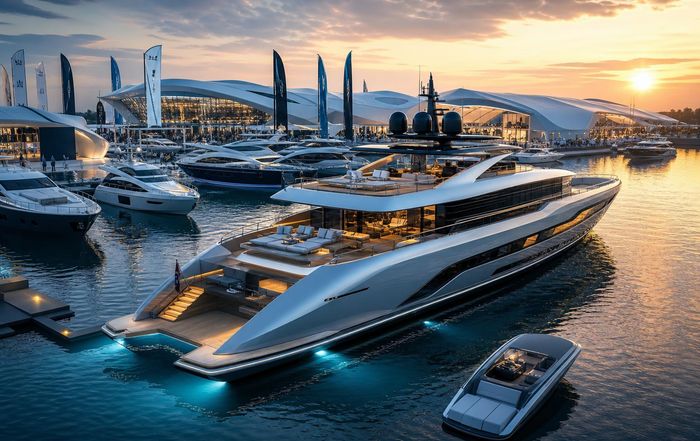
Contemporary motor yachts increasingly feature full-height windows, open-plan main decks and expansive beach clubs that extend living space to the waterline. Fold-down terraces, glass transoms and integrated pool areas are no longer limited to the largest superyachts; they are appearing on yachts in the 20-30 metre range, reshaping expectations even in what used to be considered entry-level superyacht territory. For a deeper exploration of how these trends influence both aesthetics and functionality, readers may refer to the design-focused analyses on yacht-review.com design.
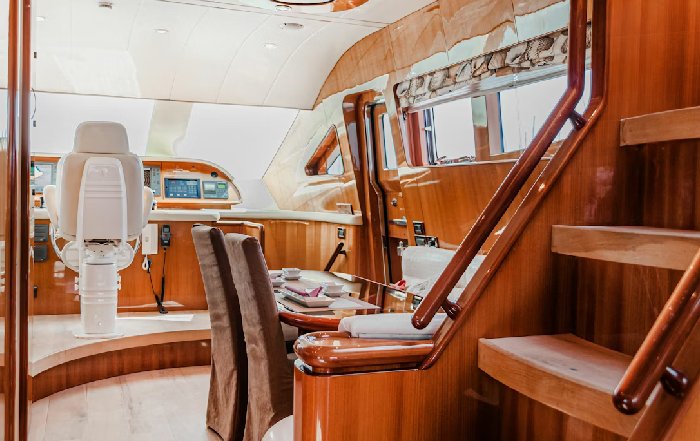
Interior design has also become more personalised and residential in character. Owners are moving away from heavily themed or overly ornate interiors in favour of calm, contemporary palettes, natural materials and flexible spaces that can adapt from family use to corporate entertaining. Leading design studios and shipyards report that wellness spaces, such as spa areas, gyms and dedicated treatment rooms, are increasingly requested even on mid-size yachts, reflecting a wider emphasis on health and well-being in luxury lifestyles. Publications such as Architectural Digest have documented similar trends in high-end residential design, and the cross-pollination between land-based and marine environments is evident in the choice of furnishings, lighting and art on board.
Technology and the Intelligent Yacht
Technological innovation has become a defining factor in the contemporary yacht market, influencing not only performance and efficiency but also comfort, safety and onboard experience. Integrated bridge systems, advanced navigation and dynamic positioning are now standard in many new builds, while digital switching and centralised monitoring platforms allow crews to manage complex systems with greater reliability and efficiency.
Connectivity remains a central concern for many owners and charter guests, particularly those who wish to work remotely while at sea. Advances in satellite communications, including the rollout of low Earth orbit (LEO) constellations, are progressively improving bandwidth and latency for yachts operating far from shore-based networks. Technology-focused coverage from sources such as Maritime Executive provides ongoing updates on how these developments are being integrated into maritime operations.
Automation and smart-yacht features are also becoming more widespread. From stabilisation systems that significantly reduce roll at anchor to energy management platforms that optimise generator usage and battery storage, technology is enabling yachts to be both more comfortable and more efficient. For buyers, it is crucial to assess not just the presence of advanced systems but also the quality of integration, redundancy and long-term support. At yacht-review.com, the editorial team pays particular attention to these aspects in its coverage of new models and refits, as explored in the technology section.
Sustainability and Regulatory Pressure
Sustainability has moved from a peripheral concern to a central theme in yacht design, construction and operation. While the overall environmental footprint of the global yacht fleet remains a subject of debate and ongoing improvement, there is clear evidence of accelerated innovation in propulsion, materials and energy management.
Hybrid propulsion systems combining diesel engines with electric motors and battery banks are increasingly being offered on yachts across a wide size range, from sub-24 metre vessels to large superyachts. Some high-profile projects have adopted advanced technologies such as fuel cells or methanol-ready designs, although these remain at an early stage in commercial deployment. Organisations such as the Water Revolution Foundation and classification societies including Lloyd's Register and Bureau Veritas are working with shipyards and owners to develop guidelines and tools that support more sustainable design choices. Interested readers can learn more about sustainable business practices within the superyacht sector through specialised foundations and industry initiatives.
Regulatory frameworks are also influencing owner decisions. Emission control areas (ECAs), stricter port regulations and growing expectations from charter clients and crew regarding environmental responsibility are encouraging investment in more efficient hulls, advanced wastewater treatment systems and waste management practices. At yacht-review.com, sustainability is treated not as a marketing slogan but as a practical dimension of ownership that affects operational costs, cruising flexibility and future resale value, and this is reflected in our dedicated sustainability coverage.
For buyers, the key consideration is to anticipate where regulations and market expectations are heading, not merely to comply with current rules. Yachts that are designed with future regulatory tightening in mind, or that can be feasibly upgraded, are more likely to retain their desirability and charter competitiveness over time.
The Charter Market as a Strategic Consideration
The global charter market has become an increasingly important factor in yacht purchase decisions, even for owners who do not intend to charter extensively. Charter demand provides a real-world test of what features and configurations are most valued by paying guests, which in turn influences both new-build design and brokerage pricing.
Data from leading charter houses and industry reports indicate strong demand for modern yachts with generous outdoor spaces, flexible accommodation and a wide range of water toys and wellness facilities. The Mediterranean and Caribbean remain the dominant charter regions, but there is growing interest in more remote destinations, from Norway and Iceland to the South Pacific. Independent resources such as Fraser Yachts and other major charter brokers regularly publish market reports that highlight booking patterns and emerging destinations.
For buyers, understanding charter trends is valuable even if the yacht will be used primarily for private cruising. A layout that works well for charter typically offers versatility in cabin arrangements, strong crew accommodation and service areas, and robust storage for toys and provisions, all of which also enhance private enjoyment and operational resilience. At yacht-review.com, the interplay between private and charter use is a recurring theme in our cruising and lifestyle features, where we explore how different ownership strategies align with personal and business objectives.
Ownership Structures, Financing and Professionalisation
The financial and legal aspects of yacht ownership have become more sophisticated as the market has grown and globalised. Buyers today are presented with a range of ownership structures, including direct private ownership, corporate entities, charter-oriented companies and shared-ownership or fractional schemes. Each approach carries implications for taxation, liability, privacy and operational flexibility, and the optimal structure depends heavily on the buyer's domicile, cruising plans and intended use.
Specialised marine finance providers and private banks continue to support yacht acquisitions, particularly in the mid-size and superyacht segments, although lending criteria have tightened in some jurisdictions. Leasing structures, particularly in parts of Europe, remain a tool for managing VAT exposure, though they are subject to evolving regulatory interpretations. Reputable legal and tax advisory firms with maritime expertise are essential partners in navigating this landscape, and independent guidance from sources such as Lloyd's List can help buyers stay informed about regulatory and compliance developments.
The operational side of ownership has also become more professional. Many owners engage dedicated yacht management companies to oversee technical operations, crew management, compliance and budgeting. This professionalisation enhances safety and reliability while providing transparency on running costs and maintenance planning, which in turn supports better decision-making about refits, upgrades and potential resale. At yacht-review.com, the business dimension of yachting is an important editorial pillar, and our business coverage explores how ownership structures, management strategies and market conditions intersect.
Brokerage Market and the Importance of Due Diligence
The brokerage market remains a critical component of the global yacht ecosystem, offering buyers access to a wide range of pre-owned vessels and, in some cases, near-delivery new builds whose original contracts have been reassigned. In periods of strong demand and limited new-build capacity, high-quality brokerage yachts can attract significant interest, leading to competitive bidding, especially for late-model vessels from respected shipyards with desirable specifications.
For buyers, this environment underscores the importance of thorough due diligence. Comprehensive surveys, sea trials and technical inspections are essential, as is a detailed review of maintenance history, classification and flag status, and any pending regulatory upgrades that may be required for continued operation in key cruising regions. Independent classification societies and flag administrations provide public guidance on their websites, and buyers can benefit from reviewing these resources in parallel with professional advice. For an historical perspective on how brokerage cycles have evolved over time, readers can explore the history section of yacht-review.com, where past market shifts are examined in context.
In addition to technical and legal checks, buyers should pay attention to soft factors such as crew continuity, refit quality and the reputation of the shipyard and designers involved. Yachts that have been consistently maintained by reputable yards and managed by experienced crews often present lower long-term risk, even if they command a premium at purchase.
Lifestyle, Travel and the Human Dimension
Beyond market statistics and technical details, yachting is ultimately about lifestyle, travel and personal fulfilment. The recent surge in interest in remote work and flexible living has encouraged many owners to spend more time on board, using their yachts as mobile bases for family life, business and exploration. This has reinforced the importance of comfortable long-term living spaces, reliable connectivity and thoughtful crew arrangements.
Destinations are also evolving. While classic Mediterranean and Caribbean hotspots remain central to the yachting experience, there is increasing curiosity about emerging cruising grounds in Northern Europe, Asia-Pacific and high-latitude regions. Publications such as National Geographic have highlighted the allure and environmental sensitivity of polar and remote destinations, encouraging more responsible and well-prepared exploration. At yacht-review.com, travel-oriented features in our travel section and global coverage consider how yachts can be used to experience diverse cultures and environments in a respectful, sustainable manner.
The human dimension extends to crew and community. Professional, well-supported crews are central to a positive ownership experience, and there is growing recognition of the importance of fair employment practices, training and career development in attracting and retaining talent. Yachting also intersects with local communities in cruising regions, and there is a growing emphasis on responsible tourism, local engagement and philanthropy, themes that are explored in yacht-review.com's community coverage.
Navigating the Next Phase of the Market
Looking ahead, the global yacht market appears set to remain dynamic, shaped by macroeconomic conditions, technological innovation, regulatory evolution and changing owner expectations. While no market is immune to cycles, the structural trends outlined above suggest that yachts which combine efficient, future-proofed engineering with thoughtful design, strong sustainability credentials and versatile layouts are likely to remain in demand.
For buyers, the most successful strategies will involve a combination of careful market analysis, rigorous technical due diligence and a clear understanding of personal objectives. Engaging with experienced professionals-brokers, naval architects, legal and tax advisers, surveyors and managers-remains essential, but so too does independent research and reflection on how a yacht will fit into a broader lifestyle and long-term plan.
At yacht-review, the independent and impartial mission is to support this decision-making process by offering in-depth reviews, design analysis, business insight and travel inspiration, all grounded in a commitment to accuracy, expertise and long-term value. Readers seeking a broader view of current developments can explore our latest news coverage and the main yacht-review.com portal, where the evolving global yacht market is examined from multiple perspectives.
In an era when time and experiences are increasingly valued over possessions, yachts occupy a unique position as platforms for exploration, connection and personal fulfilment. Understanding the global trends shaping this market enables buyers not only to make sound investments but also to create the conditions for richer, more meaningful time on the water, whether cruising familiar coastlines or venturing to the farthest corners of the world.